High-End Luxury Jewelry: Is It Worth the Price?
Is high-end luxury jewelry truly worth the premium, or is its value rooted in craftsmanship, brand equity, and long-term commercial appeal? For buyers exploring custom jewelry design, luxury jewelry wholesale, or sourcing through a custom jewelry manufacturer, understanding the real return on investment is essential. This guide examines how high-end luxury jewelry creates value for retailers, hotels, luxury brands, and B2B procurement teams.
In B2B purchasing, the question is rarely limited to whether a diamond necklace or bespoke bracelet looks impressive in a display case. Procurement teams, distributors, and commercial evaluators need to assess durability, margin potential, brand alignment, lead time, after-sales support, and supplier reliability. A luxury jewelry piece priced 2 to 5 times above mass-market alternatives may still be commercially rational if it delivers stronger sell-through, lower return rates, and better positioning in premium retail environments.
For sectors connected to hospitality, specialty retail, and luxury accessories, high-end jewelry also functions as a strategic product category. It can lift average transaction value, support VIP programs, strengthen destination retail concepts, and create co-branded opportunities with hotels, boutiques, and lifestyle operators. That is why buyers sourcing through Global Commercial Trade increasingly evaluate luxury jewelry not just as a product, but as a high-value commercial asset.
What Buyers Are Really Paying For in High-End Luxury Jewelry
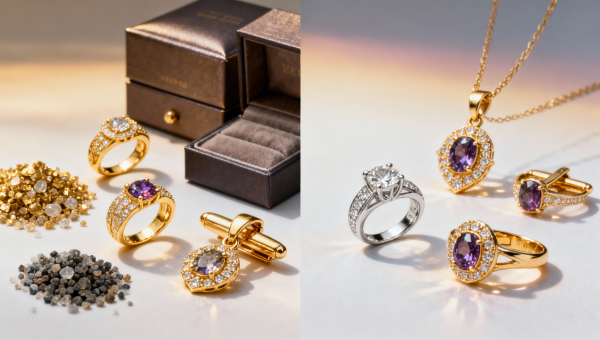
The price of high-end luxury jewelry is built from multiple layers of value. Materials are only one part of the equation. Precious metals such as 18K gold or platinum, natural diamonds, calibrated gemstones, and specialty finishes raise direct production cost, but premium pricing usually reflects a deeper mix of design complexity, finishing precision, and brand-backed presentation.
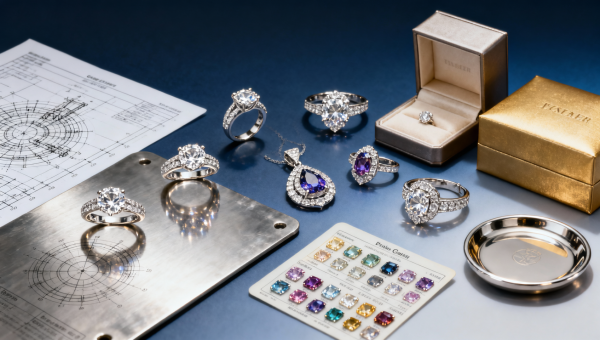
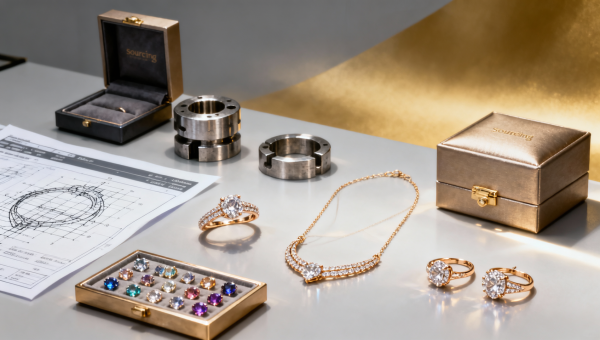
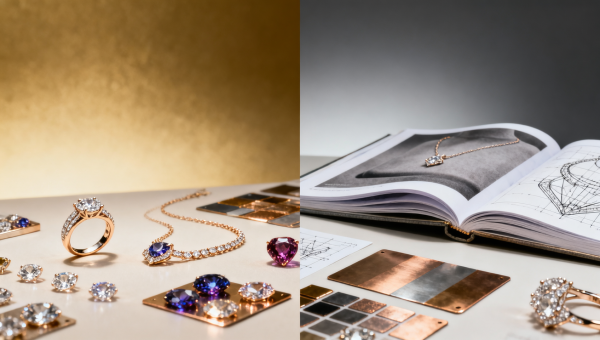
In practical sourcing terms, craftsmanship can account for a meaningful share of the final cost. Hand-setting micro pavé stones, invisible settings, high-polish mirror finishing, and custom wax modeling require more labor hours than standard cast-and-assemble production. A mass-market ring may move from CAD file to final polishing in 7 to 12 days, while a high-end custom jewelry design project often requires 3 to 6 weeks, especially when multiple approval rounds are involved.
Brand equity is another price driver. In luxury jewelry wholesale, buyers are not only paying for the object itself, but for the narrative, packaging standards, certificate readiness, display compatibility, and perceived scarcity. For distributors and agents, this matters because premium jewelry often sells on confidence and context as much as on specification.
A reliable custom jewelry manufacturer also builds value through process control. Tighter stone matching tolerances, more rigorous plating thickness checks, and stronger QC at 3 to 5 key stages can reduce defects and shrinkage. For commercial buyers, that translates into fewer customer complaints, lower replacement costs, and more predictable product consistency across batches.
Core components behind premium pricing
- Material grade: 14K versus 18K gold, platinum content, natural versus lab-grown stones, and gemstone clarity ranges.
- Labor intensity: hand-setting, engraving, polishing cycles, and multi-stage finishing can add 20% to 40% to production time.
- Design exclusivity: bespoke collections, limited runs under 100 pieces, and private-label customization increase development cost.
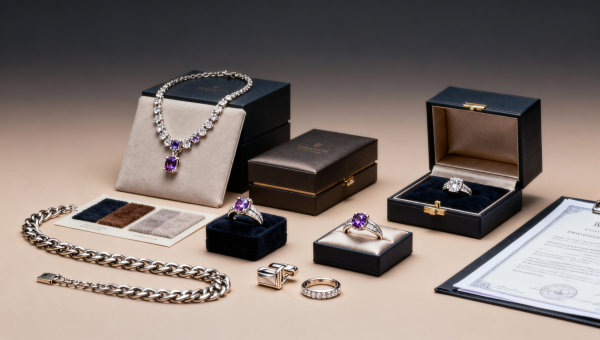
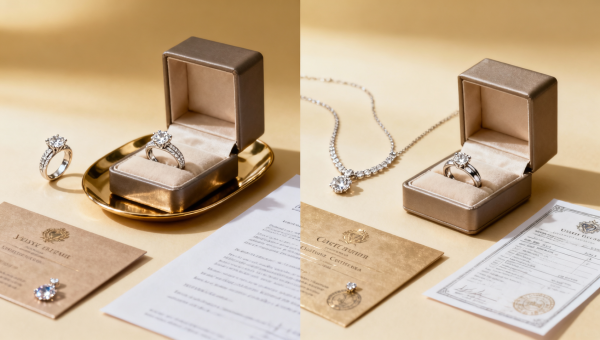
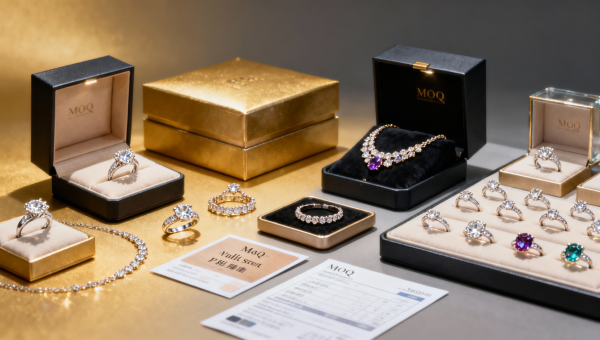
- Commercial presentation: luxury boxes, certificates, anti-tarnish storage, and branded inserts support premium resale positioning.
The table below breaks down how buyers should interpret price in a commercial sourcing context rather than through a purely retail lens.
The key takeaway is that price alone does not determine value. In high-end luxury jewelry, the premium can be justified when it supports margin protection, presentation quality, and long-term brand fit across multiple sales channels.
When High-End Jewelry Delivers Strong Commercial ROI
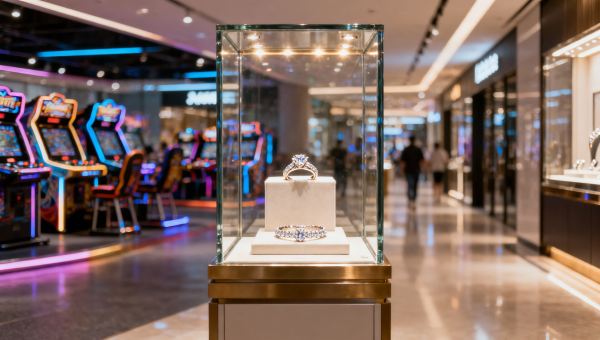
High-end luxury jewelry tends to justify its price most clearly in environments where perception, exclusivity, and customer experience directly influence revenue. This includes luxury boutiques, resort retail, premium department stores, airport duty-free concepts, and branded hotel gift galleries. In these channels, a lower-cost item may save 15% to 30% on procurement, but it can also weaken the premium promise of the entire merchandising strategy.
For retailers, one of the main advantages is average order value. A curated assortment of high-end pieces can raise basket size and encourage attachment sales such as matching earrings, pendants, or gift packaging upgrades. For hospitality buyers, jewelry can be integrated into VIP gifting programs, bridal packages, or seasonal collaborations tied to local culture and destination storytelling.
Distributors and agents should also consider sales velocity at different price tiers. Mass-market jewelry may move faster in unit terms, but premium collections often generate healthier gross profit per square meter of display space. In high-rent commercial environments, that metric matters. A smaller assortment of well-designed luxury pieces can outperform a larger volume strategy if the audience is aligned.
Commercial ROI is also influenced by return rates and service burden. Better stone setting, thicker plating where applicable, secure clasps, and higher-quality hinges or mechanical connections can reduce common post-sale issues. Even a 2% to 4% drop in returns can materially improve profitability over a 12-month cycle for premium retailers.
Scenarios where premium jewelry often performs best
Luxury hospitality
Hotels and resorts serving affluent travelers often use luxury accessories to extend guest spending beyond accommodation and food service. Jewelry linked to destination themes, bridal travel, or spa retail can create higher perceived exclusivity than standard souvenir categories.
Boutique and concept retail
Independent retailers benefit when high-end collections give them a point of difference versus online commodity sellers. Limited editions, custom jewelry design, and controlled distribution can help protect pricing and reduce direct comparison shopping.
Corporate and private-label programs
Brands launching special collections, loyalty gifts, or high-value commemorative pieces often need a custom jewelry manufacturer capable of low-volume precision production, typically from 30 to 300 units per design depending on complexity and packaging requirements.
The following comparison helps B2B buyers judge when premium jewelry is commercially sensible and when a mid-tier solution may be more appropriate.
In short, premium jewelry makes the most sense when the selling environment rewards rarity, trust, and elevated experience. If the channel competes mainly on volume and discounting, the price premium may be harder to recover.
How to Evaluate a Custom Jewelry Manufacturer Before You Buy
Choosing the right custom jewelry manufacturer is often more important than negotiating the last 5% of unit price. An experienced supplier can improve production consistency, shorten revision cycles, and help buyers avoid costly errors in stone specification, metal finishing, and packaging alignment. This is especially relevant for luxury jewelry wholesale programs where repeatability across seasons matters.
Start with technical capabilities. Ask whether the supplier handles CAD development, wax carving, casting, stone sourcing, hand setting, electroplating, polishing, laser engraving, and packaging integration in-house or through subcontractors. A factory with 4 to 7 controlled internal steps usually offers better visibility than a fragmented supply chain with multiple external handoffs.
Next, examine sampling discipline. For high-end projects, one prototype is rarely enough. Buyers should expect at least 2 to 3 review points: digital drawing approval, physical sample confirmation, and pre-mass-production sign-off. This reduces the risk of issues such as oversized prongs, uneven stone heights, weak clasp tension, or branding elements that do not scale correctly on small surfaces.
Commercial teams should also look at MOQ, lead time, and revision policy. A manufacturer may quote an attractive unit cost but require an MOQ of 500 pieces, which may not fit a test launch or premium capsule collection. In luxury projects, MOQs of 30 to 100 units per style can be more practical, provided the supplier can maintain finish quality across small batches.
A practical supplier evaluation checklist
- Confirm material transparency, including metal karat level, stone origin category, and plating or finishing details.
- Review at least 3 comparable sample projects that match your target complexity, not just generic catalog items.
- Assess sampling and production lead times separately; a 10-day sample promise does not guarantee a 20-day production run.
- Check defect handling, remake policy, and post-delivery support within the first 30 to 90 days after shipment.
- Verify packaging, labeling, barcoding, and documentation needs for distributors, retailers, or hotel procurement systems.
Common red flags in premium jewelry sourcing
Be cautious if a supplier cannot explain stone matching standards, uses inconsistent terminology for metal purity, or avoids providing close-up images of setting quality. Another warning sign is an unrealistic timeline, such as promising custom development, sample approval, full production, and branded packaging in under 10 days for a complex item. In most cases, that is not compatible with genuine high-end workmanship.
The most dependable suppliers welcome detailed questions because premium buyers require traceable process control. For B2B sourcing, professionalism is measured not only by aesthetics, but by documentation, communication speed, and production discipline.
Cost, Risk, and Margin: Building a Smarter Procurement Model
A high purchase price becomes risky only when buyers fail to connect it to channel strategy. The smarter approach is to model total commercial value. That includes landed cost, expected markup, display cost, return allowance, inventory turnover, and after-sales servicing. For luxury jewelry wholesale, a stronger gross margin often depends on disciplined assortment planning rather than broad, speculative buying.
Procurement teams should break decisions into 4 core metrics: unit economics, sell-through potential, quality risk, and brand fit. For example, a ring with a 35% higher procurement cost may still outperform a cheaper option if it supports a 60% higher retail price while maintaining lower return frequency. This is why commercial evaluators should compare contribution margin, not just invoice price.
Risk control is equally important. Luxury jewelry often involves higher-value inventory with slower replenishment than fashion accessories. Buyers should define acceptable lead times, such as 3 to 5 weeks for replenishment and 4 to 8 weeks for new custom development, depending on stone sourcing and finishing complexity. Safety stock strategy should also reflect demand volatility and seasonality.
Another overlooked area is product mix. Not every piece in a premium collection needs the same investment level. Many successful buyers use a tiered architecture: flagship hero pieces for image, mid-ticket items for conversion, and smaller giftable pieces for volume support. This balance helps reduce overexposure to slow-moving inventory while preserving a luxury presentation.
Procurement factors that should influence final selection
The table below offers a practical framework for aligning premium jewelry sourcing decisions with business performance requirements.
The strongest procurement model treats luxury jewelry as a managed portfolio. Buyers who define thresholds, assortments, and service expectations early are better positioned to convert premium price into sustainable profit.
Common Buyer Questions About High-End Luxury Jewelry
How can buyers tell whether a luxury jewelry premium is justified?
Review the premium across 5 areas: materials, craftsmanship, design exclusivity, packaging system, and supplier service reliability. If a higher-priced item delivers noticeably better finish consistency, stronger storytelling, and lower after-sales risk, the premium may be commercially justified even before brand markup is considered.
Is custom jewelry design suitable for small-batch B2B projects?
Yes, especially for hotels, private labels, commemorative gifting, and boutique retail capsules. Many capable manufacturers can support 30 to 100 units per style for custom projects, though unit cost will be higher than mass production. Small-batch sourcing works best when the design has a clear commercial purpose, such as exclusivity, local relevance, or VIP targeting.
What lead time should procurement teams expect?
For standard luxury jewelry wholesale items, lead time may range from 2 to 4 weeks depending on stock position and finishing needs. For custom development, 4 to 8 weeks is a more realistic planning range when CAD approval, sample revision, stone sourcing, production, and branded packaging are included.
What are the most common mistakes in premium jewelry sourcing?
The most frequent mistakes are buying on appearance alone, underestimating sampling time, ignoring packaging requirements, and selecting suppliers without checking repeatability. Another common error is overbuying too many styles before identifying the top 20% of designs that are most likely to drive 80% of premium sales value.
How should distributors and agents position high-end jewelry to commercial clients?
Focus on use case, not just product specs. Position premium jewelry as a tool for brand elevation, destination retail differentiation, higher basket value, and curated gifting. Decision-makers respond better when they can connect product quality to measurable commercial outcomes.
High-end luxury jewelry is worth the price when buyers evaluate it through the right commercial lens. The premium should be measured against craftsmanship, consistency, assortment strategy, customer experience, and the ability to support higher-margin sales in luxury-driven channels. For retailers, hospitality operators, distributors, and procurement teams, the goal is not simply to buy expensive products, but to source jewelry that can strengthen brand perception and deliver sustainable returns.
Global Commercial Trade helps decision-makers assess custom jewelry design, luxury jewelry wholesale opportunities, and custom jewelry manufacturer capabilities with a sourcing mindset grounded in real-world business value. If you are planning a premium jewelry assortment, evaluating a supplier, or building a bespoke commercial program, contact us to discuss your project, request a tailored sourcing plan, or explore more solutions for the jewelry and luxury accessories market.
Search News
Hot Articles
- Pro Stage AudioFIFA Adopts Chinese Mini-LED Displays for 2026 World Cup VAR SystemApr 24, 2026
- Outdoor RidesChina FA Warns Nanjing City Over Fan Conduct; ISO 20785 Compliance AcceleratesApr 24, 2026
- Pro Stage AudioFan Zhendong Visits Silicon Valley as MLTT Investor, AI Ping-Pong Tech Draws US InterestApr 24, 2026
Popular Tags
Need ExpertConsultation?
Connect with our specialized leisureengineering team for procurementstrategies.
Recommended News
 Apr 23, 2026Texas Launches PFAS Probe Against Lululemon, Export Compliance Risks RisePFAS probe against Lululemon in Texas escalates export compliance risks for sportswear ODMs, testing labs & chemical suppliers — act now.● Luxury Retail Analyst
 Apr 21, 2026FDA Proposes Chinese Label Translation Requirement for Sports SupplementsFDA proposes Chinese label translation requirements for sports supplements—learn how protein powders, BCAAs & creatine brands can prepare for Q3 2026 compliance.● Luxury Retail Analyst
 Apr 21, 2026CPSC Urgent Alert: PFAS in Fitness Apparel Risks US Import DelaysPFAS in fitness apparel triggers CPSC alerts—avoid US import delays! Get CPSC-recognized PFAS testing, compliance tips & port detention prevention now.● Luxury Retail Analyst
 Apr 20, 2026US CPSC Alert: PFAS in Fitness Apparel May Delay US Import ClearancePFAS in fitness apparel may delay US import clearance—learn how the Texas AG probe & CPSC alert impact compliance, testing, and supply chains now.● Luxury Retail Analyst
 Apr 15, 2026FDA Updates Guidelines for Sports Nutrition Supplement Labels: Chinese Translations Must Be FDA-CertifiedFDA now requires Chinese translations on sports nutrition supplement labels to be FDA-certified. Learn how this impacts manufacturers, importers, and compliance timelines for US market access.● Luxury Retail Analyst
 Apr 14, 2026Japan Updates Jewelry Labeling Rules: Mandatory China Factory Codes from April 2026Japan's new jewelry labeling rules mandate 'Country of Origin + China Factory Code' (CN-FAC-XXXXX) from April 2026. Learn how this impacts Chinese exporters and Japanese importers in the $2.1B precious metals market.● Luxury Retail Analyst
 Apr 14, 2026RCEP Tariff Cuts Boost China's Optical Lens Exports to ASEANRCEP tariff cuts boost China's optical lens exports to ASEAN with 0% duties on CR-39 & polycarbonate lenses. Learn how this + faster logistics create new trade opportunities.● Luxury Retail Analyst
 Apr 14, 2026US CPSC Proposes Stricter Lead Limits in Children's Jewelry, Impacting Chinese ExportersUS CPSC proposes stricter lead limits (40ppm) in children's jewelry, impacting Chinese exporters with new compliance challenges. Learn how this 2026 regulation affects manufacturers & supply chains.● Luxury Retail Analyst
 Apr 14, 2026EU's Revised EN 14138:2026 Eyewear Nickel Standard Takes Effect, Impacting Chinese ExportersEU's EN 14138:2026 eyewear standard tightens nickel limits to 0.2μg/cm²/week, impacting Chinese exporters. Learn compliance strategies for EU market access.● Luxury Retail Analyst
 Apr 25, 2026Luxury Jewelry B2B in 2026: What Changes?Luxury jewelry B2B in 2026: explore custom jewelry design, custom jewelry manufacturer trends, luxury jewelry wholesale shifts, and how custom luxury jewelry drives faster, safer growth.● Luxury Retail Analyst
 Apr 25, 2026How to Grow a Luxury Accessories Online StoreLearn how to grow a luxury accessories online store with custom jewelry design, a trusted custom jewelry manufacturer, luxury accessories wholesale strategy, and high-end luxury jewelry that converts.● Luxury Retail Analyst
 Apr 25, 2026Custom Jewelry for Corporate Gifts That LastCustom jewelry for corporate gifts from a trusted custom jewelry manufacturer—discover custom jewelry design, high-end luxury jewelry, and scalable luxury jewelry B2B solutions.● Luxury Retail Analyst
 Apr 25, 2026What a Good Luxury Accessories Catalog IncludesLuxury accessories catalog guide covering custom jewelry design, high-end luxury jewelry, luxury accessories for men and women, and trusted luxury jewelry B2B sourcing insights.● Luxury Retail Analyst
 Apr 26, 2026Custom Jewelry for Weddings: Where to Start?Custom jewelry for weddings starts with strategy. Explore custom jewelry design, choosing a custom jewelry manufacturer, and sourcing high-end luxury jewelry that balances quality, scalability, and profit.● Luxury Retail Analyst
 Apr 26, 2026Luxury Jewelry Wholesale: MOQ, Margin, Lead TimeLuxury jewelry wholesale guide: compare MOQ, margin, and lead time for custom jewelry design, custom jewelry manufacturer selection, and profitable luxury jewelry B2B sourcing.● Luxury Retail Analyst
 Apr 26, 2026What Buyers Miss in Custom Luxury Jewelry OrdersCustom luxury jewelry buyers often overlook sourcing, compliance, and production risks. Learn how a custom jewelry manufacturer secures quality, repeatability, and B2B value.● Luxury Retail Analyst
 Apr 26, 2026High-End Luxury Jewelry: Is It Worth the Price?High-end luxury jewelry explained: compare custom jewelry design, luxury jewelry wholesale, and the right custom jewelry manufacturer to judge ROI, quality, and B2B sourcing value.● Luxury Retail Analyst
 Apr 26, 2026How to Source Luxury Accessories for WomenSource luxury accessories for women with confidence. Compare custom jewelry manufacturers, luxury jewelry wholesale options, and high-end luxury jewelry strategies for scalable B2B growth.● Luxury Retail Analyst
 Apr 26, 2026Which Luxury Accessories for Men Sell Best?Luxury accessories for men sell best in watches, eyewear, and custom jewelry design. Explore luxury jewelry wholesale trends, top B2B sourcing tips, and winning premium categories.● Luxury Retail Analyst
 Apr 26, 2026Custom Jewelry Manufacturer vs Trading CompanyCompare a custom jewelry manufacturer vs trading company for custom jewelry design, custom luxury jewelry, and luxury jewelry B2B sourcing—improve quality, pricing, and lead times.● Luxury Retail Analyst
 Apr 26, 2026What Makes a Reliable Custom Jewelry Manufacturer?Custom jewelry manufacturer guide: learn how custom jewelry design, quality control, lead times, and compliance shape reliable custom luxury jewelry sourcing for B2B buyers.● Luxury Retail Analyst
 Apr 26, 2026Custom Jewelry Design: What Impacts Cost Most?Custom jewelry design cost depends most on materials, craftsmanship, and MOQ. Compare custom jewelry manufacturer options for custom luxury jewelry and smarter luxury jewelry B2B sourcing.● Luxury Retail Analyst
 Apr 26, 2026How to Choose a Custom Jewelry Design PartnerCustom jewelry design starts with the right partner. Learn how to choose a custom jewelry manufacturer for high-end luxury jewelry, B2B sourcing, weddings, and corporate gifts.● Luxury Retail Analyst
 Apr 22, 2026Why Some Luxury Jewelry Collections Lose Value in DisplayLuxury jewelry in a trampoline park, indoor playground, arcade games or musical instruments venue can lose value fast. Discover smarter display strategies that protect premium appeal and buyer confidence.● Luxury Retail Analyst