How to Build a Luxury Accessories Catalog
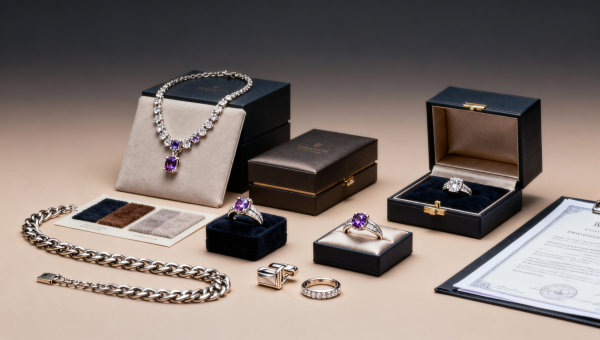
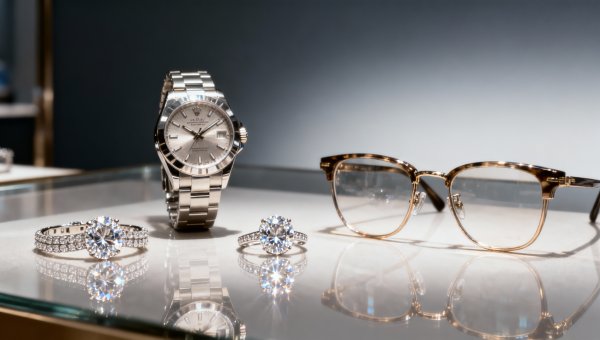
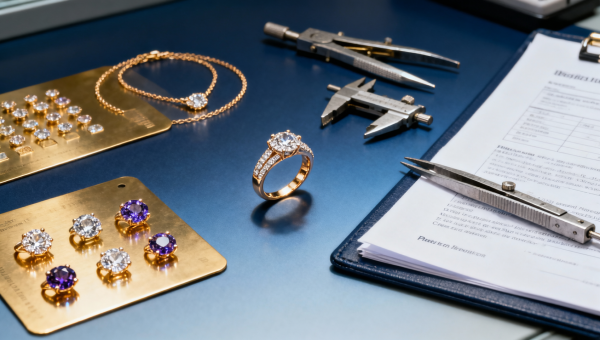
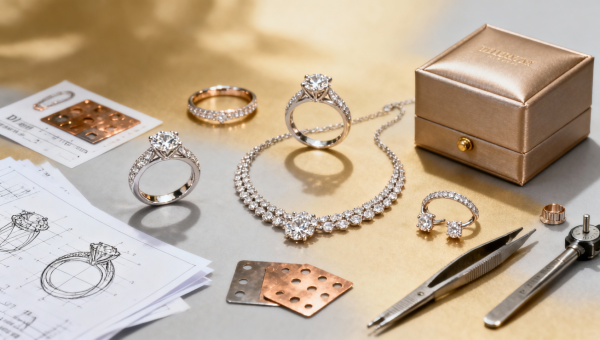
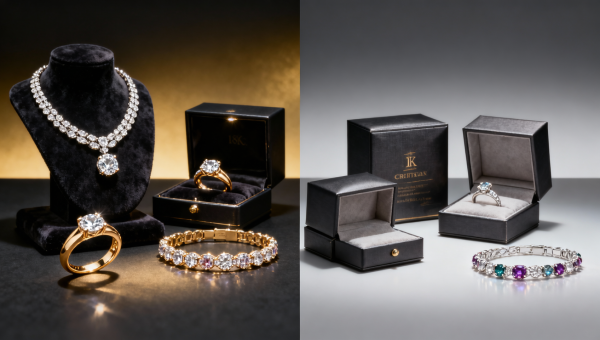
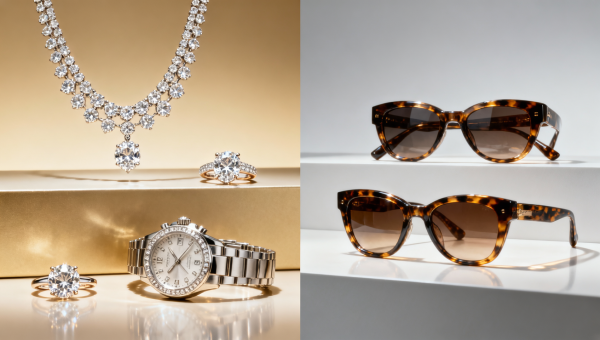
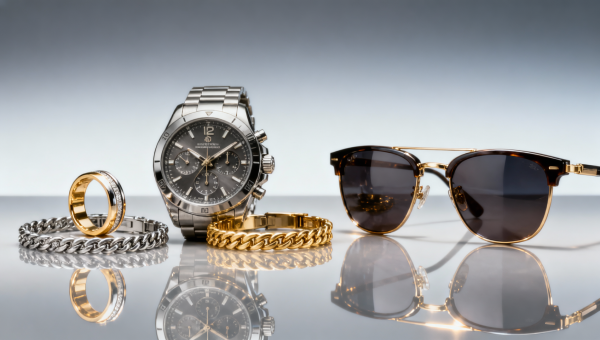
Building a luxury accessories catalog requires more than elegant visuals—it demands strategic product selection, market positioning, and supplier insight. Whether you source high-end luxury jewelry, luxury accessories for men, or custom luxury jewelry for hotels, luxury brands, and corporate buyers, a well-structured catalog can drive B2B trust and conversions. This guide explains how to create a compelling luxury accessories catalog that supports sourcing, branding, and wholesale growth.
For procurement teams, commercial evaluators, distributors, and sourcing researchers, a catalog is not just a sales document. In the watches, jewelry, and eyewear sector, it functions as a decision tool that helps compare design language, material quality, OEM or ODM capability, compliance readiness, lead time, and wholesale suitability across multiple supplier options.
In premium B2B trade, buyers often review 20 to 50 SKUs before shortlisting only 3 to 5 supplier candidates. That means your catalog must communicate both aesthetic value and operational reliability. It should help a hotel group source custom jewelry gifts, enable a distributor to evaluate luxury accessories for men, and allow a retail buyer to judge whether a collection can perform across different price tiers and regional preferences.
Define the commercial purpose of the catalog before selecting products
The first step in building a luxury accessories catalog is to define why the catalog exists. A catalog for wholesale jewelry distribution is structurally different from one designed for bespoke hotel amenities, branded VIP gifts, or luxury eyewear collections for specialty retailers. Without a defined objective, even visually strong catalogs often fail to convert because they mix incompatible price points, buyer types, and product stories.
A useful B2B catalog should answer 4 commercial questions within the first few pages: who the collection is for, what category depth is available, what level of customization is possible, and how the supplier manages delivery and quality consistency. If these points are unclear, procurement teams will usually move on, especially when comparing 10 or more vendors in one sourcing cycle.
In watches, jewelry, and eyewear, segmentation matters. A catalog aimed at department store distributors may require broad assortment width and stable reorder capacity. A catalog for hospitality buyers may need lower SKU count but stronger customization, gift packaging, and logo application options. A catalog for luxury brand collaborations may need more focus on craftsmanship, precious materials, and design confidentiality.
Start with buyer scenario mapping
Map the catalog to at least 3 buyer scenarios. For example: retail resale, project-based sourcing, and private-label development. Each scenario has different expectations for MOQ, sample lead time, packaging requirements, and visual presentation. A distributor may accept an MOQ of 100 to 300 units per style, while a custom jewelry gifting project may begin with 30 to 80 pieces but require more design revisions.
Core planning checklist
- Define the primary audience: sourcing manager, distributor, commercial buyer, or brand development team.
- Choose 1 to 3 core categories, such as fine jewelry, fashion jewelry, luxury eyewear, or premium watches.
- Set a target price architecture, for example entry luxury, bridge luxury, or high-end custom.
- Clarify whether the catalog highlights in-stock programs, OEM production, ODM design, or mixed sourcing.
The following table shows how catalog objectives change depending on buyer type. This helps structure the product mix and messaging before visual design begins.
The key takeaway is simple: one catalog should not try to serve every commercial need equally. A focused catalog converts better because it reduces buyer confusion and makes commercial evaluation faster, especially in multi-supplier sourcing processes where response windows may be only 7 to 14 days.
Build a product architecture that reflects luxury positioning
After defining the commercial objective, the next step is to build a product architecture. In a luxury accessories catalog, random assortment weakens perceived value. Buyers expect a deliberate structure: hero products, complementary styles, material tiers, and application-driven subcollections. This is especially important in jewelry and eyewear, where visual identity and category coherence influence buying confidence.
A practical approach is to organize the catalog into 3 layers. The first layer is signature products that anchor the collection. The second is commercial core products with broader reorder potential. The third is custom or limited-development items used to demonstrate design capability. This model works well across watches, jewelry, and eyewear because it balances inspiration with realistic procurement needs.
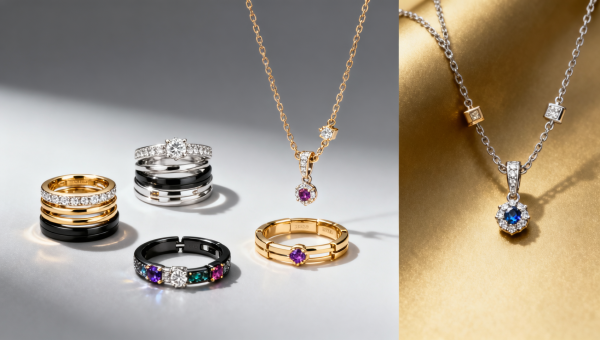
For example, a luxury jewelry catalog may begin with gemstone statement pieces, move into wearable daily collections, then show customized sets for private events or hospitality gifting. A luxury eyewear catalog can follow a similar logic: flagship acetate or titanium frames first, commercial bestsellers second, and private-label color or temple branding options third.
What to include in each product page
Each product page should present more than beauty shots. Buyers need specifications that support screening and budgeting. In most B2B luxury accessory programs, the minimum information set includes material composition, finish options, dimensions, packaging format, customization availability, MOQ, sample cycle, and estimated production time. Omitting these details increases inquiry volume but lowers conversion quality.
Recommended product data fields
- Category and style code for efficient quotation management.
- Primary material, such as sterling silver, stainless steel, titanium, acetate, brass, or gold-plated alloy.
- Dimension ranges, for example ring sizes, bracelet lengths, case diameters, lens widths, or temple lengths.
- Available finishes and colorways, ideally limited to 3 to 8 options per SKU for clarity.
- MOQ and estimated lead time, such as 50 pieces in 3 to 5 weeks or 300 pieces in 5 to 8 weeks.
The table below shows an effective category structure for a premium catalog spanning jewelry, watches, and eyewear. It helps buyers compare assortment depth without feeling overwhelmed by excessive SKU noise.
This structure also helps internal sales and sourcing teams. Instead of sharing oversized files with 100 or more loosely related items, they can present a curated range that feels premium and commercially disciplined. In luxury trade, disciplined selection often signals stronger supplier maturity than volume alone.
Present supplier capability, compliance, and lead time with clarity
Many catalogs fail not because the products are weak, but because they do not answer supplier-risk questions. B2B buyers in jewelry, watches, and eyewear need evidence of operational readiness. A polished catalog should clearly explain manufacturing scope, customization boundaries, quality control stages, packaging support, and estimated delivery windows. In commercial buying, trust is built through specifics.
For luxury accessories, lead time transparency is especially important. Sample development may take 7 to 21 days depending on material complexity. Bulk production may range from 4 to 10 weeks based on order size, plating requirements, gemstone setting, frame finishing, or packaging customization. Buyers planning seasonal launches or hotel openings need these ranges early in the sourcing process.
Compliance and product integrity should also appear in practical terms. For eyewear, buyers may ask about material safety, lens standards, or surface finish durability. For jewelry, they may focus on plating consistency, metal declaration, stone setting stability, and packaging protection. For watches, they may want movement type, water resistance level, assembly tolerance, and storage or transport precautions.
Operational details buyers want to see
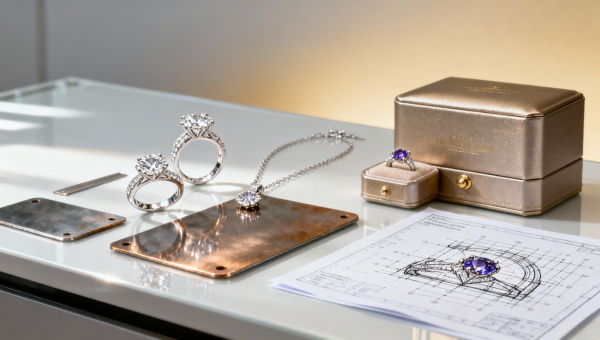
A strong supplier section should include factory or workshop capabilities in a concise format. Instead of generic statements, specify what can be customized and what follows standard production. For example, logo engraving, buckle color, frame temple branding, gift sleeve printing, stone color replacement, and presentation box material are all useful commercial details. Buyers use these details to estimate fit with their project scope.
Suggested capability blocks for the catalog
- Sampling: typical development cycle, revision rounds, and sample fee policy.
- Production: MOQ by category, monthly capacity range, and finishing options.
- Quality control: incoming material check, in-line inspection, and final pre-shipment review.
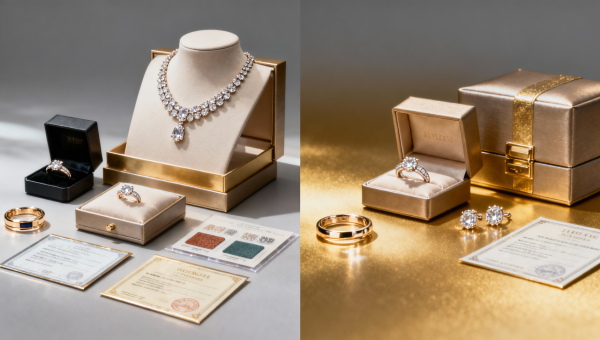
- Packaging: standard box options, branded inserts, and protective transit methods.
The table below gives a practical format for communicating production expectations across luxury accessory categories.
When buyers can see realistic production thresholds and timelines, they can qualify the supplier more efficiently. This reduces unproductive inquiries and improves deal quality. For sourcing platforms and intelligence hubs such as GCT, this kind of structured commercial content supports faster supplier evaluation and better cross-border project planning.
Design the catalog for decision-making, not just aesthetics
Luxury presentation matters, but in B2B catalogs, design must support decision-making. Procurement teams do not read catalogs like fashion editorials. They scan for hierarchy, compare information blocks, and look for quick signals on value, risk, and suitability. A strong catalog therefore needs visual elegance with functional clarity. The best layouts help a buyer understand a collection in under 8 minutes while still leaving room for deeper review.
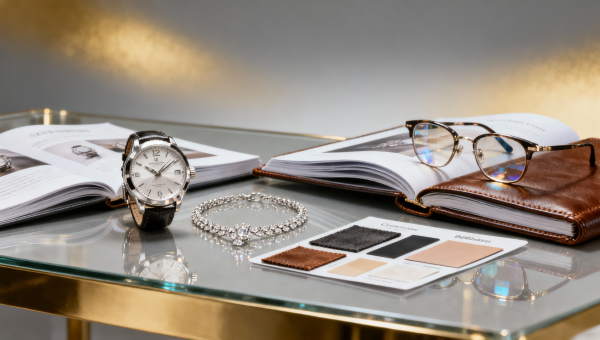
Use a clean page rhythm. A common structure is 1 opening brand spread, 3 to 6 category pages, then detailed SKU pages with consistent specification blocks. Keep image styles consistent across watches, jewelry, and eyewear. If one section uses minimalist studio imagery and another uses crowded lifestyle scenes, the collection can feel fragmented. Consistency supports premium perception.
Pricing visibility should also be handled carefully. Some catalogs work better with price bands rather than exact figures, especially in wholesale or custom development. For example, you can mark products as entry luxury, mid-premium, or bespoke quote only. This protects flexibility while still helping distributors and buyers assess commercial fit.
Page design elements that increase B2B usability
Every product spread should include enough space for visual detail and enough text to support qualification. Jewelry needs close views of setting, clasp, and finish. Watches often need dial, side, buckle, and case-back views. Eyewear benefits from front, side, and hinge detail images, plus lens or frame measurements. Where possible, place these details in a repeatable layout so buyers can compare pages quickly.
Common catalog mistakes to avoid
- Too many SKUs on one page, making premium products look crowded and difficult to compare.
- Missing dimensions, finish details, or MOQ information, forcing buyers to send basic clarification emails.
- Overuse of lifestyle images without enough close-up product views.
- No distinction between standard products and customization-ready products.
In practical terms, a PDF catalog between 20 and 40 pages is often easier to use than a 70-page file filled with repetitive layouts. If the range is larger, consider separating by application: wholesale jewelry, branded gifting, luxury eyewear, and premium watches. Modular catalogs improve follow-up conversations because sales teams can share the most relevant file for each buyer profile.
For digital performance, use searchable text instead of image-only text blocks. This improves internal retrieval, supports platform indexing, and makes the document more useful for international teams who may search by material, category, or specification keywords during evaluation.
Support conversion with sourcing guidance, FAQs, and next-step clarity
A luxury accessories catalog should not end with product pages alone. It should also guide the buyer toward the next commercial step. This may include requesting samples, confirming MOQ, discussing custom packaging, or evaluating OEM and ODM support. When next steps are vague, interest remains passive. When next steps are structured, conversion improves.
This is where sourcing guidance becomes valuable. B2B buyers in watches, jewelry, and eyewear often need help understanding whether a collection is better suited for retail distribution, event gifting, hotel partnerships, or regional dealership development. Adding a short advisory section can reduce friction and improve inquiry relevance.
A well-built FAQ section also expands commercial usefulness. Buyers frequently ask the same questions: what is the typical sampling process, how much customization is possible, what packaging options exist, and how long production takes after approval. Addressing these in the catalog can shorten the first negotiation cycle by 1 to 2 rounds.
FAQ for luxury accessories sourcing
How many products should a luxury accessories catalog include?
For most B2B use cases, 30 to 80 products is a workable range. Fewer than 20 may look too narrow unless the offer is highly bespoke. More than 100 often reduces clarity unless the catalog is split into multiple themed volumes by category or buyer scenario.
What customization details should be clearly shown?
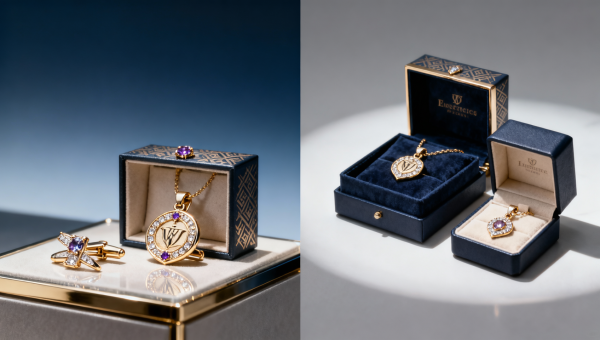
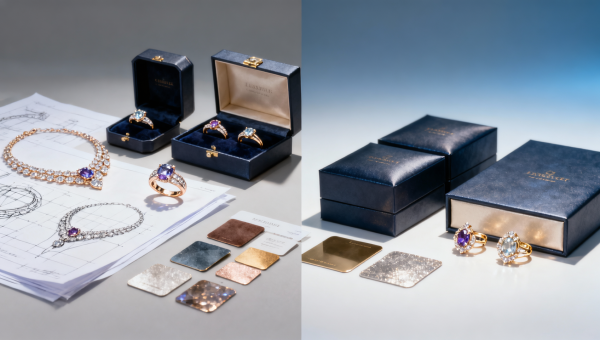
Show the exact areas that can be customized: logo engraving, plating color, gemstone selection, watch dial branding, eyewear temple print, packaging insert, and outer box finish. Buyers respond better when customization is shown visually and paired with MOQ and lead-time notes.
How long does it usually take to launch a custom collection?
A typical custom cycle may include 1 to 2 weeks for concept alignment, 1 to 3 weeks for sampling, and 3 to 8 weeks for production, depending on category complexity. Jewelry with multiple finish steps or eyewear with custom acetate colors may require additional time.
What should distributors or agents focus on first?
Start with margin structure, reorder reliability, category depth, and regional suitability. A beautiful catalog has limited value if the supplier cannot maintain continuity across top-selling SKUs or support replacement packaging and repeat orders within a practical time frame.
For companies building premium visibility in global sourcing channels, the catalog should work as both a sales asset and a trust asset. It should make commercial qualification easier for buyers while also showing the design discipline, production logic, and market awareness expected in the luxury accessories space.
If you are developing a luxury accessories catalog for watches, jewelry, or eyewear, focus on clear buyer targeting, structured product architecture, transparent sourcing details, and conversion-oriented design. Global Commercial Trade can support suppliers and commercial buyers with deeper sourcing intelligence, category positioning, and market-facing content that aligns with premium B2B decision-making. Contact us to discuss your catalog strategy, request a tailored sourcing framework, or explore more solutions for wholesale growth and brand-ready presentation.
Search News
Hot Articles
- Pro Stage AudioFIFA Adopts Chinese Mini-LED Displays for 2026 World Cup VAR SystemApr 24, 2026
- Outdoor RidesChina FA Warns Nanjing City Over Fan Conduct; ISO 20785 Compliance AcceleratesApr 24, 2026
- Pro Stage AudioFan Zhendong Visits Silicon Valley as MLTT Investor, AI Ping-Pong Tech Draws US InterestApr 24, 2026
Popular Tags
Need ExpertConsultation?
Connect with our specialized leisureengineering team for procurementstrategies.
Recommended News
 Apr 23, 2026Texas Launches PFAS Probe Against Lululemon, Export Compliance Risks RisePFAS probe against Lululemon in Texas escalates export compliance risks for sportswear ODMs, testing labs & chemical suppliers — act now.● Luxury Retail Analyst
 Apr 21, 2026FDA Proposes Chinese Label Translation Requirement for Sports SupplementsFDA proposes Chinese label translation requirements for sports supplements—learn how protein powders, BCAAs & creatine brands can prepare for Q3 2026 compliance.● Luxury Retail Analyst
 Apr 21, 2026CPSC Urgent Alert: PFAS in Fitness Apparel Risks US Import DelaysPFAS in fitness apparel triggers CPSC alerts—avoid US import delays! Get CPSC-recognized PFAS testing, compliance tips & port detention prevention now.● Luxury Retail Analyst
 Apr 20, 2026US CPSC Alert: PFAS in Fitness Apparel May Delay US Import ClearancePFAS in fitness apparel may delay US import clearance—learn how the Texas AG probe & CPSC alert impact compliance, testing, and supply chains now.● Luxury Retail Analyst
 Apr 15, 2026FDA Updates Guidelines for Sports Nutrition Supplement Labels: Chinese Translations Must Be FDA-CertifiedFDA now requires Chinese translations on sports nutrition supplement labels to be FDA-certified. Learn how this impacts manufacturers, importers, and compliance timelines for US market access.● Luxury Retail Analyst
 Apr 14, 2026Japan Updates Jewelry Labeling Rules: Mandatory China Factory Codes from April 2026Japan's new jewelry labeling rules mandate 'Country of Origin + China Factory Code' (CN-FAC-XXXXX) from April 2026. Learn how this impacts Chinese exporters and Japanese importers in the $2.1B precious metals market.● Luxury Retail Analyst
 Apr 14, 2026RCEP Tariff Cuts Boost China's Optical Lens Exports to ASEANRCEP tariff cuts boost China's optical lens exports to ASEAN with 0% duties on CR-39 & polycarbonate lenses. Learn how this + faster logistics create new trade opportunities.● Luxury Retail Analyst
 Apr 14, 2026US CPSC Proposes Stricter Lead Limits in Children's Jewelry, Impacting Chinese ExportersUS CPSC proposes stricter lead limits (40ppm) in children's jewelry, impacting Chinese exporters with new compliance challenges. Learn how this 2026 regulation affects manufacturers & supply chains.● Luxury Retail Analyst
 Apr 14, 2026EU's Revised EN 14138:2026 Eyewear Nickel Standard Takes Effect, Impacting Chinese ExportersEU's EN 14138:2026 eyewear standard tightens nickel limits to 0.2μg/cm²/week, impacting Chinese exporters. Learn compliance strategies for EU market access.● Luxury Retail Analyst
 Apr 25, 2026Luxury Jewelry B2B in 2026: What Changes?Luxury jewelry B2B in 2026: explore custom jewelry design, custom jewelry manufacturer trends, luxury jewelry wholesale shifts, and how custom luxury jewelry drives faster, safer growth.● Luxury Retail Analyst
 Apr 25, 2026How to Grow a Luxury Accessories Online StoreLearn how to grow a luxury accessories online store with custom jewelry design, a trusted custom jewelry manufacturer, luxury accessories wholesale strategy, and high-end luxury jewelry that converts.● Luxury Retail Analyst
 Apr 25, 2026Custom Jewelry for Corporate Gifts That LastCustom jewelry for corporate gifts from a trusted custom jewelry manufacturer—discover custom jewelry design, high-end luxury jewelry, and scalable luxury jewelry B2B solutions.● Luxury Retail Analyst
 Apr 25, 2026What a Good Luxury Accessories Catalog IncludesLuxury accessories catalog guide covering custom jewelry design, high-end luxury jewelry, luxury accessories for men and women, and trusted luxury jewelry B2B sourcing insights.● Luxury Retail Analyst
 Apr 27, 2026Luxury Jewelry Manufacturer: Red Flags to KnowLuxury jewelry manufacturer warning signs every B2B buyer should know. Learn how to evaluate custom jewelry design, custom luxury jewelry, and luxury jewelry wholesale partners before costly mistakes.● Luxury Retail Analyst
 Apr 27, 2026Custom Jewelry for Weddings: Timeline GuideCustom jewelry for weddings made simple: learn timelines for custom jewelry design, choosing a custom jewelry manufacturer, and planning custom luxury jewelry with diamonds.● Luxury Retail Analyst
 Apr 27, 2026Luxury Jewelry Wholesale for New DistributorsLuxury jewelry wholesale guide for new distributors: compare custom jewelry manufacturer options, custom jewelry design support, and luxury jewelry B2B strategies to launch faster.● Luxury Retail Analyst
 Apr 27, 2026Custom Luxury Jewelry: OEM or Small Batch?Custom luxury jewelry sourcing guide: compare OEM vs small-batch with a custom jewelry manufacturer for custom jewelry design, cost control, quality, and scalable luxury jewelry B2B growth.● Luxury Retail Analyst
 Apr 27, 2026How to Price High-End Luxury Jewelry RightCustom jewelry design and high-end luxury jewelry pricing guide for B2B buyers—learn how a custom jewelry manufacturer sets value, margins, and wholesale strategy.● Luxury Retail Analyst
 Apr 27, 2026Luxury Accessories for Women by Price TierLuxury accessories for women by price tier: compare high-end luxury jewelry, luxury jewelry wholesale, and custom luxury jewelry from a trusted custom jewelry manufacturer for smarter B2B sourcing.● Luxury Retail Analyst
 Apr 27, 2026Luxury Accessories for Men: Classic or Trendy?Luxury accessories for men: classic or trendy? Explore custom jewelry design, high-end luxury jewelry, and how a luxury jewelry manufacturer helps buyers source smarter for growth.● Luxury Retail Analyst
 Apr 27, 2026How to Compare Custom Jewelry ManufacturersCompare every custom jewelry manufacturer with confidence. Learn how custom jewelry design, compliance, craftsmanship, MOQ, and luxury jewelry wholesale capabilities impact quality and growth.● Luxury Retail Analyst
 Apr 27, 20262026 Custom Jewelry Design Trends to WatchExplore 2026 custom jewelry design trends shaping B2B buying, from custom luxury jewelry and diamonds to luxury accessories for men and women with smarter sourcing insights.● Luxury Retail Analyst
 Apr 27, 2026Luxury Jewelry B2B: What Buyers Need FirstLuxury jewelry B2B starts with trust. Learn how a custom jewelry manufacturer supports custom jewelry design, luxury jewelry wholesale, and scalable high-end luxury jewelry sourcing.● Luxury Retail Analyst
 Apr 27, 2026How Luxury Brands Source Jewelry CollectionsCustom jewelry design and custom jewelry manufacturer insights for luxury brands: learn how high-end luxury jewelry, wholesale sourcing, and compliant supply chains drive profitable collections.● Luxury Retail Analyst