Custom Luxury Jewelry: OEM or Small Batch?
Choosing between OEM production and small-batch manufacturing is a critical step in custom luxury jewelry sourcing. For buyers exploring custom jewelry design, a reliable custom jewelry manufacturer can shape everything from high-end luxury jewelry collections to custom jewelry for weddings, corporate gifts, and luxury jewelry B2B programs. This guide helps procurement teams, distributors, and brand decision-makers compare flexibility, cost, quality, and scalability with confidence.
In the jewelry and luxury accessories trade, the right production model affects more than unit cost. It influences design protection, gemstone sourcing consistency, lead times, after-sales support, packaging standards, and the ability to scale from a pilot order of 50 pieces to a repeat program of 5,000 units. For distributors, retail buyers, and commercial sourcing teams, this decision often determines whether a collection reaches the market on schedule and at the expected quality level.
For GCT’s B2B audience, the discussion is especially relevant in premium retail, hospitality gifting, wedding jewelry programs, duty-free channels, and branded corporate collections. In these segments, buyers usually compare OEM jewelry manufacturing for volume efficiency against small-batch production for agility, exclusivity, and faster design iteration. The best route depends on order volume, metal and stone complexity, brand positioning, and the degree of customization required.
Understanding OEM and Small-Batch in Custom Luxury Jewelry
OEM jewelry production usually refers to manufacturing based on a buyer’s approved design, specifications, logo application, and packaging requirements. In practical sourcing terms, it is often selected when a brand has stable sales forecasts, repeatable SKUs, and a target order volume that can justify mold development, sample approval cycles, and formal production planning. Typical MOQ levels can range from 100 to 500 pieces per style, depending on metal type, stone setting complexity, and finishing requirements.
Small-batch jewelry manufacturing is better suited to emerging brands, seasonal capsule launches, boutique distributors, and buyers testing a new collection before committing to scale. In many cases, a small batch may start at 20 to 80 pieces per design, especially for sterling silver, vermeil, brass-based fashion luxury lines, or simplified 14K and 18K gold concepts. This model supports faster market validation, lower inventory exposure, and more frequent design refreshes.
The key difference is not simply quantity. OEM is built for repeatability and systemized execution, while small-batch production is built for flexibility. A buyer sourcing custom luxury jewelry for wedding boutiques may need personalized engraving, variable gemstone colorways, and premium gift packaging in runs of 30 to 60 units. By contrast, a distributor planning a regional jewelry rollout across 12 stores may prioritize standardized finishing, identical clasps, and consistent stone grading across several hundred units.
Core decision criteria at a glance
Before comparing quotes, procurement teams should map five operational criteria: order volume, design complexity, target launch date, acceptable unit cost, and restocking expectations. If at least 3 of these 5 factors point toward repeat demand and specification stability, OEM is often the stronger option. If design uncertainty remains high and the collection still needs market testing, small-batch production usually offers better risk control.
The following table shows how the two models differ across common B2B sourcing dimensions in jewelry and luxury accessories.
The table makes one point clear: low MOQ does not automatically mean lower sourcing risk, and high-volume OEM does not always mean less flexibility. The smarter choice depends on product strategy. A well-matched manufacturing model can reduce excess stock, improve delivery discipline, and strengthen margin control across both luxury jewelry B2B and specialty retail channels.
Where watches and eyewear influence the decision
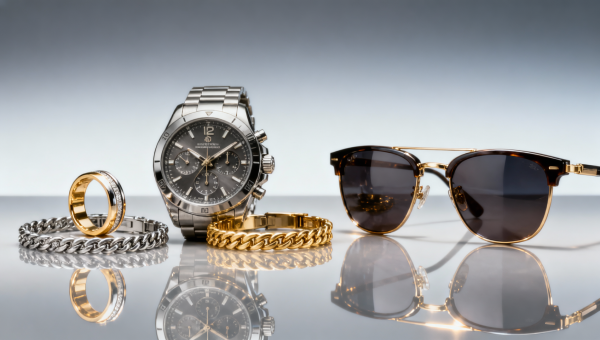
Although this discussion centers on jewelry, adjacent luxury categories such as watches and premium eyewear reveal the same pattern. Limited-edition watch straps, engraved watch accessories, or boutique eyewear chains often begin with small-batch testing before larger OEM commitments. Buyers managing cross-category premium accessories can therefore apply similar sourcing logic when evaluating launch scale, finish consistency, and replenishment speed.
Cost, MOQ, and Margin Planning for B2B Buyers
Cost analysis in custom jewelry manufacturing should never stop at the quoted unit price. Buyers need to calculate total landed value across sampling fees, CAD revisions, mold charges, plating requirements, hallmarking, packaging, shipping, and defect allowances. A design quoted at 18% less under OEM may still underperform if the initial MOQ is too high for the intended sell-through window. On the other hand, a small-batch run with a 12% higher unit cost may deliver stronger cash flow if it reduces unsold inventory.
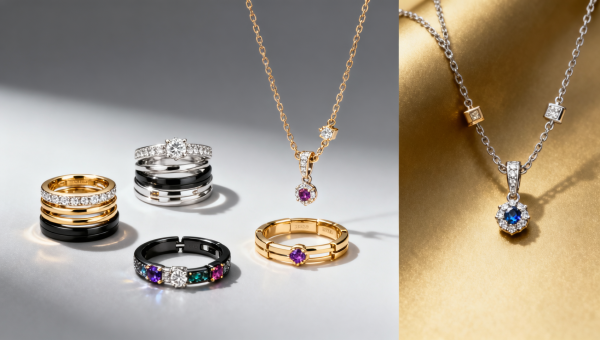
For custom luxury jewelry, the metal mix is usually the largest cost driver. Sterling silver, 14K gold, 18K gold, brass with micron plating, and vermeil each carry different cost sensitivity. Stone selection adds another layer. Natural diamonds, lab-grown diamonds, moissanite, cubic zirconia, cultured pearls, and colored gemstones can shift the budget by a wide margin even when design dimensions remain the same. In B2B gift or hospitality programs, buyers often standardize two or three stone-grade options to control pricing.
MOQ planning should also reflect channel strategy. A distributor serving 8 to 15 independent jewelers may accept a 200-piece MOQ if the style is evergreen. A brand launching a wedding capsule for one season may prefer 30 to 50 pieces with optional reorders inside 21 to 35 days. The right custom jewelry manufacturer should be able to explain where pricing breaks occur, such as at 50, 100, 300, or 500 units, and which production steps become more efficient at each tier.
Typical cost variables buyers should request
- Metal weight tolerance, such as ±3% to ±5% for cast components.
- Plating thickness options, for example 0.03–0.1 micron flash plating versus thicker premium finishes.
- Stone setting method, including prong, bezel, pavé, channel, or glue-set details.
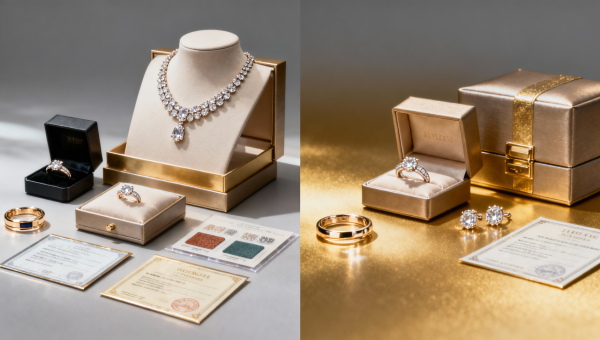
- Packaging specification, from standard pouch packing to rigid branded gift boxes.
- Reorder terms, including whether tooling can support repeat production after 6 to 12 months.
The table below helps procurement teams compare cost behavior between OEM and small-batch luxury jewelry sourcing.
A useful sourcing rule is to compare not only gross margin but margin resilience. If the design needs three rounds of revision, fluctuating stone availability, or personalized engraving, small-batch may remain more profitable despite a higher factory price. If the collection has a clear reorder path and standardized specifications, OEM usually produces stronger long-term margin control.
A practical budgeting sequence
- Confirm target retail or wholesale price band.
- Set an acceptable production cost ratio, often 20%–35% of target wholesale depending on category.
- Define MOQ tolerance and reorder timing.
- Lock packaging, plating, and stone grade before final quote comparison.
- Model at least 2 order scenarios: pilot launch and scaled reorder.
Quality Control, Design Precision, and Supplier Capability
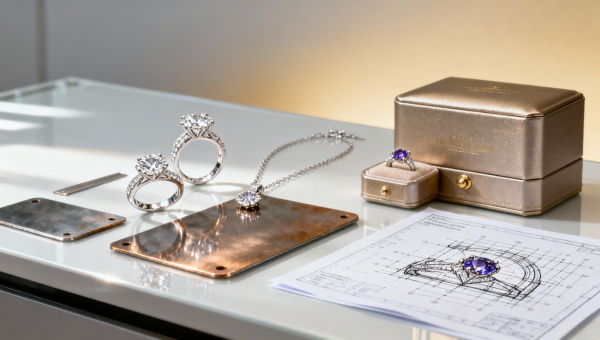
In luxury jewelry, quality is not a single checkpoint. It is the combined result of CAD accuracy, casting consistency, soldering precision, stone setting stability, polishing standards, plating adhesion, and packaging protection. A supplier that performs well on silver earrings may not be equally strong in micro pavé rings, custom cufflinks, gemstone bracelets, or logo-driven corporate jewelry. Buyers should therefore evaluate capability by product category rather than general factory claims.
For OEM programs, quality control must be documented at scale. That usually means approved master samples, tolerance definitions, incoming material checks, in-process inspections, and final AQL-based review before shipment. For small-batch production, the process is often more hands-on, with sample-to-batch comparison playing a larger role. In both models, visual consistency matters, especially in premium retail where even slight differences in plating tone, clasp tension, or stone alignment can damage perceived value.
Buyers should ask how a custom jewelry manufacturer handles dimensions, weight tolerance, and stone matching. For example, acceptable variance might be tighter for wedding bands and branded signature pendants than for artisan capsule collections. A practical benchmark for many B2B orders is to define 4 acceptance areas: dimensions, finish, functional parts, and packaging. This creates a clearer pass-fail system and reduces dispute risk during delivery.
Questions that reveal real supplier capability
- Can the supplier provide CAD-to-sample timing, such as 5–10 working days for initial prototypes?
- What is the standard remake or repair process if defects exceed the agreed threshold?
- How are gemstone color and size sorted across batches?
- Which parts are hand-finished and which are standardized by tooling?
- How is packaging tested for transit protection in export shipments?
The table below outlines practical quality checkpoints for custom luxury jewelry procurement.
For procurement teams, the most valuable suppliers are those that explain process limits early. If a design with extremely thin prongs, hidden closures, or heavy gemstone load presents durability risks, a qualified manufacturer should say so before production begins. That level of technical feedback often matters more than an aggressive quote.
Common quality risks buyers underestimate
Three issues frequently cause avoidable delays: unclear approved samples, underdefined plating expectations, and inconsistent packaging instructions. In watch accessories, jewelry, and eyewear add-ons alike, premium appearance depends on finish stability and presentation as much as on core product construction. A clear quality file with photos, dimensions, and 6 to 10 acceptance points can save weeks in later dispute handling.
Lead Time, Scalability, and Best-Fit Applications
Lead time is one of the clearest practical differences between OEM and small-batch manufacturing. A limited custom jewelry run may move from CAD approval to shipment in 2 to 5 weeks if the design uses readily available components and straightforward finishing. A full OEM launch often needs 4 to 8 weeks, and sometimes longer, because it includes more structured sample approval, procurement planning, and volume scheduling. For gold or gemstone-intensive projects, material sourcing can add another 1 to 3 weeks.
Scalability is where OEM usually gains the advantage. Once the design file, mold, finish, packaging, and inspection criteria are fixed, repeat orders become easier to manage across multiple seasons or retail channels. This matters for distributors, chain jewelers, department store programs, and hospitality gift sourcing. If a buyer expects two or more replenishment cycles within 12 months, OEM tends to offer better operational continuity.
Small-batch production performs best where exclusivity and speed outweigh volume efficiency. That includes bridal capsules, commemorative collections, museum stores, luxury corporate gifts, concept-store launches, and influencer-led drops. In these cases, the value comes from tighter storytelling, lower inventory risk, and the option to refine details after the first release. A run of 40 engraved pendants for a private event may be more commercially effective than a 300-piece OEM commitment that arrives after the campaign window closes.
Best-fit scenarios by buyer type
- Information researchers: compare supplier flexibility, sampling speed, and metal options before shortlisting.
- Procurement teams: prioritize MOQ, repeatability, defect handling, and replenishment lead times.
- Commercial evaluators: assess margin sustainability, order risk, and cross-market scalability.
- Distributors and agents: focus on packaging standards, regional customization, and reorder discipline.
A reliable sourcing workflow usually follows 5 stages:
- Concept brief with materials, target price, and channel requirements.
- CAD review and prototype approval.
- Pilot run or first batch with inspection checkpoints.
- Commercial production and packaging confirmation.
- Reorder review based on sell-through, defect rate, and lead time performance.
How GCT-oriented buyers can shortlist suppliers faster
For international B2B sourcing, it helps to compare suppliers on a weighted scorecard rather than on quotations alone. A 4-part review model works well: 30% quality capability, 25% lead time reliability, 25% commercial fit, and 20% communication clarity. This approach is especially effective when sourcing across jewelry, watch accessories, and premium retail display-linked collections where presentation consistency influences final sell-through.
Common Mistakes, FAQ, and Final Buying Recommendations
One common sourcing mistake is assuming that a skilled custom jewelry manufacturer can produce every design equally well. In reality, factories often have strengths in specific categories such as casting-heavy rings, stone-set necklaces, bridal lines, cufflinks, or logo merchandise. Another mistake is approving a prototype without defining packaging, labeling, and replenishment terms. In premium jewelry B2B, those details influence both operating cost and customer experience.
Another risk is choosing based solely on the lowest quote. Low pricing may reflect lighter metal weight, thinner plating, lower stone matching control, or simplified manual finishing. Over a 6- to 12-month selling cycle, these differences can increase returns, weaken dealer confidence, and create inconsistent shelf presentation. The better decision is usually the supplier whose process, not just price, fits the project.
For most buyers, the strongest approach is staged commitment. Start with a clearly costed pilot, measure lead time accuracy and quality stability, then decide whether to move into a larger OEM framework. This reduces commercial risk while preserving the option to scale. It also works well for adjacent luxury categories such as watch accessories and jewelry-linked eyewear embellishments where design response can shift quickly with market demand.
FAQ: How do I know whether OEM or small batch is right for my jewelry project?
If your expected first order is above 100 pieces per style, your design is already approved, and you anticipate repeat demand within 3 to 6 months, OEM is often the more efficient route. If your launch is seasonal, personalized, or demand is still untested, small-batch production usually offers better flexibility and lower inventory exposure.
FAQ: What lead time should buyers expect for custom luxury jewelry?
A typical prototype may take 5–10 working days after design confirmation. Small-batch production commonly takes 2–5 weeks after sample approval, while OEM runs often require 4–8 weeks. Complex gemstone sourcing, custom gift boxes, or multiple plating colors can extend the schedule.
FAQ: Which quality points matter most during supplier evaluation?
Focus on 4 areas: sample-to-production consistency, stone setting security, plating and polish quality, and packaging reliability. These are the points most likely to affect resale value, returns, and customer perception in luxury channels.
Final recommendation for B2B decision-makers
OEM is the better choice when your custom luxury jewelry program requires repeatable quality, stable specifications, and volume efficiency. Small-batch manufacturing is the better choice when speed, exclusivity, and lower initial risk matter more than scale. If you are comparing suppliers for custom jewelry design, wedding collections, corporate gifting, or broader luxury accessories sourcing, a structured evaluation of MOQ, quality control, lead time, and reorder capability will produce better long-term results than quote comparison alone.
GCT supports buyers, distributors, and commercial decision-makers with practical sourcing intelligence for jewelry and luxury accessories. If you are planning a new collection, evaluating a custom jewelry manufacturer, or preparing an OEM versus small-batch procurement strategy, contact us to discuss your sourcing goals, request a tailored supplier evaluation framework, or explore more solutions for premium commercial buying.
Search News
Hot Articles
- Stage Lighting & Truss2026 FIBA Women's World Cup Draw Sets LED Timing Screen RequirementsApr 27, 2026
- Hotel Room AmenitiesIranian Delegation’s Ritual Gesture at Sanya ASG Sparks Mideast Hospitality Procurement ShiftApr 27, 2026
- Arcade & VR MachinesSnooker World Championship 'China Derby' Drives VR Viewing DemandApr 27, 2026
Popular Tags
Need ExpertConsultation?
Connect with our specialized leisureengineering team for procurementstrategies.
Recommended News
 Apr 25, 2026Luxury Jewelry B2B in 2026: What Changes?Luxury jewelry B2B in 2026: explore custom jewelry design, custom jewelry manufacturer trends, luxury jewelry wholesale shifts, and how custom luxury jewelry drives faster, safer growth.● Luxury Retail Analyst
 Apr 25, 2026How to Grow a Luxury Accessories Online StoreLearn how to grow a luxury accessories online store with custom jewelry design, a trusted custom jewelry manufacturer, luxury accessories wholesale strategy, and high-end luxury jewelry that converts.● Luxury Retail Analyst
 Apr 25, 2026Custom Jewelry for Corporate Gifts That LastCustom jewelry for corporate gifts from a trusted custom jewelry manufacturer—discover custom jewelry design, high-end luxury jewelry, and scalable luxury jewelry B2B solutions.● Luxury Retail Analyst
 Apr 25, 2026What a Good Luxury Accessories Catalog IncludesLuxury accessories catalog guide covering custom jewelry design, high-end luxury jewelry, luxury accessories for men and women, and trusted luxury jewelry B2B sourcing insights.● Luxury Retail Analyst
 Apr 27, 2026Custom Jewelry with Diamonds: Lab or Natural?Custom jewelry with diamonds: compare lab-grown and natural options for custom jewelry design, pricing, sourcing, and brand fit. A smart guide for luxury jewelry B2B buyers.● Luxury Retail Analyst
 Apr 27, 2026Luxury Accessories Wholesale: How to Start SmallLuxury accessories wholesale made simple: learn custom jewelry design, choose a reliable custom jewelry manufacturer, and build profitable luxury accessories for men and women with low-risk B2B sourcing.● Luxury Retail Analyst
 Apr 27, 2026Luxury Jewelry Manufacturer: Red Flags to KnowLuxury jewelry manufacturer warning signs every B2B buyer should know. Learn how to evaluate custom jewelry design, custom luxury jewelry, and luxury jewelry wholesale partners before costly mistakes.● Luxury Retail Analyst
 Apr 27, 2026Custom Jewelry for Weddings: Timeline GuideCustom jewelry for weddings made simple: learn timelines for custom jewelry design, choosing a custom jewelry manufacturer, and planning custom luxury jewelry with diamonds.● Luxury Retail Analyst
 Apr 27, 2026Luxury Jewelry Wholesale for New DistributorsLuxury jewelry wholesale guide for new distributors: compare custom jewelry manufacturer options, custom jewelry design support, and luxury jewelry B2B strategies to launch faster.● Luxury Retail Analyst
 Apr 27, 2026Custom Luxury Jewelry: OEM or Small Batch?Custom luxury jewelry sourcing guide: compare OEM vs small-batch with a custom jewelry manufacturer for custom jewelry design, cost control, quality, and scalable luxury jewelry B2B growth.● Luxury Retail Analyst
 Apr 27, 2026How to Price High-End Luxury Jewelry RightCustom jewelry design and high-end luxury jewelry pricing guide for B2B buyers—learn how a custom jewelry manufacturer sets value, margins, and wholesale strategy.● Luxury Retail Analyst
 Apr 27, 2026Luxury Accessories for Women by Price TierLuxury accessories for women by price tier: compare high-end luxury jewelry, luxury jewelry wholesale, and custom luxury jewelry from a trusted custom jewelry manufacturer for smarter B2B sourcing.● Luxury Retail Analyst
 Apr 27, 2026Luxury Accessories for Men: Classic or Trendy?Luxury accessories for men: classic or trendy? Explore custom jewelry design, high-end luxury jewelry, and how a luxury jewelry manufacturer helps buyers source smarter for growth.● Luxury Retail Analyst
 Apr 27, 2026How to Compare Custom Jewelry ManufacturersCompare every custom jewelry manufacturer with confidence. Learn how custom jewelry design, compliance, craftsmanship, MOQ, and luxury jewelry wholesale capabilities impact quality and growth.● Luxury Retail Analyst
 Apr 27, 20262026 Custom Jewelry Design Trends to WatchExplore 2026 custom jewelry design trends shaping B2B buying, from custom luxury jewelry and diamonds to luxury accessories for men and women with smarter sourcing insights.● Luxury Retail Analyst
 Apr 27, 2026Luxury Jewelry B2B: What Buyers Need FirstLuxury jewelry B2B starts with trust. Learn how a custom jewelry manufacturer supports custom jewelry design, luxury jewelry wholesale, and scalable high-end luxury jewelry sourcing.● Luxury Retail Analyst
 Apr 27, 2026How Luxury Brands Source Jewelry CollectionsCustom jewelry design and custom jewelry manufacturer insights for luxury brands: learn how high-end luxury jewelry, wholesale sourcing, and compliant supply chains drive profitable collections.● Luxury Retail Analyst
 Apr 27, 2026Luxury Accessories Online Store: What Converts?Luxury accessories online store insights for B2B buyers: explore custom jewelry design, luxury jewelry manufacturer strengths, wholesale strategy, and what truly drives high-end conversions.● Luxury Retail Analyst
 Apr 27, 2026Custom Jewelry for Corporate Gifts: Good Fit?Custom jewelry for corporate gifts: learn when custom jewelry design and a trusted custom jewelry manufacturer create high-end luxury jewelry that elevates VIP gifting and luxury jewelry B2B value.● Luxury Retail Analyst
 Apr 27, 2026How to Build a Luxury Accessories CatalogLuxury accessories catalog guide covering custom jewelry design, custom jewelry manufacturer insights, high-end luxury jewelry sourcing, and luxury accessories wholesale strategies for B2B buyers.● Luxury Retail Analyst
 Apr 27, 2026Custom Jewelry with Diamonds: Key Quality ChecksCustom jewelry with diamonds: learn the key quality checks in custom jewelry design, from grading and metal purity to craftsmanship and supplier review for confident B2B sourcing.● Luxury Retail Analyst
 Apr 27, 2026Luxury Accessories Wholesale: Common Buying RisksLuxury accessories wholesale guide: avoid common sourcing risks, verify a custom jewelry manufacturer, and secure high-end luxury jewelry quality, compliance, and reliable B2B supply.● Luxury Retail Analyst
 Apr 27, 2026How to Vet a Luxury Jewelry ManufacturerCustom jewelry manufacturer vetting guide: learn how to assess custom jewelry design, high-end luxury jewelry quality, lead times, and luxury jewelry B2B fit before you buy.● Luxury Retail Analyst
 Apr 26, 2026Custom Jewelry for Weddings: Where to Start?Custom jewelry for weddings starts with strategy. Explore custom jewelry design, choosing a custom jewelry manufacturer, and sourcing high-end luxury jewelry that balances quality, scalability, and profit.● Luxury Retail Analyst