Luxury Accessories for Women Worth Stocking
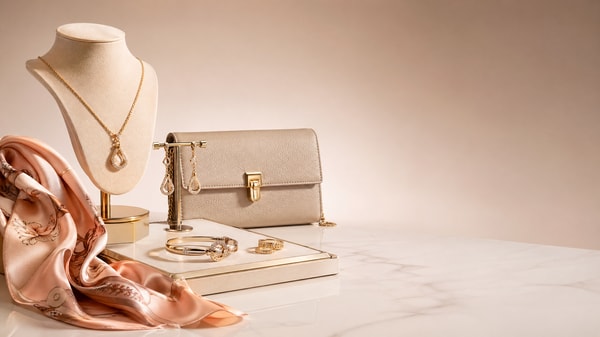
For buyers evaluating luxury accessories for women worth stocking, success depends on more than trend appeal. From partnering with a reliable custom jewelry manufacturer to comparing adjacent premium categories like luxury accessories for men, smart sourcing requires quality assurance, brand positioning, and market insight. This guide helps procurement teams and distributors identify commercially viable products that elevate retail appeal and support long-term growth.
How do luxury accessories for women fit the sports and entertainment buying landscape?
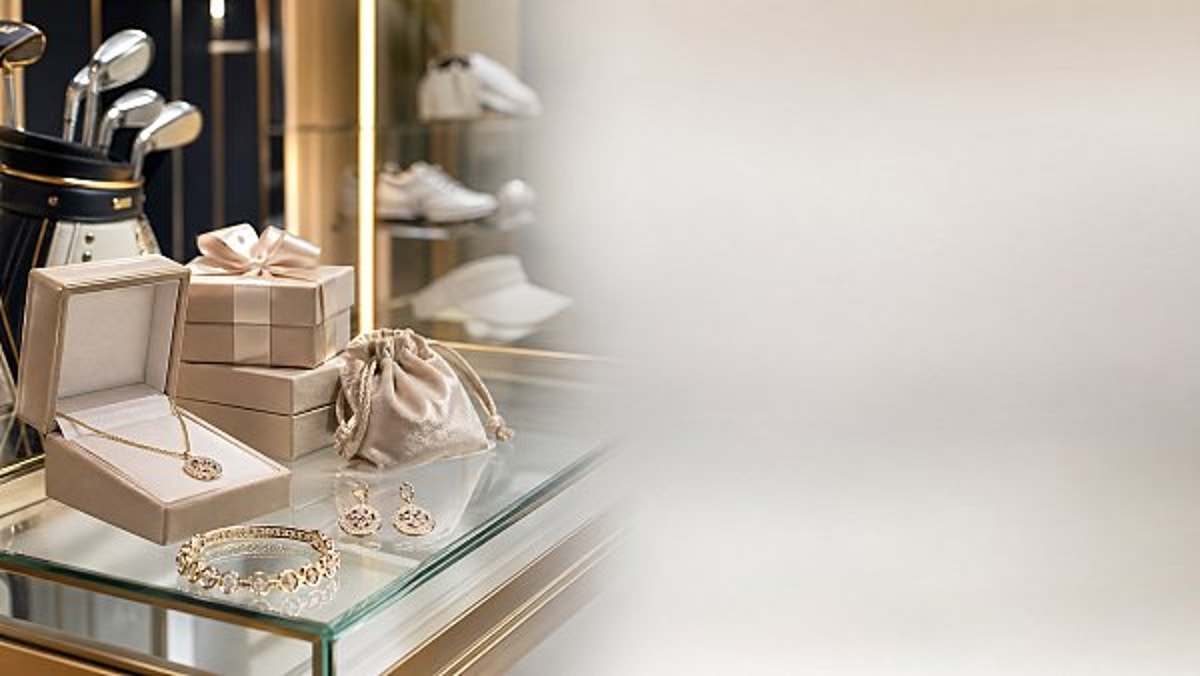
In sports and entertainment, women’s luxury accessories are not limited to traditional jewelry counters. They increasingly serve as revenue-enhancing merchandise in resort retail, premium club lounges, casino boutiques, music venue stores, cruise entertainment spaces, golf destinations, and VIP event gifting programs. For procurement teams, the key question is not whether these items are fashionable, but whether they can translate premium image into repeatable commercial turnover.
Buyers in this sector usually evaluate products through 3 commercial lenses: visual appeal at first glance, durability under frequent handling, and margin sustainability across small-batch, mid-volume, and seasonal replenishment orders. A bracelet that performs well in a luxury department store may not perform equally well in a hotel leisure complex or an amusement destination gift shop. The environment changes purchasing behavior, average basket size, and expected price bands.
This is where a sourcing-led intelligence approach matters. Global Commercial Trade supports commercial buyers who need to balance aesthetics, supply chain dependability, and category fit across multiple experiential sectors. Instead of treating women’s accessories as standalone fashion items, GCT frames them as part of a broader premium retail strategy linked to guest experience, event positioning, and branded commercial environments.
For distributors and agents, the category also offers flexibility. Product lines can be segmented into 4 practical tiers: entry luxury gifting, core retail staples, limited-edition event capsules, and custom-branded premium collections. This layered structure helps dealers serve clients with different budget cycles, from 2–4 week event sourcing needs to 60–90 day private-label development timelines.
Where demand typically appears
- VIP hospitality and leisure venues that need premium giftable items with strong display value and easy replenishment.
- Entertainment retail zones that benefit from impulse-friendly accessories priced for premium but accessible purchase decisions.
- Branded events, artist collaborations, and member clubs that require custom packaging, logo adaptation, or limited-run exclusivity.
- Cross-category distributors combining women’s luxury accessories with men’s accessories, watches, gift sets, and premium lifestyle merchandise.
Which product categories are worth stocking and how should buyers compare them?
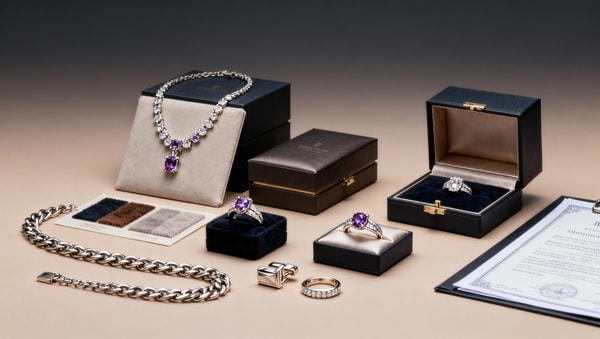
Not every luxury accessory for women performs equally well in sports and entertainment channels. Commercially viable assortment planning often starts with 5 major categories: necklaces, bracelets, earrings, rings, and accessory-led giftables such as brooches or compact premium add-ons. Buyers should compare them by display efficiency, gifting suitability, size sensitivity, return risk, and replacement frequency rather than by appearance alone.
For example, earrings and bracelets generally carry lower sizing complexity than rings, making them attractive for venue-based retail and destination stores. Necklaces often create stronger visual merchandising impact in glass cases, while smaller add-on accessories can improve checkout conversion when paired with beauty, travel, or event memorabilia products. In mixed retail programs, a balanced assortment often includes 40% staple items, 30% seasonal trend products, 20% gift-focused pieces, and 10% limited editions.
The table below helps buyers compare core categories using practical B2B criteria. It is especially useful for procurement teams building assortments for hospitality retail, entertainment venues, or premium leisure destinations where visual appeal must align with stocking logic.
The comparison shows why many buyers begin with bracelets and earrings when entering women’s luxury accessories. They simplify stocking, support gifting, and reduce fitting issues. Necklaces and rings still matter, but they often require tighter display control, more sales guidance, and stronger packaging protection during shipping and in-store handling.
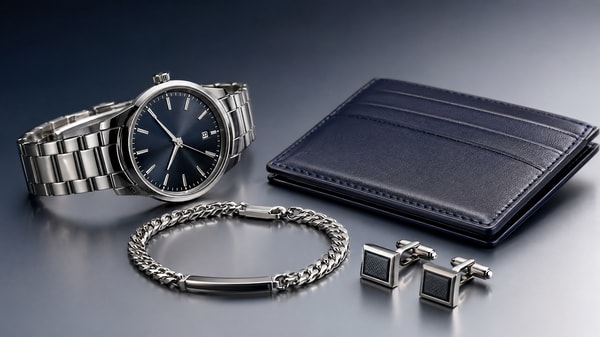
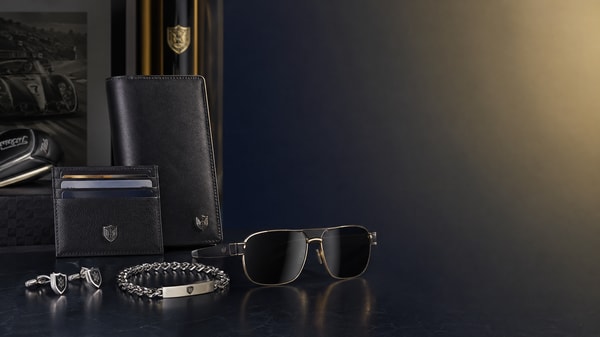
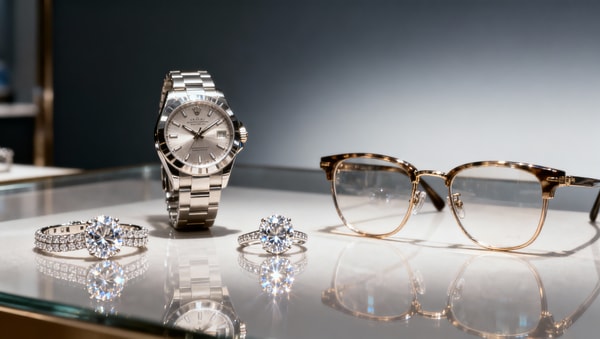
A second comparison is often necessary when buyers also evaluate adjacent categories such as luxury accessories for men. Mixed-gender accessory programs can improve merchandising efficiency in leisure and entertainment retail, especially when retailers want coordinated gift assortments for couples, members, or event guests.
Women’s vs. men’s luxury accessory stocking logic
For dealers and evaluators, the practical takeaway is clear: women’s luxury accessories often create stronger visual excitement and more gifting opportunities, while men’s accessories can bring longer staple stability. A combined portfolio reduces category risk and helps distributors address broader premium retail demand within sports and entertainment environments.
What should procurement teams check before selecting a custom jewelry manufacturer?
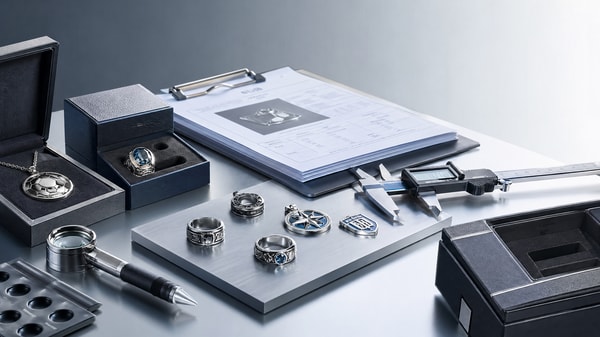
A reliable custom jewelry manufacturer is central to successful stocking. In B2B projects, failure rarely starts with design. It starts with unclear metal specifications, inconsistent plating quality, weak sample approval discipline, or poor packaging for commercial logistics. Procurement teams should evaluate manufacturers across 5 checkpoints: material transparency, workmanship consistency, sampling responsiveness, compliance readiness, and production capacity alignment.
For sports and entertainment buyers, flexibility is especially important. Some projects require low minimum order quantities for pop-up events or seasonal activations, while others require scalable replenishment for multi-site resort or venue retail. Typical workflows involve 3 stages: concept review, sample validation, and bulk production confirmation. Depending on complexity, sampling may take 7–21 days, while bulk production often falls within 30–60 days after approved specifications.
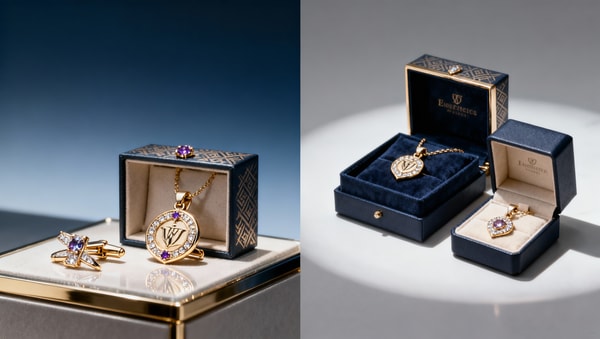
Commercial buyers should also ask how the manufacturer handles packaging compatibility. A premium women’s accessory may need velvet boxes, anti-tarnish pouches, barcode labeling, multilingual care cards, or retailer-specific outer cartons. If the supplier can produce the jewelry but not support the retail presentation and shipment requirements, the sourcing advantage quickly disappears.
GCT’s strength in this process is the ability to connect product sourcing decisions with wider commercial use cases. Rather than reviewing factories only on product photos, buyers can assess whether a supplier is suitable for luxury hospitality retail, destination entertainment stores, or branded event gifting. That reduces mismatch between manufacturing capability and actual end-use demands.
Core supplier evaluation checklist
- Confirm material declarations, including base metal, plating method, stone type, and care limitations for frequent handling environments.
- Review sample consistency over at least 2 rounds if the program involves custom finishes, logo work, or color matching.
- Check packaging and shipping protection standards, especially for necklaces, stone-set items, and gift-boxed premium assortments.
- Clarify production lead times for trial orders, replenishment orders, and urgent event-based deliveries.
- Ask about support for labeling, documentation, inspection coordination, and export-related commercial paperwork.
Questions buyers should ask early
Can the supplier maintain finish consistency across repeat orders placed every quarter? What is the realistic reorder cycle for top-selling pieces? How are defects defined during final inspection? Does the factory support OEM, ODM, or both? These questions help commercial buyers avoid delays that often surface only after launch planning, merchandising investment, or distributor onboarding has already started.
How do quality, compliance, and packaging affect long-term sell-through?
In luxury accessories for women, product failure is often subtle. Tarnish, loose stones, weak clasps, scratched surfaces, and inconsistent plating tone can undermine premium perception long before a formal complaint rate rises. In sports and entertainment retail, where customers often make quick emotional purchases, packaging and first-touch quality strongly influence conversion. That is why buyers should define inspection standards before purchase orders are finalized.
A practical quality review usually includes 6 checkpoints: finish appearance, closure function, stone security, logo accuracy, packaging integrity, and carton labeling accuracy. For commercial orders, many teams also establish an acceptable variation range for color tone and minor surface marks, because handcrafted accessories can show small differences. Clear tolerances reduce disputes and make incoming inspection more efficient.
Compliance also matters, especially for international distribution. Requirements vary by destination market, but buyers commonly ask suppliers to disclose material composition, coating details, product origin information, and labeling language support. When accessories are sold in airports, resorts, or international event environments, traceable documentation becomes even more important because goods move through multiple logistical and retail checkpoints.
Packaging is not just cosmetic. It affects freight damage risk, shelf presentation, gift suitability, and storage efficiency. In many commercial scenarios, the best format is not the most elaborate one. Buyers often compare compact premium boxes, anti-tarnish pouches, and retail-ready sets depending on whether the goods are sold through display cabinets, countertop impulse zones, or back-stock replenishment programs.
Typical evaluation points for quality and compliance
The most important lesson is that luxury appearance alone does not secure long-term sell-through. For repeat commercial success, buyers need quality discipline that survives shipping, display handling, and multi-location retail operations. Well-managed packaging and documentation often protect profit just as much as product styling does.
How should buyers balance cost, assortment depth, and inventory risk?
Stocking luxury accessories for women requires a margin strategy, not just a product strategy. The wrong approach is overcommitting to broad assortments before testing sales velocity. A smarter route is staged inventory planning: launch with a focused assortment, measure sell-through by category and price band, then scale based on replenishment data. This is especially relevant in entertainment and leisure channels where seasonality, event schedules, and guest traffic patterns can shift rapidly.
Many commercial buyers use a 3-tier assortment model. Tier one covers high-rotation staples with predictable demand. Tier two introduces trend-led statement pieces for visual excitement. Tier three is reserved for custom, event-specific, or limited-edition stock. This structure helps reduce aged inventory while preserving a premium image. It also gives distributors a clearer framework when presenting options to venue operators or retail partners.
Cost comparison should include more than unit price. Buyers need to review sample charges, packaging costs, freight sensitivity, defect handling exposure, and the minimum order threshold that unlocks viable margins. Lower initial pricing can become expensive if the product requires high return management or arrives in packaging unsuitable for upscale retail display.
Alternative strategies also matter. If a full precious-material program is too capital-intensive, buyers may consider premium fashion jewelry lines, plated collections with stronger packaging, or mixed-material capsule ranges that preserve luxury presentation without placing excessive pressure on opening inventory budgets. The goal is to match product architecture with channel economics, not to chase prestige at the expense of stock efficiency.
Practical cost-control moves for B2B buyers
- Start with 8–15 SKU test ranges for new locations rather than full-line commitments that are harder to rotate.
- Separate visual hero items from replenishment staples so that high-display pieces do not distort stock depth planning.
- Negotiate packaging options in parallel with product pricing, since packaging can materially affect both landed cost and retail acceptance.
- Request replenishment terms early, especially if top sellers may require 30-day restock support during peak travel or event periods.
A common buying mistake
Many teams focus on lowering first-order cost while ignoring assortment discipline. In premium retail, a narrower but better-positioned range often outperforms a broad collection with weak merchandising logic. Stocking decisions should support display storytelling, giftability, and replenishment speed, not just opening order volume.
FAQ: what do buyers and distributors most often ask?
How do I choose luxury accessories for women that are worth stocking?
Start with channel fit. Identify whether the products are for resort retail, entertainment boutiques, VIP gifting, or distributor resale. Then evaluate 5 factors: price architecture, style longevity, handling durability, packaging readiness, and reorder feasibility. For first launches, categories with lower sizing complexity such as bracelets and earrings are often easier to manage than rings.
What is a typical lead time for custom jewelry manufacturer projects?
A common timeline is 7–21 days for sampling and 30–60 days for bulk production after final approval, although this varies by finish complexity, packaging requirements, and order size. Buyers planning around events or seasonal retail windows should also allow time for inspections, freight booking, customs processing, and store allocation.
Should buyers stock women’s accessories alone or combine them with luxury accessories for men?
In many sports and entertainment retail settings, a combined portfolio works better. Women’s accessories often create stronger visual pull and gifting opportunities, while men’s accessories provide steady staple sales. The best choice depends on customer mix, average basket size, and whether the location serves couples, members, tourists, or event guests.
What are the main risks when sourcing from a new supplier?
The most common risks are inconsistent finish quality, unclear material specifications, underdeveloped packaging, and optimistic lead-time promises. Buyers should validate samples carefully, define inspection points before bulk production, and confirm documentation support for export and retail compliance. A small pilot order is often safer than a full opening commitment.
Why work with GCT when evaluating women’s luxury accessories for commercial sourcing?
Global Commercial Trade is designed for commercial buyers who need more than product lists. In luxury accessories, especially within sports and entertainment environments, sourcing decisions connect directly to premium guest experience, retail positioning, and operational reliability. GCT helps procurement teams, evaluators, and distributors assess the category through a business lens: product fit, manufacturer readiness, compliance practicality, and scalable supply support.
This is valuable when you are comparing a custom jewelry manufacturer, validating assortment logic, or planning a multi-site rollout across hospitality and leisure projects. Instead of reviewing items in isolation, buyers can align product selection with channel strategy, packaging expectations, and replenishment realities. That leads to better decisions on both opening orders and long-term supplier development.
If you are currently assessing luxury accessories for women worth stocking, GCT can support practical discussions around 6 key topics: product selection, custom development scope, sample planning, lead-time expectations, packaging specifications, and documentation needs for cross-border trade. These are the issues that determine whether a range looks premium on paper or performs reliably in market.
Contact GCT to discuss your target channel, preferred price band, expected order volume, and project schedule. You can also request support on comparing women’s and men’s luxury accessories, reviewing custom jewelry manufacturer options, confirming packaging formats, planning sample runs, and clarifying delivery windows for seasonal or event-driven launches.
Search News
Hot Articles
Popular Tags
Need ExpertConsultation?
Connect with our specialized leisureengineering team for procurementstrategies.
Recommended News
 Apr 29, 2026Luxury Accessories for Women That SellLuxury accessories for women that sell: learn how a custom jewelry manufacturer helps buyers source premium, giftable collections with quality, margin, and reliable supply.● Luxury Retail Analyst
 Apr 29, 2026How Men Choose Luxury Accessories TodayLuxury accessories for men are chosen for craftsmanship, trust, and value. See how a custom jewelry manufacturer helps brands meet modern demand and drive premium sales.● Luxury Retail Analyst
![]() Apr 29, 2026Custom Jewelry Manufacturer MOQ QuestionsCustom jewelry manufacturer MOQ questions answered: compare costs, flexibility, and sourcing risk for luxury accessories for men and luxury accessories for women.● Luxury Retail Analyst
Apr 29, 2026Custom Jewelry Manufacturer MOQ QuestionsCustom jewelry manufacturer MOQ questions answered: compare costs, flexibility, and sourcing risk for luxury accessories for men and luxury accessories for women.● Luxury Retail Analyst Apr 29, 2026Luxury Accessories for Women Worth StockingLuxury accessories for women worth stocking: learn how to choose a custom jewelry manufacturer, compare luxury accessories for men, and source profitable premium retail lines.● Luxury Retail Analyst
 Apr 29, 2026Best Luxury Accessories for Men in 2026Luxury accessories for men in 2026: explore premium trends, custom jewelry manufacturer insights, sourcing tips, and smart retail strategies for sports and entertainment buyers.● Luxury Retail Analyst
 Apr 29, 2026How to Vet a Custom Jewelry ManufacturerCustom jewelry manufacturer vetting guide for sports and entertainment buyers—compare MOQ, compliance, delivery, and quality for luxury accessories for men and women.● Luxury Retail Analyst
 Apr 25, 2026Luxury Jewelry B2B in 2026: What Changes?Luxury jewelry B2B in 2026: explore custom jewelry design, custom jewelry manufacturer trends, luxury jewelry wholesale shifts, and how custom luxury jewelry drives faster, safer growth.● Luxury Retail Analyst
 Apr 25, 2026How to Grow a Luxury Accessories Online StoreLearn how to grow a luxury accessories online store with custom jewelry design, a trusted custom jewelry manufacturer, luxury accessories wholesale strategy, and high-end luxury jewelry that converts.● Luxury Retail Analyst
 Apr 25, 2026Custom Jewelry for Corporate Gifts That LastCustom jewelry for corporate gifts from a trusted custom jewelry manufacturer—discover custom jewelry design, high-end luxury jewelry, and scalable luxury jewelry B2B solutions.● Luxury Retail Analyst
 Apr 25, 2026What a Good Luxury Accessories Catalog IncludesLuxury accessories catalog guide covering custom jewelry design, high-end luxury jewelry, luxury accessories for men and women, and trusted luxury jewelry B2B sourcing insights.● Luxury Retail Analyst
 Apr 27, 2026Custom Jewelry with Diamonds: Lab or Natural?Custom jewelry with diamonds: compare lab-grown and natural options for custom jewelry design, pricing, sourcing, and brand fit. A smart guide for luxury jewelry B2B buyers.● Luxury Retail Analyst
 Apr 27, 2026Luxury Accessories Wholesale: How to Start SmallLuxury accessories wholesale made simple: learn custom jewelry design, choose a reliable custom jewelry manufacturer, and build profitable luxury accessories for men and women with low-risk B2B sourcing.● Luxury Retail Analyst
 Apr 27, 2026Luxury Jewelry Manufacturer: Red Flags to KnowLuxury jewelry manufacturer warning signs every B2B buyer should know. Learn how to evaluate custom jewelry design, custom luxury jewelry, and luxury jewelry wholesale partners before costly mistakes.● Luxury Retail Analyst
 Apr 27, 2026Custom Jewelry for Weddings: Timeline GuideCustom jewelry for weddings made simple: learn timelines for custom jewelry design, choosing a custom jewelry manufacturer, and planning custom luxury jewelry with diamonds.● Luxury Retail Analyst
 Apr 27, 2026Luxury Jewelry Wholesale for New DistributorsLuxury jewelry wholesale guide for new distributors: compare custom jewelry manufacturer options, custom jewelry design support, and luxury jewelry B2B strategies to launch faster.● Luxury Retail Analyst
 Apr 27, 2026Custom Luxury Jewelry: OEM or Small Batch?Custom luxury jewelry sourcing guide: compare OEM vs small-batch with a custom jewelry manufacturer for custom jewelry design, cost control, quality, and scalable luxury jewelry B2B growth.● Luxury Retail Analyst
 Apr 27, 2026How to Price High-End Luxury Jewelry RightCustom jewelry design and high-end luxury jewelry pricing guide for B2B buyers—learn how a custom jewelry manufacturer sets value, margins, and wholesale strategy.● Luxury Retail Analyst
 Apr 27, 2026Luxury Accessories for Women by Price TierLuxury accessories for women by price tier: compare high-end luxury jewelry, luxury jewelry wholesale, and custom luxury jewelry from a trusted custom jewelry manufacturer for smarter B2B sourcing.● Luxury Retail Analyst
 Apr 27, 2026Luxury Accessories for Men: Classic or Trendy?Luxury accessories for men: classic or trendy? Explore custom jewelry design, high-end luxury jewelry, and how a luxury jewelry manufacturer helps buyers source smarter for growth.● Luxury Retail Analyst
 Apr 27, 2026How to Compare Custom Jewelry ManufacturersCompare every custom jewelry manufacturer with confidence. Learn how custom jewelry design, compliance, craftsmanship, MOQ, and luxury jewelry wholesale capabilities impact quality and growth.● Luxury Retail Analyst
 Apr 27, 20262026 Custom Jewelry Design Trends to WatchExplore 2026 custom jewelry design trends shaping B2B buying, from custom luxury jewelry and diamonds to luxury accessories for men and women with smarter sourcing insights.● Luxury Retail Analyst
 Apr 27, 2026Luxury Jewelry B2B: What Buyers Need FirstLuxury jewelry B2B starts with trust. Learn how a custom jewelry manufacturer supports custom jewelry design, luxury jewelry wholesale, and scalable high-end luxury jewelry sourcing.● Luxury Retail Analyst
 Apr 27, 2026How Luxury Brands Source Jewelry CollectionsCustom jewelry design and custom jewelry manufacturer insights for luxury brands: learn how high-end luxury jewelry, wholesale sourcing, and compliant supply chains drive profitable collections.● Luxury Retail Analyst
 Apr 27, 2026Luxury Accessories Online Store: What Converts?Luxury accessories online store insights for B2B buyers: explore custom jewelry design, luxury jewelry manufacturer strengths, wholesale strategy, and what truly drives high-end conversions.● Luxury Retail Analyst