How to Choose a Musical Instruments Manufacturer
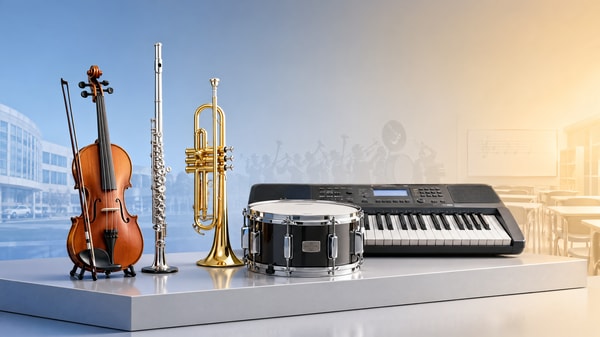
Choosing the right musical instruments manufacturer is critical for buyers seeking quality, consistency, and long-term value. Whether you source musical instruments for bands, musical instruments for schools, or explore musical instruments wholesale opportunities, the right partner can shape product performance and market success. This guide explains how procurement teams, distributors, and commercial evaluators can assess manufacturing strength, compliance, customization, and supply reliability before making a confident sourcing decision.
Why manufacturer selection matters in the musical instruments business
In the sports and entertainment sector, musical instruments are not only products; they are performance tools, educational assets, and brand-sensitive retail items. A poor manufacturing decision can lead to unstable tuning, inconsistent materials, delayed delivery, and avoidable returns. For procurement teams, that means budget pressure. For distributors, it means reputational risk. For institutions such as schools, academies, and event operators, it affects user experience over a 3–5 year usage cycle.
A qualified musical instruments manufacturer should be evaluated beyond catalog appearance and initial quotation. Buyers usually need to verify at least 5 core areas: product consistency, production capacity, quality control, compliance readiness, and after-sales support. In commercial sourcing, especially for musical instruments wholesale programs, long-term reliability often matters more than a small unit-price advantage.
This is where structured sourcing intelligence becomes valuable. GCT supports buyers who need a more disciplined way to compare suppliers across Pro Audio & Musical Instruments categories. Instead of relying on generic claims, procurement teams can use category-specific evaluation logic aligned with commercial venues, education buyers, specialty retail, and distributor requirements across different order volumes, from pilot orders to container-scale replenishment.
For many buyers, the challenge is not finding a factory. The challenge is finding a manufacturer that can remain stable through sampling, compliance review, packaging adaptation, and repeat orders over 6–12 months. That stability becomes especially important when you source musical instruments for schools, rental fleets, music programs, or retail channels that require consistent SKU performance.
Common buyer goals when choosing a musical instruments manufacturer
- Reduce quality variance between the first sample batch and later production runs.
- Confirm whether the supplier can handle small-batch customization and mid-volume repeat orders.
- Ensure export packaging, labeling, and documentation match destination market needs.
- Balance price, durability, and appearance for schools, dealers, performance venues, or branded retail.
How to assess manufacturing capability before you request a quote
Before comparing prices, buyers should first determine whether a musical instruments manufacturer is operationally suitable. In many sourcing projects, the wrong first step is to ask for a quote before validating manufacturing fit. A more effective process is to review factory specialization, process control, and product category depth in the first 7–10 days of supplier screening.
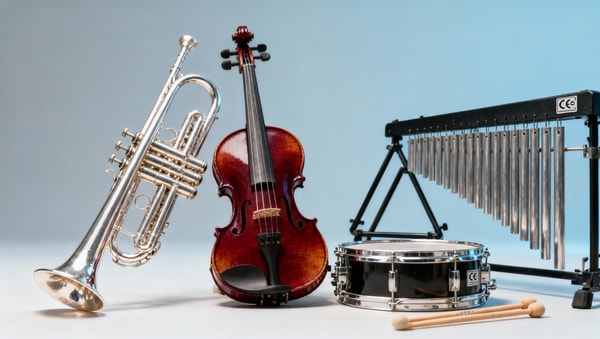
Product specialization matters because not every factory handles the same instrument family well. A manufacturer focused on student-level wind instruments may not be the right partner for premium string instruments or percussion sets designed for institutional use. Buyers should check whether the supplier has stable experience with entry-level, mid-range, or commercial-grade product lines that match the intended market segment.
Capacity review is equally important. Ask how the factory manages sample production, pilot orders, and repeat orders across different batch sizes. Typical lead times may range from 15–30 days for standard models and 30–60 days for customized orders, depending on materials, finishing, branding, and packaging. A capable manufacturer should explain these timelines clearly instead of offering vague promises.
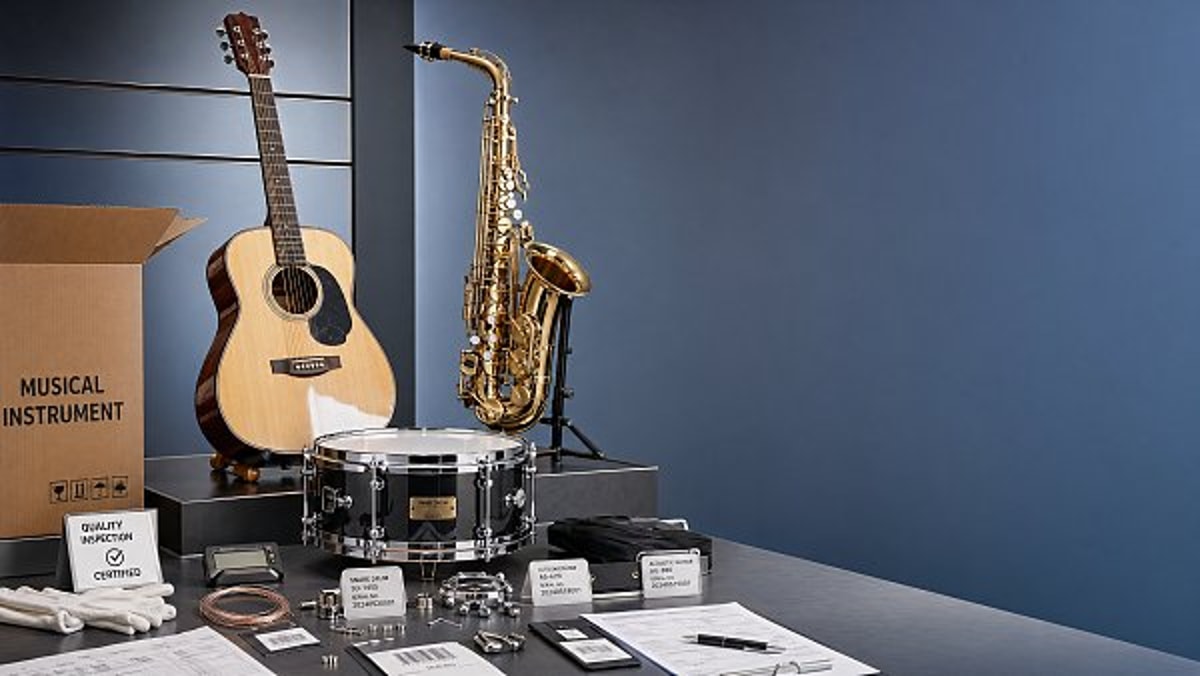
Commercial buyers should also verify process visibility. A strong supplier can usually describe incoming material inspection, in-process checks, final testing, and packing controls. If a factory cannot explain how it controls tuning accuracy, finish consistency, assembly tolerances, or accessory completeness, the procurement risk is higher even if the quotation looks attractive.
5 key checks during early supplier evaluation
- Confirm which instrument categories are produced in-house and which are outsourced.
- Review sample lead time, standard production lead time, and peak-season capacity limits.
- Ask for the factory’s routine quality checkpoints and defect handling process.
- Check packaging options for retail, school distribution, and bulk wholesale shipment.
- Verify communication responsiveness across quotation, sampling, revision, and shipping stages.
A practical supplier screening table
The table below helps procurement teams compare a musical instruments manufacturer using criteria that are more useful than a price-only review. It is especially practical for distributor onboarding, school procurement, and branded musical instruments wholesale sourcing.
A table like this helps buyers create a weighted evaluation model. In many B2B projects, capacity and quality control deserve equal or higher weighting than price. GCT often recommends using a 3-stage review process: document screening, sample review, and shipment readiness assessment before committing to a larger order.
Which standards, compliance points, and quality signals should buyers review?
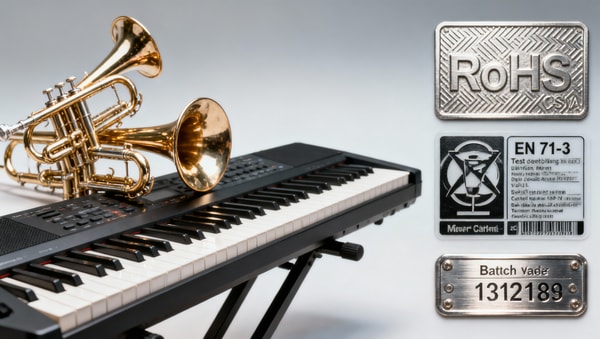
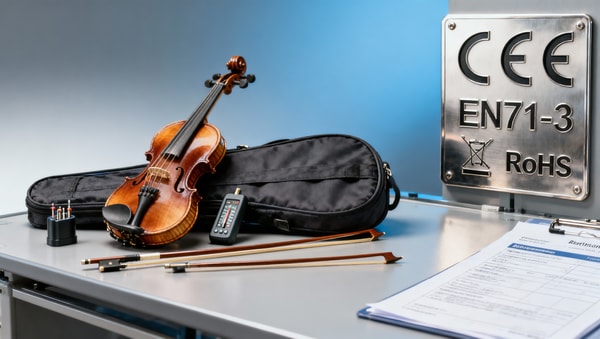
Compliance is often underestimated in musical instruments sourcing, especially when buyers focus on appearance and unit cost. Yet for schools, public institutions, chain retailers, and international distributors, documentation quality can directly affect purchase approval. The right musical instruments manufacturer should be prepared to discuss material safety, labeling, packaging, and destination-market documentation requirements.
Requirements vary by product type and market, so buyers should avoid asking for a generic “certificate list” without context. A more effective approach is to define the target market, user group, and usage setting first. For example, musical instruments for schools may require closer attention to material contact safety, durable packaging, and age-appropriate accessory design than products intended only for specialty retail display.
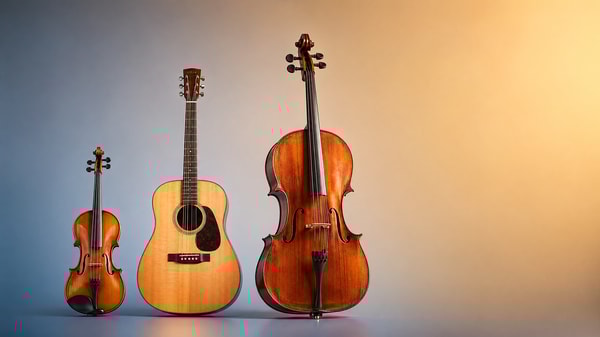
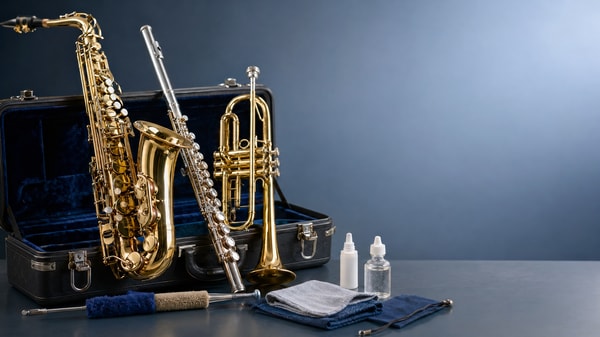
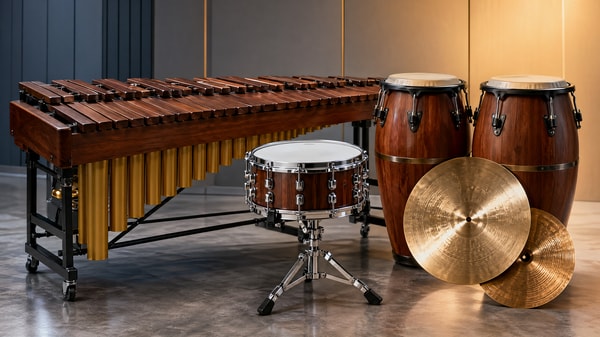
Quality signals should also include practical testing and consistency controls. For wind instruments, buyers may ask about assembly, key action, and air seal checks. For string instruments, they may review wood condition, finish uniformity, and setup stability after packing. For percussion, durability of hardware, head fit, and accessory completeness are typical concerns. These are not luxury details; they are core commercial risk controls.
Documentation response time is another useful indicator. If a supplier needs 2–3 weeks to clarify basic packaging, material, or inspection questions, project delays are likely later in production. Experienced sourcing teams usually expect document clarification within a few working days, especially during active quotation or pre-shipment review stages.
Compliance and quality review checklist
- Material information relevant to the destination market and intended user group.
- Product labeling, carton marking, barcode, and user instruction support.
- Pre-shipment inspection method, defect classification, and replacement handling.
- Transit protection for accessories, fragile components, and presentation packaging.
Typical review points by commercial use case
Different buying scenarios require different approval priorities. The following table helps business evaluators and distributors align product review standards with the actual use environment rather than relying on a one-size-fits-all checklist.
The key lesson is simple: compliance should be tied to use case, not treated as a generic afterthought. When buyers define the destination market and use environment early, manufacturers can respond with more precise recommendations on packaging, documentation, accessory sets, and inspection scope.
How to compare OEM, ODM, and standard production options
Not every buyer needs a fully customized manufacturing program. Some need fast-moving standard models. Others need private labeling, exclusive packaging, or moderate design adaptation. Understanding whether to choose standard production, OEM, or ODM can reduce sourcing friction and improve time-to-market by several weeks.
Standard production is often suitable for buyers who want lower complexity, quicker sample decisions, and easier replenishment. This can work well for entry-level dealer programs, school supply projects, and basic musical instruments wholesale catalogs. However, standard products may offer less differentiation if multiple distributors use similar SKUs in the same region.
OEM is usually a strong option when the buyer already has brand specifications, packaging requirements, and a target user profile. Typical OEM elements include logo placement, carton labeling, accessory bundle changes, and appearance adjustments. ODM becomes more relevant when the buyer wants the supplier to co-develop product details or create a tailored commercial solution for a niche channel.
The right choice depends on order size, launch timing, and channel strategy. For example, an institution may prioritize availability and serviceability, while a distributor may prioritize brand distinction. Buyers should map expected annual volume, first-order quantity, and required customization depth before deciding which manufacturing path offers the most practical value.
When each sourcing model makes sense
- Choose standard production when speed, lower setup complexity, and repeat availability matter most.
- Choose OEM when you need private branding, custom packaging, or market-specific accessory combinations.
- Choose ODM when channel differentiation requires collaborative design input and a more exclusive commercial offer.
Comparison for procurement planning
This comparison table helps commercial buyers match sourcing model selection with budget control, launch schedule, and market positioning objectives.
For many buyers, a phased strategy works best. Start with standard or light OEM in the first order, then move into deeper customization after 1–2 successful replenishment cycles. This reduces execution risk while still building a differentiated product line over time.
What commercial buyers often overlook during procurement
One common mistake is treating all musical instruments manufacturers as interchangeable once the visible design looks similar. In reality, similar-looking products can differ significantly in assembly consistency, materials, packaging accuracy, and service response. These differences often appear only after the first shipment arrives or after the second order is placed under tighter timing.
Another overlooked issue is total procurement cost. The quoted unit price is only one part of the cost structure. Buyers should also consider sample revisions, replacement parts, accessory shortages, export packing efficiency, inspection fees, and the cost of handling claims. A slightly higher FOB price may create better commercial value if it reduces returns and communication delays over the next 2–4 quarters.
Distributors and agents should pay close attention to reorder discipline. If a supplier cannot lock material specifications or maintain accessory consistency between batches, your catalog reliability suffers. This is especially risky for musical instruments wholesale channels where repeat orders need predictable SKU continuity and where mixed-container planning depends on stable carton dimensions and labeling accuracy.
Buyers should also review service boundaries. Does the factory support spare part planning? Can it provide replacement handling guidance? Will it help adjust packaging for retail shelves, institutional distribution, or e-commerce transit? These practical details often determine whether a factory is merely a producer or a reliable long-term manufacturing partner.
Risk points to flag before placing an order
- Unclear sample approval standards, which can create disputes during mass production.
- No defined procedure for missing accessories, cosmetic defects, or transit damage claims.
- Overpromised lead times during peak season without material planning evidence.
- Inconsistent packaging specifications that affect warehousing and channel presentation.
FAQ for buyers sourcing from a musical instruments manufacturer
The questions below reflect common search and procurement concerns from institutions, importers, and distribution businesses. They can help narrow supplier choices faster and improve communication quality during the first review cycle.
How do I know if a musical instruments manufacturer is suitable for schools?
Start by checking durability, maintenance simplicity, accessory completeness, and packaging suitability for institutional distribution. Musical instruments for schools usually need stronger tolerance for repeated handling over multiple terms, not just attractive appearance. Ask whether the supplier can maintain the same setup standard across repeat orders placed every semester or every academic year.
What is a typical lead time for musical instruments wholesale orders?
For standard items, many projects work within a 15–30 day production window after confirmation, while customized orders may require 30–60 days depending on branding, packaging, and material availability. The key is not the shortest number offered, but whether the supplier can explain capacity planning, approval milestones, and peak-season limits clearly.
Should I prioritize lower price or better quality control?
For most B2B buyers, better quality control creates stronger long-term value. A lower unit price can become expensive if the order generates returns, replacement requests, or distributor complaints. A practical approach is to compare 3 cost layers: purchase price, defect risk cost, and replenishment efficiency. This produces a more realistic sourcing decision than price alone.
What documents should I request before confirming the supplier?
Request product specifications, packaging details, labeling confirmation, inspection approach, sample approval records, and any destination-market compliance information relevant to the product and user group. If the manufacturer struggles to organize these basics, larger execution issues may appear later during shipment preparation or after-sales handling.
Why work with GCT when evaluating musical instruments manufacturers
For buyers in the sports and entertainment supply chain, sourcing is no longer just about finding a factory that can make a product. It is about identifying a partner that can support commercial positioning, compliance expectations, reliable delivery, and long-term channel performance. GCT helps procurement teams, evaluators, and distributors make that decision with sharper category focus and stronger commercial context.
Because GCT is dedicated to commercial experience industries, including Pro Audio & Musical Instruments, our sourcing perspective is aligned with real B2B buying conditions. That includes institutional procurement, hospitality-linked entertainment projects, specialty retail sourcing, and distributor expansion. Instead of generic supplier lists, buyers gain structured insight into manufacturing fit, sourcing risk, and practical comparison logic.
If you are reviewing a musical instruments manufacturer, planning a new musical instruments wholesale program, or sourcing musical instruments for schools, GCT can help you clarify 6 critical decision points: product positioning, supplier capability, customization feasibility, documentation readiness, delivery schedule, and commercial service expectations. This reduces wasted communication cycles and improves shortlist quality from the start.
Contact GCT to discuss product selection, OEM or ODM options, sampling plans, expected lead times, destination-market requirements, packaging adaptation, and quotation comparison. Whether you are building a distributor portfolio or validating a procurement shortlist, a more structured sourcing process will help you choose a musical instruments manufacturer with greater confidence and better long-term results.
Search News
Hot Articles
Popular Tags
Need ExpertConsultation?
Connect with our specialized leisureengineering team for procurementstrategies.
Recommended News
 Apr 29, 2026String Instruments Compared: What Really Affects Tone and DurabilityString instruments compared for tone and durability: learn how materials, construction, hardware, and setup affect long-term performance for schools, venues, rentals, and sourcing teams.● Pro Audio Engineer
 Apr 29, 2026Wind Instruments Maintenance Tips That Prevent Costly RepairsWind instruments maintenance tips that help teams prevent leaks, corrosion, and pad failure. Learn practical care steps to reduce repair costs and keep instruments performance-ready.● Pro Audio Engineer
 Apr 29, 2026Percussion Instruments Buying Guide: Sound, Build, and ValuePercussion instruments buying guide for schools, venues, and studios—compare sound, build quality, durability, and total value to source smarter and avoid costly mistakes.● Pro Audio Engineer
 Apr 29, 2026How to Find Reliable Musical Instruments WholesaleMusical instruments wholesale made safer: learn how to vet a musical instruments manufacturer, compare suppliers, and source reliable musical instruments for schools and bands with confidence.● Pro Audio Engineer
 Apr 29, 2026Musical Instruments for Schools on BudgetMusical instruments for schools on a budget: compare musical instruments for bands, wholesale options, and how to choose a reliable musical instruments manufacturer for lasting value.● Pro Audio Engineer
 Apr 29, 2026OEM or ODM Musical Instruments ManufacturerFind the right musical instruments manufacturer for bands, schools, and wholesale buyers. Compare OEM vs ODM options, customization, quality control, and sourcing strategies.● Pro Audio Engineer
 Apr 29, 2026Which Musical Instruments Fit Small BandsMusical instruments for bands: explore smart lineups for schools, venues, and buyers comparing musical instruments wholesale and a trusted musical instruments manufacturer.● Pro Audio Engineer
 Apr 29, 2026Musical Instruments Wholesale Buying GuideMusical instruments wholesale guide for bands, schools, and distributors: compare musical instruments manufacturers, MOQ, quality, compliance, and sourcing strategies for smarter bulk buying.● Pro Audio Engineer
 Apr 29, 2026How to Source Musical Instruments for SchoolsMusical instruments for schools: learn how to compare musical instruments wholesale options, choose a trusted musical instruments manufacturer, and source durable musical instruments for bands with confidence.● Pro Audio Engineer
 Apr 29, 2026How to Choose a Musical Instruments ManufacturerFind the right musical instruments manufacturer for bands, schools, and wholesale buyers. Compare quality, OEM/ODM options, compliance, and lead times to source with confidence.● Pro Audio Engineer
 Apr 29, 2026How to Choose Musical Instruments for BandsMusical instruments for bands guide: compare musical instruments manufacturer options, wholesale terms, and musical instruments for schools to source durable, high-value solutions.● Pro Audio Engineer
 Apr 26, 2026Musical instruments manufacturer compliance: EU RoHS vs. US CPSIA documentation gapsMusical instruments manufacturer? Close EU RoHS vs. US CPSIA documentation gaps—critical for bands, schools & trampoline park suppliers. Avoid disqualification.● Pro Audio Engineer
 Apr 26, 2026High-quality musical instruments: why serial number verification matters for resale valueHigh-quality musical instruments for bands and schools rely on serial number verification to protect resale value, authenticity, and compliance—trusted by top suppliers worldwide.● Pro Audio Engineer
 Apr 26, 2026Musical instruments supplier lead times: why 8-week delivery now means ‘in stock’Musical instruments supplier lead times hit 8 weeks—now meaning 'in stock.' Compare trampoline park supplier, indoor playground manufacturer & more for assured readiness.● Pro Audio Engineer
 Apr 26, 2026Musical instruments for schools: what happens when warranty service requires shipping overseasMusical instruments for schools & bands: Avoid costly overseas warranty shipping. Discover high-quality, service-backed instruments from trusted manufacturers and suppliers.● Pro Audio Engineer
 Apr 26, 2026Musical instruments manufacturer transparency: where are your components really made?Discover how top musical instruments manufacturer & trampoline park supplier ensure component transparency—boost safety, compliance, and ROI for bands, schools, and indoor playground installations.● Pro Audio Engineer
 Apr 26, 2026Musical instruments for bands: why matching wood grain matters for live soundDiscover why matching wood grain in musical instruments for bands ensures superior live sound—key insight for schools, venues & suppliers seeking high quality musical instruments.● Pro Audio Engineer
 Apr 26, 2026Musical instruments supplier red flags—delayed shipping isn’t the worst signSpot red flags in musical instruments supplier, trampoline park supplier & indoor playground manufacturer—beyond delayed shipping. Ensure safety, compliance & quality.● Pro Audio Engineer
 Apr 26, 2026Musical instruments manufacturer vs. supplier: who handles warranty claims?Musical instruments manufacturer vs. supplier: who handles warranty claims? Discover how warranty authority impacts trampoline park safety, indoor playground installation & more.● Pro Audio Engineer
 Apr 26, 2026High-quality musical instruments: how to spot factory-refurbished units sold as newSpot high-quality musical instruments for bands & schools—avoid factory-refurbished units sold as new. Trusted insights on musical instruments manufacturer transparency, supplier accountability, and procurement safety.● Pro Audio Engineer
 Apr 26, 2026Musical instruments for schools—why budget models often cost more over timeMusical instruments for schools: Discover why budget models inflate long-term costs—durability, safety & TCO insights for bands, indoor playground suppliers, and trampoline park equipment buyers.● Pro Audio Engineer
 Apr 26, 2026Musical instruments for bands: why 'stage-ready' doesn’t always mean reliableDiscover why 'stage-ready' musical instruments for bands often fail commercially—and how top venues vet high quality musical instruments, trampoline park equipment, and indoor playground supplier reliability.● Pro Audio Engineer
 Apr 23, 2026Music Accessories Buyers Should Compare FirstMusic accessories buyers should compare quality, compatibility, and compliance first. Explore sourcing tips for hotel equipment, educational supplies, amusement equipment, and sensory playground projects.● Pro Audio Engineer
 Apr 23, 2026How to Source Reliable Music AccessoriesMusic accessories sourcing guide for buyers in commercial furniture, hotel equipment, educational supplies, and amusement equipment—learn how to verify quality, compliance, and reliable suppliers.● Pro Audio Engineer