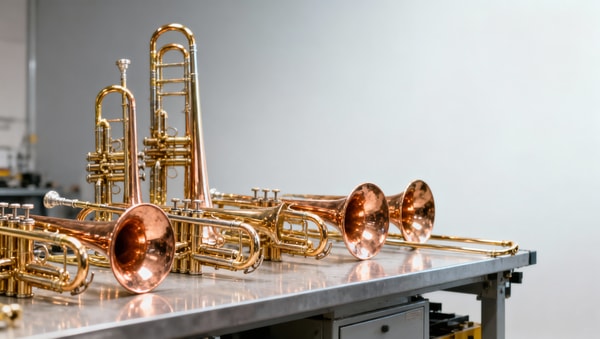
Wind Instruments Maintenance Tips That Prevent Costly Repairs
Proper care of wind instruments is the first line of defense against leaks, corrosion, pad failure, and other issues that lead to expensive repairs. For after-sales maintenance teams, understanding routine cleaning, humidity control, lubrication, and inspection practices helps extend product lifespan, reduce service costs, and improve customer satisfaction. This guide outlines practical maintenance tips that keep wind instruments performing reliably in commercial and institutional use.
Why Maintenance Expectations for Wind Instruments Are Changing
Across sports and entertainment venues, music schools, rental fleets, theme performance programs, and live event operators, the maintenance standard for wind instruments is no longer limited to fixing damage after a complaint. The shift is toward preventive care, shorter downtime, and predictable service intervals. For after-sales maintenance personnel, this change matters because instruments now move through more users, more transportation cycles, and more varied climate conditions than they did in smaller, static setups.
In many commercial settings, a clarinet, flute, saxophone, trumpet, or trombone may be used 4 to 6 days per week, handled by multiple players, and stored in spaces where humidity can swing from below 35% to above 65%. Those routine conditions increase the risk of pad distortion, joint misalignment, stuck slides, tarnish, and air leakage. Repairs that seem minor at first often become more expensive when preventive checks are delayed beyond 30 to 90 days.
Another visible trend is the rising emphasis on lifecycle cost rather than purchase price alone. Buyers serving campuses, music retailers, resort entertainment programs, and rental departments increasingly ask how long wind instruments can stay performance-ready before requiring bench work. That pushes after-sales teams to document maintenance routines, train frontline handlers, and establish service thresholds that reduce emergency repair frequency.
Operational Signals Maintenance Teams Should Notice
The strongest signals are not always dramatic failures. A 5% to 10% drop in response consistency, minor key noise, recurring condensation buildup, slower valve rebound, or a mouthpiece fit that has become unusually tight can all indicate developing issues. In commercial use, these symptoms often appear weeks before a customer reports that the instrument feels unreliable.
- More shared-use inventory means higher contamination and moisture exposure.
- Frequent transport increases the risk of bent keys, loosened posts, and case-related impact stress.
- Air-conditioned and heated venues accelerate drying, shrinkage, and material movement.
- Faster customer turnaround expectations reduce the time available for reactive workshop repair.
These signals explain why preventive maintenance for wind instruments has become a strategic service function, not just a technical afterthought. Teams that respond early often avoid the compounded cost of pad replacement, dent correction, valve rebuilding, or neck tenon fitting work later in the service cycle.
The table below summarizes how maintenance priorities for wind instruments are shifting in commercial and institutional environments.
For after-sales teams, the practical takeaway is clear: a maintenance plan for wind instruments must now be tied to usage intensity, storage conditions, and user turnover. The organizations that adapt to this shift usually see fewer urgent repairs and better service predictability over a 12-month cycle.
What Is Driving More Frequent Failures in Commercial Use
The rise in repair costs is not caused by one factor alone. Instead, wind instruments are being affected by a combination of environmental exposure, user behavior, and compressed service schedules. In sports and entertainment applications, the same instrument may be used for rehearsals, outdoor promotions, indoor shows, and educational demonstrations within the same week. Each shift introduces different stress points.
Humidity is a major driver. Woodwind pads absorb moisture, cork expands and contracts, and metal surfaces accumulate residue more rapidly when drying is incomplete. Brass instruments face similar risks through saliva acidity, mineral deposit buildup, and slide corrosion. Even a 24-hour period of poor drying after use can accelerate odor, residue, and internal surface damage, especially in warm storage areas above 25°C.
Handling practices also matter. Over-tightening ligatures, forcing tenons, assembling instruments with dirty joints, or placing brass instruments on unstable stands can create gradual mechanical stress. These are not dramatic incidents, but when repeated 20 to 50 times per month, they noticeably reduce mechanical accuracy and sealing performance.
The Most Common Damage Drivers by Instrument Family
Different wind instruments fail in different ways, so maintenance teams should avoid one-size-fits-all service assumptions. The best preventive programs classify risk by mechanism, material, and moisture behavior.
Woodwind Risk Pattern
- Pads can harden, swell, or lose sealing consistency after repeated wet-dry cycles.
- Key rods and pivot screws may collect residue, slowing action over 2 to 8 weeks.
- Cork joints may compress or crack, affecting fit and tuning stability.
- Internal bore residue can alter response long before visible dirt is noticed.
Brass Risk Pattern
- Valve casings are vulnerable to contamination from inconsistent oiling and debris.
- Slides can seize when grease dries out or moisture remains trapped after use.
- Water key corks and seals wear faster in high-frequency institutional use.
- Dents from transport can disrupt airflow, slide movement, or tuning precision.
When teams map failure patterns by instrument family, they can schedule smarter interventions. For example, heavily used student clarinets may need pad seat checks every 60 days, while rental trumpets may need valve compression review and internal cleaning every 90 days. The idea is not to over-service, but to align maintenance with actual risk exposure.
The following table helps maintenance staff connect common damage drivers to preventive action for wind instruments.
This kind of matrix is especially useful for after-sales departments managing mixed fleets of wind instruments. It turns scattered workshop experience into a repeatable service method that can be shared across branches, schools, rental counters, or venue operations.
How Preventive Maintenance Should Be Structured Now
A modern maintenance routine for wind instruments should be tiered. Daily care protects surfaces and moisture-sensitive parts. Weekly care addresses residue, moving-part behavior, and case condition. Monthly or quarterly checks confirm whether early wear is beginning to affect performance. This layered structure is more effective than waiting for annual servicing alone, especially where inventory turnover is high.
For after-sales maintenance teams, the most practical goal is to separate user-level care from technician-level care. Players or frontline staff should manage basic drying, wiping, and safe storage after every session. Technicians should then focus on higher-value work such as leak checks, key regulation, slide alignment, valve condition, spring tension, and fitting tolerance.
An effective schedule often reduces emergency workshop jobs by catching issues in the first stage. For many institutions, a 3-level cycle works well: post-use care after every session, a routine technical check every 30 days, and a deeper service every 6 to 12 months depending on instrument category and usage hours.
Recommended Service Layers
- After each use: remove moisture, wipe contact surfaces, release trapped condensation, and confirm the case is dry before closure.
- Weekly: inspect joints, mouthpieces, reeds, slides, and visible fasteners; note odor, discoloration, or resistance changes.
- Every 30 to 90 days: test sealing, alignment, response consistency, and lubrication status; adjust according to inventory intensity.
- Every 6 to 12 months: perform bench-level service including internal cleaning, wear-part review, and replacement planning.
Critical Technique Details
Swabbing should be complete but gentle. In woodwinds, forcing a swab through a narrow section can damage pads or snag internal components. In brass instruments, flushing and drying routines should avoid leaving standing water in tuning slides or valve sections. Lubricants should never be cross-used casually, because key oil, slide grease, cork grease, and valve oil are formulated for different movement types and surface interactions.
Humidity control is another area where many costly repairs begin. Storage around 40% to 55% relative humidity is generally more stable than very dry or very damp conditions. Sudden shifts are often worse than steady moderate conditions, because they accelerate pad movement, cork stress, adhesive fatigue, and finish wear. This matters when wind instruments are moved between rehearsal halls, transport vehicles, and backstage storage.
Documentation should not be overlooked. A basic maintenance log with date, symptom, action taken, and next review point can help identify whether a saxophone is repeatedly developing octave key misalignment or whether a trumpet section is consuming valve oil unusually fast. Over 3 to 6 months, these records become more valuable than isolated repair notes.
Where After-Sales Teams Can Reduce Repair Costs Most Effectively
The largest savings usually do not come from major overhauls. They come from preventing small defects from spreading. A minor leak in a woodwind can lead players to compensate with pressure, which then changes wear patterns on pads, springs, and tone hole seating. A dry brass slide can become a seized slide, which then creates bench time, replacement parts, and customer downtime that far exceed the cost of routine grease application.
After-sales maintenance staff should prioritize high-frequency failure points first. In many mixed inventories of wind instruments, these include mouthpiece shank fit, tenon cork condition, pad seating consistency, valve cleanliness, slide movement, and case dryness. These areas are easy to monitor but expensive to ignore. A 10-minute inspection can often prevent a repair that would otherwise remove the instrument from service for several days.
Customer education is another cost-control tool. If users understand how to assemble, dry, and store wind instruments properly, service requests become more meaningful and less avoidable. This is particularly important for schools, resorts, and rental programs where the person returning the instrument may not be the person responsible for technical care.
High-Impact Inspection Priorities
- Check whether pads or seals are making full contact before tone or response problems become obvious.
- Watch for early green or dark residue in moisture-prone brass sections, especially after intensive weekend use.
- Confirm that rods, screws, and springs remain secure after transport-heavy event schedules.
- Review case interiors for dampness, loose supports, or broken closures that raise impact risk.
Cost Avoidance Through Better Timing
Timing matters as much as technique. If an instrument is serviced only after a complaint, the repair often includes both the original defect and the secondary damage that developed around it. By contrast, interventions performed within the first 2 to 4 weeks of symptom appearance are usually simpler, less invasive, and easier to standardize across a service network.
This is why many professional maintenance teams now use condition-based scheduling instead of fixed annual service alone. Instruments that are played outdoors, loaned frequently, or exposed to repeated assembly cycles should be reviewed more often than low-use inventory. A flexible schedule is not extra work; it is a more accurate way to allocate labor where repair risk is highest.
In trend terms, the direction is clear: after-sales support for wind instruments is becoming more data-aware, more preventative, and more connected to asset management. Teams that measure repeat faults, moisture patterns, and turnaround times can improve both cost control and customer confidence.
What to Monitor Next as Service Standards Continue to Evolve
The next stage in wind instruments maintenance is likely to be shaped by three practical expectations: faster service decisions, clearer maintenance records, and stronger compatibility between sourcing and after-sales planning. Buyers increasingly want to know not only how instruments perform when new, but how easily they can be maintained across 12, 24, or 36 months of real use.
For maintenance personnel, this means watching more than just repair volume. Track patterns such as average time between moisture-related issues, frequency of pad or cork replacement, and which environments produce the highest fault concentration. Even basic trend logs can reveal whether a venue has a storage problem, whether a certain user group needs better handling guidance, or whether a sourcing specification should change on future orders.
It is also useful to align maintenance planning with procurement decisions. When commercial buyers compare wind instruments, they should look beyond finish and initial cost to ask about wear-part access, expected service intervals, replacement component compatibility, and packaging protection for international or multi-site distribution. These factors influence the true ownership cost long after delivery.
A Practical Decision Framework for Ongoing Evaluation
The table below can help after-sales teams and buyers judge whether current maintenance practices for wind instruments are keeping pace with operational demands.
This framework supports a more mature service model. Rather than waiting for visible failure, teams can use repeating signals to judge whether current routines, training, or sourcing decisions need adjustment. For organizations that manage wind instruments at scale, that shift often has a bigger effect than any single repair technique.
Why Choose Us
Global Commercial Trade supports commercial buyers, technical teams, and sourcing managers who need a clearer view of how wind instruments perform beyond the point of sale. Our sector-focused coverage connects maintenance realities with procurement decisions, helping organizations assess service intervals, usage risks, spare-part planning, and long-term ownership costs across entertainment, education, hospitality, and performance environments.
If you are evaluating wind instruments for institutional or commercial use, we can help you compare maintenance-sensitive specifications, discuss product selection for different usage intensities, review likely delivery timelines, and identify where customization or packaging choices may affect after-sales outcomes. We can also support conversations around service expectations, sample evaluation, and quote alignment for multi-unit projects.
Contact us to discuss parameter confirmation, model selection, replacement-part planning, maintenance-friendly sourcing options, delivery schedules, certification-related considerations, sample support, or quotation needs. For teams responsible for keeping wind instruments reliable in demanding operating environments, early consultation often prevents avoidable service costs later.
Search News
Hot Articles
Popular Tags
Need ExpertConsultation?
Connect with our specialized leisureengineering team for procurementstrategies.
Recommended News
 Apr 29, 2026String Instruments Compared: What Really Affects Tone and DurabilityString instruments compared for tone and durability: learn how materials, construction, hardware, and setup affect long-term performance for schools, venues, rentals, and sourcing teams.● Pro Audio Engineer
 Apr 29, 2026Wind Instruments Maintenance Tips That Prevent Costly RepairsWind instruments maintenance tips that help teams prevent leaks, corrosion, and pad failure. Learn practical care steps to reduce repair costs and keep instruments performance-ready.● Pro Audio Engineer
 Apr 29, 2026Percussion Instruments Buying Guide: Sound, Build, and ValuePercussion instruments buying guide for schools, venues, and studios—compare sound, build quality, durability, and total value to source smarter and avoid costly mistakes.● Pro Audio Engineer
 Apr 29, 2026How to Find Reliable Musical Instruments WholesaleMusical instruments wholesale made safer: learn how to vet a musical instruments manufacturer, compare suppliers, and source reliable musical instruments for schools and bands with confidence.● Pro Audio Engineer
 Apr 29, 2026Musical Instruments for Schools on BudgetMusical instruments for schools on a budget: compare musical instruments for bands, wholesale options, and how to choose a reliable musical instruments manufacturer for lasting value.● Pro Audio Engineer
 Apr 29, 2026OEM or ODM Musical Instruments ManufacturerFind the right musical instruments manufacturer for bands, schools, and wholesale buyers. Compare OEM vs ODM options, customization, quality control, and sourcing strategies.● Pro Audio Engineer
 Apr 29, 2026Which Musical Instruments Fit Small BandsMusical instruments for bands: explore smart lineups for schools, venues, and buyers comparing musical instruments wholesale and a trusted musical instruments manufacturer.● Pro Audio Engineer
 Apr 29, 2026Musical Instruments Wholesale Buying GuideMusical instruments wholesale guide for bands, schools, and distributors: compare musical instruments manufacturers, MOQ, quality, compliance, and sourcing strategies for smarter bulk buying.● Pro Audio Engineer
 Apr 29, 2026How to Source Musical Instruments for SchoolsMusical instruments for schools: learn how to compare musical instruments wholesale options, choose a trusted musical instruments manufacturer, and source durable musical instruments for bands with confidence.● Pro Audio Engineer
 Apr 29, 2026How to Choose a Musical Instruments ManufacturerFind the right musical instruments manufacturer for bands, schools, and wholesale buyers. Compare quality, OEM/ODM options, compliance, and lead times to source with confidence.● Pro Audio Engineer
 Apr 29, 2026How to Choose Musical Instruments for BandsMusical instruments for bands guide: compare musical instruments manufacturer options, wholesale terms, and musical instruments for schools to source durable, high-value solutions.● Pro Audio Engineer
 Apr 26, 2026Musical instruments manufacturer compliance: EU RoHS vs. US CPSIA documentation gapsMusical instruments manufacturer? Close EU RoHS vs. US CPSIA documentation gaps—critical for bands, schools & trampoline park suppliers. Avoid disqualification.● Pro Audio Engineer
 Apr 26, 2026High-quality musical instruments: why serial number verification matters for resale valueHigh-quality musical instruments for bands and schools rely on serial number verification to protect resale value, authenticity, and compliance—trusted by top suppliers worldwide.● Pro Audio Engineer
 Apr 26, 2026Musical instruments supplier lead times: why 8-week delivery now means ‘in stock’Musical instruments supplier lead times hit 8 weeks—now meaning 'in stock.' Compare trampoline park supplier, indoor playground manufacturer & more for assured readiness.● Pro Audio Engineer
 Apr 26, 2026Musical instruments for schools: what happens when warranty service requires shipping overseasMusical instruments for schools & bands: Avoid costly overseas warranty shipping. Discover high-quality, service-backed instruments from trusted manufacturers and suppliers.● Pro Audio Engineer
 Apr 26, 2026Musical instruments manufacturer transparency: where are your components really made?Discover how top musical instruments manufacturer & trampoline park supplier ensure component transparency—boost safety, compliance, and ROI for bands, schools, and indoor playground installations.● Pro Audio Engineer
 Apr 26, 2026Musical instruments for bands: why matching wood grain matters for live soundDiscover why matching wood grain in musical instruments for bands ensures superior live sound—key insight for schools, venues & suppliers seeking high quality musical instruments.● Pro Audio Engineer
 Apr 26, 2026Musical instruments supplier red flags—delayed shipping isn’t the worst signSpot red flags in musical instruments supplier, trampoline park supplier & indoor playground manufacturer—beyond delayed shipping. Ensure safety, compliance & quality.● Pro Audio Engineer
 Apr 26, 2026Musical instruments manufacturer vs. supplier: who handles warranty claims?Musical instruments manufacturer vs. supplier: who handles warranty claims? Discover how warranty authority impacts trampoline park safety, indoor playground installation & more.● Pro Audio Engineer
 Apr 26, 2026High-quality musical instruments: how to spot factory-refurbished units sold as newSpot high-quality musical instruments for bands & schools—avoid factory-refurbished units sold as new. Trusted insights on musical instruments manufacturer transparency, supplier accountability, and procurement safety.● Pro Audio Engineer
 Apr 26, 2026Musical instruments for schools—why budget models often cost more over timeMusical instruments for schools: Discover why budget models inflate long-term costs—durability, safety & TCO insights for bands, indoor playground suppliers, and trampoline park equipment buyers.● Pro Audio Engineer
 Apr 26, 2026Musical instruments for bands: why 'stage-ready' doesn’t always mean reliableDiscover why 'stage-ready' musical instruments for bands often fail commercially—and how top venues vet high quality musical instruments, trampoline park equipment, and indoor playground supplier reliability.● Pro Audio Engineer
 Apr 23, 2026Music Accessories Buyers Should Compare FirstMusic accessories buyers should compare quality, compatibility, and compliance first. Explore sourcing tips for hotel equipment, educational supplies, amusement equipment, and sensory playground projects.● Pro Audio Engineer
 Apr 23, 2026How to Source Reliable Music AccessoriesMusic accessories sourcing guide for buyers in commercial furniture, hotel equipment, educational supplies, and amusement equipment—learn how to verify quality, compliance, and reliable suppliers.● Pro Audio Engineer