How to Choose Musical Instruments for Bands
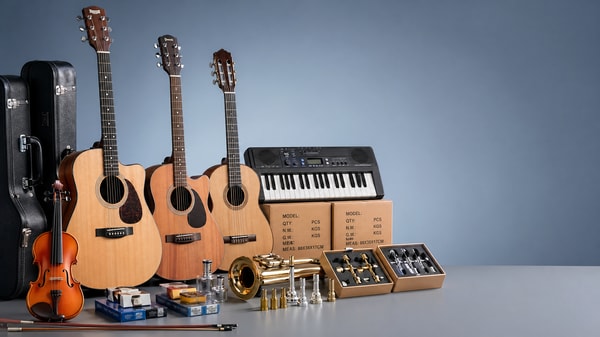
Choosing the right musical instruments for bands requires balancing sound quality, durability, budget, and supplier credibility. For buyers comparing musical instruments manufacturer options, sourcing musical instruments wholesale, or selecting musical instruments for schools, a clear evaluation framework is essential. This guide helps procurement teams, distributors, and commercial decision-makers identify reliable products and partners that support performance, long-term value, and scalable purchasing strategies.
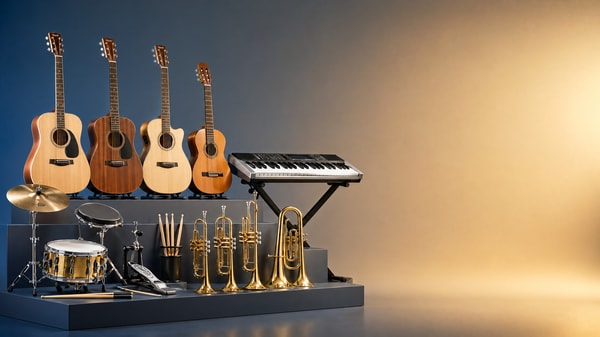
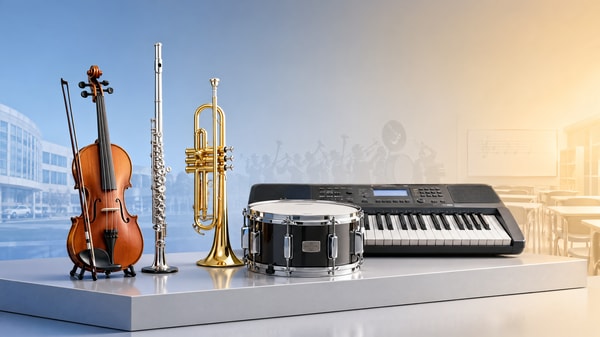
In commercial band procurement, the decision is rarely about a single instrument. It usually involves matching performance goals, player skill levels, maintenance capacity, and purchasing timelines across a complete ensemble. A school concert band, a hospitality entertainment venue, and a touring corporate performance group may all need drums, brass, woodwinds, keyboards, and guitars, but the required specifications can vary significantly.
For B2B buyers in the sports and entertainment sector, a structured approach reduces risk. Instead of focusing only on unit price, buyers should evaluate acoustic consistency, material quality, replacement-part availability, warranty support, and the supplier’s ability to handle repeat orders of 20, 50, or 200 units. The sections below outline how to compare instrument categories, define technical requirements, and build a practical sourcing plan.
Define the Band Type, Performance Setting, and Usage Intensity
The first step in choosing musical instruments for bands is to define the exact use case. A marching band, school band, worship band, hotel lounge band, and youth training ensemble all place different demands on instruments. Usage frequency may range from 2 rehearsals per week to 6 performance sessions plus transport, which directly affects the required level of durability and maintenance planning.
For institutional buyers, instrument selection should begin with a simple operational profile: player level, venue size, amplification requirements, transport frequency, and expected service life. Entry-level instruments may be appropriate for beginner training programs with a 2–3 year replacement cycle, while intermediate or performance-grade instruments often make more sense for commercial venues targeting a 5–8 year return window.
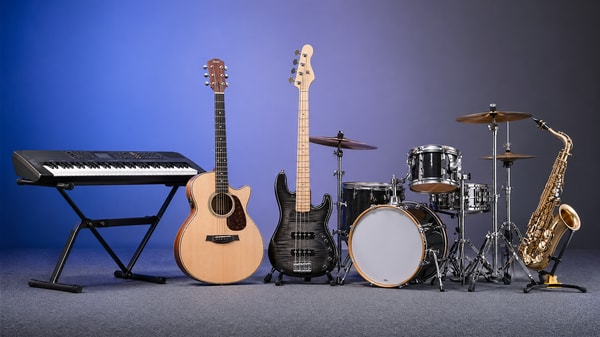
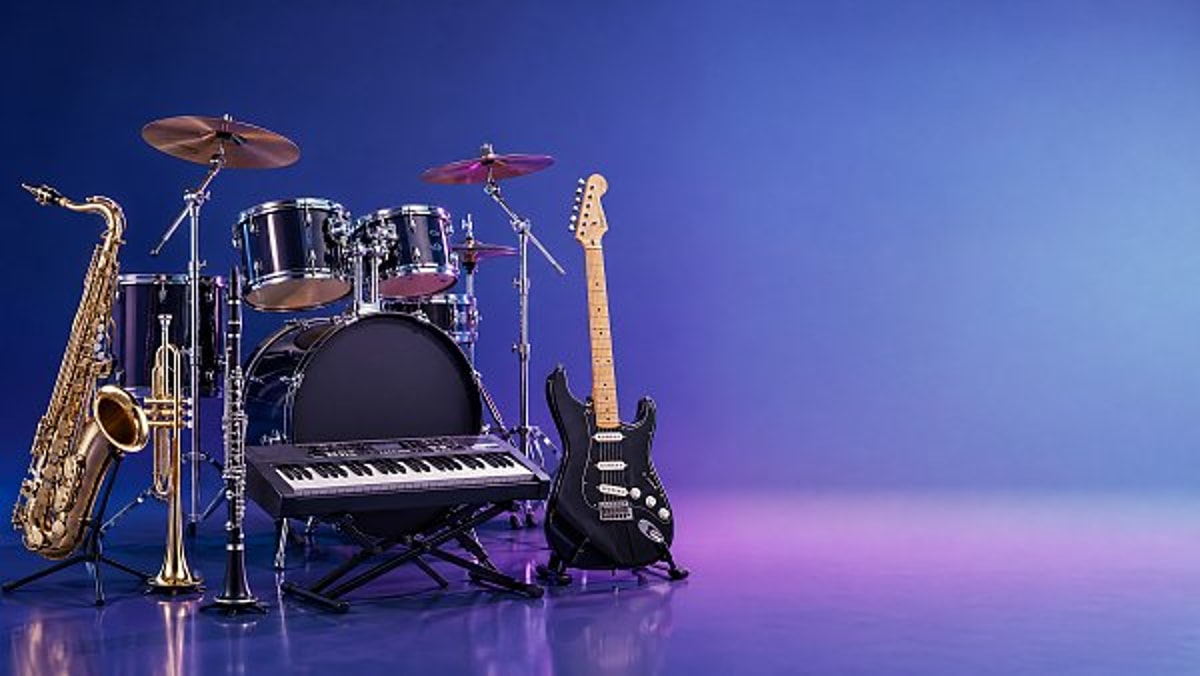
Band instrumentation should also match repertoire and audience expectations. A jazz combo may prioritize saxophone, trumpet, drum kit, digital piano, and bass guitar, while a marching band may require snare drums, tenor drums, bass drums, sousaphones, trombones, and clarinets designed for mobility. In entertainment settings, visual presentation matters as much as sound, so finish quality and stage appearance should not be overlooked.
Questions buyers should answer before requesting quotations
- How many musicians will perform at the same time: 5–8, 10–20, or 30+ players?
- Will instruments remain on-site, or travel weekly between rehearsal rooms and venues?
- Are the end users beginners, intermediate students, or professional performers?
- Is the priority acoustic projection, amplified flexibility, visual impact, or low maintenance?
- Does the buyer need single-batch delivery, phased delivery over 30–90 days, or annual replenishment?
These questions help narrow the shortlist quickly. They also improve communication with a musical instruments manufacturer, because suppliers can recommend more accurate grade levels, packaging methods, and wholesale configurations when the performance environment is clearly defined.
The table below shows how common band settings influence instrument requirements and purchasing logic.
A clear usage profile prevents overbuying and underbuying. Many procurement errors happen when buyers select instruments designed for advanced soloists but deploy them in high-wear training programs, or choose low-cost models for demanding commercial entertainment environments where breakdowns create service disruption.
Evaluate Instrument Categories by Build Quality and Performance Criteria
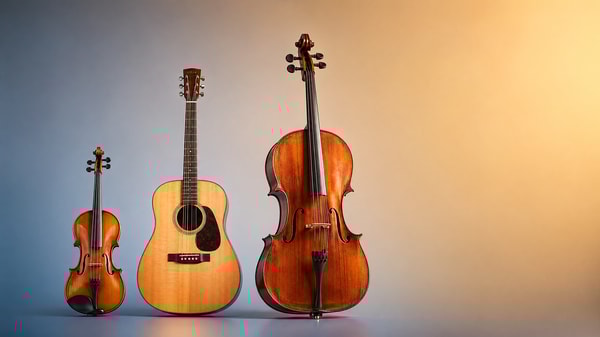
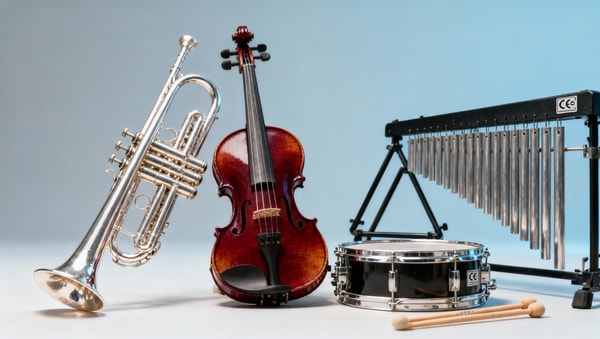
Once the band type is defined, buyers should compare instruments by category instead of using one general checklist for all products. Brass, woodwind, percussion, strings, and keyboards each have different failure points, tonal benchmarks, and service requirements. A durable snare drum and a durable clarinet are not judged by the same criteria.
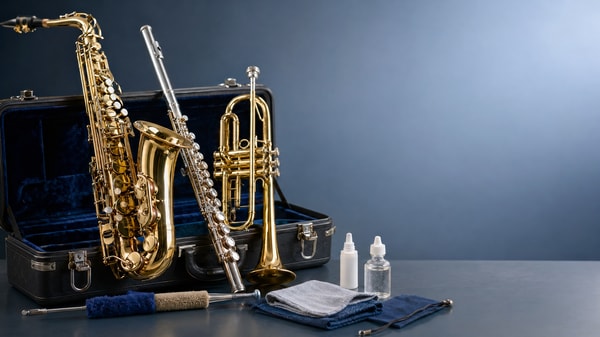
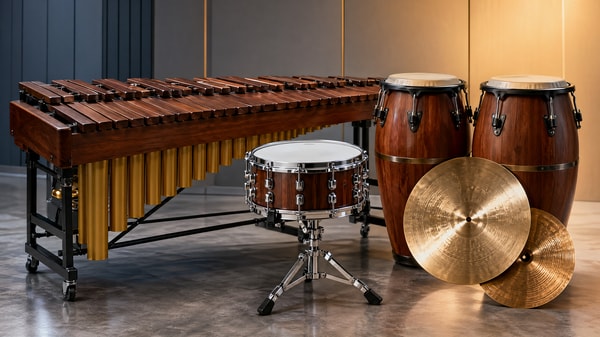
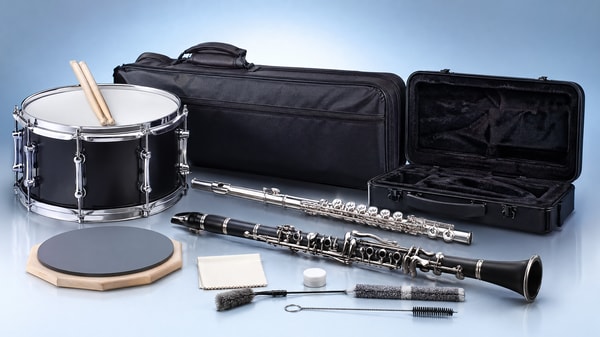
For brass instruments, key factors include material thickness, valve action, solder quality, and finish resistance. For woodwinds, pad sealing, key alignment, body stability, and tuning accuracy are critical. Percussion buyers should focus on shell construction, hardware strength, drumhead compatibility, and mounting stability, especially if the kit will be assembled and disassembled more than 3 times per week.
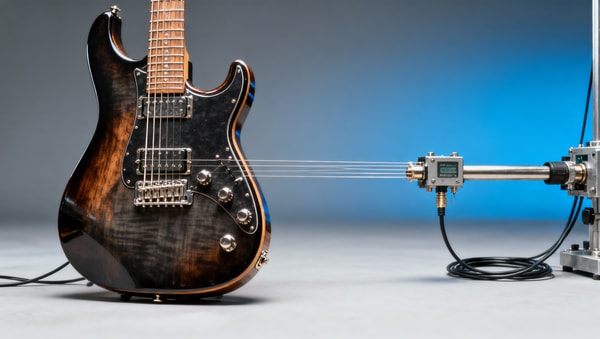
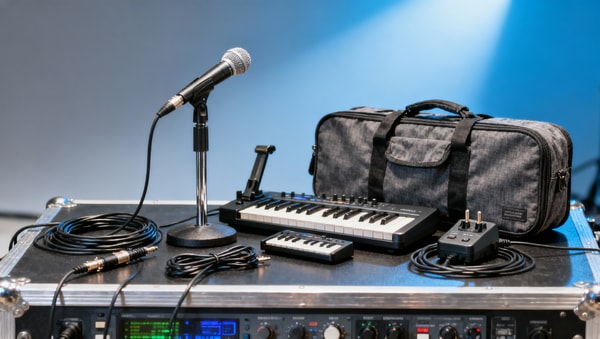
In guitars and basses, neck stability, fret finishing, pickup consistency, and bridge reliability deserve close attention. For keyboards used in entertainment venues, buyers should check polyphony, output options, weighted or semi-weighted action, and durability of control interfaces. Digital systems with 64–128 note polyphony may be adequate for general ensemble work, while more complex performance programs may require higher capacity and broader connectivity.
Core inspection points by category
The following table summarizes practical evaluation points procurement teams can use during sample review, factory comparison, or distributor screening.
This category-based method is especially useful when sourcing musical instruments wholesale. Instead of treating all items as generic SKUs, buyers can build product-specific checklists and reduce return rates. Even a 5% reduction in defective or non-conforming units can make a meaningful difference in distributor margin and institutional satisfaction.
Minimum sample-testing routine
- Inspect visual finish, alignment, and hardware consistency across at least 3 sample units.
- Run a 20–30 minute play test for tuning stability, key response, resonance, and mechanical noise.
- Check wear points such as pads, springs, heads, strings, joints, and moving parts.
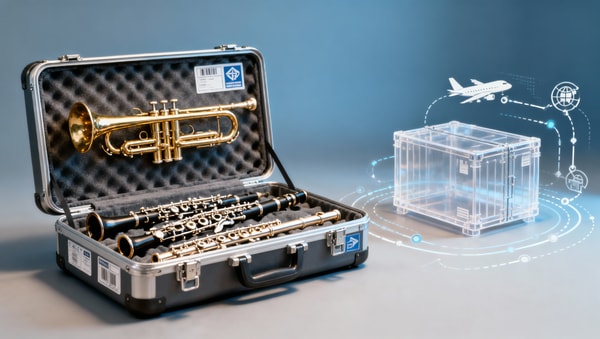
- Review packaging protection for long-distance shipping and pallet handling.
- Confirm whether replacement parts are available within 7–30 days after order completion.
A buying team that combines technical testing with logistical review is far more likely to select instruments that perform well beyond the initial delivery stage.
Compare Suppliers, Manufacturers, and Wholesale Terms Beyond Unit Price
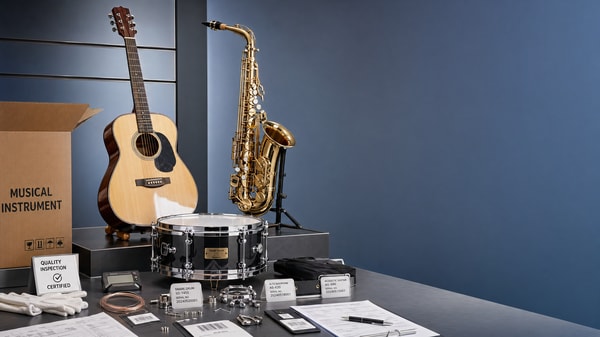
A strong instrument can still become a poor procurement choice if the supplier lacks documentation, consistency, or after-sales support. When evaluating a musical instruments manufacturer, buyers should ask how production batches are controlled, what inspection steps are used before shipment, and how quickly claims are handled. Commercial buyers often need responses within 24–72 hours, not open-ended communication.
For distributors and institutional procurement teams, the most important wholesale factors usually include MOQ, lead time, packaging configuration, private labeling capability, spare-parts supply, and warranty scope. For example, a low MOQ of 10–20 units may benefit market testing, while large school or dealer programs may need 100+ units per shipment with serialized packing lists and carton-level product identification.
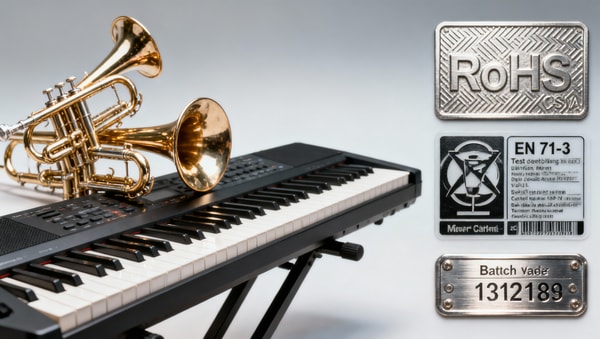
Supplier credibility should also be measured by consistency across documentation. Product specifications, finish options, accessory inclusions, compliance information, and delivery promises should match across quotation sheets, invoices, and pre-shipment records. Misalignment in these documents is often an early warning sign of future claims or inventory disputes.
Supplier comparison framework
The table below can help procurement teams compare manufacturer and wholesale options using practical B2B criteria.
The main takeaway is simple: the cheapest quotation is not always the lowest landed cost. If inconsistent tuning, poor packaging, or delayed replacement parts cause service issues, the total commercial impact can exceed the original price difference within one season of use.
Documents worth requesting before confirmation
- Detailed specification sheets for each instrument family
- Packing list format showing unit, carton, and pallet breakdown
- Warranty policy with claim handling steps and exclusions
- Accessory list including cases, mouthpieces, reeds, straps, or stands
- Pre-shipment inspection process and sample approval records
For organizations managing multiple sites, such as schools, resorts, or entertainment operators, supplier standardization can also simplify future reorder cycles and training for maintenance staff.
Build a Budget Plan That Balances Initial Cost and Lifecycle Value
Budget planning should move beyond sticker price. In band procurement, lifecycle value includes accessories, protective cases, setup hardware, routine maintenance, replacement parts, and downtime risk. An instrument that costs 12% more upfront may still be the better option if it lasts 2–3 years longer or reduces repair frequency in high-use environments.
A practical approach is to divide the budget into three layers: core instruments, operating accessories, and maintenance reserve. For many institutional buyers, a reasonable planning model is 70–80% for primary instruments, 10–15% for accessories such as stands, reeds, mouthpieces, and cables, and 5–10% for maintenance or replenishment during the first 12 months.
This method is especially important when selecting musical instruments for schools or community programs. Buyers who spend the entire budget on instrument bodies often underestimate the ongoing cost of drumheads, strings, cork grease, cleaning kits, and storage solutions. Missing these items can reduce usability even when the core instruments are acceptable.
Typical cost-planning categories
The following breakdown helps decision-makers estimate where hidden costs usually appear in band purchasing projects.
This budget structure helps procurement teams explain decisions internally. It also creates a more realistic evaluation when comparing two musical instruments wholesale quotations that appear similar at first glance but differ in accessory coverage and support terms.
Common budget mistakes
- Choosing the lowest price tier for high-frequency use above 15 hours per week.
- Ignoring the cost of replacement consumables for the first school year or event season.
- Failing to include protective cases for mobile bands and touring groups.
- Overinvesting in advanced specifications that beginner players cannot fully use.
A budget works best when it reflects how the instruments will actually be used, stored, and maintained after delivery, not just how they look in the quotation stage.
Plan Delivery, Maintenance, and Long-Term Support for Scalable Purchasing
The final step in choosing musical instruments for bands is building an execution plan. Even a well-selected product line can create problems if delivery is uncoordinated, packaging is weak, or maintenance responsibilities are unclear. Commercial buyers should confirm not only what is being purchased, but also how it will arrive, who will inspect it, and how future service requests will be managed.
For multi-site deployments, such as school networks or venue groups, phased delivery can reduce storage pressure and simplify acceptance. A 3-stage schedule over 30, 60, and 90 days is often easier to manage than a single large drop, especially when instruments require local inventory checks, setup, or user assignment. This also allows buyers to review first-batch performance before committing to the full replenishment rhythm.
Maintenance planning should be written into the purchasing process. Brass cleaning intervals, drumhead replacement cycles, string changes, keyboard dust protection, and woodwind pad checks all affect service life. In moderate institutional use, a quarterly inspection cycle is often sufficient, while high-use entertainment venues may require monthly checks for drums, cables, and electronic connections.
Recommended post-purchase workflow
- Receive goods against packing list and inspect visible damage within 24–48 hours.
- Run functional checks on a sample ratio or full batch depending on project size.
- Record serial or batch identifiers for warranty and future reorder reference.
- Issue instruments with basic care instructions to staff, teachers, or performers.
- Review maintenance needs after the first 60–90 days of use.
These routines reduce avoidable claims and create a data trail that supports better forecasting. For distributors, this information also improves future product positioning by showing which categories generate the highest repeat demand and which items require more after-sales attention.
FAQ for commercial buyers
How do we choose instruments for a school band with mixed skill levels?
Use a tiered model. Put 60–70% of the budget into durable beginner-to-intermediate instruments for shared use, then allocate the rest to a smaller number of higher-grade instruments for advanced players or featured sections. This approach supports both access and progression.
What lead time should we expect for musical instruments wholesale orders?
Lead time depends on product mix, order size, and customization. In common B2B scenarios, samples may take 1–3 weeks, while mixed bulk orders can take 4–12 weeks. Custom logo work, special finishes, or bundled accessories may extend the timeline.
Which indicators matter most when comparing a musical instruments manufacturer?
Focus on product consistency, documentation accuracy, communication speed, spare-part support, and repeat-order capability. These factors usually have more long-term impact than a small unit-price advantage.
How often should bands inspect and maintain their instruments?
For regular educational or venue use, inspect instruments every 3 months. For heavy-use programs, marching bands, or entertainment venues with weekly shows, monthly checks are safer for percussion hardware, strings, and electronic components.
Choosing musical instruments for bands is ultimately a sourcing decision that combines artistic requirements with commercial discipline. Buyers who define the performance setting, inspect category-specific quality points, compare suppliers on service terms, and budget for lifecycle cost are far more likely to achieve stable performance and lower ownership risk.
For procurement teams, distributors, and business evaluators seeking dependable musical instruments manufacturer partnerships or scalable musical instruments wholesale solutions, a structured sourcing framework turns a complex purchase into a repeatable process. If you are planning a school band rollout, hospitality entertainment upgrade, or multi-channel distribution program, now is the right time to request a tailored product shortlist, compare supply options, and align your next order with long-term performance goals. Contact us to discuss your requirements, get a customized sourcing plan, or learn more about commercial musical instrument solutions.
Search News
Hot Articles
Popular Tags
Need ExpertConsultation?
Connect with our specialized leisureengineering team for procurementstrategies.
Recommended News
 Apr 29, 2026String Instruments Compared: What Really Affects Tone and DurabilityString instruments compared for tone and durability: learn how materials, construction, hardware, and setup affect long-term performance for schools, venues, rentals, and sourcing teams.● Pro Audio Engineer
 Apr 29, 2026Wind Instruments Maintenance Tips That Prevent Costly RepairsWind instruments maintenance tips that help teams prevent leaks, corrosion, and pad failure. Learn practical care steps to reduce repair costs and keep instruments performance-ready.● Pro Audio Engineer
 Apr 29, 2026Percussion Instruments Buying Guide: Sound, Build, and ValuePercussion instruments buying guide for schools, venues, and studios—compare sound, build quality, durability, and total value to source smarter and avoid costly mistakes.● Pro Audio Engineer
 Apr 29, 2026How to Find Reliable Musical Instruments WholesaleMusical instruments wholesale made safer: learn how to vet a musical instruments manufacturer, compare suppliers, and source reliable musical instruments for schools and bands with confidence.● Pro Audio Engineer
 Apr 29, 2026Musical Instruments for Schools on BudgetMusical instruments for schools on a budget: compare musical instruments for bands, wholesale options, and how to choose a reliable musical instruments manufacturer for lasting value.● Pro Audio Engineer
 Apr 29, 2026OEM or ODM Musical Instruments ManufacturerFind the right musical instruments manufacturer for bands, schools, and wholesale buyers. Compare OEM vs ODM options, customization, quality control, and sourcing strategies.● Pro Audio Engineer
 Apr 29, 2026Which Musical Instruments Fit Small BandsMusical instruments for bands: explore smart lineups for schools, venues, and buyers comparing musical instruments wholesale and a trusted musical instruments manufacturer.● Pro Audio Engineer
 Apr 29, 2026Musical Instruments Wholesale Buying GuideMusical instruments wholesale guide for bands, schools, and distributors: compare musical instruments manufacturers, MOQ, quality, compliance, and sourcing strategies for smarter bulk buying.● Pro Audio Engineer
 Apr 29, 2026How to Source Musical Instruments for SchoolsMusical instruments for schools: learn how to compare musical instruments wholesale options, choose a trusted musical instruments manufacturer, and source durable musical instruments for bands with confidence.● Pro Audio Engineer
 Apr 29, 2026How to Choose a Musical Instruments ManufacturerFind the right musical instruments manufacturer for bands, schools, and wholesale buyers. Compare quality, OEM/ODM options, compliance, and lead times to source with confidence.● Pro Audio Engineer
 Apr 29, 2026How to Choose Musical Instruments for BandsMusical instruments for bands guide: compare musical instruments manufacturer options, wholesale terms, and musical instruments for schools to source durable, high-value solutions.● Pro Audio Engineer
 Apr 26, 2026Musical instruments manufacturer compliance: EU RoHS vs. US CPSIA documentation gapsMusical instruments manufacturer? Close EU RoHS vs. US CPSIA documentation gaps—critical for bands, schools & trampoline park suppliers. Avoid disqualification.● Pro Audio Engineer
 Apr 26, 2026High-quality musical instruments: why serial number verification matters for resale valueHigh-quality musical instruments for bands and schools rely on serial number verification to protect resale value, authenticity, and compliance—trusted by top suppliers worldwide.● Pro Audio Engineer
 Apr 26, 2026Musical instruments supplier lead times: why 8-week delivery now means ‘in stock’Musical instruments supplier lead times hit 8 weeks—now meaning 'in stock.' Compare trampoline park supplier, indoor playground manufacturer & more for assured readiness.● Pro Audio Engineer
 Apr 26, 2026Musical instruments for schools: what happens when warranty service requires shipping overseasMusical instruments for schools & bands: Avoid costly overseas warranty shipping. Discover high-quality, service-backed instruments from trusted manufacturers and suppliers.● Pro Audio Engineer
 Apr 26, 2026Musical instruments manufacturer transparency: where are your components really made?Discover how top musical instruments manufacturer & trampoline park supplier ensure component transparency—boost safety, compliance, and ROI for bands, schools, and indoor playground installations.● Pro Audio Engineer
 Apr 26, 2026Musical instruments for bands: why matching wood grain matters for live soundDiscover why matching wood grain in musical instruments for bands ensures superior live sound—key insight for schools, venues & suppliers seeking high quality musical instruments.● Pro Audio Engineer
 Apr 26, 2026Musical instruments supplier red flags—delayed shipping isn’t the worst signSpot red flags in musical instruments supplier, trampoline park supplier & indoor playground manufacturer—beyond delayed shipping. Ensure safety, compliance & quality.● Pro Audio Engineer
 Apr 26, 2026Musical instruments manufacturer vs. supplier: who handles warranty claims?Musical instruments manufacturer vs. supplier: who handles warranty claims? Discover how warranty authority impacts trampoline park safety, indoor playground installation & more.● Pro Audio Engineer
 Apr 26, 2026High-quality musical instruments: how to spot factory-refurbished units sold as newSpot high-quality musical instruments for bands & schools—avoid factory-refurbished units sold as new. Trusted insights on musical instruments manufacturer transparency, supplier accountability, and procurement safety.● Pro Audio Engineer
 Apr 26, 2026Musical instruments for schools—why budget models often cost more over timeMusical instruments for schools: Discover why budget models inflate long-term costs—durability, safety & TCO insights for bands, indoor playground suppliers, and trampoline park equipment buyers.● Pro Audio Engineer
 Apr 26, 2026Musical instruments for bands: why 'stage-ready' doesn’t always mean reliableDiscover why 'stage-ready' musical instruments for bands often fail commercially—and how top venues vet high quality musical instruments, trampoline park equipment, and indoor playground supplier reliability.● Pro Audio Engineer
 Apr 23, 2026Music Accessories Buyers Should Compare FirstMusic accessories buyers should compare quality, compatibility, and compliance first. Explore sourcing tips for hotel equipment, educational supplies, amusement equipment, and sensory playground projects.● Pro Audio Engineer
 Apr 23, 2026How to Source Reliable Music AccessoriesMusic accessories sourcing guide for buyers in commercial furniture, hotel equipment, educational supplies, and amusement equipment—learn how to verify quality, compliance, and reliable suppliers.● Pro Audio Engineer