OEM or ODM Musical Instruments Manufacturer
Choosing the right OEM or ODM musical instruments manufacturer can shape product quality, brand positioning, and long-term supply stability. For buyers sourcing musical instruments for bands, musical instruments for schools, or musical instruments wholesale, understanding manufacturing capabilities, customization options, and compliance standards is essential. This guide helps procurement teams, distributors, and commercial evaluators identify reliable partners and make informed sourcing decisions.
How to Understand OEM vs ODM in Musical Instrument Manufacturing
In the pro audio and musical instruments segment, OEM and ODM are often used interchangeably, but they serve different sourcing goals. OEM usually means the buyer provides product specifications, drawings, branding requirements, or acoustic targets, while the manufacturer produces according to that brief. ODM generally means the factory already has a base design, and the buyer adjusts finishes, packaging, logo, accessory kits, or selected structural features.
For procurement teams, the difference affects tooling cost, lead time, intellectual property exposure, and product differentiation. A school supplier looking for durable classroom instruments may prefer ODM for faster launch in 30–60 days. A distributor building a private label line for regional dealers may need OEM for stronger channel separation, especially when tone, materials, and appearance must align with a clear market position.
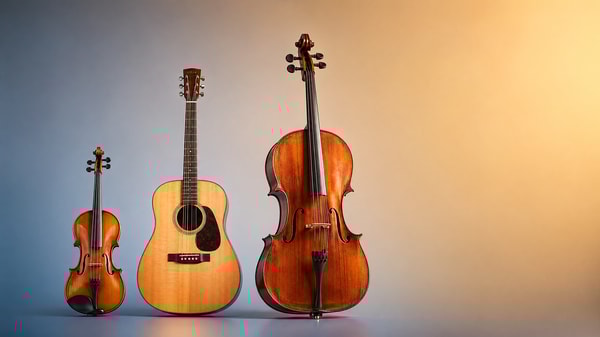
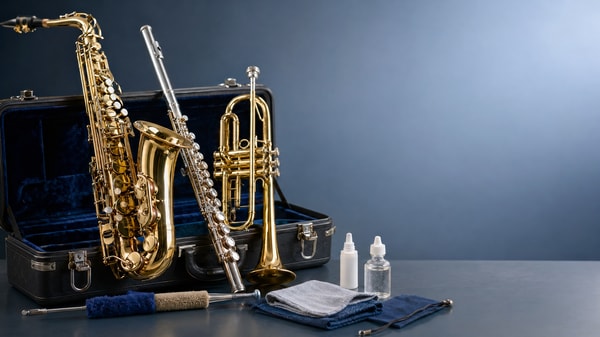
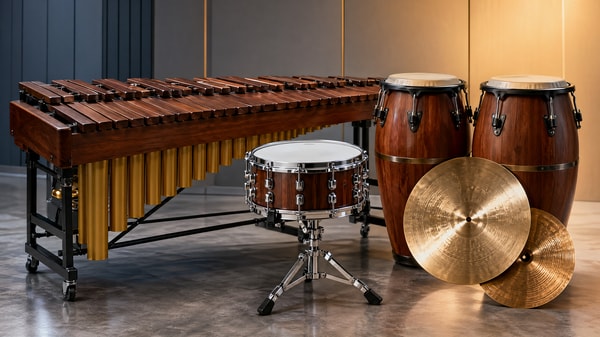
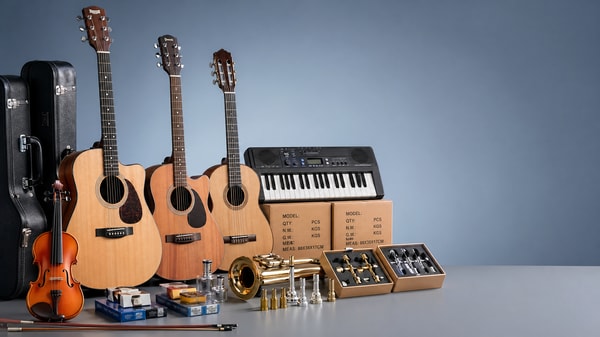
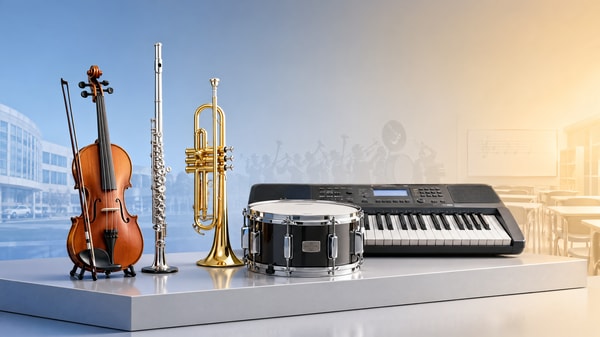
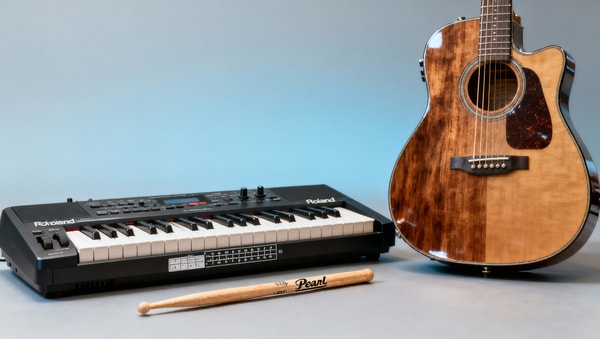
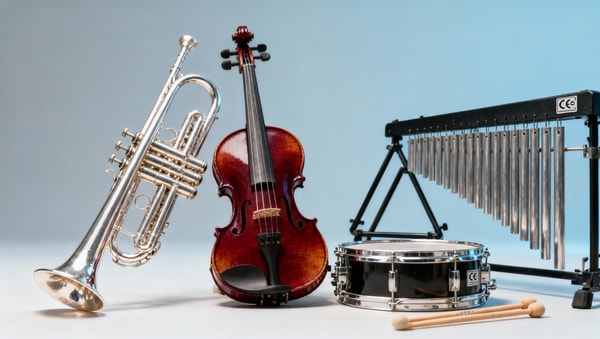
Musical instruments also involve a layer of complexity that standard consumer goods do not. Buyers must evaluate not only finish consistency and assembly quality, but also playability, tuning stability, acoustic response, electronics reliability, and after-sales parts support. In categories such as guitars, keyboards, wind instruments, percussion, and school band instruments, a capable OEM or ODM musical instruments manufacturer needs repeatable production control across both cosmetic and functional standards.
This is where GCT adds value for international buyers. Instead of reviewing suppliers only on catalog claims, GCT helps commercial buyers compare manufacturing depth, customization readiness, and supply-chain suitability for hospitality venues, schools, entertainment operators, and wholesale networks. That matters when the purchase decision must balance 3 core outcomes: market fit, delivery reliability, and long-term serviceability.
Which model fits your sourcing objective?
A practical way to decide is to match the business model to your commercial objective rather than to the lowest quoted price. If your project requires unique voicing, custom dimensions, special hardware, or an exclusive bundle for dealers, OEM is usually more suitable. If your target is quick assortment expansion, lower development risk, and simpler purchasing, ODM often reduces the burden on internal product teams.
- Choose OEM when you need exclusive specifications, tighter private-label control, and room for long-term product line development across 2–3 generations.
- Choose ODM when you need faster market entry, smaller development cycles, and easier adaptation for school supply tenders or musical instruments wholesale catalogs.
- Use a hybrid model when you start with an existing platform and then upgrade components, packaging, tuning setup, or visual identity after first-market validation.
For many buyers in sports and entertainment procurement, hybrid sourcing is increasingly common. It allows a distributor to test 1–2 pilot SKUs before committing to broader customization, helping reduce early inventory risk while preserving a path to product differentiation.
What procurement teams should compare before selecting a manufacturer
When screening an OEM or ODM musical instruments manufacturer, buyers should move beyond brochure-level claims and compare operational indicators. The most useful review framework includes 5 areas: category expertise, production consistency, customization capability, compliance readiness, and commercial responsiveness. These factors are especially important for buyers supporting schools, performing venues, house-of-worship projects, hospitality entertainment spaces, and regional dealer channels.
Different instrument families require different manufacturing controls. For string instruments, buyers often focus on neck stability, fretwork, hardware alignment, and finish durability. For percussion, shell material consistency, edge precision, and mounting hardware reliability are key. For electronic instruments, PCB sourcing, firmware support, connector life, and power compatibility become central. A capable supplier should be able to explain process checkpoints, not just list products.
The table below helps procurement teams compare OEM and ODM pathways using practical commercial criteria. It is especially useful when evaluating suppliers for musical instruments for schools, band equipment sourcing, or dealer-focused wholesale programs where lead time and repeatability matter as much as unit price.
This comparison shows why there is no universal best route. For a distributor who needs fast replenishment and lower development friction, ODM can be efficient. For a commercial buyer building a branded line with stronger margin protection, OEM often creates better long-term positioning. The key is to align product strategy, launch timing, and channel goals before requesting quotations.
A 5-point supplier review checklist
Before moving to samples, many buyers use a structured review checklist. This helps commercial teams compare multiple factories in a way that is easier to defend internally during budgeting or vendor approval meetings.
- Confirm category specialization: ask which instrument families the factory produces regularly, not occasionally.
- Review sample consistency across 2–3 units instead of approving a single showcase sample.
- Check component sourcing transparency for woods, hardware, pickups, heads, reeds, cases, or electronic parts.
- Evaluate communication speed during the first 7–10 days, because slow response early often signals slower issue resolution later.
- Verify after-sales capability, including spare parts, replacement policy, and support for recurring orders.
GCT sourcing intelligence is particularly useful at this stage because buyers can compare manufacturers through a more commercial lens: suitability for institutional supply, export readiness, and project-based purchasing, not just unit manufacturing capacity.
Which specifications and performance factors matter most in musical instruments
Technical evaluation in musical instruments must connect directly to end use. A school music program values durability, ease of maintenance, and stable tuning across repeated student use. A live venue buyer may prioritize sound projection, hardware reliability, and replacement part access. A wholesale importer may need a balance of acceptable performance, visual consistency, and packaging durability for long-distance logistics.
This means supplier discussions should cover both measurable and use-based factors. For example, keyboards may require power compatibility across 100–240V markets, pedal and stand options, and carton drop protection. Acoustic guitars may require humidity-aware material handling, fret-end finishing, and setup standards. Drum sets may need shell thickness consistency, stable lugs, and hardware corrosion resistance for transport and venue storage conditions.
The following table highlights common assessment points by product type. It is not a universal specification sheet, but it helps buyers define what to request during sampling and technical review when working with an OEM or ODM musical instruments manufacturer.
These checks help buyers create approval criteria before mass production. Instead of relying on subjective terms such as “good sound” or “premium quality,” ask the supplier to define setup range, inspection points, packaging test routine, and final QC steps. A 4-step control path—incoming materials, in-process check, final setup, and pre-shipment inspection—usually offers a stronger basis for stable repeat orders.
Why sampling discipline matters
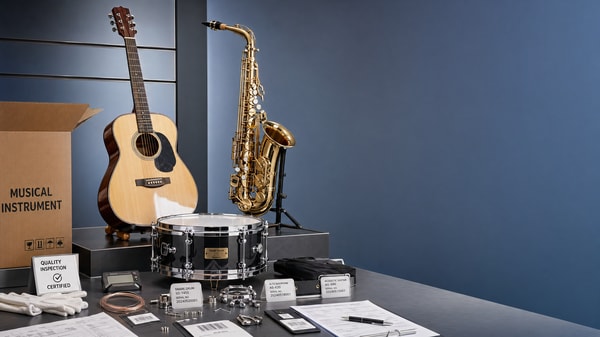
Sampling is not only about approving appearance. For most B2B buyers, especially distributors and school supply contractors, it should test three things at once: product performance, packaging resilience, and supplier responsiveness. Many quality disputes begin because buyers approved one sample and skipped batch-level tolerance discussion.
Recommended sample review sequence
- Round 1: visual and construction review based on photos, dimensions, materials, and accessory list.
- Round 2: physical sample testing over 7–14 days for tuning stability, finish defects, action consistency, and packaging condition after transport.
- Round 3: pre-production confirmation using approved references, carton marks, manuals, and spare-part list.
This process may add time early, but it usually reduces claims later. In entertainment and education supply chains, after-sales friction can cost more than a modest extension in the front-end review cycle.
Compliance, safety, and delivery risks buyers should not overlook
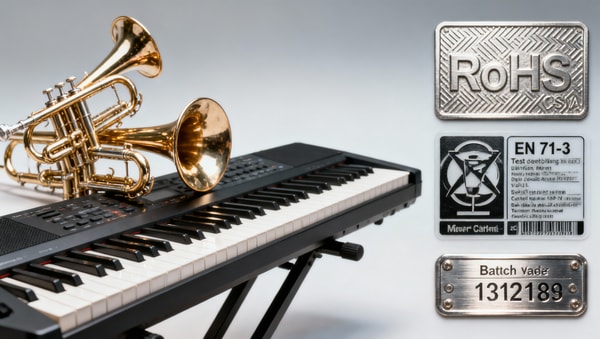
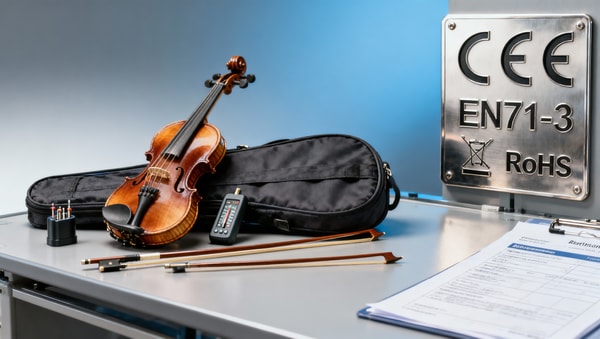
Compliance is a major sourcing checkpoint, particularly when musical instruments are sold through schools, institutional procurement channels, or consumer-facing retail networks. The exact requirements vary by product type and destination market, but buyers should routinely ask about material safety, labeling, electrical safety for powered devices, and packaging documentation for export handling.
For electronic musical instruments and accessories, destination-market conformity may involve electrical safety, EMC-related considerations, adapter compliance, and correct user documentation. For child-oriented or school-use products, material and component safety take on added importance. For wood-based products, buyers may also need clarity on species declaration, moisture control practices, and import documentation depending on the market.
Delivery risk is not only about shipping time. It includes raw material seasonality, component substitution, packaging strength, and replenishment support. A supplier may quote a 35-day production cycle, but if hardware sourcing is unstable or cartons are not suitable for multi-stop distribution, the true fulfillment risk is much higher. Procurement teams should therefore evaluate both factory operations and export execution.
GCT supports this stage by helping buyers frame vendor discussions around market-entry readiness and commercial reliability. That is especially useful when a sourcing decision affects dealer trust, institutional contracts, or recurring venue supply programs where late or inconsistent deliveries can disrupt seasonal planning.
Common risk points in OEM and ODM musical instrument sourcing
- Unclear material substitution rules, which can change tone, durability, or appearance without prior agreement.
- No agreed inspection standard for finish defects, setup variation, or acceptable tuning drift after transport.
- Weak spare-part planning, especially for keys, pads, tuners, heads, pedals, stands, or electronic modules.
- Poor carton design for wholesale distribution, where instruments may face 2–3 handling stages before final delivery.
- Inadequate documentation for manuals, safety labels, or destination-specific packaging marks.
A practical safeguard is to define 6 acceptance items before production starts: model specification, finish standard, accessory pack, packaging method, inspection rule, and claim-handling process. Buyers that document these items early usually reduce disputes during bulk shipment review.
How to build a better sourcing plan for schools, bands, venues, and distributors
Different users buy musical instruments for different reasons, so a good sourcing plan should start with the final operating scenario. Musical instruments for schools often need rugged construction, easier maintenance, and cost control across medium-volume orders. Musical instruments for bands may require stronger tonal consistency and reliable transport durability. Musical instruments wholesale programs need packaging efficiency, flexible product mix, and predictable restocking cycles.
For institutions and commercial evaluators, the lowest ex-factory price rarely tells the full story. A school tender may be won on unit cost but lost later through repair frequency. A distributor may save on initial development by choosing a basic ODM line, yet face margin pressure if similar products are easily available to competing dealers. That is why sourcing strategy should include lifetime support, channel differentiation, and reorder stability.
The table below matches sourcing priorities to common commercial scenarios. It can help buyers choose a more suitable OEM or ODM musical instruments manufacturer based on use case rather than general marketing promises.
This scenario view often leads to better supplier conversations. Instead of asking a factory whether it is “good,” buyers can ask whether it is suitable for semester-based supply, dealer exclusivity, hospitality entertainment programs, or bulk import replenishment. That level of clarity improves sampling, quotation accuracy, and contract alignment.
A practical 4-step implementation path
Buyers who want a smoother sourcing process can use a phased approach. This is especially useful when internal stakeholders include procurement, product teams, compliance reviewers, and channel managers.
- Define the commercial brief: target users, instrument category, price band, and launch timeline.
- Shortlist 3–5 manufacturers based on category specialization, export readiness, and customization fit.
- Run sample and documentation review, including packaging, accessory list, and compliance discussion.
- Approve bulk order only after confirming QC checkpoints, production lead time, and after-sales support scope.
This method does not eliminate all risk, but it makes the evaluation more measurable. For commercial buyers, that often matters as much as the product itself.
Common buyer questions and why many projects stall
How do I know if an OEM or ODM musical instruments manufacturer is truly suitable?
Suitability comes from fit, not scale alone. Ask whether the supplier regularly serves your product category and order pattern. A factory may be strong in entry-level guitars but weak in school band instruments, or capable in ODM keyboards but not in custom electronics integration. Review sample quality across multiple units, response speed over 1–2 weeks, and how clearly the supplier explains inspection criteria and spare-part support.
What lead time is typical for OEM and ODM orders?
Lead time depends on category, complexity, and customization depth. As a common commercial range, ODM projects may move faster because they use existing platforms, while OEM projects often take longer due to sample revisions, tooling, and approval checkpoints. Buyers should separate development lead time from production lead time and shipping time, then build a buffer for packaging confirmation and pre-shipment inspection.
What is the biggest mistake in musical instruments wholesale sourcing?
A common mistake is evaluating only purchase price and appearance. In wholesale distribution, hidden costs often come from inconsistent setup, transit damage, weak cartons, and lack of replacement parts. Another frequent issue is buying a product that many other dealers can source without differentiation. Even a modest level of OEM customization in packaging, accessories, or setup specification can improve channel protection.
Are musical instruments for schools different from general retail models?
Yes, they often should be. School-use instruments typically need stronger durability, easier cleaning or repair, and packaging that supports institutional storage. Procurement teams may also require more predictable service parts and simpler specification control. Retail-friendly cosmetics can still matter, but maintenance burden across repeated student use is often a more important decision factor than decorative features.
Why work with GCT when evaluating manufacturers and planning your next sourcing move
For buyers in sports and entertainment procurement, manufacturer selection is rarely a single-product decision. It affects channel strategy, project timing, service burden, and brand perception. GCT helps buyers move from broad supplier searching to sharper commercial evaluation by focusing on category-specific sourcing intelligence, practical comparison logic, and suitability for real business scenarios.
This is particularly valuable for procurement teams handling musical instruments for schools, distributors building musical instruments wholesale programs, and business evaluators comparing OEM versus ODM pathways. Instead of sorting through fragmented claims, buyers can use GCT insights to narrow vendor lists, structure sample reviews, and identify the right balance among customization, compliance, and delivery reliability.
If you are reviewing an OEM or ODM musical instruments manufacturer, GCT can support the conversation around practical decision points: product category fit, specification review, sampling workflow, lead-time planning, packaging requirements, and market-oriented sourcing strategy. This makes discussions more efficient for both commercial buyers and qualified manufacturers.
Contact us to discuss parameter confirmation, product selection, customization routes, expected delivery cycles, compliance considerations, sample support, and quotation planning. If your project involves schools, bands, venues, dealer networks, or branded wholesale supply, GCT can help you define a more reliable sourcing path before you commit to the next order.
Search News
Hot Articles
Popular Tags
Need ExpertConsultation?
Connect with our specialized leisureengineering team for procurementstrategies.
Recommended News
 Apr 29, 2026String Instruments Compared: What Really Affects Tone and DurabilityString instruments compared for tone and durability: learn how materials, construction, hardware, and setup affect long-term performance for schools, venues, rentals, and sourcing teams.● Pro Audio Engineer
 Apr 29, 2026Wind Instruments Maintenance Tips That Prevent Costly RepairsWind instruments maintenance tips that help teams prevent leaks, corrosion, and pad failure. Learn practical care steps to reduce repair costs and keep instruments performance-ready.● Pro Audio Engineer
 Apr 29, 2026Percussion Instruments Buying Guide: Sound, Build, and ValuePercussion instruments buying guide for schools, venues, and studios—compare sound, build quality, durability, and total value to source smarter and avoid costly mistakes.● Pro Audio Engineer
 Apr 29, 2026How to Find Reliable Musical Instruments WholesaleMusical instruments wholesale made safer: learn how to vet a musical instruments manufacturer, compare suppliers, and source reliable musical instruments for schools and bands with confidence.● Pro Audio Engineer
 Apr 29, 2026Musical Instruments for Schools on BudgetMusical instruments for schools on a budget: compare musical instruments for bands, wholesale options, and how to choose a reliable musical instruments manufacturer for lasting value.● Pro Audio Engineer
 Apr 29, 2026OEM or ODM Musical Instruments ManufacturerFind the right musical instruments manufacturer for bands, schools, and wholesale buyers. Compare OEM vs ODM options, customization, quality control, and sourcing strategies.● Pro Audio Engineer
 Apr 29, 2026Which Musical Instruments Fit Small BandsMusical instruments for bands: explore smart lineups for schools, venues, and buyers comparing musical instruments wholesale and a trusted musical instruments manufacturer.● Pro Audio Engineer
 Apr 29, 2026Musical Instruments Wholesale Buying GuideMusical instruments wholesale guide for bands, schools, and distributors: compare musical instruments manufacturers, MOQ, quality, compliance, and sourcing strategies for smarter bulk buying.● Pro Audio Engineer
 Apr 29, 2026How to Source Musical Instruments for SchoolsMusical instruments for schools: learn how to compare musical instruments wholesale options, choose a trusted musical instruments manufacturer, and source durable musical instruments for bands with confidence.● Pro Audio Engineer
 Apr 29, 2026How to Choose a Musical Instruments ManufacturerFind the right musical instruments manufacturer for bands, schools, and wholesale buyers. Compare quality, OEM/ODM options, compliance, and lead times to source with confidence.● Pro Audio Engineer
 Apr 29, 2026How to Choose Musical Instruments for BandsMusical instruments for bands guide: compare musical instruments manufacturer options, wholesale terms, and musical instruments for schools to source durable, high-value solutions.● Pro Audio Engineer
 Apr 26, 2026Musical instruments manufacturer compliance: EU RoHS vs. US CPSIA documentation gapsMusical instruments manufacturer? Close EU RoHS vs. US CPSIA documentation gaps—critical for bands, schools & trampoline park suppliers. Avoid disqualification.● Pro Audio Engineer
 Apr 26, 2026High-quality musical instruments: why serial number verification matters for resale valueHigh-quality musical instruments for bands and schools rely on serial number verification to protect resale value, authenticity, and compliance—trusted by top suppliers worldwide.● Pro Audio Engineer
 Apr 26, 2026Musical instruments supplier lead times: why 8-week delivery now means ‘in stock’Musical instruments supplier lead times hit 8 weeks—now meaning 'in stock.' Compare trampoline park supplier, indoor playground manufacturer & more for assured readiness.● Pro Audio Engineer
 Apr 26, 2026Musical instruments for schools: what happens when warranty service requires shipping overseasMusical instruments for schools & bands: Avoid costly overseas warranty shipping. Discover high-quality, service-backed instruments from trusted manufacturers and suppliers.● Pro Audio Engineer
 Apr 26, 2026Musical instruments manufacturer transparency: where are your components really made?Discover how top musical instruments manufacturer & trampoline park supplier ensure component transparency—boost safety, compliance, and ROI for bands, schools, and indoor playground installations.● Pro Audio Engineer
 Apr 26, 2026Musical instruments for bands: why matching wood grain matters for live soundDiscover why matching wood grain in musical instruments for bands ensures superior live sound—key insight for schools, venues & suppliers seeking high quality musical instruments.● Pro Audio Engineer
 Apr 26, 2026Musical instruments supplier red flags—delayed shipping isn’t the worst signSpot red flags in musical instruments supplier, trampoline park supplier & indoor playground manufacturer—beyond delayed shipping. Ensure safety, compliance & quality.● Pro Audio Engineer
 Apr 26, 2026Musical instruments manufacturer vs. supplier: who handles warranty claims?Musical instruments manufacturer vs. supplier: who handles warranty claims? Discover how warranty authority impacts trampoline park safety, indoor playground installation & more.● Pro Audio Engineer
 Apr 26, 2026High-quality musical instruments: how to spot factory-refurbished units sold as newSpot high-quality musical instruments for bands & schools—avoid factory-refurbished units sold as new. Trusted insights on musical instruments manufacturer transparency, supplier accountability, and procurement safety.● Pro Audio Engineer
 Apr 26, 2026Musical instruments for schools—why budget models often cost more over timeMusical instruments for schools: Discover why budget models inflate long-term costs—durability, safety & TCO insights for bands, indoor playground suppliers, and trampoline park equipment buyers.● Pro Audio Engineer
 Apr 26, 2026Musical instruments for bands: why 'stage-ready' doesn’t always mean reliableDiscover why 'stage-ready' musical instruments for bands often fail commercially—and how top venues vet high quality musical instruments, trampoline park equipment, and indoor playground supplier reliability.● Pro Audio Engineer
 Apr 23, 2026Music Accessories Buyers Should Compare FirstMusic accessories buyers should compare quality, compatibility, and compliance first. Explore sourcing tips for hotel equipment, educational supplies, amusement equipment, and sensory playground projects.● Pro Audio Engineer
 Apr 23, 2026How to Source Reliable Music AccessoriesMusic accessories sourcing guide for buyers in commercial furniture, hotel equipment, educational supplies, and amusement equipment—learn how to verify quality, compliance, and reliable suppliers.● Pro Audio Engineer