How to Source Reliable Music Accessories
Sourcing reliable music accessories requires more than comparing prices—it demands careful evaluation of quality, compliance, and supplier consistency. For buyers managing projects across music accessories, hotel equipment, educational supplies, and amusement equipment, choosing the right sourcing partner can reduce risk and improve long-term value. This guide explains how procurement teams, distributors, and commercial evaluators can identify dependable manufacturers and build stronger supply chains.
In the sports and entertainment sector, music accessories often sit inside larger commercial environments: performance venues, theme parks, hospitality spaces, school music rooms, branded retail corners, and event infrastructure. A weak cable, unstable stand, low-durability case, or non-compliant power accessory can interrupt operations, damage premium equipment, and raise service costs within 3 to 12 months.
For B2B buyers, the right sourcing process is not only about product selection. It is about verifying production capability, defining quality thresholds, aligning delivery windows, and ensuring that suppliers can support repeat orders, OEM requests, and after-sales claims across multiple markets.
Why reliable music accessories matter in commercial entertainment projects
Music accessories may appear to be low-risk line items, but in commercial use they directly affect uptime, user safety, and brand perception. In amusement venues, family entertainment centers, hotel lounges, and educational music spaces, accessories such as microphone stands, instrument cables, pedalboards, wall mounts, gig bags, tuners, adapters, and rack accessories are used repeatedly, often 5 to 10 hours per day.
A distributor or procurement manager evaluating reliable music accessories should look beyond unit cost. Failure points usually emerge in mechanical joints, connector fatigue, stitching quality, packaging resistance, and finish consistency. When accessories are used in rotating public environments, replacement frequency can increase by 20% to 40% if the original sourcing decision focused only on price.
Commercial buyers also face a different risk profile from retail consumers. They may need stable replenishment for 6 to 24 months, mixed-SKU shipping, private labeling, multilingual packaging, or conformity documents for different regions. A reliable supplier is therefore measured by process control and communication accuracy as much as by the product itself.
Common accessory categories with the highest operational impact
The following categories typically create the most service calls or replacement requests when sourcing standards are weak. These are the areas where consistent materials, tolerance control, and packaging discipline make a visible difference.
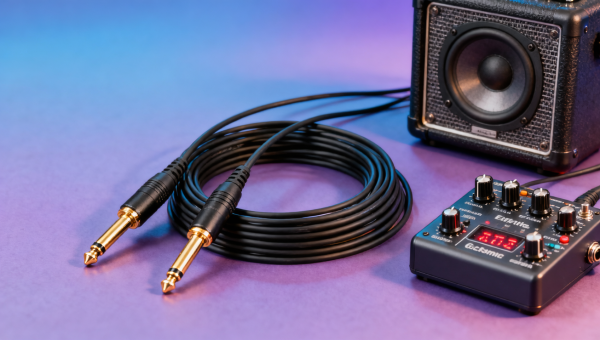
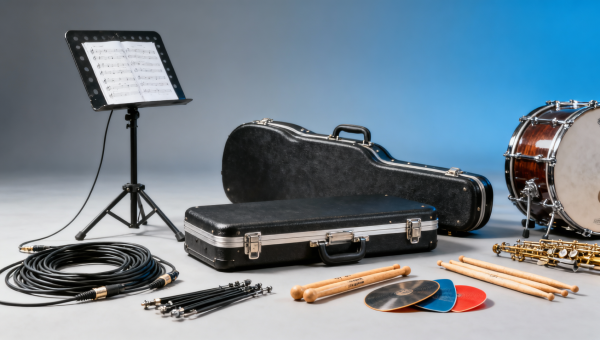
- Cables and connectors: signal stability, shielding quality, bend-life, and plug retention matter in live-use environments.
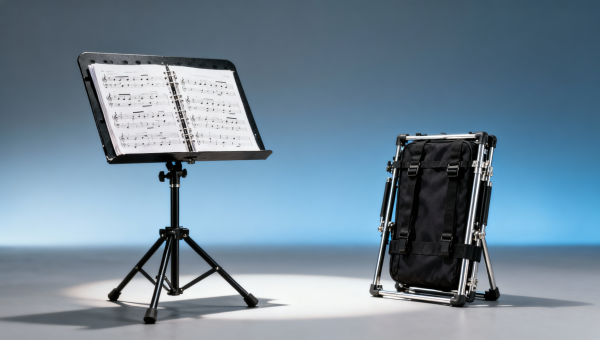
- Stands and mounts: load-bearing safety, locking mechanisms, and finish resistance affect repeated deployment.
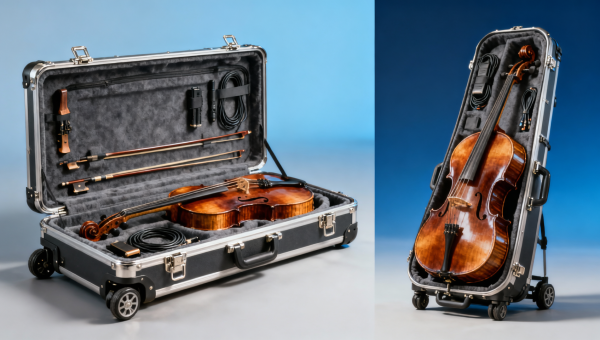
- Cases and gig bags: foam density, zipper life, handle reinforcement, and carton performance influence transit damage rates.
- Power accessories and adapters: compatibility, voltage labeling, and insulation quality are critical for venue safety.
Below is a practical view of how accessory failures translate into commercial risk across sports and entertainment use cases.
For buyers handling multi-site projects, these checkpoints help reduce hidden ownership cost. A slightly higher unit price can be justified if it lowers returns, avoids venue downtime, and supports stable reorder quality over the next 2 to 4 procurement cycles.
How to evaluate manufacturers and trading partners before placing an order
Reliable sourcing starts with supplier screening. In music accessories, many buyers work with factories, export trading firms, or hybrid sourcing partners. Each model can work, but the decision should depend on order complexity, customization needs, compliance requirements, and how much visibility you need into production control.
For standard catalog items with moderate volume, a capable trading partner may simplify mixed-container consolidation and communication. For OEM or branded accessories, direct factory access becomes more important, especially when packaging, logo application, component changes, or custom color matching are involved. Buyers should ask whether the supplier can support 3 core functions: technical confirmation, in-process inspection, and corrective action on defects.
A common mistake is approving a supplier after reviewing only a digital catalog and one sample. Commercial teams should review at least 6 to 8 factors before issuing a purchase order, including production specialization, sample consistency, document responsiveness, lead-time realism, packaging standards, and claim handling speed.
Key supplier qualification criteria
- Product specialization: confirm whether the supplier regularly manufactures music accessories rather than sourcing them ad hoc from multiple unknown workshops.
- Sampling accuracy: compare the approved sample against bulk pre-production samples, not just one showroom piece.
- Material transparency: request detail on metal gauge, foam density, cable jacket material, connector plating, and carton grade where relevant.
- Lead-time control: ask for standard production windows such as 20–35 days, plus peak-season variance.
- Claim process: define response time, replacement terms, and evidence required for quality disputes.
Questions commercial buyers should ask during supplier review
Useful questions include: Which product lines are made in-house? What percentage of orders require subcontracting? How is incoming material checked? What is the standard defect threshold at final inspection? Can packaging survive long-haul export handling? These questions often reveal more than a general company profile.
The comparison table below can help procurement teams score suppliers in a structured and repeatable way.
This kind of scorecard is especially useful for distributors and agents comparing 3 or more candidate suppliers. It turns a subjective conversation into a procurement decision backed by operational criteria.
Quality, compliance, and performance checks that reduce sourcing risk
Quality assurance for music accessories should match the real usage environment. A product that performs well in a retail display can fail quickly in venue operations, educational turnover, or rental circulation. Buyers should define basic test points by category instead of using one generic checklist for all accessories.
For cable-based products, focus on continuity, noise resistance, plug retention, and bend durability. For stands, mounts, and brackets, request load testing, locking stability, and finish adhesion review. For cases and bags, ask about abrasion resistance, zipper cycle life, handle stitching, and transit carton strength. Even a 1% to 2% defect rate can create outsized service friction when goods are distributed across many projects or dealers.
Compliance requirements vary by product and destination, but buyers should still ask for accurate labeling, material declarations where applicable, and clear electrical specifications on powered accessories. In mixed commercial environments such as hotels, schools, and amusement venues, documentation matters because procurement teams often need internal sign-off from safety, maintenance, and finance stakeholders.
Practical performance benchmarks by category
The table below outlines common checkpoints buyers can include in sample approval and pre-shipment review. The ranges are practical commercial references, not absolute certification claims.
These checks do not require an overly complex lab program. In many cases, a disciplined 4-step method works well: approved sample review, material confirmation, in-line inspection, and final random check before shipment. What matters is consistency and written acceptance criteria.
Red flags during quality review
- Supplier avoids sharing production photos or packaging details before shipment.
- Bulk samples differ noticeably from the approved reference in finish, stiffness, or fit.
- Specifications are described only with generic terms such as “good quality” or “export standard.”
- There is no clear process for sorting defects, replacement parts, or claim response within 48–72 hours.
Building a sourcing process for pricing, delivery, and long-term supply stability
Reliable music accessory sourcing is strongest when buyers use a repeatable process rather than negotiating each order from zero. In B2B trade, price is only one part of landed cost. Packaging efficiency, carton utilization, order consolidation, payment terms, and defect handling can change the actual procurement result more than a small factory quote difference.
A useful sourcing workflow usually has 5 stages: requirement mapping, supplier shortlist, sample evaluation, trial order, and rolling replenishment review. For distributors and commercial evaluators, the trial order is particularly important. It allows the team to test not just product quality but also label accuracy, barcode execution, outer carton integrity, and shipping document discipline.
Lead time planning should also reflect seasonality. Entertainment and event demand often rises before holiday peaks, school opening periods, and venue launch schedules. A nominal 25-day production cycle can stretch to 40 days if raw materials, packaging queues, or booking capacity tighten. Buyers should plan reorder points with a 2 to 3 week buffer for key accessories.
A practical B2B sourcing workflow
- Define the application: venue use, school use, rental use, retail resale, or hotel entertainment support.
- Set the technical baseline: materials, size range, compatibility, packaging format, and branding needs.
- Request samples from 2–4 suppliers and compare consistency, not just appearance.
- Run a pilot order with clear inspection terms and claim handling conditions.
- Review reorder performance after the first 60–90 days of commercial use.
Cost factors buyers often overlook
Three hidden cost areas are common in music accessory trade. First, poor packaging increases freight damage and dealer complaints. Second, unstable finishing or logo placement creates brand inconsistency in OEM programs. Third, inaccurate mixed-SKU packing slows receiving operations in warehouses and project sites. Each issue may seem small, but together they erode margin and trust.
For larger programs, buyers should also assess supplier resilience. Ask how the supplier manages peak output, alternate component sourcing, and replenishment for repeatable SKUs. A partner that can maintain stable quality over 4 to 6 reorder cycles is usually more valuable than a cheaper source that performs well only once.
Common sourcing mistakes, buyer FAQs, and smarter next steps
Many procurement issues in music accessories come from assumptions that are easy to avoid. Buyers may assume that all connectors with the same appearance have equal durability, that one attractive sample guarantees batch consistency, or that small accessories do not require formal specifications. In commercial entertainment, those assumptions often lead to preventable returns.
Another mistake is failing to match the accessory grade to the actual use environment. A practice-room cable, for example, may not suit high-turnover rental use. A decorative stand may not be fit for public venue deployment. Reliable sourcing depends on aligning specification, use frequency, and supply continuity from the start.
FAQ: How do I know if a music accessory supplier is truly reliable?
Look for repeatable evidence: consistent samples, clear material descriptions, realistic lead times, structured inspection points, and a documented claim response process. If a supplier can answer technical questions clearly and support a pilot order with defined checkpoints, reliability is easier to validate.
FAQ: What order size is appropriate for a first trial?
For many standard accessories, a first trial can be a mixed order of 100 to 300 units across several SKUs, depending on shipping efficiency and project urgency. The goal is not volume; it is to test consistency, packaging, documentation, and defect response before scaling.
FAQ: How long should I monitor performance before approving long-term supply?
A review window of 60 to 90 days is practical for many accessories used in schools, hotels, or entertainment venues. This period is usually enough to capture early mechanical issues, packing problems, and replenishment accuracy without delaying commercial rollout too long.
FAQ: Which documents matter most in cross-border sourcing?
Start with commercial invoice accuracy, packing list clarity, product labeling confirmation, and any applicable compliance declarations or material statements relevant to the destination market. For OEM orders, artwork approvals and carton markings are equally important because mistakes there can delay customs or customer receiving.
For buyers in sports and entertainment, reliable music accessory sourcing is a supply chain discipline rather than a one-time purchase. The strongest results come from supplier screening, category-specific quality checks, structured pilot orders, and ongoing performance review. This approach supports better uptime, safer deployment, and healthier margins for distributors, procurement teams, and commercial evaluators.
Global Commercial Trade helps buyers navigate sourcing decisions across commercial experience sectors, including pro audio and musical instruments. If you are comparing manufacturers, planning an OEM program, or building a more dependable accessory supply chain, contact us to discuss your sourcing needs, request a tailored supplier evaluation framework, or explore more solution-focused procurement insights.
Search News
Hot Articles
- Indoor PlaygroundFan Zhendong Visits Silicon Valley as MLTT Investor, AI Ping-Pong Tech Draws AttentionApr 23, 2026
- Stage Lighting & Truss2026 FIBA Women's World Cup Draw Opens Export Window for Arena Lighting & Timing SystemsApr 23, 2026
- Pro Stage AudioChina Upgrades Security Compliance for International Sports EventsApr 23, 2026
Popular Tags
Need ExpertConsultation?
Connect with our specialized leisureengineering team for procurementstrategies.
Recommended News
 Apr 23, 2026Music Accessories Buyers Should Compare FirstMusic accessories buyers should compare quality, compatibility, and compliance first. Explore sourcing tips for hotel equipment, educational supplies, amusement equipment, and sensory playground projects.● Pro Audio Engineer
 Apr 23, 2026How to Source Reliable Music AccessoriesMusic accessories sourcing guide for buyers in commercial furniture, hotel equipment, educational supplies, and amusement equipment—learn how to verify quality, compliance, and reliable suppliers.● Pro Audio Engineer
 Apr 23, 2026Cheap Music Accessories Often Cost More LaterMusic accessories may seem cheap, but hidden costs rise fast. Explore smarter sourcing for hotel equipment, educational supplies, amusement equipment, sensory playground and playground safety.● Pro Audio Engineer
 Apr 23, 2026Music Accessories That Improve Classroom Sound SetupMusic accessories improve classroom sound setup with safer cable control, clearer audio, and durable solutions that pair with educational supplies, commercial furniture, and playground safety planning.● Pro Audio Engineer
 Apr 22, 2026Which Instrument Cables Sound BestWhich instrument cables sound best? Discover how capacitance, shielding, and durability affect performance, plus sourcing tips for instrument cables and related commercial needs.● Pro Audio Engineer
 Apr 22, 2026Why String Instruments Can Look Similar but Sound Very DifferentString instruments may look alike yet sound vastly different. Explore sourcing insights across musical instruments, plus comparisons with wind instruments and percussion instruments.● Pro Audio Engineer
 Apr 22, 2026String Instruments: Solid Wood or Laminate for Long-Term Use?String instruments guide: compare solid wood vs laminate for long-term use, durability, tone, and sourcing value across musical instruments. Click for smarter B2B buying insights.● Pro Audio Engineer
 Apr 22, 2026What Affects Tone Consistency in Student Wind Instruments?Wind instruments buying guide: discover what affects tone consistency in student musical instruments, with insights comparing percussion instruments and string instruments for smarter school sourcing.● Pro Audio Engineer
 Apr 22, 2026Wind Instruments That Need More Maintenance Than ExpectedWind instruments maintenance guide for buyers: compare musical instruments, string instruments and percussion instruments to reduce service costs and source smarter.● Pro Audio Engineer
 Apr 22, 2026Common Tuning Problems in Percussion Instruments and Their CausesPercussion instruments tuning problems explained for buyers of musical instruments, with practical tips on comparing percussion instruments, string instruments, and wind instruments for reliable commercial sourcing.● Pro Audio Engineer
 Apr 22, 2026Percussion Instruments That Handle Heavy Use Better in ClassroomsPercussion instruments built for classrooms: compare durable musical instruments, from percussion instruments to wind instruments and string instruments, for safer, longer-lasting school use.● Pro Audio Engineer
 Apr 22, 2026What Shortens the Lifespan of Musical Instruments in Daily Use?Musical instruments wear out faster from humidity, poor storage, and rough handling. Learn how string instruments, wind instruments, and percussion instruments last longer with smarter B2B care.● Pro Audio Engineer
 Apr 22, 2026Musical Instruments With the Strongest School Market DemandMusical instruments with strong school demand: compare percussion instruments, wind instruments, and string instruments to find durable, curriculum-ready solutions for smarter school sourcing.● Pro Audio Engineer
 Apr 21, 2026Choosing musical instruments for bands in small venuesMusical instruments for bands in small venues: learn how buyers choose compact, durable setups with better sound control, lower costs, and stronger audience appeal.● Pro Audio Engineer
 Apr 20, 2026Music Accessories Often Overlooked Until They Start Causing ProblemsMusic accessories often cause hidden issues across musical instruments, percussion instruments, wind instruments, string instruments, keyboard instruments, orchestral instruments, music stands, instrument cables, and pro audio equipment.● Pro Audio Engineer
 Apr 20, 2026When Orchestral Instruments Need Custom Cases and Why It MattersMusical instruments and orchestral instruments need custom cases to protect string instruments, wind instruments, percussion instruments, and keyboard instruments during transport. Learn when buyers should upgrade for safer logistics.● Pro Audio Engineer
 Apr 20, 2026Keyboard Instruments in 2026: What Features Are Becoming Standard?Keyboard instruments in 2026 are redefining musical instruments with smarter connectivity, durable builds, and seamless integration with pro audio equipment, instrument cables, music stands, and music accessories.● Pro Audio Engineer
 Apr 20, 2026Music Stands With Folding Designs: Convenient or Less Reliable?Music stands buyers compare folding convenience with long-term reliability across musical instruments, percussion instruments, wind instruments, string instruments, and pro audio equipment.● Pro Audio Engineer
 Apr 20, 2026String Instruments With Better Tuning Stability in Busy Use CyclesExplore string instruments with better tuning stability for busy venues. Compare musical instruments, percussion instruments, and wind instruments to source reliable, low-maintenance performance solutions.● Pro Audio Engineer
 Apr 20, 2026Why Wind Instruments React So Differently to Climate and StorageWind instruments react fast to climate and storage. Compare musical instruments, percussion instruments, string instruments, and music accessories to cut maintenance risk and buy smarter.● Pro Audio Engineer
 Apr 20, 2026Percussion Instruments for Shared Spaces: What Reduces Noise Most?Percussion instruments for shared spaces: discover what reduces noise most across musical instruments, with smart comparisons to wind instruments, string instruments, keyboard instruments, and practical accessories.● Pro Audio Engineer
 Apr 20, 2026How to Spot Musical Instruments That Look Fine but Wear Out FastDiscover how to spot musical instruments that look premium but wear out fast. Learn key checks for percussion instruments, wind instruments, string instruments, keyboard instruments, music stands, instrument cables, pro audio equipment, and music accessories before you buy.● Pro Audio Engineer
 Apr 20, 2026Music Accessories That Quietly Affect Daily Performance QualityExplore how music accessories shape daily performance quality—from music stands and instrument cables to pro audio equipment for musical instruments, percussion instruments, wind instruments, string instruments, and keyboard instruments.● Pro Audio Engineer
 Apr 20, 2026Orchestral Instruments With the Highest Repair RatesExplore which orchestral instruments have the highest repair rates across wind instruments, string instruments, percussion instruments, and keyboard instruments, with smart buying tips for musical instruments, music accessories, music stands, instrument cables, and pro audio equipment.● Pro Audio Engineer