Music Accessories That Quietly Affect Daily Performance Quality
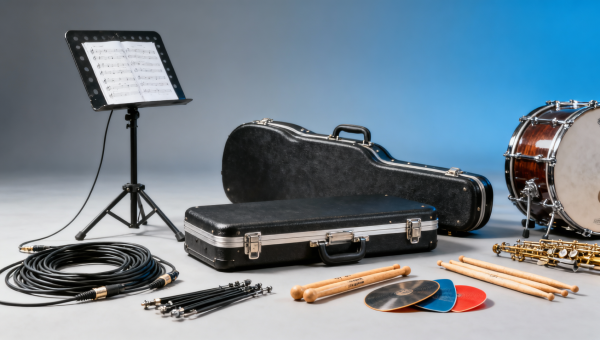
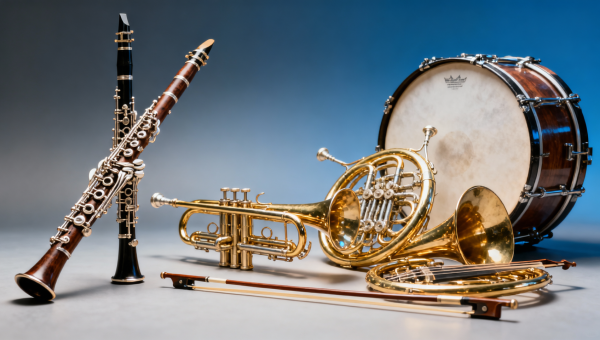
In daily practice, rehearsal, retail demo, or venue setup, small music accessories often have an outsized impact on performance quality. From music stands and instrument cables to support tools used with musical instruments, percussion instruments, wind instruments, string instruments, keyboard instruments, and orchestral instruments, the right choices improve stability, sound consistency, and user experience. This guide explores how accessories and pro audio equipment quietly influence outcomes for buyers, distributors, and sourcing decision-makers.
Why do small music accessories have such a large impact on daily performance quality?
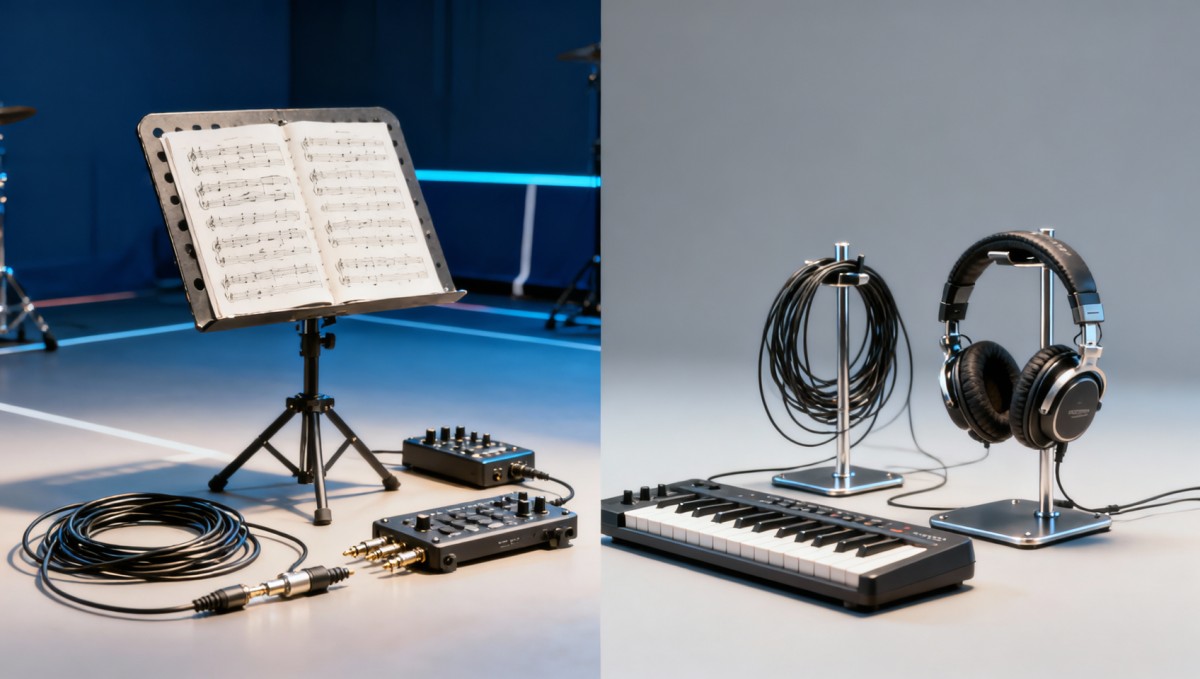
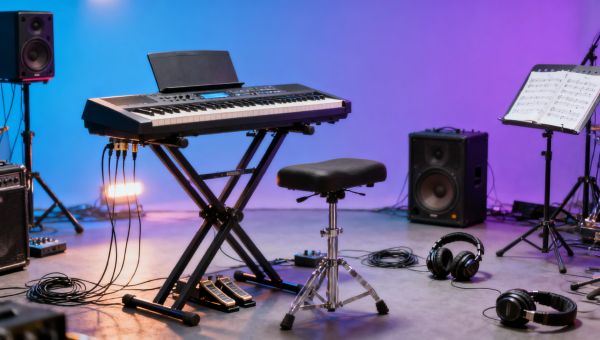
In the sports and entertainment sector, performance quality is rarely determined by the main instrument alone. A stage-ready keyboard can underperform because of an unstable stand. A premium microphone chain can lose clarity through poor cable shielding. A school orchestra can face rehearsal delays because a batch of low-grade music stands fails after 3–6 months of repeated folding. These are not minor inconveniences for B2B buyers; they affect operating continuity, user satisfaction, and replacement budgets.
For information researchers, procurement teams, and commercial evaluators, music accessories sit in a difficult category. They are relatively low in unit price, yet high in operational consequence. In venue operations, education projects, hotel entertainment spaces, amusement venues, and retail display environments, accessories shape setup speed, player comfort, transport efficiency, and basic safety. When the accessory specification is wrong, the issue usually appears during use, not during the quotation stage.
This is where structured sourcing matters. Global Commercial Trade (GCT) focuses on commercial experience industries, including pro audio and musical instruments, with a sourcing lens suited to institutional procurement. Instead of treating accessories as afterthoughts, buyers should evaluate them across 4 dimensions: mechanical stability, signal reliability, compatibility range, and replacement cycle. That approach reduces hidden cost and improves consistency across multiple locations or sales channels.
A practical example is the difference between a consumer-grade accessory and a commercial-use specification. In a home setting, a cable used 1–2 times per week may be acceptable. In a retail demo station or rehearsal room, the same cable may be connected and disconnected 20–50 times per day. The commercial context changes the acceptable threshold for strain relief, connector retention, jacket durability, and maintenance frequency.
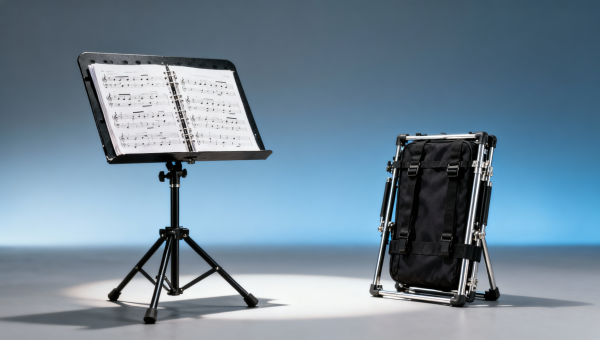
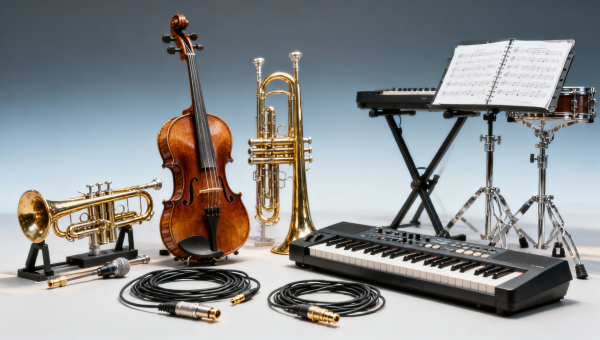
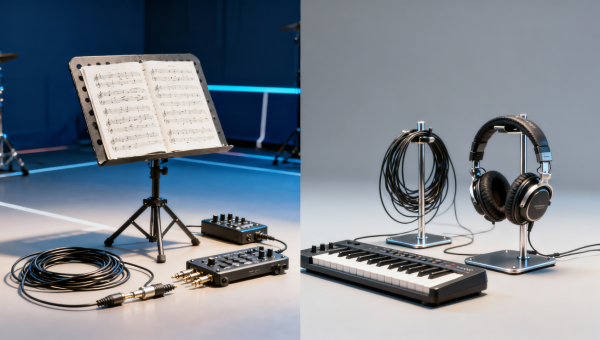
- Music stands influence reading angle, page stability, and performer posture during sessions lasting 30–120 minutes.
- Instrument cables affect signal integrity, interference resistance, and downtime risk in fixed or mobile setups.
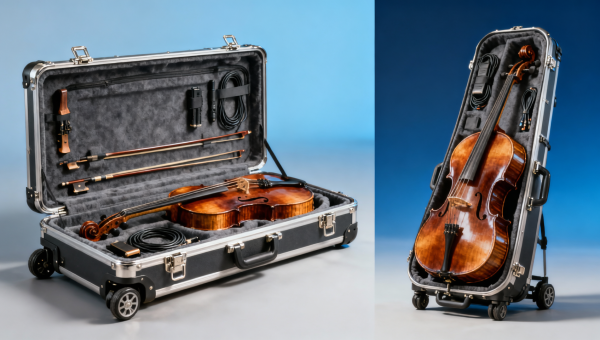
- Support tools such as straps, cases, holders, dampers, and bench accessories influence comfort, transport efficiency, and equipment lifespan.
- Accessory standardization across branches or distributors simplifies replenishment, staff training, and after-sales communication.
Which accessories matter most in different application scenarios?
Not every buyer should prioritize the same accessory mix. A music school, a hotel lounge, a dealer showroom, and a live entertainment venue all use musical instruments differently. The right procurement logic starts with scenario mapping. Buyers typically need to separate accessories into at least 3 use groups: high-frequency daily use, customer-facing demo use, and transport or storage support. This prevents overbuying in one category while under-protecting another.
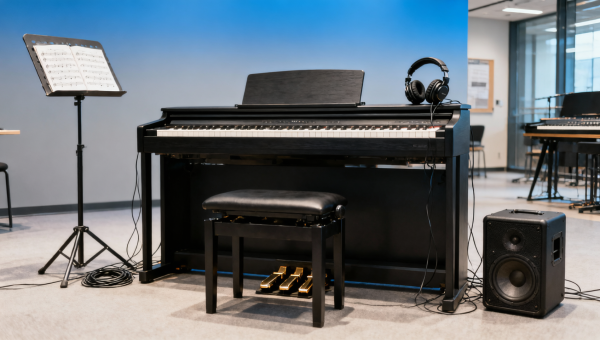
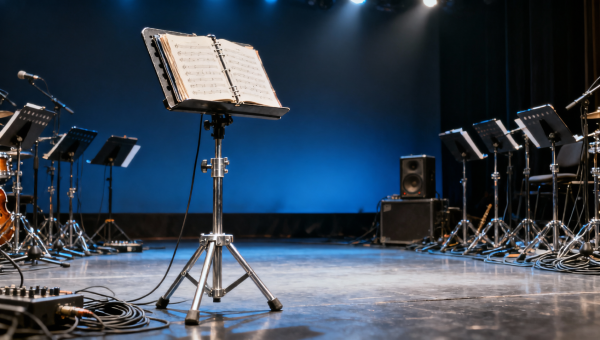
For rehearsal rooms and educational spaces, the focus is durability under repeated handling. Stands should support frequent height adjustment, folding, and sheet retention. For retail demo spaces, appearance and ease of interaction matter more, especially when accessories sit next to keyboard instruments, string instruments, or wind instruments in open-display environments. For live venue deployment, fast setup and robust cable management become critical because changeover windows may be limited to 15–30 minutes.
Commercial buyers in the sports and entertainment field should also account for environmental variation. Accessories used in climate-controlled indoor stores face a different risk profile from those used in semi-open leisure venues, cruise entertainment decks, or seasonal event spaces. Corrosion resistance, anti-slip contact points, and carrying-case protection become more important when transport and changing humidity are routine.
The table below helps clarify which music accessories typically deserve higher attention under different commercial use cases. It is not a fixed rulebook, but it offers a practical screening framework for sourcing and distributor portfolio planning.
Search News
Hot Articles
Popular Tags
Need ExpertConsultation?
Connect with our specialized leisureengineering team for procurementstrategies.
Recommended News
 Apr 20, 2026Music Accessories Often Overlooked Until They Start Causing ProblemsMusic accessories often cause hidden issues across musical instruments, percussion instruments, wind instruments, string instruments, keyboard instruments, orchestral instruments, music stands, instrument cables, and pro audio equipment.● Pro Audio Engineer
 Apr 20, 2026When Orchestral Instruments Need Custom Cases and Why It MattersMusical instruments and orchestral instruments need custom cases to protect string instruments, wind instruments, percussion instruments, and keyboard instruments during transport. Learn when buyers should upgrade for safer logistics.● Pro Audio Engineer
 Apr 20, 2026Keyboard Instruments in 2026: What Features Are Becoming Standard?Keyboard instruments in 2026 are redefining musical instruments with smarter connectivity, durable builds, and seamless integration with pro audio equipment, instrument cables, music stands, and music accessories.● Pro Audio Engineer
 Apr 20, 2026Music Stands With Folding Designs: Convenient or Less Reliable?Music stands buyers compare folding convenience with long-term reliability across musical instruments, percussion instruments, wind instruments, string instruments, and pro audio equipment.● Pro Audio Engineer
 Apr 20, 2026String Instruments With Better Tuning Stability in Busy Use CyclesExplore string instruments with better tuning stability for busy venues. Compare musical instruments, percussion instruments, and wind instruments to source reliable, low-maintenance performance solutions.● Pro Audio Engineer
 Apr 20, 2026Why Wind Instruments React So Differently to Climate and StorageWind instruments react fast to climate and storage. Compare musical instruments, percussion instruments, string instruments, and music accessories to cut maintenance risk and buy smarter.● Pro Audio Engineer
 Apr 20, 2026Percussion Instruments for Shared Spaces: What Reduces Noise Most?Percussion instruments for shared spaces: discover what reduces noise most across musical instruments, with smart comparisons to wind instruments, string instruments, keyboard instruments, and practical accessories.● Pro Audio Engineer
 Apr 20, 2026How to Spot Musical Instruments That Look Fine but Wear Out FastDiscover how to spot musical instruments that look premium but wear out fast. Learn key checks for percussion instruments, wind instruments, string instruments, keyboard instruments, music stands, instrument cables, pro audio equipment, and music accessories before you buy.● Pro Audio Engineer
 Apr 20, 2026Music Accessories That Quietly Affect Daily Performance QualityExplore how music accessories shape daily performance quality—from music stands and instrument cables to pro audio equipment for musical instruments, percussion instruments, wind instruments, string instruments, and keyboard instruments.● Pro Audio Engineer
 Apr 20, 2026Orchestral Instruments With the Highest Repair RatesExplore which orchestral instruments have the highest repair rates across wind instruments, string instruments, percussion instruments, and keyboard instruments, with smart buying tips for musical instruments, music accessories, music stands, instrument cables, and pro audio equipment.● Pro Audio Engineer
 Apr 20, 2026Are Keyboard Instruments With Weighted Keys Worth the Extra Cost?Keyboard instruments with weighted keys: discover if the extra cost pays off for musical instruments buyers, with smart tips on music accessories, instrument cables, and pro audio equipment.● Pro Audio Engineer
 Apr 20, 2026Music Stands That Stay Stable on Stage: What Makes the Difference?Music stands for musical instruments: discover what keeps them stable on stage for string instruments, wind instruments, percussion instruments, and keyboard instruments—plus smart buying tips.● Pro Audio Engineer
 Apr 20, 2026String Instruments: Solid Wood or Laminated for Regular Use?String instruments guide for regular use: compare solid wood vs laminated models across musical instruments setups with music accessories, pro audio equipment, and smarter sourcing insights.● Pro Audio Engineer
 Apr 20, 2026Wind Instruments for Schools and Venues: What Affects Longevity?Wind instruments longevity guide for schools and venues: compare musical instruments, percussion instruments, string instruments, and keyboard instruments to source smarter and reduce total cost.● Pro Audio Engineer
 Apr 20, 2026Why Some Percussion Instruments Cost More to Maintain Than ExpectedExplore why percussion instruments can cost more to maintain than expected, and compare musical instruments, orchestral instruments, music accessories, music stands, instrument cables, and pro audio equipment.● Pro Audio Engineer
 Apr 20, 2026Which Musical Instruments Hold Up Best in High-Use Venues?Musical instruments for high-use venues: compare percussion instruments, wind instruments, string instruments, keyboard instruments, music stands, instrument cables, pro audio equipment, and music accessories.● Pro Audio Engineer
 Apr 19, 2026What changed in musical instruments demand in 2026?Musical instruments demand in 2026 is shifting fast across trampoline park and indoor playground projects. Explore trends in percussion instruments, wind instruments, string instruments, and crossover demand from outdoor playground and playground swings.● Pro Audio Engineer
 Apr 19, 2026Why string instruments react so differently to climate changesString instruments react faster to climate changes than percussion instruments or wind instruments. Discover smart sourcing tips for trampoline park, indoor playground, and outdoor playground projects.● Pro Audio Engineer
 Apr 19, 2026String instruments: solid wood or laminate for long-term use?String instruments guide for buyers: compare solid wood vs laminate for long-term use, durability, maintenance, and value across musical instruments, percussion instruments, and wind instruments.● Pro Audio Engineer
 Apr 19, 2026When do wind instruments need repair sooner than expected?Wind instruments need repair sooner in trampoline park and indoor playground venues due to heavy use, humidity, and poor storage. Compare musical instruments, percussion instruments, string instruments, outdoor playground planning, and playground swings with expert sourcing tips.● Pro Audio Engineer
 Apr 19, 2026Wind instruments that handle frequent transport more reliablyWind instruments guide for buyers: compare durable musical instruments for frequent transport, with insights across percussion instruments, string instruments, trampoline park and indoor playground venues.● Pro Audio Engineer
 Apr 19, 2026Common tuning issues with percussion instruments in humid areasPercussion instruments in humid venues can lose tuning fast. Learn how musical instruments perform in trampoline park, indoor playground, and outdoor playground spaces for smarter sourcing.● Pro Audio Engineer
 Apr 19, 2026Percussion instruments with lower upkeep in heavy-use spacesDiscover low-upkeep percussion instruments for trampoline park, indoor playground, and outdoor playground spaces—durable musical instruments that outperform wind instruments, string instruments, and fit playground swings zones.● Pro Audio Engineer
 Apr 19, 2026How to compare musical instruments for school and venue useCompare musical instruments for schools and venues with practical tips on percussion instruments, wind instruments, and string instruments. Ideal for indoor playground, trampoline park, outdoor playground, and playground swings projects.● Pro Audio Engineer