Pro Audio Equipment Upgrades That Improve Sound Without Overspending
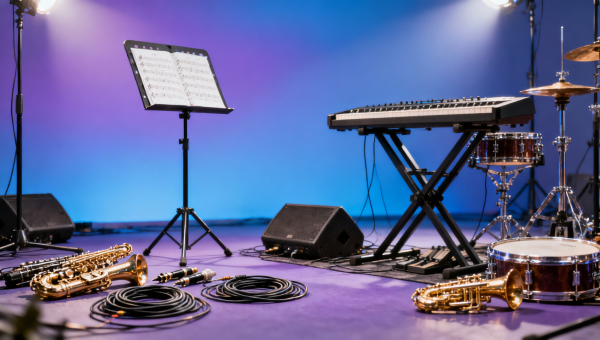
Upgrading pro audio equipment does not have to strain budgets when buyers focus on high-impact components like instrument cables, music accessories, and reliable support gear for musical instruments. For venues, dealers, and sourcing teams across sports and entertainment, smart investments in music stands, keyboard instruments, percussion instruments, wind instruments, string instruments, and other orchestral instruments can improve sound quality, usability, and long-term value without overspending.
Where do affordable pro audio upgrades make the biggest difference?
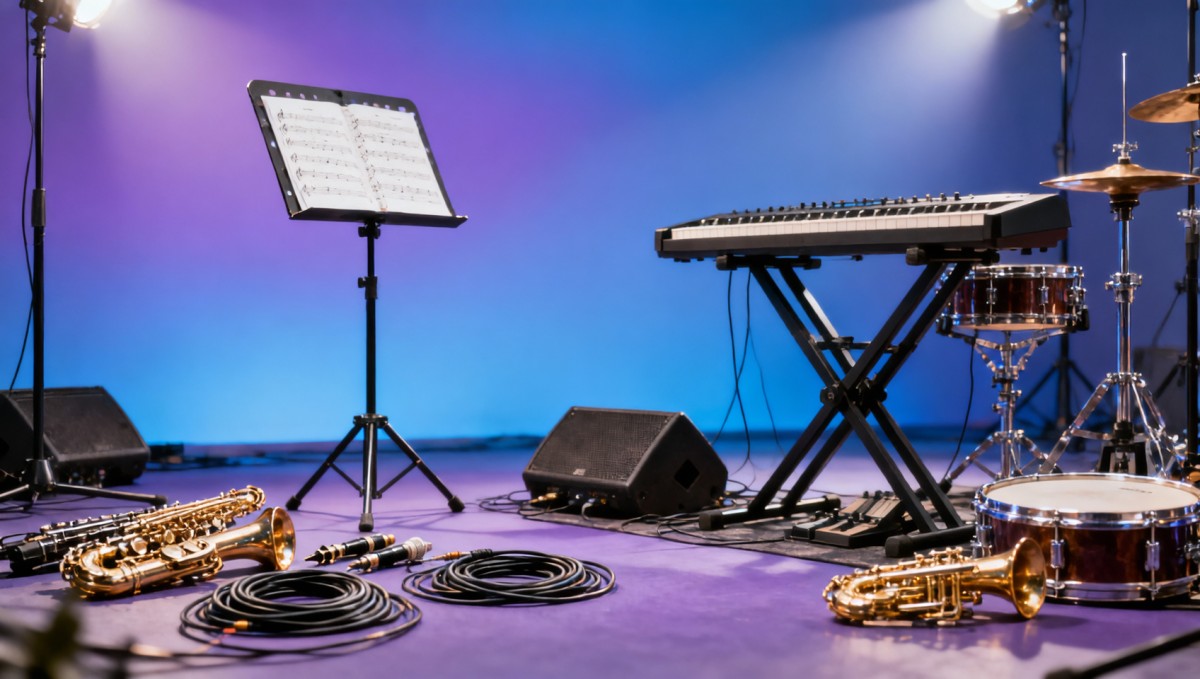
In sports and entertainment environments, sound quality problems rarely come from one dramatic equipment failure. More often, they come from a chain of small weaknesses: noisy instrument cables, unstable music stands, inconsistent DI boxes, worn connectors, poor microphone placement, and under-specified support accessories. For procurement teams working with limited budgets, the most effective upgrade strategy is to fix these high-friction points first.
This matters across stadium lounges, training academies, entertainment venues, indoor leisure parks, performance halls, and multipurpose event spaces. In these settings, audio systems often run 6–12 hours per day during peak operations, and gear may be moved, stored, and reconnected several times per week. Durability, signal consistency, and ease of setup are often more valuable than chasing premium flagship models.
For information researchers and commercial evaluators, the practical question is not simply which product sounds best in isolation. The better question is which upgrade improves audible results, reduces maintenance interruptions, and fits the workflow of operators, musicians, technicians, or venue staff. That is why lower-cost upgrades in support equipment can outperform a single expensive replacement at system level.
Global Commercial Trade supports this kind of buying logic by connecting B2B buyers with sourcing intelligence across pro audio and musical instruments. Instead of treating cables, stands, accessories, and instrument support items as minor add-ons, commercial buyers can evaluate them as core operating assets that influence reliability, labor efficiency, and customer experience over a 12–36 month procurement cycle.
High-impact upgrades usually fall into 4 practical categories
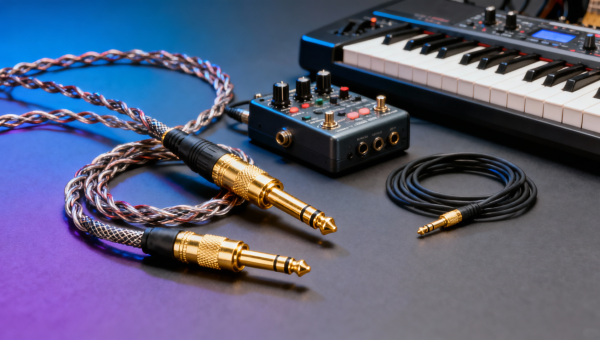
- Signal path improvements, such as better shielded instrument cables, sturdier connectors, and dependable adapters that reduce crackle, hum, and intermittent dropouts.
- Performance support gear, including music stands, keyboard benches, drum hardware, and instrument holders that improve setup speed and reduce user frustration.
- Accessory-level upgrades, such as pedalboards, cases, clips, and maintenance tools that protect core equipment and extend usable service life.
- Selective instrument refreshes, especially in keyboard instruments, percussion instruments, and student-use wind or string instruments where wear directly affects tuning, response, and consistency.
When budgets are tight, buyers should start with the items touched most often, moved most often, or exposed to the most handling risk. These are usually the upgrades that deliver visible improvements within the first 30–90 days of use.
Which upgrades deliver better value than replacing major audio systems?
Many buyers assume the fastest path to better sound is replacing mixers, speakers, or amplifiers. In reality, that approach can absorb budget while leaving common quality problems unresolved. In sports and entertainment applications, a more balanced upgrade plan often focuses on front-end signal reliability, accessory compatibility, and operator convenience before larger capital expenditure is approved.
For example, replacing aging instrument cables across rehearsal rooms, education studios, and live performance backlines can reduce noise incidents immediately. Upgrading unstable music stands in orchestral or school-use environments can prevent sheet movement, reduce rehearsal interruption, and improve performer concentration. Refreshing damaged percussion hardware or keyboard accessories can restore usability without replacing the full instrument inventory.
The table below helps procurement teams compare common upgrade categories based on cost sensitivity, sound impact, and operational value. It is especially useful for dealers, distributors, and venue sourcing managers planning phased purchasing over 2–4 quarters.
The commercial lesson is clear: smaller line items often create faster operational gains than headline equipment purchases. For multi-site buyers, these upgrades also simplify inventory planning because replacement cycles are easier to standardize across 10, 20, or more deployment points.
Why support gear matters more than many buyers expect
A music stand that slips during performance, a keyboard stand with poor locking stability, or a percussion rack with inconsistent hardware tension may not appear in acoustic specifications, but these issues directly affect performance quality. In B2B environments, usability failures create labor inefficiency, user complaints, and avoidable replacement requests.
For distributors and agents, support gear also influences repeat order potential. Accessories and replacement parts often drive recurring business every 6–18 months, while major system replacements happen less frequently. That makes accessory-focused product lines commercially attractive when margin, replenishment, and customer retention all matter.
A simple 3-step prioritization rule
- Fix items that create audible noise or instability first.
- Upgrade equipment with the highest handling frequency next.
- Plan major component replacement only after real bottlenecks are verified.
What should procurement teams check before buying cables, stands, and instrument accessories?
Procurement mistakes in pro audio often happen because buyers compare only unit price. In commercial use, a low-cost cable that fails after repeated bending, or a low-grade stand that loosens after 3–6 months, can cost more than a slightly higher-spec item. Purchasing teams should therefore use a shortlist of measurable checks before approving orders.
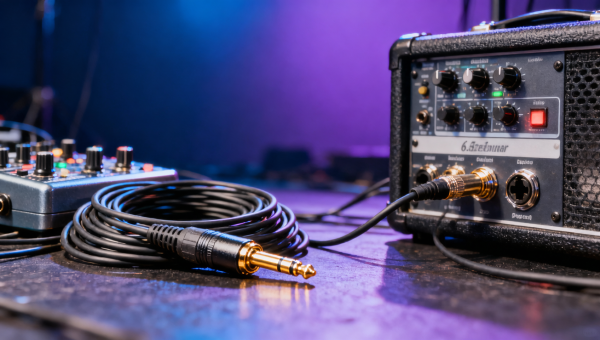
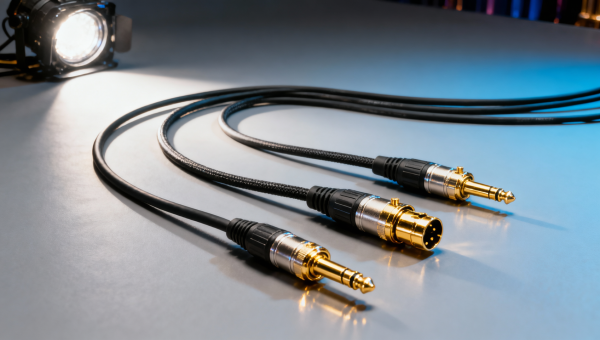
For instrument cables, key checks include conductor build quality, shielding design, connector strain relief, jacket flexibility, and common length suitability. In venue environments, lengths typically cluster around 3 m, 5 m, and 10 m because these fit rehearsal, stage, and control area workflows. Overlong cables may increase clutter and handling wear if routing is not controlled.
For music stands and instrument support equipment, buyers should check locking mechanism reliability, folded transport size, material thickness, base stability, and compatibility with typical use conditions. Entertainment venues that reconfigure spaces weekly need lightweight but robust hardware. Fixed education or orchestra spaces may prefer heavier-duty stands with greater sheet capacity and longer service life.
The following table offers a practical selection guide for common upgrade items. It helps sourcing teams compare criteria beyond price and is useful when evaluating OEM or ODM opportunities through a trade platform like GCT.
This framework is especially valuable when comparing multiple suppliers. If two offers look similar on price, the better choice is usually the one with clearer specification control, spare-part continuity, and packaging suited to international shipment. These factors affect total landed value more than a small price difference on paper.
5 checks that reduce procurement risk
- Confirm whether the supplier can keep specification consistency across repeat orders over 2–3 production batches.
- Check if export packaging protects connectors, stands, and hardware from transit deformation.
- Review whether sample lead time and bulk lead time are realistic, especially if delivery is needed within 2–6 weeks.
- Verify compatibility with local voltage, connector, mounting, or accessory expectations where relevant.
- Ask about replacement parts or after-sales support for components exposed to repeated wear.
How can buyers balance cost, compliance, and long-term operating value?
Overspending often happens when teams buy above their actual use case. Underbuying happens when they ignore durability, safety, or maintenance realities. In sports and entertainment, the smarter approach is to match equipment level to usage intensity. A venue running weekend events has different needs from a daily training academy or a theme-based attraction hosting continuous performances.
A practical model is to separate purchases into three bands: light-duty, medium-duty, and heavy-duty. Light-duty items fit occasional rehearsals or limited access rooms. Medium-duty products suit regular educational or event use. Heavy-duty products are more appropriate where setup cycles are frequent, handling is rough, or public-facing performance standards are higher. This 3-band model helps evaluators avoid generalized buying decisions.
Compliance also matters. Buyers may need to consider common electrical safety expectations, material restrictions, labeling needs, or documentation for import procedures depending on market destination. While requirements vary by product type and country, sourcing teams should not treat compliance as a final-stage issue. It should be checked during quotation review, sample confirmation, and pre-shipment documentation planning.
Global Commercial Trade adds value here by helping commercial buyers compare not just products, but supplier readiness. That includes manufacturing fit, documentation clarity, OEM or ODM flexibility, and commercial suitability for hospitality-linked entertainment spaces, campuses, leisure projects, and venue networks that need reliable replenishment over time.
Common cost-saving alternatives that still protect sound quality
Not every improvement requires premium-tier equipment. Buyers can often control cost through selective substitution. For example, upgrading only the highest-use cables instead of the full inventory can improve core performance zones first. Replacing stand hardware and accessories instead of entire instruments can extend service life. Standardizing one or two accessory specifications across locations can also reduce inventory complexity.
Another overlooked option is phased purchasing. Rather than buying all items in one cycle, teams can break the project into 3 stages: sample validation, pilot deployment, and scaled rollout. This reduces decision risk and gives procurement staff time to verify actual field performance before committing larger budgets.
A 4-step implementation path for commercial buyers
- Audit current weak points by area: cables, support gear, accessories, and instrument condition.
- Define priority zones such as main stage, rehearsal room, VIP lounge, or training studio.
- Test samples or small lots over 7–30 days under real operating conditions.
- Scale approved items with clear reorder specifications and packaging standards.
This process is especially useful for distributors and agents who need to validate sell-through potential before expanding a product range. It also supports institutional buyers who must justify purchasing decisions with operational evidence rather than assumptions.
FAQ for venue buyers, dealers, and sourcing managers
The questions below reflect common search and procurement concerns in the pro audio and musical instruments segment of sports and entertainment. They can help narrow priorities before requesting quotations or samples.
How do I know whether cables or instruments are causing the sound problem?
Start with the highest-wear components. Swap cables, adapters, and connectors first, because they fail more often than core instruments or installed speakers. If issues disappear after replacing a 3 m–5 m signal path component, the problem is likely not the instrument itself. For commercial sites, this is the fastest diagnostic step and often the lowest-cost fix.
Which upgrades are best for schools, training rooms, or frequent rehearsal spaces?
Prioritize music stands, keyboard supports, percussion hardware, and standard-length instrument cables. These items face repeated setup and handling, often several times per day. In shared spaces, operational durability matters as much as sound quality because damaged accessories disrupt schedules and increase maintenance calls.
What is a reasonable lead time for small to mid-size upgrade orders?
Lead time varies by product complexity, customization level, and shipping mode. For standard accessories and support gear, sample timing may fall within 7–15 days, while bulk orders often require 2–6 weeks under normal planning conditions. Buyers should confirm packaging, documentation, and consolidation needs early, especially when combining multiple accessory categories.
Are low-cost accessories suitable for public-facing entertainment venues?
They can be suitable if matched to light-duty use and verified through real testing. The risk appears when low-cost items are deployed in heavy-duty environments with frequent movement, public contact, or long operating hours. For these applications, mid-range commercial-grade accessories often provide the better balance between budget and lifecycle value.
What should distributors ask suppliers before adding a new line?
Ask about repeat-order consistency, packaging details, MOQ structure, spare-part support, and whether specifications can be aligned across product families. A supplier that can support both pilot quantities and scalable replenishment is usually more suitable for channel development than one focused only on one-time bulk sales.
Why work with GCT when planning pro audio equipment upgrades?
For commercial buyers in sports and entertainment, the challenge is not only finding products. The challenge is evaluating which upgrades genuinely improve sound, fit the site, meet procurement constraints, and remain practical across sourcing, delivery, and repeat orders. GCT helps buyers navigate this process with sector-focused intelligence across pro audio and musical instruments rather than generic catalog browsing.
This is especially relevant for procurement officers, commercial assessment teams, and distributors comparing multiple factory or sourcing options. GCT’s positioning within commercial experiences means recommendations are framed around venue performance, user handling, safety expectations, replenishment logic, and project-based sourcing realities. That makes the evaluation process more actionable for real B2B decisions.
If you are planning affordable pro audio equipment upgrades, you can consult GCT on practical issues such as instrument cable specifications, music stand selection, keyboard and percussion accessory matching, phased procurement strategy, typical lead times, export packaging, sample support, and supplier comparison for OEM or ODM discussions. These are the details that usually determine whether a project stays on budget and performs well after installation.
To move efficiently, prepare 4 items before contacting the sourcing team: your target application scenario, expected order scale, priority product categories, and any compliance or documentation requirements. With that information, GCT can help you assess suitable options faster, reduce sourcing uncertainty, and build an upgrade plan that improves sound without overspending.
Search News
Hot Articles
Popular Tags
Need ExpertConsultation?
Connect with our specialized leisureengineering team for procurementstrategies.
Recommended News
 Apr 20, 2026Snooker World Championship: Xiao Guodong Secures Third Chinese SpotSnooker World Championship: Xiao Guodong secures third Chinese spot amid AI officiating & 4K HDR broadcast — tech and talent converge in elite cue sports.● Pro Audio Engineer
 Apr 20, 2026FDA Proposes Chinese Label Translation Requirements for Sports SupplementsFDA proposes Chinese label translation requirements for sports supplements—key for importers, manufacturers & global brands. Act now to ensure compliance by Jan 2027.● Pro Audio Engineer
 Apr 17, 2026FDA Drafts New Labeling Rule for Chinese-Labeled Sports SupplementsFDA's new draft rule for Chinese-labeled sports supplements mandates certified English translations—key for brands, CMOs & importers navigating U.S. market entry.● Pro Audio Engineer
 Apr 16, 20262026 Yangtze River Delta Triathlon Uses Certified Chinese Timing System2026 Yangtze River Delta Triathlon uses certified Chinese timing system — ChronoLink Pro, ITU-approved RFID+GPS dual-mode solution for global race organizers.● Pro Audio Engineer
 Apr 13, 2026Asian University Basketball League Secures Funding, Launches Smart Venue ProgramThe Asian University Basketball League (AUBL) secures Series A funding and launches its Smart Venue Program, partnering with tech firms for sustainable sports infrastructure. A key opportunity for sports tech exporters with ISO 50001 certification.● Pro Audio Engineer
 Apr 19, 20262026 Shanghai Sailing Open Adopts ITU-Certified Chinese Timing System2026 Shanghai Sailing Open adopts ITU-certified Chinese timing system — a breakthrough for precision sports tech exporters, certifiers & event organizers.● Pro Audio Engineer
 Apr 20, 2026What Causes Early Failure in Pro Audio Equipment?Pro audio equipment fails early due to heat, dust, unstable power, and weak components. Learn how musical instruments, instrument cables, music accessories, and sourcing choices affect reliability.● Pro Audio Engineer
 Apr 20, 2026Instrument Cables: Shielding, Durability, and the Price Gap ExplainedInstrument cables guide for buyers of pro audio equipment and music accessories across musical instruments, string instruments, keyboard instruments, percussion instruments, wind instruments, and orchestral instruments.● Pro Audio Engineer
 Apr 20, 2026Pro Audio Equipment Upgrades That Improve Sound Without OverspendingPro audio equipment upgrades for musical instruments: improve sound with instrument cables, music stands, and music accessories for keyboard, percussion, wind, string, and orchestral instruments—without overspending.● Pro Audio Engineer
 Apr 20, 2026Instrument Cables: Why Cheap Options Often Fail During Live UseInstrument cables for musical instruments often fail live when cheap builds meet pro audio equipment demands. Compare smarter options for string, wind, percussion, and keyboard instruments.● Pro Audio Engineer
 Apr 18, 2026Instrument cables with gold-plated connectors: Do they improve tone—or just resale value?Instrument cables with gold-plated connectors boost reliability & resale value in theme parks, leisure parks, and hotels—proven for soundproofing, playground structures, and catering equipment.● Pro Audio Engineer
 Apr 18, 2026Instrument cables that degrade mid-show—what causes sudden signal drop?Instrument cables failing mid-show? Discover why—bending fatigue, EMI, corrosion & thermal stress—in theme parks, hotels, playgrounds & leisure venues.● Pro Audio Engineer
 Apr 17, 2026Pro stage audio setups where music accessories become acoustic liabilitiesDiscover how commercial furniture, playground borders, sensory playground gear & music accessories impact acoustic safety—avoid liability in pro audio environments.● Pro Audio Engineer
 Apr 16, 2026Pro stage audio gear warranties: What ‘lifetime’ really covers when used in hospitality venuesPro audio equipment & designer eyewear warranties decoded for hotels. See what ‘lifetime’ really covers—OEM manufacturing, custom fabrication, supply chain solutions & more.● Pro Audio Engineer
 Apr 16, 2026Recording studio gear sourcing: Why local compliance often overrides ‘best-in-class’ specsRecording studio gear sourcing for luxury spaces: compliance-first pro audio equipment, designer eyewear integration, and OEM manufacturing solutions—avoid costly delays.● Pro Audio Engineer
 Apr 16, 2026Pro audio equipment for boutique hotels: Why studio-grade gear doesn’t always translate to lobby soundPro audio equipment for boutique hotels must integrate with hotel furniture, designer eyewear & jewelry displays—discover why studio gear fails and how custom fabrication + supply chain solutions deliver sonic & material harmony.● Pro Audio Engineer
 Apr 16, 2026DJ equipment brands prioritizing repairability over replacementDJ equipment brands leading in repairability—trusted alongside luxury furniture, orchestral instruments, music stands & park benches for sustainable, high-ROI commercial procurement.● Pro Audio Engineer
 Apr 15, 2026DJ equipment setups that scale from club nights to festivalsDiscover scalable DJ equipment for clubs & festivals—engineered like luxury furniture, orchestral instruments & music stands. Premium, certified, ready to grow with your venue.● Pro Audio Engineer
 Apr 15, 2026Pro stage audio cabinets tested for 90dB+ continuous playback — not just peaksCommercial furniture & amusement equipment: Pro audio cabinets tested for 90dB+ continuous playback—ideal for sensory playgrounds, hotels, and educational supplies.● Pro Audio Engineer
 Apr 13, 2026Microphone systems for multi-room venues: why one-size-fits-all doesn’t workMicrophone systems for multi-room venues—optimized for hotel desks, commercial playgrounds, trampoline park manufacturer needs & hospitality furniture integration.● Pro Audio Engineer
 Apr 13, 2026Microphone systems for outdoor stages: wind noise reduction that actually worksMicrophone systems engineered for outdoor stages—wind noise reduction that works. Trusted by trampoline park manufacturers, commercial playground & hospitality venues.● Pro Audio Engineer
 Apr 13, 2026Recording studio gear service networks: Why local support beats global warranty claimsRecording studio gear, pro audio equipment & indoor playground equipment demand local service—not global warranties. Faster repairs, OEM manufacturing alignment, and supply chain solutions ensure zero downtime for hotels, studios & leisure venues.● Pro Audio Engineer
 Apr 13, 2026Custom fabrication for studio control rooms: When millwork delays derail your launchCustom fabrication for studio control rooms—critical for pro audio equipment, hotel furniture & indoor playground equipment. Discover supply chain solutions that prevent costly launch delays.● Pro Audio Engineer
 Apr 13, 2026Pro audio equipment for hybrid spaces: Why acoustic load matters more than wattagePro audio equipment for hybrid spaces: Discover why acoustic load—not wattage—ensures reliability in hotel furniture, indoor playground equipment & OEM manufacturing.● Pro Audio Engineer