Instrument Cables: Why Cheap Options Often Fail During Live Use
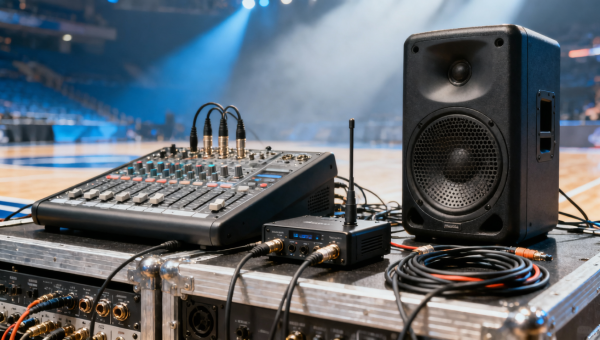
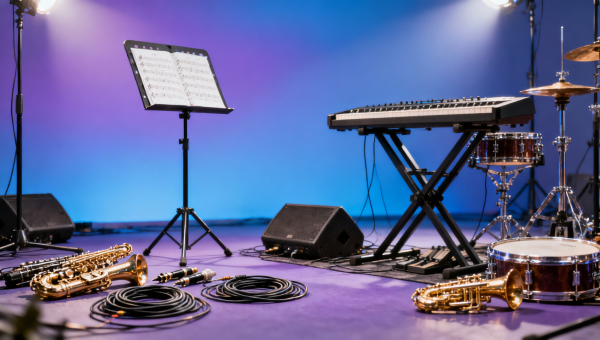
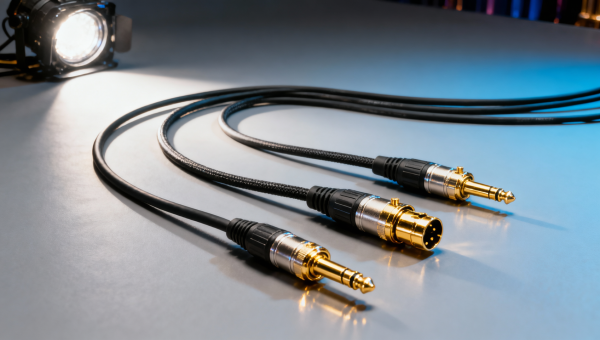
In live performance environments, instrument cables are often the weakest link between musical instruments and pro audio equipment. For buyers sourcing string instruments, wind instruments, percussion instruments, keyboard instruments, orchestral instruments, music stands, and other music accessories, choosing cheap cables can lead to signal loss, noise, and costly failures. Understanding why low-cost options break down is essential for smarter purchasing and dependable stage performance.
Why do cheap instrument cables fail so often on stage?
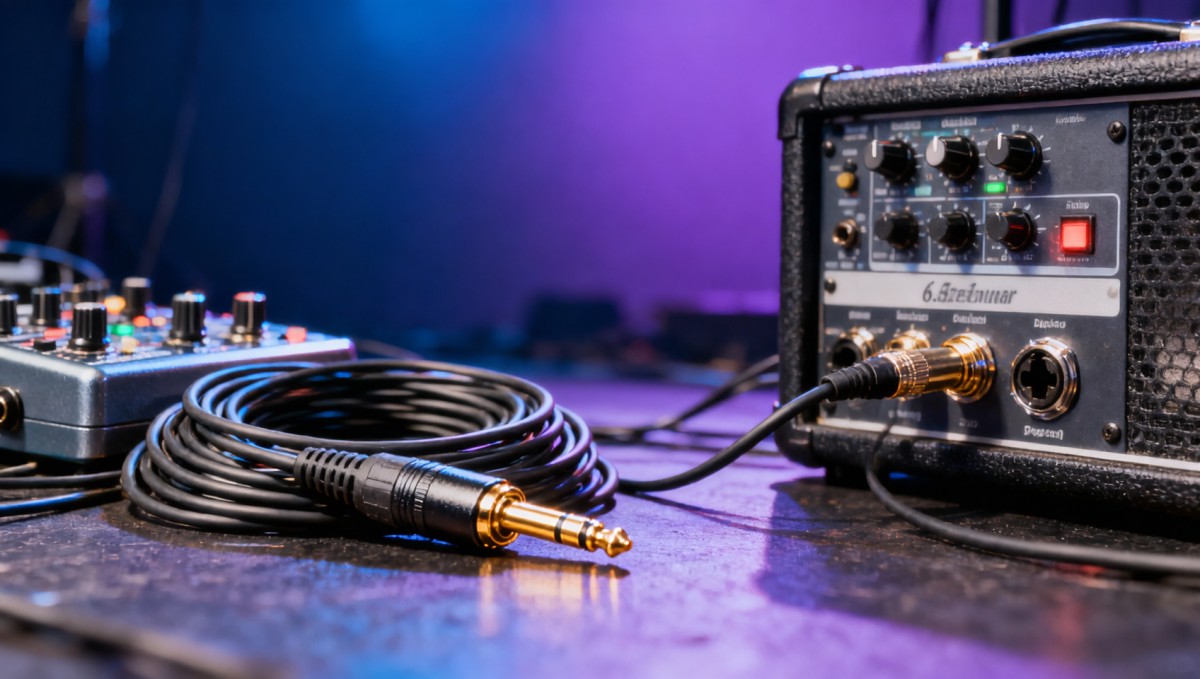
A cable may look simple, but live use puts it under continuous mechanical and electrical stress. In music venues, rehearsal rooms, touring rigs, school stages, amusement entertainment sites, and hospitality performance spaces, cables are stepped on, bent around stands, pulled across flooring, and packed repeatedly within 2–6 hour setup and teardown cycles. Cheap instrument cables usually fail because they are built to survive shelf display, not repeated live duty.
The most common weak points are the conductor, shielding, insulation, solder joints, and connector strain relief. When any one of these parts is poorly made, the signal path becomes unstable. For passive guitars, keyboards, electronic percussion modules, and stage DI workflows, that instability appears as hum, crackle, intermittent dropouts, or complete silence. During a performance, even a 2-second signal interruption can disrupt cues, musicians, and audience experience.
Low-cost options often use thinner copper strands, inconsistent shielding coverage, and molded plugs with limited repairability. These choices reduce manufacturing cost, but they also reduce resilience. In B2B environments, the risk is multiplied because one failed cable rarely affects just one player. It can delay line checks, trigger emergency replacements, and increase labor cost for technical teams managing 10, 20, or even 50 cable runs across a venue.
For procurement teams, the real issue is not only purchase price. It is total operational reliability across repeated use cycles. In sports and entertainment settings where performance schedules are fixed and downtime is expensive, an apparently cheaper cable can become the most costly item in the signal chain.
Typical stage stress factors buyers should not ignore
Before comparing suppliers, buyers should map failure risk to actual use conditions. A house-of-worship stage, hotel ballroom band setup, campus auditorium, and leisure park performance zone all impose different handling patterns, cable lengths, and maintenance routines. That is why stage cable selection should be scenario-based, not price-led.
- Frequent coiling and uncoiling, often 3–5 times per week in rental, school, or event operations.
- Foot traffic and equipment rolling pressure from stands, pedalboards, flight cases, and carts.
- Variable cable lengths, commonly 3 m, 6 m, or 9 m, which affect capacitance, handling, and storage.
- Temperature and humidity changes between storage, loading docks, backstage areas, and performance floors.
When procurement planning includes these factors early, buyers can reduce emergency replacement frequency and standardize around cables that are easier to stock, test, and deploy.
What actually separates a dependable cable from a cheap one?
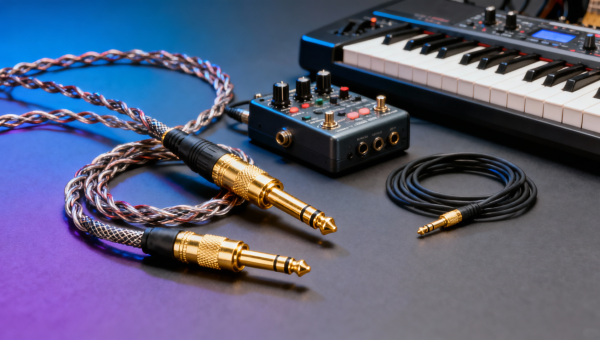
Not every affordable cable is poor, and not every premium cable is automatically suitable. The better approach is to compare structural features that influence signal integrity and service life. For instrument cables used with guitars, basses, keyboards, and stage accessories, the most important factors are conductor quality, shielding design, connector build, jacket flexibility, and serviceability over time.
Below is a practical comparison table that procurement managers, distributors, and technical buyers can use when screening offers from OEM and trading suppliers. It focuses on typical differences seen in the market rather than brand-specific claims.
This comparison matters because live-use reliability depends on construction details, not appearance. For distributors and resellers, cables with better strain relief and more stable shielding usually generate fewer after-sales complaints. For institutional buyers, repairable designs can lower replacement volume over a 12–24 month operating window.
Technical points that influence performance in real use
Cable length affects signal behavior. In many live setups, 3 m to 6 m works well for pedalboard and short-stage routing, while 6 m to 9 m is more common for keyboard stations, front-line players, and flexible stage movement. Longer runs can increase capacitance and make some passive pickups sound less open, which is why buyers should not standardize on one length without reviewing application.
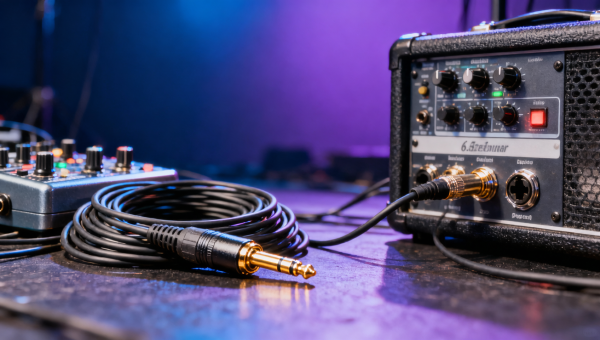
Connector type also matters. Straight plugs are often easier for rack or amp inputs, while right-angle plugs can reduce stress at guitar bodies or pedalboards. If the venue handles mixed inventory, stocking both plug configurations can improve compatibility and reduce field improvisation.
The final technical issue is testing discipline. Even well-built cables should be checked before deployment. A simple incoming inspection routine covering continuity, physical damage, connector fit, and noise under movement can catch defects before they reach rehearsals or live shows.
A practical 4-point incoming inspection checklist
- Verify connector tightness and look for loose housings, bent tips, or weak strain relief.
- Test continuity and intermittent signal loss by flexing both ends during audio monitoring.
- Check jacket condition after unpacking, especially on bulk orders shipped long distance.
- Separate stock by length and plug format to avoid misuse during quick stage changeovers.
How should buyers evaluate instrument cables for different entertainment scenarios?
A cable that performs acceptably in a practice room may fail quickly in a hotel event hall, theme park stage, school auditorium, or touring production. The right procurement decision starts with application intensity. Buyers in sports and entertainment sectors should classify demand into at least 3 levels: light-duty fixed use, medium-duty recurring event use, and heavy-duty mobile live use.
This application-based approach helps avoid two common purchasing mistakes. The first is overbuying premium specifications for low-use environments, which burdens budgets. The second is underbuying for mobile or public-facing stages, which creates repeat failures. Both mistakes are avoidable when selection criteria are aligned with handling frequency, cable route complexity, and replacement urgency.
The following table organizes common use cases and purchasing priorities for B2B buyers managing venue equipment, music education projects, or entertainment supply distribution.
The table shows that there is no single best instrument cable for all buyers. There is only a better match between cable build and operating conditions. For procurement teams, this means RFQ documents should define use environment, length mix, plug style, and expected handling frequency before comparing quotations.
Which procurement criteria deserve the most weight?
In practice, buyers should evaluate 5 core dimensions: signal stability, mechanical durability, consistency across batches, service support, and replacement planning. Price remains important, but it should be assessed together with failure risk and operational disruption cost.
- Define intended usage frequency, such as occasional fixed installation, weekly rehearsal use, or daily event deployment.
- Request specification confirmation on conductor type, shielding approach, connector format, and jacket characteristics.
- Ask for sample evaluation before bulk orders, especially when introducing a new supplier or private-label range.
- Plan spare inventory ratios for high-demand venues, commonly 10%–15% backup stock for live turnover environments.
- Review lead time, packaging consistency, and defect handling terms before final purchase approval.
For dealers and distributors, these same criteria also improve channel confidence. A cable line that arrives consistently, performs predictably, and fits multiple venue scenarios is easier to resell than a low-cost range that produces avoidable returns.
What about cost, compliance, and hidden replacement expense?
Many buyers first compare unit prices, but the smarter measure is life-cycle cost. If a cheap cable needs replacement after several months of regular event use, while a better-constructed option lasts through far more setup cycles, the lower upfront price may not protect the budget. In commercial spaces, replacement cost also includes technician time, stock interruption, urgent shipping, and reputational risk during client-facing events.
A useful B2B purchasing model is to divide cable demand into 3 budget tiers: entry stock for low-intensity rooms, mid-tier stock for standard venue use, and heavy-duty stock for touring or high-turnover stages. This prevents overspending where risk is low while still protecting critical performance zones.
Compliance should also be reviewed, especially for institutional procurement, hospitality projects, and cross-border sourcing. While requirements vary by destination market, buyers typically need clear product documentation, material transparency, packaging consistency, and stable production quality. For larger projects, it is good practice to confirm applicable safety or market access expectations before shipment rather than after goods arrive.
Delivery planning matters as much as technical quality. In commercial sourcing, a common sample review cycle may take 7–15 days, while bulk production and dispatch can vary depending on quantity, customization, and packaging requirements. Buyers under tight event schedules should build approval time into procurement calendars instead of assuming all cables are interchangeable commodities.
Common misconceptions that increase cable failure and waste
One common misconception is that instrument cables and speaker cables are interchangeable. They are not. Using the wrong cable type can compromise performance and equipment behavior. Another misconception is that all failures are caused by rough users. In reality, weak soldering, poor shielding, and inadequate strain relief often create early failure even under normal handling.
A third misconception is that low price always supports distributor margin. In fact, poor product stability can increase returns, support time, and customer dissatisfaction. For channel partners, a more dependable instrument cable often protects margin better than a cheaper line with a higher complaint rate.
- Do not buy all lengths in one ratio. Review actual stage maps and user movement first.
- Do not ignore connector style. Right-angle and straight plugs solve different routing problems.
- Do not skip batch sampling. A single approved sample does not guarantee full-order consistency.
- Do not delay retirement of damaged cables. Intermittent stock causes avoidable show-day risk.
How can buyers use GCT to source more reliable cable solutions?
For information researchers, procurement managers, business evaluators, and channel partners, the challenge is rarely just finding another cable supplier. The real challenge is identifying commercially viable options that match usage intensity, target market expectations, and supply reliability. That is where Global Commercial Trade supports a more strategic sourcing process across pro audio and musical instrument categories.
GCT brings together sector-focused sourcing intelligence for commercial buyers working in hospitality entertainment spaces, education venues, leisure projects, and musical equipment distribution. Instead of treating instrument cables as generic accessories, GCT helps buyers assess them within the broader context of live performance systems, venue procurement, OEM or ODM alignment, and cross-border supply planning.
This is especially useful when a project includes more than cables alone. Buyers often need coordinated sourcing across string instruments, keyboard accessories, music stands, signal accessories, and related pro audio hardware. A fragmented supplier base can slow approvals and complicate quality control. A more informed sourcing framework helps reduce that friction over the full project cycle.
Whether you are validating sample quality, comparing bulk procurement options, or reviewing supplier readiness for recurring entertainment projects, GCT can help structure the decision around operational needs rather than headline price alone.
What can you discuss with us before placing an order?
A productive sourcing conversation should answer technical, commercial, and delivery questions early. This is particularly important for buyers handling multi-site venues, dealer inventory planning, or event-driven purchasing windows where replacement timing is critical.
Why choose us for sourcing support
- We help clarify parameter requirements such as cable length mix, connector orientation, usage intensity, and stock planning for different performance environments.
- We support product selection discussions for venues, institutions, distributors, and project buyers who need dependable instrument cable options rather than one-size-fits-all offers.
- We can discuss sample arrangements, typical lead-time expectations, packaging details, and practical replacement strategies for recurring live use.
- We help buyers review compliance expectations, documentation needs, OEM or private-label possibilities, and quotation structure before bulk sourcing decisions.
If you are comparing suppliers for instrument cables used in entertainment venues, school music programs, hotel stages, or distribution channels, contact GCT to discuss specification confirmation, scenario-based product selection, sample support, delivery timing, customization options, and quotation communication. A better cable decision today can prevent repeated signal failures and unnecessary replacement cost over the next 12 months of live use.
Search News
Hot Articles
Popular Tags
Need ExpertConsultation?
Connect with our specialized leisureengineering team for procurementstrategies.
Recommended News
 Apr 20, 2026Snooker World Championship: Xiao Guodong Secures Third Chinese SpotSnooker World Championship: Xiao Guodong secures third Chinese spot amid AI officiating & 4K HDR broadcast — tech and talent converge in elite cue sports.● Pro Audio Engineer
 Apr 20, 2026FDA Proposes Chinese Label Translation Requirements for Sports SupplementsFDA proposes Chinese label translation requirements for sports supplements—key for importers, manufacturers & global brands. Act now to ensure compliance by Jan 2027.● Pro Audio Engineer
 Apr 17, 2026FDA Drafts New Labeling Rule for Chinese-Labeled Sports SupplementsFDA's new draft rule for Chinese-labeled sports supplements mandates certified English translations—key for brands, CMOs & importers navigating U.S. market entry.● Pro Audio Engineer
 Apr 16, 20262026 Yangtze River Delta Triathlon Uses Certified Chinese Timing System2026 Yangtze River Delta Triathlon uses certified Chinese timing system — ChronoLink Pro, ITU-approved RFID+GPS dual-mode solution for global race organizers.● Pro Audio Engineer
 Apr 13, 2026Asian University Basketball League Secures Funding, Launches Smart Venue ProgramThe Asian University Basketball League (AUBL) secures Series A funding and launches its Smart Venue Program, partnering with tech firms for sustainable sports infrastructure. A key opportunity for sports tech exporters with ISO 50001 certification.● Pro Audio Engineer
 Apr 19, 20262026 Shanghai Sailing Open Adopts ITU-Certified Chinese Timing System2026 Shanghai Sailing Open adopts ITU-certified Chinese timing system — a breakthrough for precision sports tech exporters, certifiers & event organizers.● Pro Audio Engineer
 Apr 20, 2026What Causes Early Failure in Pro Audio Equipment?Pro audio equipment fails early due to heat, dust, unstable power, and weak components. Learn how musical instruments, instrument cables, music accessories, and sourcing choices affect reliability.● Pro Audio Engineer
 Apr 20, 2026Instrument Cables: Shielding, Durability, and the Price Gap ExplainedInstrument cables guide for buyers of pro audio equipment and music accessories across musical instruments, string instruments, keyboard instruments, percussion instruments, wind instruments, and orchestral instruments.● Pro Audio Engineer
 Apr 20, 2026Pro Audio Equipment Upgrades That Improve Sound Without OverspendingPro audio equipment upgrades for musical instruments: improve sound with instrument cables, music stands, and music accessories for keyboard, percussion, wind, string, and orchestral instruments—without overspending.● Pro Audio Engineer
 Apr 20, 2026Instrument Cables: Why Cheap Options Often Fail During Live UseInstrument cables for musical instruments often fail live when cheap builds meet pro audio equipment demands. Compare smarter options for string, wind, percussion, and keyboard instruments.● Pro Audio Engineer
 Apr 18, 2026Instrument cables with gold-plated connectors: Do they improve tone—or just resale value?Instrument cables with gold-plated connectors boost reliability & resale value in theme parks, leisure parks, and hotels—proven for soundproofing, playground structures, and catering equipment.● Pro Audio Engineer
 Apr 18, 2026Instrument cables that degrade mid-show—what causes sudden signal drop?Instrument cables failing mid-show? Discover why—bending fatigue, EMI, corrosion & thermal stress—in theme parks, hotels, playgrounds & leisure venues.● Pro Audio Engineer
 Apr 17, 2026Pro stage audio setups where music accessories become acoustic liabilitiesDiscover how commercial furniture, playground borders, sensory playground gear & music accessories impact acoustic safety—avoid liability in pro audio environments.● Pro Audio Engineer
 Apr 16, 2026Pro stage audio gear warranties: What ‘lifetime’ really covers when used in hospitality venuesPro audio equipment & designer eyewear warranties decoded for hotels. See what ‘lifetime’ really covers—OEM manufacturing, custom fabrication, supply chain solutions & more.● Pro Audio Engineer
 Apr 16, 2026Recording studio gear sourcing: Why local compliance often overrides ‘best-in-class’ specsRecording studio gear sourcing for luxury spaces: compliance-first pro audio equipment, designer eyewear integration, and OEM manufacturing solutions—avoid costly delays.● Pro Audio Engineer
 Apr 16, 2026Pro audio equipment for boutique hotels: Why studio-grade gear doesn’t always translate to lobby soundPro audio equipment for boutique hotels must integrate with hotel furniture, designer eyewear & jewelry displays—discover why studio gear fails and how custom fabrication + supply chain solutions deliver sonic & material harmony.● Pro Audio Engineer
 Apr 16, 2026DJ equipment brands prioritizing repairability over replacementDJ equipment brands leading in repairability—trusted alongside luxury furniture, orchestral instruments, music stands & park benches for sustainable, high-ROI commercial procurement.● Pro Audio Engineer
 Apr 15, 2026DJ equipment setups that scale from club nights to festivalsDiscover scalable DJ equipment for clubs & festivals—engineered like luxury furniture, orchestral instruments & music stands. Premium, certified, ready to grow with your venue.● Pro Audio Engineer
 Apr 15, 2026Pro stage audio cabinets tested for 90dB+ continuous playback — not just peaksCommercial furniture & amusement equipment: Pro audio cabinets tested for 90dB+ continuous playback—ideal for sensory playgrounds, hotels, and educational supplies.● Pro Audio Engineer
 Apr 13, 2026Microphone systems for multi-room venues: why one-size-fits-all doesn’t workMicrophone systems for multi-room venues—optimized for hotel desks, commercial playgrounds, trampoline park manufacturer needs & hospitality furniture integration.● Pro Audio Engineer
 Apr 13, 2026Microphone systems for outdoor stages: wind noise reduction that actually worksMicrophone systems engineered for outdoor stages—wind noise reduction that works. Trusted by trampoline park manufacturers, commercial playground & hospitality venues.● Pro Audio Engineer
 Apr 13, 2026Recording studio gear service networks: Why local support beats global warranty claimsRecording studio gear, pro audio equipment & indoor playground equipment demand local service—not global warranties. Faster repairs, OEM manufacturing alignment, and supply chain solutions ensure zero downtime for hotels, studios & leisure venues.● Pro Audio Engineer
 Apr 13, 2026Custom fabrication for studio control rooms: When millwork delays derail your launchCustom fabrication for studio control rooms—critical for pro audio equipment, hotel furniture & indoor playground equipment. Discover supply chain solutions that prevent costly launch delays.● Pro Audio Engineer
 Apr 13, 2026Pro audio equipment for hybrid spaces: Why acoustic load matters more than wattagePro audio equipment for hybrid spaces: Discover why acoustic load—not wattage—ensures reliability in hotel furniture, indoor playground equipment & OEM manufacturing.● Pro Audio Engineer