Orchestral Instruments With the Highest Repair Rates
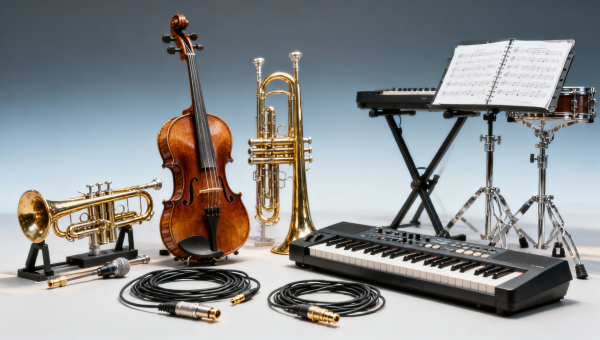
In the world of orchestral instruments, repair frequency can directly affect procurement costs, performance reliability, and long-term value. From string instruments and wind instruments to percussion instruments and keyboard instruments, understanding which items fail most often helps buyers, distributors, and commercial sourcing teams make smarter decisions across musical instruments, music accessories, music stands, instrument cables, and related pro audio equipment.
Which orchestral instruments usually generate the most repair work?
For commercial buyers in the sports and entertainment sector, repair rate is not just a maintenance issue. It is a planning variable tied to uptime, staffing, spare parts availability, warranty terms, and replacement cycles. In schools, hotels, theme venues, music halls, and multi-use entertainment spaces, instruments that require frequent service can disrupt rehearsals, rental programs, and public performances within days rather than months.
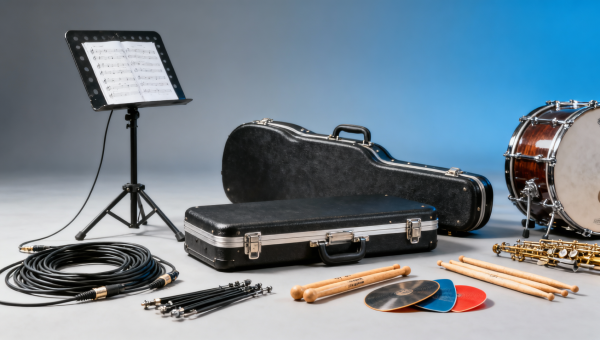
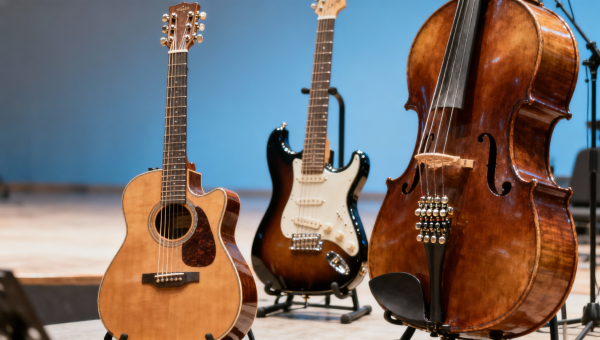
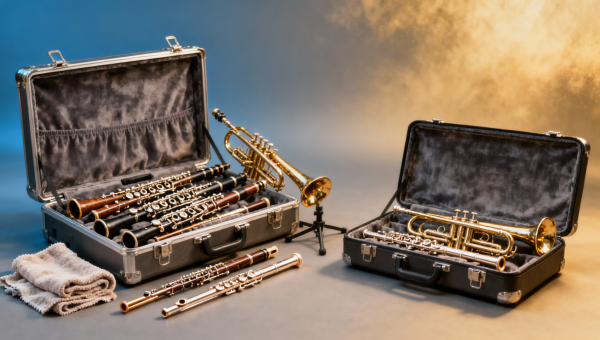
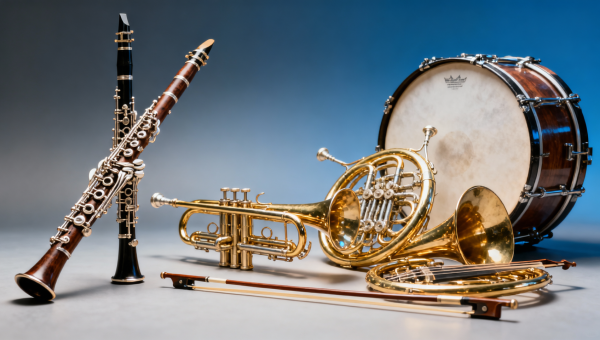
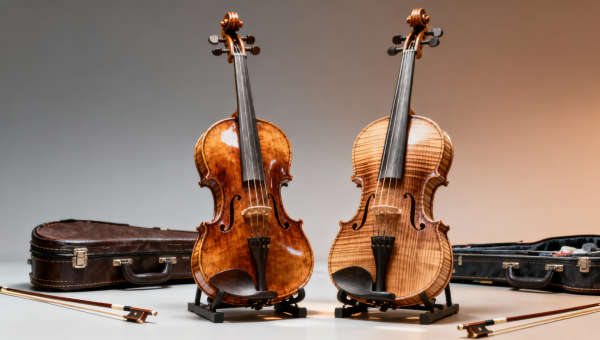
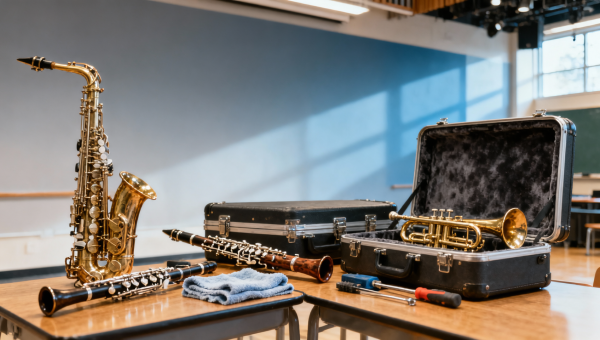
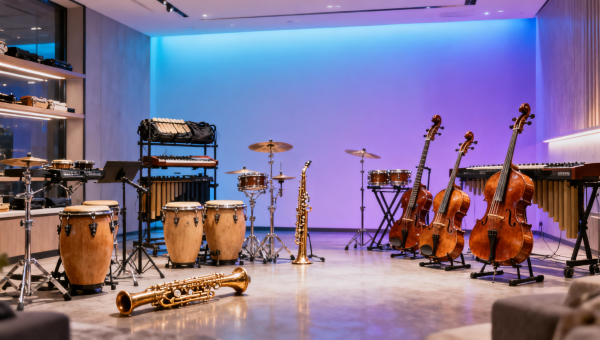
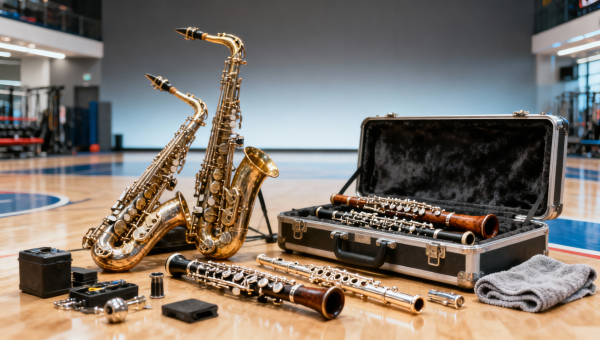
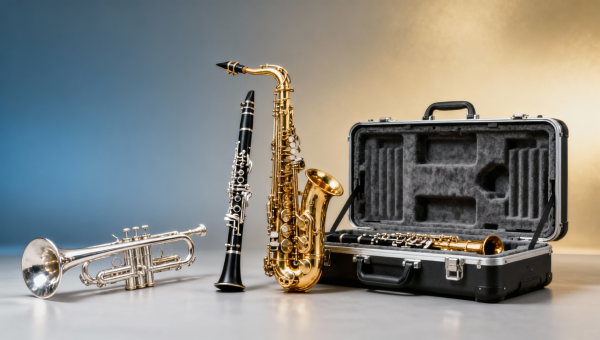
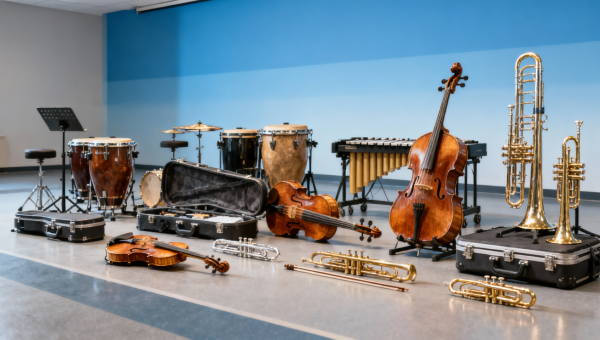
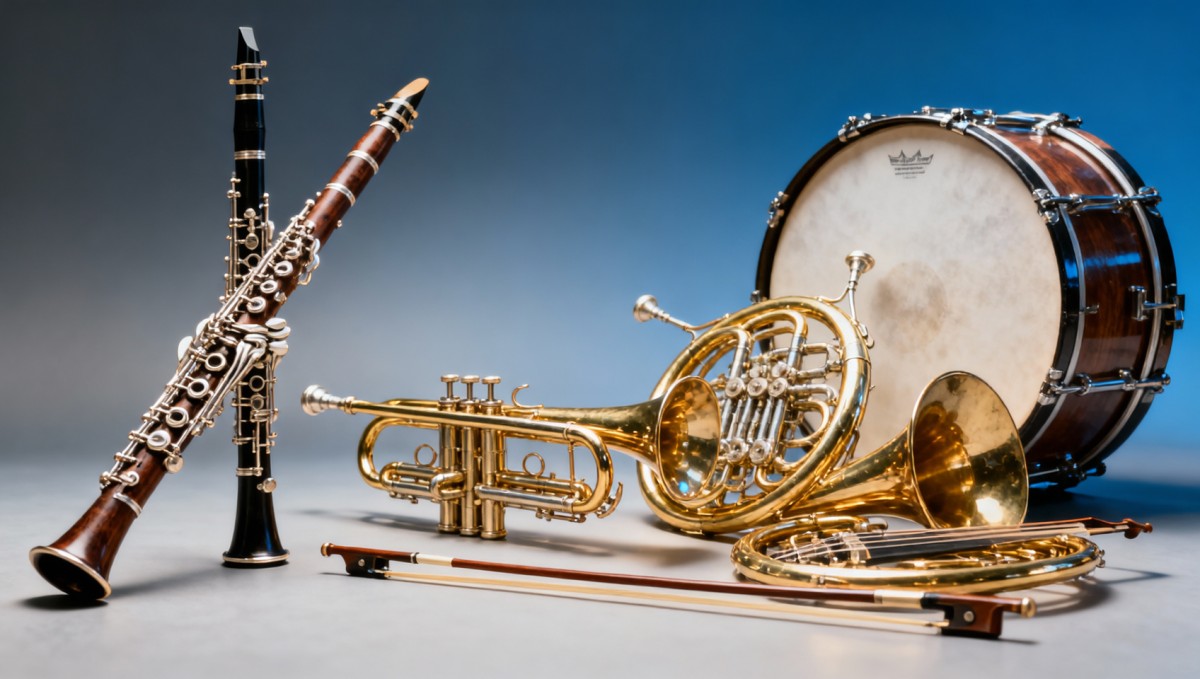
In practice, the highest repair rates are often seen in instruments with delicate mechanisms, moisture exposure, repeated transport, or frequent student use. Woodwinds such as clarinets, oboes, and bassoons commonly need pad, spring, cork, and key regulation work. Brass instruments, especially trumpets and French horns, often face valve, slide, and dent issues. String instruments can remain stable for years if stored correctly, but bridges, seams, pegs, and bows still create regular service demand.
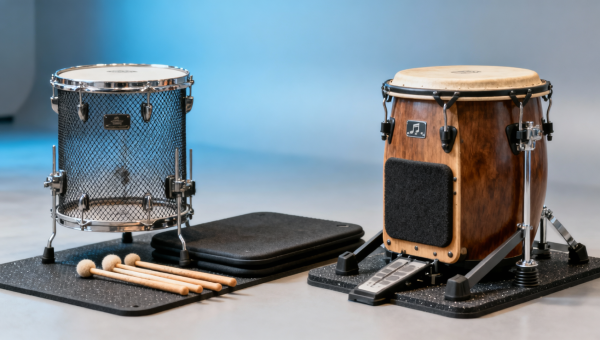
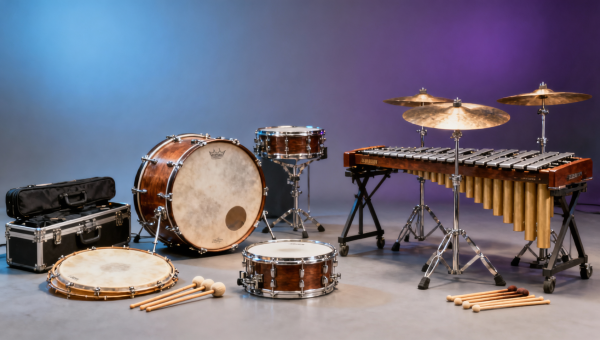
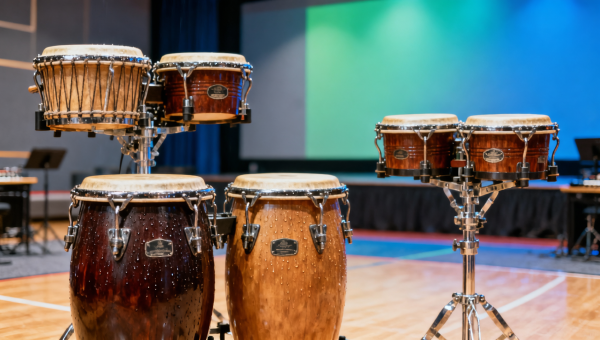
Commercial procurement teams should distinguish between high repair frequency and high repair severity. A flute may require small adjustments every 3–6 months in heavy-use programs, while a timpani may need fewer interventions but involve higher labor cost when pedal, head, or frame issues arise. This distinction matters when comparing lifecycle cost across orchestral instruments, music accessories, and adjacent pro audio setups.
The table below summarizes the instrument families that typically create the most repair activity in institutional and performance environments, along with the most common failure points and the likely operational impact for buyers and distributors.
The key takeaway is that woodwinds often lead in service frequency, brass often leads in accident-related repair, and large percussion often creates the highest single repair invoice. Buyers who only compare unit price can miss a major part of total ownership cost over a 2–5 year deployment period.
Why do some orchestral instruments fail more often in commercial environments?
Repair rates rise sharply when instruments are used outside controlled conservatory conditions. In commercial entertainment settings, instruments move between rehearsal rooms, event stages, school transport vehicles, storage cages, and rental counters. That means more vibration, more handling by mixed-skill users, and more exposure to heat, humidity, and dust. Even a 10°C–25°C recommended storage range can be difficult to maintain across venue networks.
Woodwinds are especially vulnerable because their sealing system depends on many small parts working together. A single compressed pad, loose post, or worn cork can reduce response and intonation. Instruments used daily in student or rental programs may need inspection every 8–12 weeks, not simply annual servicing. For procurement teams, this means spare inventory and repair turnaround are as important as original build quality.
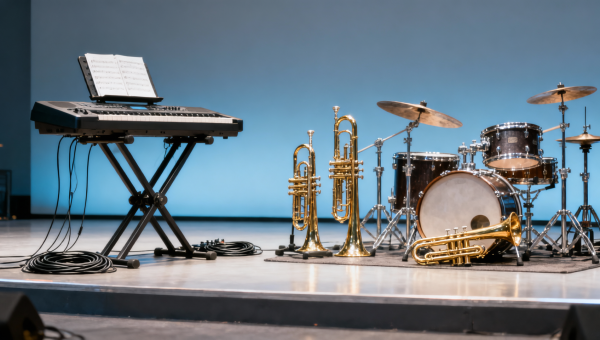
Brass instruments often suffer from handling damage rather than gradual wear alone. Repeated stand placement, tight transport cases, and stage resets can create dents in bell sections and misalignment in slides. Valve performance also drops when cleaning schedules are inconsistent. In venues that combine live music with event catering or amusement programming, residue and airborne contaminants can accelerate service needs.
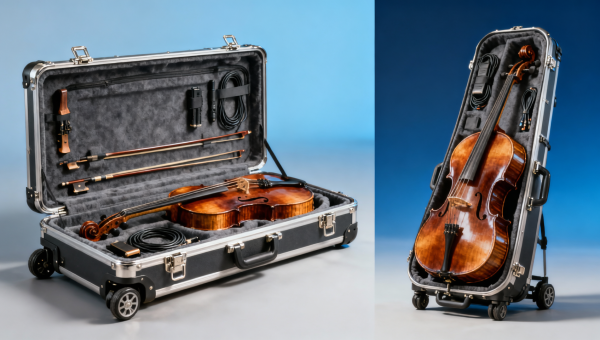
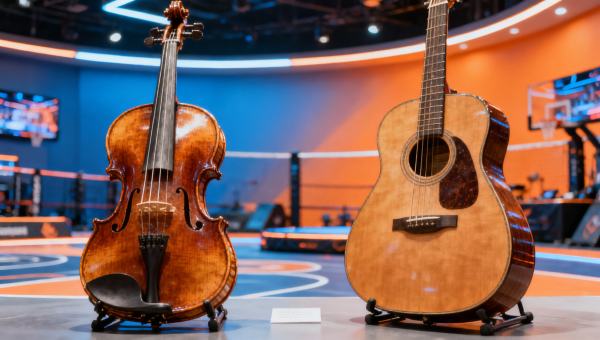
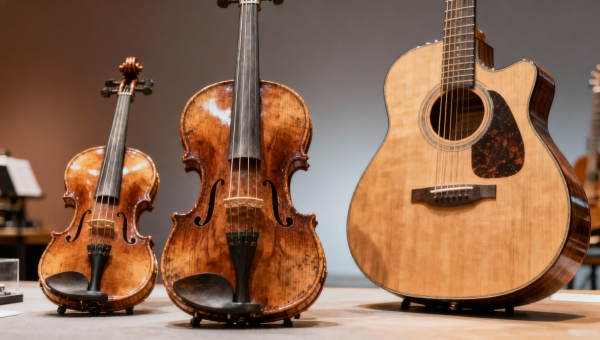
String instruments behave differently. They may appear durable, yet climate shifts can open seams, move bridges, dry fingerboards, and destabilize pegs. A violin fleet stored in low humidity for 4–8 weeks can develop setup issues that are inexpensive individually but expensive in aggregate when dozens of units require workshop time at once.
Four operational drivers behind high repair rates
- High user turnover: beginner players and rental users generate more impact, overtightening, and setup errors than dedicated professionals.
- Frequent transportation: repeated loading and unloading increases dent risk, key bend risk, and case damage.
- Weak preventive maintenance: missing a quarterly inspection often turns a low-cost adjustment into a multi-part repair.
- Poor accessory matching: unstable music stands, low-grade humidifiers, unsuitable cleaning tools, and inadequate instrument cables around amplified setups contribute to avoidable damage.
For distributors and sourcing managers, the lesson is clear: repair exposure is not determined by the instrument alone. It is shaped by the entire use environment, including cases, music accessories, training, storage, and service logistics.
How should buyers compare repair risk before placing orders?
A smart procurement review should compare at least 5 key checkpoints before committing to an orchestral instrument program: material stability, mechanical complexity, serviceability, spare part availability, and expected user profile. These factors are more predictive of repair burden than appearance or catalog positioning. For B2B buyers, they also support cleaner internal approval for finance and operations teams.
It is useful to evaluate instruments by deployment type. A premium concert hall may prioritize tonal refinement and accept higher maintenance. A school network, hotel residency program, or amusement performance venue usually needs easier service, faster part replacement, and lower downtime. The right answer is not always the most advanced instrument; it is often the most maintainable one.
The following matrix helps information researchers, procurement officers, and dealers compare orchestral instruments with the highest repair rates against the realities of commercial operation, replacement planning, and after-sales support.
This comparison shows why selection cannot be isolated from service planning. An instrument with a modest purchase price can become expensive if parts take 4–6 weeks to arrive or if local technicians cannot support the mechanism. That is particularly relevant for dealers and agents managing multiple downstream customers.
A practical 4-step procurement screen
- Define usage intensity by location: daily academic use, weekly venue use, or touring rotation.
- Map likely repair points by family: pads for woodwinds, valves for brass, setup for strings, heads and linkage for percussion.
- Confirm service resources: local workshop access, sample part lead times, and maintenance kit inclusion.
- Estimate downtime cost: substitute inventory, performance schedule risk, and user disruption.
When this screen is applied early, sourcing teams make better decisions not only on instruments themselves but also on music stands, cases, cleaning tools, and transport protection that reduce avoidable repair events.
What purchasing strategies reduce repair cost and downtime?
The most effective strategy is to buy an instrument package, not a standalone unit. In commercial entertainment and institutional music programs, repair prevention begins with the right case, stable storage, user-level matching, cleaning supplies, and a maintenance schedule. A well-selected package often lowers service frequency over the first 12–24 months more effectively than upgrading to a more complex model.
Buyers should also separate front-line stock from showcase stock. Instruments intended for rental, school practice, or frequent event rotation need durability and easy repair. Showcase or artist-use instruments may justify higher maintenance because they serve branding, guest experience, or premium performance goals. This two-tier strategy is common in hotels, smart campuses, and leisure venues that host different performance formats within the same quarter.
A preventive plan should define 3 layers of care: daily wipe-down and storage, monthly inspection of critical wear parts, and workshop servicing every 6–12 months depending on use intensity. Even simple checklists can reduce emergency repair demand. For example, checking cork, pad seal, bow hair tension, valve movement, and head tension before each event week can catch issues before they become failures.
Recommended buying controls for B2B instrument programs
- Ask for spare-part visibility before order confirmation, including typical replenishment windows such as 2–4 weeks for common consumables.
- Request packing details for transport-heavy routes, especially for brass bells, woodwind keywork, and percussion frames.
- Align user level with build specification, rather than assigning fragile performance models to beginner-heavy programs.
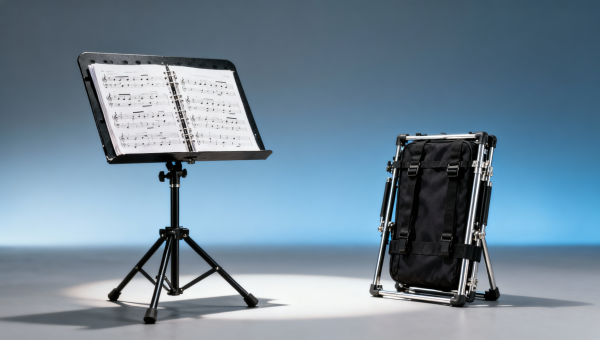
- Bundle accessories that protect assets, including hard cases, humidity control products, and stable music stands for rehearsals and stage resets.
Where GCT adds value in the sourcing process
Global Commercial Trade supports buyers who need more than a price list. For orchestral instruments and related pro audio and musical instruments categories, GCT helps teams compare sourcing options by use case, supplier capability, service readiness, and international trade practicality. That matters when a distributor must balance retail margin, after-sales workload, and regional service expectations.
Because many projects involve mixed procurement, such as instruments, music accessories, storage solutions, and performance support equipment, GCT is positioned to help commercial buyers build a coherent sourcing plan instead of handling each product line in isolation. This shortens evaluation cycles and reduces mismatch between product specification and operating environment.
FAQ: what do buyers and distributors ask most about high-repair instruments?
Search intent around orchestral instrument repair rates is usually practical. Buyers want to know which instruments create hidden cost, how quickly they can be serviced, and whether a lower-maintenance alternative exists. The questions below reflect common purchasing and evaluation concerns in sports and entertainment procurement.
Are woodwinds always the highest-maintenance orchestral instruments?
Often, yes in terms of service frequency. Clarinets, oboes, and bassoons contain multiple pads, springs, rods, and cork interfaces that can drift out of adjustment with regular use. In a student or rental fleet, minor service every quarter is common. However, they are not always the most expensive to repair per incident; large percussion and some string restoration jobs can cost more per event.
What is the safest choice for heavy institutional use?
The safest choice is usually a model designed for stable use and easy servicing rather than the most advanced acoustic specification. Buyers should prioritize readily available parts, durable cases, clear maintenance instructions, and technician familiarity. Over a 2–3 year period, easier service often outweighs small differences in premium finish or complex mechanism design.
How long is a reasonable repair or spare-parts window?
For common parts, many buyers aim for a 7–15 day replenishment window. More specialized components may require 2–6 weeks depending on origin and workshop capacity. If a supplier cannot describe the usual lead time for pads, strings, valve parts, heads, or bridges, that is a procurement risk signal. Downtime planning should be part of the quotation review.
Can accessories really reduce instrument repair rates?
Yes. Cases, humidity tools, cleaning kits, storage racks, and even stable music stands influence repair exposure. In mixed-use performance venues, poor stand stability and rushed stage handling can cause drops and impacts. For amplified crossover ensembles, proper cable management around instrument cables and stage gear also reduces accident-related damage.
Should distributors stock replacement units?
For high-turn categories, that is often sensible. A small buffer of replacement-ready instruments or loan units can protect dealer reputation and preserve end-user continuity. The right quantity depends on account volume, service lead time, and seasonal peaks, but many distributors review this every quarter rather than waiting for emergency demand.
Why contact GCT when evaluating orchestral instruments with high repair exposure?
When repair rates influence procurement decisions, buyers need more than broad product descriptions. They need sourcing intelligence that connects instrument category, usage scenario, maintenance burden, and supply chain practicality. GCT is built for that type of commercial decision-making across pro audio and musical instruments, hospitality entertainment applications, educational procurement, and specialty retail distribution.
If you are comparing woodwinds, brass, strings, percussion, music accessories, music stands, or related commercial performance equipment, GCT can help you assess the factors that matter before purchase: product positioning, typical service needs, packaging suitability, sample arrangements, and expected delivery windows. This is especially useful for procurement teams balancing cost control with venue reliability.
You can contact GCT to discuss concrete topics such as parameter confirmation, instrument category selection, OEM or ODM possibilities, packaging for export routes, sample support, replacement-part planning, and quotation comparison. For distributors and agents, GCT can also support supplier shortlisting based on commercial fit rather than simple catalog volume.
If your project involves a school system, hotel performance program, leisure venue, campus arts space, or multi-location entertainment rollout, reach out with your target product list and operating scenario. A clearer sourcing brief now can reduce repair burden, downtime, and replacement cost over the next 12–36 months.
Search News
Hot Articles
Popular Tags
Need ExpertConsultation?
Connect with our specialized leisureengineering team for procurementstrategies.
Recommended News
 Apr 20, 2026Music Accessories Often Overlooked Until They Start Causing ProblemsMusic accessories often cause hidden issues across musical instruments, percussion instruments, wind instruments, string instruments, keyboard instruments, orchestral instruments, music stands, instrument cables, and pro audio equipment.● Pro Audio Engineer
 Apr 20, 2026When Orchestral Instruments Need Custom Cases and Why It MattersMusical instruments and orchestral instruments need custom cases to protect string instruments, wind instruments, percussion instruments, and keyboard instruments during transport. Learn when buyers should upgrade for safer logistics.● Pro Audio Engineer
 Apr 20, 2026Keyboard Instruments in 2026: What Features Are Becoming Standard?Keyboard instruments in 2026 are redefining musical instruments with smarter connectivity, durable builds, and seamless integration with pro audio equipment, instrument cables, music stands, and music accessories.● Pro Audio Engineer
 Apr 20, 2026Music Stands With Folding Designs: Convenient or Less Reliable?Music stands buyers compare folding convenience with long-term reliability across musical instruments, percussion instruments, wind instruments, string instruments, and pro audio equipment.● Pro Audio Engineer
 Apr 20, 2026String Instruments With Better Tuning Stability in Busy Use CyclesExplore string instruments with better tuning stability for busy venues. Compare musical instruments, percussion instruments, and wind instruments to source reliable, low-maintenance performance solutions.● Pro Audio Engineer
 Apr 20, 2026Why Wind Instruments React So Differently to Climate and StorageWind instruments react fast to climate and storage. Compare musical instruments, percussion instruments, string instruments, and music accessories to cut maintenance risk and buy smarter.● Pro Audio Engineer
 Apr 20, 2026Percussion Instruments for Shared Spaces: What Reduces Noise Most?Percussion instruments for shared spaces: discover what reduces noise most across musical instruments, with smart comparisons to wind instruments, string instruments, keyboard instruments, and practical accessories.● Pro Audio Engineer
 Apr 20, 2026How to Spot Musical Instruments That Look Fine but Wear Out FastDiscover how to spot musical instruments that look premium but wear out fast. Learn key checks for percussion instruments, wind instruments, string instruments, keyboard instruments, music stands, instrument cables, pro audio equipment, and music accessories before you buy.● Pro Audio Engineer
 Apr 20, 2026Music Accessories That Quietly Affect Daily Performance QualityExplore how music accessories shape daily performance quality—from music stands and instrument cables to pro audio equipment for musical instruments, percussion instruments, wind instruments, string instruments, and keyboard instruments.● Pro Audio Engineer
 Apr 20, 2026Orchestral Instruments With the Highest Repair RatesExplore which orchestral instruments have the highest repair rates across wind instruments, string instruments, percussion instruments, and keyboard instruments, with smart buying tips for musical instruments, music accessories, music stands, instrument cables, and pro audio equipment.● Pro Audio Engineer
 Apr 20, 2026Are Keyboard Instruments With Weighted Keys Worth the Extra Cost?Keyboard instruments with weighted keys: discover if the extra cost pays off for musical instruments buyers, with smart tips on music accessories, instrument cables, and pro audio equipment.● Pro Audio Engineer
 Apr 20, 2026Music Stands That Stay Stable on Stage: What Makes the Difference?Music stands for musical instruments: discover what keeps them stable on stage for string instruments, wind instruments, percussion instruments, and keyboard instruments—plus smart buying tips.● Pro Audio Engineer
 Apr 20, 2026String Instruments: Solid Wood or Laminated for Regular Use?String instruments guide for regular use: compare solid wood vs laminated models across musical instruments setups with music accessories, pro audio equipment, and smarter sourcing insights.● Pro Audio Engineer
 Apr 20, 2026Wind Instruments for Schools and Venues: What Affects Longevity?Wind instruments longevity guide for schools and venues: compare musical instruments, percussion instruments, string instruments, and keyboard instruments to source smarter and reduce total cost.● Pro Audio Engineer
 Apr 20, 2026Why Some Percussion Instruments Cost More to Maintain Than ExpectedExplore why percussion instruments can cost more to maintain than expected, and compare musical instruments, orchestral instruments, music accessories, music stands, instrument cables, and pro audio equipment.● Pro Audio Engineer
 Apr 20, 2026Which Musical Instruments Hold Up Best in High-Use Venues?Musical instruments for high-use venues: compare percussion instruments, wind instruments, string instruments, keyboard instruments, music stands, instrument cables, pro audio equipment, and music accessories.● Pro Audio Engineer
 Apr 19, 2026What changed in musical instruments demand in 2026?Musical instruments demand in 2026 is shifting fast across trampoline park and indoor playground projects. Explore trends in percussion instruments, wind instruments, string instruments, and crossover demand from outdoor playground and playground swings.● Pro Audio Engineer
 Apr 19, 2026Why string instruments react so differently to climate changesString instruments react faster to climate changes than percussion instruments or wind instruments. Discover smart sourcing tips for trampoline park, indoor playground, and outdoor playground projects.● Pro Audio Engineer
 Apr 19, 2026String instruments: solid wood or laminate for long-term use?String instruments guide for buyers: compare solid wood vs laminate for long-term use, durability, maintenance, and value across musical instruments, percussion instruments, and wind instruments.● Pro Audio Engineer
 Apr 19, 2026When do wind instruments need repair sooner than expected?Wind instruments need repair sooner in trampoline park and indoor playground venues due to heavy use, humidity, and poor storage. Compare musical instruments, percussion instruments, string instruments, outdoor playground planning, and playground swings with expert sourcing tips.● Pro Audio Engineer
 Apr 19, 2026Wind instruments that handle frequent transport more reliablyWind instruments guide for buyers: compare durable musical instruments for frequent transport, with insights across percussion instruments, string instruments, trampoline park and indoor playground venues.● Pro Audio Engineer
 Apr 19, 2026Common tuning issues with percussion instruments in humid areasPercussion instruments in humid venues can lose tuning fast. Learn how musical instruments perform in trampoline park, indoor playground, and outdoor playground spaces for smarter sourcing.● Pro Audio Engineer
 Apr 19, 2026Percussion instruments with lower upkeep in heavy-use spacesDiscover low-upkeep percussion instruments for trampoline park, indoor playground, and outdoor playground spaces—durable musical instruments that outperform wind instruments, string instruments, and fit playground swings zones.● Pro Audio Engineer
 Apr 19, 2026How to compare musical instruments for school and venue useCompare musical instruments for schools and venues with practical tips on percussion instruments, wind instruments, and string instruments. Ideal for indoor playground, trampoline park, outdoor playground, and playground swings projects.● Pro Audio Engineer