Music Stands With Folding Designs: Convenient or Less Reliable?
For buyers comparing music stands for classrooms, studios, retail, and performance venues, folding designs offer clear transport and storage advantages—but do they compromise stability over time? In the wider market for musical instruments, music accessories, and pro audio equipment, this question matters for procurement, resale, and daily use. This article examines whether folding music stands are truly convenient, less reliable, or simply better suited to specific commercial applications.
When are folding music stands a smart choice for commercial buyers?
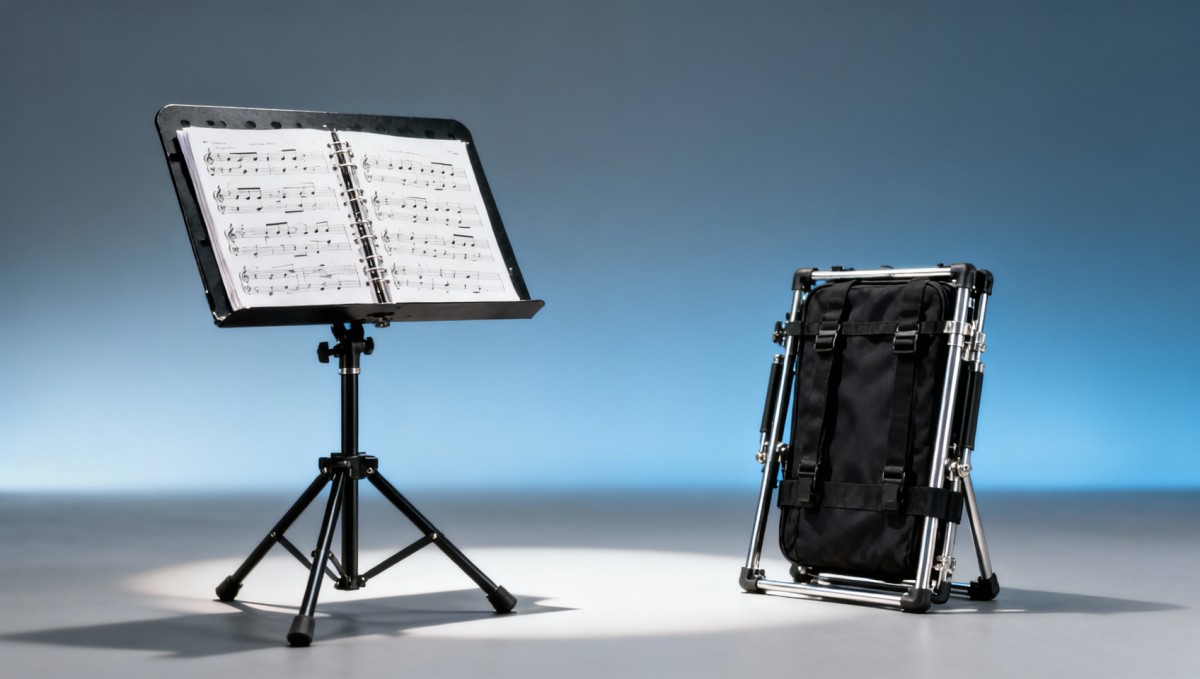
In the sports and entertainment supply chain, folding music stands are rarely judged on convenience alone. Buyers in education, live performance, worship venues, rehearsal rooms, and retail distribution usually evaluate 3 core dimensions: portability, structural stability, and lifecycle cost. A folding model can be the right decision when frequent setup and takedown are part of daily operations, especially across 2–4 rooms, mobile teaching programs, or touring support inventories.
The common concern is understandable: every hinge, clutch, telescopic tube, or collapsible desk section introduces another mechanical point that may loosen over time. That does not automatically make folding music stands unreliable. It means reliability depends more heavily on material grade, joint design, locking precision, and usage frequency than on the folding concept itself. A well-built folding stand can outperform a poorly made fixed stand in real commercial use.
For procurement teams, the real question is not “folding or not” but “folding for which workload?” A lightweight classroom stand used 2 hours per day has very different demands from a stand deployed 5–6 days per week in a busy orchestra pit or rental fleet. Commercial selection should therefore begin with operating conditions, not marketing claims or unit price alone.
GCT supports this type of sourcing decision by connecting buyers with category-specific intelligence across pro audio and musical instruments. For distributors and project buyers, that means comparing music stands not just as accessories, but as operational equipment tied to storage density, replenishment cycles, serviceability, and downstream user satisfaction.
Typical reasons folding designs stay in demand
- They reduce storage footprint, which matters in rehearsal spaces, school storerooms, backstage areas, and dealer stockrooms where floor space is limited.
- They simplify transport for mobile music teachers, event technicians, rental companies, and regional distributors handling mixed loads.
- They often support faster venue turnover, especially where stands must be deployed and removed within 15–30 minutes between sessions or events.
- They can lower shipping volume per carton, which is commercially relevant for importers comparing freight efficiency across medium and large batch orders.
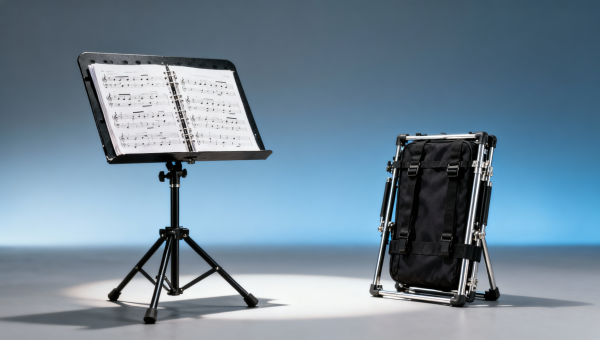
These strengths explain why folding music stands remain common in institutional buying. Still, convenience only creates value if the stand survives repeated folding cycles, height adjustment, and transportation without slipping, bending, or wobbling. That is where comparison becomes essential.
Folding vs non-folding music stands: where does reliability really change?
Reliability differences usually appear in specific failure points rather than in the whole product. On folding music stands, buyers should pay close attention to leg spread geometry, welds or rivets, desk tilt locks, and the consistency of tube clamps after repeated adjustment. On non-folding models, the structure may be simpler, but bulkier frames can still develop stability issues if the base is too narrow or the steel gauge is too light.
The table below helps procurement teams compare folding and non-folding music stands in terms that matter for commercial use, resale planning, and service expectations. It is especially useful when evaluating stock for schools, studios, show venues, and dealer portfolios with different price tiers.
The key takeaway is practical: folding music stands are not inherently less reliable, but they are less forgiving of low-grade engineering. For buyers managing 50–200 units over several procurement cycles, a small difference in joint quality can lead to a major difference in replacement rates, technician time, and user complaints.
Where buyers often misjudge risk
A common mistake is treating all folding designs as one category. In reality, there is a large difference between ultra-light portable stands for occasional individual use and reinforced folding stands designed for institutional handling. Tube thickness, metal grade, connection hardware, and tray support design can shift the performance level significantly even when two products look similar in a catalog image.
Another mistake is testing only static stability. Buyers should also consider dynamic conditions: repeated opening and closing, movement across uneven floors, and accidental side contact during stage changes. In live entertainment settings, these stress points often reveal durability issues within the first 3–6 months, long before corrosion or visible deformation appears.
A simple commercial judgment rule
If your use case prioritizes mobility and fast storage, folding stands usually deserve priority. If your use case involves heavy scores, fixed placement, or low tolerance for readjustment drift, non-folding or reinforced desk-style models may offer a better return despite higher volume and storage demands.
What technical specifications should procurement teams check first?
For commercial buyers, the safest approach is to evaluate folding music stands through measurable checkpoints. Product pages often highlight portability, but long-term performance comes from technical details that affect stability after 6 months, 12 months, and repeated handling cycles. This is especially relevant for resellers who need fewer returns and for institutions that want predictable asset life.
Start with 5 key checks: material thickness, height adjustment range, locking mechanism consistency, desk support capacity, and base footprint. A wider leg spread generally improves stability, while a narrow footprint may save space but can increase tip risk in active teaching or stage environments. Height range also matters because unsuitable adjustment forces users to overextend the upper tube, which weakens the stand in practice.
Commercially, it is useful to ask suppliers for typical operating ranges rather than broad claims. Examples include a height adjustment span suitable for seated and standing use, a load recommendation for loose sheets versus music binders, and a packaging format that fits small-batch or palletized shipments. Even simple ranges such as 2–3 height stages or 1–2 locking points per adjustment section help clarify product class.
The following table outlines practical evaluation points for folding music stands used in schools, performance venues, and retail distribution. It can also support RFQ comparison when multiple factories or OEM/ODM suppliers are under review.
This comparison shows why technical screening should happen before price negotiation. Two stands may sit in a similar price band, yet one may suit light educational use while the other is built for medium-duty venue turnover. If the specification sheet is incomplete, buyers should request sample evaluation over at least 7–14 days of routine handling.
Practical inspection checklist before ordering
- Open and close the stand at least 20–30 times to check whether locks remain consistent and aligned.
- Test with both loose sheets and heavier music books to see whether the desk tilts or sags.
- Place the stand on smooth and slightly uneven flooring to assess wobble, foot grip, and lateral stability.
- Review carton configuration, spare part availability, and replacement policy for knobs, clips, or leg joints.
For dealers and distributors, these checks also support stronger product positioning. Instead of selling by appearance alone, you can classify folding music stands by light-duty, medium-duty, or venue-grade use, which improves margin defense and reduces after-sales disputes.
Which commercial scenarios suit folding music stands best?
Not every music stand buyer needs the same product logic. In commercial practice, folding designs perform best when operational flexibility is more important than permanent-room aesthetics. That includes educational institutions with rotating room assignments, event operators with temporary stage layouts, retailers serving student musicians, and distributors supplying project-based orders.
In classrooms and training centers, folding music stands are often preferred because they can be stored after each session and moved by staff without dedicated transport equipment. If a campus reconfigures rooms 3–5 times per week, folding construction becomes a practical asset. However, buyers should still choose stronger leg assemblies for shared-use environments where handling is less controlled.
Studios and rehearsal venues occupy a middle ground. Portable stands are useful for multipurpose rooms, but musicians working with heavier notation books, tablets, and accessories may require reinforced trays and more stable tilt systems. Here, folding remains attractive, though the product should sit above entry-level retail quality.
For live performance and rental fleets, the question becomes operational durability. A stand may be opened, adjusted, transported, and repacked within the same day. Over 1 event weekend, that may mean 4–8 handling cycles per unit. In such cases, folding music stands are suitable only if the hardware, feet, and locks are selected for repeated turnover rather than occasional home use.
Application-based selection guide
The matrix below can help sourcing teams match stand type to realistic operating conditions instead of broad product labels. It is also useful for wholesalers building tiered catalogs for different customer groups.
This scenario view clarifies an important point: folding music stands are not a compromise product by default. They are a format choice. Reliability only becomes a concern when the chosen format does not match the expected duty cycle, handling style, or score load.
Where fixed or heavier alternatives make more sense
If the venue has permanent placement, limited movement, and users working with large binders or orchestral folders every day, a heavier stand may be commercially wiser. The extra upfront cost can be offset by reduced maintenance, less readjustment, and stronger user perception in premium spaces such as conservatories, concert halls, and dedicated ensemble rooms.
How should buyers evaluate cost, replacement risk, and sourcing strategy?
Procurement decisions on music stands often go wrong when unit price is isolated from operating cost. A lower-priced folding music stand may appear attractive in tender comparison, but if it requires more frequent replacement of clamps, desk locks, or leg joints within 12–18 months, the total cost profile changes quickly. For institutions and resellers, reliability is a margin issue as much as a usability issue.
A practical sourcing model is to divide demand into 3 bands: entry-level portable, commercial medium-duty, and venue-grade reinforced. This avoids overbuying for light-use classrooms while preventing under-spec purchasing for high-turnover event environments. It also helps distributors align stock with customer expectations across student, institutional, and performance channels.
Lead time planning matters as well. In typical sourcing programs, sample confirmation can take 7–15 days, specification alignment another 3–7 days, and production plus shipment planning considerably longer depending on order scale and destination. Buyers with seasonal education or event demand should therefore finalize selection before the peak procurement window rather than purchasing reactively.
GCT adds value at this stage by helping commercial buyers compare suppliers through business relevance, not just catalog density. That includes reviewing product fit for hospitality entertainment areas, campuses, pro audio channels, and project-based supply programs where appearance, repeatability, and delivery confidence all matter.
A useful B2B purchasing framework
- Define expected usage frequency: occasional, weekly, or daily deployment across 1–3 years of service planning.
- Separate application groups: classroom inventory, venue operations, reseller assortment, or mobile education kits.
- Check replaceable components and after-sales support, especially for knobs, feet, desk clips, and folding joints.
- Compare packaging efficiency and shipping density if importing mixed accessories with other pro audio or instrument products.
This framework reduces one of the biggest commercial risks: buying a single generic stand for multiple scenarios that actually require different durability levels. In music accessories, standardization sounds efficient, but oversimplification can increase returns, complaints, and reorder pressure.
Common questions buyers ask before selecting folding music stands
Are folding music stands always less stable than fixed models?
No. Stability depends on engineering details such as base spread, joint integrity, desk support, and lock quality. A reinforced folding stand can be stable enough for many educational, studio, and event uses. Problems usually emerge when very light portable stands are assigned to heavy-duty institutional work beyond their intended range.
What should distributors ask factories before placing a bulk order?
At minimum, ask about material configuration, adjustment mechanism, packaging details, sample lead time, spare parts support, and intended use category. Request clear photos or videos of opening and locking actions, and if possible run a 7–14 day sample review under realistic handling conditions. This is far more informative than relying only on a specification sheet.
Which mistakes are most common in school or venue procurement?
The main mistakes are choosing only by price, underestimating shared-use wear, and overlooking storage and transport patterns. Another frequent issue is assuming student-grade and commercial-grade folding music stands are interchangeable. In practice, repeated daily handling can expose weaknesses quickly, especially in clamp retention and leg stability.
Do folding stands work well for resale channels?
Yes, especially when the assortment is segmented properly. Entry models can serve beginner and impulse-buy retail demand, while stronger folding music stands suit institutional buyers and performance users. For dealers, the commercial advantage comes from offering clearly differentiated options rather than one universal product with unclear positioning.
Why work with GCT when sourcing music stands and related accessories?
For international buyers, distributors, and commercial project teams, sourcing music stands is rarely an isolated transaction. It often sits inside a broader purchase plan covering musical instruments, pro audio equipment, education supply packages, or venue accessories. GCT helps buyers navigate that complexity through sector-focused sourcing intelligence built for commercial decision-making, not just product browsing.
If you are comparing folding music stands for schools, rehearsal spaces, retail channels, or entertainment venues, we can support the next step with practical evaluation criteria. That includes parameter confirmation, stand-type selection, sample planning, packaging review, expected lead-time discussion, and communication on customization options where branding or project consistency is required.
We also help buyers and suppliers align around commercially relevant questions: which models suit light, medium, or high-frequency use; how to compare folding and fixed alternatives; what to check before submitting an RFQ; and how to build a more efficient assortment for resale or institutional procurement. This is especially valuable when orders must balance budget, durability, and delivery timing within one sourcing cycle.
If your team needs support on product selection, technical review, sample coordination, certification-related questions, delivery scheduling, or quotation communication for music stands and related musical accessories, contact GCT for a more structured sourcing discussion.
Search News
Hot Articles
Popular Tags
Need ExpertConsultation?
Connect with our specialized leisureengineering team for procurementstrategies.
Recommended News
 Apr 20, 2026Music Accessories Often Overlooked Until They Start Causing ProblemsMusic accessories often cause hidden issues across musical instruments, percussion instruments, wind instruments, string instruments, keyboard instruments, orchestral instruments, music stands, instrument cables, and pro audio equipment.● Pro Audio Engineer
 Apr 20, 2026When Orchestral Instruments Need Custom Cases and Why It MattersMusical instruments and orchestral instruments need custom cases to protect string instruments, wind instruments, percussion instruments, and keyboard instruments during transport. Learn when buyers should upgrade for safer logistics.● Pro Audio Engineer
 Apr 20, 2026Keyboard Instruments in 2026: What Features Are Becoming Standard?Keyboard instruments in 2026 are redefining musical instruments with smarter connectivity, durable builds, and seamless integration with pro audio equipment, instrument cables, music stands, and music accessories.● Pro Audio Engineer
 Apr 20, 2026Music Stands With Folding Designs: Convenient or Less Reliable?Music stands buyers compare folding convenience with long-term reliability across musical instruments, percussion instruments, wind instruments, string instruments, and pro audio equipment.● Pro Audio Engineer
 Apr 20, 2026String Instruments With Better Tuning Stability in Busy Use CyclesExplore string instruments with better tuning stability for busy venues. Compare musical instruments, percussion instruments, and wind instruments to source reliable, low-maintenance performance solutions.● Pro Audio Engineer
 Apr 20, 2026Why Wind Instruments React So Differently to Climate and StorageWind instruments react fast to climate and storage. Compare musical instruments, percussion instruments, string instruments, and music accessories to cut maintenance risk and buy smarter.● Pro Audio Engineer
 Apr 20, 2026Percussion Instruments for Shared Spaces: What Reduces Noise Most?Percussion instruments for shared spaces: discover what reduces noise most across musical instruments, with smart comparisons to wind instruments, string instruments, keyboard instruments, and practical accessories.● Pro Audio Engineer
 Apr 20, 2026How to Spot Musical Instruments That Look Fine but Wear Out FastDiscover how to spot musical instruments that look premium but wear out fast. Learn key checks for percussion instruments, wind instruments, string instruments, keyboard instruments, music stands, instrument cables, pro audio equipment, and music accessories before you buy.● Pro Audio Engineer
 Apr 20, 2026Music Accessories That Quietly Affect Daily Performance QualityExplore how music accessories shape daily performance quality—from music stands and instrument cables to pro audio equipment for musical instruments, percussion instruments, wind instruments, string instruments, and keyboard instruments.● Pro Audio Engineer
 Apr 20, 2026Orchestral Instruments With the Highest Repair RatesExplore which orchestral instruments have the highest repair rates across wind instruments, string instruments, percussion instruments, and keyboard instruments, with smart buying tips for musical instruments, music accessories, music stands, instrument cables, and pro audio equipment.● Pro Audio Engineer
 Apr 20, 2026Are Keyboard Instruments With Weighted Keys Worth the Extra Cost?Keyboard instruments with weighted keys: discover if the extra cost pays off for musical instruments buyers, with smart tips on music accessories, instrument cables, and pro audio equipment.● Pro Audio Engineer
 Apr 20, 2026Music Stands That Stay Stable on Stage: What Makes the Difference?Music stands for musical instruments: discover what keeps them stable on stage for string instruments, wind instruments, percussion instruments, and keyboard instruments—plus smart buying tips.● Pro Audio Engineer
 Apr 20, 2026String Instruments: Solid Wood or Laminated for Regular Use?String instruments guide for regular use: compare solid wood vs laminated models across musical instruments setups with music accessories, pro audio equipment, and smarter sourcing insights.● Pro Audio Engineer
 Apr 20, 2026Wind Instruments for Schools and Venues: What Affects Longevity?Wind instruments longevity guide for schools and venues: compare musical instruments, percussion instruments, string instruments, and keyboard instruments to source smarter and reduce total cost.● Pro Audio Engineer
 Apr 20, 2026Why Some Percussion Instruments Cost More to Maintain Than ExpectedExplore why percussion instruments can cost more to maintain than expected, and compare musical instruments, orchestral instruments, music accessories, music stands, instrument cables, and pro audio equipment.● Pro Audio Engineer
 Apr 20, 2026Which Musical Instruments Hold Up Best in High-Use Venues?Musical instruments for high-use venues: compare percussion instruments, wind instruments, string instruments, keyboard instruments, music stands, instrument cables, pro audio equipment, and music accessories.● Pro Audio Engineer
 Apr 19, 2026What changed in musical instruments demand in 2026?Musical instruments demand in 2026 is shifting fast across trampoline park and indoor playground projects. Explore trends in percussion instruments, wind instruments, string instruments, and crossover demand from outdoor playground and playground swings.● Pro Audio Engineer
 Apr 19, 2026Why string instruments react so differently to climate changesString instruments react faster to climate changes than percussion instruments or wind instruments. Discover smart sourcing tips for trampoline park, indoor playground, and outdoor playground projects.● Pro Audio Engineer
 Apr 19, 2026String instruments: solid wood or laminate for long-term use?String instruments guide for buyers: compare solid wood vs laminate for long-term use, durability, maintenance, and value across musical instruments, percussion instruments, and wind instruments.● Pro Audio Engineer
 Apr 19, 2026When do wind instruments need repair sooner than expected?Wind instruments need repair sooner in trampoline park and indoor playground venues due to heavy use, humidity, and poor storage. Compare musical instruments, percussion instruments, string instruments, outdoor playground planning, and playground swings with expert sourcing tips.● Pro Audio Engineer
 Apr 19, 2026Wind instruments that handle frequent transport more reliablyWind instruments guide for buyers: compare durable musical instruments for frequent transport, with insights across percussion instruments, string instruments, trampoline park and indoor playground venues.● Pro Audio Engineer
 Apr 19, 2026Common tuning issues with percussion instruments in humid areasPercussion instruments in humid venues can lose tuning fast. Learn how musical instruments perform in trampoline park, indoor playground, and outdoor playground spaces for smarter sourcing.● Pro Audio Engineer
 Apr 19, 2026Percussion instruments with lower upkeep in heavy-use spacesDiscover low-upkeep percussion instruments for trampoline park, indoor playground, and outdoor playground spaces—durable musical instruments that outperform wind instruments, string instruments, and fit playground swings zones.● Pro Audio Engineer
 Apr 19, 2026How to compare musical instruments for school and venue useCompare musical instruments for schools and venues with practical tips on percussion instruments, wind instruments, and string instruments. Ideal for indoor playground, trampoline park, outdoor playground, and playground swings projects.● Pro Audio Engineer