String Instruments: Solid Wood or Laminated for Regular Use?
For buyers and distributors comparing string instruments for regular use, the choice between solid wood and laminated construction affects durability, tone, maintenance, and long-term value. In today’s market for musical instruments, where string instruments often complement percussion instruments, wind instruments, and keyboard instruments in schools, studios, and performance venues, understanding material differences is essential for smarter sourcing and commercial evaluation.
How should commercial buyers compare solid wood and laminated string instruments?
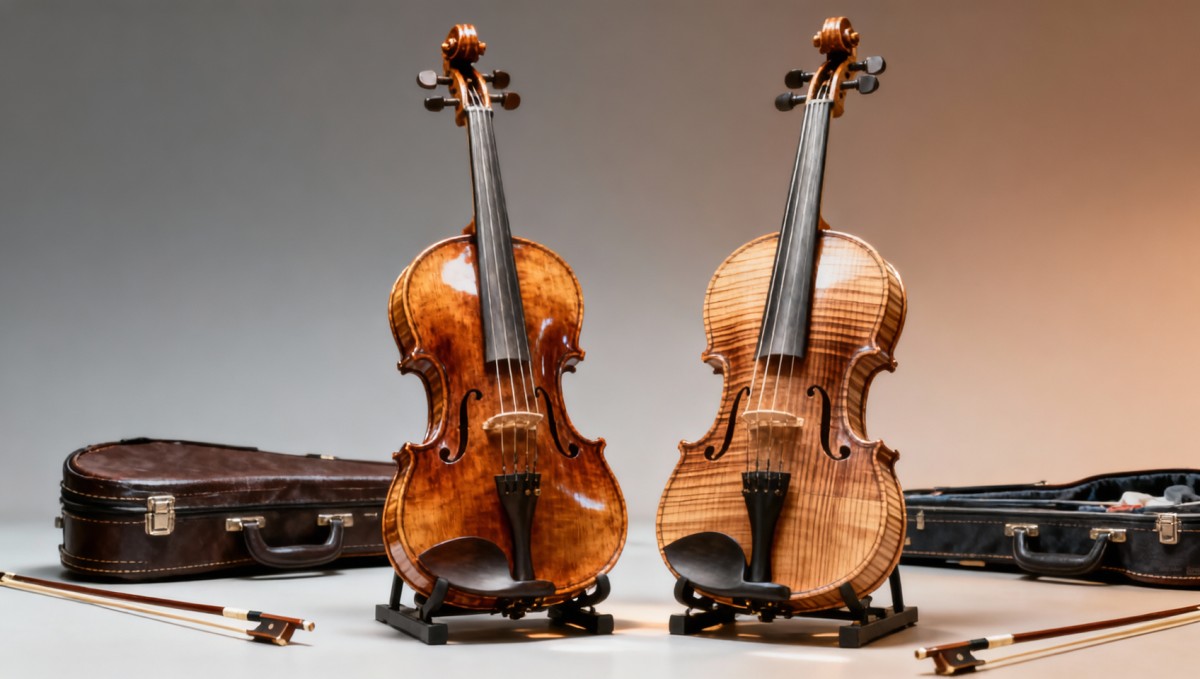
In B2B purchasing, the question is rarely which construction is “better” in absolute terms. The practical issue is which option performs more reliably under regular use, frequent handling, variable climate, and budget pressure. For schools, rental fleets, hospitality venues, and distributors, the answer often depends on usage intensity across 3 key dimensions: tonal expectation, environmental stability, and lifecycle cost.
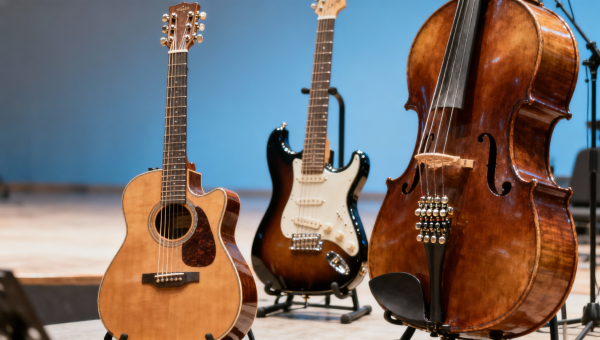
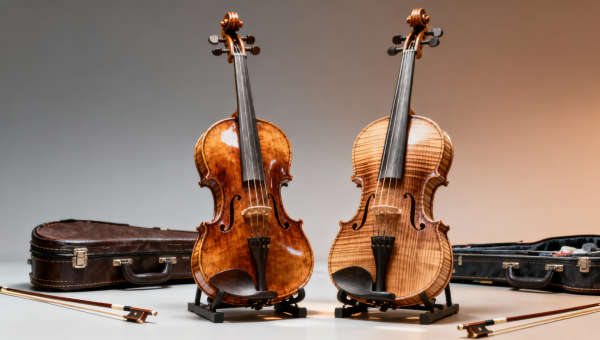
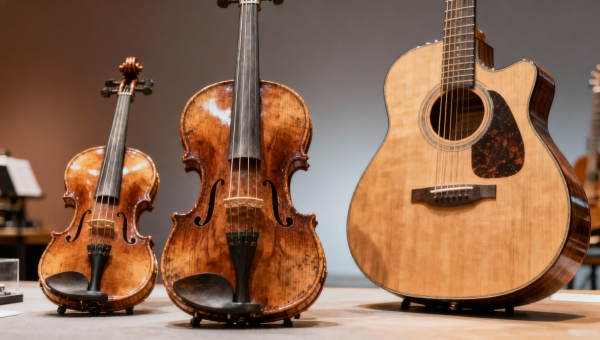
Solid wood string instruments are built with tonewoods cut from single pieces for the top, back, or sides. Laminated instruments use layered wood veneers bonded together. Both are legitimate categories in the musical instruments market. The right choice changes according to whether the instrument will be used 5 days a week in classrooms, moved between venues every 2–4 weeks, or installed in climate-controlled performance settings.
For procurement teams in sports and entertainment environments, durability and consistency matter as much as sound. A student violin program, a hotel live-music lounge, or a cultural leisure venue may prioritize ruggedness and easier maintenance over premium acoustic nuance. By contrast, a conservatory partner, recording studio, or high-end retail showroom may place stronger value on tonal complexity and perceived craftsmanship.
GCT supports this evaluation process by helping buyers compare manufacturing logic, sourcing risk, OEM/ODM flexibility, and commercial fit instead of relying on retail-level marketing claims. That is especially useful when distributors need to balance mixed inventories across entry, mid-range, and premium segments in the same sourcing cycle.
Quick decision logic for regular-use environments
- Choose laminated construction first when instruments will face heavy student handling, frequent transport, or changing humidity across multiple locations.
- Choose solid wood when sound development, resale positioning, and performance-grade tone are part of the commercial value proposition.
- Use mixed procurement when the project requires 2-tier or 3-tier inventory, such as rental stock plus premium demonstration units.
What are the real performance differences in daily use?
For regular use, buyers should compare acoustic response, stability, maintenance frequency, and tolerance for handling. Solid wood usually offers richer resonance, faster response, and greater tonal depth as the instrument ages. Laminated construction often provides better resistance to impact, lower sensitivity to rapid humidity swings, and more predictable behavior in shared-use settings.
These differences matter in practical operating windows. In many facilities, acceptable storage conditions sit around 40%–60% relative humidity and approximately 18°C–24°C. When instruments repeatedly move outside that range, solid wood may react faster through swelling, shrinkage, seam movement, or setup drift. Laminated instruments are not immune to damage, but they are generally more forgiving in imperfect conditions.
Commercial users also need to consider maintenance cadence. Entry-level and institutional instruments often require periodic bridge, peg, string, and fingerboard checks every semester or every 3–6 months, depending on use. If a fleet includes 20, 50, or 100 units, even small differences in repair frequency can change labor cost and downtime significantly.
The table below summarizes how solid wood and laminated string instruments usually compare for regular-use procurement. These are general market patterns rather than claims tied to one brand or factory.
For buyers, the key takeaway is simple: solid wood often wins on tonal character, while laminated construction often wins on operational tolerance. When regular use is intensive and maintenance resources are limited, laminated models can deliver a more predictable total-use outcome.
Where many evaluations go wrong
A common mistake is to compare only purchase price and overlook service conditions. Another is to assume all laminated instruments are low grade. In practice, build quality, setup accuracy, hardware consistency, adhesive quality, and final inspection can strongly affect performance in both categories. A well-made laminated instrument may outperform a poorly assembled solid wood model in commercial circulation.
This is why procurement should assess at least 5 checkpoints: wood construction, setup consistency, finish durability, accessory package, and after-sales parts availability. For institutional orders, packaging quality and carton protection during international shipping are also part of the real performance picture.
Which construction fits schools, venues, studios, and distribution channels?
Different application scenarios create different sourcing logic. In sports and entertainment related environments, musical instruments may be used in campus performance programs, hospitality entertainment, leisure attractions, arts training, or dealer networks serving mixed customer profiles. The best-fit material should match how the instrument will actually be stored, moved, and played over 12 months, not just how it sounds in a one-time demo.
For schools and training centers, laminated string instruments are often the practical first choice because they handle repeated handling, group storage, and new-player mistakes more effectively. For a conservatory feeder program or audition-focused academy, however, solid wood units may be justified for upper-level students who need more expressive response.
For hotels, resorts, and live entertainment lounges, the choice depends on programming frequency. If instruments are used weekly by rotating performers, a mid-tier solid wood line may support brand image and sound quality. If instruments are kept mainly for guest interaction, display, or occasional event use, laminated models often reduce maintenance burden while keeping acquisition risk under control.
Distributors and agents usually benefit from portfolio segmentation. Carrying only one construction type can narrow your channel opportunities. A layered product matrix lets you serve rental accounts, education buyers, and premium dealers without forcing all customers into the same price-performance logic.
Application-based selection table
The following table helps buyers match string instrument construction to real commercial settings, including common decision factors such as turnover rate, maintenance staffing, and presentation requirements.
This comparison shows why there is no single universal answer. Regular use in a controlled studio is not the same as regular use in a high-turnover institutional fleet. Matching the construction to the operating environment usually leads to better procurement outcomes than chasing a one-line specification.
Practical channel strategy for distributors
- Stock laminated units for education tenders, volume accounts, and entry-level resale where replacement speed matters.
- Use solid wood units as margin-supporting products for premium dealers, music academies, and serious amateurs.
- Prepare 2 sample tiers when approaching new B2B clients so buyers can test durability and tonal positioning side by side.
What should procurement teams check before placing an order?
A successful string instrument order depends on more than the wood description. Commercial buyers should request a structured review covering materials, setup, accessories, packaging, lead time, and support. In many sourcing projects, the actual risk sits not in the instrument type but in inconsistent batch quality and unclear acceptance criteria.
Typical lead times vary by order size and degree of customization. In standard configurations, replenishment may run around 30–45 days, while OEM or private-label projects can take 45–90 days depending on finish approval, accessory selection, carton design, and inspection steps. Buyers with academic or event deadlines should build in at least 2 buffer stages: pre-shipment verification and arrival inspection.
For procurement personnel and business evaluators, it helps to divide review into 4 layers: product quality, commercial terms, compliance considerations, and post-delivery service. In the musical instruments trade, this approach reduces surprises when the instruments enter real circulation.
The checklist below is especially useful for schools, venue operators, and distributors who need dependable regular-use instruments rather than one-off retail purchases.
6-point procurement checklist
- Confirm construction details clearly: fully solid, solid top only, or laminated body. These are not interchangeable terms and affect price and positioning.
- Check setup consistency across samples: bridge placement, nut shaping, string height, peg movement, fingerboard dressing, and tailpiece fit.
- Ask for accessory scope: bow, case, rosin, spare strings, shoulder rest, or dealer-ready bundle. This changes total landed cost.
- Review packaging and transit protection for container or pallet movement, especially when humidity exposure may occur during 3–6 weeks of shipping.
- Clarify inspection method: random batch checks, sample sign-off, or pre-shipment verification against agreed specifications.
- Discuss after-sales parts supply and replacement policy for bridges, strings, pegs, and minor setup issues during the first operating period.
Standards, documentation, and compliance considerations
String instruments do not follow one single global certification route in the way some electrical products do, but buyers should still verify material declarations, packaging compliance expectations, and destination-market import requirements. For institutional procurement, documentation around materials, finishes, and safe handling can support internal approval procedures.
If the project involves educational institutions, hospitality groups, or international distribution, request documentation early rather than after production starts. This reduces delays tied to customs review, tender paperwork, or distributor onboarding. GCT’s sourcing perspective is valuable here because purchasing teams often need to align technical review with commercial timing across multiple stakeholders.
How do cost, risk, and long-term value compare?
The purchase price gap between solid wood and laminated string instruments is only the first layer of cost analysis. For regular use, a buyer should compare acquisition cost, maintenance effort, expected service life under actual conditions, and the role of the instrument in revenue generation, education outcomes, or brand presentation. A lower unit price does not always mean lower operating cost, and a premium unit does not always deliver a return in rough-use environments.
Laminated instruments often reduce short-term financial exposure in fleet purchases, especially when replacement cycles are active and the user base changes frequently. Solid wood instruments may hold stronger commercial value where tonal quality supports tuition positioning, artist satisfaction, or premium showroom conversion. For some distributors, the optimal solution is not either-or, but a portfolio ratio such as 70/30 or 60/40 depending on account mix.
Another cost factor is repair complexity. Cracks, open seams, warped setup, or finish wear can create different repair economics across construction types. This is why business evaluators should model costs over 12–24 months, not only at the initial quotation stage. Projects with high handling frequency should also budget for strings, bows, and routine setup support.
A realistic financial comparison is shown below. The categories are intended as sourcing guidance and not as fixed market pricing.
This comparison helps buyers avoid a common error: selecting premium construction for a use case that cannot protect it, or selecting entry construction for a channel that demands stronger tonal identity. The more clearly the operating model is defined, the easier it becomes to choose the right material mix.
FAQ for buyers, evaluators, and distributors
Because search intent around string instruments often combines technical, budget, and sourcing questions, a focused FAQ can support both research and procurement review. The answers below address the issues most frequently raised during regular-use evaluation.
Are laminated string instruments only for beginners?
No. Laminated construction is common in beginner and institutional programs, but that does not mean it is only for novice players. In rental systems, community centers, and heavy-use education fleets, laminated instruments are often chosen because they perform more consistently under handling stress. The relevant question is whether the user environment supports the extra tonal benefit of solid wood.
How many sample units should be reviewed before a bulk order?
For a new supplier relationship, many buyers prefer at least 2–3 sample units or a small pilot batch, especially when setup consistency is critical. If the order will cover multiple sizes or student levels, review each major specification group separately. This is more useful than approving one idealized sample that does not reflect production variation.
What is the best choice for a distributor serving both schools and retail shops?
A mixed portfolio is usually the best route. Keep laminated models for education, rentals, and price-sensitive accounts, then add solid wood or solid-top options for progressing students and premium retail. This 2-tier or 3-tier structure improves stock turnover and gives sales teams clearer upgrade pathways.
What maintenance schedule is reasonable for regular-use instruments?
For active school or venue inventories, a basic condition review every 3–6 months is a practical starting point. High-frequency programs may require monthly visual checks for strings, bridges, pegs, and cases. Climate-sensitive stock should also be monitored during seasonal changes, especially when indoor humidity moves outside the 40%–60% range.
Why work with GCT for sourcing evaluation and supplier matching?
When buyers compare solid wood and laminated string instruments, the challenge is rarely limited to product description. The real task is to align commercial goals, usage intensity, quality control, timeline, and channel strategy. GCT helps procurement teams, business evaluators, and distributors make that alignment faster by connecting market insight with sourcing logic across pro audio and musical instruments.
This is especially valuable for organizations operating across hospitality, education, leisure, and specialty retail. A venue group may need durable regular-use stock for guest programming, while a distributor may need OEM-ready lines with packaging flexibility and predictable replenishment windows. GCT’s editorial and sourcing perspective supports both strategic comparison and practical supplier screening.
If you are planning a project, you can consult on 6 concrete areas: construction type selection, sample evaluation criteria, batch consistency expectations, lead-time planning, packaging requirements, and market-fit positioning for your target channel. This helps reduce trial-and-error purchasing and improves communication with manufacturers before commitment.
Contact GCT to discuss solid wood versus laminated string instruments for schools, rental programs, hotels, studios, retail distribution, or multi-channel sourcing. You can request support for parameter confirmation, product selection, delivery schedule review, customization scope, compliance documentation needs, sample planning, and quotation comparison based on your actual commercial use case.
Search News
Hot Articles
Popular Tags
Need ExpertConsultation?
Connect with our specialized leisureengineering team for procurementstrategies.
Recommended News
 Apr 20, 2026Music Accessories Often Overlooked Until They Start Causing ProblemsMusic accessories often cause hidden issues across musical instruments, percussion instruments, wind instruments, string instruments, keyboard instruments, orchestral instruments, music stands, instrument cables, and pro audio equipment.● Pro Audio Engineer
 Apr 20, 2026When Orchestral Instruments Need Custom Cases and Why It MattersMusical instruments and orchestral instruments need custom cases to protect string instruments, wind instruments, percussion instruments, and keyboard instruments during transport. Learn when buyers should upgrade for safer logistics.● Pro Audio Engineer
 Apr 20, 2026Keyboard Instruments in 2026: What Features Are Becoming Standard?Keyboard instruments in 2026 are redefining musical instruments with smarter connectivity, durable builds, and seamless integration with pro audio equipment, instrument cables, music stands, and music accessories.● Pro Audio Engineer
 Apr 20, 2026Music Stands With Folding Designs: Convenient or Less Reliable?Music stands buyers compare folding convenience with long-term reliability across musical instruments, percussion instruments, wind instruments, string instruments, and pro audio equipment.● Pro Audio Engineer
 Apr 20, 2026String Instruments With Better Tuning Stability in Busy Use CyclesExplore string instruments with better tuning stability for busy venues. Compare musical instruments, percussion instruments, and wind instruments to source reliable, low-maintenance performance solutions.● Pro Audio Engineer
 Apr 20, 2026Why Wind Instruments React So Differently to Climate and StorageWind instruments react fast to climate and storage. Compare musical instruments, percussion instruments, string instruments, and music accessories to cut maintenance risk and buy smarter.● Pro Audio Engineer
 Apr 20, 2026Percussion Instruments for Shared Spaces: What Reduces Noise Most?Percussion instruments for shared spaces: discover what reduces noise most across musical instruments, with smart comparisons to wind instruments, string instruments, keyboard instruments, and practical accessories.● Pro Audio Engineer
 Apr 20, 2026How to Spot Musical Instruments That Look Fine but Wear Out FastDiscover how to spot musical instruments that look premium but wear out fast. Learn key checks for percussion instruments, wind instruments, string instruments, keyboard instruments, music stands, instrument cables, pro audio equipment, and music accessories before you buy.● Pro Audio Engineer
 Apr 20, 2026Music Accessories That Quietly Affect Daily Performance QualityExplore how music accessories shape daily performance quality—from music stands and instrument cables to pro audio equipment for musical instruments, percussion instruments, wind instruments, string instruments, and keyboard instruments.● Pro Audio Engineer
 Apr 20, 2026Orchestral Instruments With the Highest Repair RatesExplore which orchestral instruments have the highest repair rates across wind instruments, string instruments, percussion instruments, and keyboard instruments, with smart buying tips for musical instruments, music accessories, music stands, instrument cables, and pro audio equipment.● Pro Audio Engineer
 Apr 20, 2026Are Keyboard Instruments With Weighted Keys Worth the Extra Cost?Keyboard instruments with weighted keys: discover if the extra cost pays off for musical instruments buyers, with smart tips on music accessories, instrument cables, and pro audio equipment.● Pro Audio Engineer
 Apr 20, 2026Music Stands That Stay Stable on Stage: What Makes the Difference?Music stands for musical instruments: discover what keeps them stable on stage for string instruments, wind instruments, percussion instruments, and keyboard instruments—plus smart buying tips.● Pro Audio Engineer
 Apr 20, 2026String Instruments: Solid Wood or Laminated for Regular Use?String instruments guide for regular use: compare solid wood vs laminated models across musical instruments setups with music accessories, pro audio equipment, and smarter sourcing insights.● Pro Audio Engineer
 Apr 20, 2026Wind Instruments for Schools and Venues: What Affects Longevity?Wind instruments longevity guide for schools and venues: compare musical instruments, percussion instruments, string instruments, and keyboard instruments to source smarter and reduce total cost.● Pro Audio Engineer
 Apr 20, 2026Why Some Percussion Instruments Cost More to Maintain Than ExpectedExplore why percussion instruments can cost more to maintain than expected, and compare musical instruments, orchestral instruments, music accessories, music stands, instrument cables, and pro audio equipment.● Pro Audio Engineer
 Apr 20, 2026Which Musical Instruments Hold Up Best in High-Use Venues?Musical instruments for high-use venues: compare percussion instruments, wind instruments, string instruments, keyboard instruments, music stands, instrument cables, pro audio equipment, and music accessories.● Pro Audio Engineer
 Apr 19, 2026What changed in musical instruments demand in 2026?Musical instruments demand in 2026 is shifting fast across trampoline park and indoor playground projects. Explore trends in percussion instruments, wind instruments, string instruments, and crossover demand from outdoor playground and playground swings.● Pro Audio Engineer
 Apr 19, 2026Why string instruments react so differently to climate changesString instruments react faster to climate changes than percussion instruments or wind instruments. Discover smart sourcing tips for trampoline park, indoor playground, and outdoor playground projects.● Pro Audio Engineer
 Apr 19, 2026String instruments: solid wood or laminate for long-term use?String instruments guide for buyers: compare solid wood vs laminate for long-term use, durability, maintenance, and value across musical instruments, percussion instruments, and wind instruments.● Pro Audio Engineer
 Apr 19, 2026When do wind instruments need repair sooner than expected?Wind instruments need repair sooner in trampoline park and indoor playground venues due to heavy use, humidity, and poor storage. Compare musical instruments, percussion instruments, string instruments, outdoor playground planning, and playground swings with expert sourcing tips.● Pro Audio Engineer
 Apr 19, 2026Wind instruments that handle frequent transport more reliablyWind instruments guide for buyers: compare durable musical instruments for frequent transport, with insights across percussion instruments, string instruments, trampoline park and indoor playground venues.● Pro Audio Engineer
 Apr 19, 2026Common tuning issues with percussion instruments in humid areasPercussion instruments in humid venues can lose tuning fast. Learn how musical instruments perform in trampoline park, indoor playground, and outdoor playground spaces for smarter sourcing.● Pro Audio Engineer
 Apr 19, 2026Percussion instruments with lower upkeep in heavy-use spacesDiscover low-upkeep percussion instruments for trampoline park, indoor playground, and outdoor playground spaces—durable musical instruments that outperform wind instruments, string instruments, and fit playground swings zones.● Pro Audio Engineer
 Apr 19, 2026How to compare musical instruments for school and venue useCompare musical instruments for schools and venues with practical tips on percussion instruments, wind instruments, and string instruments. Ideal for indoor playground, trampoline park, outdoor playground, and playground swings projects.● Pro Audio Engineer