How to Spot Musical Instruments That Look Fine but Wear Out Fast
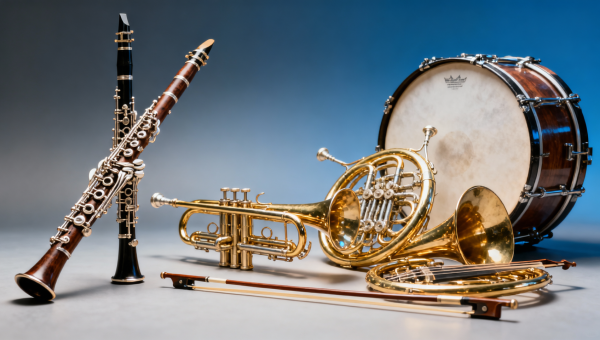
Some musical instruments look impressive on arrival yet fail quickly under real use. For buyers evaluating percussion instruments, wind instruments, string instruments, keyboard instruments, and orchestral instruments, appearance alone is never enough. This guide explains how to identify weak materials, unreliable assembly, and hidden durability risks across music stands, instrument cables, pro audio equipment, and other music accessories before they become costly sourcing mistakes.
Why good-looking musical instruments often fail in commercial use
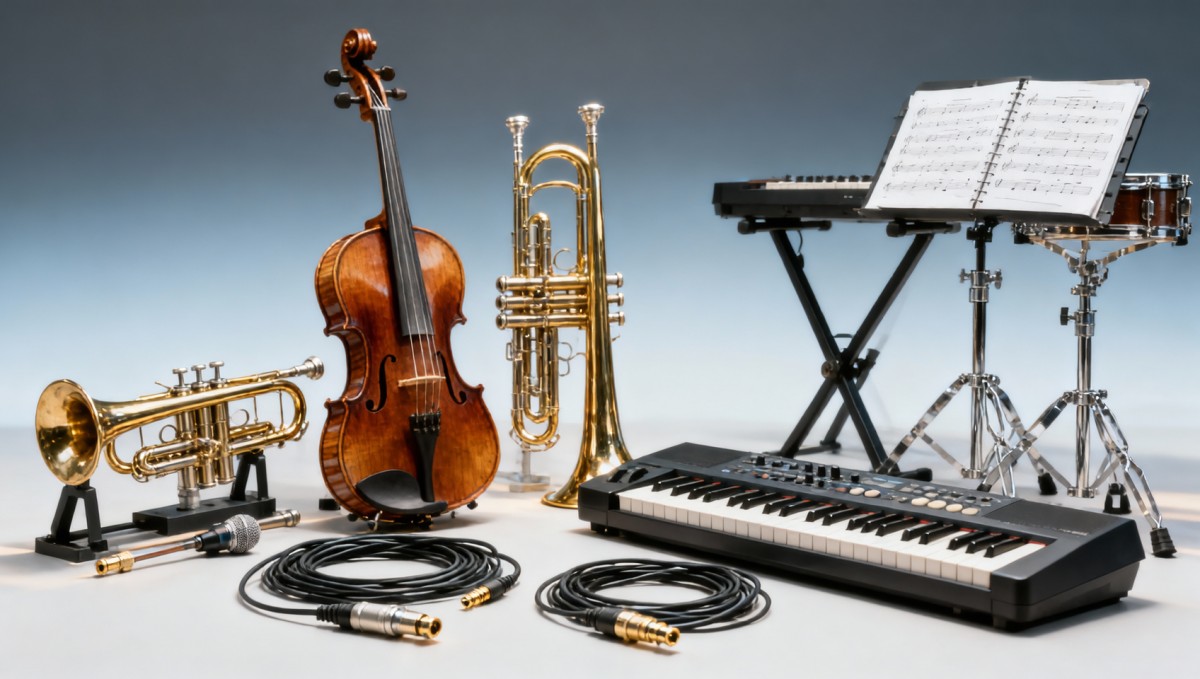
In the sports and entertainment sector, visual appeal matters. A glossy finish, polished hardware, or premium packaging can help a product sell to schools, performance venues, resorts, event operators, and retail distributors. Yet in B2B purchasing, the real test starts after delivery. Instruments may look flawless in a showroom, then develop tuning instability, warped bodies, loose joints, or electrical failure within 3–6 months of routine use.
This gap between appearance and service life is especially costly for procurement teams. A buyer does not only replace one defective unit. They face repeat freight, complaint management, downtime, after-sales disputes, and brand damage across multiple channels. For distributors and project buyers sourcing in small, medium, or bulk quantities, durability is a margin issue as much as a quality issue.
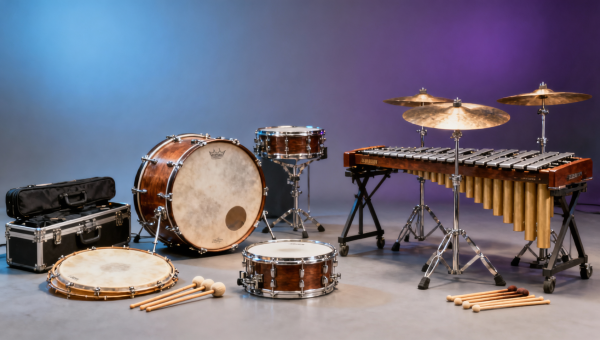
The highest-risk categories are usually those exposed to frequent handling, vibration, humidity change, and transport stress. That includes student violins, drum hardware, brass instruments, digital keyboards, guitar cables, stage microphones, and foldable music stands. In hospitality and entertainment environments, equipment may be assembled and moved every week, not every quarter, so hidden weaknesses appear fast.
For this reason, experienced buyers assess musical instruments through 3 layers: visible finish, structural integrity, and lifecycle reliability. A product that passes only the first layer may still be a weak sourcing choice. Global Commercial Trade supports this process by helping commercial buyers compare build quality, practical use conditions, and supply-side consistency before placing repeat orders.
Typical reasons instruments wear out faster than expected
- Low-grade raw materials such as soft alloy keys, unstable laminated wood, thin plating, or brittle plastic knobs that degrade after repeated adjustment.
- Weak assembly control, including uneven glue application, poor soldering, loose rivets, and imprecise alignment that becomes obvious after 20–50 hours of use.
- Cosmetic enhancement masking basic flaws, for example thick lacquer covering rough wood preparation or decorative fittings hiding inconsistent machining tolerance.
- Mismatch between product grade and use scenario, such as entry-level instruments being supplied into schools, rental fleets, or performance venues with high daily handling frequency.
A useful sourcing rule is simple: if the supplier highlights color, finish, and packaging first but avoids discussing joint strength, hardware cycles, wiring durability, replacement parts, or climate tolerance, the buyer should slow down and investigate further.
What to inspect before you approve a musical instrument order
A reliable inspection process should cover both the instrument and the supporting accessories. In many failed orders, the body survives but the bridge shifts, the stand collapses, the cable shielding breaks, or the case hardware fails first. That is why commercial buyers usually review 5 key checkpoints before confirming a production run or container booking.
The table below helps procurement teams identify where attractive products can hide short service life. It is especially useful for dealer evaluation, OEM/ODM review, and import risk screening across percussion instruments, string instruments, wind instruments, and keyboard instruments.
This comparison shows why sample approval should never rely on appearance alone. A sourcing team should request handling tests, component lists, and packaging details together. If a supplier cannot explain expected wear points or spare-part availability for the next 12–24 months, the risk profile is already visible.
Five practical checks for buyers and distributors
- Test repeated movement. Open stands, pedal systems, foldable frames, or latches at least 20 times to identify early looseness.
- Check edge finishing by touch. Rough frets, sharp metal corners, or burrs often indicate rushed finishing and weak process control.
- Inspect hidden points. Remove covers where possible and review screws, solder joints, washers, springs, and reinforcement plates.
- Review packaging endurance. Instruments in export trade should tolerate handling across 7–15 days of transport and multiple loading stages.
- Ask for replacement planning. For commercial channels, availability of pads, strings, plugs, tuners, and connectors matters almost as much as the initial build.
These checks do not require a lab. They require a disciplined review process. That is often where informed buyers outperform price-led buyers and avoid fast-wear inventory entering institutional, hospitality, or retail channels.
How wear risks differ by instrument category and usage scenario
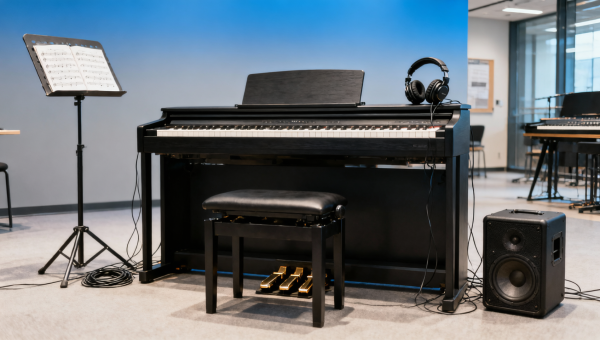
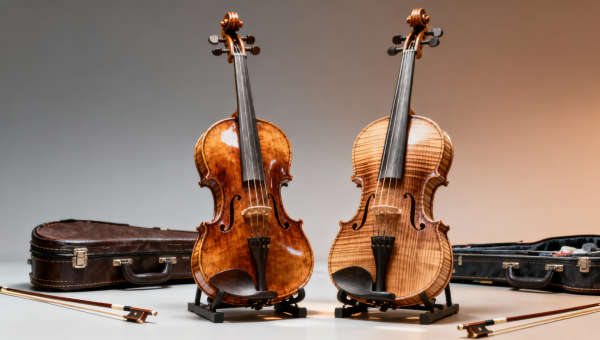
Not all musical instruments fail in the same way. A string instrument may suffer from humidity and bridge instability, while a drum stand fails at joints and leg clamps. A keyboard instrument may show switch wear or keybed inconsistency after high-frequency use. Buyers should therefore match the inspection method to the actual application scenario instead of using one generic checklist.
This matters in commercial entertainment settings. Instruments placed in hotels, education spaces, leisure venues, cruise entertainment rooms, rehearsal studios, or rental programs often face more frequent handling than instruments sold for occasional home use. A unit used 5 days per week should not be sourced by the same standard as a unit used twice per month.
Category-specific wear patterns
For procurement planning, this table helps separate cosmetic acceptability from operational suitability. A distributor may accept a decorative finish variation on a low-turn retail item, but a venue operator cannot accept repeated pedal or stand failure during active use. The sourcing decision changes when uptime becomes the priority.
Scenario-based sourcing advice
For hotels, cruise entertainment rooms, and event venues, choose instruments and music accessories designed for repeated setup and takedown. Hardware stability, cable shielding, and compact protective packaging should rank above decorative details. A 2–4 week delivery window is only useful if the products can handle weekly use once installed.
For schools and institutions, prioritize easy maintenance and part replacement. Student environments create high wear through handling rather than advanced performance demands. Pegs, pads, tuners, straps, cases, and stands should all be reviewed as replaceable service components, not disposable extras.
For distributors and agents, the key issue is repeat complaint control. Products with low return visibility at arrival may still produce channel friction after 30–90 days. That makes aging behavior, packaging resilience, and batch consistency critical to long-term account performance.
Procurement guide: material, compliance, packaging, and supplier assessment
A strong buying decision is not built on a sample alone. It combines technical review, packaging review, compliance screening, and supplier communication quality. In commercial trade, the safest approach is to evaluate 4 decision blocks together: material integrity, production consistency, transport protection, and document transparency.
For materials, buyers should ask whether the wood is properly seasoned, whether metal parts are plated or solid, whether connectors use dependable strain relief, and whether the finish can tolerate regular cleaning. For accessories such as music stands and cables, load range and bend resistance should be discussed in real use terms, not just catalog language.
For compliance, requirements depend on destination market and product type. Electrical accessories and powered equipment may need market-specific documentation. Packaging for international shipments should also be reviewed for drop resistance, moisture protection, and carton labeling consistency. Even when formal certification is not mandatory for every item, document discipline is a good indicator of supplier reliability.
A practical supplier evaluation framework
- Request a bill of key components for parts that usually fail first, such as tuners, pads, springs, jacks, pedals, clamps, or cable connectors.
- Confirm standard lead time ranges such as 15–30 days for samples and 30–60 days for volume production, depending on category complexity and customization.
- Ask whether spare parts and matching accessories can be supplied in follow-up orders over 12 months or longer.
- Review export packaging structure, including inner protection, carton strength, moisture barriers, and mixed-load handling if instruments ship with stands or audio accessories.
- Check response quality. Suppliers who answer with dimensions, materials, cycle concerns, and replacement options are usually easier to manage after the sale.
Global Commercial Trade is valuable in this stage because buyers often need more than a factory list. They need sourcing intelligence that connects product appearance, operational use, buyer risk, and supplier credibility in one commercial view. That is especially important when comparing multiple factories across pro audio and musical instruments for cross-border projects.
Common purchasing mistakes that increase fast-wear risk
The first mistake is approving by photo or short video only. Many flaws in action, tension, alignment, and structural fit do not appear visually. The second is focusing only on unit price without considering return rate, replacement logistics, and channel reputation cost. The third is treating accessories as minor items when they often trigger the earliest complaints.
Another mistake is ordering commercial-use quantities from consumer-grade construction. In entertainment and institutional environments, repeated handling changes the requirement baseline. What looks acceptable in a single demo may fail under 6 months of steady use. Buyers should define the intended duty cycle before the quotation stage, not after installation.
FAQ and next-step planning for commercial buyers
Before finalizing a sourcing decision, buyers usually still have practical questions around durability, lead time, replacement support, and cost balance. The answers below are designed for information researchers, purchasing teams, business evaluators, and distributors comparing musical instruments, music accessories, and pro audio-related products for commercial use.
How can I tell if a musical instrument sample is too cosmetic-focused?
Look for imbalance in the supplier presentation. If the discussion centers on finish colors, logo placement, and packaging design but avoids hardware grade, wear points, spare parts, or cycle testing, caution is justified. A dependable sample review should cover at least 5 checks: material, alignment, moving parts, packaging, and maintenance support.
What is a reasonable lead time for evaluating durability before bulk purchase?
For standard categories, buyers often need 7–15 days to review a sample physically, then another 1–2 weeks for internal comparison, especially when testing multiple suppliers. If the product includes electrical accessories or custom packaging, allow extra review time for compliance documents, connector fit, and shipping protection.
Are lower-cost alternatives always a bad choice?
Not always. Lower-cost instruments can work for low-frequency retail sales, entry-level education, or promotional use, but only if the buyer understands the expected duty cycle. The real problem comes when low-cost construction is used in rental fleets, school rotation, event venues, or hospitality environments where handling frequency is much higher.
Which accessories deserve the closest attention in a musical instrument order?
Music stands, instrument cables, pedals, power adapters, cases, and clamps often generate complaints faster than the main instrument body. These items face repeated movement, load, bending, and packing stress. In many commercial orders, the accessory failure rate becomes visible earlier than the instrument failure rate.
Why work with Global Commercial Trade for musical instrument sourcing decisions
Commercial buyers do not need generic product descriptions. They need sourcing insight that helps them compare product durability, packaging logic, supplier responsiveness, and market fit across real operating conditions. Global Commercial Trade is built for that requirement, with focused coverage across pro audio and musical instruments inside a broader commercial experiences framework.
If you are screening instruments that look premium but may wear out fast, GCT can support a more disciplined buying process. That includes parameter confirmation, category comparison, supplier shortlisting, packaging review, lead-time evaluation, OEM/ODM discussion, destination-market compliance consideration, and sample strategy planning for institutional or entertainment projects.
For procurement personnel, business evaluators, and distributors, this means fewer assumptions and better pre-order clarity. You can use GCT to assess whether a supplier is suitable for small-batch testing, medium-volume channel supply, or larger project-driven purchasing. This is especially useful when balancing budget limits against complaint risk and replacement cost.
Contact GCT if you need support on musical instrument selection, accessory matching, expected delivery cycles, sample review priorities, packaging standards for export handling, or quotation comparison across multiple suppliers. Clear early-stage evaluation usually saves far more than it costs, especially when the alternative is buying instruments that look fine on day one but wear out too fast in real commercial use.
Search News
Hot Articles
Popular Tags
Need ExpertConsultation?
Connect with our specialized leisureengineering team for procurementstrategies.
Recommended News
 Apr 20, 2026Music Accessories Often Overlooked Until They Start Causing ProblemsMusic accessories often cause hidden issues across musical instruments, percussion instruments, wind instruments, string instruments, keyboard instruments, orchestral instruments, music stands, instrument cables, and pro audio equipment.● Pro Audio Engineer
 Apr 20, 2026When Orchestral Instruments Need Custom Cases and Why It MattersMusical instruments and orchestral instruments need custom cases to protect string instruments, wind instruments, percussion instruments, and keyboard instruments during transport. Learn when buyers should upgrade for safer logistics.● Pro Audio Engineer
 Apr 20, 2026Keyboard Instruments in 2026: What Features Are Becoming Standard?Keyboard instruments in 2026 are redefining musical instruments with smarter connectivity, durable builds, and seamless integration with pro audio equipment, instrument cables, music stands, and music accessories.● Pro Audio Engineer
 Apr 20, 2026Music Stands With Folding Designs: Convenient or Less Reliable?Music stands buyers compare folding convenience with long-term reliability across musical instruments, percussion instruments, wind instruments, string instruments, and pro audio equipment.● Pro Audio Engineer
 Apr 20, 2026String Instruments With Better Tuning Stability in Busy Use CyclesExplore string instruments with better tuning stability for busy venues. Compare musical instruments, percussion instruments, and wind instruments to source reliable, low-maintenance performance solutions.● Pro Audio Engineer
 Apr 20, 2026Why Wind Instruments React So Differently to Climate and StorageWind instruments react fast to climate and storage. Compare musical instruments, percussion instruments, string instruments, and music accessories to cut maintenance risk and buy smarter.● Pro Audio Engineer
 Apr 20, 2026Percussion Instruments for Shared Spaces: What Reduces Noise Most?Percussion instruments for shared spaces: discover what reduces noise most across musical instruments, with smart comparisons to wind instruments, string instruments, keyboard instruments, and practical accessories.● Pro Audio Engineer
 Apr 20, 2026How to Spot Musical Instruments That Look Fine but Wear Out FastDiscover how to spot musical instruments that look premium but wear out fast. Learn key checks for percussion instruments, wind instruments, string instruments, keyboard instruments, music stands, instrument cables, pro audio equipment, and music accessories before you buy.● Pro Audio Engineer
 Apr 20, 2026Music Accessories That Quietly Affect Daily Performance QualityExplore how music accessories shape daily performance quality—from music stands and instrument cables to pro audio equipment for musical instruments, percussion instruments, wind instruments, string instruments, and keyboard instruments.● Pro Audio Engineer
 Apr 20, 2026Orchestral Instruments With the Highest Repair RatesExplore which orchestral instruments have the highest repair rates across wind instruments, string instruments, percussion instruments, and keyboard instruments, with smart buying tips for musical instruments, music accessories, music stands, instrument cables, and pro audio equipment.● Pro Audio Engineer
 Apr 20, 2026Are Keyboard Instruments With Weighted Keys Worth the Extra Cost?Keyboard instruments with weighted keys: discover if the extra cost pays off for musical instruments buyers, with smart tips on music accessories, instrument cables, and pro audio equipment.● Pro Audio Engineer
 Apr 20, 2026Music Stands That Stay Stable on Stage: What Makes the Difference?Music stands for musical instruments: discover what keeps them stable on stage for string instruments, wind instruments, percussion instruments, and keyboard instruments—plus smart buying tips.● Pro Audio Engineer
 Apr 20, 2026String Instruments: Solid Wood or Laminated for Regular Use?String instruments guide for regular use: compare solid wood vs laminated models across musical instruments setups with music accessories, pro audio equipment, and smarter sourcing insights.● Pro Audio Engineer
 Apr 20, 2026Wind Instruments for Schools and Venues: What Affects Longevity?Wind instruments longevity guide for schools and venues: compare musical instruments, percussion instruments, string instruments, and keyboard instruments to source smarter and reduce total cost.● Pro Audio Engineer
 Apr 20, 2026Why Some Percussion Instruments Cost More to Maintain Than ExpectedExplore why percussion instruments can cost more to maintain than expected, and compare musical instruments, orchestral instruments, music accessories, music stands, instrument cables, and pro audio equipment.● Pro Audio Engineer
 Apr 20, 2026Which Musical Instruments Hold Up Best in High-Use Venues?Musical instruments for high-use venues: compare percussion instruments, wind instruments, string instruments, keyboard instruments, music stands, instrument cables, pro audio equipment, and music accessories.● Pro Audio Engineer
 Apr 19, 2026What changed in musical instruments demand in 2026?Musical instruments demand in 2026 is shifting fast across trampoline park and indoor playground projects. Explore trends in percussion instruments, wind instruments, string instruments, and crossover demand from outdoor playground and playground swings.● Pro Audio Engineer
 Apr 19, 2026Why string instruments react so differently to climate changesString instruments react faster to climate changes than percussion instruments or wind instruments. Discover smart sourcing tips for trampoline park, indoor playground, and outdoor playground projects.● Pro Audio Engineer
 Apr 19, 2026String instruments: solid wood or laminate for long-term use?String instruments guide for buyers: compare solid wood vs laminate for long-term use, durability, maintenance, and value across musical instruments, percussion instruments, and wind instruments.● Pro Audio Engineer
 Apr 19, 2026When do wind instruments need repair sooner than expected?Wind instruments need repair sooner in trampoline park and indoor playground venues due to heavy use, humidity, and poor storage. Compare musical instruments, percussion instruments, string instruments, outdoor playground planning, and playground swings with expert sourcing tips.● Pro Audio Engineer
 Apr 19, 2026Wind instruments that handle frequent transport more reliablyWind instruments guide for buyers: compare durable musical instruments for frequent transport, with insights across percussion instruments, string instruments, trampoline park and indoor playground venues.● Pro Audio Engineer
 Apr 19, 2026Common tuning issues with percussion instruments in humid areasPercussion instruments in humid venues can lose tuning fast. Learn how musical instruments perform in trampoline park, indoor playground, and outdoor playground spaces for smarter sourcing.● Pro Audio Engineer
 Apr 19, 2026Percussion instruments with lower upkeep in heavy-use spacesDiscover low-upkeep percussion instruments for trampoline park, indoor playground, and outdoor playground spaces—durable musical instruments that outperform wind instruments, string instruments, and fit playground swings zones.● Pro Audio Engineer
 Apr 19, 2026How to compare musical instruments for school and venue useCompare musical instruments for schools and venues with practical tips on percussion instruments, wind instruments, and string instruments. Ideal for indoor playground, trampoline park, outdoor playground, and playground swings projects.● Pro Audio Engineer