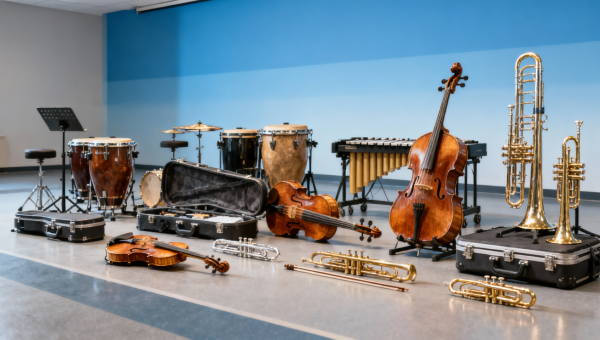
Percussion Instruments for Shared Spaces: What Reduces Noise Most?
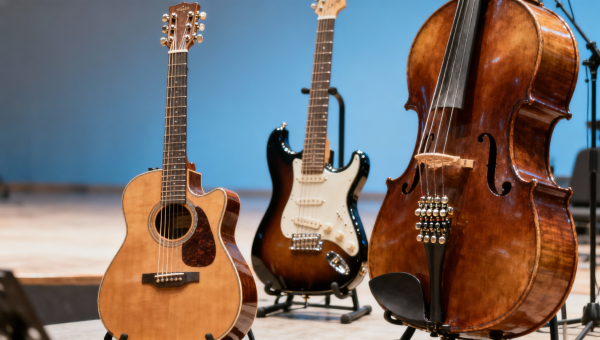
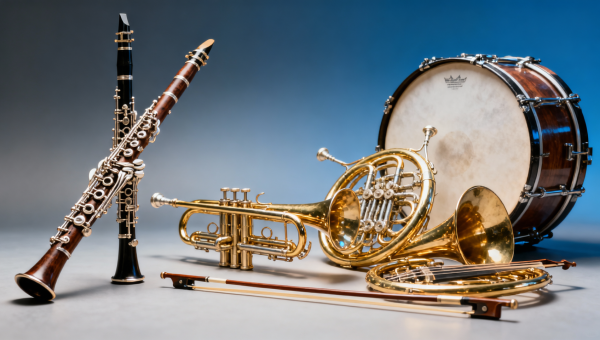
In shared spaces, choosing the right percussion instruments is critical for balancing sound quality, user experience, and noise control. For buyers comparing musical instruments across schools, hotels, studios, and leisure venues, understanding which designs, materials, and accessories reduce impact and resonance most can support smarter sourcing decisions. This guide explores practical noise-reduction factors while positioning percussion options alongside wind instruments, string instruments, keyboard instruments, and other orchestral instruments.
What actually makes percussion instruments noisy in shared spaces?
For procurement teams in sports and entertainment venues, the main issue is not simply volume. Noise from percussion instruments comes from 3 linked sources: the initial strike, the body resonance, and the room reflection. In a school practice room, hotel activity area, mixed-use leisure venue, or compact rehearsal studio, these three layers combine differently. That is why two instruments with similar musical range can create very different disturbance levels.
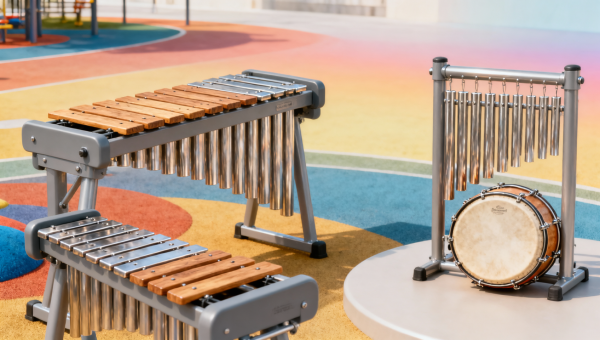
Impact noise is usually highest when hard mallets hit hard playing surfaces such as metal bars, untreated wood blocks, snare rims, or tightly tensioned drumheads. Resonance then extends the audible tail. A tom with long sustain may feel moderate at the hit point but remain intrusive for 2–4 seconds in a reflective room. For shared spaces, that tail often matters more than peak loudness because it carries through walls, corridors, and ceilings.
Commercial buyers should also separate airborne noise from structure-borne vibration. A cajon on a hard floor, a bass drum stand touching a stage platform, or a xylophone frame without damping feet can transfer vibration into the building. In hospitality and educational settings, structure-borne sound is often the harder complaint to solve because guests, students, and neighboring tenants perceive it as thumping rather than music.
When reviewing percussion instruments for shared use, a practical first screen is to assess 4 factors: striking surface hardness, shell or frame material, sustain length, and mounting isolation. This approach is more useful than asking which instrument family is “quietest” in general, because the answer changes by room size, flooring type, user age group, and playing schedule.
The 4 noise drivers buyers should compare first
- Surface hardness: rubber, synthetic practice materials, and softer woods usually produce less sharp attack than steel, brass, or dense hardwood.
- Resonant body design: deeper shells and open frames can project more low-frequency energy, especially in 20–60 square meter rooms.
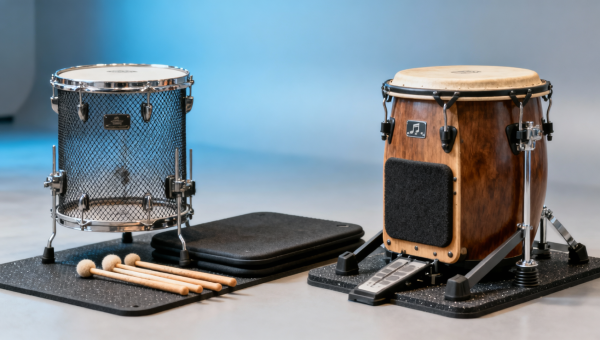
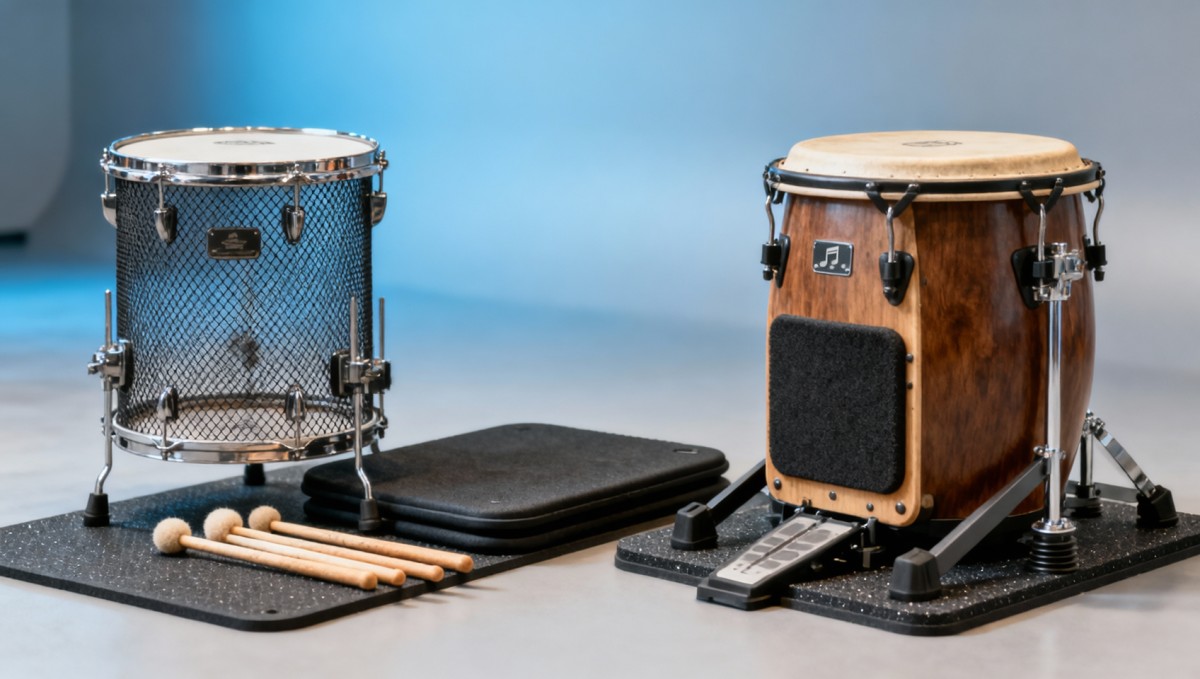
- Accessory choice: soft mallets, mesh heads, damping rings, isolation pads, and low-volume sticks can reduce perceived disturbance without replacing the instrument.
- Installation contact points: floor protectors, stand feet, and platform isolation are essential in multi-level commercial buildings.
Which percussion instrument types reduce noise most?
The quietest percussion instruments for shared spaces are usually practice-oriented designs rather than standard performance models. Low-volume drums with mesh heads, rubber practice pads, muted cajons, and compact classroom percussion with built-in damping tend to perform better than full acoustic drum kits, metal auxiliary percussion, or concert snares. The best choice depends on whether the priority is rhythm training, guest-friendly ambiance, educational group use, or dealer resale potential.
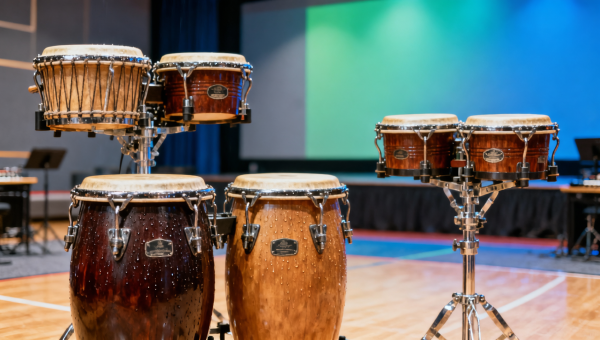
For institutional buyers, it helps to compare instruments by attack profile and resonance behavior. A hand drum with controlled head tension may still be acceptable in a wellness studio or youth activity area if used during scheduled hours. By contrast, triangles, tambourines with metal jingles, and untreated cymbals often create sharp high-frequency peaks that travel easily through open shared environments.
The following table summarizes common percussion categories from a noise-control perspective. These are practical sourcing observations, not absolute loudness ratings. Final outcomes still depend on room treatment, playing technique, and accessory pairing.
For buyers comparing percussion instruments against wind instruments, string instruments, and keyboard instruments, the key takeaway is simple: low-volume percussion products reduce impact best when design and accessories work together. A quiet instrument with poor stand isolation can still disturb adjacent rooms. On the other hand, a moderate instrument paired with damping and a treated floor can perform well in shared commercial environments.
Most effective noise-reduction hierarchy
If the sourcing goal is “reduce noise most,” the usual hierarchy is: mesh or rubber playing surfaces first, softer beaters second, isolated support hardware third, and room treatment fourth. In real projects, combining these 4 layers often brings better results than replacing the entire instrument category. This matters for distributors and purchasing officers managing budgets across small-batch, mid-volume, and multi-site orders.
How do materials, construction, and accessories change percussion noise?
Material selection is one of the most overlooked sourcing decisions. Dense metals and hard laminates generally produce a brighter, longer-carrying attack. Softer polymers, rubberized compounds, mesh fabrics, and selected woods often reduce transient sharpness. For B2B buyers, this means product sheets should not only list dimensions and finish, but also clearly state shell material, bar composition, head type, and whether damping components are included as standard.
Construction details matter just as much. Open-bottom frames, thin shells, and highly tensioned heads may increase projection. Instruments designed for practice or education often use 1–2 built-in control methods such as internal foam, damped contact points, reduced resonance cavities, or quieter stick rebound surfaces. These features are especially relevant in hotels, smart campuses, and mixed-function recreation sites where use can occur across morning, afternoon, and evening time blocks.
Accessories often deliver the fastest improvement with the shortest implementation cycle. In many procurement plans, buyers can upgrade an existing inventory within 7–15 days by adding pads, rings, soft mallets, floor mats, and stand isolators rather than replacing the full set. This is attractive when there are seasonal programming deadlines or distributor commitments already tied to installed stock.
The table below helps buyers compare how design choices influence noise behavior and operational suitability in shared spaces.
For buyers evaluating catalogs from multiple suppliers, the practical question is not whether a percussion instrument sounds good in isolation. It is whether the construction supports controlled operation under real conditions: repeated use, changing users, limited acoustic treatment, and maintenance cycles every quarter or every semester. That is where detailed sourcing support becomes more valuable than a basic product list.
A 5-point technical checklist before shortlisting
- Confirm whether the instrument is intended for practice, classroom, performance, or mixed commercial use.
- Check if damping components are integrated or sold separately.
- Review contact points with floors, racks, and platforms.
- Assess replacement part availability for heads, pads, beaters, and rubber feet.
- Request packaging and transit protection details for international distribution.
Which shared-space scenarios need different percussion sourcing strategies?
A campus rehearsal room, a hotel kids’ activity club, and a leisure venue workshop area should not buy the same percussion setup. In education, the priority is repetitive training and safe handling across 20–40 minute sessions. In hospitality, the goal is controlled engagement without disturbing guestrooms, lobbies, or meeting rooms. In retail-linked entertainment spaces, durability and turnover speed often matter as much as sound quality.
That is why B2B procurement should begin with scenario mapping. Buyers should define 3 core conditions: who will use the instruments, how long each session lasts, and what spaces sit adjacent to the activity zone. This simple framework reduces sourcing mistakes, especially when resellers and agents manage projects across multiple property types with different acoustic risks.
Below is a scenario-based guide to matching quieter percussion instruments to operational needs.
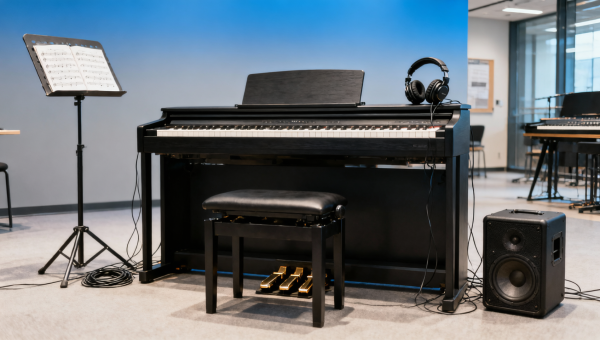
This scenario view is also useful when percussion instruments are sourced as part of a broader package that includes keyboard instruments, string instruments, wind instruments, or other orchestral instruments. In many shared environments, buyers mix quieter percussion with digital keyboards or small ensemble setups to offer musical engagement while reducing building-wide noise exposure.
Common sourcing mistakes in shared environments
Mistake 1: buying performance models for training use
Performance-oriented percussion often projects too strongly for routine practice. A training room used 5 days per week usually benefits from quieter surfaces and simpler maintenance rather than full-stage acoustic response.
Mistake 2: ignoring the floor system
Concrete, timber, raised stage platforms, and upper-floor slabs behave differently. If the flooring type is not specified during inquiry, the selected percussion setup may underperform even when the instrument itself is appropriate.
Mistake 3: focusing only on unit price
A lower-cost instrument can become more expensive if it needs additional damping, more frequent replacement parts, or complaint-driven operational restrictions after installation. Total use cost over 12–24 months is a better B2B measure.
What should procurement teams evaluate before placing an order?
For buyers, distributors, and commercial assessment teams, the most effective approach is a structured evaluation process. Instead of asking only for a catalog, request a decision package covering 5 areas: acoustic behavior, material specification, accessory compatibility, delivery timeline, and applicable compliance information. This reduces revision cycles and supports clearer internal approval.
Typical lead times vary by order type. Standard stock items may move within 7–15 days, while OEM or customized educational and hospitality packages often require 3–6 weeks depending on finish, packaging, and accessory bundling. For dealer channels, sample review before bulk confirmation is especially important when noise control is a selling point.
Where children, students, or public users are involved, buyers should also review general product safety expectations such as edge finishing, coating suitability, hardware stability, and labeling clarity. If products are sold into different regions, packaging documentation and material declarations may become part of the sourcing discussion even when the product category itself is straightforward.
A practical 4-step procurement path helps keep the project measurable and commercially realistic.
- Define the use case: shared room type, adjacent occupancy, session frequency, and user profile.
- Shortlist 2–3 percussion options by noise behavior, not appearance alone.
- Validate accessory bundles, spare parts, packaging, and estimated delivery window.
- Request sample or specification confirmation before mid-volume or multi-site rollout.
FAQ for buyers comparing quiet percussion instruments
How can we reduce noise without replacing all current percussion instruments?
Start with accessories and contact-point control. Soft mallets, damping rings, practice heads, floor mats, and stand isolation often improve results quickly. In many projects, a phased retrofit over 1–2 procurement cycles is more cost-effective than a full inventory replacement.
Are electronic alternatives always better for shared spaces?
Not always. Electronic percussion can reduce airborne sound, but pad impact and pedal vibration may still transfer through floors. They also add power, monitoring, and maintenance needs. In some hospitality or education settings, low-volume acoustic percussion remains the simpler option.
Which procurement detail is most often missed?
Replacement parts planning. Quiet-use instruments still need consumables such as mesh heads, rubber pads, beaters, feet, and fasteners. Buyers should confirm spare-part support for at least the first 12 months of operation.
How many samples should a distributor or institution review?
For a new supplier or new product line, reviewing 2–3 representative models is a practical minimum. This allows comparison across noise behavior, finish quality, and user feel without delaying the project unnecessarily.
Why work with GCT for percussion sourcing in shared commercial environments?
Global Commercial Trade supports buyers who need more than generic product listings. In the pro audio and musical instruments segment, sourcing decisions often involve acoustic trade-offs, commercial deadlines, channel suitability, and compliance expectations across schools, hotels, leisure projects, and specialty retail distribution. That requires curated intelligence, not just price comparison.
For information researchers, procurement officers, business evaluators, and distributors, GCT helps connect product selection with real project conditions. That includes comparing quieter percussion instruments, reviewing OEM or ODM possibilities, checking supply consistency, and aligning instrument choices with broader commercial experience design goals. This is especially valuable when the instrument package must sit alongside other categories such as keyboard instruments, string instruments, wind instruments, and orchestral instruments.
If you are planning a new shared-space music room, updating a hospitality activity area, or building a dealer assortment focused on low-noise percussion instruments, the next step should be specific. Prepare your room type, target user group, expected order volume, and required delivery window. With that information, sourcing discussions become faster and more accurate.
Contact GCT to discuss parameter confirmation, product selection, sample support, delivery timelines, customization options, packaging requirements, and applicable certification or material documentation. For commercial projects, a clear inquiry covering 3–5 priority needs can significantly reduce sourcing risk and help identify the percussion solution that reduces noise most for your shared space.
Search News
Hot Articles
Popular Tags
Need ExpertConsultation?
Connect with our specialized leisureengineering team for procurementstrategies.
Recommended News
 Apr 20, 2026Music Accessories Often Overlooked Until They Start Causing ProblemsMusic accessories often cause hidden issues across musical instruments, percussion instruments, wind instruments, string instruments, keyboard instruments, orchestral instruments, music stands, instrument cables, and pro audio equipment.● Pro Audio Engineer
 Apr 20, 2026When Orchestral Instruments Need Custom Cases and Why It MattersMusical instruments and orchestral instruments need custom cases to protect string instruments, wind instruments, percussion instruments, and keyboard instruments during transport. Learn when buyers should upgrade for safer logistics.● Pro Audio Engineer
 Apr 20, 2026Keyboard Instruments in 2026: What Features Are Becoming Standard?Keyboard instruments in 2026 are redefining musical instruments with smarter connectivity, durable builds, and seamless integration with pro audio equipment, instrument cables, music stands, and music accessories.● Pro Audio Engineer
 Apr 20, 2026Music Stands With Folding Designs: Convenient or Less Reliable?Music stands buyers compare folding convenience with long-term reliability across musical instruments, percussion instruments, wind instruments, string instruments, and pro audio equipment.● Pro Audio Engineer
 Apr 20, 2026String Instruments With Better Tuning Stability in Busy Use CyclesExplore string instruments with better tuning stability for busy venues. Compare musical instruments, percussion instruments, and wind instruments to source reliable, low-maintenance performance solutions.● Pro Audio Engineer
 Apr 20, 2026Why Wind Instruments React So Differently to Climate and StorageWind instruments react fast to climate and storage. Compare musical instruments, percussion instruments, string instruments, and music accessories to cut maintenance risk and buy smarter.● Pro Audio Engineer
 Apr 20, 2026Percussion Instruments for Shared Spaces: What Reduces Noise Most?Percussion instruments for shared spaces: discover what reduces noise most across musical instruments, with smart comparisons to wind instruments, string instruments, keyboard instruments, and practical accessories.● Pro Audio Engineer
 Apr 20, 2026How to Spot Musical Instruments That Look Fine but Wear Out FastDiscover how to spot musical instruments that look premium but wear out fast. Learn key checks for percussion instruments, wind instruments, string instruments, keyboard instruments, music stands, instrument cables, pro audio equipment, and music accessories before you buy.● Pro Audio Engineer
 Apr 20, 2026Music Accessories That Quietly Affect Daily Performance QualityExplore how music accessories shape daily performance quality—from music stands and instrument cables to pro audio equipment for musical instruments, percussion instruments, wind instruments, string instruments, and keyboard instruments.● Pro Audio Engineer
 Apr 20, 2026Orchestral Instruments With the Highest Repair RatesExplore which orchestral instruments have the highest repair rates across wind instruments, string instruments, percussion instruments, and keyboard instruments, with smart buying tips for musical instruments, music accessories, music stands, instrument cables, and pro audio equipment.● Pro Audio Engineer
 Apr 20, 2026Are Keyboard Instruments With Weighted Keys Worth the Extra Cost?Keyboard instruments with weighted keys: discover if the extra cost pays off for musical instruments buyers, with smart tips on music accessories, instrument cables, and pro audio equipment.● Pro Audio Engineer
 Apr 20, 2026Music Stands That Stay Stable on Stage: What Makes the Difference?Music stands for musical instruments: discover what keeps them stable on stage for string instruments, wind instruments, percussion instruments, and keyboard instruments—plus smart buying tips.● Pro Audio Engineer
 Apr 20, 2026String Instruments: Solid Wood or Laminated for Regular Use?String instruments guide for regular use: compare solid wood vs laminated models across musical instruments setups with music accessories, pro audio equipment, and smarter sourcing insights.● Pro Audio Engineer
 Apr 20, 2026Wind Instruments for Schools and Venues: What Affects Longevity?Wind instruments longevity guide for schools and venues: compare musical instruments, percussion instruments, string instruments, and keyboard instruments to source smarter and reduce total cost.● Pro Audio Engineer
 Apr 20, 2026Why Some Percussion Instruments Cost More to Maintain Than ExpectedExplore why percussion instruments can cost more to maintain than expected, and compare musical instruments, orchestral instruments, music accessories, music stands, instrument cables, and pro audio equipment.● Pro Audio Engineer
 Apr 20, 2026Which Musical Instruments Hold Up Best in High-Use Venues?Musical instruments for high-use venues: compare percussion instruments, wind instruments, string instruments, keyboard instruments, music stands, instrument cables, pro audio equipment, and music accessories.● Pro Audio Engineer
 Apr 19, 2026What changed in musical instruments demand in 2026?Musical instruments demand in 2026 is shifting fast across trampoline park and indoor playground projects. Explore trends in percussion instruments, wind instruments, string instruments, and crossover demand from outdoor playground and playground swings.● Pro Audio Engineer
 Apr 19, 2026Why string instruments react so differently to climate changesString instruments react faster to climate changes than percussion instruments or wind instruments. Discover smart sourcing tips for trampoline park, indoor playground, and outdoor playground projects.● Pro Audio Engineer
 Apr 19, 2026String instruments: solid wood or laminate for long-term use?String instruments guide for buyers: compare solid wood vs laminate for long-term use, durability, maintenance, and value across musical instruments, percussion instruments, and wind instruments.● Pro Audio Engineer
 Apr 19, 2026When do wind instruments need repair sooner than expected?Wind instruments need repair sooner in trampoline park and indoor playground venues due to heavy use, humidity, and poor storage. Compare musical instruments, percussion instruments, string instruments, outdoor playground planning, and playground swings with expert sourcing tips.● Pro Audio Engineer
 Apr 19, 2026Wind instruments that handle frequent transport more reliablyWind instruments guide for buyers: compare durable musical instruments for frequent transport, with insights across percussion instruments, string instruments, trampoline park and indoor playground venues.● Pro Audio Engineer
 Apr 19, 2026Common tuning issues with percussion instruments in humid areasPercussion instruments in humid venues can lose tuning fast. Learn how musical instruments perform in trampoline park, indoor playground, and outdoor playground spaces for smarter sourcing.● Pro Audio Engineer
 Apr 19, 2026Percussion instruments with lower upkeep in heavy-use spacesDiscover low-upkeep percussion instruments for trampoline park, indoor playground, and outdoor playground spaces—durable musical instruments that outperform wind instruments, string instruments, and fit playground swings zones.● Pro Audio Engineer
 Apr 19, 2026How to compare musical instruments for school and venue useCompare musical instruments for schools and venues with practical tips on percussion instruments, wind instruments, and string instruments. Ideal for indoor playground, trampoline park, outdoor playground, and playground swings projects.● Pro Audio Engineer