Common tuning issues with percussion instruments in humid areas
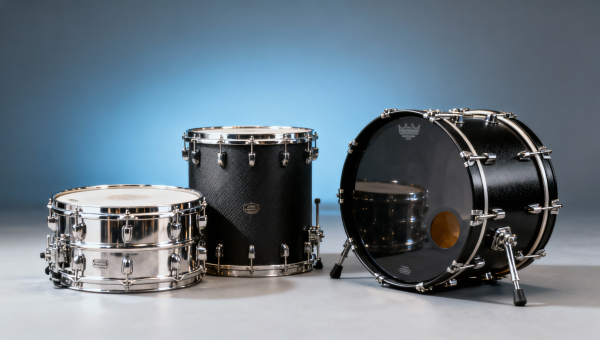
In humid regions, percussion instruments often face unstable pitch, head loosening, and material warping, creating challenges for buyers, dealers, and venue operators. Compared with string instruments and wind instruments, these tuning issues can quickly affect performance quality and maintenance costs. For commercial spaces such as trampoline park venues, indoor playground centers, and other entertainment projects, understanding how humidity impacts musical instruments is essential for smarter sourcing and long-term value.
For B2B buyers in the sports and entertainment sector, percussion tuning is not a niche maintenance issue. It directly affects customer experience, replacement cycles, staff workload, and the perceived quality of music zones, interactive education corners, stage programs, and branded entertainment venues. A drum that loses tension within 24 to 72 hours in a coastal city creates more than an acoustic problem; it creates an operational cost line.
This article examines the most common tuning issues with percussion instruments in humid areas, the materials most exposed to moisture risk, and the practical sourcing criteria that distributors, procurement teams, and commercial evaluators should apply before placing volume orders. The focus is on commercial use environments where uptime, durability, and serviceability matter as much as sound quality.
Why Humidity Creates Tuning Problems in Commercial Percussion Setups
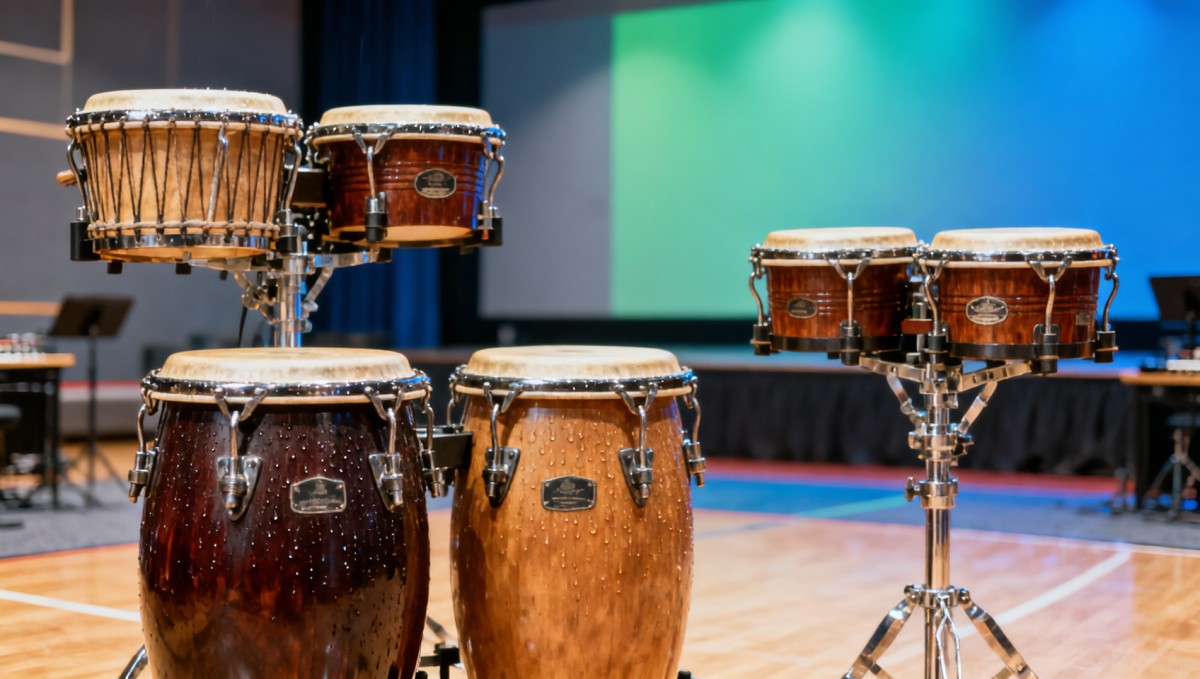
Humidity changes the physical behavior of key percussion components. Drumheads absorb moisture, wooden shells expand, adhesives weaken, and metal hardware can corrode over time. In many entertainment venues, relative humidity above 60% begins to increase tuning instability, while levels above 70% often accelerate loosening, tonal dullness, and uneven tension across the head.
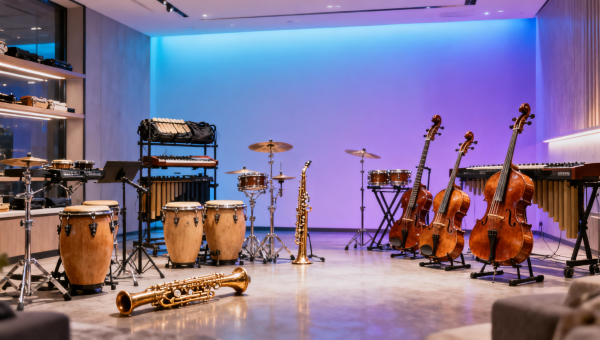
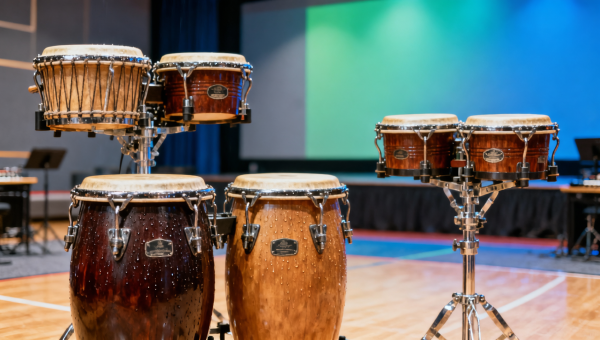
The issue is more visible in hand drums, marching drums, bongos, congas, djembes, and educational percussion kits stored in mixed-use spaces. Venues such as family entertainment centers, indoor playgrounds, and trampoline parks frequently combine music, HVAC cycling, food service, and high foot traffic. That means temperature can shift by 5°C to 10°C within a day, while humidity may rise sharply during weekends or rainy periods.
Unlike a controlled recording studio, commercial leisure venues often prioritize visitor comfort over instrument preservation. As a result, percussion products may be exposed to entrance drafts, condensation near cooling outlets, or storage rooms without dehumidification. These conditions reduce tuning consistency and increase the frequency of retensioning from weekly to daily in severe environments.
Primary moisture-sensitive components
Procurement teams should assess moisture sensitivity at the component level rather than only by brand or price tier. The following parts typically determine whether a percussion instrument remains stable in humid areas:
- Natural skin heads, which can stretch quickly and lose pitch under high moisture exposure.
- Wood shells made from softer or less stabilized timber, which may warp or shift bearing edge contact.
- Lugs, hoops, and tension rods without adequate surface protection, increasing corrosion risk within 6 to 18 months.
- Glue joints in budget percussion products, especially in imported educational sets with variable storage history.
For distributors and resellers, these details matter because warranty claims in humid markets often stem from material mismatch rather than user misuse. A lower-cost drum may appear commercially attractive at the ordering stage but generate a higher service burden over a 12-month operating period.
Most Common Tuning Issues and How They Affect Venue Operations
The most frequent complaint in humid regions is pitch drift. A percussion instrument may be tuned correctly during installation yet sound noticeably lower by the next day. This is common in natural-head drums and in synthetic heads with weak collar construction. In high-use entertainment spaces, repeated retuning can add 15 to 30 minutes of staff labor per instrument each week.
A second issue is uneven tension. Moisture does not always affect the entire drumhead equally. One quadrant may absorb more moisture, especially if the instrument is stored near a wall, window, or cooling duct. The result is inconsistent attack, reduced resonance, and a sound that may be described by customers as “flat,” “boxy,” or “out of balance.”
A third problem is shell distortion or bearing edge inconsistency. This tends to emerge over longer cycles, usually after several months of poor climate exposure. When the shell shape changes even slightly, the head no longer seats evenly. At that point, tuning becomes difficult regardless of technician skill, and the instrument may require parts replacement or full retirement from commercial use.
Operational symptoms buyers should watch
Before a tuning issue becomes a replacement issue, venue teams usually notice a pattern of operational warning signs. These symptoms can be documented during product trials, incoming inspection, or dealer service visits.
The key takeaway is that tuning instability is rarely a single-point fault. In humid entertainment environments, it is usually a combination of head material, shell construction, storage conditions, and maintenance discipline. Buyers evaluating total cost of ownership should therefore look beyond unit price and include service time, replacement frequency, and user satisfaction.
Short-term vs. long-term damage
Short-term issues such as temporary pitch drop may be managed through retensioning and controlled storage. Long-term issues, including shell warping, rusted lugs, and weakened glue lines, typically require component replacement. For high-traffic venues operating 6 or 7 days per week, the difference between those two categories has direct budget consequences.
Material Selection: Which Percussion Designs Perform Better in Humid Areas
Material selection is one of the most important sourcing decisions for humid markets. Buyers often compare acoustic tone first, but commercial resilience should come earlier in the evaluation process. For installations in Southeast Asia, coastal Latin America, island resorts, or subtropical indoor entertainment projects, synthetic and treated materials generally offer more predictable tuning behavior over a 9- to 18-month usage window.
Natural skin heads can provide warm tonal character, especially in premium cultural or performance settings. However, they are significantly more vulnerable to moisture. Synthetic heads usually recover faster after climate fluctuation and require less frequent adjustment. Similarly, multi-ply stabilized wood or composite shells tend to perform more consistently than low-density untreated wood in environments where humidity changes daily.
For commercial entertainment venues, the best choice is often not the most traditional instrument but the one that balances tone, resilience, and serviceability. This is particularly relevant for buyers building music engagement zones where staff members are not trained percussion technicians.
Comparative sourcing view
The table below provides a practical comparison for buyers choosing percussion instruments for humid operating conditions.
For procurement teams, the decision should align with expected use intensity. If the instrument will be handled by guests, moved frequently, and stored overnight in mixed-climate rooms, synthetic heads and corrosion-resistant hardware usually deliver a better service ratio. If the instrument is part of a curated performance program, buyers may accept higher tuning maintenance in exchange for tonal authenticity.
Recommended specification checkpoints
- Request information on head type, shell material, and hardware finish before comparing quotations.
- Check whether replacement heads and lug components are available within a 2- to 6-week supply window.
- Ask how the product is packed for sea shipment, especially if transit may last 20 to 45 days.
- Prefer models with simple tuning access if venue staff will manage routine maintenance.
Procurement Criteria for Buyers, Dealers, and Entertainment Project Evaluators
A strong purchasing decision starts with use-case mapping. A percussion instrument for a hotel lounge trio, a rhythm game area inside a family entertainment center, and a children’s music activity room do not face the same humidity exposure or handling pattern. Buyers should define at least 4 criteria before RFQ comparison: climate risk, use frequency, user skill level, and service support expectations.
Commercial buyers should also evaluate maintenance intervals. If a product requires tuning every 2 to 3 days in a humid venue, the apparent savings from a lower procurement cost may disappear within one quarter. For dealers and distributors, a product that reduces after-sales calls has stronger long-term channel value, even when initial landed cost is moderately higher.
Another overlooked factor is stock standardization. Projects with 10, 20, or 50 percussion units across multiple locations benefit when heads, rods, and accessories are interchangeable. This reduces spare-parts complexity and shortens service time during peak season.
Commercial evaluation matrix
The matrix below can help sourcing teams compare models in a more structured way.
The most reliable sourcing approach is to request a climate-oriented sample review rather than a showroom-only evaluation. If possible, place sample units in a target environment for 2 to 4 weeks, monitor tension drift, and log maintenance actions. This produces more useful procurement evidence than a single-day acoustic demonstration.
Four common buyer mistakes
- Choosing solely by tone at first play, without testing retention over time.
- Ignoring spare-parts lead time until the first tuning-related failure occurs.
- Mixing too many non-compatible models across one entertainment project.
- Assuming all “indoor use” products are suitable for high-humidity indoor leisure spaces.
Maintenance, Storage, and Service Protocols That Reduce Tuning Drift
Even the right percussion product can underperform without a basic climate management routine. In humid areas, simple protocols can reduce tuning loss and delay structural damage. The goal is not to create a recording-studio environment, but to keep instruments within a manageable humidity band, ideally around 45% to 55% RH where practical for storage rooms.
For commercial venues, storage discipline matters as much as product choice. Instruments should not be left directly against exterior walls or under cold air discharge points. Elevated racks, breathable covers, and scheduled tuning checks often reduce emergency service needs. In multi-site operations, a monthly checklist can produce more stable results than ad hoc maintenance.
Procurement managers should also confirm whether venue teams have access to tuning tools, spare heads, and basic instruction sheets. A missing wrench or lack of tightening sequence knowledge can turn a minor moisture issue into premature component damage.
Practical humidity-control steps
- Use digital hygrometers in instrument rooms and track RH at least 2 times per day during rainy seasons.
- Rotate instruments so the same units are not constantly exposed to entrance humidity or outdoor loading zones.
- Retune in small increments using a star or cross pattern rather than tightening one side aggressively.
- Schedule head inspection every 30 to 60 days for commercial-use drums with frequent public interaction.
- Replace visibly corroded rods or damaged lugs before they begin affecting uniform tension.
For dealers and service partners, offering a preventive maintenance bundle can be commercially valuable. Many buyers prefer a package that includes initial setup, 90-day inspection, and spare-parts planning. This approach supports better asset life and reduces urgent replacement orders during busy operating periods.
FAQ for commercial buyers
How often should percussion instruments be retuned in humid venues?
In moderate humidity, weekly checks may be enough for synthetic-head instruments. In coastal or rainy environments above 70% RH, high-use units may need inspection every 2 to 3 days. Natural skin models usually require more frequent attention.
Are synthetic heads always better for humid entertainment projects?
Not always, but they are often the more practical commercial option. If the project prioritizes low maintenance, guest interaction, and stable performance across multiple venues, synthetic heads generally provide better consistency. Natural heads remain suitable for specialized performance settings with active technician support.
What should distributors ask suppliers before ordering for humid markets?
Ask about head material, shell stabilization, hardware finish, spare-parts availability, packing method, and recommended storage conditions. Also request expected maintenance intervals and whether replacement components can ship within a commercially acceptable lead time, such as 2 to 6 weeks.
For buyers, distributors, and venue operators in the sports and entertainment sector, humidity-related percussion tuning issues should be treated as a sourcing and lifecycle management topic, not just a technical nuisance. Stable tuning depends on material choice, climate exposure, hardware quality, and maintenance planning. Instruments selected for humid commercial environments should be evaluated on retention, durability, parts support, and ease of service.
Global Commercial Trade supports commercial decision-makers with practical sourcing insight across pro audio and musical instruments for real-world leisure and entertainment projects. If you are comparing percussion options for humid venues, planning multi-site procurement, or assessing supplier capability, contact us to get tailored product guidance, sourcing support, and solution recommendations for your market.
Search News
Hot Articles
Popular Tags
Need ExpertConsultation?
Connect with our specialized leisureengineering team for procurementstrategies.
Recommended News
 Apr 19, 2026What changed in musical instruments demand in 2026?Musical instruments demand in 2026 is shifting fast across trampoline park and indoor playground projects. Explore trends in percussion instruments, wind instruments, string instruments, and crossover demand from outdoor playground and playground swings.● Pro Audio Engineer
 Apr 19, 2026Why string instruments react so differently to climate changesString instruments react faster to climate changes than percussion instruments or wind instruments. Discover smart sourcing tips for trampoline park, indoor playground, and outdoor playground projects.● Pro Audio Engineer
 Apr 19, 2026String instruments: solid wood or laminate for long-term use?String instruments guide for buyers: compare solid wood vs laminate for long-term use, durability, maintenance, and value across musical instruments, percussion instruments, and wind instruments.● Pro Audio Engineer
 Apr 19, 2026When do wind instruments need repair sooner than expected?Wind instruments need repair sooner in trampoline park and indoor playground venues due to heavy use, humidity, and poor storage. Compare musical instruments, percussion instruments, string instruments, outdoor playground planning, and playground swings with expert sourcing tips.● Pro Audio Engineer
 Apr 19, 2026Wind instruments that handle frequent transport more reliablyWind instruments guide for buyers: compare durable musical instruments for frequent transport, with insights across percussion instruments, string instruments, trampoline park and indoor playground venues.● Pro Audio Engineer
 Apr 19, 2026Common tuning issues with percussion instruments in humid areasPercussion instruments in humid venues can lose tuning fast. Learn how musical instruments perform in trampoline park, indoor playground, and outdoor playground spaces for smarter sourcing.● Pro Audio Engineer
 Apr 19, 2026Percussion instruments with lower upkeep in heavy-use spacesDiscover low-upkeep percussion instruments for trampoline park, indoor playground, and outdoor playground spaces—durable musical instruments that outperform wind instruments, string instruments, and fit playground swings zones.● Pro Audio Engineer
 Apr 19, 2026How to compare musical instruments for school and venue useCompare musical instruments for schools and venues with practical tips on percussion instruments, wind instruments, and string instruments. Ideal for indoor playground, trampoline park, outdoor playground, and playground swings projects.● Pro Audio Engineer
 Apr 19, 2026Why some musical instruments lose value faster in storageMusical instruments lose value in storage for clear reasons. Learn how string instruments, wind instruments, and percussion instruments compare, with smart insights for trampoline park, indoor playground, outdoor playground, and playground swings buyers.● Pro Audio Engineer
 Apr 18, 2026String instruments bow hair replacement: Frequency myths vs workshop dataString instruments bow hair replacement data debunks myths—critical for trampoline parks, indoor playgrounds, adventure playgrounds & luxury venues.● Pro Audio Engineer
 Apr 18, 2026Musical instruments shipping damage: Why padded cases aren’t always enoughMusical instruments shipping damage hits trampoline parks, indoor playgrounds & luxury venues hard—padded cases aren’t enough. Discover why—and how to protect percussion, wind & string instruments.● Pro Audio Engineer
 Apr 17, 2026String instruments setup costs: What’s included—and what’s notString instruments setup costs revealed—what’s included (nut/saddle, intonation, climate acclimation) and hidden fees for trampoline parks, indoor playgrounds, arcade games & more.● Pro Audio Engineer
 Apr 17, 2026Wind instruments for beginners: Why student models vary so much in resale valueWind instruments for beginners: Discover why student models' resale value varies wildly—key insights for trampoline parks, indoor playgrounds, luxury hotels & more.● Pro Audio Engineer
 Apr 17, 2026Percussion instruments durability: How humidity affects touring gearPercussion instruments durability under humidity is critical for trampoline parks, indoor playgrounds & adventure playgrounds—discover proven resilience strategies.● Pro Audio Engineer
 Apr 17, 2026Musical instruments for schools: Why secondhand wind instruments need extra checksMusical instruments for schools: Essential checks for secondhand wind instruments—plus trampoline park, indoor playground & arcade games sourcing.● Pro Audio Engineer
 Apr 17, 2026Music accessories for schools: Why durability beats brand name every timeMusic accessories for schools demand commercial-grade durability—not just brand names. Discover why resilience beats recognition in playground borders, sensory playgrounds, and educational supplies.● Pro Audio Engineer
 Apr 16, 2026Orchestral instrument cases rated for airline cargo handlingAirline-certified orchestral instruments cases for secure global transport—engineered alongside luxury furniture, music stands, DJ equipment & custom jewelry.● Pro Audio Engineer
 Apr 16, 2026Keyboard instruments with low-latency MIDI integrationDiscover premium keyboard instruments with ultra-low-latency MIDI integration—engineered for offices, campuses & luxury retail. Includes music stands, orchestral instruments, DJ equipment & more.● Pro Audio Engineer
 Apr 16, 2026Music stands compatible with both printed and tablet scoresPremium music stands for printed scores & tablets—engineered for orchestral instruments, keyboard instruments, and pro audio. Luxury furniture-grade build, ADA-compliant, EN 13150 certified.● Pro Audio Engineer
 Apr 15, 2026Orchestral instruments made for touring durabilityOrchestral instruments built for touring durability — rugged, compliant & precision-engineered. Also explore music stands, keyboard instruments, luxury furniture, DJ equipment and more.● Pro Audio Engineer
 Apr 15, 2026Keyboard instruments with built-in serviceability featuresKeyboard instruments with built-in serviceability features—engineered for longevity, low TCO, and seamless integration alongside luxury furniture, orchestral instruments, and DJ equipment.● Pro Audio Engineer
 Apr 15, 2026Music stands that won’t wobble during live rehearsalsStable, professional music stands for orchestral instruments, keyboard instruments & DJ equipment—engineered to eliminate wobble. Luxury-grade durability meets precision design.● Pro Audio Engineer
 Apr 15, 2026Music accessories built for touring — not just studio useMusic accessories built for touring—durable, portable & safety-certified for hotels, sensory playgrounds, and commercial venues. Discover OEM/ODM solutions meeting playground safety, hotel tables, and amusement equipment standards.● Pro Audio Engineer
 Apr 13, 2026Instrument cases that survive airline cargo—tested durability vs. marketing claimsInstrument cases built for airline cargo abuse—real-tested durability vs. marketing hype. Also covers stage equipment, microphone systems, contract furniture, hospitality furniture, outdoor play structures, playground installation, commercial playgrounds, and trampoline park manufacturer solutions.● Pro Audio Engineer