Wind instruments that handle frequent transport more reliably
For buyers comparing musical instruments for demanding commercial use, transport durability is a critical factor. Among wind instruments, build quality, case protection, and maintenance needs often determine long-term value more than price alone. Whether sourcing for schools, performance venues, or distributors handling percussion instruments and string instruments, understanding which designs withstand frequent movement can reduce damage, downtime, and replacement costs.
In B2B purchasing, transport reliability is not a minor feature. It affects warranty claims, service intervals, stock turnover, and the total cost of ownership over 3 to 5 years. For institutions moving instruments between rehearsal rooms, buses, event halls, and storage areas 2 to 6 times per week, even small weaknesses in keywork, joints, plating, or case construction can create repeated operating losses.
This guide examines which wind instruments typically handle frequent transport more reliably, what structural details matter most, and how procurement teams can compare options for schools, rental fleets, touring programs, and regional distribution. The goal is practical selection: fewer repairs, steadier playability, and more predictable lifecycle planning.
Why transport durability matters in commercial wind instrument sourcing

Wind instruments are precision products with moving parts, fitted joints, pads, springs, and finishes that react differently to impact, pressure, humidity, and temperature change. In commercial settings, transport stress is cumulative. A clarinet moved in a van every weekend for 40 weeks a year faces a different risk profile than one used in a fixed studio.
For procurement personnel, the main issue is not only breakage after a single accident. More often, the problem is gradual loss of regulation. Slightly bent keys, loosened screws, warped pads, or damaged tenon corks can affect tuning and response long before an instrument becomes unusable. That means hidden service costs, not just visible replacement events.
Commercial buyers should evaluate transport reliability through 4 dimensions: body material stability, vulnerability of external mechanisms, quality of the supplied case, and maintenance sensitivity after repeated handling. These factors often explain why two instruments at similar price points perform very differently after 12 to 24 months of field use.
Common transport stress points
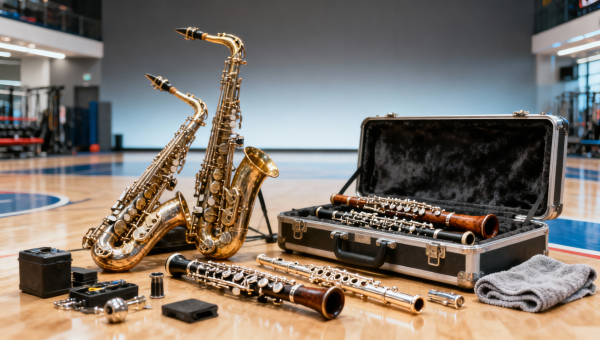
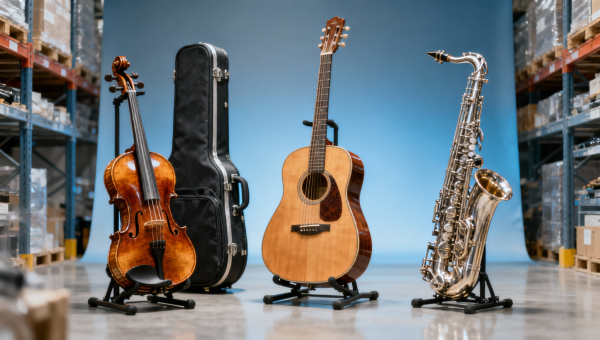
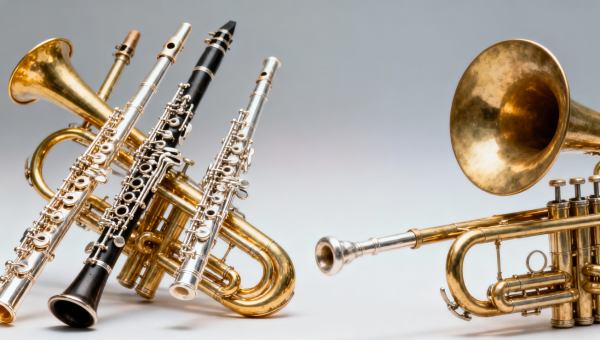
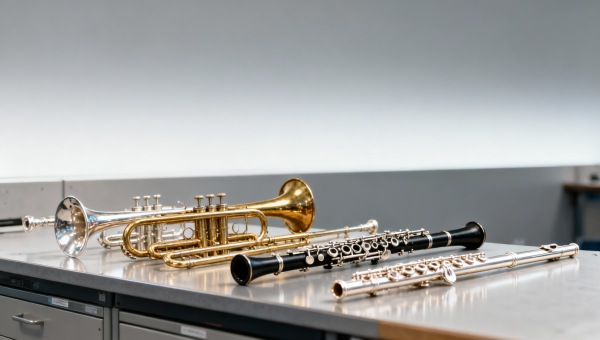
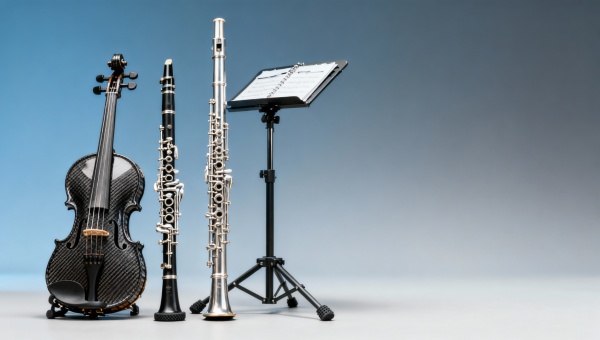
The most frequent damage points vary by instrument family. Saxophones often suffer from bent key guards and misaligned rods. Flutes are vulnerable at the headjoint-body connection and keywork. Clarinets can develop cracked bodies in dry climates if the material is unstable, while brass wind instruments such as trumpets and trombones often show dents that impair airflow or slide performance.
The table below summarizes the practical transport risks that buyers should review before approving multi-unit orders for education, rental, or performance use.
A useful conclusion for buyers is that transport durability depends on both instrument construction and support ecosystem. A moderately priced instrument with a rigid molded case and stable parts supply may outperform a higher-priced model supplied with weak packaging and slow service access.
Which wind instruments usually travel better under frequent movement
Not all wind instruments respond equally to repeated transport. In general, brass instruments with compact bodies and fewer exposed precision mechanisms tend to tolerate movement better than woodwinds with delicate key systems. However, design details matter. A well-built student clarinet may outlast a poorly protected brass unit in heavy school circulation.
For fleets that travel weekly, trumpets often rank among the more reliable choices because their compact form reduces leverage stress, and their valve systems are relatively contained when packed properly. Alto saxophones can also perform well commercially, but only if the neck, octave mechanism, and key guards are protected by a case that prevents side pressure during loading and unloading.
Clarinets deserve special attention. Many buyers assume they are fragile because of their keywork and jointed body, yet durable synthetic or composite bodies can be highly practical in transit-heavy programs. In contrast, natural grenadilla or similar wood bodies may demand tighter humidity management, especially if moved between air-conditioned indoor storage and dry transport conditions several times per month.
Relative transport reliability by instrument category
The comparison below reflects common commercial use patterns rather than absolute rankings. It helps buyers screen instruments for institutional programs, rental inventory, and regional distribution networks.
A practical rule is to match the instrument to the transport environment. If handling is shared across students or temporary staff, simpler and more robust designs usually reduce service events. If transport is controlled by trained musicians and protective logistics, more delicate instruments can still be viable.
Shortlist guidance for buyers
- Choose compact brass units for programs with 3 to 5 transport cycles per week and mixed user skill levels.
- Prefer composite or resin clarinets for humid-dry climate variation greater than seasonal indoor control.
- Approve saxophones only when the case supports the neck, bell, and lower key stack without internal movement.
- Use flutes in managed environments where staff can inspect case fit and key alignment at least once per term or rental cycle.
Construction details that separate reliable instruments from fragile inventory
When commercial buyers compare wind instruments, the most important durability markers are often hidden in construction details rather than marketing descriptions. Body material, post mounting, key arm thickness, soldered brace quality, and pad seating consistency all influence how well the instrument keeps regulation after travel. A polished finish alone says little about transport performance.
For woodwinds, inspect the rigidity of keywork and the precision of hinge tubes and rods. Excessive side play at delivery can become a service issue within 6 to 12 months in shared-use programs. For brass, review the strength of braces, the fit of valves or slides, and whether the bell section is exposed to side compression when cased.
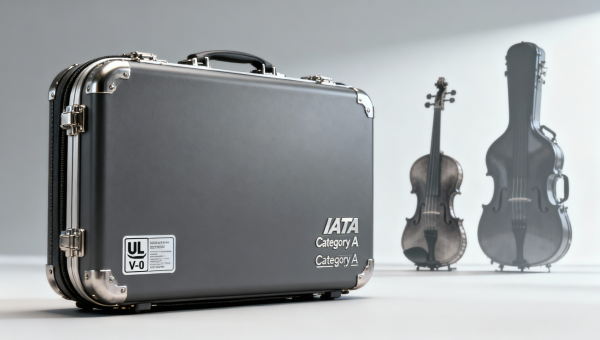
Case quality is equally important. In many commercial failures, the instrument itself is acceptable but the case allows internal movement, transfers impact directly to keys, or lacks reinforcement around corners. Buyers should consider case design part of the instrument package, not an accessory that can be ignored during evaluation.
Technical checkpoints before bulk purchase
A structured inspection process helps reduce surprises in multi-unit sourcing. Procurement teams can use the following checklist during sample review and supplier comparison.
- Check body alignment, joint fit, and key stability after a controlled pack-unpack cycle repeated 10 to 20 times.
- Verify that the case holds the instrument without lateral movement greater than a small visible shift during gentle handling.
- Assess whether common wear items such as pads, corks, springs, valve felts, or slide grease points are easy to service locally.
- Confirm spare parts availability for at least 24 months, especially for school or rental fleet programs.
- Review supplier packaging for export transit, including corner protection, carton layering, and moisture-control measures where relevant.
Materials and practical implications
Silver-plated brass, nickel silver, ABS resin, ebonite-style composites, and treated wood each offer different balances of tone, serviceability, and transport tolerance. In demanding logistics environments, buyers often prioritize stable geometry and repair practicality over prestige materials. That approach is especially useful for boarding schools, municipal programs, and dealer rental channels where user control is limited.
Another key point is maintenance sensitivity. An instrument that requires expert adjustment after every moderate impact creates more operational burden than one that tolerates minor handling errors. For commercial inventories, service intervals of 6 to 12 months are typically easier to manage than frequent corrective work after each event cycle.
Procurement criteria for schools, venues, distributors, and rental programs
Different buyers define reliability differently. A school may focus on low repair frequency across 30 to 100 units. A venue may prioritize readiness and consistent response before performances. A distributor may need lower return rates and easier after-sales support across several regions. Because of this, transport durability should be measured against the operating model, not in isolation.
For school and training use, standardization is valuable. Instruments that share similar maintenance parts and repair procedures reduce technician time and simplify stocking. For distributors and agents, reliable packaging and predictable carton dimensions can improve pallet planning and lower transit claims during cross-border shipment.
For performance venues, readiness time matters. If an instrument needs 20 to 30 minutes of adjustment after transport, it is less reliable in business terms than a unit that stays stable through repeated load-in and load-out cycles. That is why pre-purchase evaluation should include handling simulation, not only showroom inspection.
Buyer decision matrix
The matrix below helps commercial teams match instrument type and procurement priority to actual business conditions.
This matrix shows that the most reliable wind instrument is not always the same for every buyer. The best commercial choice is the one that keeps service disruption low within a specific operating environment, budget structure, and user profile.
Questions buyers should ask suppliers
- What inspection steps are completed before shipping, and how many checkpoints are recorded?
- Does the standard case protect keys, neck joints, and exposed braces during stacking and vehicle movement?
- What wear parts are commonly replaced within the first 12 months under institutional use?
- How quickly can replacement parts or service guidance be supplied across export markets?
Implementation, maintenance planning, and common buyer mistakes
A durable wind instrument still requires an operating plan. Many commercial losses come from poor handling protocols rather than weak manufacturing alone. If cases are stacked carelessly, if humidity exposure is ignored, or if users transport assembled instruments between rooms, repair frequency rises regardless of purchase quality. For institutions, a 3-step handling protocol can reduce preventable issues significantly.
Maintenance planning should begin at the sourcing stage. Buyers should assign basic inspections at delivery, after the first 30 to 60 days of use, and at regular intervals such as each term, tour block, or rental return. This approach catches small alignment problems before they become costly pad, valve, or body repairs.
Another common mistake is overvaluing headline price and undervaluing service continuity. An instrument that saves 8% on unit cost but doubles repair frequency over 2 years rarely improves commercial outcomes. Downtime, technician labor, replacement logistics, and customer dissatisfaction quickly erase the initial price advantage.
Practical handling and service framework
- Unpack and inspect all keywork, joints, valves, and case supports immediately on receipt.
- Train users and staff to transport instruments only in fitted cases and never in partially assembled form.
- Schedule preventive checks every 6 months for high-use fleets, or every 9 to 12 months for controlled venue stock.
- Record recurring faults by model category so future sourcing decisions reflect actual lifecycle performance.
FAQ for commercial buyers
How should buyers compare durability if supplier specifications are limited?
Request a physical sample, evaluate case retention, test pack-unpack cycles, and inspect moving parts after repeated handling. In many cases, 15 to 20 handling repetitions reveal more than a static product sheet.
Are woodwind instruments always less transport-reliable than brass?
Not always. Brass often tolerates impact better, but well-built synthetic clarinets and carefully cased saxophones can perform reliably in institutional use. The real comparison should include climate exposure, user behavior, and case quality.
What delivery and support factors matter for distributors?
Focus on carton protection, spare parts availability for 24 months or more, and a clear process for handling transit claims within agreed response windows. After-sales structure is part of transport reliability.
What is the safest strategy for mixed inventories that include wind, percussion instruments, and string instruments?
Use category-specific packing rules, avoid one-size-fits-all storage carts, and train staff on instrument-specific weak points. Shared logistics without category control usually increases preventable damage across all music product lines.
For commercial buyers, the most reliable wind instruments for frequent transport are usually those that combine stable construction, protected mechanics, strong case design, and manageable maintenance intervals. In practice, compact brass models, well-cased alto saxophones, and synthetic-body clarinets often offer strong durability value when matched to the right operating environment.
GCT supports buyers, evaluators, distributors, and sourcing teams with practical guidance for selecting musical instruments that perform better in real commercial circulation, not just in catalog comparisons. If you are building stock for schools, venues, retail channels, or cross-border distribution, contact us to discuss sourcing criteria, request a tailored shortlist, or explore more solutions for transport-resilient instrument procurement.
Search News
Hot Articles
Popular Tags
Need ExpertConsultation?
Connect with our specialized leisureengineering team for procurementstrategies.
Recommended News
 Apr 19, 2026What changed in musical instruments demand in 2026?Musical instruments demand in 2026 is shifting fast across trampoline park and indoor playground projects. Explore trends in percussion instruments, wind instruments, string instruments, and crossover demand from outdoor playground and playground swings.● Pro Audio Engineer
 Apr 19, 2026Why string instruments react so differently to climate changesString instruments react faster to climate changes than percussion instruments or wind instruments. Discover smart sourcing tips for trampoline park, indoor playground, and outdoor playground projects.● Pro Audio Engineer
 Apr 19, 2026String instruments: solid wood or laminate for long-term use?String instruments guide for buyers: compare solid wood vs laminate for long-term use, durability, maintenance, and value across musical instruments, percussion instruments, and wind instruments.● Pro Audio Engineer
 Apr 19, 2026When do wind instruments need repair sooner than expected?Wind instruments need repair sooner in trampoline park and indoor playground venues due to heavy use, humidity, and poor storage. Compare musical instruments, percussion instruments, string instruments, outdoor playground planning, and playground swings with expert sourcing tips.● Pro Audio Engineer
 Apr 19, 2026Wind instruments that handle frequent transport more reliablyWind instruments guide for buyers: compare durable musical instruments for frequent transport, with insights across percussion instruments, string instruments, trampoline park and indoor playground venues.● Pro Audio Engineer
 Apr 19, 2026Common tuning issues with percussion instruments in humid areasPercussion instruments in humid venues can lose tuning fast. Learn how musical instruments perform in trampoline park, indoor playground, and outdoor playground spaces for smarter sourcing.● Pro Audio Engineer
 Apr 19, 2026Percussion instruments with lower upkeep in heavy-use spacesDiscover low-upkeep percussion instruments for trampoline park, indoor playground, and outdoor playground spaces—durable musical instruments that outperform wind instruments, string instruments, and fit playground swings zones.● Pro Audio Engineer
 Apr 19, 2026How to compare musical instruments for school and venue useCompare musical instruments for schools and venues with practical tips on percussion instruments, wind instruments, and string instruments. Ideal for indoor playground, trampoline park, outdoor playground, and playground swings projects.● Pro Audio Engineer
 Apr 19, 2026Why some musical instruments lose value faster in storageMusical instruments lose value in storage for clear reasons. Learn how string instruments, wind instruments, and percussion instruments compare, with smart insights for trampoline park, indoor playground, outdoor playground, and playground swings buyers.● Pro Audio Engineer
 Apr 18, 2026String instruments bow hair replacement: Frequency myths vs workshop dataString instruments bow hair replacement data debunks myths—critical for trampoline parks, indoor playgrounds, adventure playgrounds & luxury venues.● Pro Audio Engineer
 Apr 18, 2026Musical instruments shipping damage: Why padded cases aren’t always enoughMusical instruments shipping damage hits trampoline parks, indoor playgrounds & luxury venues hard—padded cases aren’t enough. Discover why—and how to protect percussion, wind & string instruments.● Pro Audio Engineer
 Apr 17, 2026String instruments setup costs: What’s included—and what’s notString instruments setup costs revealed—what’s included (nut/saddle, intonation, climate acclimation) and hidden fees for trampoline parks, indoor playgrounds, arcade games & more.● Pro Audio Engineer
 Apr 17, 2026Wind instruments for beginners: Why student models vary so much in resale valueWind instruments for beginners: Discover why student models' resale value varies wildly—key insights for trampoline parks, indoor playgrounds, luxury hotels & more.● Pro Audio Engineer
 Apr 17, 2026Percussion instruments durability: How humidity affects touring gearPercussion instruments durability under humidity is critical for trampoline parks, indoor playgrounds & adventure playgrounds—discover proven resilience strategies.● Pro Audio Engineer
 Apr 17, 2026Musical instruments for schools: Why secondhand wind instruments need extra checksMusical instruments for schools: Essential checks for secondhand wind instruments—plus trampoline park, indoor playground & arcade games sourcing.● Pro Audio Engineer
 Apr 17, 2026Music accessories for schools: Why durability beats brand name every timeMusic accessories for schools demand commercial-grade durability—not just brand names. Discover why resilience beats recognition in playground borders, sensory playgrounds, and educational supplies.● Pro Audio Engineer
 Apr 16, 2026Orchestral instrument cases rated for airline cargo handlingAirline-certified orchestral instruments cases for secure global transport—engineered alongside luxury furniture, music stands, DJ equipment & custom jewelry.● Pro Audio Engineer
 Apr 16, 2026Keyboard instruments with low-latency MIDI integrationDiscover premium keyboard instruments with ultra-low-latency MIDI integration—engineered for offices, campuses & luxury retail. Includes music stands, orchestral instruments, DJ equipment & more.● Pro Audio Engineer
 Apr 16, 2026Music stands compatible with both printed and tablet scoresPremium music stands for printed scores & tablets—engineered for orchestral instruments, keyboard instruments, and pro audio. Luxury furniture-grade build, ADA-compliant, EN 13150 certified.● Pro Audio Engineer
 Apr 15, 2026Orchestral instruments made for touring durabilityOrchestral instruments built for touring durability — rugged, compliant & precision-engineered. Also explore music stands, keyboard instruments, luxury furniture, DJ equipment and more.● Pro Audio Engineer
 Apr 15, 2026Keyboard instruments with built-in serviceability featuresKeyboard instruments with built-in serviceability features—engineered for longevity, low TCO, and seamless integration alongside luxury furniture, orchestral instruments, and DJ equipment.● Pro Audio Engineer
 Apr 15, 2026Music stands that won’t wobble during live rehearsalsStable, professional music stands for orchestral instruments, keyboard instruments & DJ equipment—engineered to eliminate wobble. Luxury-grade durability meets precision design.● Pro Audio Engineer
 Apr 15, 2026Music accessories built for touring — not just studio useMusic accessories built for touring—durable, portable & safety-certified for hotels, sensory playgrounds, and commercial venues. Discover OEM/ODM solutions meeting playground safety, hotel tables, and amusement equipment standards.● Pro Audio Engineer
 Apr 13, 2026Instrument cases that survive airline cargo—tested durability vs. marketing claimsInstrument cases built for airline cargo abuse—real-tested durability vs. marketing hype. Also covers stage equipment, microphone systems, contract furniture, hospitality furniture, outdoor play structures, playground installation, commercial playgrounds, and trampoline park manufacturer solutions.● Pro Audio Engineer