Percussion instruments with lower upkeep in heavy-use spaces
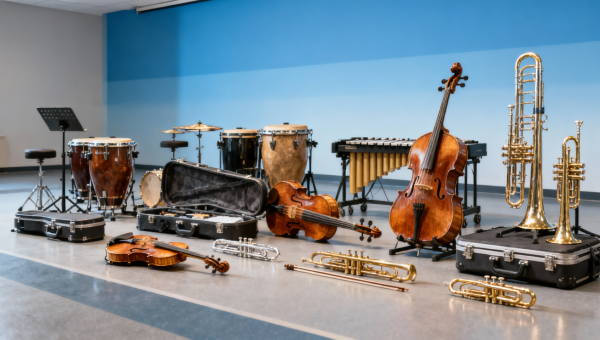
In heavy-use venues such as a trampoline park, indoor playground, or outdoor playground, choosing durable musical instruments is essential for lower maintenance costs and consistent guest experience. Among percussion instruments, wind instruments, and string instruments, buyers evaluating playground swings, activity zones, or family entertainment spaces need practical options that balance sound quality, safety, and long-term commercial value.
For procurement teams, distributors, and commercial project evaluators, the question is not simply which instrument sounds best on day one. The more important issue is which percussion instruments can withstand 8–12 hours of daily public use, repeated impact, outdoor exposure, and limited staff attention without frequent repairs or unsafe wear.
In the sports and entertainment sector, musical play equipment often operates inside mixed-use zones where motion, noise, moisture, and high touch frequency are constant. That makes upkeep a purchasing variable as important as unit price. A lower-cost instrument that needs weekly tuning or monthly parts replacement can quickly become more expensive than a premium, low-maintenance option.
This guide focuses on percussion instruments with lower upkeep in heavy-use spaces, especially for family entertainment centers, trampoline parks, playgrounds, leisure parks, and hospitality-linked recreation areas. It outlines practical selection criteria, material considerations, maintenance expectations, and sourcing checkpoints that support better long-term commercial decisions.
Why percussion instruments outperform other categories in public recreation spaces
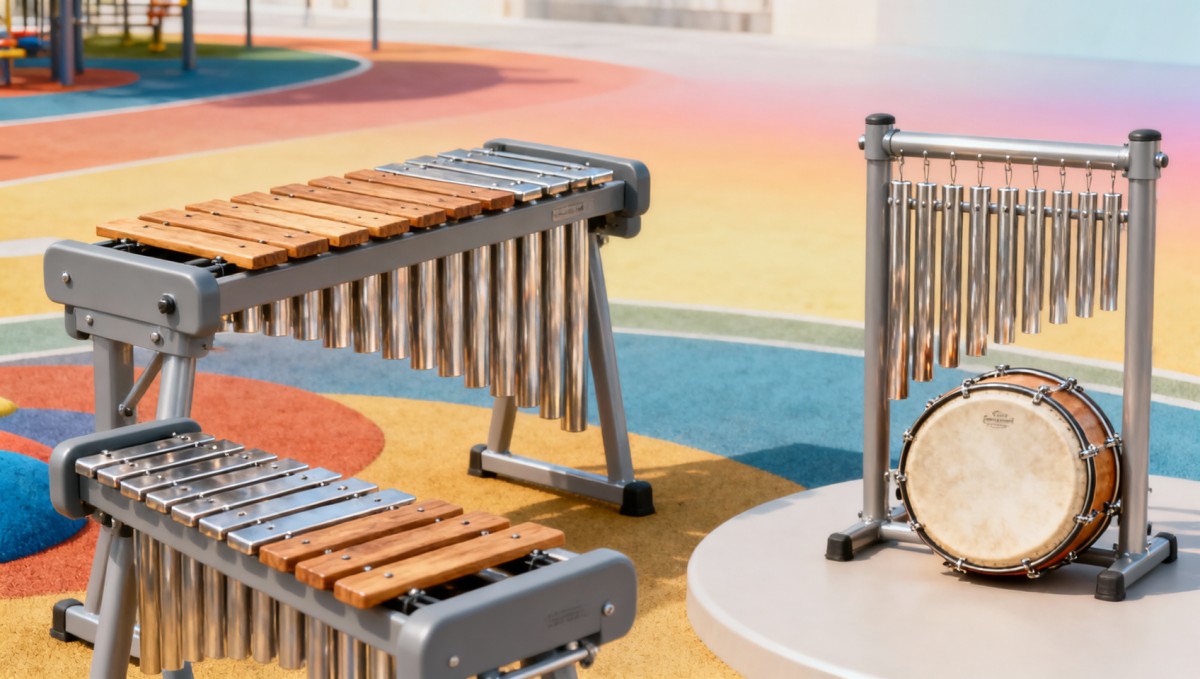
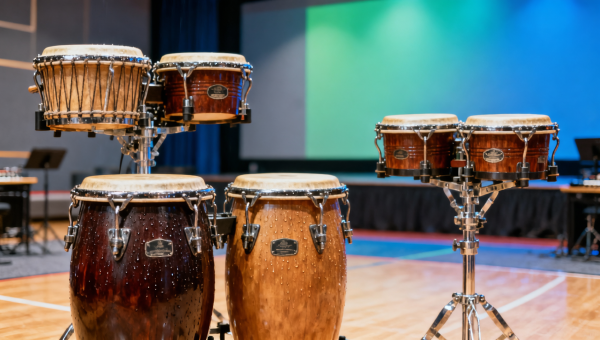
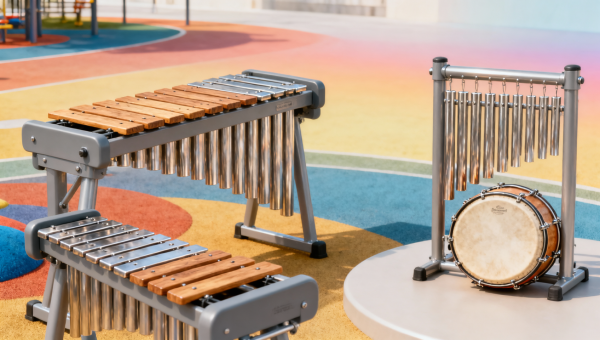
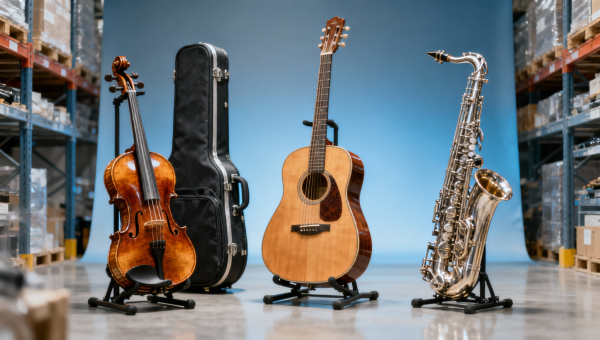
In commercial entertainment environments, percussion instruments generally outperform wind and string instruments because they require fewer fine adjustments and tolerate public misuse better. A public xylophone, hand drum, chime panel, or tongue drum can remain functional after thousands of strikes, while strings may detune and wind components can collect debris or moisture within days.
For operators managing 1,000 to 5,000 weekly visitors, the lowest-upkeep instruments are usually those with no reeds, no internal air channels, and no exposed tuning pegs. The fewer moving parts an instrument has, the lower the risk of breakage, vandalism, and operational downtime. This is especially relevant in unsupervised or semi-supervised play zones.
Percussion designs also fit multi-age use better. Children aged 3–12, teenagers, and even adult guests can interact with them immediately, without instruction. In heavy-use venues, this reduces misuse caused by forced technique. A hit surface, mounted key, or fixed resonant tongue creates a predictable user action and a more durable equipment lifecycle.
Operational reasons buyers prioritize low-upkeep percussion
From a B2B procurement standpoint, lower upkeep means fewer labor hours, more predictable spare-part planning, and less disruption to guest flow. In a venue with 20–40 interactive stations, even one extra 15-minute service task per unit each week can create a meaningful maintenance burden over a 12-month cycle.
- Fixed-pitch percussion usually requires inspection rather than tuning, reducing specialist labor.
- Mounted instruments with sealed components handle outdoor dust, spilled drinks, and humidity better.
- Non-electronic percussion eliminates battery management, wiring faults, and power interruptions.
- High-visibility wear points make daily safety checks faster for frontline staff.
These advantages explain why percussion instruments are common in music gardens, sensory playgrounds, and open recreation zones. They support broad participation while helping operators control maintenance frequency to monthly or quarterly intervals instead of weekly adjustments.
Best low-maintenance percussion types for trampoline parks, playgrounds, and family entertainment centers
Not all percussion products perform equally in heavy-use spaces. Buyers should distinguish between educational classroom instruments and commercial-grade installations engineered for public traffic. The best commercial options are usually wall-mounted, post-mounted, or integrated into structured play areas with tamper-resistant fasteners and weather-stable finishes.
The table below compares common percussion categories by upkeep level, commercial suitability, and typical use conditions. These ranges reflect common market practice rather than brand-specific claims, and they help narrow sourcing discussions before requesting technical drawings or samples.
The strongest candidates are typically chime panels, fixed-key xylophones, and robust tongue drums. These products combine intuitive play with relatively low service needs. Synthetic-head drums can also work well, but procurement teams should verify whether the drum head is field-replaceable within 10–20 minutes and whether rim protection reduces edge damage.
What makes a percussion instrument commercially durable
Commercial-grade durability usually comes from three design choices: stable materials, protected strike zones, and secure mounting. Stainless steel, powder-coated aluminum, HDPE side panels, and UV-resistant polymers are common in outdoor or semi-outdoor installations because they tolerate temperature swings, cleaning chemicals, and repeated impact better than untreated wood or light consumer plastics.
Minimum features worth requesting from suppliers
- Tamper-resistant hardware suitable for public installation.
- Rounded edges and enclosed joints to reduce injury risk.
- UV-stable finish for 12-month outdoor exposure cycles.
- Mallet tethers rated for repeated use or easy replacement.
- Surface materials that can be cleaned in less than 5 minutes per unit.
For trampoline parks and indoor family venues, noise management is also important. Buyers should ask about tonal output and strike response, especially if the instrument sits within 5–10 meters of reception, café seating, or waiting lounges. Lower upkeep should never come at the cost of creating disruptive acoustic spill.
How to evaluate materials, maintenance cycles, and total cost of ownership
A sound procurement decision looks beyond purchase price. In heavy-use entertainment spaces, total cost of ownership includes cleaning time, replacement frequency, spare-part availability, downtime risk, and the labor needed for routine inspections. A unit that costs 15% more initially may still be the better investment if it cuts service visits by half over 24 months.
Material choice has the biggest effect on upkeep. Outdoor-rated aluminum and stainless steel usually resist corrosion and impact better than lower-grade sheet metal. Synthetic striking surfaces generally keep performance consistency better than natural skins or untreated timber in spaces exposed to moisture, sunscreen, spilled beverages, or wide temperature changes.
The table below gives a practical framework for comparing maintenance-related variables during sourcing reviews. It can be used by procurement managers, distributors, or project specifiers when reviewing quotations from 3 or more suppliers.
A useful rule is to estimate annual touchpoints. If an instrument receives 200 interactions per day, it may exceed 70,000 touchpoints per year. At that level, fastening systems, coating durability, and impact resistance matter more than decorative appearance alone. Procurement teams should therefore ask for service-life expectations in real public-use conditions rather than showroom performance.
Common cost mistakes in entertainment venue sourcing
One common mistake is choosing instruments designed for supervised music education instead of free-play public environments. Another is underestimating replacement logistics. If a mallet set or strike component requires overseas replenishment with a 6–8 week lead time, a small failure can disable a unit during peak season. Buyers should build spare-part availability into the initial negotiation.
It is also wise to request installation guidance early. Improper anchoring, incorrect ground interface, or poorly planned spacing can increase vibration, loosen fittings, and accelerate wear. In active play spaces, placing instruments at transition points rather than collision paths often improves both guest flow and product lifespan.
Specification checklist for procurement teams, distributors, and project evaluators
A structured specification process reduces sourcing risk, especially when multiple stakeholders are involved. In a typical sports and entertainment project, the buyer may include procurement staff, operations managers, designers, safety reviewers, and local distributors. Each group needs different information, so suppliers should be evaluated against a consistent checklist rather than only price and appearance.
For most heavy-use spaces, the specification process should cover 4 core dimensions: durability, safety, serviceability, and user experience. These dimensions can be reviewed during quotation comparison, sample approval, and pre-installation planning. A disciplined review can prevent costly mismatches between venue traffic patterns and instrument design.
Four-step evaluation process
- Define the use intensity: estimate users per day, age profile, indoor or outdoor placement, and supervision level.
- Review technical construction: materials, mounting method, replaceable parts, and cleaning compatibility.
- Validate commercial support: MOQ, lead time, packaging, installation guidance, and spare-part response time.
- Assess guest experience: tonal quality, acoustic impact, accessibility, and fit with the surrounding play concept.
Distributors and agents should also check how easy the product is to explain and service locally. A commercially attractive percussion range should allow straightforward replacement of wear items, simple inspection routines, and clear product segmentation by site type. This matters when building long-term dealer confidence, especially across public parks, schools, leisure resorts, and family recreation chains.
Practical specification points to request in writing
- Recommended age range and expected user capacity per installation zone.
- Cleaning method and acceptable detergent exposure frequency.
- Installation surface requirements such as concrete base, posts, or wall integration.
- Typical lead time, often 3–8 weeks for standard configurations.
- Parts list for the first 12 months of operation.
If the venue includes both quiet and active zones, buyers may need two percussion profiles: lower-volume melodic instruments near seating areas, and more robust impact-driven units near high-energy circulation paths. That zoning approach often improves guest comfort while preserving interactive value across the site.
Installation, maintenance planning, and common sourcing mistakes
Even the best low-maintenance percussion instrument can underperform if installation and upkeep planning are weak. In high-traffic sports and entertainment venues, maintenance should be designed as part of operations from the start. That means mapping access for cleaning, confirming replacement procedures, and training staff to identify early wear before it becomes a safety or downtime issue.
A practical maintenance plan usually includes 3 levels: daily visual checks, monthly hardware and surface inspections, and quarterly functional review. Daily checks can be completed in 2–3 minutes per unit and focus on visible cracks, loose fixings, sharp edges, or missing mallets. Monthly checks go deeper into strike surfaces, tether wear, and mounting stability.
Typical post-installation routine
- Daily: quick visual check before opening and after peak hours.
- Weekly: wipe-down using approved cleaner, remove dirt buildup around mounts.
- Monthly: inspect fasteners, impact points, and accessory wear items.
- Quarterly: review tonal consistency, structural movement, and replacement needs.
One sourcing mistake is treating musical play equipment as decorative rather than interactive infrastructure. If the expected contact frequency is high, buyers should avoid lightweight, purely aesthetic models. Another mistake is overlooking site-specific exposure. Outdoor beachfront properties, for example, demand stronger corrosion resistance than sheltered indoor leisure areas, even when visitor numbers are lower.
Project teams should also ask how quickly common service parts can be shipped. For commercial operators, a support window of 7–21 days for normal spare parts is far more practical than open-ended timelines. Where possible, order a small starter kit of mallets, tethers, caps, or fasteners with the main shipment to reduce service interruptions during the first operating year.
FAQ for commercial buyers
Which percussion instruments are best for unsupervised public areas?
Chime panels, fixed-key xylophones, and robust tongue drums are typically the safest starting point. They have fewer vulnerable components than frame drums or adjustable instruments and usually perform well with monthly inspection cycles in moderate to heavy public use.
How long is a typical procurement and delivery cycle?
For standard commercial models, sourcing and production often take 3–8 weeks, with shipping varying by destination and project size. Custom colors, branded integration, or OEM adaptation can extend the schedule by another 2–4 weeks, so buyers should align the instrument package with the broader fit-out timeline.
What should distributors prioritize when building a product line?
Prioritize products with clear use cases, simple replacement parts, and reliable documentation. Dealers benefit most from percussion ranges that cover at least 3 common environments: outdoor playgrounds, indoor entertainment centers, and hospitality family zones. This broadens market reach without creating an overly complex service burden.
For buyers seeking lower upkeep in heavy-use spaces, percussion instruments remain the most commercially practical choice. The best results usually come from fixed-pitch, durable, easy-clean formats built with public-use materials and supported by realistic spare-part planning. When procurement decisions account for traffic intensity, maintenance cycles, acoustic fit, and service logistics, operators can improve guest experience while controlling long-term operational cost.
Global Commercial Trade supports sourcing decisions across sports, leisure, and commercial experience projects by helping buyers compare practical options with stronger operational logic. If you are evaluating percussion instruments for a trampoline park, indoor playground, outdoor recreation zone, or family entertainment venue, contact us to discuss specifications, request a tailored sourcing plan, or explore more commercial solutions.
Search News
Hot Articles
Popular Tags
Need ExpertConsultation?
Connect with our specialized leisureengineering team for procurementstrategies.
Recommended News
 Apr 19, 2026Why string instruments react so differently to climate changesString instruments react faster to climate changes than percussion instruments or wind instruments. Discover smart sourcing tips for trampoline park, indoor playground, and outdoor playground projects.● Pro Audio Engineer
 Apr 19, 2026String instruments: solid wood or laminate for long-term use?String instruments guide for buyers: compare solid wood vs laminate for long-term use, durability, maintenance, and value across musical instruments, percussion instruments, and wind instruments.● Pro Audio Engineer
 Apr 19, 2026When do wind instruments need repair sooner than expected?Wind instruments need repair sooner in trampoline park and indoor playground venues due to heavy use, humidity, and poor storage. Compare musical instruments, percussion instruments, string instruments, outdoor playground planning, and playground swings with expert sourcing tips.● Pro Audio Engineer
 Apr 19, 2026Wind instruments that handle frequent transport more reliablyWind instruments guide for buyers: compare durable musical instruments for frequent transport, with insights across percussion instruments, string instruments, trampoline park and indoor playground venues.● Pro Audio Engineer
 Apr 19, 2026Common tuning issues with percussion instruments in humid areasPercussion instruments in humid venues can lose tuning fast. Learn how musical instruments perform in trampoline park, indoor playground, and outdoor playground spaces for smarter sourcing.● Pro Audio Engineer
 Apr 19, 2026Percussion instruments with lower upkeep in heavy-use spacesDiscover low-upkeep percussion instruments for trampoline park, indoor playground, and outdoor playground spaces—durable musical instruments that outperform wind instruments, string instruments, and fit playground swings zones.● Pro Audio Engineer
 Apr 19, 2026How to compare musical instruments for school and venue useCompare musical instruments for schools and venues with practical tips on percussion instruments, wind instruments, and string instruments. Ideal for indoor playground, trampoline park, outdoor playground, and playground swings projects.● Pro Audio Engineer
 Apr 19, 2026Why some musical instruments lose value faster in storageMusical instruments lose value in storage for clear reasons. Learn how string instruments, wind instruments, and percussion instruments compare, with smart insights for trampoline park, indoor playground, outdoor playground, and playground swings buyers.● Pro Audio Engineer
 Apr 18, 2026String instruments bow hair replacement: Frequency myths vs workshop dataString instruments bow hair replacement data debunks myths—critical for trampoline parks, indoor playgrounds, adventure playgrounds & luxury venues.● Pro Audio Engineer
 Apr 18, 2026Musical instruments shipping damage: Why padded cases aren’t always enoughMusical instruments shipping damage hits trampoline parks, indoor playgrounds & luxury venues hard—padded cases aren’t enough. Discover why—and how to protect percussion, wind & string instruments.● Pro Audio Engineer
 Apr 17, 2026String instruments setup costs: What’s included—and what’s notString instruments setup costs revealed—what’s included (nut/saddle, intonation, climate acclimation) and hidden fees for trampoline parks, indoor playgrounds, arcade games & more.● Pro Audio Engineer
 Apr 17, 2026Wind instruments for beginners: Why student models vary so much in resale valueWind instruments for beginners: Discover why student models' resale value varies wildly—key insights for trampoline parks, indoor playgrounds, luxury hotels & more.● Pro Audio Engineer
 Apr 17, 2026Percussion instruments durability: How humidity affects touring gearPercussion instruments durability under humidity is critical for trampoline parks, indoor playgrounds & adventure playgrounds—discover proven resilience strategies.● Pro Audio Engineer
 Apr 17, 2026Musical instruments for schools: Why secondhand wind instruments need extra checksMusical instruments for schools: Essential checks for secondhand wind instruments—plus trampoline park, indoor playground & arcade games sourcing.● Pro Audio Engineer
 Apr 17, 2026Music accessories for schools: Why durability beats brand name every timeMusic accessories for schools demand commercial-grade durability—not just brand names. Discover why resilience beats recognition in playground borders, sensory playgrounds, and educational supplies.● Pro Audio Engineer
 Apr 16, 2026Orchestral instrument cases rated for airline cargo handlingAirline-certified orchestral instruments cases for secure global transport—engineered alongside luxury furniture, music stands, DJ equipment & custom jewelry.● Pro Audio Engineer
 Apr 16, 2026Keyboard instruments with low-latency MIDI integrationDiscover premium keyboard instruments with ultra-low-latency MIDI integration—engineered for offices, campuses & luxury retail. Includes music stands, orchestral instruments, DJ equipment & more.● Pro Audio Engineer
 Apr 16, 2026Music stands compatible with both printed and tablet scoresPremium music stands for printed scores & tablets—engineered for orchestral instruments, keyboard instruments, and pro audio. Luxury furniture-grade build, ADA-compliant, EN 13150 certified.● Pro Audio Engineer
 Apr 15, 2026Orchestral instruments made for touring durabilityOrchestral instruments built for touring durability — rugged, compliant & precision-engineered. Also explore music stands, keyboard instruments, luxury furniture, DJ equipment and more.● Pro Audio Engineer
 Apr 15, 2026Keyboard instruments with built-in serviceability featuresKeyboard instruments with built-in serviceability features—engineered for longevity, low TCO, and seamless integration alongside luxury furniture, orchestral instruments, and DJ equipment.● Pro Audio Engineer
 Apr 15, 2026Music stands that won’t wobble during live rehearsalsStable, professional music stands for orchestral instruments, keyboard instruments & DJ equipment—engineered to eliminate wobble. Luxury-grade durability meets precision design.● Pro Audio Engineer
 Apr 15, 2026Music accessories built for touring — not just studio useMusic accessories built for touring—durable, portable & safety-certified for hotels, sensory playgrounds, and commercial venues. Discover OEM/ODM solutions meeting playground safety, hotel tables, and amusement equipment standards.● Pro Audio Engineer
 Apr 13, 2026Instrument cases that survive airline cargo—tested durability vs. marketing claimsInstrument cases built for airline cargo abuse—real-tested durability vs. marketing hype. Also covers stage equipment, microphone systems, contract furniture, hospitality furniture, outdoor play structures, playground installation, commercial playgrounds, and trampoline park manufacturer solutions.● Pro Audio Engineer
 Apr 13, 2026Instrument cases with climate control—worth the premium for touring musicians?Instrument cases with climate control: mission-critical stage equipment for touring pros—outperform standard cases, microphone systems & more. Discover ROI, durability & supply chain readiness.● Pro Audio Engineer