Why Wind Instruments React So Differently to Climate and Storage
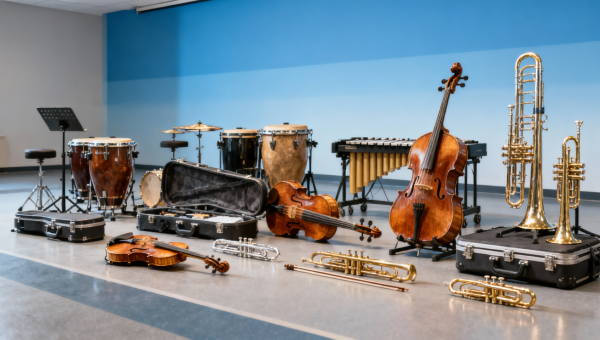
From concert halls to storage rooms, wind instruments respond to climate and handling in ways that often differ sharply from string instruments, percussion instruments, and other musical instruments. For buyers, dealers, and sourcing teams evaluating pro audio equipment, music accessories, music stands, or full orchestral instruments portfolios, understanding these reactions is essential to product quality, lifespan, and commercial reliability.
Why do wind instruments react so strongly to climate and storage conditions?
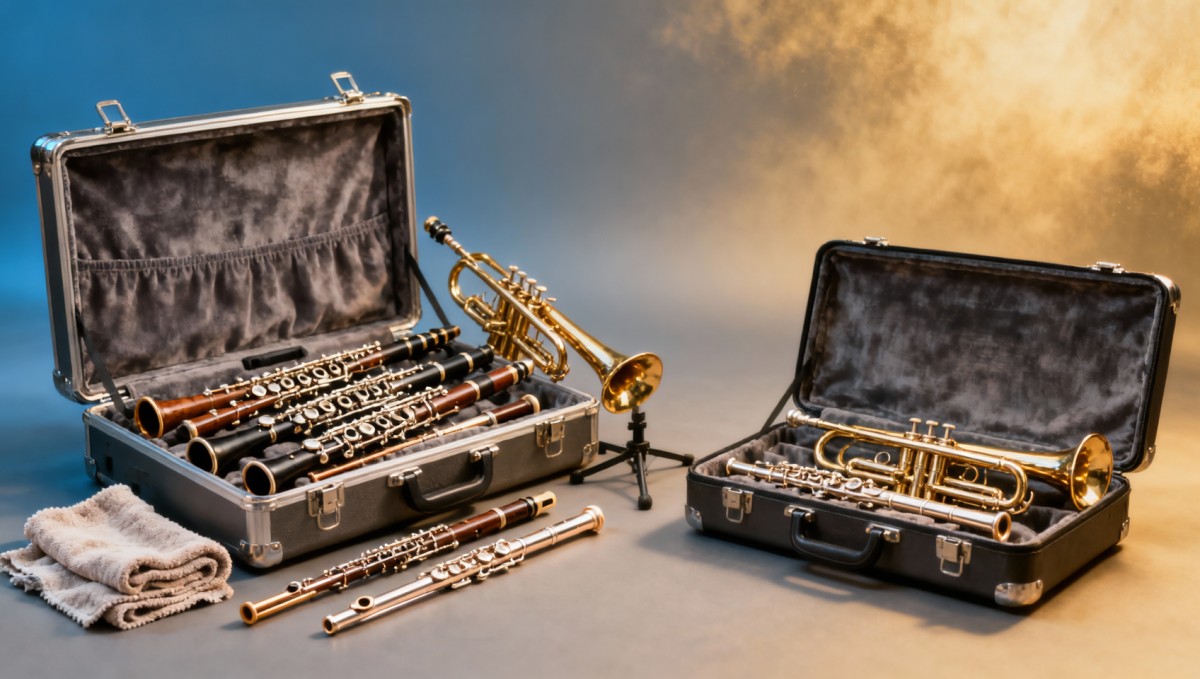
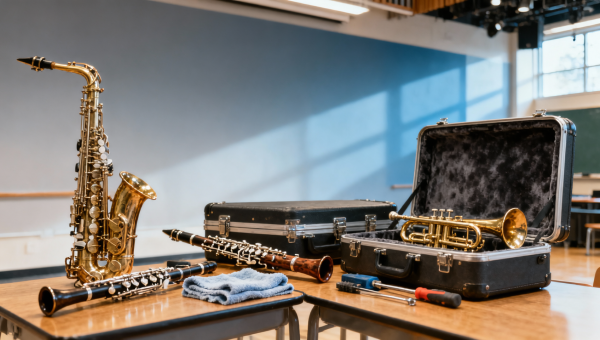
Wind instruments are unusually sensitive because air, moisture, temperature shifts, and direct player contact all affect their internal structure. Unlike many percussion instruments that mainly react at the surface, woodwinds and brass instruments depend on stable bore dimensions, pad sealing, cork compression, key alignment, and metal or wood response. Even a short-term move from a dry 18°C room to a humid 30°C rehearsal area can change tuning behavior, response speed, and sealing performance.
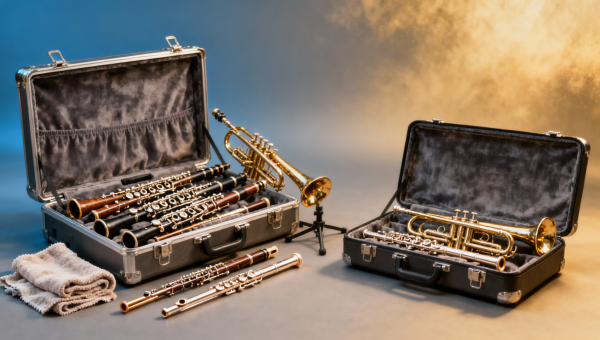
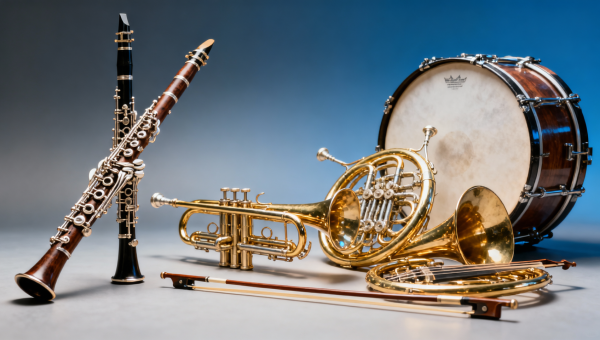
The reaction is not uniform across product categories. A clarinet body made from grenadilla, a student flute using plated metal tubing, and a brass trumpet with lacquer finish will each respond differently to humidity, condensation, storage angle, and cleaning frequency. For commercial buyers in sports and entertainment venues, music schools, rental fleets, theme-show productions, or hotel live-performance programs, this variability directly affects maintenance budgets and return rates.
In B2B procurement, climate reaction should not be treated as a minor after-sales issue. It influences supplier selection, packaging design, spare-parts planning, and warranty expectations. A distributor managing 50–200 wind instruments across multiple regions will face different failure patterns than a retailer handling small monthly turnover. The same model can perform well in one market and generate service complaints in another if storage control is weak.
This is why professional sourcing teams assess not only the instrument itself, but also case quality, humidity guidance, pad materials, spring durability, and post-delivery support. For GCT readers, the commercial question is clear: which climate-related risks are predictable, which are preventable, and which should be built into procurement terms from the beginning?
The four main triggers buyers should track
- Temperature swings: Fast changes can affect pitch stability, metal contraction or expansion, and adhesive performance around pads, felts, and corks.
- Humidity variation: Low humidity can stress wooden bodies, while high humidity can accelerate pad swelling, corrosion, mold risk, and case odor.
- Condensation from playing: Internal moisture is a normal part of use, but if not removed after each session, it shortens service intervals and weakens consistency.
- Storage pressure and handling: Case fit, stacking, transport vibration, and improper stand use can shift keys and compromise alignment over time.
How do woodwinds, brass, strings, and percussion differ in commercial risk?
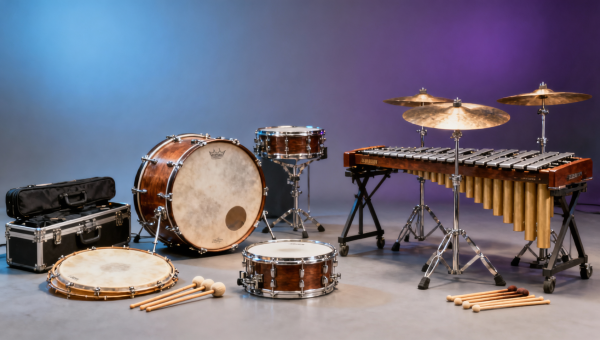
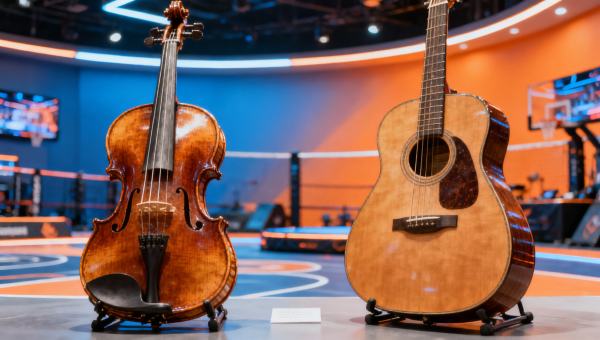
Buyers often compare instruments by price tier or brand reputation, but climate and storage behavior should also be compared by maintenance profile. Wind instruments are operational systems with moving parts, internal airflow pathways, and regular moisture exposure. That gives them a different risk pattern from string instruments, where tension and resonance dominate, or percussion instruments, where shell material and striking surfaces matter more than internal sealing.
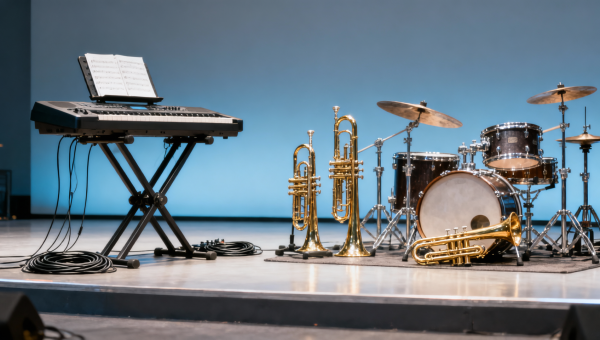
For dealers and institutional procurement teams, this comparison matters when planning mixed inventory. If the portfolio includes school band instruments, event backline gear, and hotel entertainment equipment, the servicing rhythm will not be the same across categories. Wind instruments usually need more routine inspection within 3–6 months of active use, especially in rental or high-turnover environments.
The table below helps clarify why wind instruments create distinct sourcing, storage, and after-sales decisions compared with other musical instruments. It is especially useful for commercial evaluators balancing lifecycle cost against initial purchase price.
This comparison shows why wind instruments often carry a higher hidden service burden in commercial use. They are not necessarily the most fragile category, but they are among the most climate-reactive in day-to-day operation. That makes them especially important for dealers building rental programs, educational supply packages, and venue equipment lists.
Where buyers often underestimate the difference
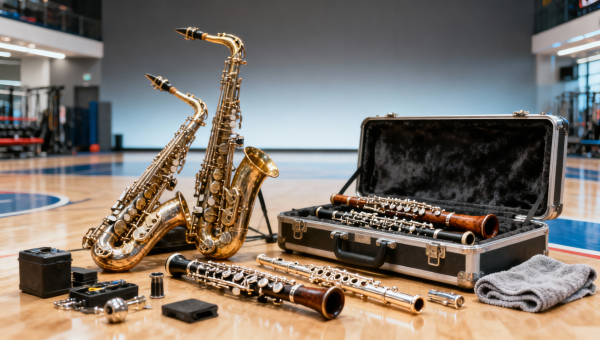
A common mistake is to compare only body material. In reality, pads, springs, joints, valve systems, and mouthpiece interfaces often create more maintenance events than the main body alone. A brass saxophone and a wooden clarinet can both suffer from climate instability, but the failure points differ. One may lose pad seal; the other may develop joint fit issues or visible surface reaction.
Another issue is turnover speed. Instruments used 4–6 days per week in schools, clubs, leisure venues, or entertainment parks accumulate moisture and wear far faster than showroom stock. Procurement teams should therefore match service planning to usage density, not just to product category.
What storage conditions are practical for procurement teams and distributors?
Ideal storage policy is not about creating laboratory conditions. It is about reducing avoidable variation across warehouses, retail shelves, rental rooms, and transport cycles. For most commercial inventory, a stable indoor environment around 18°C–24°C with moderate relative humidity is more practical than chasing narrow targets that many operators cannot maintain. The priority is consistency, not perfection.
Wind instruments should also be stored in a way that protects alignment and allows moisture release after use. Closing a damp instrument into a sealed case for 24–48 hours is a routine cause of odor, pad sticking, and accelerated interior residue buildup. This is especially relevant in hospitality entertainment programs and educational settings where staff may not follow musician-level care procedures.
For distributors and agents, regional logistics add another layer. Shipment from a humid coastal origin to a dry inland destination, or from a cool warehouse to a hot event site, can create stress even before first use. A 2-stage receiving process is often wise: first acclimatization in unopened packaging, then inspection after the instrument has adjusted to local room conditions.
The following table provides a practical storage reference for common commercial scenarios. These are not universal rules, but they help sourcing teams define basic handling requirements with suppliers, warehouse operators, and downstream dealers.
For buyers, this table supports a practical conclusion: climate control alone is not enough. Handling discipline, receiving procedures, and case quality often make the difference between a stable inventory and a costly service backlog. In many B2B environments, simple daily routines reduce problems more effectively than expensive reactive repair.
A workable 4-step storage routine
- Receive and acclimatize: After shipping, allow instruments to rest in the local environment before aggressive inspection or immediate playing.
- Check moisture-sensitive points: Review pads, cork joints, valves, slides, and case interior condition within the first 24 hours.
- Document storage zones: Separate active rental stock, long-term warehouse stock, and display inventory to avoid mixed handling standards.
- Schedule periodic review: For active fleets, plan a monthly visual check and a more technical quarterly inspection where use is frequent.
Why cases and accessories matter more than many buyers expect
A sourcing decision focused only on instrument body price can be misleading. The case, swab, stand compatibility, and basic care kit can determine whether the instrument remains commercially reliable over 12–24 months. For this reason, accessory specification should be part of the procurement file, not left as an optional add-on after purchase approval.
This is also where GCT’s market intelligence approach becomes useful. Buyers do not just need a supplier list; they need comparison logic across climate suitability, packaging quality, and service readiness for regional deployment.
What should buyers check when selecting wind instruments for schools, venues, and dealers?
A strong procurement process goes beyond tone and appearance. For schools, amusement and leisure performance spaces, hotels, distributors, and music retailers, wind instrument selection should combine durability, serviceability, storage resilience, and user fit. A premium-looking model with weak pad consistency or fragile case hardware may create higher operating cost than a mid-tier instrument designed for easier maintenance.
In commercial review, buyers usually work across 3 layers: product specification, supplier capability, and lifecycle support. Product specification covers material, keywork stability, finish, and accessory pack. Supplier capability includes OEM or ODM flexibility, packaging consistency, sample process, and defect response. Lifecycle support concerns spare parts, maintenance guidance, and realistic lead-time communication, often in the range of 2–8 weeks depending on model and customization level.
This is where distributors and business evaluation teams can save cost. By testing a shortlist against storage and climate criteria before scaling orders, they reduce the chance of later claims. A pilot batch for 5–20 units, followed by monitored use in one or two real environments, often reveals more than showroom inspection alone.
The checklist below summarizes what commercial buyers should verify before placing recurring orders for wind instruments and related musical instruments accessories.
Five key checks before order confirmation
- Material and structure: Confirm whether the model uses solid wood, composite material, plated brass, lacquered brass, or other common constructions, and ask how each behaves under regional climate conditions.
- Serviceable components: Check pad type, cork quality, spring material, valve or slide access, and whether replacement parts are standardized or proprietary.
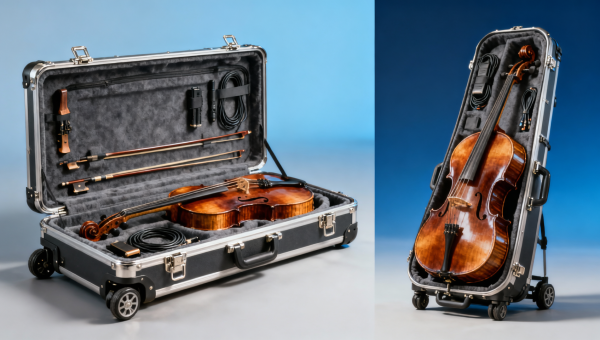
- Packaging and case quality: Review shock protection, internal fit, exterior rigidity, and whether the case supports repeated transport in dealer or institutional use.
- Inspection and delivery cycle: Clarify pre-shipment checks, sample lead time, bulk lead time, and how climate-related transit issues are handled on arrival.
- After-sales response: Ask about spare part availability, care documentation, and what support exists for distributors or venue operators handling first-line maintenance.
Common procurement mistakes in the sports and entertainment supply chain
One mistake is buying wind instruments as if they were static display products. In reality, they are performance tools exposed to breath moisture, transport, temperature change, and frequent assembly. This is why sourcing teams for live entertainment spaces and music education programs should evaluate them more like operational equipment than decorative inventory.
Another mistake is separating instrument procurement from accessory procurement. Music stands, cleaning supplies, replacement reeds, mouthpiece care items, and appropriate storage racks all affect failure rate. A slightly higher initial basket can lower service events over the first 6–12 months of use.
FAQ: Which climate and storage questions matter most in B2B sourcing?
FAQ sections help buyers and dealers align internal teams quickly. The questions below reflect common search intent from information researchers, sourcing managers, and commercial evaluators comparing wind instruments with other musical instruments in practical use environments.
How long can wind instruments stay in storage before inspection is recommended?
For active commercial stock, a visual review every month is sensible, with a more detailed inspection each quarter. For slower-moving dealer inventory, inspection timing depends on climate stability and packaging quality, but instruments should still be checked after major seasonal changes or long-distance transport. The longer the storage period, the more important case ventilation and moisture control become.
Are wooden wind instruments always riskier than metal ones?
Not always. Wooden instruments may be more sensitive to low humidity and abrupt environmental change, but metal wind instruments also face corrosion, finish wear, and mechanical issues involving keys, valves, and slides. The correct comparison is not wood versus metal alone. Buyers should compare climate profile, maintenance capacity, user level, and storage discipline together.
What is the biggest storage mistake in schools and venue programs?
The most common problem is sealing the instrument into its case while internal moisture remains. This leads to sticky pads, odor, residue buildup, and faster repair cycles. A short drying routine after each session, even just a few minutes plus proper swabbing, is often more important than many buyers expect.
Should procurement teams request climate-related packaging details from suppliers?
Yes. Packaging is not only about transit protection. It influences acclimatization on arrival, resistance to compression, and damage risk in multi-stop distribution. Buyers should ask about carton strength, interior support, case construction, and how instruments are packed for humid, dry, or mixed-climate routes.
Why work with GCT when sourcing wind instruments and related music equipment?
Wind instrument procurement is rarely a single-product decision. It often sits inside a broader commercial package that may include pro audio equipment, musical instruments, accessories, display solutions, storage systems, and venue-use requirements. GCT helps buyers navigate that complexity with market-focused intelligence across commercial experiences, from hospitality and education to leisure performance environments.
For sourcing teams, the value lies in decision clarity. Instead of evaluating only catalog claims, buyers can compare climate sensitivity, expected service touchpoints, packaging logic, and supplier responsiveness in a more structured way. This is particularly useful for distributors, agents, and commercial reviewers handling cross-border sourcing where lead time, consistency, and support quality matter as much as unit cost.
If you are reviewing wind instruments for schools, hotel entertainment programs, rental fleets, retail distribution, or mixed musical instruments portfolios, GCT can support discussions around parameter confirmation, product selection, sample strategy, expected delivery windows, accessory matching, and practical storage requirements for your target market. These early-stage clarifications reduce avoidable procurement risk.
Contact GCT to discuss your next sourcing plan in detail. You can inquire about suitable instrument categories for specific climates, packaging options for regional logistics, common maintenance checkpoints, OEM or ODM possibilities, sample support, quotation structure, and compliance-related documentation typically requested in international trade. A better wind instrument decision starts long before the purchase order is issued.
Search News
Hot Articles
Popular Tags
Need ExpertConsultation?
Connect with our specialized leisureengineering team for procurementstrategies.
Recommended News
 Apr 20, 2026Music Accessories Often Overlooked Until They Start Causing ProblemsMusic accessories often cause hidden issues across musical instruments, percussion instruments, wind instruments, string instruments, keyboard instruments, orchestral instruments, music stands, instrument cables, and pro audio equipment.● Pro Audio Engineer
 Apr 20, 2026When Orchestral Instruments Need Custom Cases and Why It MattersMusical instruments and orchestral instruments need custom cases to protect string instruments, wind instruments, percussion instruments, and keyboard instruments during transport. Learn when buyers should upgrade for safer logistics.● Pro Audio Engineer
 Apr 20, 2026Keyboard Instruments in 2026: What Features Are Becoming Standard?Keyboard instruments in 2026 are redefining musical instruments with smarter connectivity, durable builds, and seamless integration with pro audio equipment, instrument cables, music stands, and music accessories.● Pro Audio Engineer
 Apr 20, 2026Music Stands With Folding Designs: Convenient or Less Reliable?Music stands buyers compare folding convenience with long-term reliability across musical instruments, percussion instruments, wind instruments, string instruments, and pro audio equipment.● Pro Audio Engineer
 Apr 20, 2026String Instruments With Better Tuning Stability in Busy Use CyclesExplore string instruments with better tuning stability for busy venues. Compare musical instruments, percussion instruments, and wind instruments to source reliable, low-maintenance performance solutions.● Pro Audio Engineer
 Apr 20, 2026Why Wind Instruments React So Differently to Climate and StorageWind instruments react fast to climate and storage. Compare musical instruments, percussion instruments, string instruments, and music accessories to cut maintenance risk and buy smarter.● Pro Audio Engineer
 Apr 20, 2026Percussion Instruments for Shared Spaces: What Reduces Noise Most?Percussion instruments for shared spaces: discover what reduces noise most across musical instruments, with smart comparisons to wind instruments, string instruments, keyboard instruments, and practical accessories.● Pro Audio Engineer
 Apr 20, 2026How to Spot Musical Instruments That Look Fine but Wear Out FastDiscover how to spot musical instruments that look premium but wear out fast. Learn key checks for percussion instruments, wind instruments, string instruments, keyboard instruments, music stands, instrument cables, pro audio equipment, and music accessories before you buy.● Pro Audio Engineer
 Apr 20, 2026Music Accessories That Quietly Affect Daily Performance QualityExplore how music accessories shape daily performance quality—from music stands and instrument cables to pro audio equipment for musical instruments, percussion instruments, wind instruments, string instruments, and keyboard instruments.● Pro Audio Engineer
 Apr 20, 2026Orchestral Instruments With the Highest Repair RatesExplore which orchestral instruments have the highest repair rates across wind instruments, string instruments, percussion instruments, and keyboard instruments, with smart buying tips for musical instruments, music accessories, music stands, instrument cables, and pro audio equipment.● Pro Audio Engineer
 Apr 20, 2026Are Keyboard Instruments With Weighted Keys Worth the Extra Cost?Keyboard instruments with weighted keys: discover if the extra cost pays off for musical instruments buyers, with smart tips on music accessories, instrument cables, and pro audio equipment.● Pro Audio Engineer
 Apr 20, 2026Music Stands That Stay Stable on Stage: What Makes the Difference?Music stands for musical instruments: discover what keeps them stable on stage for string instruments, wind instruments, percussion instruments, and keyboard instruments—plus smart buying tips.● Pro Audio Engineer
 Apr 20, 2026String Instruments: Solid Wood or Laminated for Regular Use?String instruments guide for regular use: compare solid wood vs laminated models across musical instruments setups with music accessories, pro audio equipment, and smarter sourcing insights.● Pro Audio Engineer
 Apr 20, 2026Wind Instruments for Schools and Venues: What Affects Longevity?Wind instruments longevity guide for schools and venues: compare musical instruments, percussion instruments, string instruments, and keyboard instruments to source smarter and reduce total cost.● Pro Audio Engineer
 Apr 20, 2026Why Some Percussion Instruments Cost More to Maintain Than ExpectedExplore why percussion instruments can cost more to maintain than expected, and compare musical instruments, orchestral instruments, music accessories, music stands, instrument cables, and pro audio equipment.● Pro Audio Engineer
 Apr 20, 2026Which Musical Instruments Hold Up Best in High-Use Venues?Musical instruments for high-use venues: compare percussion instruments, wind instruments, string instruments, keyboard instruments, music stands, instrument cables, pro audio equipment, and music accessories.● Pro Audio Engineer
 Apr 19, 2026What changed in musical instruments demand in 2026?Musical instruments demand in 2026 is shifting fast across trampoline park and indoor playground projects. Explore trends in percussion instruments, wind instruments, string instruments, and crossover demand from outdoor playground and playground swings.● Pro Audio Engineer
 Apr 19, 2026Why string instruments react so differently to climate changesString instruments react faster to climate changes than percussion instruments or wind instruments. Discover smart sourcing tips for trampoline park, indoor playground, and outdoor playground projects.● Pro Audio Engineer
 Apr 19, 2026String instruments: solid wood or laminate for long-term use?String instruments guide for buyers: compare solid wood vs laminate for long-term use, durability, maintenance, and value across musical instruments, percussion instruments, and wind instruments.● Pro Audio Engineer
 Apr 19, 2026When do wind instruments need repair sooner than expected?Wind instruments need repair sooner in trampoline park and indoor playground venues due to heavy use, humidity, and poor storage. Compare musical instruments, percussion instruments, string instruments, outdoor playground planning, and playground swings with expert sourcing tips.● Pro Audio Engineer
 Apr 19, 2026Wind instruments that handle frequent transport more reliablyWind instruments guide for buyers: compare durable musical instruments for frequent transport, with insights across percussion instruments, string instruments, trampoline park and indoor playground venues.● Pro Audio Engineer
 Apr 19, 2026Common tuning issues with percussion instruments in humid areasPercussion instruments in humid venues can lose tuning fast. Learn how musical instruments perform in trampoline park, indoor playground, and outdoor playground spaces for smarter sourcing.● Pro Audio Engineer
 Apr 19, 2026Percussion instruments with lower upkeep in heavy-use spacesDiscover low-upkeep percussion instruments for trampoline park, indoor playground, and outdoor playground spaces—durable musical instruments that outperform wind instruments, string instruments, and fit playground swings zones.● Pro Audio Engineer
 Apr 19, 2026How to compare musical instruments for school and venue useCompare musical instruments for schools and venues with practical tips on percussion instruments, wind instruments, and string instruments. Ideal for indoor playground, trampoline park, outdoor playground, and playground swings projects.● Pro Audio Engineer