Wind Instruments for Schools and Venues: What Affects Longevity?
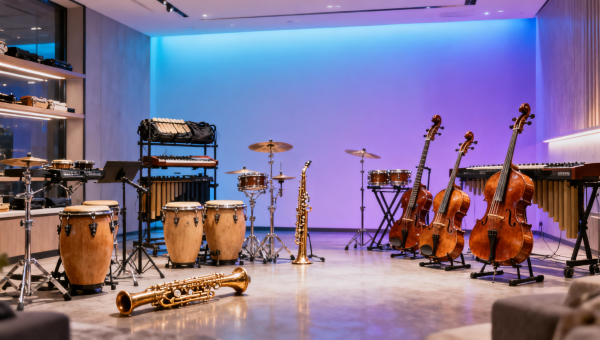
For schools, concert halls, and multipurpose venues, the longevity of wind instruments depends on far more than routine use. From material quality and storage conditions to maintenance standards and supplier reliability, buyers must evaluate how wind instruments perform alongside other musical instruments such as percussion instruments, string instruments, and keyboard instruments. This guide explores the key factors that influence service life, value, and procurement decisions.
Why do some wind instruments last 3 years while others remain serviceable for 10 years or more?
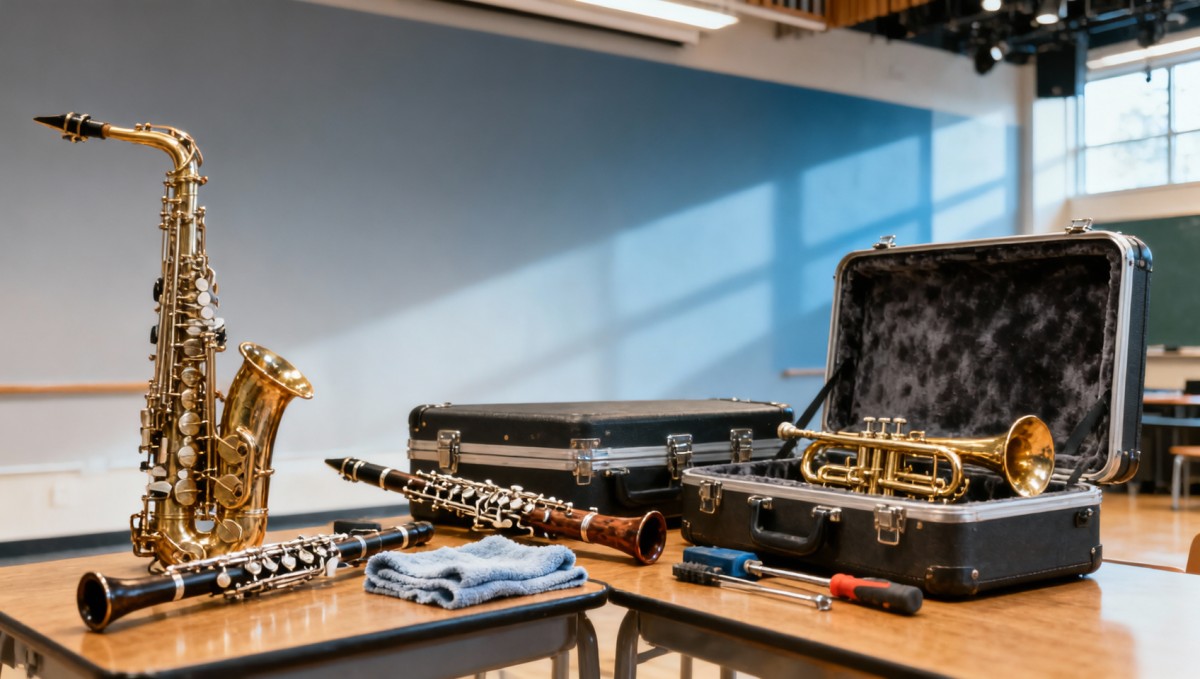
In school music programs and venue operations, instrument longevity is rarely determined by one single factor. A student clarinet used 5 days per week, a brass instrument rotated across several ensembles, and a venue-owned saxophone used only during seasonal events will age differently even if they were purchased in the same quarter. For procurement teams, the real question is not only how long wind instruments can last, but under which conditions they retain tuning stability, structural integrity, and repairability.
The most important variables usually fall into 4 groups: base material, manufacturing consistency, environmental exposure, and maintenance discipline. In educational and entertainment settings, usage intensity can vary from 2–3 rehearsals per week to daily use across 30–40 teaching weeks per year. That difference directly affects pads, valves, springs, corks, lacquer finishes, and key mechanisms.
Buyers should also distinguish between playable life and asset life. A wind instrument may remain technically usable after several years, but if response becomes inconsistent, intonation drifts, or recurring repairs disrupt classes and performances, the commercial value drops earlier than the physical life suggests. This is especially relevant in sports and entertainment environments where school bands, performance halls, and leisure venues must maintain audience-facing quality.
For B2B sourcing, durability should therefore be assessed as a lifecycle issue. Global Commercial Trade (GCT) helps institutional buyers and distributors compare not just product categories, but also supply consistency, after-sales practicality, and suitability for demanding use scenarios. That sourcing perspective is critical when wind instruments must operate reliably within broader musical equipment portfolios.
The 5 core factors that affect service life
- Material composition, including body metal, wood treatment, plating quality, pad material, and internal joint components.
- Production tolerance and assembly quality, especially for key alignment, valve seating, solder joints, and tenon fit.
- Use frequency and user profile, such as beginner handling, shared classroom use, or professional performance rotation.
- Storage environment, including humidity swings, dust exposure, temperature ranges, and case protection during transport.
- Maintenance access, covering cleaning routines, annual servicing, spare parts availability, and repair turnaround time.
How lifecycle expectations differ by institution
A public school may prioritize lower replacement frequency over premium finish quality. A concert venue may focus more on tonal consistency and appearance under stage lighting. A distributor may need instruments that perform well across multiple climate regions and customer segments. These are different procurement logics, and they should shape the purchase criteria from the start.
In practical sourcing terms, entry-level educational wind instruments often need reinforced construction and simpler maintenance access. Performance-grade instruments, by contrast, may justify higher upkeep because they support better response and projection. The best choice depends on whether the buyer is optimizing for 12-month budget control, 3–5 year asset planning, or long-term venue reputation.
Which technical and environmental conditions shorten wind instrument lifespan fastest?
Among all risk factors, uncontrolled storage and inconsistent handling cause more preventable damage than most buyers expect. In general, wind instruments perform best when stored in stable indoor conditions rather than exposed to repeated shifts between cold transport, warm rehearsal rooms, and humid backstage spaces. A practical storage reference for many venues is a moderate environment around 18°C–24°C with relative humidity managed as steadily as possible, especially for woodwind bodies, pads, and cork components.
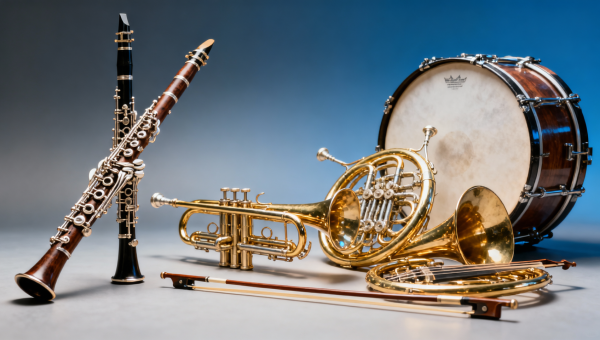
Brass instruments often tolerate environmental change better than some woodwinds, but they are still vulnerable to condensation, valve corrosion, denting, and finish wear. Woodwinds are more sensitive to pad compression, tenon instability, key bending, and cracking risk in certain materials if climate control is poor. In schools where instruments are unpacked and repacked several times a day, the case quality and handling method become as important as the instrument itself.
Another overlooked issue is shared-use behavior. When 20–50 students rotate through the same inventory across a semester, wear patterns accelerate. Mouthpiece hygiene, swabbing discipline, reed debris, moisture retention, and accidental impacts all add stress. For venues, even lower-frequency use can still create problems if instruments sit idle for months without inspection, lubrication, or pad ventilation.
The table below highlights how common conditions affect the longevity of wind instruments in schools and venues, and what procurement teams should plan for when selecting supporting accessories and service arrangements.
This comparison shows why procurement cannot focus on purchase price alone. If a venue saves on hard cases, humidity management, or service planning, the instruments may require repairs earlier and disrupt programming. In many B2B environments, spending more on protective infrastructure reduces unplanned maintenance over a 3–5 year ownership cycle.
What parts usually fail first?
Woodwinds
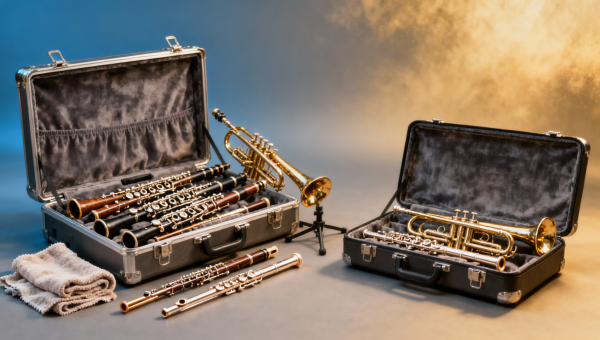
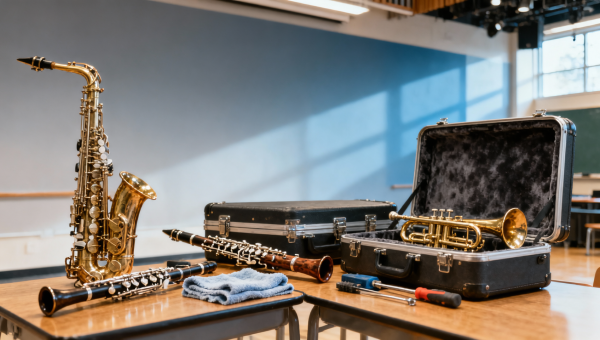
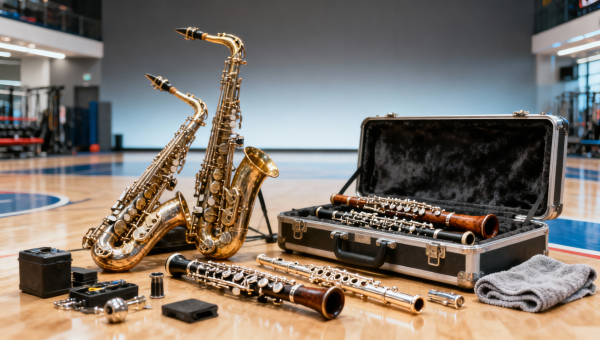
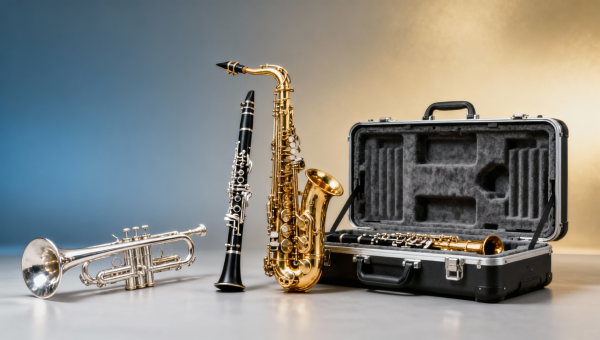
Pads, springs, corks, ligature-contact points, and key alignment are usually the first maintenance zones. For clarinets, saxophones, and flutes, response issues often start subtly. Notes may become less stable before obvious mechanical failure appears. That is why quarterly functional checks are useful in school fleets.
Brass
Valves, slides, water key assemblies, solder joints, and finish surfaces are the typical wear points. Frequent handling in marching, student transport, or rental circulation increases dent risk. A brass instrument may still look acceptable externally while airflow efficiency and valve response deteriorate internally.
How should buyers compare wind instruments for schools, concert venues, and distributors?
A sound procurement decision begins with application fit. The same flute or trumpet specification does not serve every institution equally well. Schools usually need resilient construction, predictable repairs, and manageable replacement parts. Concert halls often need stronger tonal performance and presentation quality. Distributors require balanced SKUs that can cover entry, mid, and performance tiers without creating spare-part confusion.
Instead of asking only which wind instruments are best, buyers should evaluate which specification level matches their use case. This includes 3 practical questions: Who will use the instrument? How often will it be transported? How quickly can it be serviced when issues arise? These questions often reveal more value than brand-style descriptions alone.
For institutional sourcing, a comparative matrix is useful because it turns subjective impressions into a more consistent review process. The following table can support music program managers, venue operators, and commercial buyers during model shortlisting and vendor discussions.
This matrix helps clarify why the best wind instruments for schools are not automatically the best choice for performance venues. When procurement teams compare by service life, repair burden, and user profile, they reduce the risk of overbuying premium features or underbuying durability.
A practical 6-point selection checklist
- Confirm the usage pattern: daily instruction, weekly rehearsal, event-only use, or mixed rotation.
- Check serviceable components: pads, springs, valves, slides, screws, corks, and common wear parts.
- Review included accessories: hard case, mouthpiece, cleaning kit, protective covers, and transport suitability.
- Ask about replenishment lead times, often 2–8 weeks depending on model complexity and sourcing route.
- Request documentation for materials, finish options, packaging, and shipment protection methods.
- Assess whether the supplier can support mixed-category procurement with other musical instruments.
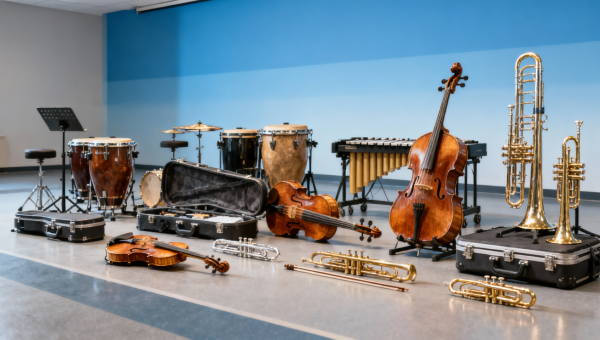
This last point matters in schools and venues that source percussion instruments, string instruments, keyboard instruments, and wind instruments together. Consolidated sourcing can reduce communication gaps and simplify project planning, but only if the supplier understands cross-category operational needs.
What should procurement teams verify beyond the instrument itself?
Longevity depends not only on the instrument, but also on the sourcing framework around it. In B2B buying, procurement teams should verify packaging quality, logistics handling, spare-part continuity, and document support before placing volume orders. A shipment damaged in transit or delayed during a semester start can create more commercial loss than a small difference in unit price.
For international transactions, practical verification usually includes 4 layers: product specification review, accessory confirmation, compliance documentation, and service communication. Common timelines may range from 7–15 days for sample coordination to 3–8 weeks for larger production and dispatch planning, depending on customization, quantity, and route complexity. Buyers should align these timelines with term openings, event calendars, or distributor launch schedules.
Compliance considerations should also be approached realistically. Wind instruments supplied to schools and public venues may require attention to material safety, packaging standards, labeling, and destination-market documentation. Requirements vary by market, so buyers should confirm what is necessary for the target country rather than assuming one document set is enough for every region.
GCT supports this process by helping commercial buyers compare supplier readiness in a structured way. For purchasers managing sports and entertainment environments, the value lies in connecting sourcing decisions with actual use scenarios, not just catalog descriptions. That is especially useful when multiple stakeholders—music directors, facility teams, procurement officers, and commercial evaluators—must approve the purchase.
Risk signals to watch during supplier evaluation
- The supplier cannot clearly explain spare-part availability for the next 12–24 months.
- Product descriptions focus on appearance but provide little detail about maintenance points or wear components.
- Packaging details are vague, with no explanation of case protection, carton structure, or transport precautions.
- Lead times change significantly without a reason tied to quantity, finish option, or accessory package.
- Communication does not address the full project scope, including related musical instruments and venue needs.
How to reduce total cost of ownership
A lower upfront price can become expensive if repair frequency rises or service parts are difficult to obtain. Procurement teams should estimate cost across a 3-part ownership model: purchase, preventive maintenance, and interruption cost. Interruption cost includes canceled classes, delayed rehearsals, rushed rentals, or distributor complaints caused by early failures.
In many cases, a mid-tier instrument with stable support delivers better value than a cheaper model with uncertain repair continuity. That logic is particularly important for institutions that manage 10–50 units across multiple instrument families and cannot afford inconsistent after-sales arrangements.
FAQ: what do buyers ask most about wind instrument longevity?
How often should school-owned wind instruments be serviced?
For regularly used school inventory, a basic visual and functional check each month is a sensible operational habit, while a more complete service is often scheduled annually. Heavy-use instruments in band programs may need earlier intervention if pads leak, valves slow down, or alignment shifts. The right interval depends on use frequency, player skill level, and storage quality.
Are brass instruments more durable than woodwinds?
They are often more tolerant of rough handling, but not automatically lower-maintenance. Brass instruments can dent easily and suffer from valve or slide issues. Woodwinds are more sensitive to pad, cork, and key regulation problems. In practice, durability depends less on category alone and more on handling, service routines, and build consistency.
What is the biggest mistake in venue procurement?
A common mistake is buying for occasional performance quality without planning for storage and maintenance between events. Instruments that sit unused for 3–6 months can develop functional issues even when they were not heavily played. Venues should pair acquisition with storage procedures, quarterly inspection, and clear responsibility for upkeep.
Can one supplier cover wind instruments and other musical instrument categories?
Yes, and this can be commercially useful when schools or venues need combined sourcing for wind, percussion, string, and keyboard instruments. The benefit is better coordination across accessories, packaging standards, delivery planning, and project communication. However, buyers should still verify category depth and not assume equal capability in every instrument segment.
Why work with GCT when evaluating wind instruments for schools and venues?
Global Commercial Trade is built for buyers who need more than product listings. In the sports and entertainment ecosystem, schools, venues, distributors, and project evaluators often manage complex sourcing decisions across performance quality, budget control, compliance, and delivery timing. GCT supports these decisions with a commercial lens that connects product choice to real operating conditions.
This is especially valuable when you need to compare wind instruments not in isolation, but as part of a wider procurement plan involving other musical instruments, educational equipment, or venue-grade commercial supplies. Instead of treating sourcing as a one-off transaction, GCT helps buyers assess fit, service practicality, and supplier readiness in a more structured way.
If you are reviewing wind instruments for a school rollout, a venue refurbishment, or distributor portfolio planning, you can consult GCT for model comparison support, product selection logic, accessory matching, typical lead-time guidance, and market-oriented sourcing insights. This makes it easier to align internal stakeholders before moving to sampling or quotation.
Contact GCT if you need help with any of the following: confirming technical parameters, comparing specification tiers, evaluating delivery windows, checking documentation expectations, discussing custom packaging or OEM/ODM possibilities, arranging sample support, or consolidating inquiries across wind instruments and related musical categories. For commercial buyers, that kind of targeted support can reduce sourcing uncertainty and improve long-term asset value.
Search News
Hot Articles
Popular Tags
Need ExpertConsultation?
Connect with our specialized leisureengineering team for procurementstrategies.
Recommended News
 Apr 20, 2026Music Accessories Often Overlooked Until They Start Causing ProblemsMusic accessories often cause hidden issues across musical instruments, percussion instruments, wind instruments, string instruments, keyboard instruments, orchestral instruments, music stands, instrument cables, and pro audio equipment.● Pro Audio Engineer
 Apr 20, 2026When Orchestral Instruments Need Custom Cases and Why It MattersMusical instruments and orchestral instruments need custom cases to protect string instruments, wind instruments, percussion instruments, and keyboard instruments during transport. Learn when buyers should upgrade for safer logistics.● Pro Audio Engineer
 Apr 20, 2026Keyboard Instruments in 2026: What Features Are Becoming Standard?Keyboard instruments in 2026 are redefining musical instruments with smarter connectivity, durable builds, and seamless integration with pro audio equipment, instrument cables, music stands, and music accessories.● Pro Audio Engineer
 Apr 20, 2026Music Stands With Folding Designs: Convenient or Less Reliable?Music stands buyers compare folding convenience with long-term reliability across musical instruments, percussion instruments, wind instruments, string instruments, and pro audio equipment.● Pro Audio Engineer
 Apr 20, 2026String Instruments With Better Tuning Stability in Busy Use CyclesExplore string instruments with better tuning stability for busy venues. Compare musical instruments, percussion instruments, and wind instruments to source reliable, low-maintenance performance solutions.● Pro Audio Engineer
 Apr 20, 2026Why Wind Instruments React So Differently to Climate and StorageWind instruments react fast to climate and storage. Compare musical instruments, percussion instruments, string instruments, and music accessories to cut maintenance risk and buy smarter.● Pro Audio Engineer
 Apr 20, 2026Percussion Instruments for Shared Spaces: What Reduces Noise Most?Percussion instruments for shared spaces: discover what reduces noise most across musical instruments, with smart comparisons to wind instruments, string instruments, keyboard instruments, and practical accessories.● Pro Audio Engineer
 Apr 20, 2026How to Spot Musical Instruments That Look Fine but Wear Out FastDiscover how to spot musical instruments that look premium but wear out fast. Learn key checks for percussion instruments, wind instruments, string instruments, keyboard instruments, music stands, instrument cables, pro audio equipment, and music accessories before you buy.● Pro Audio Engineer
 Apr 20, 2026Music Accessories That Quietly Affect Daily Performance QualityExplore how music accessories shape daily performance quality—from music stands and instrument cables to pro audio equipment for musical instruments, percussion instruments, wind instruments, string instruments, and keyboard instruments.● Pro Audio Engineer
 Apr 20, 2026Orchestral Instruments With the Highest Repair RatesExplore which orchestral instruments have the highest repair rates across wind instruments, string instruments, percussion instruments, and keyboard instruments, with smart buying tips for musical instruments, music accessories, music stands, instrument cables, and pro audio equipment.● Pro Audio Engineer
 Apr 20, 2026Are Keyboard Instruments With Weighted Keys Worth the Extra Cost?Keyboard instruments with weighted keys: discover if the extra cost pays off for musical instruments buyers, with smart tips on music accessories, instrument cables, and pro audio equipment.● Pro Audio Engineer
 Apr 20, 2026Music Stands That Stay Stable on Stage: What Makes the Difference?Music stands for musical instruments: discover what keeps them stable on stage for string instruments, wind instruments, percussion instruments, and keyboard instruments—plus smart buying tips.● Pro Audio Engineer
 Apr 20, 2026String Instruments: Solid Wood or Laminated for Regular Use?String instruments guide for regular use: compare solid wood vs laminated models across musical instruments setups with music accessories, pro audio equipment, and smarter sourcing insights.● Pro Audio Engineer
 Apr 20, 2026Wind Instruments for Schools and Venues: What Affects Longevity?Wind instruments longevity guide for schools and venues: compare musical instruments, percussion instruments, string instruments, and keyboard instruments to source smarter and reduce total cost.● Pro Audio Engineer
 Apr 20, 2026Why Some Percussion Instruments Cost More to Maintain Than ExpectedExplore why percussion instruments can cost more to maintain than expected, and compare musical instruments, orchestral instruments, music accessories, music stands, instrument cables, and pro audio equipment.● Pro Audio Engineer
 Apr 20, 2026Which Musical Instruments Hold Up Best in High-Use Venues?Musical instruments for high-use venues: compare percussion instruments, wind instruments, string instruments, keyboard instruments, music stands, instrument cables, pro audio equipment, and music accessories.● Pro Audio Engineer
 Apr 19, 2026What changed in musical instruments demand in 2026?Musical instruments demand in 2026 is shifting fast across trampoline park and indoor playground projects. Explore trends in percussion instruments, wind instruments, string instruments, and crossover demand from outdoor playground and playground swings.● Pro Audio Engineer
 Apr 19, 2026Why string instruments react so differently to climate changesString instruments react faster to climate changes than percussion instruments or wind instruments. Discover smart sourcing tips for trampoline park, indoor playground, and outdoor playground projects.● Pro Audio Engineer
 Apr 19, 2026String instruments: solid wood or laminate for long-term use?String instruments guide for buyers: compare solid wood vs laminate for long-term use, durability, maintenance, and value across musical instruments, percussion instruments, and wind instruments.● Pro Audio Engineer
 Apr 19, 2026When do wind instruments need repair sooner than expected?Wind instruments need repair sooner in trampoline park and indoor playground venues due to heavy use, humidity, and poor storage. Compare musical instruments, percussion instruments, string instruments, outdoor playground planning, and playground swings with expert sourcing tips.● Pro Audio Engineer
 Apr 19, 2026Wind instruments that handle frequent transport more reliablyWind instruments guide for buyers: compare durable musical instruments for frequent transport, with insights across percussion instruments, string instruments, trampoline park and indoor playground venues.● Pro Audio Engineer
 Apr 19, 2026Common tuning issues with percussion instruments in humid areasPercussion instruments in humid venues can lose tuning fast. Learn how musical instruments perform in trampoline park, indoor playground, and outdoor playground spaces for smarter sourcing.● Pro Audio Engineer
 Apr 19, 2026Percussion instruments with lower upkeep in heavy-use spacesDiscover low-upkeep percussion instruments for trampoline park, indoor playground, and outdoor playground spaces—durable musical instruments that outperform wind instruments, string instruments, and fit playground swings zones.● Pro Audio Engineer
 Apr 19, 2026How to compare musical instruments for school and venue useCompare musical instruments for schools and venues with practical tips on percussion instruments, wind instruments, and string instruments. Ideal for indoor playground, trampoline park, outdoor playground, and playground swings projects.● Pro Audio Engineer