Which Musical Instruments Hold Up Best in High-Use Venues?
In high-use venues, choosing durable musical instruments is critical for performance, maintenance costs, and buyer confidence. From percussion instruments and wind instruments to string instruments, keyboard instruments, and orchestral instruments, venue operators must also assess music stands, instrument cables, pro audio equipment, and other music accessories. This guide helps procurement teams, distributors, and commercial evaluators identify which products deliver the best long-term value in demanding entertainment environments.
What Makes a Musical Instrument Durable in High-Use Venues?
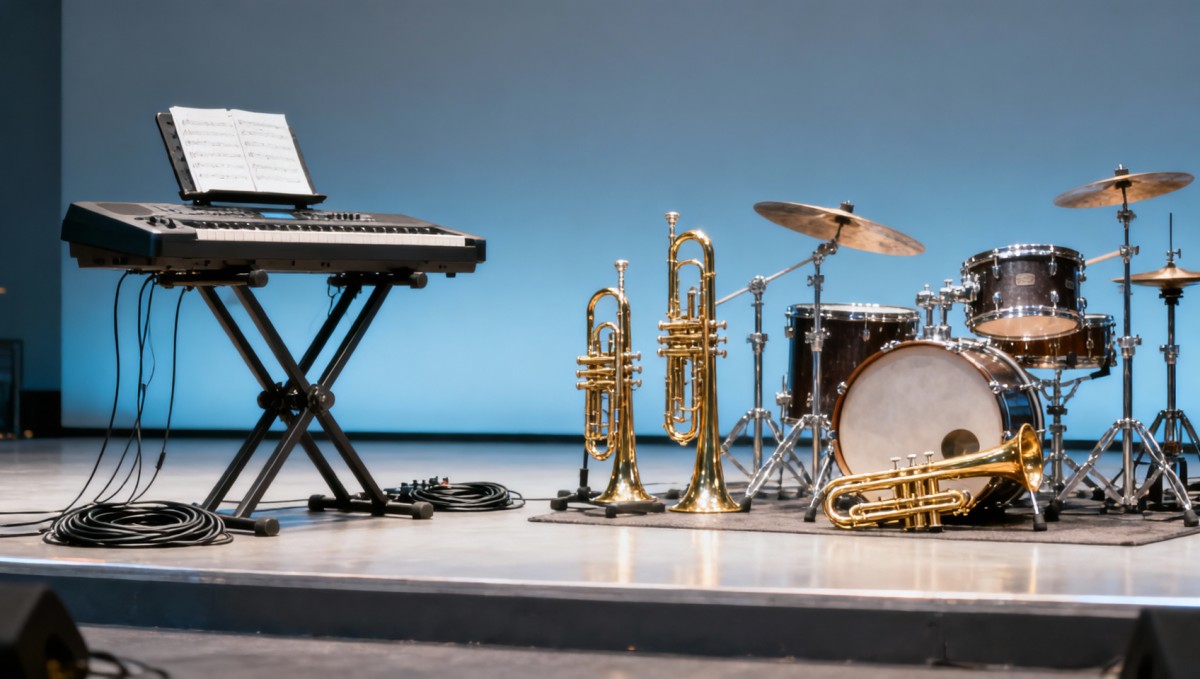
In sports and entertainment settings, instrument durability is not only about build quality. It is about how well the product survives repeated handling, fast setup and teardown, fluctuating humidity, and intensive weekly use. A hotel lounge band may play 5–7 nights per week, while a theme park or cruise entertainment team may run 2–4 performance blocks per day. That usage pattern quickly exposes weak hardware, unstable tuning systems, fragile finishes, and connectors that loosen under vibration.
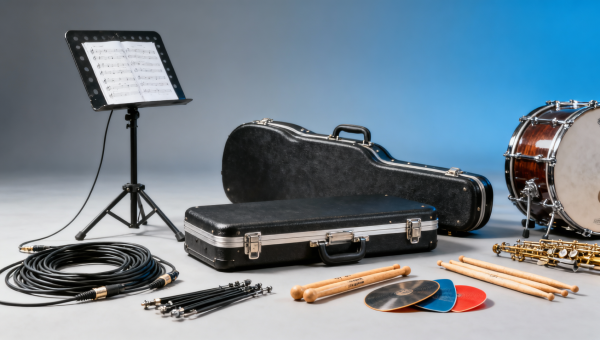
For procurement teams, the most reliable commercial musical instruments usually share four traits: structural stability, serviceable components, predictable replacement parts, and compatibility with venue operations. In practical terms, that means reinforced joints on string instruments, durable key actions on keyboard instruments, corrosion-resistant hardware on percussion instruments, and rugged connectors on pro audio equipment and instrument cables.
A common buying mistake is to compare only purchase price. In high-use venues, the more relevant metric is cost per operating month across a 24–60 month window. An instrument that costs more upfront but needs fewer repairs, fewer tunings, and less downtime often delivers better value. This matters for distributors and agents as well, because long-term reliability directly affects warranty pressure, client retention, and repeat commercial orders.
Another factor is environment. Indoor resort stages, school auditoriums, amusement venues, and event halls do not stress instruments in the same way. Temperature shifts of 10°C–25°C, moving gear between storage and stage, and frequent transport on rolling cases all influence lifespan. Buyers should therefore assess durability by venue type rather than relying on generic product claims.
Four practical durability indicators buyers should verify
- Hardware endurance: check hinges, stands, lugs, tuning machines, casters, connectors, and mounting points for repeated-use resistance.
- Maintenance cycle: ask how often tuning, pad replacement, restringing, cleaning, or calibration is typically required in commercial use.
- Serviceability: confirm whether wear parts can be replaced within 7–15 days through standard distribution channels.
- Operational fit: evaluate whether the instrument can handle shared users, quick changeovers, and storage constraints without performance loss.
Which Instrument Categories Hold Up Best Under Heavy Commercial Use?
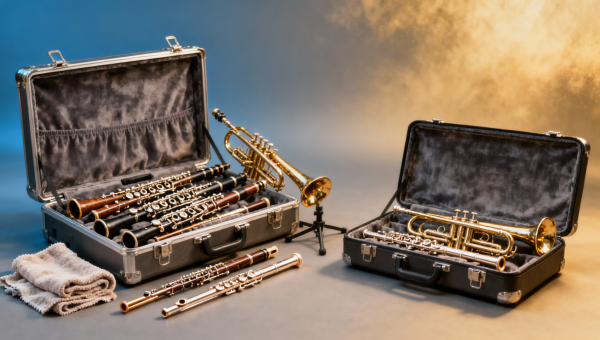
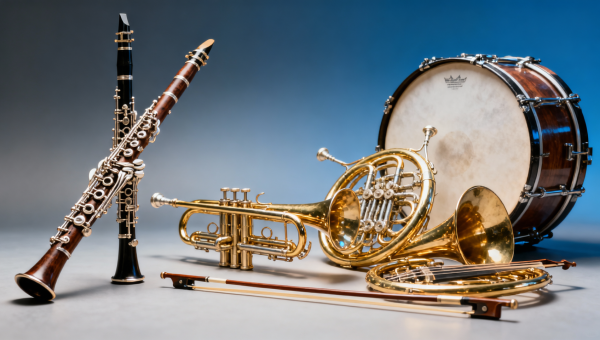
Not all instrument categories perform equally in demanding venues. In general, commercial percussion instruments, selected electronic keyboard instruments, and well-built brass instruments often handle intensive use better than delicate acoustic string instruments or entry-level woodwinds. That does not mean one category is universally superior. It means each category carries a different maintenance profile, replacement cost pattern, and operator burden.
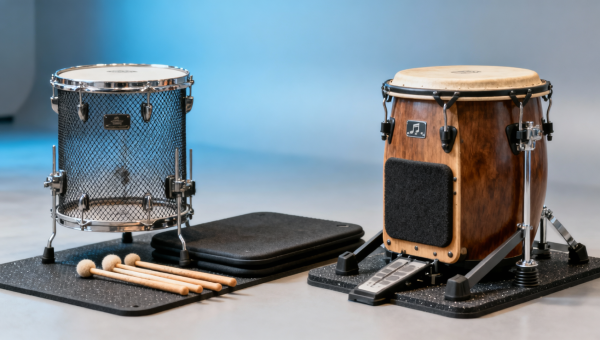
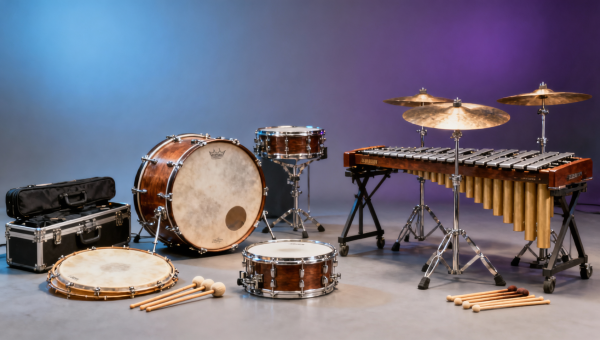
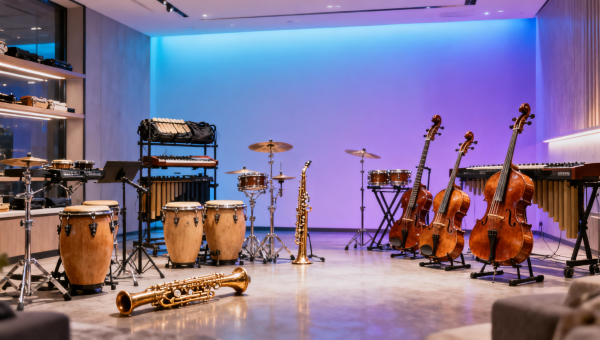
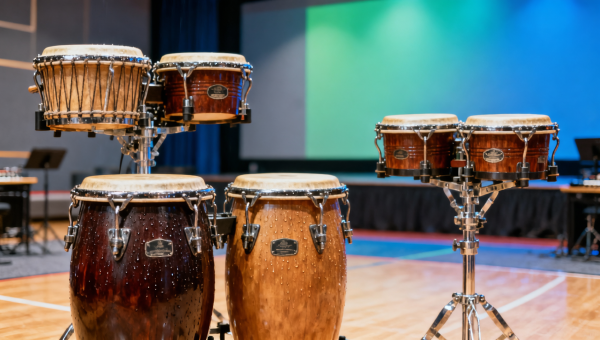
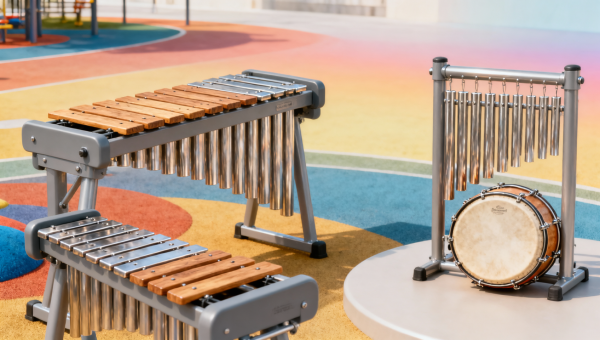
Percussion instruments are often the strongest performers in high-traffic entertainment venues because they have fewer precision-sensitive moving systems than many wind or string instruments. Commercial drum hardware, mallet percussion frames, and stage percussion accessories can be specified with reinforced stands and replaceable heads. In venues with daily programming, that modularity matters.
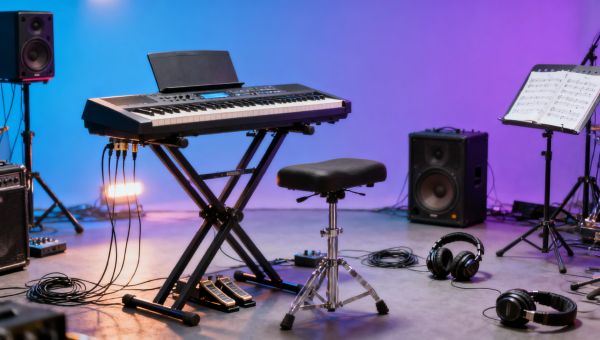
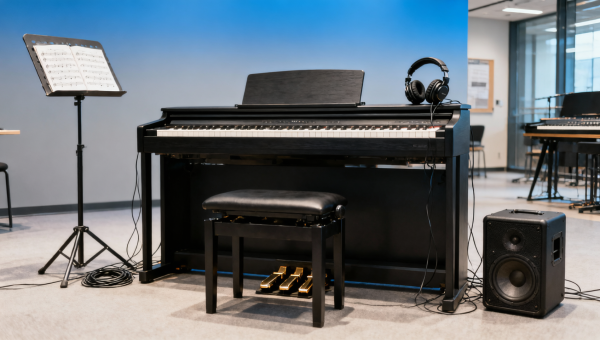
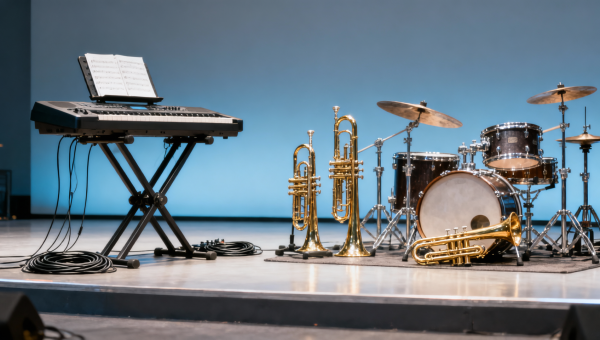
Electronic keyboard instruments also rank highly when buyers select models designed for stage or institutional use rather than home use. A robust chassis, sealed controls, stable key action, and standardized outputs reduce downtime. By contrast, acoustic pianos can remain excellent long-term assets, but only when the venue can support tuning every 1–3 months, controlled humidity, and professional servicing.
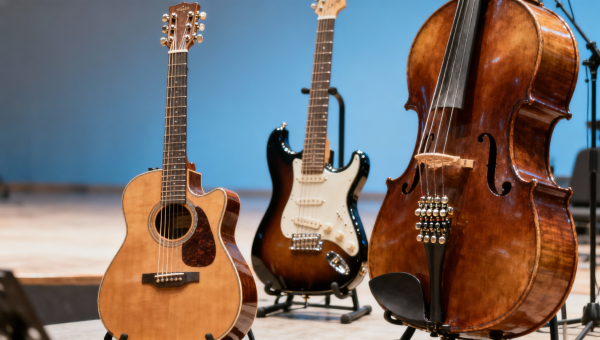
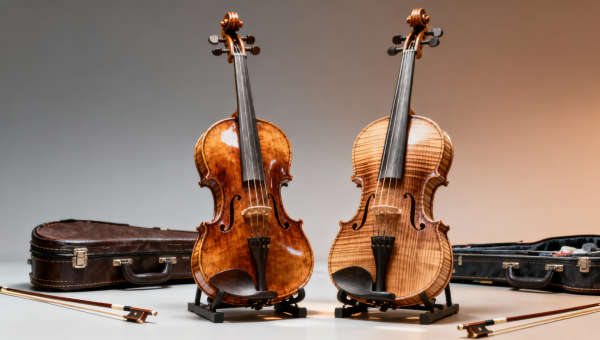
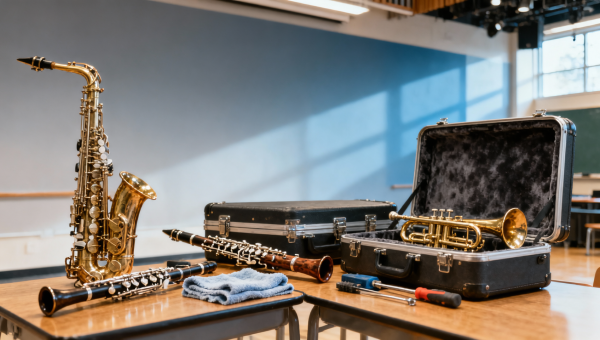
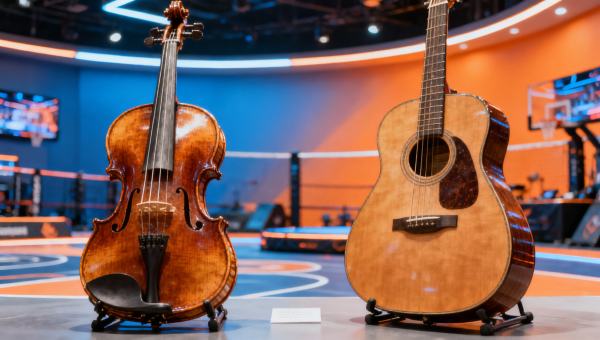
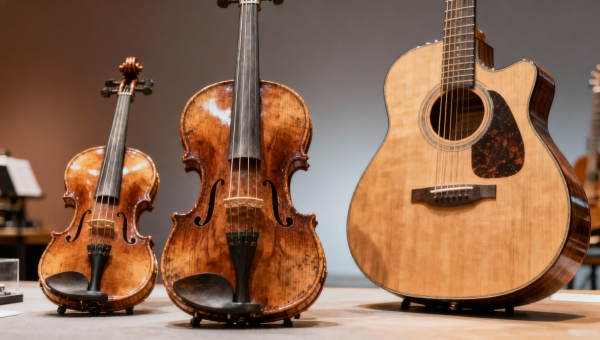
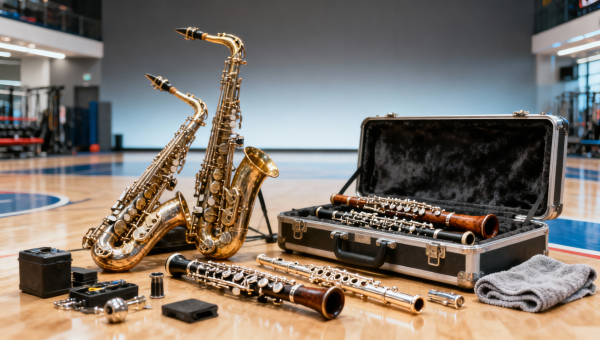
String instruments and woodwinds require more nuanced procurement. For premium performance spaces, their tonal value may justify higher maintenance. For shared-use venues, however, they can be less forgiving. Fingerboard wear, bridge shifts, pad leaks, and accidental impacts increase service frequency. The buyer must weigh sound quality, performer expectations, and maintenance capacity together.
Category comparison for venue durability
The table below helps commercial buyers compare musical instrument categories by durability profile, maintenance pressure, and common venue fit. It is especially useful when selecting inventory for hotels, entertainment parks, school performance halls, and multi-use event venues.
For many buyers, the key takeaway is balance. The most durable musical instruments are not always the lowest-maintenance in every context, but percussion, brass, and commercial keyboard instruments often provide the strongest mix of resilience, serviceability, and predictable lifecycle cost in heavy-use entertainment operations.
What about orchestral instruments in premium venues?
Orchestral instruments can absolutely succeed in high-use environments when the venue supports trained handling and controlled storage. A five-star hotel, performing arts center, or cultural venue may accept higher care requirements in exchange for acoustic performance. In these cases, procurement should include not just the instrument, but also storage cabinets, humidity control, music stands, transport cases, and a servicing plan every quarter or every season.
How Should Buyers Evaluate Technical Performance Beyond the Instrument Itself?
High-use venue performance depends on a working system, not a single product. Even durable musical instruments will fail operationally if paired with unstable stands, low-grade instrument cables, poor storage, or under-specified pro audio equipment. Procurement teams should therefore assess the full chain of use: setup, performance, teardown, storage, transport, and maintenance support.
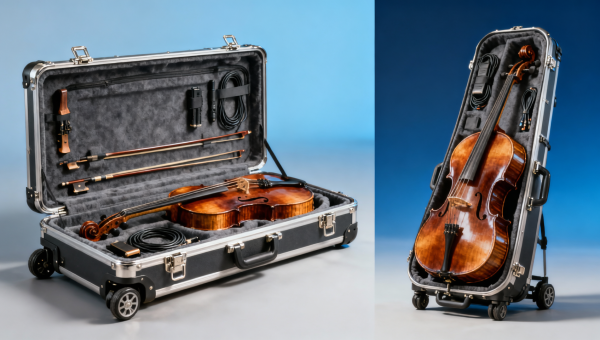
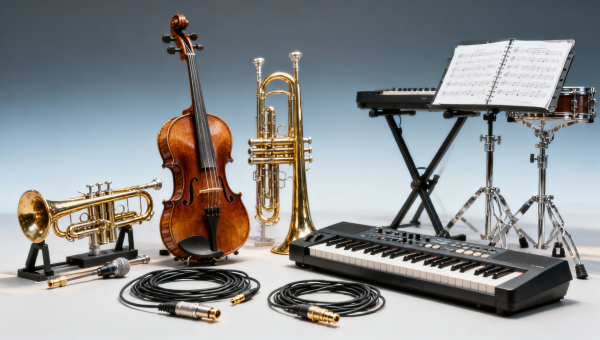
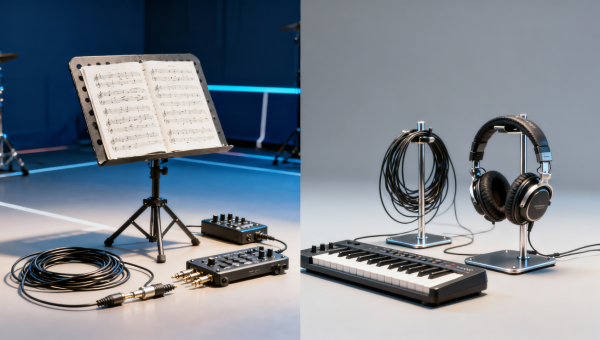
Three technical areas deserve special attention. First, structural contact points such as stand clamps, pedal assemblies, drum mounts, and keyboard supports should withstand repeated loading. Second, signal path accessories such as instrument cables, DI connections, and stage inputs must remain reliable after repeated coiling and foot traffic. Third, portability solutions such as rolling cases and rack systems should match the venue’s movement frequency.
In commercial assessments, buyers often separate product review into 3 layers: performer-facing durability, technician-facing serviceability, and procurement-facing continuity of supply. This framework is useful because a product may satisfy players in the short term but create long lead times for spare parts or excessive maintenance labor over 12–36 months.
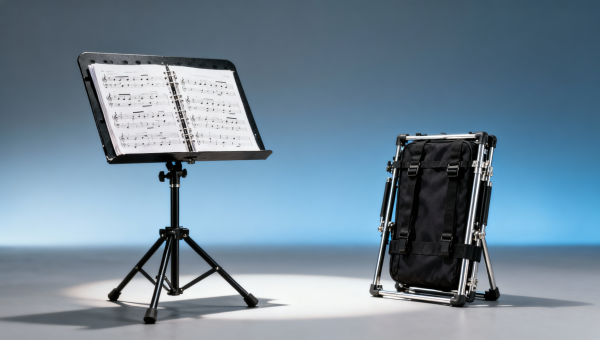
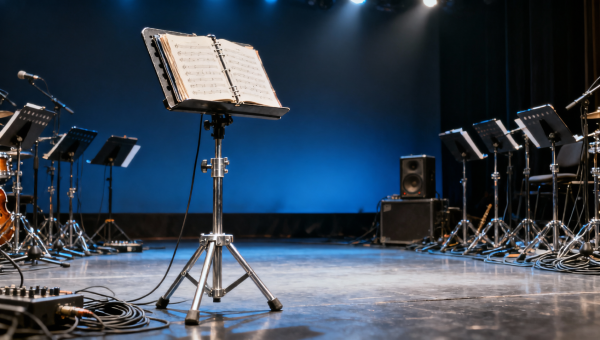
Accessories matter more than many first-time buyers expect. In shared venues, music stands may be adjusted dozens of times per week. Cheap clutches, thin tubing, and unstable bases fail quickly. The same logic applies to instrument cables. A low-cost cable that must be replaced every 2–3 months can cost more over a year than a better-specified cable with stronger shielding, strain relief, and connector retention.
Technical checkpoints for procurement teams
- Confirm duty cycle: ask whether the product is intended for daily commercial use, weekly event rental, or light institutional use.
- Review wear components: identify which parts are expected to wear within 6–18 months and whether they are field-replaceable.
- Check accessory compatibility: verify stand fit, cable standard, output interface, and case sizing before issuing a mixed-product order.
- Test storage impact: assess whether the instrument remains stable after transport, vertical storage, or repeated packing cycles.
System-level selection table for instruments and accessories
The next table summarizes practical buying criteria across instruments, accessories, and support hardware. This is especially useful for distributors, project buyers, and commercial evaluators comparing multiple sourcing options.
When buyers use a system-level checklist, they reduce hidden cost and improve venue uptime. This is especially important for large entertainment buyers who source mixed categories from different suppliers and need consistency across installation, operation, and after-sales support.
Procurement Guide: How to Choose the Right Mix for Hotels, Parks, Schools, and Event Venues
The right sourcing decision begins with use case segmentation. A hotel piano bar, a school multipurpose hall, an amusement venue, and a touring stage all have different priorities. Buyers should define at least 5 core inputs before requesting quotations: performance frequency, user skill level, setup mobility, storage conditions, and maintenance support expectations. Without this step, even high-quality musical instruments can be poorly matched to the venue.
For shared-use environments, durability usually outranks tonal refinement. For premium hospitality spaces, visual finish, acoustic character, and brand alignment may carry more weight. Commercial buyers should also decide whether they need standard specification, OEM/ODM adaptation, or bundled packages that include stands, cables, transport cases, and selected pro audio equipment.
Lead time matters. Common commercial procurement windows range from 2–6 weeks for stocked accessories to 6–12 weeks for larger mixed orders or customized solutions. If a project opening date is fixed, buyers should lock in substitution rules early. For example, if one keyboard stand or cable specification is delayed, what approved alternatives can ship without affecting installation?
Distributors and sourcing managers should also assess after-sales structure. Ask whether the supplier can support sample evaluation, pre-shipment inspection, packaging review, spare-part planning, and documentation for international shipment. These factors often determine whether a sourcing relationship scales smoothly across multiple venues or regions.
A 4-step commercial selection process
- Map the venue profile: define whether the site is fixed-installation, mobile-use, education-led, hospitality-led, or mixed entertainment use.
- Shortlist by durability class: separate products intended for home, semi-professional, and commercial-duty operation.
- Review total package needs: include music stands, instrument cables, cases, and pro audio equipment rather than evaluating instruments alone.
- Validate delivery and service terms: confirm lead time, replacement parts, sample access, and acceptance checkpoints before issuing the PO.
Where GCT adds value for commercial buyers
Global Commercial Trade supports buyers who need more than a catalog comparison. For hospitality groups, institutional procurement teams, and distributors entering new markets, the challenge is not only finding durable musical instruments. It is evaluating sourcing readiness, commercial fit, compliance expectations, customization feasibility, and supply continuity across categories.
Because GCT focuses on commercial experiences and specialty sourcing, it helps procurement stakeholders compare options with greater operational context. That includes questions such as whether a product line is better for premium hotel entertainment, high-frequency school use, or multi-venue distributor rollout; whether accessory ecosystems are complete; and whether the supplier can support scalable ordering rather than one-off retail transactions.
Common Mistakes, Compliance Checks, and Buyer Questions
One frequent mistake is assuming professional appearance equals commercial durability. A glossy finish or attractive design does not guarantee that an instrument, stand, or cable can survive daily venue use. Buyers should ask specific questions about material thickness, connector cycles, replacement part access, and packing method for export shipment.
Another issue is underestimating compliance and documentation. Depending on the product mix and destination market, buyers may need to review electrical safety, material declarations, packaging details, or transport-related documentation for electronic musical instruments and pro audio equipment. Even when no special approval is mandatory for a given item, commercial importers still benefit from complete specification sheets and inspection-ready paperwork.
There is also a planning error around replacement strategy. In high-use venues, certain items should be treated as managed-consumption products. Instrument cables, drum heads, reeds, and some support accessories often require planned replenishment. Building a 6–12 month replenishment schedule into the original purchase plan is usually more efficient than reactive emergency buying.
Finally, venue buyers should avoid over-customization too early. Custom finishes, branded details, or special pack-outs can be valuable, but only after the core reliability and supply chain questions are solved. For opening projects with tight deadlines, standard commercial configurations often reduce risk and allow faster approval cycles.
FAQ for procurement teams and distributors
Which musical instruments are usually the safest choice for high-use venues?
For many commercial environments, percussion instruments, brass instruments, and stage-oriented keyboard instruments are the safest starting point. They typically offer stronger resistance to repeated setup, broader serviceability, and more predictable maintenance than fragile shared-use woodwinds or lower-grade acoustic strings. However, the final choice still depends on performer level, venue prestige, and storage conditions.
How long is a typical commercial procurement cycle?
A common cycle runs through 4 stages: specification review, sample or technical confirmation, order production or allocation, and shipment planning. Stocked accessories may move in 7–15 days, while integrated orders involving instruments, music stands, instrument cables, and pro audio equipment may require 3–8 weeks depending on quantity, packaging, and destination.
What should buyers prioritize when budget is limited?
Prioritize failure-sensitive items first. In many venues, that means solid stands, dependable cables, protected transport, and instruments designed for commercial duty. Buyers can often save budget by limiting cosmetic upgrades, choosing standard finishes, or reserving premium acoustic models for flagship spaces while using more durable alternatives in shared-use zones.
Are accessories really as important as the instruments?
Yes. In operational terms, accessories often determine uptime. A reliable keyboard with a weak stand, unstable power path, or failing instrument cable still creates performance risk. For commercial venues running multiple events per week, accessory failure can cause more disruption than gradual instrument wear, because it directly affects setup speed and live signal reliability.
Why Work With a Commercial Sourcing Partner for Durable Musical Instruments?
For information researchers, procurement officers, business evaluators, and distributors, the challenge is rarely just identifying one good product. The real task is building a dependable sourcing plan across categories, price points, and project timelines. That is where a commercial-focused partner adds value: by turning scattered product information into a usable decision framework.
GCT supports sourcing decisions for commercial experiences where reliability, presentation, and supply continuity all matter. Whether you are comparing percussion instruments for a leisure venue, selecting keyboard instruments for hotel entertainment, evaluating music stands and instrument cables for institutional use, or reviewing bundled pro audio equipment options, a structured sourcing approach reduces risk before the order is placed.
You can consult GCT on practical commercial topics such as parameter confirmation, category matching by venue type, standard versus customized configurations, typical delivery windows, documentation expectations, sample support, and quotation alignment for multi-item sourcing plans. This is especially useful when the purchase must satisfy operational teams, finance reviewers, and local distribution partners at the same time.
If you are preparing a hospitality project, school venue upgrade, entertainment installation, or distributor expansion plan, the next step is to define your product mix and technical shortlist. Share your target application, expected use frequency, required accessories, quantity range, and delivery deadline. With that information, GCT can help you evaluate durable musical instruments and supporting equipment with clearer commercial logic and better purchasing confidence.
Search News
Hot Articles
Popular Tags
Need ExpertConsultation?
Connect with our specialized leisureengineering team for procurementstrategies.
Recommended News
 Apr 20, 2026Music Accessories Often Overlooked Until They Start Causing ProblemsMusic accessories often cause hidden issues across musical instruments, percussion instruments, wind instruments, string instruments, keyboard instruments, orchestral instruments, music stands, instrument cables, and pro audio equipment.● Pro Audio Engineer
 Apr 20, 2026When Orchestral Instruments Need Custom Cases and Why It MattersMusical instruments and orchestral instruments need custom cases to protect string instruments, wind instruments, percussion instruments, and keyboard instruments during transport. Learn when buyers should upgrade for safer logistics.● Pro Audio Engineer
 Apr 20, 2026Keyboard Instruments in 2026: What Features Are Becoming Standard?Keyboard instruments in 2026 are redefining musical instruments with smarter connectivity, durable builds, and seamless integration with pro audio equipment, instrument cables, music stands, and music accessories.● Pro Audio Engineer
 Apr 20, 2026Music Stands With Folding Designs: Convenient or Less Reliable?Music stands buyers compare folding convenience with long-term reliability across musical instruments, percussion instruments, wind instruments, string instruments, and pro audio equipment.● Pro Audio Engineer
 Apr 20, 2026String Instruments With Better Tuning Stability in Busy Use CyclesExplore string instruments with better tuning stability for busy venues. Compare musical instruments, percussion instruments, and wind instruments to source reliable, low-maintenance performance solutions.● Pro Audio Engineer
 Apr 20, 2026Why Wind Instruments React So Differently to Climate and StorageWind instruments react fast to climate and storage. Compare musical instruments, percussion instruments, string instruments, and music accessories to cut maintenance risk and buy smarter.● Pro Audio Engineer
 Apr 20, 2026Percussion Instruments for Shared Spaces: What Reduces Noise Most?Percussion instruments for shared spaces: discover what reduces noise most across musical instruments, with smart comparisons to wind instruments, string instruments, keyboard instruments, and practical accessories.● Pro Audio Engineer
 Apr 20, 2026How to Spot Musical Instruments That Look Fine but Wear Out FastDiscover how to spot musical instruments that look premium but wear out fast. Learn key checks for percussion instruments, wind instruments, string instruments, keyboard instruments, music stands, instrument cables, pro audio equipment, and music accessories before you buy.● Pro Audio Engineer
 Apr 20, 2026Music Accessories That Quietly Affect Daily Performance QualityExplore how music accessories shape daily performance quality—from music stands and instrument cables to pro audio equipment for musical instruments, percussion instruments, wind instruments, string instruments, and keyboard instruments.● Pro Audio Engineer
 Apr 20, 2026Orchestral Instruments With the Highest Repair RatesExplore which orchestral instruments have the highest repair rates across wind instruments, string instruments, percussion instruments, and keyboard instruments, with smart buying tips for musical instruments, music accessories, music stands, instrument cables, and pro audio equipment.● Pro Audio Engineer
 Apr 20, 2026Are Keyboard Instruments With Weighted Keys Worth the Extra Cost?Keyboard instruments with weighted keys: discover if the extra cost pays off for musical instruments buyers, with smart tips on music accessories, instrument cables, and pro audio equipment.● Pro Audio Engineer
 Apr 20, 2026Music Stands That Stay Stable on Stage: What Makes the Difference?Music stands for musical instruments: discover what keeps them stable on stage for string instruments, wind instruments, percussion instruments, and keyboard instruments—plus smart buying tips.● Pro Audio Engineer
 Apr 20, 2026String Instruments: Solid Wood or Laminated for Regular Use?String instruments guide for regular use: compare solid wood vs laminated models across musical instruments setups with music accessories, pro audio equipment, and smarter sourcing insights.● Pro Audio Engineer
 Apr 20, 2026Wind Instruments for Schools and Venues: What Affects Longevity?Wind instruments longevity guide for schools and venues: compare musical instruments, percussion instruments, string instruments, and keyboard instruments to source smarter and reduce total cost.● Pro Audio Engineer
 Apr 20, 2026Why Some Percussion Instruments Cost More to Maintain Than ExpectedExplore why percussion instruments can cost more to maintain than expected, and compare musical instruments, orchestral instruments, music accessories, music stands, instrument cables, and pro audio equipment.● Pro Audio Engineer
 Apr 20, 2026Which Musical Instruments Hold Up Best in High-Use Venues?Musical instruments for high-use venues: compare percussion instruments, wind instruments, string instruments, keyboard instruments, music stands, instrument cables, pro audio equipment, and music accessories.● Pro Audio Engineer
 Apr 19, 2026What changed in musical instruments demand in 2026?Musical instruments demand in 2026 is shifting fast across trampoline park and indoor playground projects. Explore trends in percussion instruments, wind instruments, string instruments, and crossover demand from outdoor playground and playground swings.● Pro Audio Engineer
 Apr 19, 2026Why string instruments react so differently to climate changesString instruments react faster to climate changes than percussion instruments or wind instruments. Discover smart sourcing tips for trampoline park, indoor playground, and outdoor playground projects.● Pro Audio Engineer
 Apr 19, 2026String instruments: solid wood or laminate for long-term use?String instruments guide for buyers: compare solid wood vs laminate for long-term use, durability, maintenance, and value across musical instruments, percussion instruments, and wind instruments.● Pro Audio Engineer
 Apr 19, 2026When do wind instruments need repair sooner than expected?Wind instruments need repair sooner in trampoline park and indoor playground venues due to heavy use, humidity, and poor storage. Compare musical instruments, percussion instruments, string instruments, outdoor playground planning, and playground swings with expert sourcing tips.● Pro Audio Engineer
 Apr 19, 2026Wind instruments that handle frequent transport more reliablyWind instruments guide for buyers: compare durable musical instruments for frequent transport, with insights across percussion instruments, string instruments, trampoline park and indoor playground venues.● Pro Audio Engineer
 Apr 19, 2026Common tuning issues with percussion instruments in humid areasPercussion instruments in humid venues can lose tuning fast. Learn how musical instruments perform in trampoline park, indoor playground, and outdoor playground spaces for smarter sourcing.● Pro Audio Engineer
 Apr 19, 2026Percussion instruments with lower upkeep in heavy-use spacesDiscover low-upkeep percussion instruments for trampoline park, indoor playground, and outdoor playground spaces—durable musical instruments that outperform wind instruments, string instruments, and fit playground swings zones.● Pro Audio Engineer
 Apr 19, 2026How to compare musical instruments for school and venue useCompare musical instruments for schools and venues with practical tips on percussion instruments, wind instruments, and string instruments. Ideal for indoor playground, trampoline park, outdoor playground, and playground swings projects.● Pro Audio Engineer