When Orchestral Instruments Need Custom Cases and Why It Matters
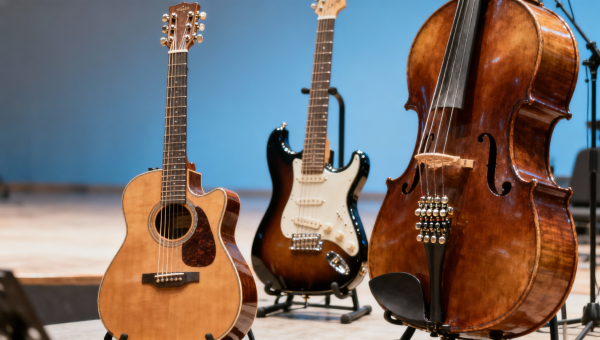
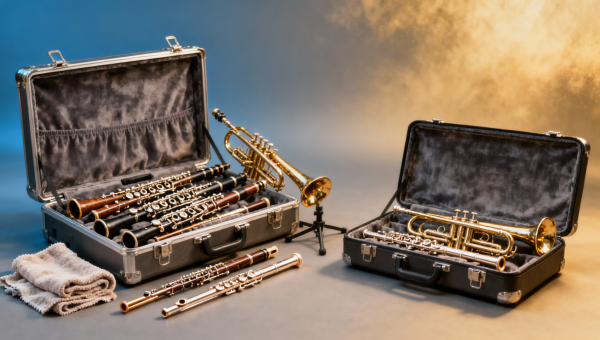
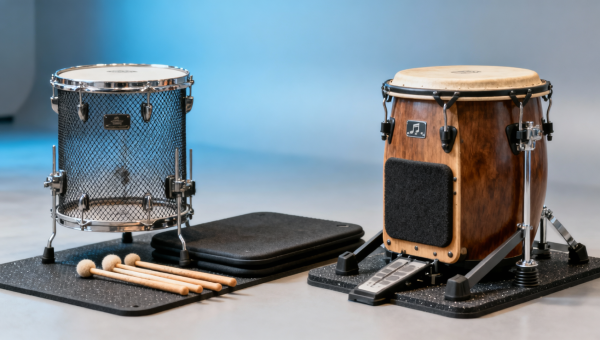
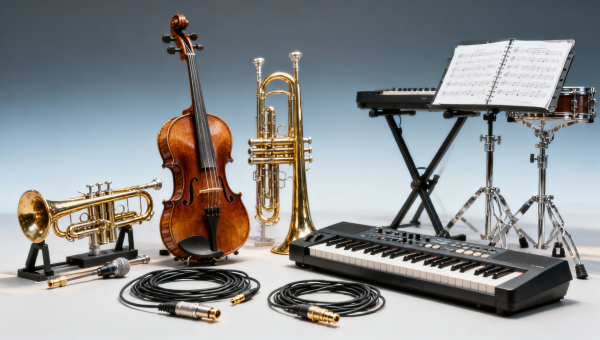
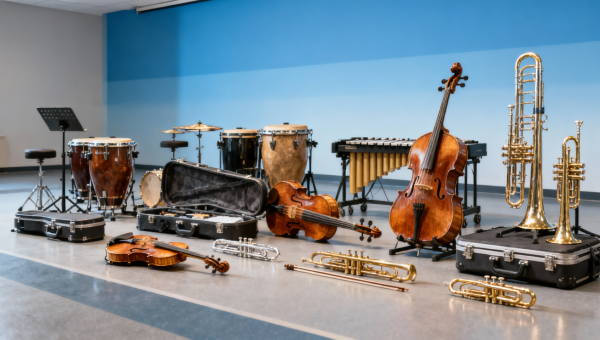
From string instruments and wind instruments to percussion instruments and keyboard instruments, orchestral instruments face unique transport and storage risks that standard packaging cannot solve. For buyers, dealers, and sourcing teams in musical instruments and pro audio equipment, understanding when custom cases are necessary is essential for protecting assets, preserving performance quality, and supporting long-term value across music accessories, music stands, and instrument cables.
Why custom cases become essential in orchestral instrument logistics
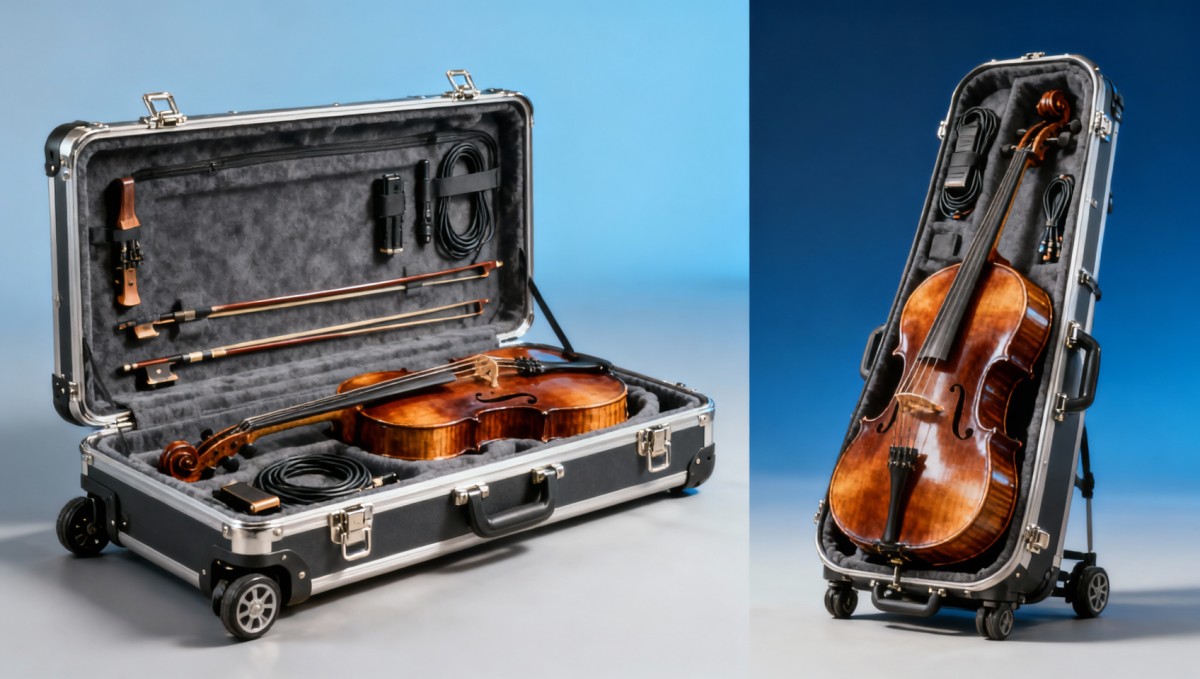
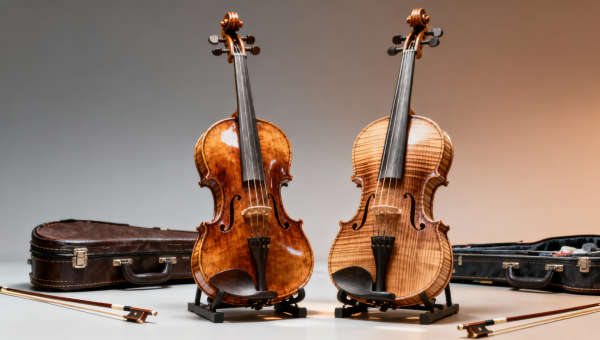
In the sports and entertainment supply chain, orchestral instruments often move through demanding environments: touring circuits, school and institutional programs, rental fleets, hospitality venues, event production sites, and international distribution networks. A violin sent to a conservatory, a timpani moved between performance halls, or a concert harp delivered to a hotel ballroom all face a similar problem: standard cartons are designed for shipment, not for repeated handling, vibration control, or long-term protection.
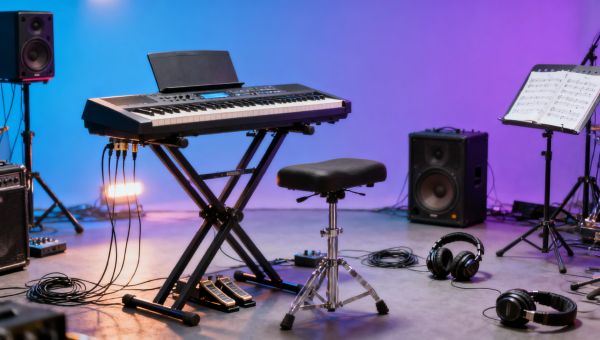
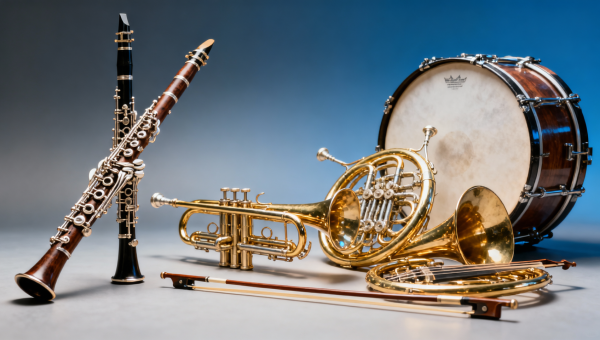
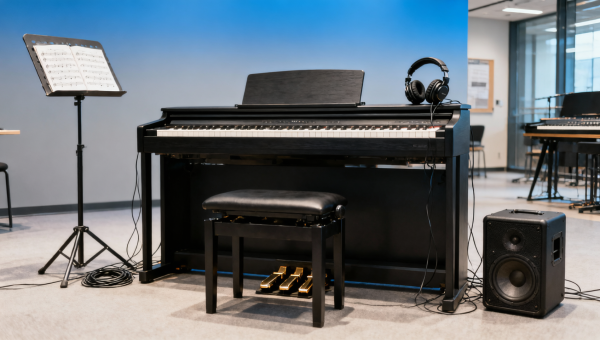
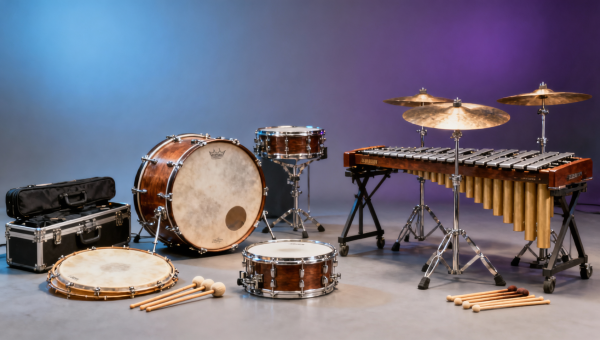
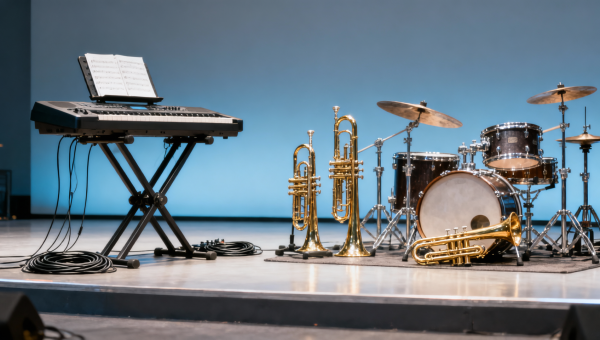
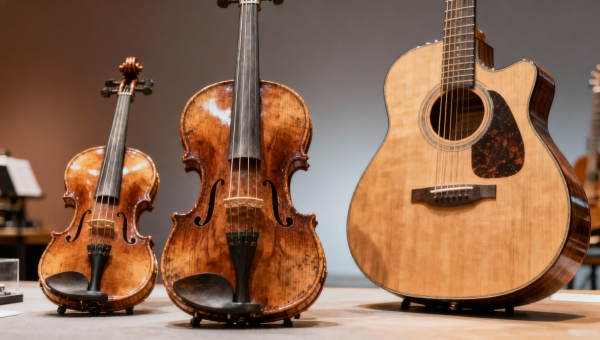
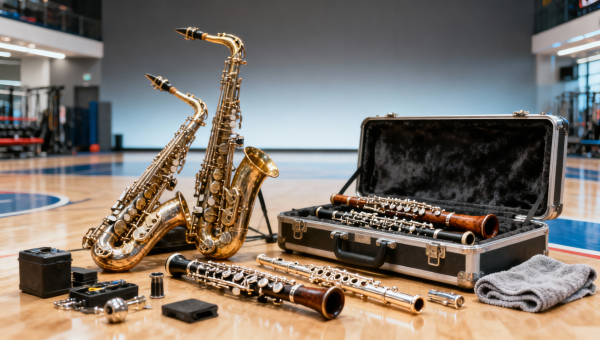
A custom case matters when the instrument has unusual geometry, fragile projection points, finish-sensitive surfaces, or high replacement cost. That includes double basses, bassoons, French horns, cellos, marimbas, and digital stage pianos used in orchestral or hybrid live settings. In many commercial buying situations, the decision is not just about breakage prevention. It is also about reducing service interruptions, preserving tuning stability, and limiting the hidden cost of repairs, repacking, and claims management over 12–36 months.
For procurement teams, the trigger point for moving from standard packaging to a custom instrument case usually appears in one of 4 conditions: repeated transport, mixed-mode handling, premium-value inventory, or high-frequency deployment. If an instrument is moved weekly, stacked with other equipment, transferred across 2–3 logistics partners, or stored in variable temperature environments, the protection requirement changes quickly.
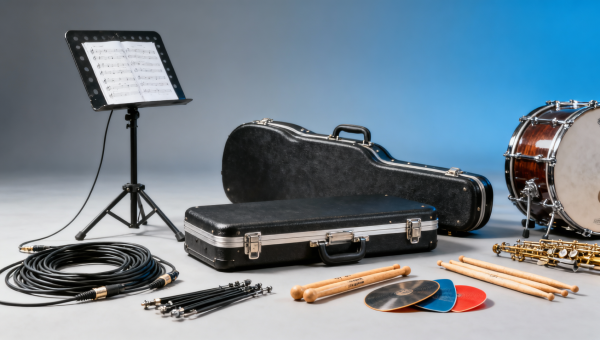
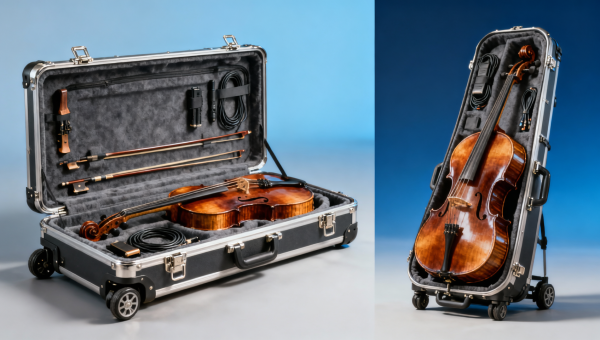
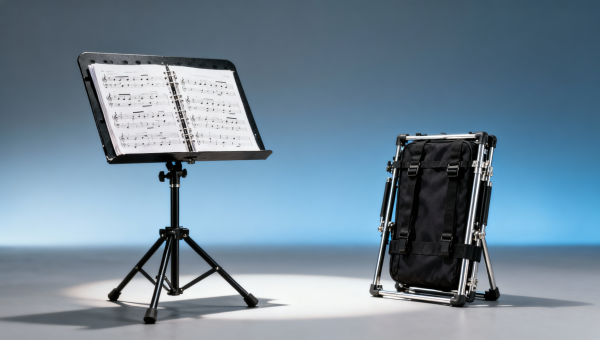
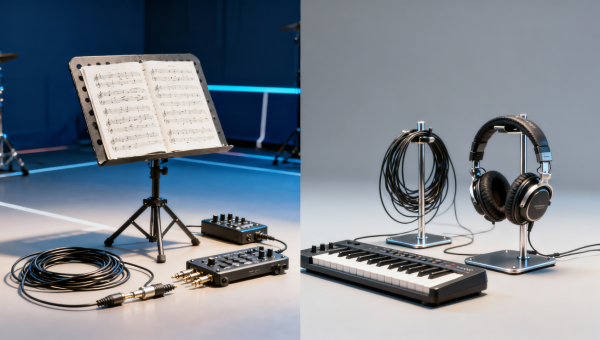
This is especially relevant for distributors and agents who manage both instruments and related accessories. A transport incident rarely affects only the instrument body. Damage may extend to bows, mouthpieces, pedals, detachable legs, bench hardware, sheet music trays, cables, and stands. A well-designed custom case can organize these components into controlled compartments, reducing setup confusion and missing parts during event turnover.
What standard packaging usually fails to address
The main weakness of off-the-shelf packaging is that it protects for one transit cycle, while orchestral operations require protection across many cycles. Foam inserts in standard cartons often compress after repeated loading. Empty internal space allows instrument shift. Outer board structures may resist light impacts but are not built for frequent lifting, rolling, or warehouse transfer. In practical terms, a case intended for 1 delivery often performs poorly after 10–20 handling events.
- Irregular instrument contours leave unsupported areas around bridges, keys, valves, tuning pegs, and endpins.
- Humidity and temperature swings during storage can affect wood movement, adhesives, pads, and finishes.
- Accessory separation is weak, causing friction damage or part loss during event setup and teardown.
- Handling features such as caster wheels, reinforced handles, and stack-safe edges are often missing.
For information researchers comparing supply options, the practical question is simple: will this packaging still protect the instrument after repeated loading, unloading, and storage across a 6–12 month operational cycle? If the answer is unclear, a custom case should be assessed early rather than after the first claim.
Which instruments and usage scenarios justify a custom case?
Not every instrument needs the same level of enclosure. A student-grade violin used locally may be served by a quality standard case, while a professional cello in rental circulation may require reinforced structural support, moisture management, and transport-ready hardware. Buyers should judge custom case need by transport frequency, asset value, fragility, and deployment environment rather than by instrument category alone.
Venue type also changes the requirement. Instruments used in fixed orchestral halls are exposed to different risks than those used in touring productions, cruise entertainment programs, resort performance spaces, or educational networks. In hospitality and entertainment operations, equipment may be stored backstage, moved by non-specialist staff, and deployed under tight setup windows of 30–90 minutes. That operational pressure increases the value of protective design and fast-access layouts.
The table below helps procurement teams compare typical orchestral instrument scenarios and identify when custom cases create measurable value in handling, durability, and asset control.
The key insight is that custom cases are most valuable where the instrument travels often, where multiple parts must stay together, or where downtime has a commercial cost. For a distributor, one damaged horn can delay resale. For a venue operator, one damaged keyboard can disrupt an event package. For a school network or arts foundation, repeated repair cycles can erode budget faster than the original case upgrade.
Scenario-based decision points for buyers and dealers
A custom instrument case should move up the priority list when one or more of these conditions apply over a 3–12 month planning period.
- The instrument is used in touring, rental, education, or event support where handling frequency exceeds monthly movement.
- The instrument includes detachable accessories that are expensive, easy to lose, or critical to immediate setup.
- Replacement lead time is long, especially for imported, premium, or partially handmade orchestral products.
- The buyer needs a branded or specification-controlled package for resale channels, institutional tendering, or dealer consistency.
In sourcing conversations, these are stronger decision criteria than price alone. A low-cost carton that fails after 2 transport cycles is not a low-cost solution when repair, claim handling, and customer dissatisfaction are added to the total landed cost.
What should procurement teams evaluate before approving a custom instrument case?
Selecting a custom case is not only about foam thickness or exterior material. Procurement teams should evaluate the full protection system, including fit accuracy, internal suspension, shell construction, transport hardware, accessory layout, and service support. In most B2B projects, a practical review can be completed through 5 key checks: dimensional compatibility, handling method, environmental exposure, use frequency, and replacement risk.
For orchestral instruments, internal fit matters more than visual size. A well-built case holds the instrument at structurally stable points and avoids pressure on delicate components such as bridges, key rods, valve casings, tuning machines, and lacquered surfaces. Tolerance expectations vary by design, but buyers should ask whether the supplier can control fit consistency over small, medium, and repeat production batches.
The material combination also changes performance. Wood-based flight structures, molded shells, aluminum framing, EVA interiors, and textile-covered rigid forms all serve different needs. For example, a retail-ready protective case may prioritize weight and presentation, while a touring road case may prioritize impact resistance, stacking stability, and hardware replacement over a 2–5 year operating life.
The following table gives buyers a practical framework for comparing case specifications in a sourcing or tender process.
This comparison helps business evaluators move the conversation from general claims to measurable checkpoints. It also supports better communication between purchasing, technical review, warehousing, and sales teams, which is essential when cases are intended for resale, fleet use, or bundled delivery with music accessories and pro audio equipment.
Questions worth asking before issuing a PO
Before approving a custom case supplier, buyers should request clear answers on the following points. These questions reduce revision risk and help align the case with the real commercial scenario rather than a generic template.
- Can the supplier build from instrument drawings, physical samples, or both, and what is the expected revision path in 2–3 rounds?
- Are accessory compartments designed for bows, mallets, mouthpieces, pedals, cables, sheet clips, or music stands when required?
- What is the typical production lead time after sample approval: 15–30 days, 30–45 days, or longer for complex structures?
- Can the packaging and branding support dealer distribution, OEM supply, or institutional labeling requirements?
These points are particularly useful for distributors managing multi-SKU portfolios. A case that works operationally but creates confusion in labeling, inventory handling, or after-sales parts support can still become a weak point in the channel.
Cost, alternatives, and the real procurement trade-off
Budget pressure is one of the main reasons buyers delay custom case projects. However, the right comparison is not custom case versus low-price packaging in isolation. The real comparison is total operating cost over time. That includes damage risk, internal handling labor, part loss, resale impact, service interruption, and claim administration. In many B2B entertainment projects, the cost difference becomes more reasonable when spread across 12 months of actual use.
There are usually 3 procurement paths. First, standard stock cases work for low-value, low-frequency, and locally handled instruments. Second, semi-custom cases adapt standard shells with revised interiors and branding, often suitable for mid-volume dealer needs. Third, fully custom cases support unusual dimensions, premium instruments, touring requirements, and integrated accessory storage. Each path has a place, but buyers should choose based on use intensity, not habit.
The table below outlines how these options differ in practical purchasing terms.
For buyers with tight budgets, semi-custom development can be a practical bridge. It often improves internal support, branding, and accessory management without the full engineering effort of a ground-up enclosure. But when instruments are large, fragile, or commercially critical, delaying a fully custom solution can create more cost than it saves.
Common mistakes that increase total cost
Several sourcing mistakes appear repeatedly in musical instrument and pro audio procurement. They are avoidable, but only if the case is treated as part of the equipment system rather than as an afterthought.
- Choosing by unit price without considering how often the instrument will move during each quarter.
- Ignoring detachable accessories and later discovering missing pedals, bows, or cable kits.
- Approving a prototype without simulating actual loading, rolling, lifting, and storage conditions.
- Using one universal case design across several instrument variations that differ in body depth, hardware position, or stand requirements.
These issues are especially costly for distributors and agents. Channel reputation depends not only on product quality, but on whether goods arrive ready for immediate use and remain serviceable throughout the warranty and resale period.
FAQ and sourcing support: how to move from research to an actionable case brief
Many buyers know they need better protection, but they are unsure how to define requirements in a way that suppliers can quote accurately. A useful starting point is a short case brief covering 6 items: instrument dimensions, accessory list, transport method, storage condition, target quantity, and delivery timeline. With that information, a supplier can usually recommend whether a stock, semi-custom, or fully custom instrument case is appropriate.
For international sourcing, it is also wise to clarify carton packing, labeling, material expectations, and any destination-specific compliance concerns early in the process. While custom cases themselves may not require the same approvals as electrical products, the overall shipment can still be affected by material declarations, packaging expectations, or buyer-side vendor qualification procedures.
Global Commercial Trade supports buyers in the sports and entertainment sector by connecting product understanding with sourcing judgment. For orchestral instruments, that means evaluating not only the case form, but also the broader commercial context: resale positioning, institutional use, recurring event logistics, and bundled supply with pro audio and music accessories. This is where market intelligence becomes practical procurement value.
If you are comparing suppliers or preparing a dealer, venue, or education project, the most efficient next step is to turn the protection question into a specification question. Once the application, frequency, and accessory needs are defined, the right case type becomes much easier to shortlist.
How do I know if a semi-custom case is enough?
A semi-custom case is often enough when the outer size can follow a standard shell and the main need is improved internal support, logo application, or accessory separation. It is suitable for medium-volume dealer programs, school supply, and instruments with fewer protruding parts. If the instrument has highly irregular geometry, fragile exterior hardware, or export-grade handling demands, a fully custom structure is usually safer.
What delivery timeline is typical for a custom instrument case project?
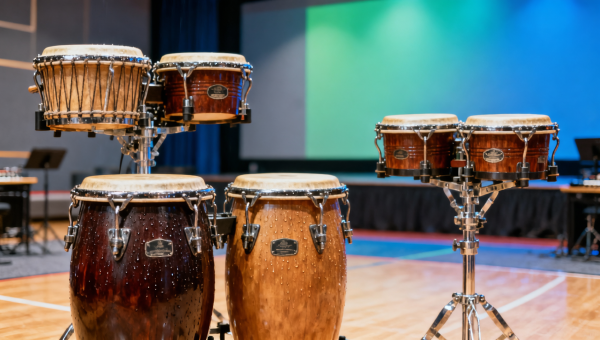
Timelines vary by complexity, but buyers often see a 2–4 week sample phase followed by a 3–6 week production phase after approval for standard development paths. More complex road-case structures, multi-part percussion systems, or projects requiring several revisions may take longer. The best way to avoid delay is to provide complete dimensions, photos, and accessory lists at the start.
What should dealers and distributors include in a quote request?
Include instrument type, exact dimensions, whether a physical sample is available, expected order quantity, use scenario, transport frequency, branding needs, and whether accessories such as bows, mallets, pedals, cables, or music stands must fit inside. Also note whether the case is for end-user resale, fleet circulation, or project delivery. These details reduce quotation error and shorten revision rounds.
Why choose us for orchestral instrument case sourcing support?
Global Commercial Trade helps procurement teams, distributors, and commercial buyers make better sourcing decisions by combining category insight with practical supplier evaluation. In orchestral instrument protection, that means support around case type selection, fit and accessory planning, lead-time assessment, OEM or ODM coordination, and commercial positioning across pro audio and musical instrument channels.
You can contact us for concrete next-step support, including parameter confirmation, custom case selection, sample planning, expected delivery windows, accessory integration, export-oriented packaging discussion, and quote communication for dealer or project supply. If you are comparing multiple suppliers, we can also help structure the decision criteria so your team evaluates protection, usability, and commercial fit on the same page before issuing a final RFQ.
Search News
Hot Articles
Popular Tags
Need ExpertConsultation?
Connect with our specialized leisureengineering team for procurementstrategies.
Recommended News
 Apr 20, 2026Music Accessories Often Overlooked Until They Start Causing ProblemsMusic accessories often cause hidden issues across musical instruments, percussion instruments, wind instruments, string instruments, keyboard instruments, orchestral instruments, music stands, instrument cables, and pro audio equipment.● Pro Audio Engineer
 Apr 20, 2026When Orchestral Instruments Need Custom Cases and Why It MattersMusical instruments and orchestral instruments need custom cases to protect string instruments, wind instruments, percussion instruments, and keyboard instruments during transport. Learn when buyers should upgrade for safer logistics.● Pro Audio Engineer
 Apr 20, 2026Keyboard Instruments in 2026: What Features Are Becoming Standard?Keyboard instruments in 2026 are redefining musical instruments with smarter connectivity, durable builds, and seamless integration with pro audio equipment, instrument cables, music stands, and music accessories.● Pro Audio Engineer
 Apr 20, 2026Music Stands With Folding Designs: Convenient or Less Reliable?Music stands buyers compare folding convenience with long-term reliability across musical instruments, percussion instruments, wind instruments, string instruments, and pro audio equipment.● Pro Audio Engineer
 Apr 20, 2026String Instruments With Better Tuning Stability in Busy Use CyclesExplore string instruments with better tuning stability for busy venues. Compare musical instruments, percussion instruments, and wind instruments to source reliable, low-maintenance performance solutions.● Pro Audio Engineer
 Apr 20, 2026Why Wind Instruments React So Differently to Climate and StorageWind instruments react fast to climate and storage. Compare musical instruments, percussion instruments, string instruments, and music accessories to cut maintenance risk and buy smarter.● Pro Audio Engineer
 Apr 20, 2026Percussion Instruments for Shared Spaces: What Reduces Noise Most?Percussion instruments for shared spaces: discover what reduces noise most across musical instruments, with smart comparisons to wind instruments, string instruments, keyboard instruments, and practical accessories.● Pro Audio Engineer
 Apr 20, 2026How to Spot Musical Instruments That Look Fine but Wear Out FastDiscover how to spot musical instruments that look premium but wear out fast. Learn key checks for percussion instruments, wind instruments, string instruments, keyboard instruments, music stands, instrument cables, pro audio equipment, and music accessories before you buy.● Pro Audio Engineer
 Apr 20, 2026Music Accessories That Quietly Affect Daily Performance QualityExplore how music accessories shape daily performance quality—from music stands and instrument cables to pro audio equipment for musical instruments, percussion instruments, wind instruments, string instruments, and keyboard instruments.● Pro Audio Engineer
 Apr 20, 2026Orchestral Instruments With the Highest Repair RatesExplore which orchestral instruments have the highest repair rates across wind instruments, string instruments, percussion instruments, and keyboard instruments, with smart buying tips for musical instruments, music accessories, music stands, instrument cables, and pro audio equipment.● Pro Audio Engineer
 Apr 20, 2026Are Keyboard Instruments With Weighted Keys Worth the Extra Cost?Keyboard instruments with weighted keys: discover if the extra cost pays off for musical instruments buyers, with smart tips on music accessories, instrument cables, and pro audio equipment.● Pro Audio Engineer
 Apr 20, 2026Music Stands That Stay Stable on Stage: What Makes the Difference?Music stands for musical instruments: discover what keeps them stable on stage for string instruments, wind instruments, percussion instruments, and keyboard instruments—plus smart buying tips.● Pro Audio Engineer
 Apr 20, 2026String Instruments: Solid Wood or Laminated for Regular Use?String instruments guide for regular use: compare solid wood vs laminated models across musical instruments setups with music accessories, pro audio equipment, and smarter sourcing insights.● Pro Audio Engineer
 Apr 20, 2026Wind Instruments for Schools and Venues: What Affects Longevity?Wind instruments longevity guide for schools and venues: compare musical instruments, percussion instruments, string instruments, and keyboard instruments to source smarter and reduce total cost.● Pro Audio Engineer
 Apr 20, 2026Why Some Percussion Instruments Cost More to Maintain Than ExpectedExplore why percussion instruments can cost more to maintain than expected, and compare musical instruments, orchestral instruments, music accessories, music stands, instrument cables, and pro audio equipment.● Pro Audio Engineer
 Apr 20, 2026Which Musical Instruments Hold Up Best in High-Use Venues?Musical instruments for high-use venues: compare percussion instruments, wind instruments, string instruments, keyboard instruments, music stands, instrument cables, pro audio equipment, and music accessories.● Pro Audio Engineer
 Apr 19, 2026What changed in musical instruments demand in 2026?Musical instruments demand in 2026 is shifting fast across trampoline park and indoor playground projects. Explore trends in percussion instruments, wind instruments, string instruments, and crossover demand from outdoor playground and playground swings.● Pro Audio Engineer
 Apr 19, 2026Why string instruments react so differently to climate changesString instruments react faster to climate changes than percussion instruments or wind instruments. Discover smart sourcing tips for trampoline park, indoor playground, and outdoor playground projects.● Pro Audio Engineer
 Apr 19, 2026String instruments: solid wood or laminate for long-term use?String instruments guide for buyers: compare solid wood vs laminate for long-term use, durability, maintenance, and value across musical instruments, percussion instruments, and wind instruments.● Pro Audio Engineer
 Apr 19, 2026When do wind instruments need repair sooner than expected?Wind instruments need repair sooner in trampoline park and indoor playground venues due to heavy use, humidity, and poor storage. Compare musical instruments, percussion instruments, string instruments, outdoor playground planning, and playground swings with expert sourcing tips.● Pro Audio Engineer
 Apr 19, 2026Wind instruments that handle frequent transport more reliablyWind instruments guide for buyers: compare durable musical instruments for frequent transport, with insights across percussion instruments, string instruments, trampoline park and indoor playground venues.● Pro Audio Engineer
 Apr 19, 2026Common tuning issues with percussion instruments in humid areasPercussion instruments in humid venues can lose tuning fast. Learn how musical instruments perform in trampoline park, indoor playground, and outdoor playground spaces for smarter sourcing.● Pro Audio Engineer
 Apr 19, 2026Percussion instruments with lower upkeep in heavy-use spacesDiscover low-upkeep percussion instruments for trampoline park, indoor playground, and outdoor playground spaces—durable musical instruments that outperform wind instruments, string instruments, and fit playground swings zones.● Pro Audio Engineer
 Apr 19, 2026How to compare musical instruments for school and venue useCompare musical instruments for schools and venues with practical tips on percussion instruments, wind instruments, and string instruments. Ideal for indoor playground, trampoline park, outdoor playground, and playground swings projects.● Pro Audio Engineer