Instrument Cables: Shielding, Durability, and the Price Gap Explained
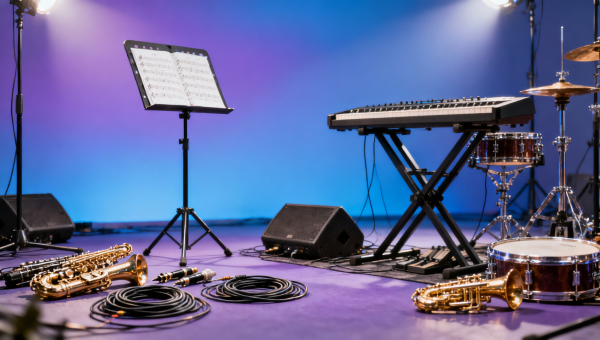
From stage rigs to studio installs, instrument cables directly affect signal clarity, durability, and total cost of ownership. For buyers comparing pro audio equipment and music accessories across musical instruments categories—from string instruments and keyboard instruments to percussion instruments, wind instruments, and orchestral instruments—understanding shielding, build quality, and price differences is essential for smarter sourcing and long-term performance.
Why instrument cable construction matters more than many buyers expect
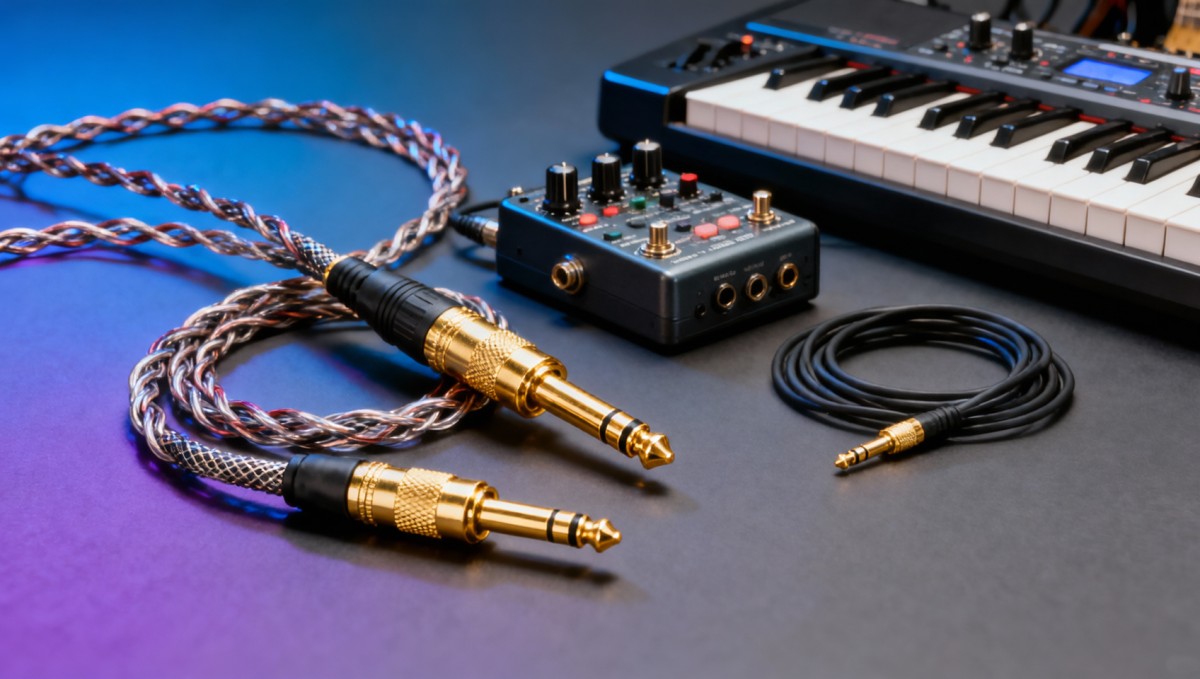
In commercial entertainment environments, instrument cables are often treated as low-value accessories, yet they influence daily performance reliability, noise control, and replacement frequency. A cable used for a touring guitar rig, a keyboard backline, or a music school practice room may be flexed hundreds of times per week, exposed to repeated plugging cycles, and routed near lighting power lines or wireless systems.
For procurement teams, the real issue is not simply cable price. It is whether a lower-cost option creates hidden costs through signal loss, intermittent faults, downtime, or early replacement within 6–12 months. In contrast, a well-built instrument cable may stay in service for 2–5 years in controlled indoor use, depending on handling standards and connector strain relief.
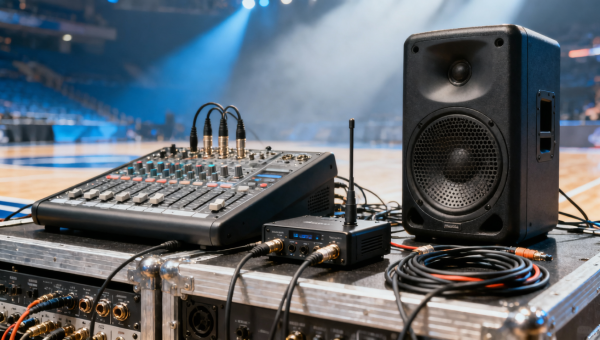
This is especially relevant across sports and entertainment venues where live music, themed attractions, event halls, bars, hotel lounges, and rehearsal facilities all rely on stable audio transmission. The wrong cable specification can introduce hum, handling noise, or weak contact points that undermine the perceived quality of a premium guest or audience experience.
Global Commercial Trade supports B2B buyers by framing cable selection as a sourcing decision, not a commodity purchase. That means comparing shielding structure, conductor quality, jacket durability, connector design, compliance expectations, and delivery reliability together rather than evaluating unit price alone.
What an instrument cable is expected to do in real applications
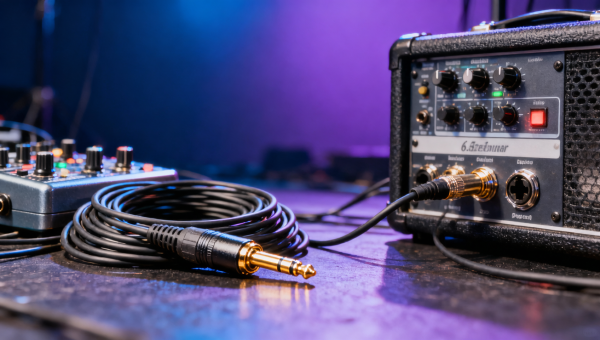
An instrument cable typically carries unbalanced, low-level audio signals from devices such as electric guitars, basses, keyboards, electronic percussion units, or stage processors. Because these signals are more vulnerable than speaker-level signals, shielding quality and cable geometry become critical. Even a short run of 3–6 meters can reveal noise problems if the environment is electrically crowded.
In procurement reviews, buyers should distinguish instrument cables from microphone cables and speaker cables. They may use similar connectors at first glance, but electrical purpose, conductor size, and shielding priorities differ. Substituting the wrong cable type can cause poor signal performance or unnecessary failure rates in rental, retail, and institutional music use.
- Instrument cables prioritize low-noise signal transfer for pickups, keyboards, and line-level stage devices.
- Typical commercial lengths range from 3 m to 10 m, with longer runs increasing capacitance and noise risk.
- Frequent deployment environments require stronger jackets, reinforced solder points, and reliable plug retention.
Shielding explained: which type fits stage, studio, school, or rental use?
Shielding is one of the main reasons two instrument cables with similar appearance can perform very differently. In practical buying terms, shielding determines how well the cable rejects electromagnetic interference generated by dimmers, power adapters, LED walls, wireless receivers, and nearby AC lines. The denser and more stable the shield, the lower the risk of hum and crackle during operation.
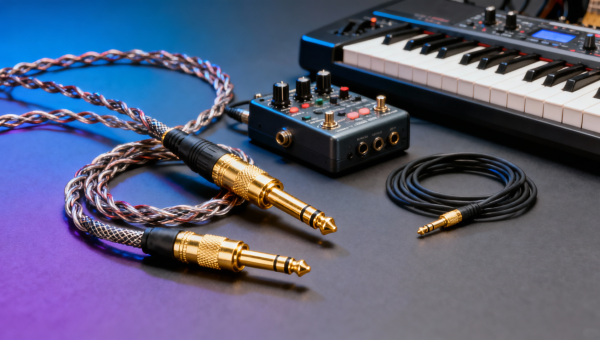
Common shield structures include spiral serve, braided shield, and foil combinations. Each has strengths and trade-offs. Spiral shielding is flexible and often used in musician-friendly cables, while braided shielding typically offers stronger coverage and durability under repeated movement. Foil shields may appear in some low-noise designs, but they are usually less ideal where constant flexing is expected.
The table below helps buyers compare common shielding choices against the realities of entertainment applications. This is useful for distributors, venue operators, and purchasing teams handling mixed-use orders across retail, education, hospitality, and performance settings.
For most sports and entertainment buyers, there is no single “best” shield. A venue with fixed keyboard stations may accept a different structure than a music retailer or rental provider that expects daily handling. The right decision depends on movement frequency, cable run length, local interference sources, and maintenance discipline.
How to assess shielding in practical sourcing terms
When comparing supplier quotations, ask for the shield construction, conductor material, and approximate use case instead of focusing only on packaging claims. Buyers often see vague descriptions such as “low noise” or “professional grade,” but those terms are not enough for technical comparison. A useful cable specification should support at least 3 core questions: how it rejects interference, how it handles repeated flexing, and how it behaves over common commercial lengths.
If the project includes hospitality lounges, school music rooms, or leased event systems, request a small pre-order evaluation batch. A 10–20 unit sample test over 2–4 weeks can quickly reveal connector looseness, jacket memory issues, or audible interference in the actual installation environment.
What really creates the price gap in instrument cables?
The price gap between entry-level and premium instrument cables is rarely caused by branding alone. In most cases, it reflects measurable differences in raw materials, assembly quality, quality control, and service life. A lower-cost cable may use thinner conductors, lighter shielding, molded connectors, or softer strain relief that shortens life under commercial use. A higher-priced cable often invests more in copper consistency, shielding density, plug construction, and mechanical reinforcement.
Another factor is capacitance management. While exact values vary by design, lower-capacitance cables are often favored for preserving high-frequency detail, especially with passive pickups on guitars and basses. For venues and resellers, that can matter when serving demanding users who notice tonal dullness on 6–9 meter runs. For educational or entry-level practice use, the difference may be less critical than durability and budget control.
The following comparison table helps explain where cost differences usually come from and how those differences should be interpreted in B2B purchasing decisions.
For many buyers, the best value sits in the middle tier rather than the lowest or highest price bracket. In a hotel lounge, rehearsal center, or school environment, paying 15%–30% more for stronger connectors and better shielding may lower replacement frequency enough to improve annual cost efficiency. The key is matching cable grade to usage intensity instead of applying one cable standard to every channel.
Total cost of ownership is the real pricing question
Commercial buyers should evaluate at least 5 cost elements: purchase price, expected service life, replacement rate, fault-related downtime, and labor spent on troubleshooting. A cheap cable used on a fixed keyboard station may be acceptable. The same cable in a rental fleet or festival backline can become expensive if technicians must replace failed units every quarter.
GCT helps sourcing teams compare these variables across supplier categories, OEM/ODM options, and different regional manufacturing profiles. This is especially useful when balancing distributor margin, end-user expectations, and procurement timelines of 7–15 days for stock orders or 3–6 weeks for customized batches.
How should procurement teams choose cables by application scenario?
Application-based selection is the fastest way to avoid overspending or under-specifying. Instrument cables for a premium hotel music lounge, a school instrument lab, a touring support company, and a retail chain should not all be sourced under the same standard. Usage intensity, user skill level, maintenance routines, and environmental noise all change the ideal cable specification.
Buyers in sports and entertainment should map cables into 3 broad categories: fixed installation use, managed shared use, and heavy mobility use. Fixed use often prioritizes noise resistance and neat routing. Shared use adds handling abuse and storage risks. Heavy mobility use demands stronger jackets, dependable connectors, and consistent performance after repeated setup and teardown.
A practical scenario guide for B2B buyers
The matrix below can simplify product selection across commercial entertainment and music-related purchasing projects.
This type of scenario-based planning helps commercial buyers avoid a common mistake: applying performance specifications suited for professional touring to low-intensity education rooms, or using education-grade cables in demanding rental fleets. Matching product grade to operating conditions produces a more defendable purchasing decision.
A 4-step sourcing checklist
- Define the usage model: fixed, shared, or mobile. This shapes the durability target.
- Select the length range needed. Shorter runs usually reduce noise and preserve signal detail.
- Review connector type, strain relief, and shielding instead of relying only on price or packaging.
- Request samples or pilot orders before full-volume purchase, especially for distributor or venue rollouts.
For larger sourcing programs, buyers should also ask about batch lead times, packaging options for dealer distribution, labeling requirements, and whether private-label or OEM support is available for 500-unit to multi-thousand-unit programs.
Common buyer mistakes, compliance questions, and what to verify before ordering
Many cable purchasing problems begin with incomplete specification review. One frequent mistake is assuming all 1/4-inch audio cables are functionally interchangeable. Another is focusing on visible plug finish while ignoring internal solder stability, conductor thickness, or jacket resilience. In B2B environments, these oversights can increase return rates, service calls, and dissatisfaction among venue operators or resale customers.
Compliance also matters, even for accessories. Requirements differ by region and sales channel, but buyers should still confirm applicable labeling, material declarations, and electrical safety-related documentation where relevant. For institutional procurement, import review, or distributor onboarding, it is reasonable to ask suppliers for standard product information, packaging consistency, and traceable manufacturing details.
Before order confirmation, review at least 6 checkpoints: cable type, length tolerance, connector specification, shield structure, jacket material suitability, and packaging configuration. If the project serves hospitality, education, or public entertainment venues, it is also useful to confirm maintenance guidance and batch identification for warranty handling.
FAQ for research and purchasing teams
How long should an instrument cable last in commercial use?
There is no fixed lifespan because usage intensity varies. In a controlled studio or fixed keyboard station, a quality cable may remain serviceable for 2–5 years. In rental, rehearsal, or touring use with frequent coiling and transport, replacement may be needed much sooner. Reviewing failure patterns every quarter is a practical way to manage inventory.
Are more expensive instrument cables always better?
Not always. Premium pricing may reflect meaningful upgrades, but some applications do not need the highest-tier design. A school practice lab often benefits more from dependable mid-range cables purchased in volume with spare units on hand. A rental company or premium live venue may justify a higher tier because downtime costs more than the unit price difference.
What should distributors and dealers ask suppliers before listing a cable line?
Ask about available lengths, shielding type, connector design, packaging format, reorder lead times, and return-handling support. Also clarify whether the supplier can maintain stable specifications across batches for 3–12 months. This is critical for dealers that want consistent retail positioning and lower after-sales friction.
Is sample testing really necessary for cables?
Yes, especially for larger commercial orders. A small pilot run can expose real-world issues that datasheets or catalog photos do not show. Testing 10–20 units across actual instruments, stage layouts, or practice rooms over 2–4 weeks usually gives enough feedback for informed volume purchasing.
Why work with GCT when sourcing instrument cables for commercial entertainment projects?
Instrument cable sourcing becomes more complex when buyers must balance audio performance, product positioning, budget discipline, and supply reliability across multiple channels. That is where GCT adds practical value. We connect market insight with sourcing judgment for commercial buyers operating in pro audio, musical instruments, hospitality entertainment, education, and leisure-driven projects.
Instead of treating cables as simple accessories, we help procurement teams and distributors evaluate product fit by use case, commercial tier, and lifecycle cost. This supports better decisions for hotel groups, venue developers, institutional buyers, and music equipment channels that need dependable products, clear specifications, and realistic supplier comparisons.
You can contact GCT for targeted support on 6 practical topics: parameter confirmation, application-based product selection, standard lead-time review, OEM or private-label options, documentation and compliance questions, and sample planning for commercial validation. If your project spans multiple instrument categories or venue types, we can also help structure a consolidated sourcing approach.
For buyers comparing instrument cables across price tiers, shielding designs, and durability targets, the fastest route to a sound decision is a structured inquiry. Share your target market, expected order volume, required cable lengths, performance priorities, packaging needs, and delivery window. GCT can help you narrow suitable options, reduce sourcing risk, and move from research to quotation with greater confidence.
Search News
Hot Articles
Popular Tags
Need ExpertConsultation?
Connect with our specialized leisureengineering team for procurementstrategies.
Recommended News
 Apr 20, 2026Snooker World Championship: Xiao Guodong Secures Third Chinese SpotSnooker World Championship: Xiao Guodong secures third Chinese spot amid AI officiating & 4K HDR broadcast — tech and talent converge in elite cue sports.● Pro Audio Engineer
 Apr 20, 2026FDA Proposes Chinese Label Translation Requirements for Sports SupplementsFDA proposes Chinese label translation requirements for sports supplements—key for importers, manufacturers & global brands. Act now to ensure compliance by Jan 2027.● Pro Audio Engineer
 Apr 17, 2026FDA Drafts New Labeling Rule for Chinese-Labeled Sports SupplementsFDA's new draft rule for Chinese-labeled sports supplements mandates certified English translations—key for brands, CMOs & importers navigating U.S. market entry.● Pro Audio Engineer
 Apr 16, 20262026 Yangtze River Delta Triathlon Uses Certified Chinese Timing System2026 Yangtze River Delta Triathlon uses certified Chinese timing system — ChronoLink Pro, ITU-approved RFID+GPS dual-mode solution for global race organizers.● Pro Audio Engineer
 Apr 13, 2026Asian University Basketball League Secures Funding, Launches Smart Venue ProgramThe Asian University Basketball League (AUBL) secures Series A funding and launches its Smart Venue Program, partnering with tech firms for sustainable sports infrastructure. A key opportunity for sports tech exporters with ISO 50001 certification.● Pro Audio Engineer
 Apr 19, 20262026 Shanghai Sailing Open Adopts ITU-Certified Chinese Timing System2026 Shanghai Sailing Open adopts ITU-certified Chinese timing system — a breakthrough for precision sports tech exporters, certifiers & event organizers.● Pro Audio Engineer
 Apr 20, 2026What Causes Early Failure in Pro Audio Equipment?Pro audio equipment fails early due to heat, dust, unstable power, and weak components. Learn how musical instruments, instrument cables, music accessories, and sourcing choices affect reliability.● Pro Audio Engineer
 Apr 20, 2026Instrument Cables: Shielding, Durability, and the Price Gap ExplainedInstrument cables guide for buyers of pro audio equipment and music accessories across musical instruments, string instruments, keyboard instruments, percussion instruments, wind instruments, and orchestral instruments.● Pro Audio Engineer
 Apr 20, 2026Pro Audio Equipment Upgrades That Improve Sound Without OverspendingPro audio equipment upgrades for musical instruments: improve sound with instrument cables, music stands, and music accessories for keyboard, percussion, wind, string, and orchestral instruments—without overspending.● Pro Audio Engineer
 Apr 20, 2026Instrument Cables: Why Cheap Options Often Fail During Live UseInstrument cables for musical instruments often fail live when cheap builds meet pro audio equipment demands. Compare smarter options for string, wind, percussion, and keyboard instruments.● Pro Audio Engineer
 Apr 18, 2026Instrument cables with gold-plated connectors: Do they improve tone—or just resale value?Instrument cables with gold-plated connectors boost reliability & resale value in theme parks, leisure parks, and hotels—proven for soundproofing, playground structures, and catering equipment.● Pro Audio Engineer
 Apr 18, 2026Instrument cables that degrade mid-show—what causes sudden signal drop?Instrument cables failing mid-show? Discover why—bending fatigue, EMI, corrosion & thermal stress—in theme parks, hotels, playgrounds & leisure venues.● Pro Audio Engineer
 Apr 17, 2026Pro stage audio setups where music accessories become acoustic liabilitiesDiscover how commercial furniture, playground borders, sensory playground gear & music accessories impact acoustic safety—avoid liability in pro audio environments.● Pro Audio Engineer
 Apr 16, 2026Pro stage audio gear warranties: What ‘lifetime’ really covers when used in hospitality venuesPro audio equipment & designer eyewear warranties decoded for hotels. See what ‘lifetime’ really covers—OEM manufacturing, custom fabrication, supply chain solutions & more.● Pro Audio Engineer
 Apr 16, 2026Recording studio gear sourcing: Why local compliance often overrides ‘best-in-class’ specsRecording studio gear sourcing for luxury spaces: compliance-first pro audio equipment, designer eyewear integration, and OEM manufacturing solutions—avoid costly delays.● Pro Audio Engineer
 Apr 16, 2026Pro audio equipment for boutique hotels: Why studio-grade gear doesn’t always translate to lobby soundPro audio equipment for boutique hotels must integrate with hotel furniture, designer eyewear & jewelry displays—discover why studio gear fails and how custom fabrication + supply chain solutions deliver sonic & material harmony.● Pro Audio Engineer
 Apr 16, 2026DJ equipment brands prioritizing repairability over replacementDJ equipment brands leading in repairability—trusted alongside luxury furniture, orchestral instruments, music stands & park benches for sustainable, high-ROI commercial procurement.● Pro Audio Engineer
 Apr 15, 2026DJ equipment setups that scale from club nights to festivalsDiscover scalable DJ equipment for clubs & festivals—engineered like luxury furniture, orchestral instruments & music stands. Premium, certified, ready to grow with your venue.● Pro Audio Engineer
 Apr 15, 2026Pro stage audio cabinets tested for 90dB+ continuous playback — not just peaksCommercial furniture & amusement equipment: Pro audio cabinets tested for 90dB+ continuous playback—ideal for sensory playgrounds, hotels, and educational supplies.● Pro Audio Engineer
 Apr 13, 2026Microphone systems for multi-room venues: why one-size-fits-all doesn’t workMicrophone systems for multi-room venues—optimized for hotel desks, commercial playgrounds, trampoline park manufacturer needs & hospitality furniture integration.● Pro Audio Engineer
 Apr 13, 2026Microphone systems for outdoor stages: wind noise reduction that actually worksMicrophone systems engineered for outdoor stages—wind noise reduction that works. Trusted by trampoline park manufacturers, commercial playground & hospitality venues.● Pro Audio Engineer
 Apr 13, 2026Recording studio gear service networks: Why local support beats global warranty claimsRecording studio gear, pro audio equipment & indoor playground equipment demand local service—not global warranties. Faster repairs, OEM manufacturing alignment, and supply chain solutions ensure zero downtime for hotels, studios & leisure venues.● Pro Audio Engineer
 Apr 13, 2026Custom fabrication for studio control rooms: When millwork delays derail your launchCustom fabrication for studio control rooms—critical for pro audio equipment, hotel furniture & indoor playground equipment. Discover supply chain solutions that prevent costly launch delays.● Pro Audio Engineer
 Apr 13, 2026Pro audio equipment for hybrid spaces: Why acoustic load matters more than wattagePro audio equipment for hybrid spaces: Discover why acoustic load—not wattage—ensures reliability in hotel furniture, indoor playground equipment & OEM manufacturing.● Pro Audio Engineer