What Causes Early Failure in Pro Audio Equipment?
Why does pro audio equipment fail earlier than expected in demanding venues, studios, and live setups? For buyers, dealers, and sourcing teams working with musical instruments, instrument cables, music accessories, and systems supporting percussion instruments, wind instruments, string instruments, keyboard instruments, orchestral instruments, and music stands, early failure often points to deeper issues in design, materials, usage, and supply chain quality. Understanding these causes is essential for smarter commercial purchasing and long-term performance.
Why does pro audio equipment fail early in sports and entertainment environments?
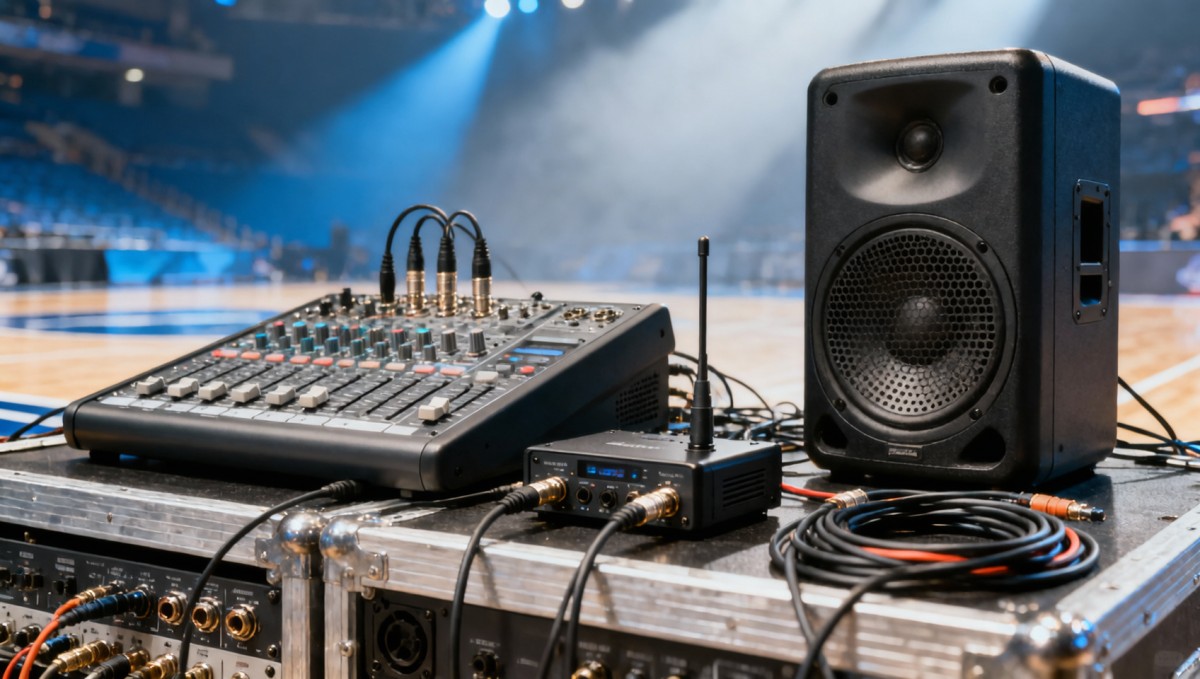
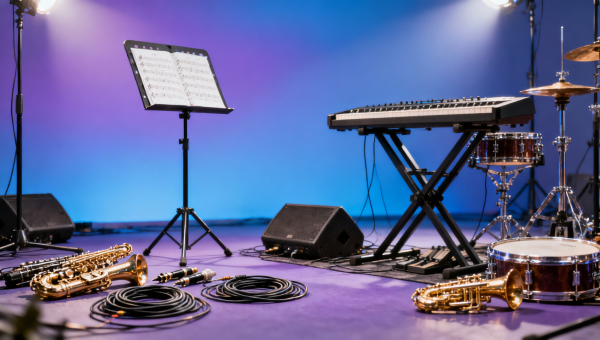
In sports and entertainment projects, pro audio equipment faces a much harsher operating profile than many buyers expect. A mixer in a rehearsal room, a powered speaker in a gymnasium, and a wireless system in a themed leisure venue may all appear similar on a quotation sheet, yet their stress levels differ sharply. Continuous operation for 6–12 hours, frequent transport, fluctuating humidity, dust exposure, and repeated cable handling can shorten service life long before nominal specifications suggest replacement.
Early failure rarely has a single cause. In commercial settings, it often results from a chain of small decisions: under-specified connectors, poor strain relief, inadequate thermal management, unstable power conditions, or inconsistent assembly quality across production batches. For procurement teams, this means the cheapest purchase price can become the highest lifecycle cost within 12–24 months, especially when downtime affects ticketed events, venue reputation, or dealer support obligations.
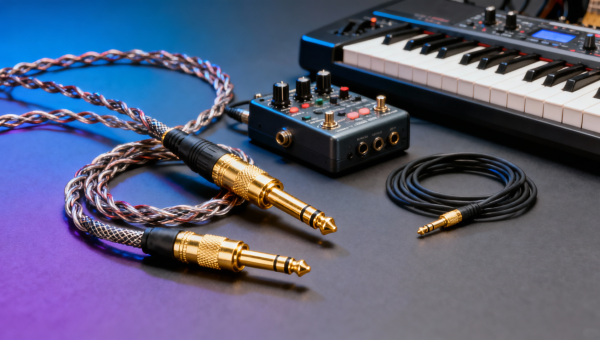
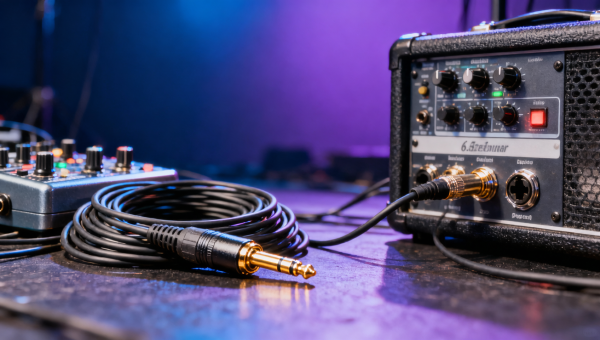
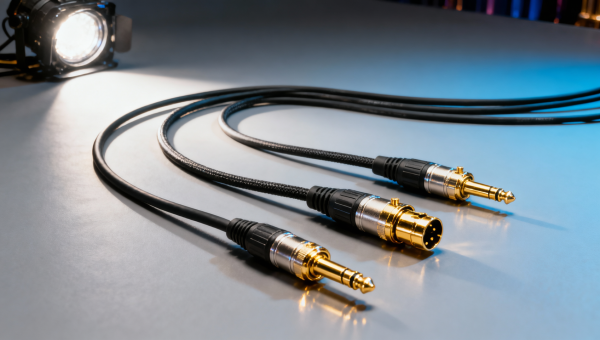
This issue extends beyond loudspeakers and amplifiers. Instrument cables, stage boxes, wireless receivers, music stands used in education and performance spaces, and accessories supporting keyboard instruments, string instruments, and orchestral instruments can all become weak links. If one component fails repeatedly, the user often blames the entire audio system. That is why buyers should assess system durability as a commercial risk, not just a technical detail.
For information researchers, commercial evaluators, distributors, and sourcing managers, the practical question is not simply “what breaks?” but “what pattern predicts failure?” In most projects, 3 categories explain the majority of early issues: material weakness, operating stress, and supplier inconsistency. Understanding those categories improves specification, warranty planning, and after-sales negotiations.
The most common stress factors behind premature breakdown
- Repeated mechanical stress, including daily plugging and unplugging, stand mounting, road transport, and vibration during live events or mobile installations.
- Thermal stress caused by inadequate ventilation, rack overcrowding, and long-duty cycles in enclosed booths, stadium control rooms, and performance halls.
- Electrical instability such as voltage fluctuation, poor grounding, power surges, and mismatched power distribution across mixed-brand systems.
- Environmental exposure including dust, moisture, sweat, smoke residue, and temperature shifts between storage, transport, and use.
Which components fail first, and what do those failures usually indicate?
Not all failures carry the same meaning. Some are wear-related and predictable, while others signal weak design control or unsuitable sourcing. Connectors, switches, jacks, cooling fans, cable terminations, and power supplies often fail earlier because they combine mechanical movement with electrical load. When these parts degrade within 3–9 months of normal commercial use, buyers should review both component grade and assembly process, not just operator behavior.
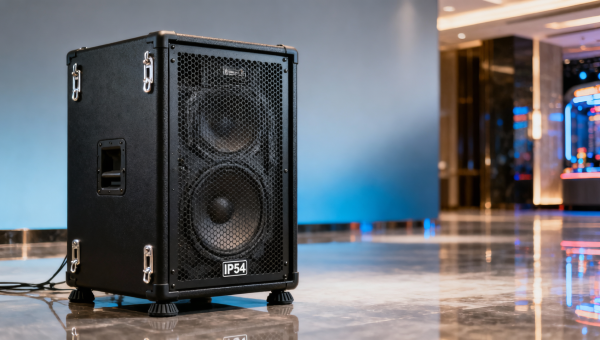
Loudspeaker systems show another pattern. Driver damage may result from clipping, poor limiters, or amplifier mismatch, while cabinet failure often points to weak internal bracing, low-grade hardware, or inadequate protection during transport. In sports venues and entertainment zones, low-frequency energy and repeated movement can loosen fasteners over time. That is especially relevant for portable PA systems, rental fleets, and dealer-managed event inventory.
Wireless products tend to fail in a different way. Antenna connections, battery compartments, charging contacts, and displays are vulnerable in high-turnover environments such as schools, live stages, and attraction-based venues. If failure rates rise after firmware updates or channel congestion changes, the root cause may involve compatibility planning rather than hardware alone. Commercial buyers should therefore request test conditions and service assumptions before volume orders.
The table below helps procurement teams identify what a failure symptom may suggest in practical sourcing terms. It can be used during supplier audits, sample evaluation, or after-sales claim review when deciding whether the issue is isolated, systemic, or design-related.
This comparison matters because replacement strategy differs by failure mode. A worn connector may be manageable with spare parts planning, but repeated power module failure across several batches suggests a sourcing or design issue that should stop reordering. For dealers and agents, that distinction affects warranty cost, customer confidence, and stock planning over 1–2 selling seasons.
What failure timing can tell you
Failure within the first 30–90 days
This often points to production inconsistency, shipping damage, hidden assembly defects, or weak incoming quality control. Buyers should compare batch records, packaging integrity, and pre-shipment test procedures.
Failure after 6–12 months
This usually reflects cumulative heat, vibration, handling wear, or mismatch between real-world duty cycle and claimed operating design. It is a common pattern in rental, education, and venue installations.
How do materials, design, and manufacturing quality affect service life?
Material selection is one of the strongest predictors of early failure in pro audio equipment. Thin cable jackets crack sooner in frequent-coil applications. Connector housings made from lower-grade alloys may deform after repeated insertions. Plastic control knobs, battery doors, and mounting points can loosen quickly when used in school music rooms, touring rigs, and multi-purpose sports venues. These issues are not cosmetic; they affect uptime and service cost.
Design quality matters just as much. A product may list acceptable power output or frequency response, yet still fail in real use if airflow is restricted, internal wiring is poorly routed, or mounting hardware transfers too much vibration. In commercial use, products need tolerance for repeated handling, not just lab-style performance. Buyers should ask whether the design is intended for fixed installation, portable event use, or mixed-duty operation over 2–3 different environments.
Manufacturing control is the third layer. Two products built to the same drawing can perform very differently if soldering discipline, torque control, adhesive application, or final inspection vary by batch. This is especially relevant for OEM and ODM sourcing, where outward appearance may be consistent but internal reliability varies. Commercial sourcing teams should validate pilot samples, mass-production consistency, and defect-handling procedures before confirming larger orders.
The following table can support vendor comparison when evaluating pro audio equipment for sports and entertainment applications. It focuses on service-life drivers that are often missed in RFQs centered only on price and headline specifications.
A practical takeaway is simple: durability starts before deployment. If the bill of materials is unstable, or if the supplier cannot explain process controls across incoming inspection, in-process assembly, and final testing, long-term reliability becomes uncertain. In many B2B projects, a 5%–10% higher unit cost can be justified when it reduces service calls, replacements, and event disruption over the first 18 months.
Three sourcing questions that reveal hidden durability risk
- What duty cycle was assumed during design validation: occasional use, weekly use, or daily commercial operation lasting several hours at a time?
- Which components are most likely to be replaced in the first 12 months, and are those parts standardized, field-serviceable, or dependent on factory return?
- How does the supplier manage batch consistency when sourcing connectors, drivers, power modules, and other critical parts from multiple upstream vendors?
What should buyers check before placing a commercial order?
For procurement teams, preventing early failure begins with a better RFQ structure. Many sourcing documents focus on output power, frequency range, or cosmetic requirements, but leave out the operating conditions that drive reliability. A commercial buyer should define at least 5 key use variables: installation type, average daily runtime, transport frequency, ambient conditions, and user skill level. Without those details, supplier recommendations can be technically compliant but commercially unsuitable.
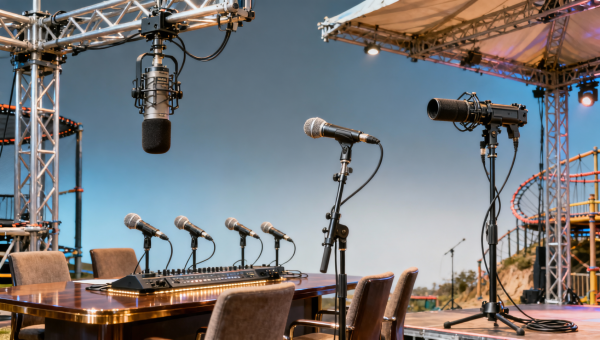
Sample testing is equally important. One showroom sample tells very little about large-batch reliability. A stronger method is to evaluate 2–3 units under realistic conditions for 2–4 weeks, including setup, teardown, transport, and cable handling. For fixed installations, buyers should also test power stability, thermal buildup in racks, and compatibility with existing instruments, microphones, stands, and signal paths. This reveals issues that datasheets often hide.
Compliance and service planning should be reviewed at the same time. Depending on market destination, buyers may need to confirm electrical safety, EMC, material restrictions, plug types, labeling, or frequency-use considerations for wireless products. Even when a project does not require an unusual certification path, clear documentation reduces customs delay, channel disputes, and post-sale liability. For distributors, after-sales readiness is often as important as the original shipment.
The checklist below can be used before issuing a purchase order for pro audio equipment, accessories, and supporting music hardware in entertainment and sports-related venues.
- Define the true application category: fixed venue, mobile event, education, studio, rehearsal, worship, themed attraction, or hybrid use. Each category creates different wear patterns.
- Confirm service expectations, including spare parts availability, target response time, and whether common failures can be repaired locally within 3–7 working days.
- Review mechanical details such as handles, grilles, sockets, mounting points, cable exits, and packaging protection for repeated shipping cycles.
- Check compatibility across the full signal chain, including microphones, cables, amplifiers, wireless links, instruments, and power distribution.
- Ask for batch control information, especially if the order covers medium to large quantities or a phased project delivered over several months.
Procurement red flags that often lead to premature failure
Price-first bidding without lifecycle review
If bids are judged only by unit cost, fragile products can win against more durable options that would reduce maintenance and replacements over a 12–36 month period.
No distinction between installation and touring use
Equipment designed for fixed indoor mounting may fail quickly when used in portable rigs, rental fleets, or frequent event transport.
Incomplete documentation from suppliers
When product manuals, wiring guidance, spare parts lists, or certification documents are vague, buyers face higher implementation risk and slower fault resolution.
How can distributors, dealers, and project teams reduce failure rates after installation?
Even well-sourced pro audio equipment can fail early if deployment is rushed. In sports and entertainment projects, post-purchase discipline matters. Cable routing, power sequencing, rack ventilation, mounting angle, and operator training can all influence equipment life. A practical commissioning plan should cover at least 4 stages: incoming inspection, installation verification, live-load testing, and handover training. This reduces avoidable damage during the first 90 days, when many failures are mistakenly blamed on manufacturing alone.
Maintenance should also match the venue profile. A dust-heavy gym, humid leisure attraction, and school performance hall do not need identical routines. For most commercial environments, monthly visual checks and quarterly functional reviews are a workable baseline. Portable systems need added attention on connectors, cable integrity, fasteners, and battery compartments. Fixed systems require closer review of airflow paths, dust accumulation, and grounding continuity.
Dealers and agents can lower failure costs by standardizing support procedures. If every service claim uses the same intake checklist, symptom photos, runtime estimate, power conditions, and event history, root cause becomes easier to identify. This protects channel relationships because it separates misuse, wear, and genuine product defects. Over time, such records also help buyers decide whether a supplier is suitable for larger framework agreements.
Global Commercial Trade supports this process by helping B2B buyers compare sourcing options across pro audio and musical instrument ecosystems with a stronger focus on application fit, reliability signals, and commercial readiness. For teams buying across multiple categories, from instrument cables and accessories to venue-grade sound systems, a cross-sector sourcing view can reduce mismatch between specification, real usage, and supplier capability.
FAQ for commercial buyers
How long should pro audio equipment typically last in commercial use?
There is no single answer because service life depends on duty cycle, environment, transport frequency, and maintenance discipline. In fixed indoor use with stable power and regular maintenance, many core components should perform reliably for several years. In mobile or high-turnover environments, stress rises quickly, so weak connectors, cooling systems, and housings may show problems within 6–12 months if the product was not designed for that workload.
What is the biggest sourcing mistake behind early failure?
The most common mistake is buying by headline specification and price while ignoring use conditions. A product can meet output and feature expectations yet still fail if it is exposed to transport shock, long runtimes, dust, or unstable power beyond its design assumptions.
Are accessories really important to system reliability?
Yes. Instrument cables, adapters, power distribution units, stands, cases, and mounts often determine whether the main equipment operates safely and consistently. In many projects, accessory weakness creates the first failure point and causes misleading complaints about the core audio product.
What documents should buyers request before ordering?
Request a specification sheet, user manual, packing details, warranty terms, spare parts policy, relevant compliance documents for the destination market, and a clear explanation of recommended use conditions. For larger orders, ask about production lead times, sample support, and batch traceability.
Why work with GCT when evaluating pro audio sourcing risk?
Commercial buyers do not just need product lists; they need sourcing intelligence that reflects venue realities, lifecycle cost, and supplier execution. GCT is positioned for that task because it focuses on commercial experience-driven sectors where reliability, design consistency, and global compliance matter. In pro audio and musical instruments, this means helping procurement teams evaluate not only sound performance, but also handling resilience, service practicality, OEM or ODM suitability, and supply chain stability.
This is especially valuable for buyers managing mixed portfolios across hospitality, education, leisure parks, and entertainment venues. A project may involve speakers, microphones, instrument accessories, stands, cables, and supporting fit-out decisions at the same time. GCT helps teams compare these sourcing factors through a commercial lens, making it easier to align product choice with project timelines, user intensity, compliance expectations, and long-term maintenance needs.
If you are assessing early failure risk in pro audio equipment, GCT can support more focused decision-making around 6 practical areas: parameter confirmation, application matching, supplier screening, delivery timing, certification review, and custom sourcing options. That is relevant whether you are an information researcher building a shortlist, a buyer preparing tenders, a distributor comparing product lines, or a commercial evaluator reviewing lifecycle risk.
Contact GCT to discuss your current sourcing challenge in concrete terms: expected runtime, installation or mobile use, cable and accessory requirements, sample evaluation plans, lead time targets, destination-market compliance, or quotation comparison. With the right input, your team can reduce premature failure, avoid unsuitable supply partners, and build a more durable pro audio solution for sports and entertainment environments.
Search News
Hot Articles
Popular Tags
Need ExpertConsultation?
Connect with our specialized leisureengineering team for procurementstrategies.
Recommended News
 Apr 20, 2026Snooker World Championship: Xiao Guodong Secures Third Chinese SpotSnooker World Championship: Xiao Guodong secures third Chinese spot amid AI officiating & 4K HDR broadcast — tech and talent converge in elite cue sports.● Pro Audio Engineer
 Apr 20, 2026FDA Proposes Chinese Label Translation Requirements for Sports SupplementsFDA proposes Chinese label translation requirements for sports supplements—key for importers, manufacturers & global brands. Act now to ensure compliance by Jan 2027.● Pro Audio Engineer
 Apr 17, 2026FDA Drafts New Labeling Rule for Chinese-Labeled Sports SupplementsFDA's new draft rule for Chinese-labeled sports supplements mandates certified English translations—key for brands, CMOs & importers navigating U.S. market entry.● Pro Audio Engineer
 Apr 16, 20262026 Yangtze River Delta Triathlon Uses Certified Chinese Timing System2026 Yangtze River Delta Triathlon uses certified Chinese timing system — ChronoLink Pro, ITU-approved RFID+GPS dual-mode solution for global race organizers.● Pro Audio Engineer
 Apr 13, 2026Asian University Basketball League Secures Funding, Launches Smart Venue ProgramThe Asian University Basketball League (AUBL) secures Series A funding and launches its Smart Venue Program, partnering with tech firms for sustainable sports infrastructure. A key opportunity for sports tech exporters with ISO 50001 certification.● Pro Audio Engineer
 Apr 19, 20262026 Shanghai Sailing Open Adopts ITU-Certified Chinese Timing System2026 Shanghai Sailing Open adopts ITU-certified Chinese timing system — a breakthrough for precision sports tech exporters, certifiers & event organizers.● Pro Audio Engineer
 Apr 20, 2026What Causes Early Failure in Pro Audio Equipment?Pro audio equipment fails early due to heat, dust, unstable power, and weak components. Learn how musical instruments, instrument cables, music accessories, and sourcing choices affect reliability.● Pro Audio Engineer
 Apr 20, 2026Instrument Cables: Shielding, Durability, and the Price Gap ExplainedInstrument cables guide for buyers of pro audio equipment and music accessories across musical instruments, string instruments, keyboard instruments, percussion instruments, wind instruments, and orchestral instruments.● Pro Audio Engineer
 Apr 20, 2026Pro Audio Equipment Upgrades That Improve Sound Without OverspendingPro audio equipment upgrades for musical instruments: improve sound with instrument cables, music stands, and music accessories for keyboard, percussion, wind, string, and orchestral instruments—without overspending.● Pro Audio Engineer
 Apr 20, 2026Instrument Cables: Why Cheap Options Often Fail During Live UseInstrument cables for musical instruments often fail live when cheap builds meet pro audio equipment demands. Compare smarter options for string, wind, percussion, and keyboard instruments.● Pro Audio Engineer
 Apr 18, 2026Instrument cables with gold-plated connectors: Do they improve tone—or just resale value?Instrument cables with gold-plated connectors boost reliability & resale value in theme parks, leisure parks, and hotels—proven for soundproofing, playground structures, and catering equipment.● Pro Audio Engineer
 Apr 18, 2026Instrument cables that degrade mid-show—what causes sudden signal drop?Instrument cables failing mid-show? Discover why—bending fatigue, EMI, corrosion & thermal stress—in theme parks, hotels, playgrounds & leisure venues.● Pro Audio Engineer
 Apr 17, 2026Pro stage audio setups where music accessories become acoustic liabilitiesDiscover how commercial furniture, playground borders, sensory playground gear & music accessories impact acoustic safety—avoid liability in pro audio environments.● Pro Audio Engineer
 Apr 16, 2026Pro stage audio gear warranties: What ‘lifetime’ really covers when used in hospitality venuesPro audio equipment & designer eyewear warranties decoded for hotels. See what ‘lifetime’ really covers—OEM manufacturing, custom fabrication, supply chain solutions & more.● Pro Audio Engineer
 Apr 16, 2026Recording studio gear sourcing: Why local compliance often overrides ‘best-in-class’ specsRecording studio gear sourcing for luxury spaces: compliance-first pro audio equipment, designer eyewear integration, and OEM manufacturing solutions—avoid costly delays.● Pro Audio Engineer
 Apr 16, 2026Pro audio equipment for boutique hotels: Why studio-grade gear doesn’t always translate to lobby soundPro audio equipment for boutique hotels must integrate with hotel furniture, designer eyewear & jewelry displays—discover why studio gear fails and how custom fabrication + supply chain solutions deliver sonic & material harmony.● Pro Audio Engineer
 Apr 16, 2026DJ equipment brands prioritizing repairability over replacementDJ equipment brands leading in repairability—trusted alongside luxury furniture, orchestral instruments, music stands & park benches for sustainable, high-ROI commercial procurement.● Pro Audio Engineer
 Apr 15, 2026DJ equipment setups that scale from club nights to festivalsDiscover scalable DJ equipment for clubs & festivals—engineered like luxury furniture, orchestral instruments & music stands. Premium, certified, ready to grow with your venue.● Pro Audio Engineer
 Apr 15, 2026Pro stage audio cabinets tested for 90dB+ continuous playback — not just peaksCommercial furniture & amusement equipment: Pro audio cabinets tested for 90dB+ continuous playback—ideal for sensory playgrounds, hotels, and educational supplies.● Pro Audio Engineer
 Apr 13, 2026Microphone systems for multi-room venues: why one-size-fits-all doesn’t workMicrophone systems for multi-room venues—optimized for hotel desks, commercial playgrounds, trampoline park manufacturer needs & hospitality furniture integration.● Pro Audio Engineer
 Apr 13, 2026Microphone systems for outdoor stages: wind noise reduction that actually worksMicrophone systems engineered for outdoor stages—wind noise reduction that works. Trusted by trampoline park manufacturers, commercial playground & hospitality venues.● Pro Audio Engineer
 Apr 13, 2026Recording studio gear service networks: Why local support beats global warranty claimsRecording studio gear, pro audio equipment & indoor playground equipment demand local service—not global warranties. Faster repairs, OEM manufacturing alignment, and supply chain solutions ensure zero downtime for hotels, studios & leisure venues.● Pro Audio Engineer
 Apr 13, 2026Custom fabrication for studio control rooms: When millwork delays derail your launchCustom fabrication for studio control rooms—critical for pro audio equipment, hotel furniture & indoor playground equipment. Discover supply chain solutions that prevent costly launch delays.● Pro Audio Engineer
 Apr 13, 2026Pro audio equipment for hybrid spaces: Why acoustic load matters more than wattagePro audio equipment for hybrid spaces: Discover why acoustic load—not wattage—ensures reliability in hotel furniture, indoor playground equipment & OEM manufacturing.● Pro Audio Engineer