String Instruments With Better Tuning Stability in Busy Use Cycles
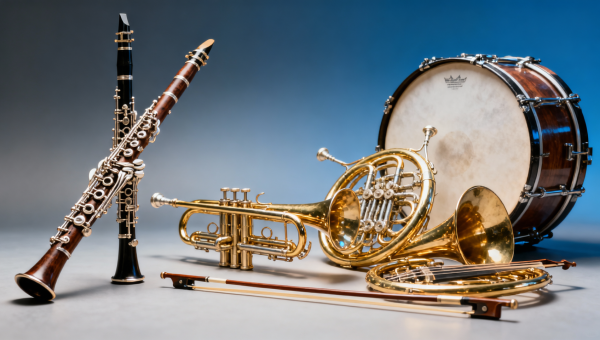
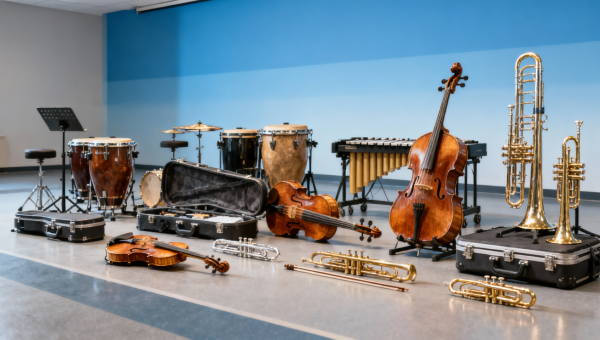
In demanding commercial environments, string instruments must deliver reliable pitch through frequent handling, transport, and performance cycles. For buyers comparing musical instruments across hospitality, education, and entertainment projects, tuning stability is a key benchmark alongside durability and sound quality. This guide explores how string instruments perform against percussion instruments, wind instruments, and other orchestral instruments, helping procurement teams make smarter sourcing decisions.
Why tuning stability matters more in commercial entertainment settings
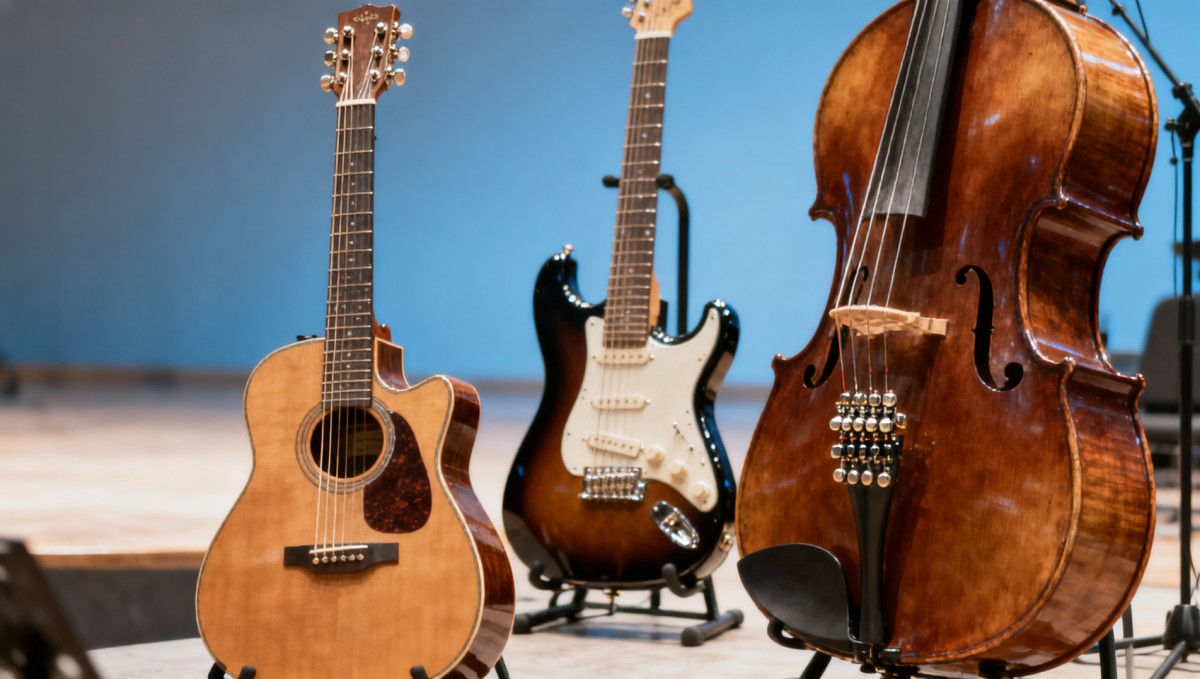
In a private studio, a musician may accept frequent retuning as part of normal use. In a hotel lounge, school music room, cruise venue, theme park stage, or rental inventory program, that assumption quickly becomes costly. Instruments may be moved 2–6 times per day, used by multiple players per week, and exposed to temperature swings between air-conditioned storage and warmer performance zones. Under these conditions, tuning stability becomes a procurement issue, not just a player preference.
For information researchers and commercial buyers, the most practical question is not which instrument has the most refined tonal character in ideal conditions, but which one maintains usable pitch accuracy through repeated use cycles. A string instrument that sounds excellent on day one but requires constant adjustment can increase labor time, disrupt guest-facing performances, and shorten the service interval expected by institutions and distributors.
Busy use cycles create stress from three directions: string tension changes, hardware movement, and environmental fluctuation. Peg friction, machine head quality, bridge stability, nut material, tailpiece design, and string gauge all influence performance. In commercial procurement, these factors should be reviewed together over a 3-part evaluation window: initial setup, post-transport condition, and repeated-use retention after 7–30 days.
This is where GCT adds value for sourcing teams. Rather than treating musical instruments as isolated retail products, GCT frames them as operational assets for hospitality groups, educational buyers, leisure venues, and multi-site entertainment projects. That means assessing tuning stability alongside logistics reliability, specification consistency, replacement planning, and suitability for OEM or project-based procurement.
What usually causes pitch drift in heavy-use environments?
String instruments react to humidity, temperature, and tension far more directly than many percussion instruments. A 10°C–25°C operating range is generally manageable for many venues, but rapid movement from cool storage to hot stage lighting can still change tuning within a short set. Entry-level components often exaggerate that movement because tolerances are less consistent.
- Frequent transport loosens contact points, especially on lower-grade tuning pegs, bridges, and tailpieces.
- High player turnover increases string wear because users tune aggressively and inconsistently.
- Poor setup at the factory or before dispatch often causes instability that no venue technician can solve quickly.
- Low-cost consumables may reduce upfront spend but raise monthly maintenance and replacement time.
For venue operators and distributors, the result is easy to recognize: more emergency tuning, more staff intervention before performances, and more customer complaints when instruments are used in public-facing spaces. In commercial settings, stable tuning supports both sound quality and service continuity.
Which string instruments generally hold tuning better than others?
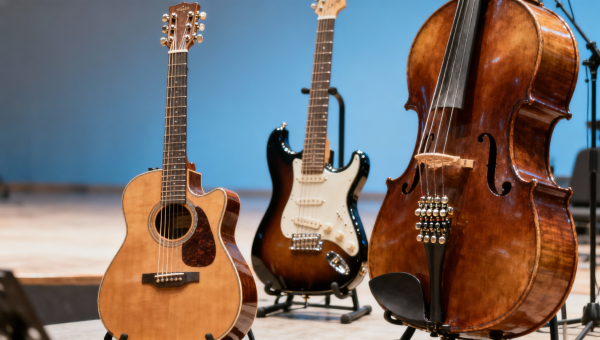
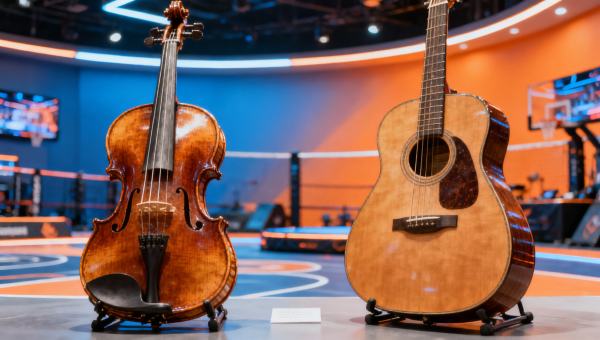
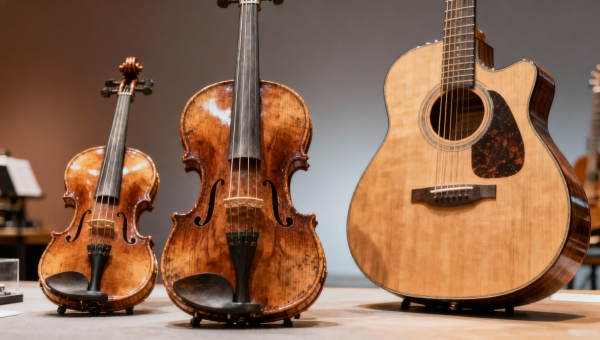
Not all string instruments behave the same under busy use cycles. Instruments with geared tuning machines usually provide more consistent tuning retention than friction-based systems, especially when handled by mixed-skill users. Construction method matters too. Laminated bodies often tolerate environmental change better than fully carved bodies in institutional or rental programs, even if tonal nuance differs.
For B2B buyers, it is useful to separate “performance prestige” from “operational stability.” A concert-focused instrument may satisfy professional artists but perform poorly in high-turnover commercial use if it needs careful climate control and highly trained maintenance. By contrast, a well-built acoustic guitar with sealed machine heads or an electric violin with stable hardware may deliver more dependable service across 12-month usage cycles.
The table below compares common instrument categories from a tuning stability perspective relevant to hospitality, education, entertainment, and distribution planning.
The key takeaway is not that one family is always superior, but that hardware architecture and setup quality often determine whether a string instrument remains commercially practical. In many projects, electric or geared-tuner formats outperform traditional friction-based formats when low-intervention operation is required.
How do string instruments compare with percussion and wind instruments?
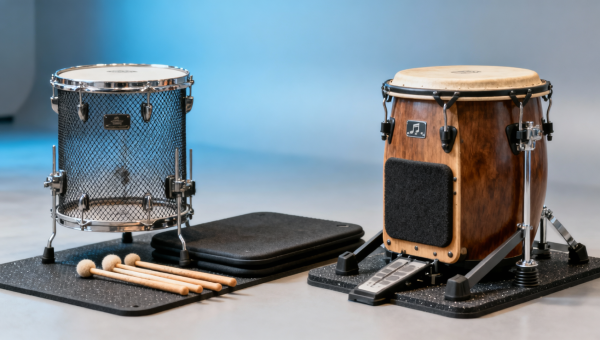
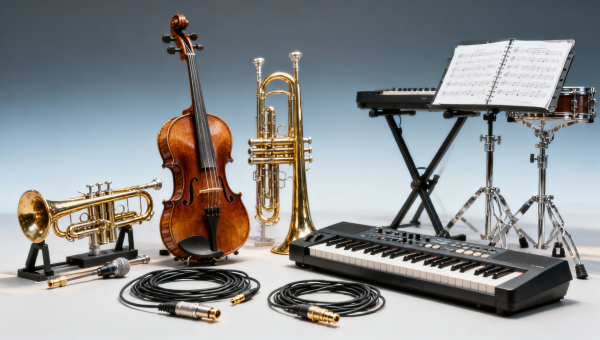
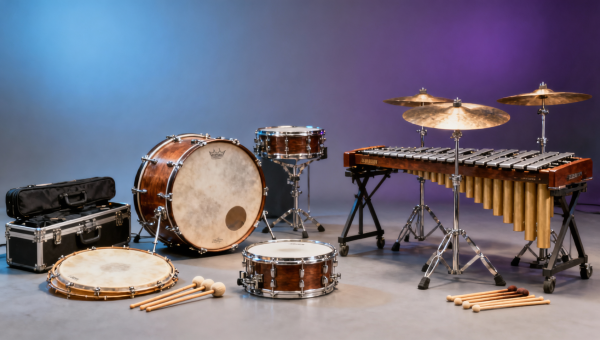
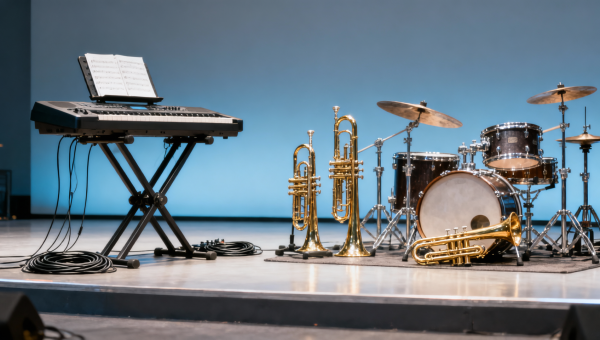
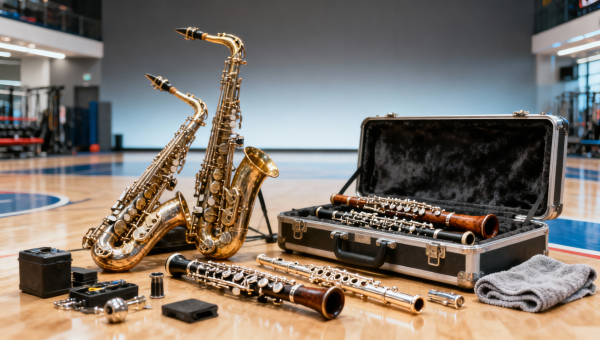
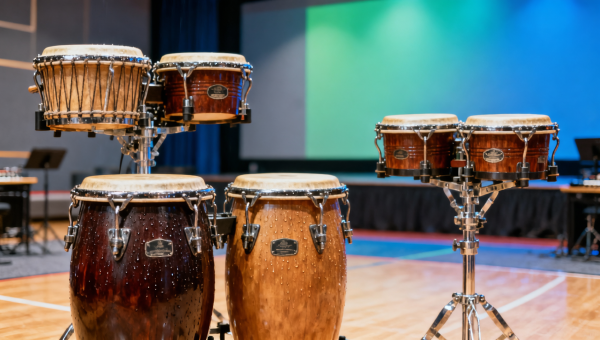
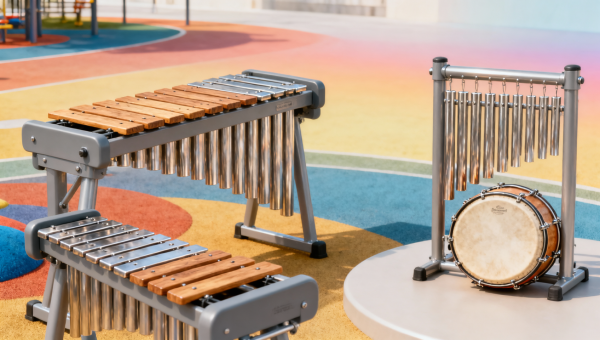
Compared with percussion instruments, most string instruments need more frequent pitch attention. Many percussion products either have fixed pitch or require less day-to-day adjustment. Compared with wind instruments, the picture is more mixed. Wind instruments may avoid string tension drift, but pads, reeds, moisture exposure, and alignment create their own maintenance demands.
Practical comparison for buyers
- String instruments offer strong melodic versatility but often require more setup discipline.
- Percussion instruments are often easier for high-turnover public programs where pitch precision is less central.
- Wind instruments may suit supervised ensembles, but hygiene, consumables, and user-specific fit can complicate shared use.
For distributors and project evaluators, the better decision is often portfolio-based: choose stable string instruments for featured performance and guest experience, while balancing the wider instrument program with lower-maintenance categories where appropriate.
What technical features should procurement teams check first?
When a sourcing brief mentions “better tuning stability,” many buyers focus only on string type. That is too narrow. In commercial procurement, tuning retention depends on a chain of components, and the weakest point often drives service complaints. Reviewing 5 key checkpoints before order confirmation can reduce later failures: tuner construction, nut and saddle material, bridge integrity, neck stability, and factory setup consistency.
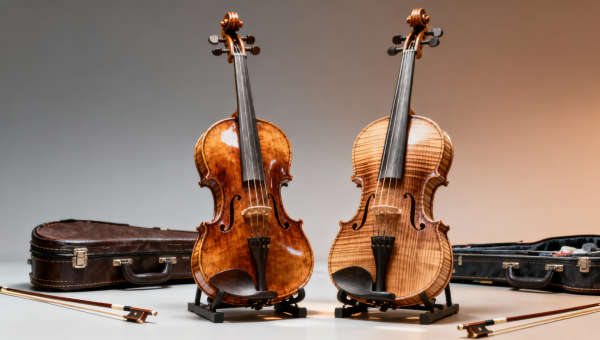
Material choice also affects maintenance cycles. Synthetic or laminated constructions can be more forgiving in spaces where humidity control is inconsistent. Better-grade machine heads with smoother gear ratios generally help users make smaller, more accurate adjustments. On bowed instruments, correct peg fit and fine tuner responsiveness are more important than decorative finish details for day-to-day performance.
The table below can be used as a practical screening tool during RFQ comparison, sample review, or supplier discussion.
For buyers handling medium or large-volume procurement, this matrix improves discussions with factories and trading partners. It turns an abstract quality claim into measurable checkpoints that can be verified through sample testing, incoming inspection, and post-delivery feedback.
A 4-step review process before placing volume orders
- Request a sample and test tuning retention after 24 hours, 72 hours, and 7 days of typical use.
- Check whether tuning changes after transport simulation, especially for projects with regional distribution.
- Review spare parts availability, including strings, tuners, bridges, and consumables.
- Confirm whether packaging and moisture control are appropriate for sea freight or multi-leg delivery.
This process is especially useful for dealers and sourcing managers who must protect both margin and after-sales workload. A small increase in component quality at the purchasing stage can reduce service interruptions over the next 6–12 months.
Which sourcing strategy works best for hotels, schools, parks, and dealers?
The right string instrument depends on who will use it, how often it will move, and how much technical supervision is available. A five-star hotel may prioritize appearance and consistent guest performance. A school may prioritize resilience across daily group use. A leisure venue may need attractive, easy-to-maintain instruments for recurring stage activity. Dealers may need a balanced portfolio that reduces returns while serving several price tiers.
In practical terms, procurement teams should classify demand into at least 3 operating scenarios: supervised performance use, semi-supervised educational use, and open or high-turnover recreational use. Each scenario changes the acceptable balance between tonal sophistication, tuning precision, replacement frequency, and maintenance skill requirement.
The table below shows how application context can influence string instrument selection more than catalog description alone.
This comparison shows why procurement should be scenario-led. The same violin or guitar may be suitable for one project and unsuitable for another, depending on transport frequency, venue climate, and technician availability. Commercial value comes from fit, not from generic product claims.
Common sourcing mistakes that increase total operating cost
- Choosing solely by unit price without estimating retuning labor, spare parts, and returns over 6–12 months.
- Ignoring packaging and transit conditions for international shipments that may last several weeks.
- Buying instruments designed for experienced players and then assigning them to shared public or student use.
- Skipping sample validation, especially when OEM cosmetic customization is added to standard construction.
GCT supports buyers by connecting these operational questions with sourcing intelligence. That helps procurement teams compare factories, product categories, and specification priorities in a more commercial way, especially when projects involve multiple sites, phased deliveries, or reseller channels.
FAQ and next-step planning for commercial buyers
Before finalizing a sourcing plan, buyers often need clarity on service intervals, compliance expectations, and the trade-off between durability and presentation. The questions below reflect common concerns from procurement teams, business evaluators, and channel partners working in pro audio and musical instruments for hospitality and entertainment environments.
How long does it usually take for new string instruments to settle into stable tuning?
For many guitars, ukuleles, and similar fretted instruments, a 2–7 day break-in period is common after new strings are installed, depending on material and handling. Bowed instruments can vary more because peg fit and climate response have a stronger effect. For project purchasing, it is wise to allow setup and observation before public use rather than moving stock directly from delivery to performance.
Are lower-maintenance string instruments always the best commercial choice?
Not always. Lower maintenance is valuable, but the right choice depends on brand positioning, audience expectations, and use intensity. A luxury venue may need stronger visual and acoustic character, while a campus or park program may prioritize easier handling. Good procurement balances guest experience, maintenance capacity, and replacement planning instead of maximizing only one factor.
What compliance or documentation should buyers discuss with suppliers?
Requirements vary by market, but buyers should typically discuss material declarations, packaging compliance, labeling, and any transport-related documentation needed for international trade. For institutional and hospitality procurement, consistency in documentation across batches can be as important as the instrument itself because it supports import processing, internal approvals, and distributor confidence.
How can dealers reduce return risk when selling string instruments for heavy use?
The most effective approach is to align product tier with use case, then verify setup consistency before scale-up. Dealers should request samples, define acceptable tuning behavior after transit, stock common replacement parts, and educate customers on break-in expectations. A clearer pre-sale explanation often prevents avoidable dissatisfaction after delivery.
Why work with GCT when evaluating stable string instruments for sourcing?
Commercial buyers rarely need only a product list. They need sourcing clarity across specification, application fit, supplier capability, and delivery practicality. GCT is built for that broader decision process. For musical instruments used in hotels, campuses, leisure venues, and distribution programs, GCT helps translate technical details such as tuning stability, setup quality, and hardware selection into commercially relevant sourcing decisions.
This is especially useful when your project includes multiple evaluation layers: product comparison, OEM or private-label potential, lead-time planning, quality consistency, and market positioning. Instead of reviewing instruments only through consumer-facing descriptions, procurement teams can assess them through use-cycle durability, maintenance burden, and fit for high-visibility commercial environments.
If you are comparing string instruments for hospitality, education, entertainment, or dealer channels, GCT can support more focused discussions around 6 practical areas: specification confirmation, application matching, sample review, lead time expectations, documentation needs, and supplier shortlisting. That makes sourcing faster, more structured, and easier to justify internally.
Contact GCT to discuss product selection, tuning stability priorities, target price bands, sample arrangements, packaging for international delivery, OEM or ODM options, and documentation requirements for your destination market. Whether you need a compact shortlist for one venue or a scalable sourcing plan for multi-site procurement, the next step should start with the right technical and commercial questions.
Search News
Hot Articles
Popular Tags
Need ExpertConsultation?
Connect with our specialized leisureengineering team for procurementstrategies.
Recommended News
 Apr 20, 2026Music Accessories Often Overlooked Until They Start Causing ProblemsMusic accessories often cause hidden issues across musical instruments, percussion instruments, wind instruments, string instruments, keyboard instruments, orchestral instruments, music stands, instrument cables, and pro audio equipment.● Pro Audio Engineer
 Apr 20, 2026When Orchestral Instruments Need Custom Cases and Why It MattersMusical instruments and orchestral instruments need custom cases to protect string instruments, wind instruments, percussion instruments, and keyboard instruments during transport. Learn when buyers should upgrade for safer logistics.● Pro Audio Engineer
 Apr 20, 2026Keyboard Instruments in 2026: What Features Are Becoming Standard?Keyboard instruments in 2026 are redefining musical instruments with smarter connectivity, durable builds, and seamless integration with pro audio equipment, instrument cables, music stands, and music accessories.● Pro Audio Engineer
 Apr 20, 2026Music Stands With Folding Designs: Convenient or Less Reliable?Music stands buyers compare folding convenience with long-term reliability across musical instruments, percussion instruments, wind instruments, string instruments, and pro audio equipment.● Pro Audio Engineer
 Apr 20, 2026String Instruments With Better Tuning Stability in Busy Use CyclesExplore string instruments with better tuning stability for busy venues. Compare musical instruments, percussion instruments, and wind instruments to source reliable, low-maintenance performance solutions.● Pro Audio Engineer
 Apr 20, 2026Why Wind Instruments React So Differently to Climate and StorageWind instruments react fast to climate and storage. Compare musical instruments, percussion instruments, string instruments, and music accessories to cut maintenance risk and buy smarter.● Pro Audio Engineer
 Apr 20, 2026Percussion Instruments for Shared Spaces: What Reduces Noise Most?Percussion instruments for shared spaces: discover what reduces noise most across musical instruments, with smart comparisons to wind instruments, string instruments, keyboard instruments, and practical accessories.● Pro Audio Engineer
 Apr 20, 2026How to Spot Musical Instruments That Look Fine but Wear Out FastDiscover how to spot musical instruments that look premium but wear out fast. Learn key checks for percussion instruments, wind instruments, string instruments, keyboard instruments, music stands, instrument cables, pro audio equipment, and music accessories before you buy.● Pro Audio Engineer
 Apr 20, 2026Music Accessories That Quietly Affect Daily Performance QualityExplore how music accessories shape daily performance quality—from music stands and instrument cables to pro audio equipment for musical instruments, percussion instruments, wind instruments, string instruments, and keyboard instruments.● Pro Audio Engineer
 Apr 20, 2026Orchestral Instruments With the Highest Repair RatesExplore which orchestral instruments have the highest repair rates across wind instruments, string instruments, percussion instruments, and keyboard instruments, with smart buying tips for musical instruments, music accessories, music stands, instrument cables, and pro audio equipment.● Pro Audio Engineer
 Apr 20, 2026Are Keyboard Instruments With Weighted Keys Worth the Extra Cost?Keyboard instruments with weighted keys: discover if the extra cost pays off for musical instruments buyers, with smart tips on music accessories, instrument cables, and pro audio equipment.● Pro Audio Engineer
 Apr 20, 2026Music Stands That Stay Stable on Stage: What Makes the Difference?Music stands for musical instruments: discover what keeps them stable on stage for string instruments, wind instruments, percussion instruments, and keyboard instruments—plus smart buying tips.● Pro Audio Engineer
 Apr 20, 2026String Instruments: Solid Wood or Laminated for Regular Use?String instruments guide for regular use: compare solid wood vs laminated models across musical instruments setups with music accessories, pro audio equipment, and smarter sourcing insights.● Pro Audio Engineer
 Apr 20, 2026Wind Instruments for Schools and Venues: What Affects Longevity?Wind instruments longevity guide for schools and venues: compare musical instruments, percussion instruments, string instruments, and keyboard instruments to source smarter and reduce total cost.● Pro Audio Engineer
 Apr 20, 2026Why Some Percussion Instruments Cost More to Maintain Than ExpectedExplore why percussion instruments can cost more to maintain than expected, and compare musical instruments, orchestral instruments, music accessories, music stands, instrument cables, and pro audio equipment.● Pro Audio Engineer
 Apr 20, 2026Which Musical Instruments Hold Up Best in High-Use Venues?Musical instruments for high-use venues: compare percussion instruments, wind instruments, string instruments, keyboard instruments, music stands, instrument cables, pro audio equipment, and music accessories.● Pro Audio Engineer
 Apr 19, 2026What changed in musical instruments demand in 2026?Musical instruments demand in 2026 is shifting fast across trampoline park and indoor playground projects. Explore trends in percussion instruments, wind instruments, string instruments, and crossover demand from outdoor playground and playground swings.● Pro Audio Engineer
 Apr 19, 2026Why string instruments react so differently to climate changesString instruments react faster to climate changes than percussion instruments or wind instruments. Discover smart sourcing tips for trampoline park, indoor playground, and outdoor playground projects.● Pro Audio Engineer
 Apr 19, 2026String instruments: solid wood or laminate for long-term use?String instruments guide for buyers: compare solid wood vs laminate for long-term use, durability, maintenance, and value across musical instruments, percussion instruments, and wind instruments.● Pro Audio Engineer
 Apr 19, 2026When do wind instruments need repair sooner than expected?Wind instruments need repair sooner in trampoline park and indoor playground venues due to heavy use, humidity, and poor storage. Compare musical instruments, percussion instruments, string instruments, outdoor playground planning, and playground swings with expert sourcing tips.● Pro Audio Engineer
 Apr 19, 2026Wind instruments that handle frequent transport more reliablyWind instruments guide for buyers: compare durable musical instruments for frequent transport, with insights across percussion instruments, string instruments, trampoline park and indoor playground venues.● Pro Audio Engineer
 Apr 19, 2026Common tuning issues with percussion instruments in humid areasPercussion instruments in humid venues can lose tuning fast. Learn how musical instruments perform in trampoline park, indoor playground, and outdoor playground spaces for smarter sourcing.● Pro Audio Engineer
 Apr 19, 2026Percussion instruments with lower upkeep in heavy-use spacesDiscover low-upkeep percussion instruments for trampoline park, indoor playground, and outdoor playground spaces—durable musical instruments that outperform wind instruments, string instruments, and fit playground swings zones.● Pro Audio Engineer
 Apr 19, 2026How to compare musical instruments for school and venue useCompare musical instruments for schools and venues with practical tips on percussion instruments, wind instruments, and string instruments. Ideal for indoor playground, trampoline park, outdoor playground, and playground swings projects.● Pro Audio Engineer