Why Some Percussion Instruments Cost More to Maintain Than Expected
Percussion instruments often appear simpler than wind instruments, string instruments, or keyboard instruments, yet their long-term upkeep can be surprisingly expensive. From replacement parts and tuning needs to storage demands, maintenance costs can affect buyers across the broader musical instruments market. For procurement teams, distributors, and commercial evaluators sourcing orchestral instruments, music accessories, music stands, instrument cables, and pro audio equipment, understanding these hidden expenses is essential to making smarter purchasing decisions.
Why do percussion maintenance costs rise faster than expected in commercial use?
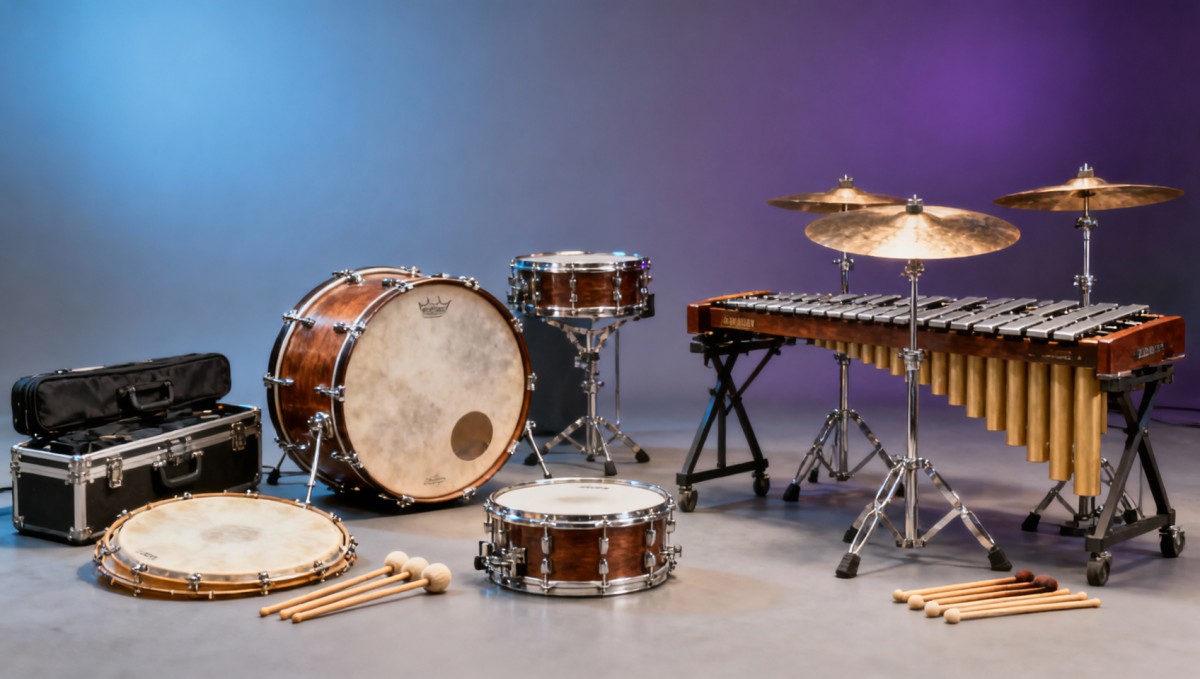
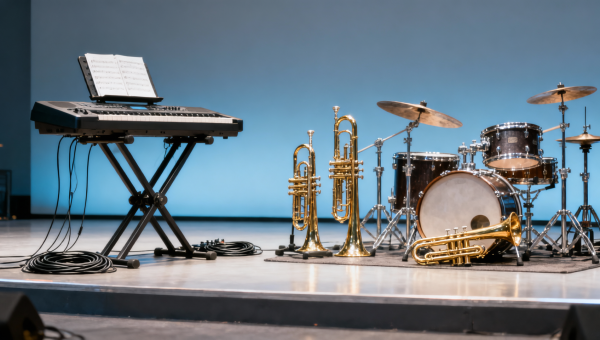
In the sports and entertainment sector, percussion instruments are often deployed in schools, live venues, leisure parks, hotel performance spaces, cultural centers, and rental inventories. Buyers may assume drums, mallet instruments, cymbals, and auxiliary percussion are durable enough to require only basic cleaning. In practice, commercial use cycles are much harsher. Instruments may be handled by multiple users per day, moved between rooms 2–5 times per week, and exposed to fluctuating humidity, dust, stage lighting heat, and inconsistent storage conditions.
The first hidden cost comes from wear patterns that are not obvious at the quotation stage. Drumheads stretch, snare wires fatigue, felt washers compress, tension rods corrode, and keyboard percussion bars may need re-voicing or replacement after repeated impact. These are not catastrophic failures, but they create a steady service burden. For procurement teams comparing landed cost only, the difference between a lower purchase price and a lower ownership cost can become clear within 12–24 months.
Another reason costs escalate is that percussion maintenance is distributed across many small components rather than one major repair. A timpani may need head inspection every quarter, pedal mechanism checks every 6–12 months, and careful climate control year-round. A drum set in a commercial training room may require sticks, heads, dampening parts, and stand hardware replacement at uneven intervals. These fragmented expenses are easy to overlook during vendor comparison, especially when buyers manage dozens of SKUs at once.
For distributors and agents, maintenance cost also affects after-sales reputation. A product line that sells quickly but generates frequent claims for tuning instability, hardware loosening, or finish deterioration can erode margin through service calls, spare part logistics, and customer dissatisfaction. This is why experienced B2B buyers increasingly evaluate percussion instruments not just by sound and appearance, but by serviceability, spare-part continuity, and environmental tolerance.
The four cost drivers buyers most often underestimate
- Consumables: heads, sticks, mallets, felts, cables for hybrid setups, and protective covers may need replenishment monthly, quarterly, or seasonally depending on usage intensity.
- Tuning and adjustment labor: timpani, concert bass drums, snares, and mallet instruments require skilled setup, not just routine wiping and storage.
- Environmental management: many percussion instruments perform best around 40%–60% relative humidity and stable room conditions rather than backstage extremes.
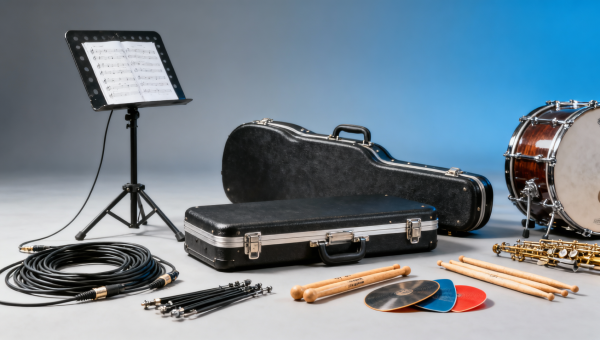
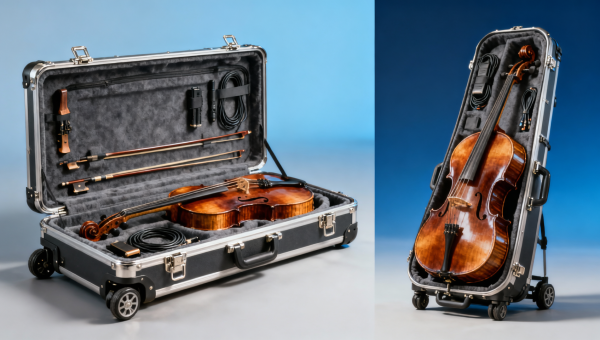
- Movement and storage risk: transport carts, padded cases, and rack systems add cost but reduce long-term damage in multi-site entertainment operations.
Which percussion categories usually cost more to maintain?
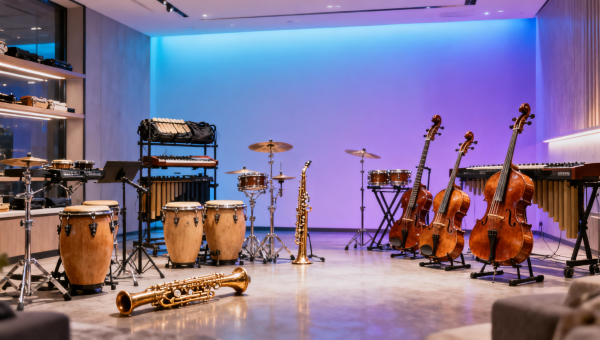
Not all percussion instruments carry the same maintenance burden. Small hand percussion may have low repair complexity but high replacement frequency in heavy-use programs. Large orchestral percussion often has lower daily wear but significantly higher service sensitivity. For commercial buyers, the key is to match maintenance profile to usage pattern rather than assuming that all percussion products behave similarly.
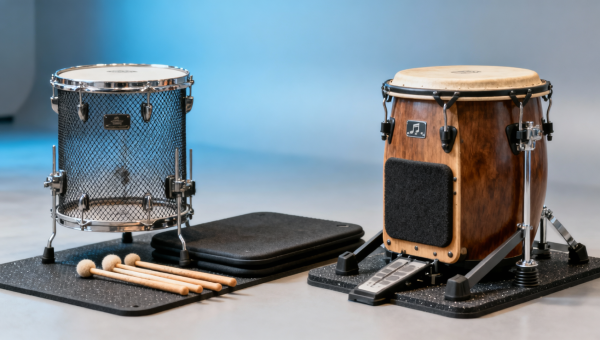
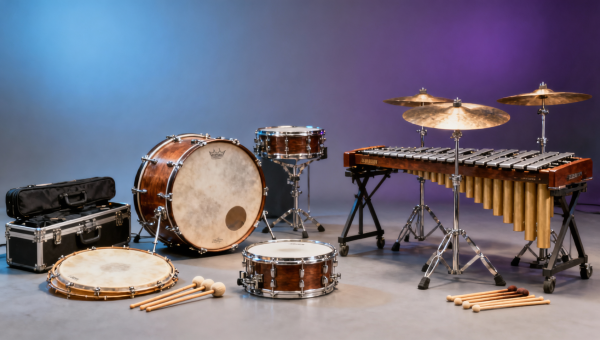
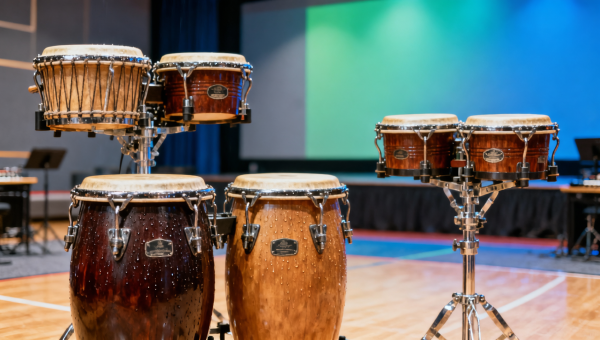
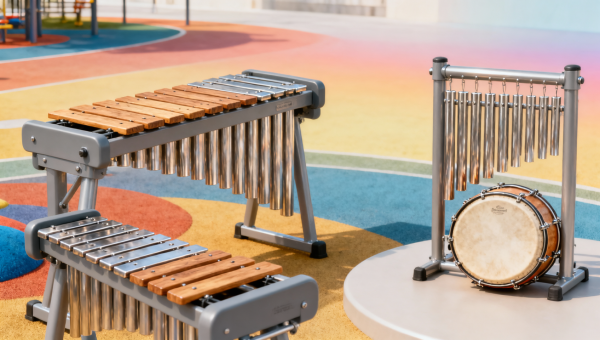
Timpani usually sit near the top of the maintenance-risk list because tuning precision, pedal mechanism condition, head integrity, and storage climate all matter. Marimbas, vibraphones, and xylophones also require careful handling, especially during transport. Resonators, frame components, wheels, and bar surfaces can all be affected by rough movement. Drum kits and marching drums may appear easier to support, but in high-frequency use they often consume the largest volume of replacement parts over a 6–18 month period.
Cymbals create a different cost pattern. They are not serviced as often as tuned instruments, but repeated aggressive playing, poor mounting practices, or incorrect storage can cause cracking or edge damage. Once failure appears, repair options are limited. This turns a relatively durable asset into a sudden replacement expense. The same logic applies to gongs and specialty effect percussion used in performance venues and themed entertainment shows.
The table below helps procurement teams compare common categories by maintenance frequency, typical risk points, and budget planning implications. It is especially useful when preparing annual purchasing plans for music departments, entertainment venues, rental fleets, or mixed-use performance spaces.
The comparison shows why maintenance budgeting should be category-specific. A buyer sourcing 20 low-cost drums for a training center may spend more on consumables in one year than expected, while a buyer sourcing 4 timpani may face fewer incidents but much higher service sensitivity per unit. Total cost of ownership depends on how the instrument is used, moved, stored, and serviced.
A practical way to segment your inventory
Commercial buyers can reduce surprises by splitting percussion inventory into 3 layers: daily-use consumable-heavy instruments, performance-critical tuned instruments, and specialty show instruments with low usage but high replacement impact. This method improves budget planning and helps distributors align spare part inventory with actual demand instead of broad assumptions.
What should procurement teams evaluate before placing a percussion order?
A strong percussion procurement process should move beyond tone and unit price. In B2B sourcing, buyers need to assess lifecycle cost, service access, packaging quality, installation requirements, and compatibility with the broader performance environment. This is particularly relevant when percussion is purchased alongside pro audio equipment, music stands, instrument cables, and educational or hospitality project packages.
A practical starting point is to verify 5 key checkpoints before approval: replacement-part availability, expected consumable cycle, environmental tolerance, transport protection, and after-sales response process. If any one of these areas is unclear, cost forecasting becomes unreliable. For example, a supplier may offer a competitive ex-factory price but have a 6–10 week spare-part lead time, which can interrupt venue operations or school programs.
Buyers should also ask whether the instrument is intended for fixed installation, mobile performance, shared educational use, or rental rotation. These four scenarios produce different maintenance demands. A fixed hotel lounge setup may prioritize appearance and low movement. A campus music department may prioritize impact resistance and easy servicing. A distributor supplying regional dealers may need standardization across hardware and parts to simplify after-sales support.
The evaluation table below can be used during RFQ review, vendor meetings, or internal commercial assessments. It helps teams compare percussion offers using criteria that directly influence maintenance cost rather than relying on catalog descriptions alone.
This procurement framework is especially useful for buyers handling mixed entertainment projects. A venue package may include percussion instruments, microphone systems, music accessories, and staging support. If one category is evaluated only on upfront price, the total operating budget can become distorted. A more disciplined comparison protects both margin and user experience.
Recommended 4-step sourcing workflow
- Define usage intensity: estimate users per day, transport frequency per month, and whether the instrument remains installed or rotates between spaces.
- Map maintenance items: list consumables, technician tasks, storage accessories, and spare-part lead times for the first 12 months.
- Compare vendors on support readiness: request documents, replacement part options, packaging details, and expected delivery windows such as 2–4 weeks or 6–10 weeks.
- Build total cost review: combine purchase price, freight, service, consumables, and downtime risk into one approval sheet.
How can buyers reduce long-term cost without sacrificing performance?
Reducing percussion maintenance cost does not always mean choosing the cheapest instrument. In many commercial environments, the better strategy is to select the right specification for the actual use case. A school rehearsal room, a theme venue, and a hotel stage do not need the same construction level or accessory package. Over-specification wastes budget, while under-specification drives premature wear and repeated service calls.
One of the most effective actions is to budget for accessories at the same time as the instrument. Protective covers, proper stands, transport carts, replacement heads, felt kits, and padded mallet storage often cost far less than emergency repair or early replacement. In real operations, a modest accessory allocation at the initial purchase stage can lower avoidable damage across the first 6–12 months.
Training also matters. Many percussion failures are not manufacturing defects but usage errors. Incorrect cymbal mounting, overtightened drumheads, rough movement over thresholds, and poor stacking of hand percussion can all shorten service life. For distributors and project buyers, a short handover checklist or basic user guide can protect equipment value. This is particularly important when instruments are shared by students, temporary staff, or rotating performers.
Another cost-control measure is standardization. If a buyer operates multiple facilities, choosing compatible hardware platforms and consumable sizes simplifies stocking and replenishment. Standardized drumhead diameters, common stand fittings, and unified accessory bundles reduce ordering complexity. That can improve service response time by days or even weeks when inventories are spread across regions.
Cost-control options for different buyer profiles
- Information researchers should compare ownership factors, not only catalog features. Ask for service documents and replacement part references early.
- Procurement officers should create a 12-month and 24-month budget view covering consumables, service intervals, and emergency replacement exposure.
- Business evaluators should examine logistics, after-sales process, and SKU continuity, especially when multiple sites or seasonal projects are involved.
- Distributors and agents should prioritize product lines with predictable parts access and clear service documentation to protect channel efficiency.
When is an alternative specification the smarter choice?
If the instrument will be used by beginners, rental users, or in high-turnover leisure environments, a robust mid-tier specification may outperform a delicate premium model in cost efficiency. If the application is a flagship venue, conservatory, or professional orchestra setting, precision and tonal demands may justify higher maintenance. The decision should follow performance requirements, frequency of movement, and support availability rather than prestige alone.
What are the most common buyer misconceptions about percussion upkeep?
A frequent misconception is that percussion instruments are low-maintenance because they have fewer obvious moving parts than string or keyboard instruments. This is only partly true. While some products are mechanically simple, their surfaces, tunings, consumables, and mounting hardware still demand regular attention. In commercial settings, repetitive impact and frequent handling often create faster wear than expected.
Another misconception is that replacement parts can always be sourced later from generic channels. In reality, fit, tension range, material type, and mounting compatibility vary. Buyers who do not verify parts support during sourcing may face delays, substitutions, or inconsistent performance. A lead time difference of even 2–3 weeks can disrupt a school schedule, event calendar, or dealer commitment.
Some teams also assume that climate only matters for wooden mallet instruments. Yet drum shells, heads, adhesives, felts, and metal hardware can all react to temperature and humidity changes. Storage in uncontrolled back-of-house areas or loading zones may not cause immediate failure, but over time it can increase tuning instability, corrosion, and cosmetic degradation.
For project-based sourcing, the last misconception is that maintenance is purely an after-sales issue. In fact, most cost outcomes are decided before the PO is issued. Specification choice, accessory selection, packaging level, spare-part planning, and service clarity all shape future maintenance exposure. Good procurement prevents a large share of later repair problems.
FAQ for commercial percussion buyers
How often should percussion instruments be inspected?
For daily-use instruments, a quick weekly check and a more detailed monthly review are usually practical. Performance-critical items such as timpani or keyboard percussion often benefit from quarterly technical inspection, especially in multi-user environments. The exact interval depends on usage intensity, transport frequency, and room conditions.
Which items should be stocked as spare parts first?
Start with high-turnover consumables and items that can stop operation immediately: drumheads, snare wires, felts, mounting sleeves, tension rods, selected mallets, and protective parts for transport. For larger tuned percussion, confirm which structural parts are available on order and what the lead time range is.
Are premium instruments always more economical over time?
Not always. Premium instruments may deliver better tone, finish, and precision, but if the usage environment is rough or the user base is broad, a durable mid-range option may result in lower total maintenance cost. The better choice depends on skill level, movement frequency, and performance expectations.
What delivery and planning window should buyers expect?
Standard percussion accessories may move quickly, but larger instruments, custom finishes, flight cases, or combined project orders often require longer planning. Buyers should confirm whether timelines fall into a common 2–4 week accessory cycle, a 4–8 week instrument cycle, or a longer custom project schedule, depending on sourcing origin and packaging requirements.
Why work with a sourcing partner that understands commercial music and entertainment projects?
For B2B buyers, the challenge is rarely limited to finding a percussion instrument. The real task is building a reliable package that fits venue operations, user expectations, and procurement controls. A hotel entertainment space may need percussion, pro audio, accessories, storage solutions, and coordinated delivery. A school or cultural venue may need standardized inventory, service planning, and documentation for internal approvals.
Global Commercial Trade supports this decision process by focusing on commercial-use sourcing across music, performance, and experience-driven sectors. Instead of treating instruments as isolated catalog items, GCT helps buyers compare sourcing options through operational logic: maintenance profile, supply continuity, packaging suitability, project compatibility, and long-term commercial value. This is especially useful for procurement teams handling multi-category tenders or cross-border supplier evaluation.
If you are assessing percussion instruments for educational supply, venue installation, dealership planning, or broader entertainment procurement, a structured consultation can shorten evaluation time and reduce hidden cost exposure. It can also help align instrument selection with related categories such as music accessories, stands, cables, and performance support equipment. That creates a more coherent sourcing plan and fewer downstream surprises.
You can contact GCT to discuss practical procurement topics such as parameter confirmation, product selection by usage intensity, delivery windows, spare-part planning, packaging level, sample support, certification-related questions where applicable, and quotation comparison across suppliers. For distributors and commercial buyers, that means clearer decision criteria before order placement, not just a larger list of product options.
What you can consult before the next purchase cycle
- Which percussion category best fits fixed venues, mobile programs, or shared educational use.
- How to compare upfront price with 12–24 month maintenance exposure.
- What spare parts and accessories should be included in the first shipment.
- How to plan delivery schedules, sample review, and supplier communication for commercial projects.
Search News
Hot Articles
Popular Tags
Need ExpertConsultation?
Connect with our specialized leisureengineering team for procurementstrategies.
Recommended News
 Apr 20, 2026Music Accessories Often Overlooked Until They Start Causing ProblemsMusic accessories often cause hidden issues across musical instruments, percussion instruments, wind instruments, string instruments, keyboard instruments, orchestral instruments, music stands, instrument cables, and pro audio equipment.● Pro Audio Engineer
 Apr 20, 2026When Orchestral Instruments Need Custom Cases and Why It MattersMusical instruments and orchestral instruments need custom cases to protect string instruments, wind instruments, percussion instruments, and keyboard instruments during transport. Learn when buyers should upgrade for safer logistics.● Pro Audio Engineer
 Apr 20, 2026Keyboard Instruments in 2026: What Features Are Becoming Standard?Keyboard instruments in 2026 are redefining musical instruments with smarter connectivity, durable builds, and seamless integration with pro audio equipment, instrument cables, music stands, and music accessories.● Pro Audio Engineer
 Apr 20, 2026Music Stands With Folding Designs: Convenient or Less Reliable?Music stands buyers compare folding convenience with long-term reliability across musical instruments, percussion instruments, wind instruments, string instruments, and pro audio equipment.● Pro Audio Engineer
 Apr 20, 2026String Instruments With Better Tuning Stability in Busy Use CyclesExplore string instruments with better tuning stability for busy venues. Compare musical instruments, percussion instruments, and wind instruments to source reliable, low-maintenance performance solutions.● Pro Audio Engineer
 Apr 20, 2026Why Wind Instruments React So Differently to Climate and StorageWind instruments react fast to climate and storage. Compare musical instruments, percussion instruments, string instruments, and music accessories to cut maintenance risk and buy smarter.● Pro Audio Engineer
 Apr 20, 2026Percussion Instruments for Shared Spaces: What Reduces Noise Most?Percussion instruments for shared spaces: discover what reduces noise most across musical instruments, with smart comparisons to wind instruments, string instruments, keyboard instruments, and practical accessories.● Pro Audio Engineer
 Apr 20, 2026How to Spot Musical Instruments That Look Fine but Wear Out FastDiscover how to spot musical instruments that look premium but wear out fast. Learn key checks for percussion instruments, wind instruments, string instruments, keyboard instruments, music stands, instrument cables, pro audio equipment, and music accessories before you buy.● Pro Audio Engineer
 Apr 20, 2026Music Accessories That Quietly Affect Daily Performance QualityExplore how music accessories shape daily performance quality—from music stands and instrument cables to pro audio equipment for musical instruments, percussion instruments, wind instruments, string instruments, and keyboard instruments.● Pro Audio Engineer
 Apr 20, 2026Orchestral Instruments With the Highest Repair RatesExplore which orchestral instruments have the highest repair rates across wind instruments, string instruments, percussion instruments, and keyboard instruments, with smart buying tips for musical instruments, music accessories, music stands, instrument cables, and pro audio equipment.● Pro Audio Engineer
 Apr 20, 2026Are Keyboard Instruments With Weighted Keys Worth the Extra Cost?Keyboard instruments with weighted keys: discover if the extra cost pays off for musical instruments buyers, with smart tips on music accessories, instrument cables, and pro audio equipment.● Pro Audio Engineer
 Apr 20, 2026Music Stands That Stay Stable on Stage: What Makes the Difference?Music stands for musical instruments: discover what keeps them stable on stage for string instruments, wind instruments, percussion instruments, and keyboard instruments—plus smart buying tips.● Pro Audio Engineer
 Apr 20, 2026String Instruments: Solid Wood or Laminated for Regular Use?String instruments guide for regular use: compare solid wood vs laminated models across musical instruments setups with music accessories, pro audio equipment, and smarter sourcing insights.● Pro Audio Engineer
 Apr 20, 2026Wind Instruments for Schools and Venues: What Affects Longevity?Wind instruments longevity guide for schools and venues: compare musical instruments, percussion instruments, string instruments, and keyboard instruments to source smarter and reduce total cost.● Pro Audio Engineer
 Apr 20, 2026Why Some Percussion Instruments Cost More to Maintain Than ExpectedExplore why percussion instruments can cost more to maintain than expected, and compare musical instruments, orchestral instruments, music accessories, music stands, instrument cables, and pro audio equipment.● Pro Audio Engineer
 Apr 20, 2026Which Musical Instruments Hold Up Best in High-Use Venues?Musical instruments for high-use venues: compare percussion instruments, wind instruments, string instruments, keyboard instruments, music stands, instrument cables, pro audio equipment, and music accessories.● Pro Audio Engineer
 Apr 19, 2026What changed in musical instruments demand in 2026?Musical instruments demand in 2026 is shifting fast across trampoline park and indoor playground projects. Explore trends in percussion instruments, wind instruments, string instruments, and crossover demand from outdoor playground and playground swings.● Pro Audio Engineer
 Apr 19, 2026Why string instruments react so differently to climate changesString instruments react faster to climate changes than percussion instruments or wind instruments. Discover smart sourcing tips for trampoline park, indoor playground, and outdoor playground projects.● Pro Audio Engineer
 Apr 19, 2026String instruments: solid wood or laminate for long-term use?String instruments guide for buyers: compare solid wood vs laminate for long-term use, durability, maintenance, and value across musical instruments, percussion instruments, and wind instruments.● Pro Audio Engineer
 Apr 19, 2026When do wind instruments need repair sooner than expected?Wind instruments need repair sooner in trampoline park and indoor playground venues due to heavy use, humidity, and poor storage. Compare musical instruments, percussion instruments, string instruments, outdoor playground planning, and playground swings with expert sourcing tips.● Pro Audio Engineer
 Apr 19, 2026Wind instruments that handle frequent transport more reliablyWind instruments guide for buyers: compare durable musical instruments for frequent transport, with insights across percussion instruments, string instruments, trampoline park and indoor playground venues.● Pro Audio Engineer
 Apr 19, 2026Common tuning issues with percussion instruments in humid areasPercussion instruments in humid venues can lose tuning fast. Learn how musical instruments perform in trampoline park, indoor playground, and outdoor playground spaces for smarter sourcing.● Pro Audio Engineer
 Apr 19, 2026Percussion instruments with lower upkeep in heavy-use spacesDiscover low-upkeep percussion instruments for trampoline park, indoor playground, and outdoor playground spaces—durable musical instruments that outperform wind instruments, string instruments, and fit playground swings zones.● Pro Audio Engineer
 Apr 19, 2026How to compare musical instruments for school and venue useCompare musical instruments for schools and venues with practical tips on percussion instruments, wind instruments, and string instruments. Ideal for indoor playground, trampoline park, outdoor playground, and playground swings projects.● Pro Audio Engineer