Choosing musical instruments for bands in small venues
Selecting the right musical instruments for bands in small venues is ultimately a commercial decision as much as a musical one. For buyers, distributors, and venue planners, the best setup is rarely the biggest or most expensive. It is the one that delivers controlled sound, fast changeovers, reliable durability, and a strong audience experience within tight spatial and budget limits. In compact bars, lounges, boutique hotels, cafés, private event spaces, and small performance rooms, instrument choice directly affects stage fit, setup efficiency, maintenance cost, and even customer satisfaction. This guide explains how to assess instrument options for small-venue bands from a sourcing and business perspective.
What matters most when choosing musical instruments for bands in small venues?
The core decision is not simply which instruments sound good in isolation, but which combination performs well in a limited acoustic environment without creating operational problems. Small venues magnify practical issues: excessive volume, stage congestion, difficult transport, feedback, inconsistent monitoring, and faster wear from frequent setup and teardown.
For commercial buyers and evaluators, the most important criteria usually include:
- Volume control: Can the instrument deliver musical impact without overwhelming the room?
- Footprint: Does it fit a small stage while leaving safe movement space for performers and staff?
- Portability: Is transport manageable for touring bands, house crews, or multi-room venue operations?
- Durability: Will it withstand repeated use, humidity variation, and handling in hospitality or entertainment settings?
- Amplification compatibility: Can it integrate smoothly with compact PA systems and limited monitoring setups?
- Maintenance cost: Are tuning, repairs, replacement parts, and service intervals commercially reasonable?
- Audience suitability: Does it support the style of performance the venue actually sells?
In most cases, the right choice for a small venue band is a controlled, compact, flexible setup rather than a full-scale stage rig. This is especially important for procurement teams sourcing for hospitality, leisure, or mixed-use entertainment spaces where consistency matters more than technical excess.
How should buyers match instrument selection to the venue type?
Not all small venues have the same operational needs. A jazz lounge, boutique hotel bar, acoustic café, rehearsal room, and private event venue may all be “small venues,” but they require different instrument priorities.
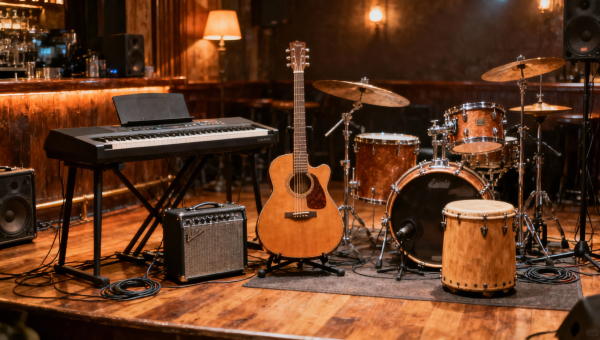
Bars and pubs: These spaces often need durable, easy-to-manage instruments that can handle frequent bookings and varied music styles. Electric guitars with small combo amps, compact drum kits, and digital keyboards are often practical choices.
Boutique hotels and lounges: Here, appearance matters almost as much as sound. Buyers may prioritize visually refined instruments, lower stage volume, and cleaner signal chains. Upright-style digital pianos, cajons, acoustic-electric guitars, and compact percussion setups are often better suited than full heavy rigs.
Cafés and acoustic rooms: Smaller, quieter environments benefit from instruments with natural tone and controlled projection. Acoustic guitars, small-bodied bass solutions, light percussion, and keyboard-based accompaniment often work well.
Private event venues: Flexibility is the priority. Instrument choices should support multiple genres, fast setup changes, and easy transport between rooms or event layouts.
Multi-use commercial entertainment spaces: Buyers should favor modular setups that can accommodate solo acts, duos, and full bands without requiring separate inventories for every performance format.
The more clearly procurement teams define the venue’s primary use case, the easier it becomes to avoid overbuying or selecting instruments that create repeated operational friction.
Which instruments are usually best suited to compact stages?
When choosing musical instruments for bands in small venues, compactness and controllability generally outperform maximum output. The following categories are commonly the most practical.
1. Compact drum solutions
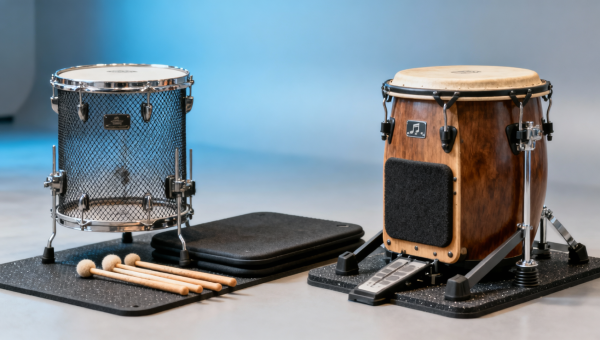
Full-size acoustic drum kits can dominate a small room physically and sonically. For many small venues, better options include compact shell kits, cocktail kits, reduced-piece drum sets, cajons, hybrid percussion, or electronic drum kits where appropriate. These options reduce volume and stage footprint while maintaining rhythmic presence.
2. Electric guitars with lower-wattage amplification
Large amplifier stacks are rarely necessary in small rooms. Lower-wattage combo amps or amp-modeling systems often provide better control, easier mic'ing, and less bleed into vocal microphones. For venue buyers, this also means easier placement and simpler logistics.
3. Controlled bass setups
Bass can quickly become muddy in compact rooms. Small bass combos, direct-input systems, or compact amp-and-cabinet combinations are often more suitable than oversized rigs. Clear low-end control improves audience experience and reduces complaints.
4. Digital keyboards instead of acoustic pianos
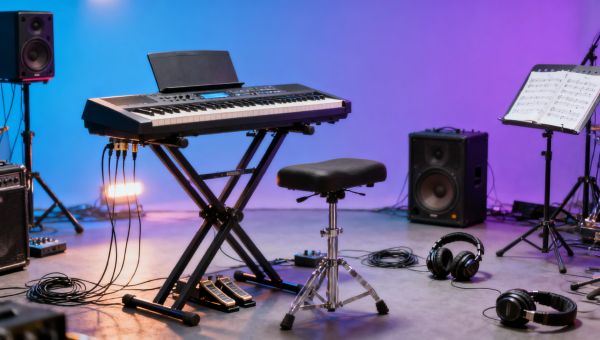
Unless the venue’s brand identity demands an acoustic piano, digital keyboards typically offer better value in small commercial spaces. They are lighter, easier to move, simpler to amplify, and more versatile across genres.
5. Acoustic-electric instruments
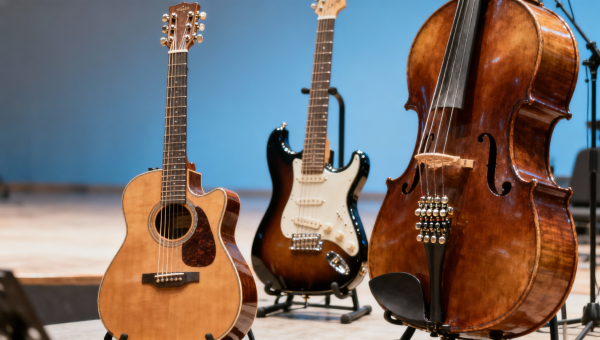
For singer-songwriter formats and light ensembles, acoustic-electric guitars, compact strings, and hybrid setups allow greater flexibility with amplification while preserving a more intimate sound character.
6. Space-efficient percussion
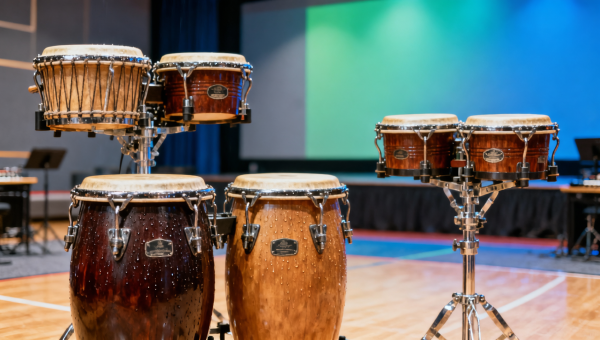
Hand percussion, cajons, compact congas, and reduced auxiliary percussion setups often outperform full-size installations in small entertainment spaces, especially where quick turnover is essential.
In general, the best instruments for compact stages are those that maintain tonal quality without requiring excessive physical space, excessive SPL, or complicated support equipment.
How do sound control and audience experience affect instrument choice?
One of the biggest sourcing mistakes in small venues is choosing instruments based on standalone performance rather than in-room behavior. In compact spaces, excessive stage volume can reduce vocal clarity, create feedback issues, and make the audience experience tiring rather than immersive.
From a business perspective, poor instrument control can lead to:
- More difficult front-of-house mixing
- Inconsistent performance quality between acts
- Higher noise complaints in hospitality environments
- Reduced dwell time in food-and-beverage spaces
- A mismatch between venue atmosphere and entertainment delivery
That is why instrument procurement should always be considered alongside the room’s acoustics, PA capacity, monitoring approach, and typical audience density. A smaller drum kit with dampening support, a direct-input keyboard, or a reduced amplifier setup may create a noticeably better customer experience than a technically “higher-powered” alternative.
For venues where conversation, dining, or premium ambiance matters, sound control is not optional. It is directly tied to revenue protection and brand positioning.
What should procurement teams evaluate beyond the instruments themselves?
For commercial sourcing, the instrument is only one part of the total operating system. Buyers should assess the wider ownership picture before finalizing any selection.
Transport and storage: Small venues often have limited back-of-house space. Instruments that require large cases, heavy stands, or extra support gear may create daily inefficiencies.
Setup and teardown time: Faster changeovers support more bookings and reduce labor pressure, especially in hospitality environments with multiple service windows.
Spare parts availability: Consumables and replacement components should be easy to source through local or regional channels.
Warranty and service support: For B2B buyers, after-sales support can matter more than the initial purchase price.
Finish and aesthetics: In premium or design-led venues, instrument appearance contributes to the guest experience and should align with interior style.
Skill range of users: If instruments will be used by multiple acts, resident performers, or educational users, ease of operation becomes an important selection factor.
Compatibility with existing audio systems: Instruments should integrate cleanly with current mixers, DI boxes, amplifiers, and speaker setups to avoid hidden upgrade costs.
These considerations are especially important for distributors and sourcing managers comparing OEM/ODM offerings, branded instruments, or commercial bundle packages.
How can buyers balance budget, durability, and long-term value?
Low-price instruments can appear attractive during procurement, but in high-use entertainment settings they may lead to tuning instability, cosmetic degradation, hardware failure, and inconsistent performer satisfaction. On the other hand, premium touring-grade products may be more than a small venue actually needs.
A better approach is to evaluate total value through three lenses:
- Use intensity: How often will the instrument be played, moved, or shared?
- Revenue relevance: Is live performance central to the venue’s commercial offer or a secondary feature?
- Lifecycle cost: What are the expected costs of maintenance, replacement, accessories, and downtime?
For many buyers, the best-value instrument is in the mid-tier commercial range: durable enough for repeated use, visually acceptable for public settings, and reliable enough to avoid constant maintenance. This is often the most practical segment for hotel lounges, event spaces, music bars, and entertainment-focused hospitality venues.
Distributors and dealers can add value here by helping customers compare not just specifications, but expected operating lifespan and commercial suitability.
What sourcing checklist helps buyers make better decisions?
Before purchasing instruments for bands in small venues, buyers should confirm the following:
- What music styles will the venue host most often?
- How much stage space is actually available after stands, monitors, and cables are included?
- What is the venue’s acceptable volume range?
- Will instruments be permanent installations, shared assets, or touring gear?
- How often will setup and teardown occur?
- Is visual presentation important to the venue brand?
- Can existing PA and monitoring systems support the selected instruments?
- Are replacement parts and service support available in target markets?
- What level of durability is needed for the expected traffic and handling?
- Does the selected setup improve flexibility across multiple performance formats?
This checklist helps procurement teams move from generic product comparison to use-case-based evaluation, which is where better commercial outcomes are usually achieved.
Common mistakes to avoid when outfitting small-venue bands
Several mistakes recur in small-venue sourcing projects:
- Buying instruments based on brand prestige instead of room suitability
- Oversizing drum and amplifier setups
- Ignoring storage and transport limitations
- Choosing instruments that look good on paper but are difficult to maintain
- Failing to test compatibility with the venue’s actual audio system
- Overlooking how instrument volume affects guest comfort and venue turnover
- Not considering multi-act flexibility in mixed-use spaces
Avoiding these issues can improve both performance quality and return on investment, especially where entertainment is part of a broader hospitality or leisure business model.
Conclusion: the best small-venue instrument choices are practical, controlled, and commercially aligned
Choosing musical instruments for bands in small venues is fundamentally about fit: fit for the room, fit for the audience, fit for daily operations, and fit for long-term commercial value. The strongest instrument selections are usually not the largest or most technically ambitious. They are the ones that deliver reliable performance, manageable volume, efficient setup, and durable service in compact environments.
For procurement professionals, business evaluators, and channel partners in the pro audio and musical instruments sector, the smartest sourcing strategy is to assess instruments as part of a full venue ecosystem. When buyers prioritize space efficiency, sound control, maintenance practicality, and real operating needs, they make decisions that support both better performances and stronger business outcomes.
Search News
Hot Articles
- Stage Lighting & TrussCCTV5 Snooker Broadcast Drives 37% Surge in Stage Lighting Export InquiriesApr 21, 2026
- Indoor PlaygroundVietnam Mandates Child Finger-Trap Sensors for Indoor Play EquipmentApr 21, 2026
- Stage Lighting & TrussGuangdong vs. Shanxi CBA Game Highlights Domestic Smart Arena LightingApr 21, 2026
Popular Tags
Need ExpertConsultation?
Connect with our specialized leisureengineering team for procurementstrategies.
Recommended News
 Apr 21, 2026Choosing musical instruments for bands in small venuesMusical instruments for bands in small venues: learn how buyers choose compact, durable setups with better sound control, lower costs, and stronger audience appeal.● Pro Audio Engineer
 Apr 20, 2026Music Accessories Often Overlooked Until They Start Causing ProblemsMusic accessories often cause hidden issues across musical instruments, percussion instruments, wind instruments, string instruments, keyboard instruments, orchestral instruments, music stands, instrument cables, and pro audio equipment.● Pro Audio Engineer
 Apr 20, 2026When Orchestral Instruments Need Custom Cases and Why It MattersMusical instruments and orchestral instruments need custom cases to protect string instruments, wind instruments, percussion instruments, and keyboard instruments during transport. Learn when buyers should upgrade for safer logistics.● Pro Audio Engineer
 Apr 20, 2026Keyboard Instruments in 2026: What Features Are Becoming Standard?Keyboard instruments in 2026 are redefining musical instruments with smarter connectivity, durable builds, and seamless integration with pro audio equipment, instrument cables, music stands, and music accessories.● Pro Audio Engineer
 Apr 20, 2026Music Stands With Folding Designs: Convenient or Less Reliable?Music stands buyers compare folding convenience with long-term reliability across musical instruments, percussion instruments, wind instruments, string instruments, and pro audio equipment.● Pro Audio Engineer
 Apr 20, 2026String Instruments With Better Tuning Stability in Busy Use CyclesExplore string instruments with better tuning stability for busy venues. Compare musical instruments, percussion instruments, and wind instruments to source reliable, low-maintenance performance solutions.● Pro Audio Engineer
 Apr 20, 2026Why Wind Instruments React So Differently to Climate and StorageWind instruments react fast to climate and storage. Compare musical instruments, percussion instruments, string instruments, and music accessories to cut maintenance risk and buy smarter.● Pro Audio Engineer
 Apr 20, 2026Percussion Instruments for Shared Spaces: What Reduces Noise Most?Percussion instruments for shared spaces: discover what reduces noise most across musical instruments, with smart comparisons to wind instruments, string instruments, keyboard instruments, and practical accessories.● Pro Audio Engineer
 Apr 20, 2026How to Spot Musical Instruments That Look Fine but Wear Out FastDiscover how to spot musical instruments that look premium but wear out fast. Learn key checks for percussion instruments, wind instruments, string instruments, keyboard instruments, music stands, instrument cables, pro audio equipment, and music accessories before you buy.● Pro Audio Engineer
 Apr 20, 2026Music Accessories That Quietly Affect Daily Performance QualityExplore how music accessories shape daily performance quality—from music stands and instrument cables to pro audio equipment for musical instruments, percussion instruments, wind instruments, string instruments, and keyboard instruments.● Pro Audio Engineer
 Apr 20, 2026Orchestral Instruments With the Highest Repair RatesExplore which orchestral instruments have the highest repair rates across wind instruments, string instruments, percussion instruments, and keyboard instruments, with smart buying tips for musical instruments, music accessories, music stands, instrument cables, and pro audio equipment.● Pro Audio Engineer
 Apr 20, 2026Are Keyboard Instruments With Weighted Keys Worth the Extra Cost?Keyboard instruments with weighted keys: discover if the extra cost pays off for musical instruments buyers, with smart tips on music accessories, instrument cables, and pro audio equipment.● Pro Audio Engineer
 Apr 20, 2026Music Stands That Stay Stable on Stage: What Makes the Difference?Music stands for musical instruments: discover what keeps them stable on stage for string instruments, wind instruments, percussion instruments, and keyboard instruments—plus smart buying tips.● Pro Audio Engineer
 Apr 20, 2026String Instruments: Solid Wood or Laminated for Regular Use?String instruments guide for regular use: compare solid wood vs laminated models across musical instruments setups with music accessories, pro audio equipment, and smarter sourcing insights.● Pro Audio Engineer
 Apr 20, 2026Wind Instruments for Schools and Venues: What Affects Longevity?Wind instruments longevity guide for schools and venues: compare musical instruments, percussion instruments, string instruments, and keyboard instruments to source smarter and reduce total cost.● Pro Audio Engineer
 Apr 20, 2026Why Some Percussion Instruments Cost More to Maintain Than ExpectedExplore why percussion instruments can cost more to maintain than expected, and compare musical instruments, orchestral instruments, music accessories, music stands, instrument cables, and pro audio equipment.● Pro Audio Engineer
 Apr 20, 2026Which Musical Instruments Hold Up Best in High-Use Venues?Musical instruments for high-use venues: compare percussion instruments, wind instruments, string instruments, keyboard instruments, music stands, instrument cables, pro audio equipment, and music accessories.● Pro Audio Engineer
 Apr 19, 2026What changed in musical instruments demand in 2026?Musical instruments demand in 2026 is shifting fast across trampoline park and indoor playground projects. Explore trends in percussion instruments, wind instruments, string instruments, and crossover demand from outdoor playground and playground swings.● Pro Audio Engineer
 Apr 19, 2026Why string instruments react so differently to climate changesString instruments react faster to climate changes than percussion instruments or wind instruments. Discover smart sourcing tips for trampoline park, indoor playground, and outdoor playground projects.● Pro Audio Engineer
 Apr 19, 2026String instruments: solid wood or laminate for long-term use?String instruments guide for buyers: compare solid wood vs laminate for long-term use, durability, maintenance, and value across musical instruments, percussion instruments, and wind instruments.● Pro Audio Engineer
 Apr 19, 2026When do wind instruments need repair sooner than expected?Wind instruments need repair sooner in trampoline park and indoor playground venues due to heavy use, humidity, and poor storage. Compare musical instruments, percussion instruments, string instruments, outdoor playground planning, and playground swings with expert sourcing tips.● Pro Audio Engineer
 Apr 19, 2026Wind instruments that handle frequent transport more reliablyWind instruments guide for buyers: compare durable musical instruments for frequent transport, with insights across percussion instruments, string instruments, trampoline park and indoor playground venues.● Pro Audio Engineer
 Apr 19, 2026Common tuning issues with percussion instruments in humid areasPercussion instruments in humid venues can lose tuning fast. Learn how musical instruments perform in trampoline park, indoor playground, and outdoor playground spaces for smarter sourcing.● Pro Audio Engineer
 Apr 19, 2026Percussion instruments with lower upkeep in heavy-use spacesDiscover low-upkeep percussion instruments for trampoline park, indoor playground, and outdoor playground spaces—durable musical instruments that outperform wind instruments, string instruments, and fit playground swings zones.● Pro Audio Engineer