Which Musical Instruments Fit Small Bands
Choosing the right musical instruments for bands can define the sound, flexibility, and budget efficiency of any small ensemble. For buyers comparing musical instruments wholesale options, evaluating a reliable musical instruments manufacturer, or sourcing musical instruments for schools and commercial venues, understanding the best-fit instrument mix is essential for smart procurement and long-term performance.
What makes an instrument lineup suitable for a small band?
In commercial music settings, a small band usually means a group of 3 to 8 players designed for mobility, fast setup, and broad repertoire coverage. This format is common in hotels, lounges, schools, event venues, cruise entertainment programs, and community recreation projects. The best instrument mix is not simply about sound preference. It must also match venue size, transport requirements, user skill level, replacement cycles, and available storage.
For procurement teams, the first question is practical: which instruments can cover melody, harmony, rhythm, and low-end support without overloading the budget? In many cases, 4 functional roles are enough for a balanced ensemble. These roles are lead voice, chord support, bass foundation, and timekeeping. Once these roles are covered, buyers can scale up with a second melodic instrument or auxiliary percussion depending on the performance program.
This is why small band sourcing differs from buying for a full orchestra or a specialist recording studio. A venue buyer may need instruments that perform reliably across 2 to 4 weekly events, while a school procurement officer may prioritize durability across multiple student users in one semester. A distributor, meanwhile, often focuses on products with stable demand, moderate accessory turnover, and manageable after-sales support.
From a B2B sourcing perspective, Global Commercial Trade supports these decisions by connecting instrument demand with commercial use cases, supplier evaluation logic, and broader pro audio integration needs. That matters because the right small band setup is rarely purchased in isolation. It often sits inside a wider commercial package that includes amplification, stands, cases, storage, and recurring maintenance planning.
- A functional small band setup typically covers 4 core roles: melody, harmony, bass, and rhythm.
- Typical group size ranges from 3 to 8 players, depending on venue capacity and repertoire complexity.
- Procurement should evaluate not only tone, but also setup time, portability, maintenance frequency, and accessory compatibility.
The core sound logic buyers should understand
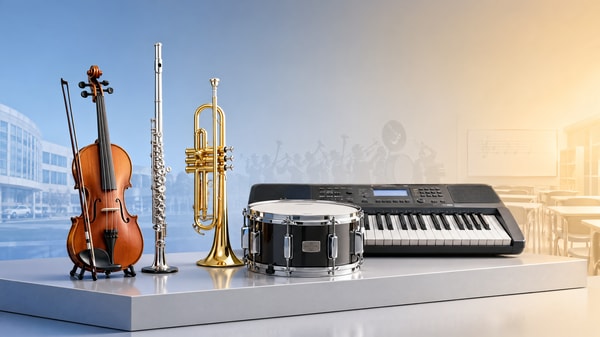
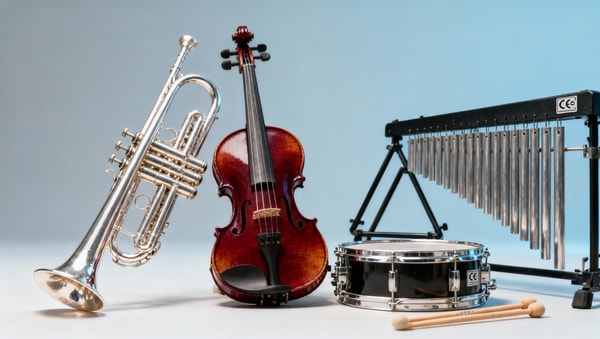
A small band works when each instrument has a clear job. Guitar or keyboard usually provides harmonic structure. Bass adds depth and supports rhythm. Drums or compact percussion stabilize timing. Vocals, saxophone, violin, trumpet, or lead guitar can handle melody. When buyers select too many instruments from the same frequency range, the band may sound crowded despite higher spending.
This is one reason compact combinations often outperform larger but poorly planned packages. A 4-piece setup may deliver stronger commercial value than a 6-piece lineup if it reduces overlap, transport cost, and training complexity. For schools and hospitality venues, this can also shorten setup time to 15 to 30 minutes instead of 45 to 60 minutes, which directly affects event turnover and labor planning.
Which musical instruments fit the most common small band scenarios?
Different commercial environments require different instrument priorities. A cocktail lounge band may emphasize elegance, moderate volume, and visual refinement. A school ensemble may need durable, easy-to-learn instruments with replaceable parts. An outdoor leisure venue often needs stronger projection, weather-aware logistics, and easier transport. Buyers should therefore begin with scenario mapping before requesting quotations from a musical instruments manufacturer or wholesale supplier.
The table below summarizes common small band configurations by application scenario. It is useful for information researchers, procurement officers, and distributors who need a practical shortlist rather than an overly broad catalog. Each lineup reflects typical commercial requirements rather than a single artistic preference.
The main takeaway is that no single small band setup fits every commercial application. A school may achieve better value with a keyboard-led setup, while a hospitality venue may prefer acoustic-forward instruments for design consistency and guest comfort. In most projects, buyers narrow options faster when they define 3 variables first: venue acoustics, player skill range, and event frequency.
Scenario-based selection priorities
For indoor hospitality venues, visual finish and noise control often matter as much as musical flexibility. Instruments with compact footprints and neutral finishes may integrate better into premium interiors. For educational projects, standardization across 6 to 20 units can simplify maintenance, spare part ordering, and training schedules. For touring or event operators, the priority shifts toward reinforced cases, modular stands, and rapid assembly.
This is where a sourcing platform with cross-sector intelligence becomes useful. Instrument decisions may affect furniture layout, storage planning, cable routing, and even service staffing. GCT helps commercial buyers compare these factors in a more integrated way, especially when musical instruments are part of a broader venue development or procurement package.
Best small band instrument combinations: comparison by function, cost, and flexibility
When buyers compare small band instruments, three decision layers usually matter most: functional coverage, acquisition cost, and operating complexity. A lower-priced lineup can still become expensive if it requires frequent tuning service, fragile parts, or incompatible accessories. Conversely, a slightly higher initial investment may reduce replacement and downtime over 12 to 24 months.
The following comparison table is designed for B2B evaluation. It does not assign fixed prices, because pricing varies by grade, materials, electronics, and order volume. Instead, it shows relative procurement logic across common instrument groups used in small bands.
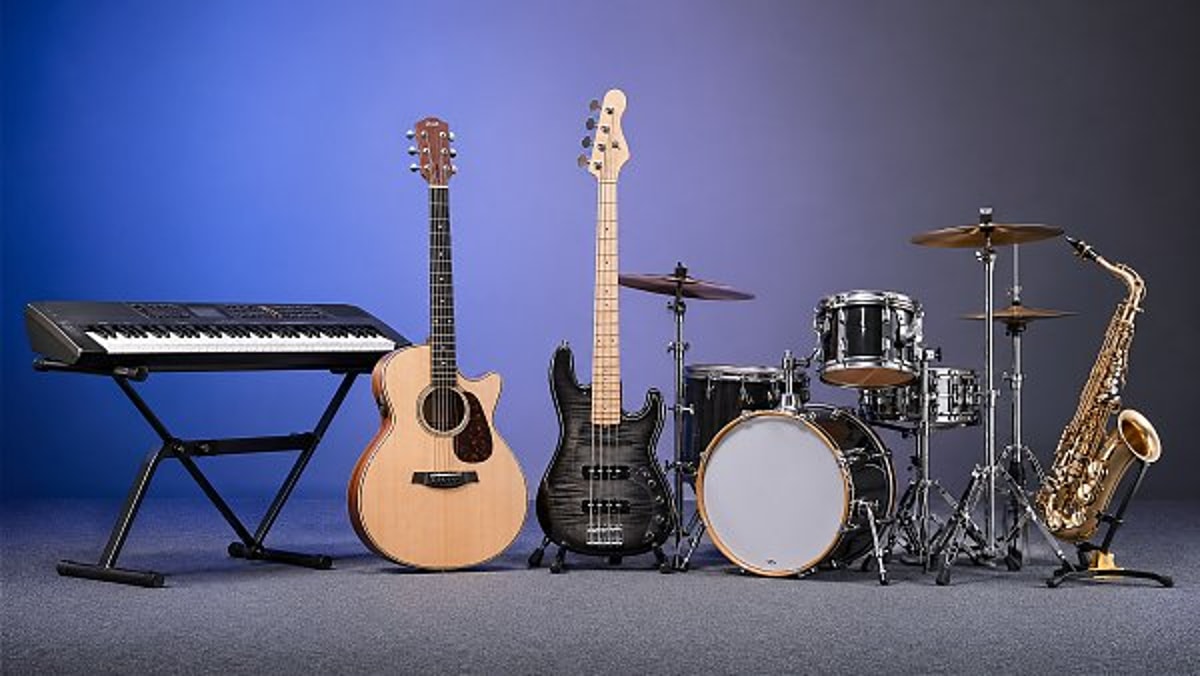
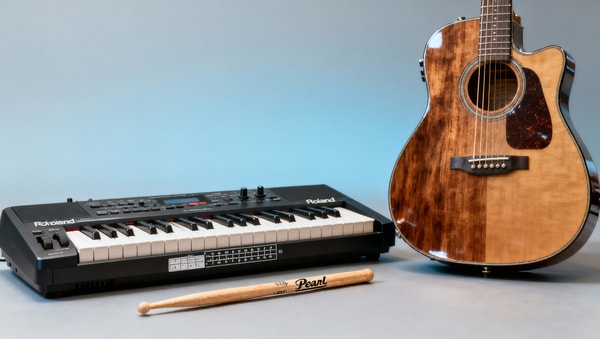
For many buyers, the most balanced starting package is keyboard, guitar, bass, and compact drums. This four-part combination covers the largest number of songs with manageable logistics. If the venue needs a stronger signature sound, adding one melodic voice such as saxophone or violin is often more effective than adding another chord instrument. This improves differentiation without sharply increasing equipment overlap.
Which combinations work best under budget pressure?
If budget is tight, buyers can replace a full drum kit with cajon, electronic percussion pad, or a simplified practice kit for lower volume environments. In very compact venues, a keyboard can temporarily cover both harmony and bass functions, reducing the first-phase purchase from 4 instruments to 3. This type of phased procurement is common in pilot projects, trial entertainment programs, and new distributor market entries.
A sensible approach is to divide purchasing into 2 stages over 30 to 90 days. Stage one covers core instruments and basic accessories. Stage two adds genre-specific upgrades once actual usage patterns are clear. This reduces early overbuying and gives commercial teams better evidence for follow-up purchasing decisions.
What should procurement teams check before placing a musical instruments wholesale order?
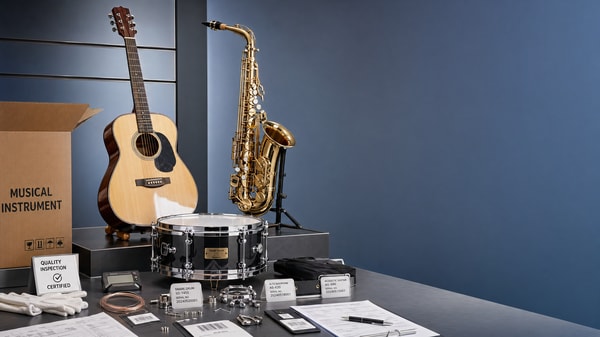
Buying musical instruments for small bands is rarely just about the instruments themselves. Procurement teams also need to verify packaging, spare parts, accessory consistency, basic compliance, and after-sales process. For institutional and commercial buyers, the risk often lies not in the first shipment, but in the next order cycle when matching finishes, component compatibility, or replacement parts become difficult to secure.
Before selecting a musical instruments manufacturer, it is helpful to work through a structured checklist. This reduces specification gaps between procurement, technical teams, distributors, and end users. In practice, 5 review areas usually determine whether a sourcing project runs smoothly over 6 to 18 months.
Five checkpoints before approval
- Define user profile and use intensity. Ask whether the instruments will serve trained performers, student beginners, or rotating venue musicians. A product suitable for 2 hours per week may not suit 20 hours per week.
- Confirm accessories and consumables. Strings, reeds, drum heads, stands, benches, gig bags, and cables should be listed clearly in the quotation. Missing low-cost accessories often delay deployment more than the instruments themselves.
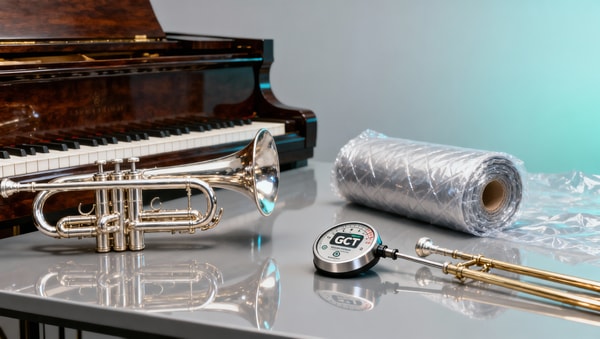
- Check packaging and transit protection. Export projects should confirm carton strength, humidity considerations, internal padding, and labeling, especially for keyboard actions, brass finishes, and wooden bodies.
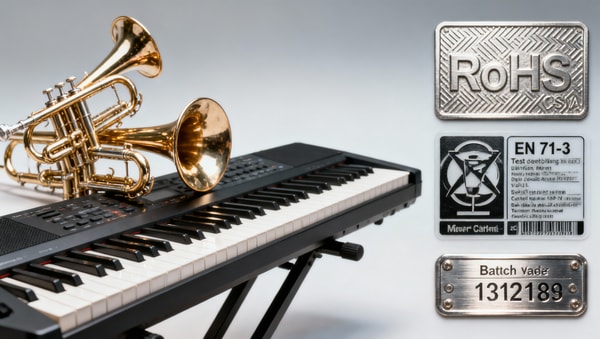
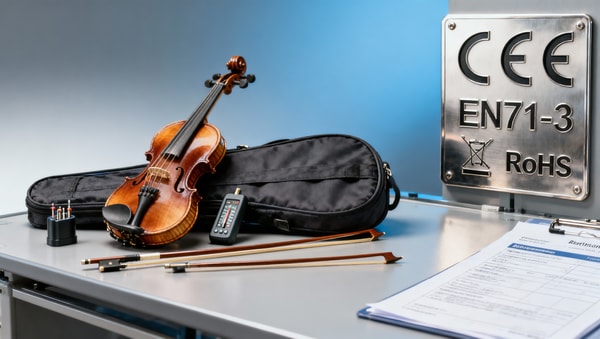
- Review compliance and electrical safety where applicable. Electronic keyboards, amplifiers, and powered percussion may require market-specific documentation depending on destination and channel.
- Clarify lead time and replenishment rhythm. Common production and dispatch windows may range from 2 to 8 weeks depending on product type, season, and customization depth.
A reliable sourcing conversation should also address service parts and continuity. For example, distributors often need to know whether identical or near-identical stock will remain available over multiple purchase cycles. School buyers may care more about whether 10 replacement units can be reordered with consistent keyboard touch, fret alignment, or percussion hardware dimensions.
Typical compliance and documentation topics
Not every instrument requires the same documentation. Acoustic instruments mainly raise material, finish, and packaging questions. Electronic products require more attention to voltage compatibility, power supplies, user manuals, and destination-market labeling. Buyers handling cross-border programs should request documentation review early, ideally before sample approval, not after container planning.
This is one of the advantages of working through a B2B intelligence-led platform. GCT helps buyers compare not only product attractiveness, but also procurement readiness across suppliers, categories, and commercial settings. That can save time during vendor shortlisting, especially for projects involving hospitality groups, school systems, or multi-site entertainment operations.
Common mistakes, replacement strategies, and practical FAQ
Small band buyers often make three avoidable mistakes: overbuying specialist instruments, underestimating accessories, and ignoring the real acoustic environment. A jazz-style instrument set may look attractive in a catalog, but if the venue hosts mixed-use events and rotating performers, a more neutral, adaptable package may produce better results. Commercial value comes from fit, not just aspiration.
Another frequent issue is mismatch between instruments and sound reinforcement. A small band setup is only successful if the amplification path is realistic. For example, an electric bass purchased without suitable amplification planning may force expensive last-minute changes. Likewise, acoustic drums can become impractical in compact hospitality rooms where volume control is critical.
FAQ: How do buyers reduce selection risk?
How many instruments does a small commercial band usually need?
Most practical commercial setups start with 3 to 5 instruments, depending on whether vocals are central and whether a keyboard must cover multiple functions. For a venue with limited space, 3 core instruments plus vocals may be enough. For wider repertoire, 4 to 5 instruments usually offer better flexibility without creating unnecessary transport complexity.
Which instrument is the most versatile for small bands?
In many procurement projects, the keyboard is the most versatile because it can handle harmony, melody, and sometimes bass support. It is especially useful in schools, hotels, and event venues where one instrument may need to cover several musical functions. However, versatility should still be balanced against user familiarity, stand requirements, and electrical considerations.
Are acoustic instruments better than electronic ones for hospitality venues?
Not always. Acoustic instruments often provide strong visual warmth and lower technical complexity, but electronic instruments offer volume control, patch variety, and easier integration with modern sound systems. For premium hospitality, the choice usually depends on 3 factors: interior atmosphere, sound level expectations, and the frequency of live performance across the week.
What is a realistic lead time for a small band sourcing project?
For standard commercial orders, sampling and specification confirmation may take 1 to 3 weeks, while production and dispatch can often take 2 to 8 weeks depending on quantity and customization. If branding, mixed-category packaging, or market-specific documentation is required, buyers should plan extra time and avoid leaving procurement to the final event window.
Replacement and upgrade planning
A smart buyer does not treat a small band package as a one-time purchase. Instead, plan a replacement rhythm. Accessories may rotate every few months under heavy use, while core instruments may be reviewed annually or over a 2 to 4 year asset cycle depending on environment and handling. This is especially relevant for schools, leisure venues, and rental-focused operators.
If the initial budget is limited, upgrade paths should be defined at the start. For example, begin with keyboard, guitar, bass, and cajon, then add a full drum kit or lead horn once performance demand justifies expansion. This creates a more resilient purchasing model and supports phased revenue validation for commercial operators.
Why work with a specialized B2B sourcing partner for small band instrument projects?
For information researchers and commercial buyers, the hardest part is often not finding products, but comparing them across real use conditions. A catalog may list dozens of musical instruments, yet still fail to answer the practical questions: Which lineup works for a 60-seat lounge? Which package fits a school music room with shared users? Which musical instruments wholesale strategy reduces replacement friction across multiple sites?
This is where Global Commercial Trade adds value. GCT focuses on commercial experiences and specialty sourcing, which means instrument recommendations can be viewed alongside venue planning, hospitality expectations, educational usage, and supply continuity. For buyers in sports and entertainment environments, that broader perspective helps convert product lists into usable procurement decisions.
If you are evaluating a musical instruments manufacturer, comparing musical instruments for schools, or building a dealer assortment for small bands, you can consult on specific requirements before moving to volume purchase. Common discussion points include 4-part lineup design, sample planning, accessory bundling, typical lead time ranges, compliance documentation for electronic units, and phased sourcing based on budget.
You can also request support for quotation comparison, scenario-based product selection, replacement planning, and custom packaging logic for distribution or project delivery. This is particularly useful when your decision must balance sound quality, commercial presentation, operational durability, and cross-border sourcing efficiency. A stronger instrument mix at the start often means fewer corrections later.
- Ask about parameter confirmation for keyboards, guitars, basses, percussion, and supporting accessories.
- Discuss sample support, lead time planning, and packaging methods for multi-unit or mixed-category orders.
- Review customization possibilities, documentation needs, and quotation structure before final supplier comparison.
If your team is narrowing down the best instruments for a small band, contact GCT with your target scenario, expected quantity, performance setting, and sourcing timeline. That allows a more focused discussion on product selection, delivery planning, certification-related questions for applicable electronic items, and the most suitable commercial configuration for your project.
Search News
Hot Articles
Popular Tags
Need ExpertConsultation?
Connect with our specialized leisureengineering team for procurementstrategies.
Recommended News
 Apr 29, 2026String Instruments Compared: What Really Affects Tone and DurabilityString instruments compared for tone and durability: learn how materials, construction, hardware, and setup affect long-term performance for schools, venues, rentals, and sourcing teams.● Pro Audio Engineer
 Apr 29, 2026Wind Instruments Maintenance Tips That Prevent Costly RepairsWind instruments maintenance tips that help teams prevent leaks, corrosion, and pad failure. Learn practical care steps to reduce repair costs and keep instruments performance-ready.● Pro Audio Engineer
 Apr 29, 2026Percussion Instruments Buying Guide: Sound, Build, and ValuePercussion instruments buying guide for schools, venues, and studios—compare sound, build quality, durability, and total value to source smarter and avoid costly mistakes.● Pro Audio Engineer
 Apr 29, 2026How to Find Reliable Musical Instruments WholesaleMusical instruments wholesale made safer: learn how to vet a musical instruments manufacturer, compare suppliers, and source reliable musical instruments for schools and bands with confidence.● Pro Audio Engineer
 Apr 29, 2026Musical Instruments for Schools on BudgetMusical instruments for schools on a budget: compare musical instruments for bands, wholesale options, and how to choose a reliable musical instruments manufacturer for lasting value.● Pro Audio Engineer
 Apr 29, 2026OEM or ODM Musical Instruments ManufacturerFind the right musical instruments manufacturer for bands, schools, and wholesale buyers. Compare OEM vs ODM options, customization, quality control, and sourcing strategies.● Pro Audio Engineer
 Apr 29, 2026Which Musical Instruments Fit Small BandsMusical instruments for bands: explore smart lineups for schools, venues, and buyers comparing musical instruments wholesale and a trusted musical instruments manufacturer.● Pro Audio Engineer
 Apr 29, 2026Musical Instruments Wholesale Buying GuideMusical instruments wholesale guide for bands, schools, and distributors: compare musical instruments manufacturers, MOQ, quality, compliance, and sourcing strategies for smarter bulk buying.● Pro Audio Engineer
 Apr 29, 2026How to Source Musical Instruments for SchoolsMusical instruments for schools: learn how to compare musical instruments wholesale options, choose a trusted musical instruments manufacturer, and source durable musical instruments for bands with confidence.● Pro Audio Engineer
 Apr 29, 2026How to Choose a Musical Instruments ManufacturerFind the right musical instruments manufacturer for bands, schools, and wholesale buyers. Compare quality, OEM/ODM options, compliance, and lead times to source with confidence.● Pro Audio Engineer
 Apr 29, 2026How to Choose Musical Instruments for BandsMusical instruments for bands guide: compare musical instruments manufacturer options, wholesale terms, and musical instruments for schools to source durable, high-value solutions.● Pro Audio Engineer
 Apr 26, 2026Musical instruments manufacturer compliance: EU RoHS vs. US CPSIA documentation gapsMusical instruments manufacturer? Close EU RoHS vs. US CPSIA documentation gaps—critical for bands, schools & trampoline park suppliers. Avoid disqualification.● Pro Audio Engineer
 Apr 26, 2026High-quality musical instruments: why serial number verification matters for resale valueHigh-quality musical instruments for bands and schools rely on serial number verification to protect resale value, authenticity, and compliance—trusted by top suppliers worldwide.● Pro Audio Engineer
 Apr 26, 2026Musical instruments supplier lead times: why 8-week delivery now means ‘in stock’Musical instruments supplier lead times hit 8 weeks—now meaning 'in stock.' Compare trampoline park supplier, indoor playground manufacturer & more for assured readiness.● Pro Audio Engineer
 Apr 26, 2026Musical instruments for schools: what happens when warranty service requires shipping overseasMusical instruments for schools & bands: Avoid costly overseas warranty shipping. Discover high-quality, service-backed instruments from trusted manufacturers and suppliers.● Pro Audio Engineer
 Apr 26, 2026Musical instruments manufacturer transparency: where are your components really made?Discover how top musical instruments manufacturer & trampoline park supplier ensure component transparency—boost safety, compliance, and ROI for bands, schools, and indoor playground installations.● Pro Audio Engineer
 Apr 26, 2026Musical instruments for bands: why matching wood grain matters for live soundDiscover why matching wood grain in musical instruments for bands ensures superior live sound—key insight for schools, venues & suppliers seeking high quality musical instruments.● Pro Audio Engineer
 Apr 26, 2026Musical instruments supplier red flags—delayed shipping isn’t the worst signSpot red flags in musical instruments supplier, trampoline park supplier & indoor playground manufacturer—beyond delayed shipping. Ensure safety, compliance & quality.● Pro Audio Engineer
 Apr 26, 2026Musical instruments manufacturer vs. supplier: who handles warranty claims?Musical instruments manufacturer vs. supplier: who handles warranty claims? Discover how warranty authority impacts trampoline park safety, indoor playground installation & more.● Pro Audio Engineer
 Apr 26, 2026High-quality musical instruments: how to spot factory-refurbished units sold as newSpot high-quality musical instruments for bands & schools—avoid factory-refurbished units sold as new. Trusted insights on musical instruments manufacturer transparency, supplier accountability, and procurement safety.● Pro Audio Engineer
 Apr 26, 2026Musical instruments for schools—why budget models often cost more over timeMusical instruments for schools: Discover why budget models inflate long-term costs—durability, safety & TCO insights for bands, indoor playground suppliers, and trampoline park equipment buyers.● Pro Audio Engineer
 Apr 26, 2026Musical instruments for bands: why 'stage-ready' doesn’t always mean reliableDiscover why 'stage-ready' musical instruments for bands often fail commercially—and how top venues vet high quality musical instruments, trampoline park equipment, and indoor playground supplier reliability.● Pro Audio Engineer
 Apr 23, 2026Music Accessories Buyers Should Compare FirstMusic accessories buyers should compare quality, compatibility, and compliance first. Explore sourcing tips for hotel equipment, educational supplies, amusement equipment, and sensory playground projects.● Pro Audio Engineer
 Apr 23, 2026How to Source Reliable Music AccessoriesMusic accessories sourcing guide for buyers in commercial furniture, hotel equipment, educational supplies, and amusement equipment—learn how to verify quality, compliance, and reliable suppliers.● Pro Audio Engineer