Indoor Playground Supplier Pricing Guide
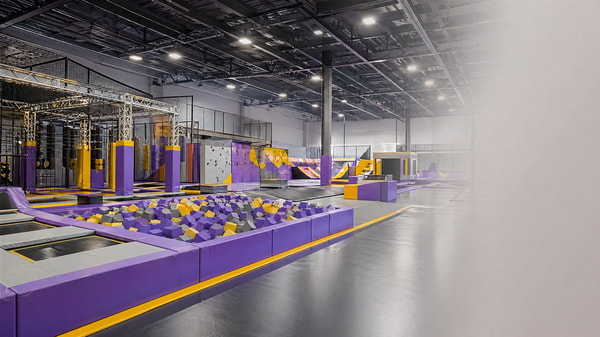
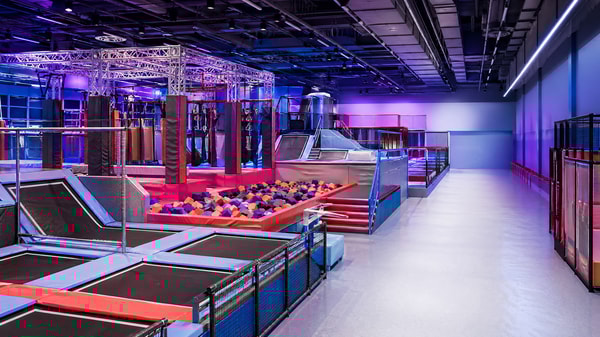
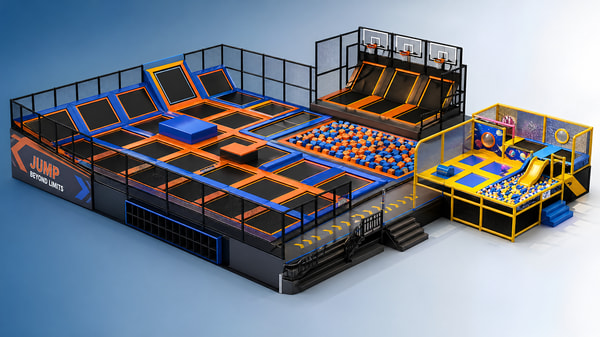
Choosing an indoor playground supplier is rarely about finding the lowest quote. For commercial buyers, the real question is what drives the price, what is included or excluded, and which supplier can deliver a safe, durable, revenue-generating project with fewer downstream surprises. In practice, indoor playground pricing is shaped by layout size, equipment mix, customization level, safety compliance, materials, installation complexity, and after-sales support. Buyers comparing indoor playground manufacturers should also benchmark costs against adjacent concepts such as trampoline park equipment and broader trampoline park price structures, especially when evaluating mixed-use family entertainment projects.
This guide is designed for procurement teams, business evaluators, distributors, and commercial sourcing researchers who need more than a rough price range. It explains how suppliers build quotations, where hidden costs often appear, how to compare offers fairly, and what signals indicate strong long-term value rather than just an attractive upfront number.
What buyers usually want to know first: how much does an indoor playground actually cost?
At the market level, there is no single universal price because indoor playground projects vary widely in size, design complexity, target age group, and country-specific compliance needs. A small standardized soft play area for a modest commercial venue may cost far less than a fully customized multi-zone playground for a mall, FEC, resort, or educational leisure center.
As a practical rule, buyers should expect pricing to fall into three broad project bands:
- Entry-level projects: compact soft play layouts with limited customization, suitable for cafés, community venues, or small retail destinations.
- Mid-range commercial projects: larger footprints with more play elements, branded color schemes, improved traffic flow design, and stronger structural requirements.
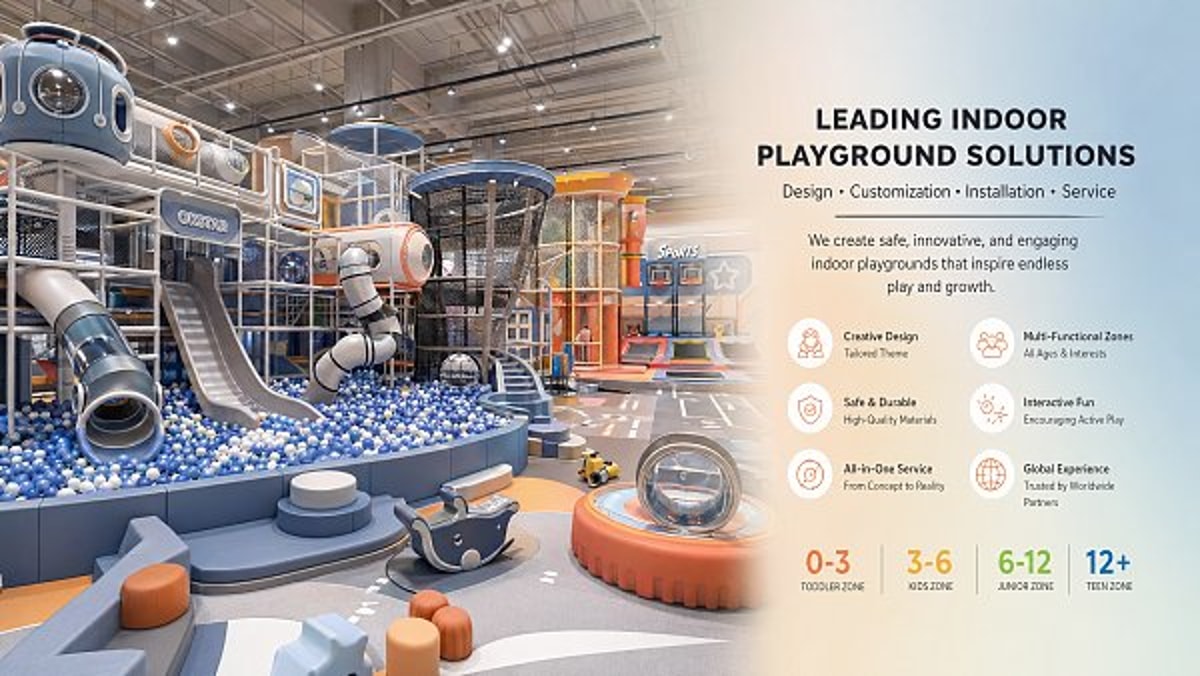
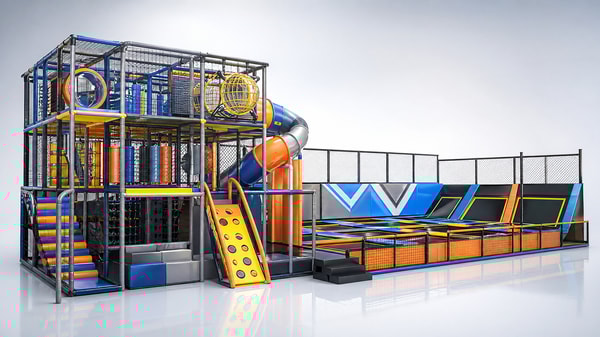
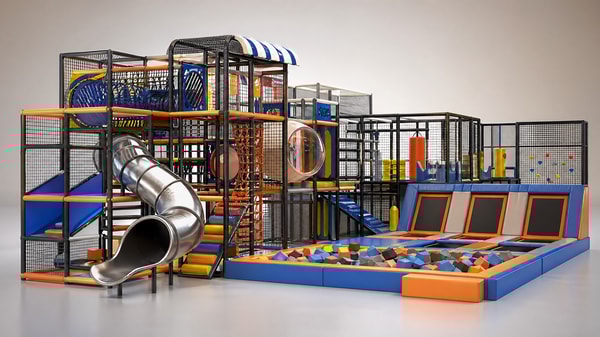
- Premium custom projects: themed indoor playground systems with multi-level structures, integrated slides, ninja elements, climbing zones, interactive play, and project-specific engineering for major commercial venues.
For serious sourcing decisions, a supplier price should never be reviewed in isolation. Buyers need to ask: What square meter area does the quote cover? What is the age capacity? What safety standard is used? Does it include installation drawings, freight, site adaptation, and spare parts? Two quotations that look similar on paper may represent very different scopes of supply.
What shapes indoor playground supplier pricing the most?
The biggest mistake buyers make is assuming indoor playground pricing is driven mainly by size. Area matters, but it is only one of several major cost drivers.
1. Project size and space geometry
A larger site generally increases cost, but irregular ceiling heights, columns, split-level floors, and unusual access points can raise engineering and installation expenses faster than floor area alone. A rectangular open site is usually more cost-efficient than a difficult layout requiring custom adaptation.
2. Equipment mix
Not all play components carry the same manufacturing cost. Ball pools, tube slides, climbing nets, volcano towers, donut slides, rope courses, toddler zones, and interactive digital features all affect the quotation differently. More dynamic and specialty attractions usually increase both equipment and installation cost.
3. Customization level
Standard modular systems are more economical than highly themed environments. Custom branding, proprietary color palettes, mascot structures, immersive themes, and one-off feature engineering all add design and production cost. For many operators, customization improves marketability, but it should be evaluated against expected footfall and pricing power.
4. Material specifications
Commercial buyers should pay close attention to steel thickness, pipe diameter, PVC quality, foam density, netting strength, deck board standards, and fire-resistance performance. Higher-grade materials typically increase upfront cost but improve lifespan, reduce maintenance frequency, and support compliance in more demanding markets.
5. Safety and certification requirements
Suppliers serving export markets may quote differently depending on whether the project needs compliance alignment with ASTM, EN, local fire codes, or other market-specific standards. Documentation, testing, and engineering controls often influence the final price.
6. Installation scope
Pricing changes significantly depending on whether the supplier provides only manufacturing, remote installation guidance, or full on-site installation. International projects also need to factor in visas, accommodation, local labor coordination, lifting equipment, and site readiness.
7. Packaging, shipping, and duties
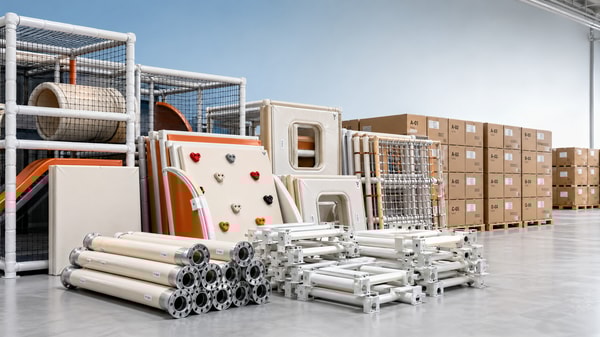
For overseas buyers, freight can materially affect total landed cost. Container optimization, packaging protection, destination port charges, import duties, and inland transportation should be reviewed early, especially for bulky mixed-material amusement shipments.
How indoor playground design decisions affect budget and commercial value
Indoor playground design is not just a creative exercise; it directly affects capex efficiency, user throughput, safety management, and revenue potential. Smart buyers assess whether the design supports the business model, not merely whether it looks impressive in a rendering.
Key design choices that influence both price and value include:
- Age segmentation: Separate toddler and older-child zones can improve safety and customer satisfaction but may increase structural and layout complexity.
- Play density: More components per square meter may improve excitement, but overcrowded layouts can reduce flow and operational comfort.
- Sightline planning: Better visibility for parents and staff may justify some design trade-offs because it improves supervision and perceived safety.
- Turnover efficiency: Designs that support faster circulation can increase practical capacity in busy venues.
- Add-on monetization: Integrated party rooms, café adjacency, retail corners, or ticket-tier attractions can strengthen ROI.
A lower-cost design that fails to support traffic flow or repeat visits may underperform commercially. Conversely, a moderately higher investment in a more thoughtful indoor playground design can improve dwell time, word-of-mouth appeal, and operational efficiency.
What should be included in a supplier quotation?
A professional indoor playground manufacturer should provide a quotation package detailed enough for procurement comparison. If a supplier sends only a total number with a few concept images, the buyer does not yet have a reliable commercial basis for decision-making.
A strong quotation typically includes:
- Project dimensions and covered area
- 2D layout or concept plan
- Itemized equipment scope
- Material specifications
- Safety standard reference
- Production lead time
- Packaging and shipping terms
- Installation scope and exclusions
- Warranty terms
- Spare parts or maintenance recommendations
Buyers should also clarify what is not included. Common exclusions may involve flooring, HVAC adaptation, civil works, electrical works, sprinkler modification, local permits, customs duties, and post-installation inspections. These omissions often explain why one quote appears dramatically lower than another.
How to compare indoor playground manufacturers fairly
Comparing suppliers on unit price alone often leads to distorted decisions. Commercial buyers should use a structured evaluation framework that balances cost, compliance, durability, communication quality, and execution reliability.
Useful comparison criteria include:
Manufacturing capability
Can the supplier handle standardized output only, or do they also support OEM/ODM, custom theming, and engineered site adaptation? A factory with stronger production control may offer better consistency and fewer quality deviations.
Project experience
Suppliers with completed mall, hotel, FEC, resort, and export projects are often better prepared for documentation, design refinement, and installation coordination than factories focused only on low-cost domestic volume.
Compliance readiness
Ask whether the supplier can provide material reports, test references, structural data, and documentation required by your market. This is especially important for distributors and buyers serving regulated jurisdictions.
Design support
Good suppliers do more than manufacture. They help optimize the layout for safety, visual impact, circulation, and commercial logic. This support can materially improve project outcomes.
After-sales responsiveness
Spare parts lead times, technical support, replacement policies, and communication speed matter. A low initial price may become expensive if maintenance issues remain unresolved for months.
Total landed cost
Procurement teams should compare not just ex-factory pricing but full delivered cost, installation burden, operational durability, and replacement frequency over time.
Where hidden costs usually appear
Many buyers underestimate project cost because they focus on visible equipment pricing while missing adjacent expenses. These hidden or under-scoped items can materially change the investment picture.
- Site preparation: floor leveling, wall protection, structural reinforcement, or MEP adjustments
- Freight volatility: ocean shipping rates, fuel surcharges, and destination handling fees
- Import and tax costs: customs duty, VAT, brokerage, and compliance inspection fees
- Installation support: local labor, accommodation, tools, lifts, and schedule overruns
- Safety upgrades: code-required changes after landlord or inspector review
- Maintenance inventory: replacement pads, nets, connectors, and wear components
- Operational accessories: socks, lockers, signage, POS integration, ticketing barriers, and queue control
For business evaluators, this is why a realistic total project budget should include a contingency buffer rather than relying purely on the supplier’s initial equipment quote.
How indoor playground pricing compares with trampoline park equipment costs
Buyers evaluating broader family entertainment formats often compare indoor playground systems with trampoline park equipment. While both categories fall under amusement and leisure sourcing, their pricing logic differs.
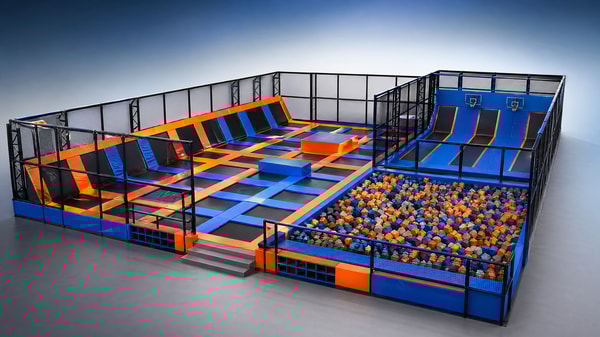
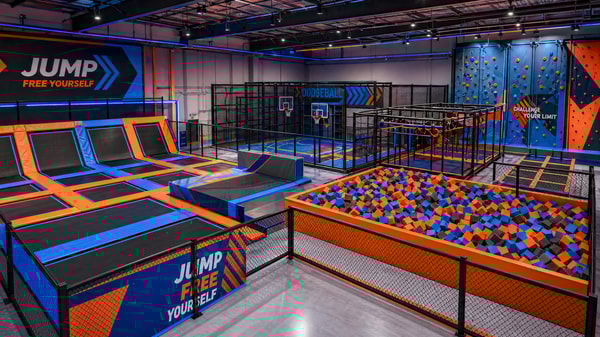
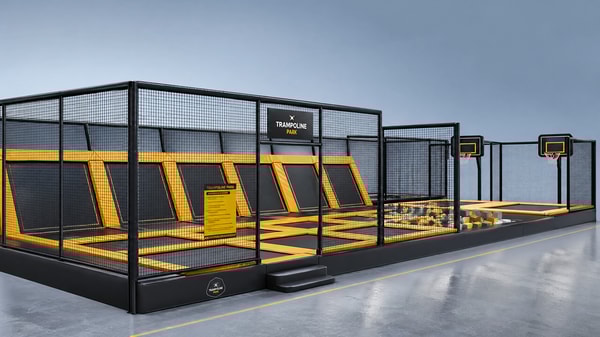
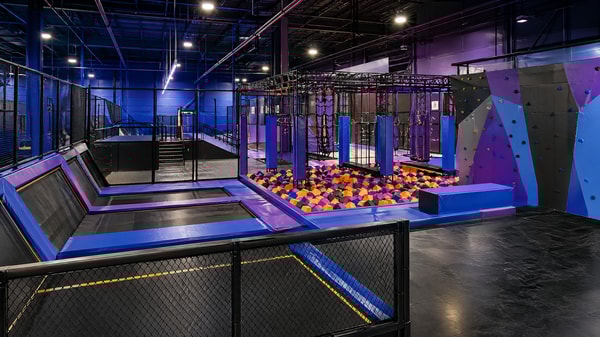
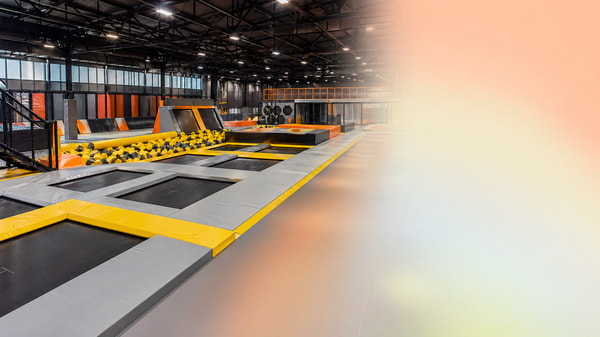
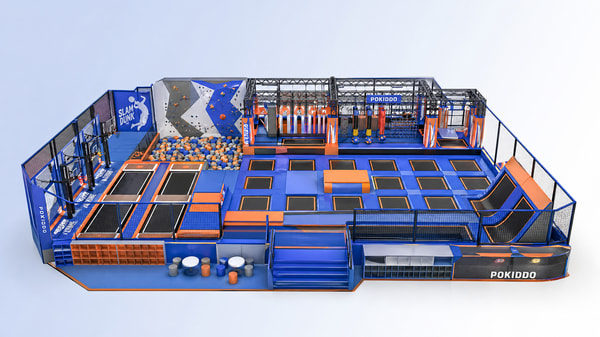
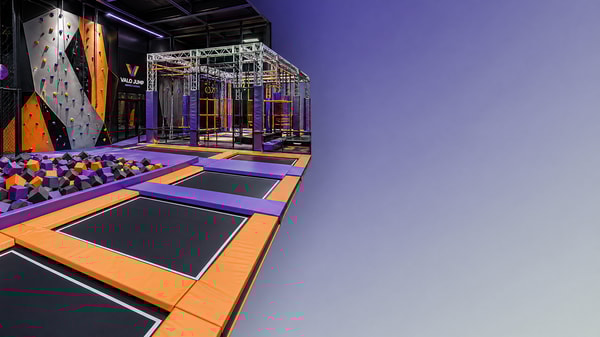
Indoor playgrounds are often more modular and design-driven, with budgets influenced by theming, soft play structures, and age-based zoning. Trampoline park equipment, by contrast, may require different structural engineering, jump mat systems, frame performance standards, and more specialized activity zones such as dodgeball, foam pits, slam dunk lanes, or performance trampolines.
When reviewing trampoline park price models versus indoor playground pricing, buyers should consider:
- Target customer age profile
- Insurance and liability environment
- Staffing intensity
- Maintenance cycle and consumable wear
- Throughput potential and ticket pricing
- Hybrid concept potential
In many commercial projects, the best answer is not choosing one format exclusively. A hybrid venue may combine soft play, climbing, and trampoline activity zones to widen audience appeal and diversify revenue. In that case, supplier capability in multi-attraction planning becomes more important than simple product pricing.
What procurement teams should ask before requesting a final quote
Better input usually leads to a more accurate and comparable quotation. Before approaching indoor playground manufacturers, buyers should prepare a clear project brief.
At minimum, the brief should include:
- Site dimensions, ceiling height, and column positions
- Target age group and expected visitor volume
- Country of installation and required standards
- Preferred design style or theme direction
- Budget range
- Whether the project is standalone or part of a larger FEC
- Required delivery timeline
- Installation expectations
Questions buyers should ask suppliers include:
- What standards does this design follow?
- Which materials are used in structural, padded, and netted elements?
- What items are excluded from the offer?
- How is warranty handled for export markets?
- Can you share similar completed projects?
- How are spare parts supplied after installation?
- Can the design be optimized for budget without reducing safety?
These questions quickly reveal whether a supplier is acting as a strategic manufacturing partner or simply sending generic pricing.
How to judge value beyond the initial price
The lowest quote is not always the lowest-risk or best-value option. For long-term commercial projects, value should be assessed across the full lifecycle of the attraction.
Buyers should evaluate:
- Durability: How long will the materials and structure perform under expected traffic?
- Brand impact: Does the design support premium positioning or family appeal?
- Maintenance burden: How often will wear parts need replacement?
- Revenue support: Does the layout help drive repeat visits, parties, and package sales?
- Safety confidence: Does the specification reduce incident risk and support operational peace of mind?
- Supplier reliability: Will the manufacturer still be responsive after the deposit is paid and the equipment is delivered?
For distributors and agents, value also includes resale confidence. A supplier with stronger documentation, stable quality, and responsive project support is often easier to represent in competitive local markets.
Final sourcing perspective for commercial buyers
Indoor playground supplier pricing should be understood as a combination of design ambition, safety scope, manufacturing quality, logistics, and long-term operating economics. Buyers who focus only on the headline quote often miss major differences in material grade, compliance readiness, excluded costs, and lifecycle value.
The most effective sourcing approach is to compare indoor playground manufacturers using a full commercial lens: layout efficiency, target user fit, specification transparency, installation practicality, after-sales support, and total landed cost. For projects that also involve trampoline park equipment or broader amusement formats, benchmarking across categories can further improve decision quality.
In short, the right supplier is not simply the one with the cheapest number. It is the one that can translate your site, market, and business model into a safe, commercially viable, and operationally sustainable attraction. That is the basis for smarter procurement and stronger long-term returns.
Search News
Hot Articles
Popular Tags
Need ExpertConsultation?
Connect with our specialized leisureengineering team for procurementstrategies.
Recommended News
 Apr 29, 2026Adventure Playground Safety Mistakes to Avoid Before InstallationAdventure playground safety mistakes can delay opening and raise liability. Learn the key pre-installation checks for materials, site planning, surfacing, and compliance.● Theme Park Strategist
 Apr 29, 2026Chinese Tennis Robot Demand Rises in Europe After Zheng Qinwen's Madrid RunChinese tennis robot demand surges in Europe after Zheng Qinwen's Madrid Open run—CE-certified AI training systems now sought by German & Spanish academies.● Theme Park Strategist
 Apr 29, 2026Vietnam Mandates Child Finger-Trap Sensors for Indoor Play EquipmentVietnam mandates child finger-trap sensors for indoor play equipment—key compliance update for exporters, suppliers & certifiers. Act now before Oct 1, 2026.● Theme Park Strategist
 Apr 29, 2026CBA Guangdong’s Loss Spurs Export Inquiries for Indoor Playground EquipmentCBA Guangdong’s playoff loss sparks urgent export inquiries for EN1176-compliant indoor playground equipment — basketball-themed, rapid-assembly modules for ASEAN family entertainment centers.● Theme Park Strategist
 Apr 28, 2026Vietnam Mandates Child Hand-Trap Sensors for Indoor Play EquipmentVietnam mandates VILAS-certified hand-trap sensors for indoor play equipment—key for exporters, manufacturers & certifiers. Act before Oct 2026!● Theme Park Strategist
 Apr 29, 2026What to Review Before Buying a Trampoline ParkCompare trampoline park price, trampoline park cost, and trampoline park equipment before choosing a trampoline park supplier. Get expert tips on safety, layout, and sourcing.● Theme Park Strategist
 Apr 29, 2026How Much Does a Trampoline Park CostTrampoline park cost explained: compare trampoline park price, equipment quality, and supplier value. Learn what drives ROI before choosing a trampoline park for sale.● Theme Park Strategist
 Apr 29, 2026Safe Trampoline Park Equipment BasicsSafe trampoline park equipment basics: compare trampoline park supplier options, indoor playground design, durability, compliance, and total trampoline park cost before you buy.● Theme Park Strategist
 Apr 29, 2026How to Audit an Indoor Playground FactoryIndoor playground manufacturer audit guide: learn how to assess an indoor playground supplier, indoor playground design strength, safety, capacity, and trampoline park equipment quality before you buy.● Theme Park Strategist
 Apr 29, 2026Indoor Playground Supplier Pricing GuideIndoor playground supplier pricing guide: compare indoor playground manufacturer quotes, indoor playground design value, trampoline park equipment cost, and hidden fees before you buy.● Theme Park Strategist
 Apr 29, 2026Trampoline Park Supplier Checklist 2026Trampoline park supplier checklist 2026: compare trampoline park price, cost, equipment, and indoor playground design to choose a safer, smarter supplier for profitable projects.● Theme Park Strategist
 Apr 29, 2026Trampoline Park Price vs Long Term ValueTrampoline park price is only the start. Compare trampoline park cost, equipment quality, and supplier reliability to find safer, higher-ROI solutions with lasting commercial value.● Theme Park Strategist
![]() Apr 29, 2026Indoor Playground Design Mistakes to AvoidIndoor playground design mistakes can raise trampoline park cost and hurt ROI. Learn how to choose the right indoor playground supplier, manufacturer, and equipment for safer, smarter growth.● Theme Park Strategist
Apr 29, 2026Indoor Playground Design Mistakes to AvoidIndoor playground design mistakes can raise trampoline park cost and hurt ROI. Learn how to choose the right indoor playground supplier, manufacturer, and equipment for safer, smarter growth.● Theme Park Strategist Apr 29, 2026Is a Trampoline Park for Sale Worth ItTrampoline park for sale: compare trampoline park price, cost, equipment quality, and supplier support to judge ROI. See what smart buyers check before investing.● Theme Park Strategist
 Apr 29, 2026Trampoline Park Cost Breakdown for BuyersTrampoline park cost explained: compare trampoline park price, equipment quality, and supplier support to find a profitable trampoline park for sale with smart design and safer ROI.● Theme Park Strategist
 Apr 29, 2026What to Check in Trampoline Park EquipmentTrampoline park equipment guide: learn what to check from safety, layout, and materials to trampoline park cost, supplier selection, and indoor playground manufacturer support.● Theme Park Strategist
 Apr 29, 2026Indoor Playground Manufacturer Red FlagsIndoor playground manufacturer red flags: learn how to assess an indoor playground supplier, indoor playground design quality, trampoline park equipment, and hidden trampoline park cost before you buy.● Theme Park Strategist
 Apr 29, 2026How to Pick an Indoor Playground SupplierIndoor playground supplier guide: compare safety, design, quality, and lead times to choose the right indoor playground manufacturer or trampoline park supplier with confidence.● Theme Park Strategist
 Apr 29, 2026How to Compare Trampoline Park SuppliersCompare every trampoline park supplier by safety, design, service, and trampoline park cost. Learn how to choose reliable trampoline park equipment and indoor playground supplier solutions.● Theme Park Strategist
 Apr 29, 2026What Affects Trampoline Park Price MostTrampoline park price depends most on equipment quality, compliance, customization, and supplier strength. Learn what drives trampoline park cost and compare quotes with confidence.● Theme Park Strategist
 Apr 27, 2026Vietnam Mandates Child Finger-Trap Sensors for Indoor Play EquipmentVietnam mandates child finger-trap sensors for indoor play equipment starting Aug 1, 2026 — comply now to avoid delays, penalties & market access risks.● Theme Park Strategist
 Apr 26, 2026Fan Zhendong Visits SF as MLTT Investor; Chinese AI Ping Pong Tech Draws Silicon Valley InterestAI ping pong tech from China grabs Silicon Valley’s attention as Fan Zhendong, MLTT investor and Olympic champ, demos smart table tennis systems in SF—key for sports hardware, AI analytics & FDA-regulated fitness devices.● Theme Park Strategist
 Apr 26, 2026Vietnam Enforces Child Finger-Trap Sensors for Indoor Playground EquipmentChild finger-trap sensors now mandatory for indoor playground equipment in Vietnam—comply with QCVN 17:2026/BKHCN before import or sale.● Theme Park Strategist
 Apr 25, 2026Vietnam Mandates Child Finger-Trap Sensors for Indoor Play EquipmentVietnam mandates child finger-trap sensors for indoor play equipment—TCVN-certified, ≤0.3s response. Critical for importers, OEMs & compliance teams ahead of July 1, 2026 deadline.● Theme Park Strategist