Playground certification steps that delay launch dates
Delays in playground certification can derail procurement schedules, inflate installation costs, and put launch milestones at risk. For project managers and engineering leads, understanding which approval steps cause the most friction is essential to keeping complex builds on track. This article explains the common playground certification bottlenecks, why they happen, and how to reduce compliance-related setbacks before they impact delivery.
Why does playground certification so often delay project launches?
In commercial leisure projects, playground certification is rarely a single approval event. It is usually a chain of design review, material verification, installation checks, documentation validation, and final site inspection. When one item fails, the entire launch sequence can slip by 2–6 weeks, especially when imported components, custom fabrication, or mixed-use hospitality environments are involved.
For project managers, the challenge is not only technical compliance. It is coordination across suppliers, consultants, installers, testing bodies, and owners. A playground structure may be mechanically complete, yet still be unable to open because fall-zone calculations, anchoring details, or maintenance manuals are incomplete. In practice, documentation gaps cause almost as much delay as physical non-conformity.
This issue is especially relevant in experiential commercial spaces such as family entertainment centers, hotel recreation zones, educational campuses, and destination retail developments. These projects often combine aesthetic requirements, accelerated opening dates, and multi-country sourcing. That combination makes playground certification a schedule-critical path rather than a final administrative step.
GCT helps buyers and project teams reduce this risk by connecting sourcing decisions with compliance intelligence early in the procurement cycle. Instead of treating certification as a post-installation formality, commercial teams can use a staged review model that aligns vendor selection, specification control, and approval timelines from day 1 to final handover.
- Design stage risk: incorrect safety zones, non-compliant openings, or unsuitable surface assumptions.
- Supply stage risk: missing test reports, unverified material substitutions, or inconsistent component batches.
- Installation stage risk: field deviations, anchor conflicts, drainage issues, or inaccessible inspection points.
- Handover stage risk: incomplete O&M files, labeling gaps, and delayed third-party sign-off.
Which playground certification steps create the biggest bottlenecks?
Not every approval step carries the same schedule impact. Some tasks are predictable and easy to plan, while others become bottlenecks because they depend on third-party timing or late-stage corrections. For most commercial projects, 4 steps create the majority of delay: standards alignment, document completeness, site readiness, and final inspection availability.
1. Standards alignment before procurement
The first problem often appears before the purchase order is issued. Different regions may reference EN, ASTM, or local municipal requirements. If the buyer assumes that a factory declaration is sufficient, the project can discover too late that surfacing, guardrail heights, entrapment zones, or impact attenuation evidence do not satisfy the required framework.
This is where international sourcing becomes sensitive. A supplier may manufacture to one standard, while the site authority expects another. Converting a design after production has started can add 3–8 weeks, depending on whether steel, plastics, ropes, fasteners, or safety surfacing must be replaced or retested.
2. Technical file and document review
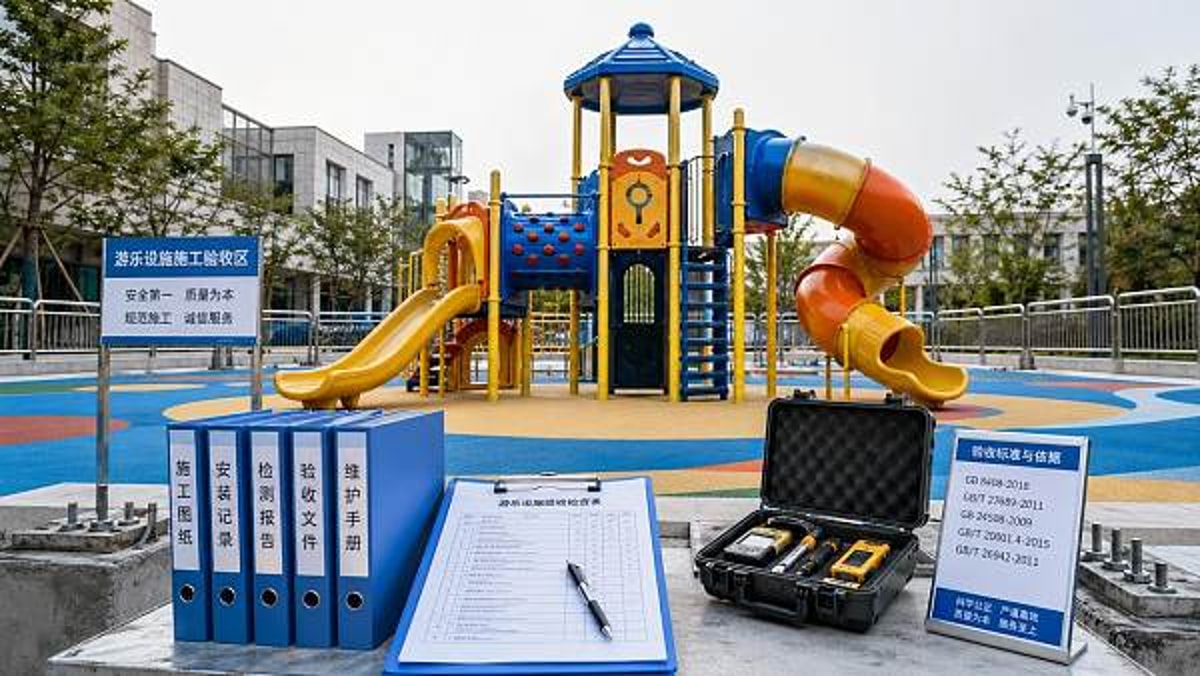
Project teams regularly underestimate the documentation package required for playground certification. Inspectors may request installation drawings, footing layouts, material declarations, maintenance instructions, age-range labeling, impact test evidence for surfacing, and records of any on-site modifications. Missing one or two items can stop approval even if the equipment itself is built correctly.
Document review often takes 5–10 business days, but revision cycles can stretch much longer if files are fragmented across the manufacturer, distributor, architect, and installer. In multi-vendor projects, version control becomes a hidden risk. Teams may be working from obsolete drawings while the inspector reviews a newer revision.
3. Site condition and installation readiness
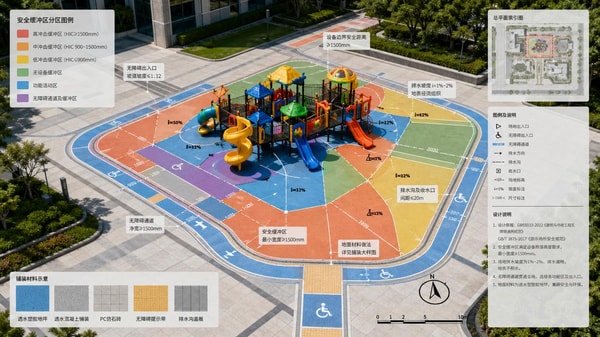
Even when design and documents are complete, playground certification can stall if the site is not inspection-ready. Common issues include unfinished surfacing edges, standing water in critical fall zones, incomplete fencing, unapproved drainage changes, and access routes that prevent safe inspection. These are not always supplier faults; they often result from broader construction sequencing.
For engineering leads, the key lesson is that the playground area should be treated as a controlled handover zone. If adjacent trades are still active 48–72 hours before inspection, the chance of last-minute damage or deviation rises sharply.
4. Third-party inspection scheduling
In many regions, the final bottleneck is simply inspector availability. During peak construction seasons, booking lead times of 1–3 weeks are common. If the first inspection fails, re-inspection slots may not be available immediately. That means a minor corrective action can trigger a major commercial delay, especially when the playground opening is tied to a hotel launch, school term, or holiday trading period.
The table below summarizes the delay-prone steps in playground certification and the typical project impact seen in commercial installations.
For launch planning, the lesson is simple: the highest-risk part of playground certification is not one dramatic failure. It is the accumulation of small unresolved issues across design, paperwork, and site sequencing. Breaking these into tracked milestones usually protects the opening date better than relying on a single end-of-project review.
How should project managers build a certification-ready procurement plan?
The most effective way to reduce playground certification delays is to make compliance visible in procurement. That means evaluating suppliers not only on price and lead time, but also on documentation quality, standard familiarity, installation support, and responsiveness during revisions. A lower-cost package can become the more expensive option if it adds 2 weeks of rework or causes a delayed opening penalty.
In GCT’s B2B sourcing context, this matters because many buyers work across leisure parks, hospitality venues, education facilities, and mixed-use developments at the same time. Procurement leaders need a consistent framework that can compare domestic and overseas vendors without losing sight of local approval requirements.
A 5-point supplier review model
- Ask which standards the supplier designs to by default and whether that matches the destination market.
- Request a sample technical file before award, including drawings, installation instructions, and maintenance content.
- Confirm whether surfacing requirements, foundations, and exclusion zones are included in the supplier’s scope matrix.
- Check response times for engineering revisions; 24–72 hours is more manageable than open-ended support.
- Define who owns third-party coordination, corrective actions, and resubmission documents after inspection comments.
The next table can be used during bid evaluation when playground certification is a critical project milestone rather than a back-end compliance check.
A procurement plan built this way gives engineering teams a more realistic view of total project risk. It also supports cleaner coordination between commercial buyers, designers, and installers, which is essential when the playground is only one component of a larger guest-experience or campus-delivery package.
For projects with custom themes or integrated shading, lighting, or landscaping, early scope mapping is even more important. These adjacent packages often create hidden certification conflicts. A themed panel added late, a modified stair width, or a relocated edge restraint can change the compliance outcome if not reviewed in advance.
What can engineering teams do 30 days before inspection?
The last 30 days before inspection are usually decisive. If the team waits until practical completion to check playground certification readiness, there is little room left for recovery. A structured pre-inspection sequence helps reduce surprises and gives owners confidence that the opening date is still credible.
Recommended 4-step pre-inspection workflow
- At 30 days out, lock the approved drawing revision and verify that fabricated parts on site match the final set.
- At 21 days out, review the document pack against the expected submission list and chase missing items immediately.
- At 14 days out, perform a joint field walk covering surfacing, fixings, labels, clearances, and drainage conditions.
- At 7 days out, close outstanding punch items and reconfirm the third-party inspection slot in writing.
Field checks that are often missed
Several items appear minor but regularly trigger inspection comments. These include inconsistent bolt caps, inadequate transitions between surfacing materials, ponding after washdown or rainfall, and sign plates installed in inaccessible or incorrect positions. Teams should also check whether nearby walls, planters, or furniture intrude into required use zones.
Where the playground sits inside a hotel, resort, mall, or school project, site housekeeping matters too. An inspector walking through unfinished surroundings may identify access or safety concerns beyond the equipment itself. That can slow sign-off even if the main structure is compliant.
How to manage corrective actions fast
If issues are found, classify them into 3 groups: document-only corrections, field adjustments under 1 day, and fabrication-dependent changes over 3 days. This triage helps teams focus on what can realistically be closed before inspection. It also supports honest communication with owners about whether partial opening, phased acceptance, or a date shift should be considered.
Commercially, this discipline matters because delayed playground certification can affect more than revenue from the play area itself. It may also affect occupancy marketing, school opening readiness, staffing activation, or launch campaigns linked to the wider development.
Common mistakes, buyer questions, and how to avoid repeat delays
Many launch delays stem from repeatable mistakes rather than unusual technical failures. For cross-border buyers and project teams under pressure, the goal is to identify these patterns early and apply a standard response. That is especially useful in portfolio rollouts where multiple sites may repeat the same playground certification workflow over 6–12 months.
Mistake 1: assuming a product certificate covers the installed site
A common misunderstanding is that factory-level conformity automatically guarantees site approval. In reality, playground certification may depend on how the product is installed, what surfacing is used, the actual clearances achieved on site, and whether adjacent landscape or architectural elements change the safety envelope.
Mistake 2: separating procurement from compliance review
When buyers treat certification as an engineering issue only, they may miss commercial warning signs during supplier selection. A quotation that omits foundations, surfacing assumptions, or document deliverables creates ambiguity later. In tight projects, ambiguity usually turns into delay.
FAQ for project managers and engineering leads
How long does playground certification usually take?
The answer depends on jurisdiction, project complexity, and document readiness. For a straightforward installation with complete paperwork, review and inspection may move within 1–3 weeks. For custom or imported systems requiring revisions, the timeline can extend to 4–8 weeks. The practical takeaway is to build float into the launch program rather than scheduling approval on the last possible date.
What should be included in a certification-ready handover pack?
At minimum, teams should expect approved drawings, footing or anchor details, installation instructions, maintenance guidance, age recommendations, labels, surfacing information, and records of site changes. Requirements vary, but a complete package should allow an inspector to understand what was specified, what was built, and how it will be maintained over time.
Can late design changes be approved without major delay?
Sometimes yes, but only if the change does not alter critical dimensions, use zones, access, structural behavior, or impact-related performance. Cosmetic items may be easier to accept. Functional changes often trigger revised drawings, supplier confirmation, and possibly a new review cycle. Teams should assume any late change inside 14 days of inspection carries schedule risk.
What is the safest sourcing approach for multi-country projects?
Use a sourcing process that links destination market standards, supplier document capability, and site delivery sequencing from the start. This is where GCT adds value. By combining sector-specific sourcing insight with practical procurement intelligence, project teams can compare vendors on compliance readiness, not just manufacturing output or unit price.
Why work with GCT when playground certification is on the critical path?
For commercial buyers, launch delays are rarely caused by one isolated problem. More often, they come from weak alignment between sourcing, documentation, installation, and approval planning. GCT supports project managers and engineering leads by helping them evaluate suppliers through a commercial-compliance lens, especially in amusement, leisure, hospitality, and institutional projects where experience quality and safety must advance together.
Our strength is not limited to product discovery. We help buyers frame better questions earlier: which standard applies, what document pack is needed, what lead time assumptions are realistic, and which scope gaps are likely to cause rework. That approach is useful when you are comparing OEM or ODM options, coordinating custom builds, or managing international procurement under a fixed opening date.
If your team is reviewing a new leisure project, replacing an existing playground, or planning a phased launch, you can contact GCT for practical support around supplier screening, product selection, certification requirements, delivery timelines, and documentation expectations. We can also help structure bid comparisons, identify likely approval bottlenecks, and clarify what to confirm before samples, quotations, or final production release.
The earlier playground certification is integrated into your sourcing plan, the easier it becomes to protect installation dates, control change orders, and launch with fewer last-minute surprises. If you need input on specification alignment, custom solution review, sample coordination, lead-time checks, or quote discussions, GCT offers a more informed starting point for commercial decision-making.
Search News
Hot Articles
Popular Tags
Need ExpertConsultation?
Connect with our specialized leisureengineering team for procurementstrategies.
Recommended News
 Apr 30, 2026When a playground consultant saves more than an in-house planPlayground consultant advice can prevent costly design errors, compliance gaps, and vendor mistakes. See when expert support beats an in-house plan and protects budget.● Theme Park Strategist
 Apr 30, 2026A smarter playground layout starts with traffic flowPlayground layout starts with traffic flow. Discover how smarter circulation improves safety, accessibility, capacity, and long-term commercial performance.● Theme Park Strategist
 Apr 30, 2026Playground certification steps that delay launch datesPlayground certification delays can add weeks to launch dates. Learn the key bottlenecks, hidden compliance risks, and practical steps to keep projects on schedule.● Theme Park Strategist
 Apr 30, 2026Playground climbers that keep kids challenged without bottlenecksPlayground climbers that reduce bottlenecks keep more kids engaged, improve flow, and suit schools, resorts, parks, and leisure venues. Learn what to specify before you buy.● Theme Park Strategist
 Apr 30, 2026What playground inspection reports often reveal too latePlayground inspection reports often reveal hidden risks too late. Learn how to catch design, installation, and safety issues earlier to avoid delays, rework, and costly project setbacks.● Theme Park Strategist
 Apr 30, 2026Playground accessibility details that change real usabilityPlayground accessibility details shape real usability beyond ramps. Explore transfer points, sensory zones, sightlines, and circulation tips that help buyers choose truly inclusive play spaces.● Theme Park Strategist
 Apr 30, 2026Playground shade structures that improve comfort in hot seasonsPlayground shade structures improve comfort, safety, and usability in hot seasons. Explore smart, durable solutions for schools, parks, and commercial projects.● Theme Park Strategist
 Apr 30, 2026Commercial slides and the maintenance issues often overlookedCommercial slides often fail on maintenance, not design. Learn the overlooked wear, cleaning, access, and compliance issues that affect safety, uptime, and long-term cost.● Theme Park Strategist
 Apr 30, 2026Why playground theme matters more than many layouts suggestPlayground theme shapes engagement, brand value, and repeat visits more than many layouts suggest. Learn how to choose the right concept for hotels, malls, and family venues.● Theme Park Strategist
 Apr 30, 2026Outdoor play structures that stay engaging across age groupsOutdoor play structures that engage ages 2–12: discover how schools, parks, and resorts can choose safer, durable, multi-age designs that boost replay value and buyer confidence.● Theme Park Strategist
 Apr 30, 2026Choosing a playground contractor without missing red flagsPlayground contractor selection made smarter: learn how to spot red flags early, reduce safety and cost risks, and choose a reliable partner with confidence.● Theme Park Strategist
 Apr 30, 2026Playground planning errors that create costly redesigns laterPlayground planning mistakes can trigger costly redesigns, delays, and compliance issues. Learn how to avoid common risks and deliver safer, smarter projects on budget.● Theme Park Strategist
 Apr 30, 2026How playground fencing affects safety without feeling restrictivePlayground fencing shapes safety, visibility, and comfort. Discover how to choose secure, open-feel fencing that protects children without making play spaces feel closed in.● Theme Park Strategist
 Apr 29, 2026Adventure Playground Safety Mistakes to Avoid Before InstallationAdventure playground safety mistakes can delay opening and raise liability. Learn the key pre-installation checks for materials, site planning, surfacing, and compliance.● Theme Park Strategist
 Apr 29, 2026Chinese Tennis Robot Demand Rises in Europe After Zheng Qinwen's Madrid RunChinese tennis robot demand surges in Europe after Zheng Qinwen's Madrid Open run—CE-certified AI training systems now sought by German & Spanish academies.● Theme Park Strategist
 Apr 29, 2026Vietnam Mandates Child Finger-Trap Sensors for Indoor Play EquipmentVietnam mandates child finger-trap sensors for indoor play equipment—key compliance update for exporters, suppliers & certifiers. Act now before Oct 1, 2026.● Theme Park Strategist
 Apr 29, 2026CBA Guangdong’s Loss Spurs Export Inquiries for Indoor Playground EquipmentCBA Guangdong’s playoff loss sparks urgent export inquiries for EN1176-compliant indoor playground equipment — basketball-themed, rapid-assembly modules for ASEAN family entertainment centers.● Theme Park Strategist
 Apr 28, 2026Vietnam Mandates Child Hand-Trap Sensors for Indoor Play EquipmentVietnam mandates VILAS-certified hand-trap sensors for indoor play equipment—key for exporters, manufacturers & certifiers. Act before Oct 2026!● Theme Park Strategist
 Apr 29, 2026What to Review Before Buying a Trampoline ParkCompare trampoline park price, trampoline park cost, and trampoline park equipment before choosing a trampoline park supplier. Get expert tips on safety, layout, and sourcing.● Theme Park Strategist
 Apr 29, 2026How Much Does a Trampoline Park CostTrampoline park cost explained: compare trampoline park price, equipment quality, and supplier value. Learn what drives ROI before choosing a trampoline park for sale.● Theme Park Strategist
 Apr 29, 2026Safe Trampoline Park Equipment BasicsSafe trampoline park equipment basics: compare trampoline park supplier options, indoor playground design, durability, compliance, and total trampoline park cost before you buy.● Theme Park Strategist
 Apr 29, 2026How to Audit an Indoor Playground FactoryIndoor playground manufacturer audit guide: learn how to assess an indoor playground supplier, indoor playground design strength, safety, capacity, and trampoline park equipment quality before you buy.● Theme Park Strategist
 Apr 29, 2026Indoor Playground Supplier Pricing GuideIndoor playground supplier pricing guide: compare indoor playground manufacturer quotes, indoor playground design value, trampoline park equipment cost, and hidden fees before you buy.● Theme Park Strategist
 Apr 29, 2026Trampoline Park Supplier Checklist 2026Trampoline park supplier checklist 2026: compare trampoline park price, cost, equipment, and indoor playground design to choose a safer, smarter supplier for profitable projects.● Theme Park Strategist