How playground fencing affects safety without feeling restrictive
For project managers and engineering leads, playground fencing is no longer just a boundary—it is a critical design element that shapes safety, visibility, and user comfort. The right fencing can reduce risk, support compliance, and create a secure play environment without making the space feel closed off or unwelcoming. Understanding this balance is essential when planning modern recreational projects.
Why a checklist approach works better for playground fencing decisions
In commercial recreation projects, playground fencing choices often sit between safety engineering, landscape design, operations, and procurement. That is why many teams run into delays: one group focuses on compliance, another on appearance, and another on maintenance cost over a 5- to 10-year operating cycle. A checklist approach helps project leaders align these priorities early instead of correcting mismatches during installation or handover.
For public parks, school campuses, hospitality resorts, mixed-use developments, and leisure destinations, playground fencing must do several jobs at once. It needs to manage access, reduce uncontrolled exits, maintain clear sightlines for adults, and fit the visual language of the site. In many projects, fence height falls within a practical range of roughly 1.0 to 1.5 meters, but the right specification depends on age group, surrounding hazards, and traffic flow rather than a single default figure.
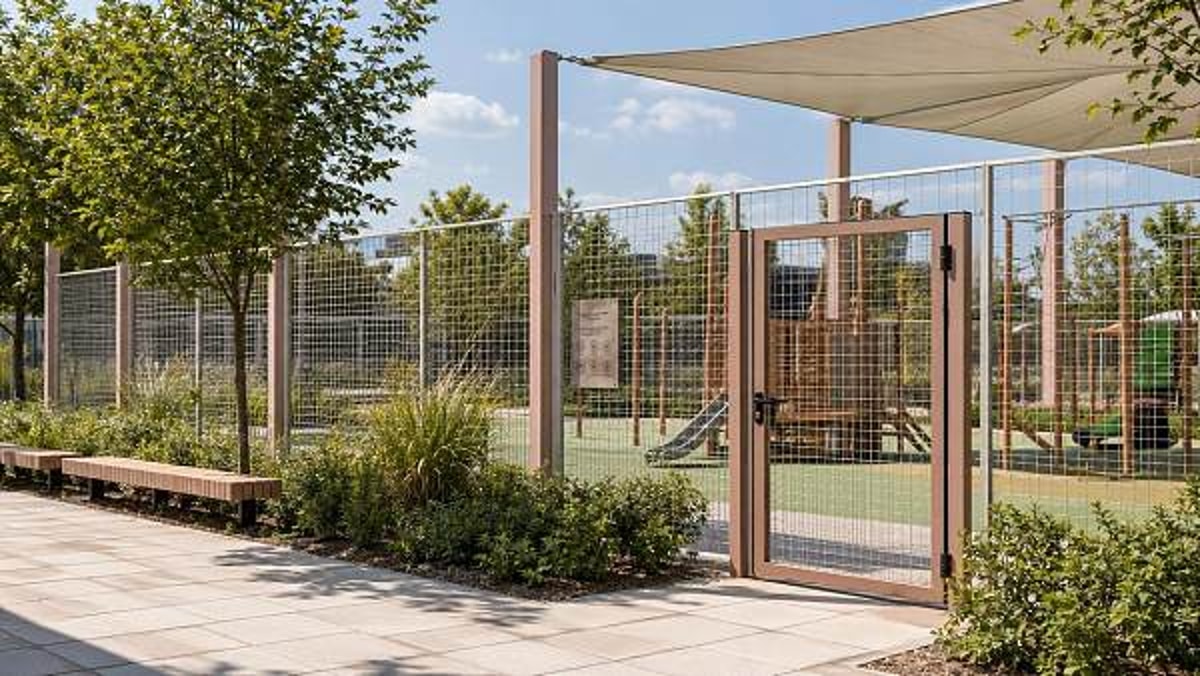
The main reason playground fencing can feel restrictive is usually not the concept of fencing itself, but poor specification. Solid panels, heavy visual mass, narrow entry planning, and weak integration with landscape buffers can make even a well-intended layout feel closed. By checking a short list of technical and user-experience items before procurement, project teams can improve safety performance without creating a fortress effect.
The first items to review before comparing products
- Confirm the primary risk profile: traffic adjacency, water features, slopes, parking zones, or unrestricted public circulation each change the fencing strategy.
- Define the user group by age band, because toddler areas often require tighter containment logic than mixed-age adventure zones.
- Map visibility lines from entrances, seating, shaded waiting zones, and supervision points within a 10- to 30-meter observation range.
- Check whether the project needs controlled access, emergency egress, or stroller-friendly gate clearances.
- Review finish durability against local climate, especially coastal corrosion, UV exposure, freeze-thaw cycles, or heavy cleaning routines.
This front-end review matters because playground fencing is rarely a stand-alone item. It interacts with surfacing, drainage edges, site furniture, gates, planting, lighting, and even brand positioning. In premium hospitality or education environments, the fence has to be secure enough to guide behavior while still feeling open, calm, and family-friendly.
Core playground fencing checklist: what to verify before approval
Before signing off on drawings or supplier selection, project managers should evaluate playground fencing against a practical checklist. This is where safety without visual restriction is decided. The goal is not just to ask whether a fence exists, but whether the fence supports supervision, circulation, durability, and user comfort at the same time.
Essential performance checks
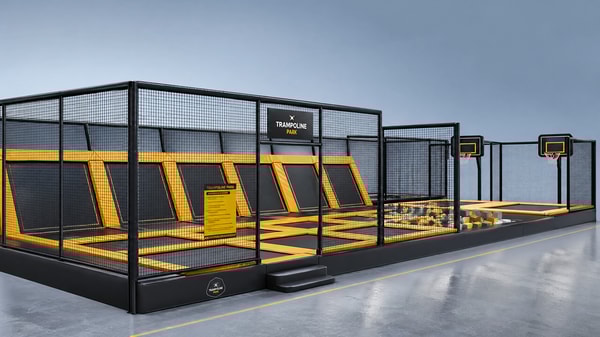
- Visibility: Open-mesh, spaced-rail, or transparent design elements often work better than opaque infill where adult supervision is important.
- Containment: Fence geometry should discourage direct running paths toward roads or drop-off points, especially in family-heavy venues.
- Entrapment awareness: Openings, joints, and transitions should be reviewed carefully so children cannot become trapped by head, limb, or clothing.
- Climb resistance: Decorative horizontal members can unintentionally create a ladder effect; this is a frequent design oversight.
- Gate management: Self-closing or controlled-return gates are often beneficial near parking, service lanes, or high-footfall public routes.
- Touch safety: Rounded edges, smooth coatings, and low-snag detailing reduce injury and maintenance complaints.
A useful rule in early-stage review is to assess every 5 to 8 meters of fencing as an experience segment. In each segment, ask three questions: can an adult see through it, can a child reach a hazard zone too easily, and does the fence invite climbing? This segment-based review often reveals issues that are missed in overall plan drawings.
Material specification also changes how restrictive a fence feels. Powder-coated metal, tensioned mesh systems, engineered timber, and hybrid metal-plus-polymer designs all create different visual and maintenance outcomes. A slim-profile fence with strong posts and open geometry can achieve a secure perimeter while appearing far lighter than a bulkier solid-panel alternative.
Quick comparison of common fencing approaches
The table below helps procurement and project teams compare common playground fencing formats against safety, openness, and maintenance priorities. These are planning-level considerations rather than fixed prescriptions, but they are useful in concept and tender review.
From a user-comfort perspective, the best playground fencing usually combines containment with transparency. For many commercial projects, that means avoiding fully solid barriers except where acoustic separation, wind protection, or adjacent hazards make them necessary. Even then, partial transparency at key supervision zones can improve the sense of openness significantly.
How to match playground fencing to different project scenarios
One of the most common mistakes in recreation planning is using the same playground fencing logic for every site. A school courtyard, a hotel family zone, and a municipal park may all need secure boundaries, but they do not have the same operational pattern. Matching the fence to the use case is often the difference between a site that feels supervised and one that feels over-controlled.
Scenario-based priorities
Schools and educational campuses
On campuses, playground fencing often needs to support clear separation between age groups, service movement, and broader school circulation. Gate placement matters as much as perimeter detail. In many projects, 2 to 4 access points are easier to supervise than multiple informal openings, especially during start-of-day, break, and pickup periods.
Hotels, resorts, and mixed-use leisure sites
In hospitality environments, the fence must feel welcoming to families while controlling child movement toward pools, roads, service paths, or event areas. Here, playground fencing often benefits from design integration with planting, shade structures, benches, and branded finishes so the perimeter reads as part of the guest experience rather than a separate security device.
Public parks and municipal recreation areas
Municipal sites usually experience wider user variation, more intense wear, and less consistent supervision. That tends to push specification toward robust materials, simple maintenance, and predictable gate hardware. In high-use locations, inspection frequency may need to be monthly or even biweekly, depending on traffic levels and vandalism risk.
The following table summarizes how project teams can prioritize playground fencing features by application. It is especially useful when preparing briefing documents for design consultants, fabricators, or sourcing partners.
This comparison shows why playground fencing should be briefed as a site-specific system rather than a commodity item. The same material can perform very differently depending on gate planning, perimeter shape, hazard adjacency, and the expected daily occupancy pattern.
Risk reminders: the details that most often make fencing feel too restrictive or too weak
Project teams usually notice major perimeter decisions, but smaller details are what affect actual user comfort. If playground fencing looks severe, confusing, or difficult to move around, families may avoid the space or bypass intended access routes. If it feels too light or inconsistent, operators may face complaints about safety. The balance depends on detailed risk checks.
Common oversights to catch during review
- Opaque corners that block parent supervision. Even one blind section near an entrance can reduce comfort and response speed.
- Gate swing conflicts with strollers, wheelchairs, or evacuation movement. Entry function should be tested in both normal and peak conditions.
- Decorative elements that create climbable patterns. A visually appealing fence can still introduce unsafe behavior if horizontal lines are poorly spaced.
- Finish choices that overheat in direct sun. Dark metal surfaces in exposed climates can affect touch comfort during midday use.
- Weak interface with soft surfacing, curbs, or drainage channels. Edge detailing is often where long-term defects first appear.
- No maintenance plan for fasteners, coatings, and moving gate parts over 12-, 24-, and 36-month intervals.
Restrictiveness is often a perception issue created by massing, color, and rhythm. For example, a fence with frequent vertical breaks, lighter tones, and integrated planting can feel much more open than a dark continuous line of the same height. Small design moves such as transparent gate infill, corner visibility panels, or wider threshold zones can change how the perimeter is experienced.
At the same time, under-specification creates its own problems. If the fence line has too many uncontrolled openings or inconsistent height changes, children may exit quickly into higher-risk areas. For sites near roads, parking areas, or water, the perimeter should be reviewed with a movement-based risk lens rather than appearance alone.
A practical review matrix for restrictive feel versus safety need
The matrix below can help engineering leads and project managers decide when to increase containment and when to increase openness. It is especially useful during design coordination meetings where teams need a shared framework.
Used correctly, this kind of matrix prevents binary thinking. Playground fencing does not have to be either “open” or “secure.” In most successful projects, it is both, because the containment strategy is concentrated where risk is highest and visual openness is protected where supervision and comfort matter most.
Execution checklist for sourcing, coordination, and installation
Once the concept is defined, project delivery depends on accurate coordination. Playground fencing often faces late-stage changes because teams underestimate tolerances, gate hardware needs, or interface points with surfacing and site works. A disciplined execution checklist reduces rework, protects schedule, and supports smoother procurement.
What to prepare before requesting quotations
- Perimeter length, corner count, level changes, and total number of gates.
- Target fence height range and any zones requiring different heights or special edge treatment.
- Preferred material family, finish expectations, and environmental exposure conditions.
- Required lead time, which in many custom commercial orders may range from 4 to 12 weeks depending on fabrication complexity.
- Installation method, including base plates, embedded posts, or integration with retaining edges and soft surfacing systems.
- Any project-specific compliance, access, or maintenance obligations to be reviewed with the supplier.
Early supplier engagement is valuable when the playground fencing is part of a broader branded or custom-fabricated environment. It allows the team to test alternatives for post spacing, gate detailing, coating systems, and replacement strategy before the design is frozen. For international or multi-site programs, consistency in specification can also reduce maintenance complexity over time.
Final site review before handover
Before practical completion, carry out a walk-through at child-eye level and adult-eye level. This simple two-height review catches issues that standard punch lists miss. Verify visibility, edge transitions, latch behavior, post alignment, coating damage, and any snag points. Even a 20- to 30-minute field review with operations staff can identify real-use concerns earlier than document-based checking.
A good handover package should also include maintenance guidance for periodic inspection. For most operators, the minimum useful structure is a monthly visual check, a quarterly hardware review, and an annual condition assessment tied to coating wear, corrosion, movement, and gate performance. This is especially relevant in leisure parks, schools, and hospitality projects with recurring family traffic.
If the fence is intended to feel open, do not evaluate success by appearance alone. Watch actual behavior during early use. Are caregivers comfortable supervising from seating areas? Are children funneled naturally toward correct entries? Are staff able to monitor multiple zones without obstruction? Those operational signals are often more valuable than the original design intent.
Why choose us for commercial playground fencing guidance and sourcing support
For project managers, procurement teams, and engineering leads, the right playground fencing decision is rarely just about selecting a catalog product. It involves balancing safety priorities, visual openness, lifecycle cost, site constraints, and supplier capability. That is where a sourcing and intelligence partner with commercial project focus can add practical value.
Global Commercial Trade supports buyers who need structured decision-making across commercial environments such as schools, leisure sites, hospitality projects, and public-use developments. We help connect technical requirements with realistic sourcing pathways, whether you are comparing materials, reviewing custom fabrication options, aligning appearance with brand standards, or planning delivery for phased construction schedules.
If you are evaluating playground fencing for an upcoming project, contact us to discuss the points that matter most before procurement begins. We can help you confirm key parameters, compare product directions, review customization possibilities, discuss expected lead times, clarify certification or compliance considerations, arrange sample support where applicable, and structure quotation communication more efficiently. A clear early conversation often saves time, reduces redesign, and leads to a safer play environment that still feels open and welcoming.
Search News
Hot Articles
Popular Tags
Need ExpertConsultation?
Connect with our specialized leisureengineering team for procurementstrategies.
Recommended News
 Apr 30, 2026When a playground consultant saves more than an in-house planPlayground consultant advice can prevent costly design errors, compliance gaps, and vendor mistakes. See when expert support beats an in-house plan and protects budget.● Theme Park Strategist
 Apr 30, 2026A smarter playground layout starts with traffic flowPlayground layout starts with traffic flow. Discover how smarter circulation improves safety, accessibility, capacity, and long-term commercial performance.● Theme Park Strategist
 Apr 30, 2026Playground certification steps that delay launch datesPlayground certification delays can add weeks to launch dates. Learn the key bottlenecks, hidden compliance risks, and practical steps to keep projects on schedule.● Theme Park Strategist
 Apr 30, 2026Playground climbers that keep kids challenged without bottlenecksPlayground climbers that reduce bottlenecks keep more kids engaged, improve flow, and suit schools, resorts, parks, and leisure venues. Learn what to specify before you buy.● Theme Park Strategist
 Apr 30, 2026What playground inspection reports often reveal too latePlayground inspection reports often reveal hidden risks too late. Learn how to catch design, installation, and safety issues earlier to avoid delays, rework, and costly project setbacks.● Theme Park Strategist
 Apr 30, 2026Playground accessibility details that change real usabilityPlayground accessibility details shape real usability beyond ramps. Explore transfer points, sensory zones, sightlines, and circulation tips that help buyers choose truly inclusive play spaces.● Theme Park Strategist
 Apr 30, 2026Playground shade structures that improve comfort in hot seasonsPlayground shade structures improve comfort, safety, and usability in hot seasons. Explore smart, durable solutions for schools, parks, and commercial projects.● Theme Park Strategist
 Apr 30, 2026Commercial slides and the maintenance issues often overlookedCommercial slides often fail on maintenance, not design. Learn the overlooked wear, cleaning, access, and compliance issues that affect safety, uptime, and long-term cost.● Theme Park Strategist
 Apr 30, 2026Why playground theme matters more than many layouts suggestPlayground theme shapes engagement, brand value, and repeat visits more than many layouts suggest. Learn how to choose the right concept for hotels, malls, and family venues.● Theme Park Strategist
 Apr 30, 2026Outdoor play structures that stay engaging across age groupsOutdoor play structures that engage ages 2–12: discover how schools, parks, and resorts can choose safer, durable, multi-age designs that boost replay value and buyer confidence.● Theme Park Strategist
 Apr 30, 2026Choosing a playground contractor without missing red flagsPlayground contractor selection made smarter: learn how to spot red flags early, reduce safety and cost risks, and choose a reliable partner with confidence.● Theme Park Strategist
 Apr 30, 2026Playground planning errors that create costly redesigns laterPlayground planning mistakes can trigger costly redesigns, delays, and compliance issues. Learn how to avoid common risks and deliver safer, smarter projects on budget.● Theme Park Strategist
 Apr 30, 2026How playground fencing affects safety without feeling restrictivePlayground fencing shapes safety, visibility, and comfort. Discover how to choose secure, open-feel fencing that protects children without making play spaces feel closed in.● Theme Park Strategist
 Apr 29, 2026Adventure Playground Safety Mistakes to Avoid Before InstallationAdventure playground safety mistakes can delay opening and raise liability. Learn the key pre-installation checks for materials, site planning, surfacing, and compliance.● Theme Park Strategist
 Apr 29, 2026Chinese Tennis Robot Demand Rises in Europe After Zheng Qinwen's Madrid RunChinese tennis robot demand surges in Europe after Zheng Qinwen's Madrid Open run—CE-certified AI training systems now sought by German & Spanish academies.● Theme Park Strategist
 Apr 29, 2026Vietnam Mandates Child Finger-Trap Sensors for Indoor Play EquipmentVietnam mandates child finger-trap sensors for indoor play equipment—key compliance update for exporters, suppliers & certifiers. Act now before Oct 1, 2026.● Theme Park Strategist
 Apr 29, 2026CBA Guangdong’s Loss Spurs Export Inquiries for Indoor Playground EquipmentCBA Guangdong’s playoff loss sparks urgent export inquiries for EN1176-compliant indoor playground equipment — basketball-themed, rapid-assembly modules for ASEAN family entertainment centers.● Theme Park Strategist
 Apr 28, 2026Vietnam Mandates Child Hand-Trap Sensors for Indoor Play EquipmentVietnam mandates VILAS-certified hand-trap sensors for indoor play equipment—key for exporters, manufacturers & certifiers. Act before Oct 2026!● Theme Park Strategist
 Apr 29, 2026What to Review Before Buying a Trampoline ParkCompare trampoline park price, trampoline park cost, and trampoline park equipment before choosing a trampoline park supplier. Get expert tips on safety, layout, and sourcing.● Theme Park Strategist
 Apr 29, 2026How Much Does a Trampoline Park CostTrampoline park cost explained: compare trampoline park price, equipment quality, and supplier value. Learn what drives ROI before choosing a trampoline park for sale.● Theme Park Strategist
 Apr 29, 2026Safe Trampoline Park Equipment BasicsSafe trampoline park equipment basics: compare trampoline park supplier options, indoor playground design, durability, compliance, and total trampoline park cost before you buy.● Theme Park Strategist
 Apr 29, 2026How to Audit an Indoor Playground FactoryIndoor playground manufacturer audit guide: learn how to assess an indoor playground supplier, indoor playground design strength, safety, capacity, and trampoline park equipment quality before you buy.● Theme Park Strategist
 Apr 29, 2026Indoor Playground Supplier Pricing GuideIndoor playground supplier pricing guide: compare indoor playground manufacturer quotes, indoor playground design value, trampoline park equipment cost, and hidden fees before you buy.● Theme Park Strategist
 Apr 29, 2026Trampoline Park Supplier Checklist 2026Trampoline park supplier checklist 2026: compare trampoline park price, cost, equipment, and indoor playground design to choose a safer, smarter supplier for profitable projects.● Theme Park Strategist