Inclusive Playground Features Families Notice Right Away
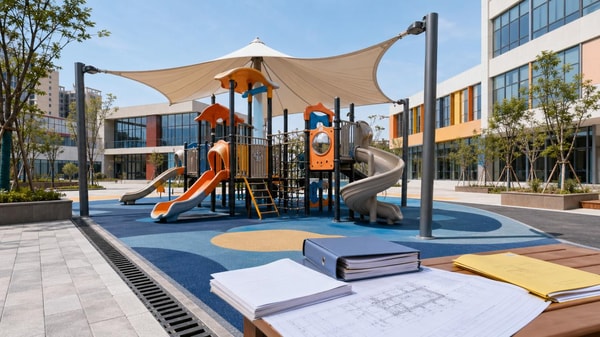
Inclusive playground design is often judged in seconds by families who arrive expecting safety, comfort, and true accessibility. The most effective inclusive playground spaces immediately signal thoughtful planning through visible features that support children of different abilities while making caregivers feel welcome. This article explores the elements families notice first and why those details matter when evaluating modern play environments.
A checklist approach matters because families rarely assess an inclusive playground the way a planner, architect, or procurement team does. They do not begin with a specification sheet. They begin with first impressions: Can we enter easily? Is the ground stable for wheels and walkers? Are there places for children with different sensory, mobility, and social needs to play without feeling separated? For researchers comparing public parks, schools, hospitality spaces, mixed-use developments, or leisure destinations, these visible clues offer a practical way to judge whether inclusion is genuinely built into the environment or merely suggested in marketing language.
Why families judge an inclusive playground in the first minute
The first minute is where trust is formed. Parents and caregivers quickly scan for safety, access, supervision, and comfort. In a well-planned inclusive playground, these needs are obvious rather than hidden. Entry points are smooth, sightlines are open, shade is available, and equipment variety suggests that more than one type of child was considered in the design process. This immediate readability matters not only for users but also for developers, schools, resorts, municipalities, and sourcing teams seeking commercial play solutions with stronger social value and broader user appeal.
For commercial buyers and project researchers, this is also where quality sourcing becomes visible. A playground may technically include accessible features, but if families cannot identify them right away, the project may underperform in satisfaction, reputation, and repeat visitation. That is why the most useful evaluation method starts with what families notice first, then moves into the deeper checks behind durability, compliance, maintenance, and long-term usability.
Quick-check list: the inclusive playground features families notice right away
Use the following checklist when reviewing an inclusive playground concept, existing site, or supplier proposal. These are the features most likely to influence first impressions and user confidence.
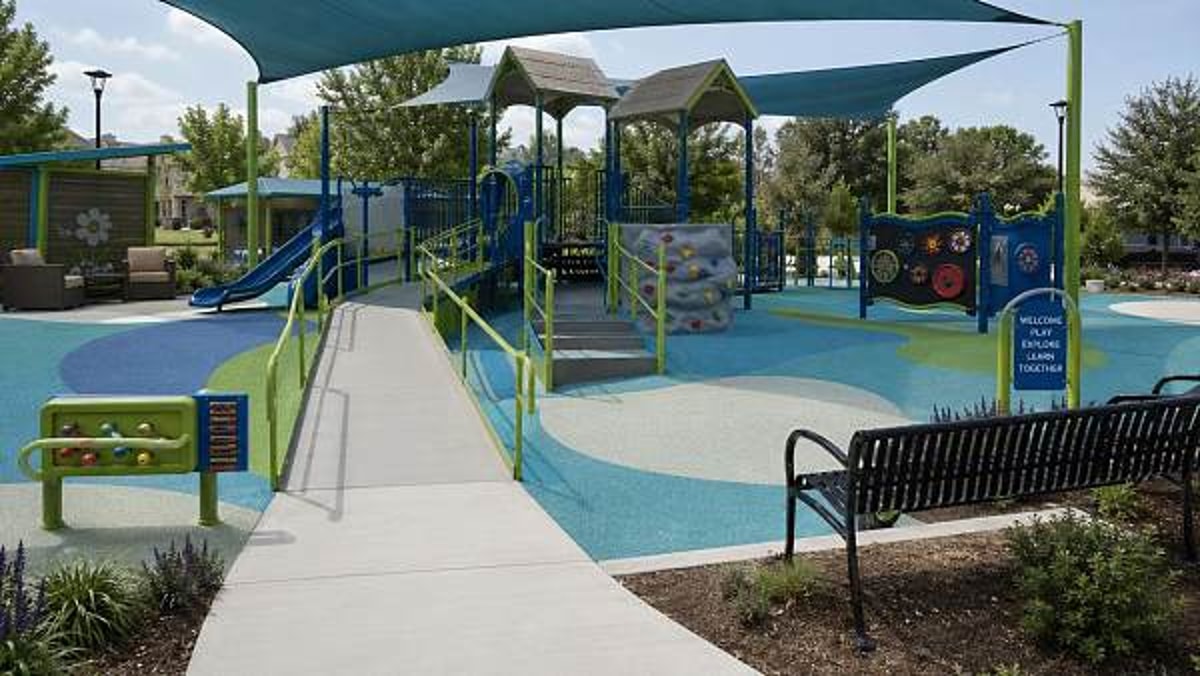
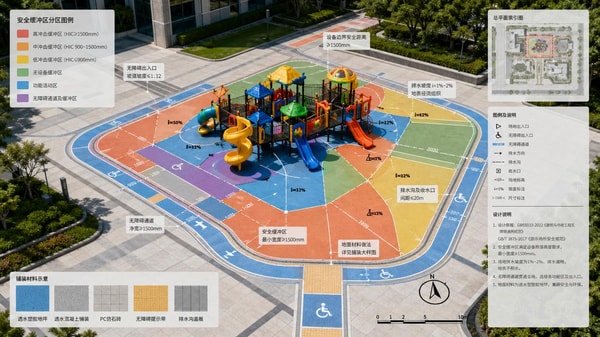
- Step-free arrival and entry: Families notice whether parking, drop-off zones, gates, and pathways allow smooth access for wheelchairs, strollers, and mobility aids without detours.
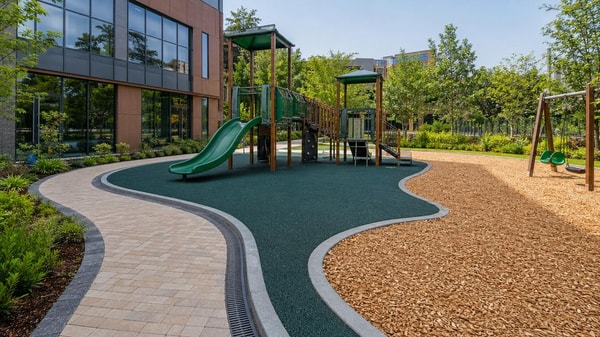
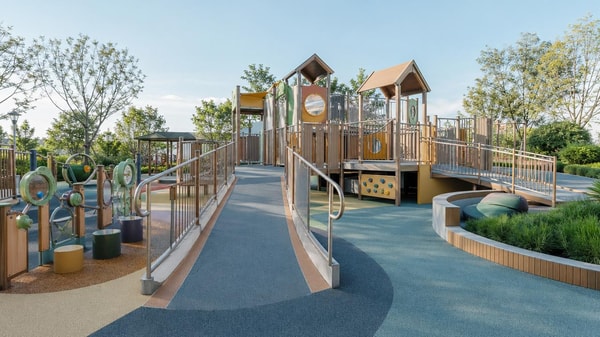
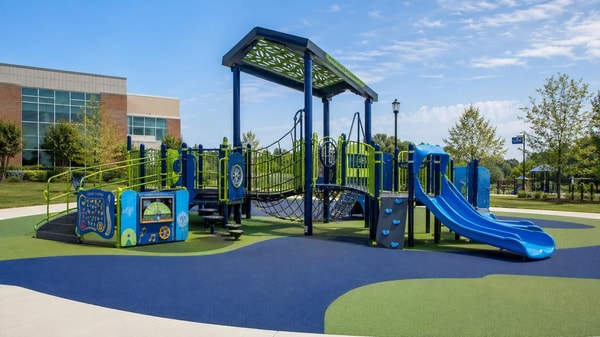
- Stable surfacing: Poured-in-place rubber, bonded materials, or similarly firm surfaces are often recognized immediately as easier and safer than loose fill for many users.
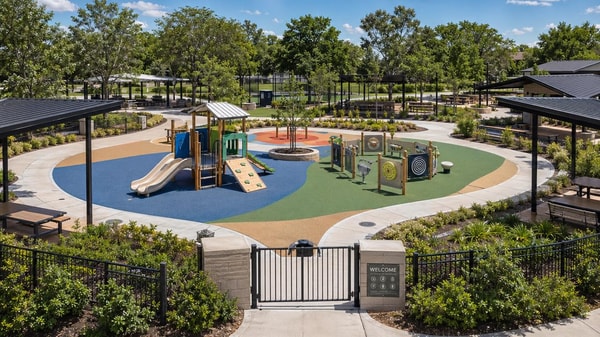
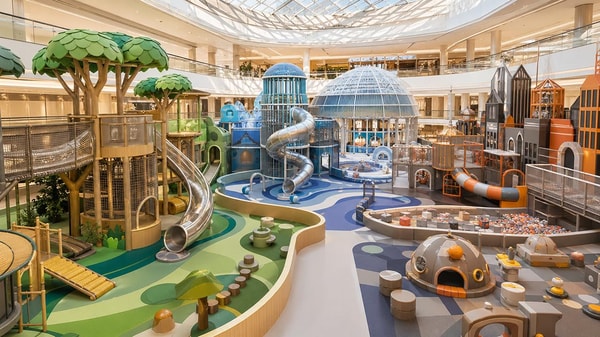
- Visible play variety: An inclusive playground should show different kinds of play at a glance, including movement, sensory exploration, imaginative play, cooperative play, and quiet retreat.
- Equipment with transfer or ramp access: Families often look first for ramps, transfer platforms, wide decks, and elevated play opportunities that do not exclude children with limited mobility.
- Sensory balance: Bright colors and stimulating elements can be positive, but families also notice whether the environment feels overwhelming or thoughtfully balanced.
- Seating and supervision points: Caregivers look for benches, companion seating, and clear sightlines that make it easier to support children without obstructing play.
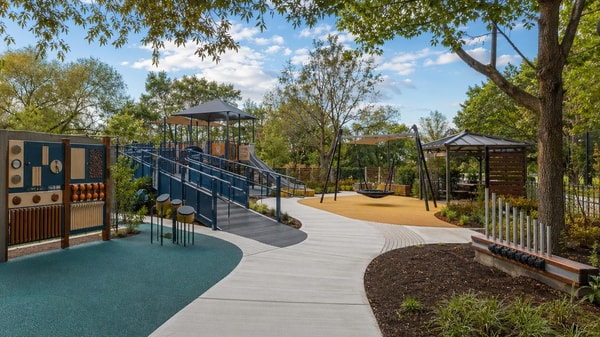
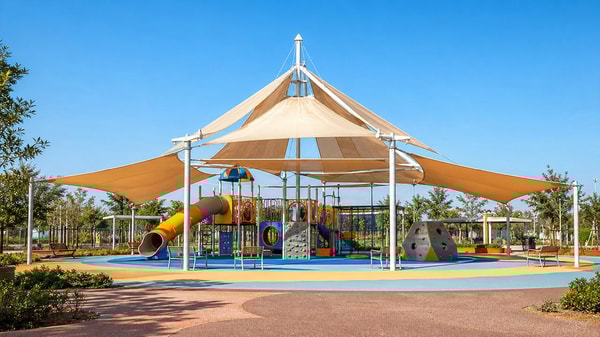
- Shade and climate comfort: Trees, canopies, and heat-conscious materials signal practical care for children who may be sensitive to temperature or prolonged sun exposure.
- Inclusive social cues: Families notice whether children can play together rather than being separated into “special” and “standard” zones.
- Wayfinding and readability: Clear layout, intuitive circulation, and understandable zone transitions help reduce stress for both children and adults.
- Cleanliness and upkeep: A damaged or poorly maintained inclusive playground quickly undermines confidence, even if the original design intent was strong.
Core judgment standards: what each visible feature actually tells you
1. Entry routes reveal whether accessibility was planned from the start
If the path from arrival to play zone is uneven, narrow, or interrupted by barriers, families immediately understand that the inclusive playground may not be fully inclusive. The strongest sites offer connected access from parking or pedestrian routes all the way to key play events. This is especially important for schools, hotels, family entertainment venues, and civic parks that want a welcoming first-use experience.
2. Surfacing shows whether use has been considered beyond compliance
Families often test surfacing without realizing it: wheels rolling smoothly, feet remaining stable, and transitions feeling safe. In an inclusive playground, surfacing affects not only access but also confidence. Good surfacing allows caregivers to move alongside children, supports balance challenges, and reduces frustration for users who cannot navigate loose materials easily.
3. Play diversity indicates whether inclusion is social, physical, and sensory
A common mistake is to equate inclusion with one accessible swing or one ramp. Families usually notice whether the inclusive playground offers multiple ways to participate. Children differ in strength, sensory tolerance, communication style, risk comfort, and developmental stage. A stronger playground presents choices: spinning, swaying, climbing, role-play, tactile activities, music, ground-level engagement, and quieter spaces.
4. Rest and retreat areas matter more than many planners expect
An inclusive playground is not only about active equipment. Families often appreciate areas where children can pause, regulate, or observe before joining in. Small retreat zones, sensory shelters, seat walls, or shaded edges help children who become overstimulated. These areas also support siblings and caregivers who need flexibility during longer visits.
Practical evaluation table for researchers and buyers
When comparing suppliers, site plans, or redevelopment proposals, use this quick reference to connect visible family priorities with procurement or planning decisions.
Different settings require different inclusive playground priorities
Public parks and municipalities
Public projects should prioritize broad accessibility, clear community value, and durable materials that perform under heavy use. Families often expect an inclusive playground in this setting to support multiple age groups, siblings, and extended visits. Procurement teams should pay close attention to maintenance cost, vandal resistance, and compliance documentation.
Schools and educational campuses
At schools, the inclusive playground must support everyday use, structured supervision, and developmental variety. Teachers and therapists may need spaces for cooperative play, motor skill development, and sensory regulation. Here, circulation patterns, transition ease, and behavior-friendly zoning become especially important.
Hotels, resorts, and leisure destinations
In hospitality environments, families notice aesthetics as much as functionality. An inclusive playground should blend with brand identity while still making access obvious and easy. Buyers should verify material quality, climate suitability, warranty terms, and whether inclusive features remain intuitive for first-time visitors from different regions.
Commonly missed details that weaken an inclusive playground
- Accessible entry but inaccessible play value: Some sites provide path access yet limit meaningful elevated or shared play opportunities.
- Overstimulation without relief: Too much noise, color, and motion without calm zones can reduce usability for many children.
- Poor caregiver support: Lack of seating, shade, or visibility makes the playground harder to use safely and comfortably.
- Token equipment choices: One inclusive element does not make the full inclusive playground effective if most activities remain inaccessible.
- Maintenance blind spots: Surface wear, broken sensory features, or damaged transfer points quickly compromise trust.
- Weak transition design: Uneven edges, abrupt grade changes, or poorly connected zones can create barriers despite good equipment selection.
Execution checklist before approving a project or supplier
If you are moving from research to action, prioritize these questions before final specification or sourcing:
- Which user groups is the inclusive playground expected to serve: toddlers, school-age children, mixed-age families, or therapy-supported users?
- What accessibility and safety standards must be met in the target market, and how will compliance be documented?
- How does the layout support visible inclusion rather than isolated accessible features?
- What are the expected maintenance intervals for surfacing, moving components, and sensory equipment?
- Can the supplier provide project references showing real-world inclusive playground performance in similar climates or commercial environments?
- What customization options exist for branding, site constraints, color strategy, and user demographics?
- How do lead time, installation support, and spare parts availability affect total project reliability?
FAQ: fast answers for inclusive playground evaluation
Does an inclusive playground need ramps everywhere?
Not necessarily. A strong inclusive playground combines ramp access, transfer systems, meaningful ground-level play, and shared social experiences. The goal is practical participation, not one design feature in isolation.
What do families usually value more: equipment quantity or usability?
Usability. Families are more impressed by a smaller inclusive playground that feels easy, comfortable, and welcoming than by a larger site with barriers and poor circulation.
How can buyers tell if a supplier understands inclusion?
Look for evidence of user-centered planning, not just broad claims. Ask for layout logic, standards knowledge, maintenance planning, and examples where the inclusive playground supports different abilities in visibly integrated ways.
Final guidance for moving from research to decision
The best inclusive playground environments succeed because families can understand them instantly. They communicate welcome through access, comfort, play variety, and thoughtful support for both children and caregivers. For information researchers, this means the most reliable evaluation method is not abstract theory but a practical checklist: confirm the visible features first, then verify the technical depth behind them.
If you need to evaluate an inclusive playground project further, the next conversation should focus on user profiles, safety and accessibility standards, site constraints, maintenance expectations, material durability, customization options, installation timelines, and budget alignment. These questions will quickly reveal whether a concept is simply accessible on paper or truly inclusive in real-world family use.
Search News
Hot Articles
- Musical InstrumentsChina Table Tennis Team Departs for London; BS EN 14904:2021 Takes EffectMay 01, 2026
- Outdoor RidesSanya Asian Beach Games Closure Triggers Halal Certification Demand for Sand Sports EquipmentMay 01, 2026
- Outdoor RidesAI Football Training Robots Export Surge After Man Utd MatchMay 01, 2026
Popular Tags
Need ExpertConsultation?
Connect with our specialized leisureengineering team for procurementstrategies.
Recommended News
 May 01, 2026Playground Borders That Reduce Mess and Keep Zones ClearPlayground borders reduce mess, define activity zones, and improve maintenance control. Discover durable, site-smart solutions for safer, cleaner, more organized play areas.● Theme Park Strategist
 May 01, 2026Inclusive Playground Features Families Notice Right AwayInclusive playground features families notice first: step-free access, stable surfacing, sensory balance, and shared play. Use this practical guide to evaluate safer, truly welcoming spaces.● Theme Park Strategist
 May 01, 2026Toddler Playground Layout Mistakes That Limit Safe PlayToddler playground layout mistakes can quietly increase risk. Learn how better zoning, circulation, and visibility create safer, compliant play spaces for every project.● Theme Park Strategist
 May 01, 2026What Makes a Sensory Playground Feel Inclusive in Real UseSensory playground design feels truly inclusive when access, calm zones, shared play, and caregiver comfort work in real use. Discover what makes spaces more welcoming.● Theme Park Strategist
 May 01, 2026How Playground Swings Affect Safety Zones and Site PlanningPlayground swings shape safety zones, circulation, and site efficiency. Learn how to plan compliant, high-performing layouts that reduce redesign risk and improve project value.● Theme Park Strategist
 Apr 30, 2026CBA Game Sparks Southeast Asia Demand for Chinese Interactive Playground WallsCBA game sparks urgent demand for Chinese basketball-themed interactive playground walls across Southeast Asia—AR, pressure-sensor tech, SNI/IEC-certified.● Theme Park Strategist
 Apr 30, 2026Vietnam Mandates Anti-Pinch Sensors for Indoor Playground EquipmentAnti-pinch sensors now mandatory for indoor playground equipment in Vietnam — comply by July 1, 2026 to avoid customs rejection and market access delays.● Theme Park Strategist
 Apr 30, 2026When a playground consultant saves more than an in-house planPlayground consultant advice can prevent costly design errors, compliance gaps, and vendor mistakes. See when expert support beats an in-house plan and protects budget.● Theme Park Strategist
 Apr 30, 2026A smarter playground layout starts with traffic flowPlayground layout starts with traffic flow. Discover how smarter circulation improves safety, accessibility, capacity, and long-term commercial performance.● Theme Park Strategist
 Apr 30, 2026Playground certification steps that delay launch datesPlayground certification delays can add weeks to launch dates. Learn the key bottlenecks, hidden compliance risks, and practical steps to keep projects on schedule.● Theme Park Strategist
 Apr 30, 2026Playground climbers that keep kids challenged without bottlenecksPlayground climbers that reduce bottlenecks keep more kids engaged, improve flow, and suit schools, resorts, parks, and leisure venues. Learn what to specify before you buy.● Theme Park Strategist
 Apr 30, 2026What playground inspection reports often reveal too latePlayground inspection reports often reveal hidden risks too late. Learn how to catch design, installation, and safety issues earlier to avoid delays, rework, and costly project setbacks.● Theme Park Strategist
 Apr 30, 2026Playground accessibility details that change real usabilityPlayground accessibility details shape real usability beyond ramps. Explore transfer points, sensory zones, sightlines, and circulation tips that help buyers choose truly inclusive play spaces.● Theme Park Strategist
 Apr 30, 2026Playground shade structures that improve comfort in hot seasonsPlayground shade structures improve comfort, safety, and usability in hot seasons. Explore smart, durable solutions for schools, parks, and commercial projects.● Theme Park Strategist
 Apr 30, 2026Commercial slides and the maintenance issues often overlookedCommercial slides often fail on maintenance, not design. Learn the overlooked wear, cleaning, access, and compliance issues that affect safety, uptime, and long-term cost.● Theme Park Strategist
 Apr 30, 2026Why playground theme matters more than many layouts suggestPlayground theme shapes engagement, brand value, and repeat visits more than many layouts suggest. Learn how to choose the right concept for hotels, malls, and family venues.● Theme Park Strategist
 Apr 30, 2026Outdoor play structures that stay engaging across age groupsOutdoor play structures that engage ages 2–12: discover how schools, parks, and resorts can choose safer, durable, multi-age designs that boost replay value and buyer confidence.● Theme Park Strategist
 Apr 30, 2026Choosing a playground contractor without missing red flagsPlayground contractor selection made smarter: learn how to spot red flags early, reduce safety and cost risks, and choose a reliable partner with confidence.● Theme Park Strategist
 Apr 30, 2026Playground planning errors that create costly redesigns laterPlayground planning mistakes can trigger costly redesigns, delays, and compliance issues. Learn how to avoid common risks and deliver safer, smarter projects on budget.● Theme Park Strategist
 Apr 30, 2026How playground fencing affects safety without feeling restrictivePlayground fencing shapes safety, visibility, and comfort. Discover how to choose secure, open-feel fencing that protects children without making play spaces feel closed in.● Theme Park Strategist
 Apr 29, 2026Adventure Playground Safety Mistakes to Avoid Before InstallationAdventure playground safety mistakes can delay opening and raise liability. Learn the key pre-installation checks for materials, site planning, surfacing, and compliance.● Theme Park Strategist
 Apr 29, 2026Chinese Tennis Robot Demand Rises in Europe After Zheng Qinwen's Madrid RunChinese tennis robot demand surges in Europe after Zheng Qinwen's Madrid Open run—CE-certified AI training systems now sought by German & Spanish academies.● Theme Park Strategist
 Apr 29, 2026Vietnam Mandates Child Finger-Trap Sensors for Indoor Play EquipmentVietnam mandates child finger-trap sensors for indoor play equipment—key compliance update for exporters, suppliers & certifiers. Act now before Oct 1, 2026.● Theme Park Strategist
 Apr 29, 2026CBA Guangdong’s Loss Spurs Export Inquiries for Indoor Playground EquipmentCBA Guangdong’s playoff loss sparks urgent export inquiries for EN1176-compliant indoor playground equipment — basketball-themed, rapid-assembly modules for ASEAN family entertainment centers.● Theme Park Strategist