How Playground Swings Affect Safety Zones and Site Planning
Playground swings do more than add movement and fun—they directly influence safety zones, circulation paths, and the overall efficiency of site planning. For project managers and engineering leads, understanding swing clearance, impact areas, and compliance requirements is essential to creating safe, functional, and commercially viable play environments. This guide explores the key planning factors that shape smarter playground layouts.
In commercial play projects, swings are often treated as a standard item within a larger equipment package. In practice, however, playground swings can determine the usable footprint of an entire zone, affect surfacing quantities, alter fencing lines, and change how children, caregivers, and maintenance teams move through the site. For developers, schools, hospitality groups, municipalities, and leisure operators, better swing planning reduces redesign risk, supports safer traffic flow, and improves long-term asset performance.
From a sourcing and delivery perspective, swings also involve more than selecting seat types or frame finishes. Project teams must align product specification, fall-zone allocation, installation tolerances, inspection access, and replacement-part availability. That is especially important in B2B environments where a 2-week installation delay or a miscalculated safety zone can disrupt opening schedules, contractor coordination, and procurement budgets.
Why Playground Swings Reshape the Entire Site Plan
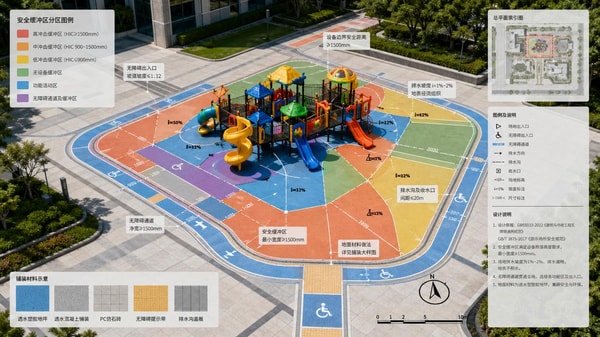
Among all moving play components, playground swings typically require some of the most carefully protected use zones. Unlike static structures, a swing creates forward-and-back motion, so its operational envelope extends well beyond the frame footprint. A bay that appears compact on a product sheet may need a significantly larger safety area once use-zone dimensions, circulation clearances, and surfacing edges are mapped into CAD or BIM layouts.
For project managers, the first planning question is not how many seats to specify, but how much unobstructed area each swing bay will consume. In many commercial projects, one 2-seat or 4-seat configuration can affect adjacent pathways by 1.5 m to 3 m, depending on layout logic, user age group, and local compliance interpretation. That has direct consequences for equipment density, drainage planning, and fencing placement.
Key spatial effects of swing placement
- The dynamic arc increases the impact area beyond the visible support frame.
- Approach and exit routes must remain clear to reduce side-entry conflicts.
- Loose-fill or unitary surfacing quantities often rise once the full use zone is calculated.
- Sightlines for caregivers and operators can improve or worsen depending on orientation.
- Service access for inspections, cleaning, and part replacement needs to be preserved.
Why commercial projects feel the impact more strongly
In a private backyard, a swing layout error may be inconvenient. In a school campus, destination resort, mixed-use development, or public leisure park, the same error can trigger redesign of drainage trenches, retaining edges, surfacing transitions, and accessibility routes. On sites above 500 m², even a small shift in swing orientation can influence several downstream trades, including civil works, surfacing, landscaping, and perimeter safety barriers.
This is why early-stage planning should treat playground swings as a site-shaping element rather than a late procurement line item. When specified early, swings can be integrated into circulation diagrams, age-zone separation plans, and phased installation schedules. When specified late, they often create collisions with paths, benches, shade posts, or nearby climbing elements.
Typical planning variables to review before procurement
Before issuing purchase orders, teams should review at least 6 variables: user age range, swing seat type, bay quantity, support-frame geometry, surfacing system, and anticipated throughput. A project designed for toddlers, school-age users, or inclusive access will require different seat spacing, supervision logic, and route widths. Commercial buyers should also confirm whether the supplier provides sealed layout drawings, anchor details, and maintenance access recommendations during the submittal stage.
The table below outlines how common swing planning decisions affect land use, safety exposure, and coordination effort across multi-stakeholder projects.
The main takeaway is simple: the swing specification is not isolated from the master layout. Seat format, orientation, and bay count all influence land efficiency and risk management. Teams that test these variables before procurement usually avoid the costly rework that happens when the final equipment shop drawing conflicts with built site infrastructure.
Safety Zones, Clearance Logic, and Compliance Priorities
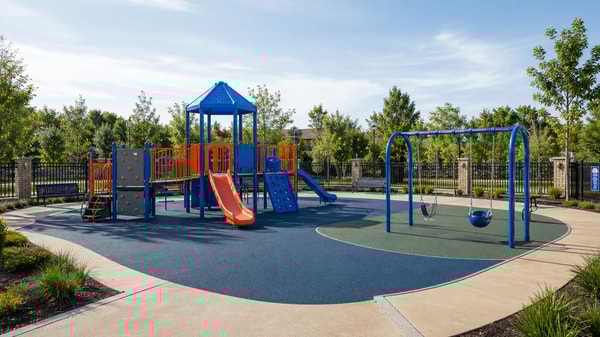
Safety zones around playground swings should be planned with the same discipline applied to structural loads or drainage falls. While exact requirements depend on jurisdiction, standard, seat type, and manufacturer guidance, project teams should expect swing use zones to extend substantially beyond the support frame in both travel directions. In many projects, this use zone becomes one of the largest single protected areas in the playground.
Engineering leads should verify 4 core compliance inputs before finalizing the layout: applicable standard, manufacturer installation manual, finished surfacing depth or specification, and intended age group. These four inputs determine whether the available area is compliant on paper and workable in operation. A layout that technically fits can still fail if users enter the zone from adjacent paths or if maintenance teams cannot inspect key connection points safely.
Primary clearance concepts that matter
1. Dynamic movement envelope
The movement envelope covers the arc created during use. It is the reason swings need clear front and rear zones rather than only side setbacks. Designers should also account for real-world behavior: children rarely stop exactly at the neutral position, and active users can generate higher travel than conservative visual estimates suggest.
2. Impact attenuation area
The surfacing under and around playground swings must match the required critical fall protection strategy for the product and local standard. If a unitary surface is used, thickness and substrate preparation should be coordinated early. If loose-fill is used, teams should consider displacement, replenishment cycles, and border containment, especially in high-traffic locations with daily use volumes above 100 users.
3. Separation from other equipment
Swings should not be squeezed too close to climbers, slides, shade columns, seating edges, or decorative landscaping. A collision risk is created not only by the seated user but also by children entering or crossing the path of motion. In dense commercial sites, maintaining a clear buffer can be the difference between a safe high-capacity zone and a layout that requires constant supervision.
4. Edge and perimeter conditions
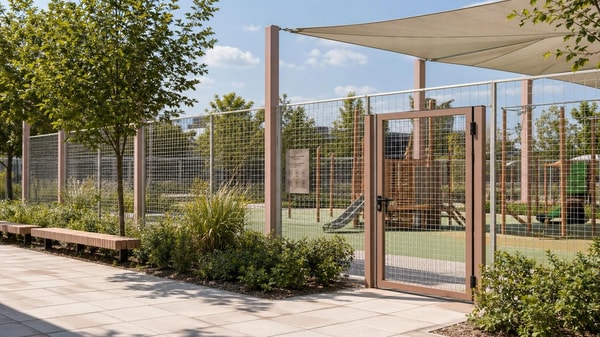
Retaining walls, curbs, fences, and drainage swales near playground swings require careful review. Hard edges placed too close to the use zone can create secondary hazards. When fencing is required for perimeter control, gate position and opening direction should be coordinated so users do not enter directly into the swing travel path.
The following matrix can be used during design coordination meetings to translate safety concepts into practical review checkpoints.
This review matrix supports faster decision-making because it links each technical checkpoint to a delivery or liability outcome. For procurement teams, that connection is important. A lower initial equipment price can quickly lose value if the supplier package lacks clear zone drawings, surfacing guidance, or installation coordination notes.
Site Planning Strategies for High-Use Commercial Environments
Good swing planning balances safety, capacity, maintenance, and commercial practicality. In destination-grade playgrounds, the objective is not only to fit playground swings into a plan, but to support predictable flow across peak periods, reduce congestion, and preserve visual order. This matters in schools during recess cycles, in resorts during family activity windows, and in public parks during weekends when occupancy may double compared with off-peak use.
Orientation and circulation design
Whenever possible, orient swings so that the main arc does not cross primary pedestrian routes. Paths should guide users around the active zone rather than through it. A 1.5 m to 2 m secondary circulation margin outside the formal use zone is often helpful in busy sites, especially where caregivers gather or where stroller parking, benches, or school bags create informal occupation of space.
Age zoning and behavioral separation
Not all users interact with swings in the same way. Toddlers, early learners, and older children require different levels of supervision and different movement patterns. If the site serves multiple age bands, locate swings where there is a clear behavioral buffer from fast climbing, ball play, or wheeled movement. In many layouts, separating high-motion and high-congestion zones improves both safety and user comfort without increasing the total footprint.
Drainage, wear, and service planning
Playground swings often produce concentrated wear beneath seat paths and at access points. That means drainage design and surfacing detailing should anticipate repetitive scuffing, moisture retention, and maintenance traffic. For outdoor sites, regular inspection intervals of 1 month, 3 months, and 12 months are common practical checkpoints for operational review, hardware tightening, and surfacing condition assessment.
Lighting and visibility for extended-use sites
In mixed-use developments, hospitality settings, or community spaces with evening access, visibility matters. Lighting should help supervisors and security staff read the swing area without creating glare that obscures movement. Where site operations continue after dusk, clear visibility also supports maintenance inspections and incident response.
A practical 5-step implementation sequence
- Confirm target user group and expected daily throughput.
- Obtain supplier layout drawings showing full swing use zones.
- Overlay swings with paths, surfacing limits, drainage, and barriers.
- Review access, supervision sightlines, and maintenance clearance.
- Freeze specification before civil and surfacing packages are finalized.
This sequence is especially useful for multi-package projects where landscape architects, civil contractors, equipment suppliers, and client representatives work on different timelines. Locking swing layouts after civil works begin often increases the probability of field modifications, which typically cost more than resolving the issue at the drawing stage.
Procurement, Specification, and Lifecycle Value
For B2B buyers, the right swing solution is not simply the lowest-priced frame. The specification should match the site’s user profile, maintenance capability, climate exposure, and compliance pathway. Playground swings installed in coastal resorts, public schools, and urban leisure parks face different wear conditions, usage intensities, and replacement expectations.
What project teams should request from suppliers
- Detailed dimensional drawings with use-zone notation
- Seat, chain, bearing, and frame material specifications
- Foundation or anchoring guidance coordinated with site conditions
- Inspection and maintenance recommendations by interval
- Lead time estimate, spare parts availability, and warranty scope
Common procurement mistakes
A frequent mistake is comparing playground swings only by seat count. Two products with similar capacity can have different clearance demands, coating durability, replacement-part timelines, and installation tolerances. Another mistake is separating equipment purchasing from surfacing decisions. If the surfacing package is procured independently without reference to the actual swing spec, teams may face mismatched performance requirements or edge details during installation.
Lead time should also be evaluated carefully. Depending on customization level, finish options, and international shipping mode, swing supply may take 4 to 12 weeks, with additional time for shop drawing approval and site readiness. For phased commercial openings, this timeline should be built into the critical path rather than treated as a final furnishing item.
Lifecycle thinking creates better commercial value
The most resilient procurement decisions consider a 3-part cost horizon: initial purchase, annual maintenance, and mid-cycle replacement. In high-use sites, chains, connectors, seat surfaces, and surfacing under swing paths may require closer inspection than static structures. Teams that standardize hardware types and confirm spare part support in advance usually reduce downtime and simplify operations over a 5-year to 10-year asset life.
Quick evaluation checklist for decision-makers
Before approving a supplier, confirm 7 essentials: compliance support documents, full layout drawings, material durability, anchoring details, serviceability, replacement-part access, and realistic delivery timing. These checks help procurement leaders compare like-for-like solutions rather than relying on incomplete quotations that hide downstream cost exposure.
Frequent Planning Questions from Project Managers
Can swings be placed near pathways if the site is small?
Only if the path remains outside the required use zone and does not encourage direct crossing through the movement area. On constrained sites, it is usually better to reduce seat quantity or reorient the bay than to compress safety clearance. A compact plan that creates daily user conflict will generate more operational problems than a slightly smaller but better-zoned play offer.
Are all swing seats interchangeable during procurement?
No. Belt seats, toddler seats, inclusive seats, and basket-style options may change user behavior, loading patterns, supervision needs, and boarding space. A seat substitution late in the process can also affect compliance review and maintenance planning. Always recheck technical drawings and intended user group before approving alternatives.
When should swing layouts be frozen in the project timeline?
Ideally before final release of civil works, surfacing, and fencing packages. Once drainage falls, edge restraints, and access routes are built, changing swing position becomes more expensive. For most commercial projects, freezing the swing layout at least 4 to 6 weeks before equipment production helps reduce coordination risk.
What if multiple standards or jurisdictions apply?
Use the strictest applicable planning basis and document that decision during design review. International developments, premium hospitality assets, and institutional campuses often involve overlapping stakeholder expectations. Early clarification prevents delays during approval, inspection, or operator handover.
Playground swings are one of the clearest examples of how a single equipment category can shape safety performance, spatial efficiency, and procurement strategy at the same time. When project teams evaluate clearance, circulation, surfacing, compliance, and lifecycle support together, they create play environments that are safer to use, easier to maintain, and more reliable to deliver.
For commercial buyers, developers, and engineering leads seeking stronger planning outcomes, disciplined swing specification is a practical way to reduce redesign, protect opening schedules, and improve long-term asset value. If you are sourcing playground swings or planning a new leisure, education, hospitality, or public-space project, contact us to get a tailored layout review, product guidance, or a custom commercial sourcing solution.
Search News
Hot Articles
- Musical InstrumentsChina Table Tennis Team Departs for London; BS EN 14904:2021 Takes EffectMay 01, 2026
- Outdoor RidesSanya Asian Beach Games Closure Triggers Halal Certification Demand for Sand Sports EquipmentMay 01, 2026
- Outdoor RidesAI Football Training Robots Export Surge After Man Utd MatchMay 01, 2026
Popular Tags
Need ExpertConsultation?
Connect with our specialized leisureengineering team for procurementstrategies.
Recommended News
 May 01, 2026Playground Borders That Reduce Mess and Keep Zones ClearPlayground borders reduce mess, define activity zones, and improve maintenance control. Discover durable, site-smart solutions for safer, cleaner, more organized play areas.● Theme Park Strategist
 May 01, 2026Inclusive Playground Features Families Notice Right AwayInclusive playground features families notice first: step-free access, stable surfacing, sensory balance, and shared play. Use this practical guide to evaluate safer, truly welcoming spaces.● Theme Park Strategist
 May 01, 2026Toddler Playground Layout Mistakes That Limit Safe PlayToddler playground layout mistakes can quietly increase risk. Learn how better zoning, circulation, and visibility create safer, compliant play spaces for every project.● Theme Park Strategist
 May 01, 2026What Makes a Sensory Playground Feel Inclusive in Real UseSensory playground design feels truly inclusive when access, calm zones, shared play, and caregiver comfort work in real use. Discover what makes spaces more welcoming.● Theme Park Strategist
 May 01, 2026How Playground Swings Affect Safety Zones and Site PlanningPlayground swings shape safety zones, circulation, and site efficiency. Learn how to plan compliant, high-performing layouts that reduce redesign risk and improve project value.● Theme Park Strategist
 Apr 30, 2026CBA Game Sparks Southeast Asia Demand for Chinese Interactive Playground WallsCBA game sparks urgent demand for Chinese basketball-themed interactive playground walls across Southeast Asia—AR, pressure-sensor tech, SNI/IEC-certified.● Theme Park Strategist
 Apr 30, 2026Vietnam Mandates Anti-Pinch Sensors for Indoor Playground EquipmentAnti-pinch sensors now mandatory for indoor playground equipment in Vietnam — comply by July 1, 2026 to avoid customs rejection and market access delays.● Theme Park Strategist
 Apr 30, 2026When a playground consultant saves more than an in-house planPlayground consultant advice can prevent costly design errors, compliance gaps, and vendor mistakes. See when expert support beats an in-house plan and protects budget.● Theme Park Strategist
 Apr 30, 2026A smarter playground layout starts with traffic flowPlayground layout starts with traffic flow. Discover how smarter circulation improves safety, accessibility, capacity, and long-term commercial performance.● Theme Park Strategist
 Apr 30, 2026Playground certification steps that delay launch datesPlayground certification delays can add weeks to launch dates. Learn the key bottlenecks, hidden compliance risks, and practical steps to keep projects on schedule.● Theme Park Strategist
 Apr 30, 2026Playground climbers that keep kids challenged without bottlenecksPlayground climbers that reduce bottlenecks keep more kids engaged, improve flow, and suit schools, resorts, parks, and leisure venues. Learn what to specify before you buy.● Theme Park Strategist
 Apr 30, 2026What playground inspection reports often reveal too latePlayground inspection reports often reveal hidden risks too late. Learn how to catch design, installation, and safety issues earlier to avoid delays, rework, and costly project setbacks.● Theme Park Strategist
 Apr 30, 2026Playground accessibility details that change real usabilityPlayground accessibility details shape real usability beyond ramps. Explore transfer points, sensory zones, sightlines, and circulation tips that help buyers choose truly inclusive play spaces.● Theme Park Strategist
 Apr 30, 2026Playground shade structures that improve comfort in hot seasonsPlayground shade structures improve comfort, safety, and usability in hot seasons. Explore smart, durable solutions for schools, parks, and commercial projects.● Theme Park Strategist
 Apr 30, 2026Commercial slides and the maintenance issues often overlookedCommercial slides often fail on maintenance, not design. Learn the overlooked wear, cleaning, access, and compliance issues that affect safety, uptime, and long-term cost.● Theme Park Strategist
 Apr 30, 2026Why playground theme matters more than many layouts suggestPlayground theme shapes engagement, brand value, and repeat visits more than many layouts suggest. Learn how to choose the right concept for hotels, malls, and family venues.● Theme Park Strategist
 Apr 30, 2026Outdoor play structures that stay engaging across age groupsOutdoor play structures that engage ages 2–12: discover how schools, parks, and resorts can choose safer, durable, multi-age designs that boost replay value and buyer confidence.● Theme Park Strategist
 Apr 30, 2026Choosing a playground contractor without missing red flagsPlayground contractor selection made smarter: learn how to spot red flags early, reduce safety and cost risks, and choose a reliable partner with confidence.● Theme Park Strategist
 Apr 30, 2026Playground planning errors that create costly redesigns laterPlayground planning mistakes can trigger costly redesigns, delays, and compliance issues. Learn how to avoid common risks and deliver safer, smarter projects on budget.● Theme Park Strategist
 Apr 30, 2026How playground fencing affects safety without feeling restrictivePlayground fencing shapes safety, visibility, and comfort. Discover how to choose secure, open-feel fencing that protects children without making play spaces feel closed in.● Theme Park Strategist
 Apr 29, 2026Adventure Playground Safety Mistakes to Avoid Before InstallationAdventure playground safety mistakes can delay opening and raise liability. Learn the key pre-installation checks for materials, site planning, surfacing, and compliance.● Theme Park Strategist
 Apr 29, 2026Chinese Tennis Robot Demand Rises in Europe After Zheng Qinwen's Madrid RunChinese tennis robot demand surges in Europe after Zheng Qinwen's Madrid Open run—CE-certified AI training systems now sought by German & Spanish academies.● Theme Park Strategist
 Apr 29, 2026Vietnam Mandates Child Finger-Trap Sensors for Indoor Play EquipmentVietnam mandates child finger-trap sensors for indoor play equipment—key compliance update for exporters, suppliers & certifiers. Act now before Oct 1, 2026.● Theme Park Strategist
 Apr 29, 2026CBA Guangdong’s Loss Spurs Export Inquiries for Indoor Playground EquipmentCBA Guangdong’s playoff loss sparks urgent export inquiries for EN1176-compliant indoor playground equipment — basketball-themed, rapid-assembly modules for ASEAN family entertainment centers.● Theme Park Strategist