CBA Game Sparks Southeast Asia Demand for Chinese Interactive Playground Walls
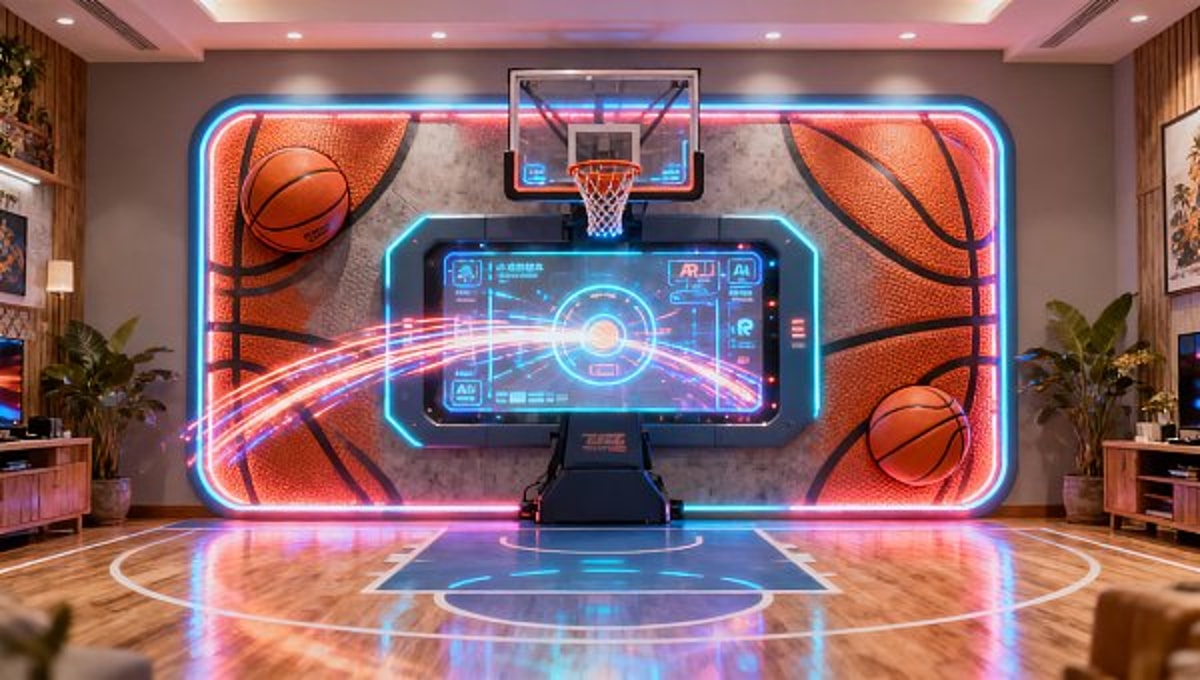
On April 28, 2026, a CBA playoff qualifier match — in which Guangdong lost 76–93 to Guangzhou — unexpectedly triggered a wave of urgent procurement inquiries from family entertainment center operators across Southeast Asia for Chinese-made basketball-themed interactive playground walls. This development signals notable cross-sector ripple effects for exporters of commercial indoor play equipment, particularly those specializing in AR-integrated, pressure-sensor-enabled products certified for child use.
Event Overview
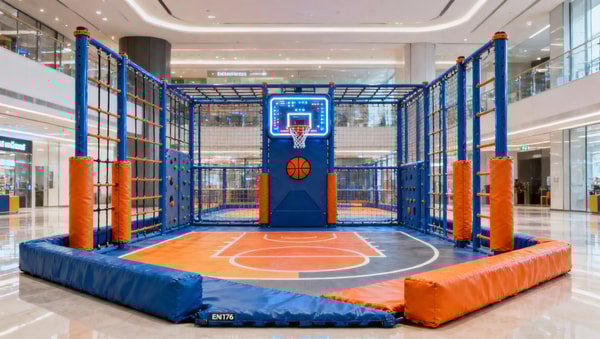
On April 28, 2026, during the CBA playoffs qualifying round, Guangdong Basketball Team suffered a 76–93 defeat to Guangzhou Basketball Team. Subsequently, multiple operators of family entertainment centers in Indonesia and Malaysia issued urgent technical and commercial inquiries regarding China-manufactured ‘basketball-themed interactive playground walls’, featuring pressure-sensitive backboards and AR-based shot-scoring functionality. These buyers specifically requested confirmation of compliance with SNI SNI 7612:2023 (Indonesian national standard for safety of electronic interactive devices for children) and IEC 62368-1:2023 Ed.4 (audio/video, information and communication technology equipment safety). At least one group of manufacturers has activated a ‘72-hour technical response + air-freighted sample’ service protocol.
Which Sub-Sectors Are Affected
Direct Exporters of Commercial Indoor Play Equipment
These firms face immediate demand pressure due to time-sensitive client expectations around certification verification and rapid sample delivery. Impact manifests as intensified pre-sale technical support workload, tighter logistics coordination windows, and heightened scrutiny on documentation alignment with SNI and IEC standards.
Manufacturers Specializing in AR-Integrated Physical Play Systems
Companies integrating hardware (e.g., pressure sensors, LED backboards) with software (AR scoring engines, real-time feedback UI) are directly implicated. Their impact lies in accelerated validation cycles — especially for regional safety certifications — and potential adjustments to product labeling, firmware localization, or embedded safety warnings required under SNI 7612:2023.
Supply Chain Service Providers (Certification Support & Logistics)
Firms offering conformity assessment support, test lab coordination, or expedited air freight services for physical samples may experience short-term volume spikes. The need for documented evidence of IEC 62368-1:2023 Ed.4 compliance — including updated test reports and declaration of conformity — raises demand for timely third-party verification services.
Distributors and Regional Channel Partners in Southeast Asia
Local partners handling import clearance, after-sales support, and installer training face compressed timelines for market readiness. Their exposure includes increased responsibility for verifying incoming product documentation against national regulatory requirements, particularly where SNI 7612:2023 mandates local registration or labeling prior to sale.
What Enterprises or Practitioners Should Focus On Now
Verify and consolidate existing certification documentation
Exporters should immediately audit current IEC 62368-1:2023 Ed.4 test reports and confirm whether their scope explicitly covers the full interactive wall system — not just individual components. Where SNI 7612:2023 is required, verify if local Indonesian certification bodies have accepted prior IEC reports or require supplementary testing.
Prioritize clarity on ‘interactive device’ classification under SNI 7612:2023
Analysis shows that SNI 7612:2023 applies specifically to electronic devices intended for children’s interaction, with defined thresholds for voltage, mechanical stress, and thermal limits. Firms must determine whether their basketball wall qualifies as an ‘interactive device’ under this definition — especially if motion sensing or audiovisual feedback is integral — rather than treating it solely as playground hardware.
Prepare for rapid-response sample logistics protocols
Observably, some manufacturers have adopted a ‘72-hour technical答疑 + air-freighted sample’ model. Companies without such capacity should assess feasibility of pre-positioning small-batch certified units in regional hubs (e.g., Singapore or Bangkok), or formalize agreements with express logistics providers capable of end-to-end customs-cleared delivery within 3 business days.
Monitor official communications from Indonesian and Malaysian standards authorities
Current more relevant than broad market trends is tracking any procedural updates from BSN (Badan Standardisasi Nasional, Indonesia) or SIRIM (Malaysia) concerning implementation timelines or interpretation guidance for SNI 7612:2023 and equivalent national adoptions of IEC 62368-1:2023 Ed.4 — particularly as they relate to mixed-use physical-digital installations.
Editorial Perspective / Industry Observation
This incident is better understood as a demand signal — not yet a sustained trend. Observably, the spike in inquiries follows a culturally resonant sports event but does not indicate structural shifts in regional investment or regulatory policy. From an industry perspective, the episode highlights how localized consumer behavior (e.g., post-game enthusiasm translating into venue upgrades) can rapidly activate latent supply chain responsiveness — especially where product compliance infrastructure already exists. It also underscores that certification readiness — not just product design — now functions as a critical lead-time determinant in cross-border B2B engagement for smart play equipment. Continued attention is warranted, but the primary value lies in operational preparedness, not strategic redirection.
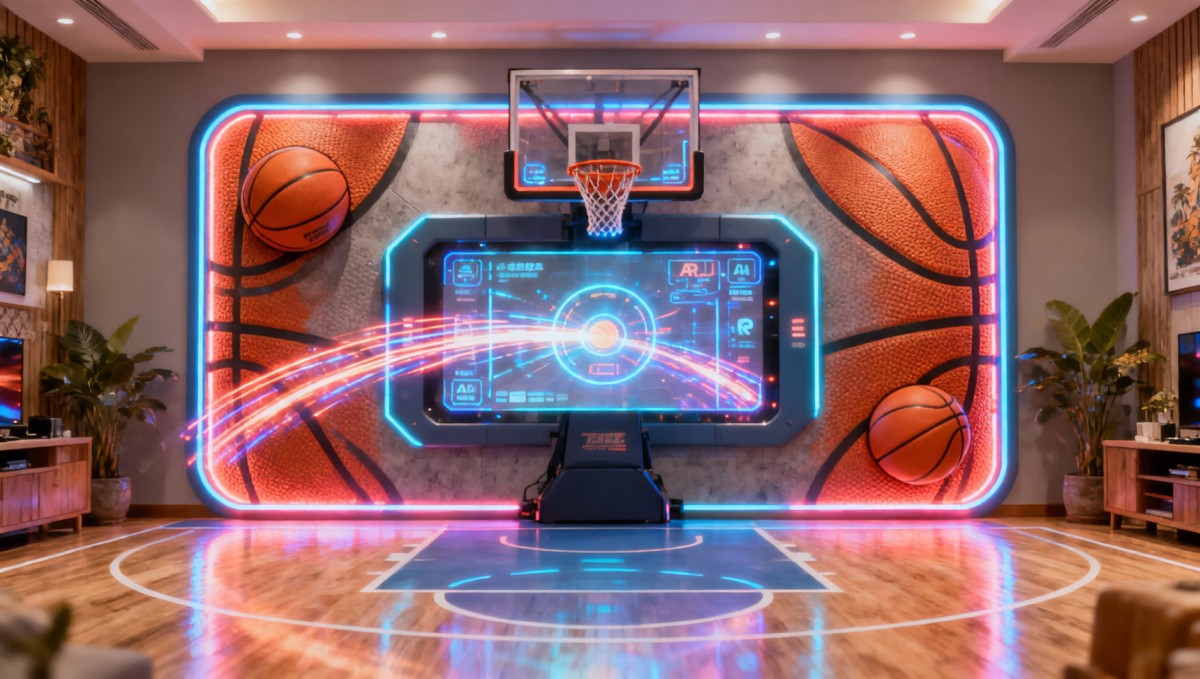
In summary, this event illustrates how a domestic sports outcome can generate measurable, near-term export demand signals for specialized commercial play equipment — contingent upon verifiable safety compliance and agile technical-commercial response. It does not reflect a new market opening, but rather a test of existing capability in certification agility, documentation transparency, and rapid-sample execution.
Source: Confirmed event date and score per official CBA league records; buyer inquiry patterns and certification references reported by participating manufacturers; SNI 7612:2023 and IEC 62368-1:2023 Ed.4 specifications published by BSN and IEC respectively. Note: Ongoing monitoring is advised for official interpretations or enforcement updates related to SNI 7612:2023 application in interactive playground contexts.
Search News
Hot Articles
Popular Tags
Need ExpertConsultation?
Connect with our specialized leisureengineering team for procurementstrategies.
Recommended News
 Apr 30, 2026CBA Game Sparks Southeast Asia Demand for Chinese Interactive Playground WallsCBA game sparks urgent demand for Chinese basketball-themed interactive playground walls across Southeast Asia—AR, pressure-sensor tech, SNI/IEC-certified.● Theme Park Strategist
 Apr 30, 2026Vietnam Mandates Anti-Pinch Sensors for Indoor Playground EquipmentAnti-pinch sensors now mandatory for indoor playground equipment in Vietnam — comply by July 1, 2026 to avoid customs rejection and market access delays.● Theme Park Strategist
 Apr 30, 2026When a playground consultant saves more than an in-house planPlayground consultant advice can prevent costly design errors, compliance gaps, and vendor mistakes. See when expert support beats an in-house plan and protects budget.● Theme Park Strategist
 Apr 30, 2026A smarter playground layout starts with traffic flowPlayground layout starts with traffic flow. Discover how smarter circulation improves safety, accessibility, capacity, and long-term commercial performance.● Theme Park Strategist
 Apr 30, 2026Playground certification steps that delay launch datesPlayground certification delays can add weeks to launch dates. Learn the key bottlenecks, hidden compliance risks, and practical steps to keep projects on schedule.● Theme Park Strategist
 Apr 30, 2026Playground climbers that keep kids challenged without bottlenecksPlayground climbers that reduce bottlenecks keep more kids engaged, improve flow, and suit schools, resorts, parks, and leisure venues. Learn what to specify before you buy.● Theme Park Strategist
 Apr 30, 2026What playground inspection reports often reveal too latePlayground inspection reports often reveal hidden risks too late. Learn how to catch design, installation, and safety issues earlier to avoid delays, rework, and costly project setbacks.● Theme Park Strategist
 Apr 30, 2026Playground accessibility details that change real usabilityPlayground accessibility details shape real usability beyond ramps. Explore transfer points, sensory zones, sightlines, and circulation tips that help buyers choose truly inclusive play spaces.● Theme Park Strategist
 Apr 30, 2026Playground shade structures that improve comfort in hot seasonsPlayground shade structures improve comfort, safety, and usability in hot seasons. Explore smart, durable solutions for schools, parks, and commercial projects.● Theme Park Strategist
 Apr 30, 2026Commercial slides and the maintenance issues often overlookedCommercial slides often fail on maintenance, not design. Learn the overlooked wear, cleaning, access, and compliance issues that affect safety, uptime, and long-term cost.● Theme Park Strategist
 Apr 30, 2026Why playground theme matters more than many layouts suggestPlayground theme shapes engagement, brand value, and repeat visits more than many layouts suggest. Learn how to choose the right concept for hotels, malls, and family venues.● Theme Park Strategist
 Apr 30, 2026Outdoor play structures that stay engaging across age groupsOutdoor play structures that engage ages 2–12: discover how schools, parks, and resorts can choose safer, durable, multi-age designs that boost replay value and buyer confidence.● Theme Park Strategist
 Apr 30, 2026Choosing a playground contractor without missing red flagsPlayground contractor selection made smarter: learn how to spot red flags early, reduce safety and cost risks, and choose a reliable partner with confidence.● Theme Park Strategist
 Apr 30, 2026Playground planning errors that create costly redesigns laterPlayground planning mistakes can trigger costly redesigns, delays, and compliance issues. Learn how to avoid common risks and deliver safer, smarter projects on budget.● Theme Park Strategist
 Apr 30, 2026How playground fencing affects safety without feeling restrictivePlayground fencing shapes safety, visibility, and comfort. Discover how to choose secure, open-feel fencing that protects children without making play spaces feel closed in.● Theme Park Strategist
 Apr 29, 2026Adventure Playground Safety Mistakes to Avoid Before InstallationAdventure playground safety mistakes can delay opening and raise liability. Learn the key pre-installation checks for materials, site planning, surfacing, and compliance.● Theme Park Strategist
 Apr 29, 2026Chinese Tennis Robot Demand Rises in Europe After Zheng Qinwen's Madrid RunChinese tennis robot demand surges in Europe after Zheng Qinwen's Madrid Open run—CE-certified AI training systems now sought by German & Spanish academies.● Theme Park Strategist
 Apr 29, 2026Vietnam Mandates Child Finger-Trap Sensors for Indoor Play EquipmentVietnam mandates child finger-trap sensors for indoor play equipment—key compliance update for exporters, suppliers & certifiers. Act now before Oct 1, 2026.● Theme Park Strategist
 Apr 29, 2026CBA Guangdong’s Loss Spurs Export Inquiries for Indoor Playground EquipmentCBA Guangdong’s playoff loss sparks urgent export inquiries for EN1176-compliant indoor playground equipment — basketball-themed, rapid-assembly modules for ASEAN family entertainment centers.● Theme Park Strategist
 Apr 28, 2026Vietnam Mandates Child Hand-Trap Sensors for Indoor Play EquipmentVietnam mandates VILAS-certified hand-trap sensors for indoor play equipment—key for exporters, manufacturers & certifiers. Act before Oct 2026!● Theme Park Strategist
 Apr 29, 2026What to Review Before Buying a Trampoline ParkCompare trampoline park price, trampoline park cost, and trampoline park equipment before choosing a trampoline park supplier. Get expert tips on safety, layout, and sourcing.● Theme Park Strategist
 Apr 29, 2026How Much Does a Trampoline Park CostTrampoline park cost explained: compare trampoline park price, equipment quality, and supplier value. Learn what drives ROI before choosing a trampoline park for sale.● Theme Park Strategist
 Apr 29, 2026Safe Trampoline Park Equipment BasicsSafe trampoline park equipment basics: compare trampoline park supplier options, indoor playground design, durability, compliance, and total trampoline park cost before you buy.● Theme Park Strategist
 Apr 29, 2026How to Audit an Indoor Playground FactoryIndoor playground manufacturer audit guide: learn how to assess an indoor playground supplier, indoor playground design strength, safety, capacity, and trampoline park equipment quality before you buy.● Theme Park Strategist