China Men's Basketball Short-Term Camp Signals U23 Gear Demand Shift
On April 27, 2026, the Chinese Basketball Association announced a 19-player short-term training camp roster composed entirely of post-2000 players — excluding established veterans such as Zhou Qi and Zhao Jiewei. This move signals a strategic pivot toward youth development for the 2027 FIBA World Cup and 2028 Olympic Games. For international trade, sportswear manufacturing, and technical equipment supply sectors — particularly those engaged with Southeast Asian and Middle Eastern importers — the shift introduces tangible demand signals for youth-specific athletic products meeting stringent industrial safety standards.
Event Overview
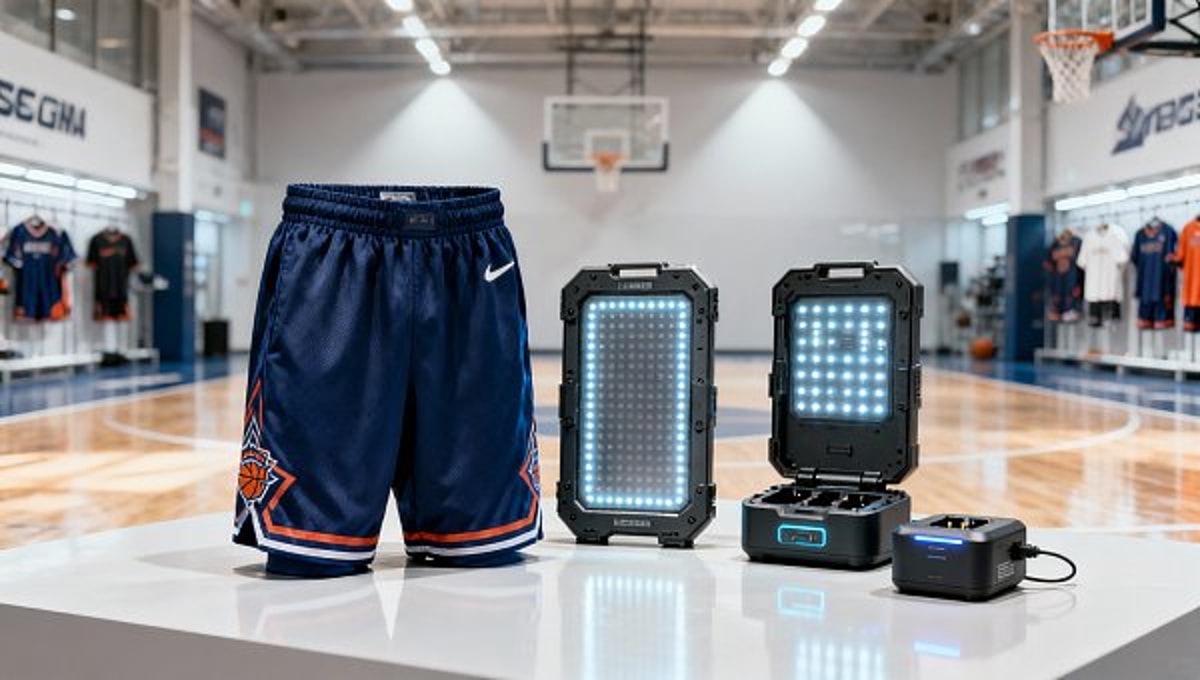
On April 27, 2026, the Chinese Basketball Association publicly released the roster for its latest men’s national team short-term training camp, comprising 19 players all born after 2000. Notably, veteran players including Zhou Qi and Zhao Jiewei were excluded. The list marks an official transition in national team planning priorities, explicitly aligning with long-term objectives for the 2027 FIBA Basketball World Cup and the 2028 Summer Olympics. Concurrently, multiple sports equipment importers based in Southeast Asia and the Middle East have initiated formal inquiries with Chinese ODM manufacturers regarding new product development timelines for ‘U23-specific training apparel’ and ‘youth-team custom LED tactical boards’, specifying compliance with ISO 11611 (welding protective clothing standard, relevant for sweat-corrosion resistance) and IEC 60598-1 (luminaire safety standard).
Which Sub-Sectors Are Affected
Direct Export Trading Enterprises
This roster announcement functions as a de facto policy signal for export-oriented trading firms handling basketball-related goods. Importers from Southeast Asia and the Middle East are now actively seeking pre-approved product categories tied to youth-team specifications — not general sportswear. The impact manifests in accelerated RFQ cycles, tighter compliance documentation requirements, and heightened sensitivity to certification timelines (e.g., ISO 11611 and IEC 60598-1 verification reports).
Apparel & Textile Manufacturing Firms (ODM/OEM)
Manufacturers supplying athletic apparel — especially those supporting international importers — face immediate specification adjustments. The emphasis on ‘U23 training wear’ implies revised sizing benchmarks, durability testing under high-sweat conditions, and material-level adaptations to meet ISO 11611’s corrosion-resistance provisions. Unlike standard sportswear, this category requires traceable fabric treatments and third-party lab validation — shifting production planning from volume-driven to compliance-driven scheduling.
Technical Equipment Suppliers (LED Boards, Tactical Tools)
Suppliers of coaching and training hardware — particularly LED-based tactical visualization tools — are encountering early-stage procurement signals. The request for ‘youth-team custom LED tactical boards’ indicates demand for modular, lightweight, and power-efficient units certified under IEC 60598-1. Impact includes re-evaluation of enclosure materials, thermal management design, and electrical safety labeling protocols — all before formal tender issuance.
Supply Chain Certification & Testing Service Providers
Laboratories and conformity assessment bodies accredited for ISO 11611 or IEC 60598-1 are likely to see increased pre-compliance consultation requests. Since ISO 11611 is typically applied to welding gear — not sportswear — its referenced use here suggests importers are leveraging its anti-corrosion clauses as a proxy performance benchmark. This creates ambiguity requiring clarification: whether full certification applies, or only specific test parameters (e.g., sweat-accelerated corrosion resistance per Annex B). Service providers must prepare for nuanced scope-of-work discussions.
What Relevant Enterprises or Practitioners Should Focus On
Monitor official follow-up communications from the Chinese Basketball Association
While the April 27 roster is confirmed, no formal technical specifications or procurement frameworks for U23 gear have been published. Enterprises should track subsequent announcements — particularly any tender notices, equipment guidelines, or supplier registration portals — rather than treat current importer inquiries as binding procurement intent.
Prioritize verification of applicable clauses within ISO 11611 and IEC 60598-1
Analysis shows that ISO 11611 is being cited for its sweat-corrosion resistance testing (Annex B), not flame resistance — a notable deviation from its original scope. Similarly, IEC 60598-1 references likely concern Class II insulation and ingress protection (IP) ratings, not full luminaire system certification. Firms should map exact sub-clauses referenced by importers, not assume blanket compliance is required.
Distinguish between policy signaling and commercial readiness
Observably, current importer inquiries reflect anticipatory sourcing behavior — not finalized orders. From industry perspective, this phase represents a lead-time window, not an execution mandate. Companies should avoid large-scale raw material commitments or tooling investments until formal product specs or pilot order confirmations emerge.
Prepare cross-functional alignment on compliance documentation workflows
Current more appropriate action is internal alignment between R&D, QA, and export documentation teams on how to generate, format, and translate test reports aligned with ISO 11611 Annex B and IEC 60598-1 Section 10. Early preparation of standardized reporting templates can shorten response time once formal RFQs arrive.
Editorial Perspective / Industry Observation
This announcement is best understood as a directional policy signal — not an operational mandate. Analysis shows it reflects a top-down strategic realignment within China’s national basketball program, with downstream commercial implications still unfolding. The involvement of regional importers suggests early market sensing, but actual procurement cycles remain subject to official team gear standardization processes yet to be published. From industry angle, the value lies not in immediate sales conversion, but in identifying which technical standards are being repurposed as de facto benchmarks — revealing evolving quality expectations in emerging sports markets.
Conclusion: The April 27 roster release is a structural indicator — not a transactional trigger. It reveals shifting quality and functional expectations in youth-team athletic equipment supply chains, particularly where international importers reference industrial safety standards outside their original application domains. Current interpretation should emphasize preparatory responsiveness over reactive scaling.
Information Source: Chinese Basketball Association official roster announcement (April 27, 2026); verified importer inquiry records from Southeast Asian and Middle Eastern distribution channels. Note: Formal technical specifications, tender documents, or procurement timelines remain pending and require ongoing observation.
Search News
Hot Articles
Popular Tags
Need ExpertConsultation?
Connect with our specialized leisureengineering team for procurementstrategies.
Recommended News
 Apr 30, 2026China Men's Basketball Short-Term Camp Signals U23 Gear Demand ShiftU23 gear demand surges as China’s men's basketball short-term camp signals youth-focused shift—key for sportswear, LED tactical boards & ISO/IEC-compliant suppliers.●
 Apr 30, 2026VR Sports Viewing Capsules Face New EU Latency Rules Post-PSG–Bayern MatchVR Sports Viewing Capsules face new EU latency rules after PSG–Bayern’s record 12-goal match — discover how ≤80ms RED compliance impacts exporters, OEMs & AI-driven live sports tech.● Theme Park Strategist
 Apr 30, 2026CBA Game Sparks Southeast Asia Demand for Chinese Interactive Playground WallsCBA game sparks urgent demand for Chinese basketball-themed interactive playground walls across Southeast Asia—AR, pressure-sensor tech, SNI/IEC-certified.● Theme Park Strategist
 Apr 30, 2026Snooker World Championship: VR Viewing Pods, Remote Commentary Systems See Export InquiriesSnooker World Championship sparks global export inquiries for VR viewing pods & AI remote commentary systems—UKCA-certified, Betfred-integrated, multilingual.● Theme Park Strategist
 Apr 30, 20262026 Shanghai Smart Campus Expo: VR EdTech Gains ITU & ISO/IEC 23053 Dual CertificationVR EdTech gains ITU & ISO/IEC 23053 dual certification at 2026 Shanghai Smart Campus Expo—key for global smart PE tenders in UAE, Thailand & ASEAN.● Institutional Buyer
 Apr 30, 2026Zheng Qinwen’s Madrid Exit Spurs EU RFQs for Tennis Training RobotsZheng Qinwen’s Madrid exit sparks EU RFQs for tennis training robots — discover how Chinese robotics exporters can meet CE/MD compliance & seize new academy demand.● Theme Park Strategist
 Apr 30, 2026China's LED Scoreboard Passes BWF 2026 Standards at Thomas CupChina's LED scoreboard meets BWF 2026 standards — certified for Thomas Cup, multilingual display & anti-glare tech. Discover what it means for your venue.● Pro Audio Engineer
 Apr 30, 2026Kenya's Marathon Record Break Sparks Global Demand for TrackSense Pro ChipsTrackSense Pro chips fuel Kenya’s marathon record—now driving global demand. Certified for precision timing (±0.01s), IP68, CE-RED & FCC—discover why African and Gulf markets are fast-tracking procurement.● Theme Park Strategist
 Apr 30, 2026Asian Beach Games Boost Export Demand for Commercial Beach Sports EquipmentCommercial beach sports equipment export demand surges post-Asian Beach Games—key for manufacturers targeting Middle East markets with ISO/ASTM compliance.● Theme Park Strategist
 Apr 30, 2026Vietnam Mandates Anti-Pinch Sensors for Indoor Playground EquipmentAnti-pinch sensors now mandatory for indoor playground equipment in Vietnam — comply by July 1, 2026 to avoid customs rejection and market access delays.● Theme Park Strategist
 Apr 30, 2026Hotel cabinets that look custom without custom lead timesHotel cabinets that look custom without long custom lead times. Learn how to balance brand style, durability, and faster installation for hotel projects.● Hospitality Sourcing Dir
 Apr 30, 2026Hotel sofas that hold shape better in high turnover roomsHotel sofas that keep their shape longer in high-turnover rooms. Learn what frame, cushion, and upholstery specs improve durability, guest appeal, and lifecycle value.● Hospitality Sourcing Dir
 Apr 30, 2026Contract furniture specs that reduce replacement cyclesContract furniture specs that cut replacement cycles: learn how durability, cleanability, compliance, and serviceable design help buyers lower lifecycle costs and protect brand standards.● Institutional Buyer
 Apr 30, 2026When a playground consultant saves more than an in-house planPlayground consultant advice can prevent costly design errors, compliance gaps, and vendor mistakes. See when expert support beats an in-house plan and protects budget.● Theme Park Strategist
 Apr 30, 2026A smarter playground layout starts with traffic flowPlayground layout starts with traffic flow. Discover how smarter circulation improves safety, accessibility, capacity, and long-term commercial performance.● Theme Park Strategist
 Apr 30, 2026Playground certification steps that delay launch datesPlayground certification delays can add weeks to launch dates. Learn the key bottlenecks, hidden compliance risks, and practical steps to keep projects on schedule.● Theme Park Strategist
 Apr 30, 2026Playground climbers that keep kids challenged without bottlenecksPlayground climbers that reduce bottlenecks keep more kids engaged, improve flow, and suit schools, resorts, parks, and leisure venues. Learn what to specify before you buy.● Theme Park Strategist
 Apr 30, 2026What separates a commercial watch from a fashion driven modelCommercial watch buying explained: discover how durability, precision, serviceability, and channel fit separate true commercial models from fashion-led watches for retail, gifting, and hospitality.● Luxury Retail Analyst
 Apr 30, 2026What playground inspection reports often reveal too latePlayground inspection reports often reveal hidden risks too late. Learn how to catch design, installation, and safety issues earlier to avoid delays, rework, and costly project setbacks.● Theme Park Strategist
 Apr 30, 2026Playground accessibility details that change real usabilityPlayground accessibility details shape real usability beyond ramps. Explore transfer points, sensory zones, sightlines, and circulation tips that help buyers choose truly inclusive play spaces.● Theme Park Strategist
 Apr 30, 2026Playground shade structures that improve comfort in hot seasonsPlayground shade structures improve comfort, safety, and usability in hot seasons. Explore smart, durable solutions for schools, parks, and commercial projects.● Theme Park Strategist
 Apr 30, 2026How to vet a musical instruments exporter before first ordersmusical instruments exporter vetting guide: learn how to assess quality control, compliance, lead times, and supplier reliability before first orders.● Pro Audio Engineer
 Apr 30, 2026ODM watches or private label, which model fits betterODM watches or private label? Compare speed, customization, MOQ, and sourcing risk to choose the best watch model for your brand, launch timeline, and profit goals.● Luxury Retail Analyst
 Apr 30, 2026Water park equipment choices that affect downtime the mostWater park equipment choices can make or break uptime. Learn which pumps, controls, filtration, and material specs reduce downtime, cut maintenance risk, and improve sourcing decisions.● Theme Park Strategist