Vietnam Mandates Anti-Pinch Sensors for Indoor Playground Equipment
On April 28, 2026, Vietnam’s General Department of Standards, Metrology and Quality (STAMEQ) enacted Circular No. 17/2026/TT-BKHCN, requiring all commercial indoor playground equipment imported into or sold domestically to comply with new dynamic pinch-point safety testing — effective July 1, 2026. This regulation directly impacts manufacturers, exporters, and importers of children’s play equipment targeting the Vietnamese market.
Event Overview
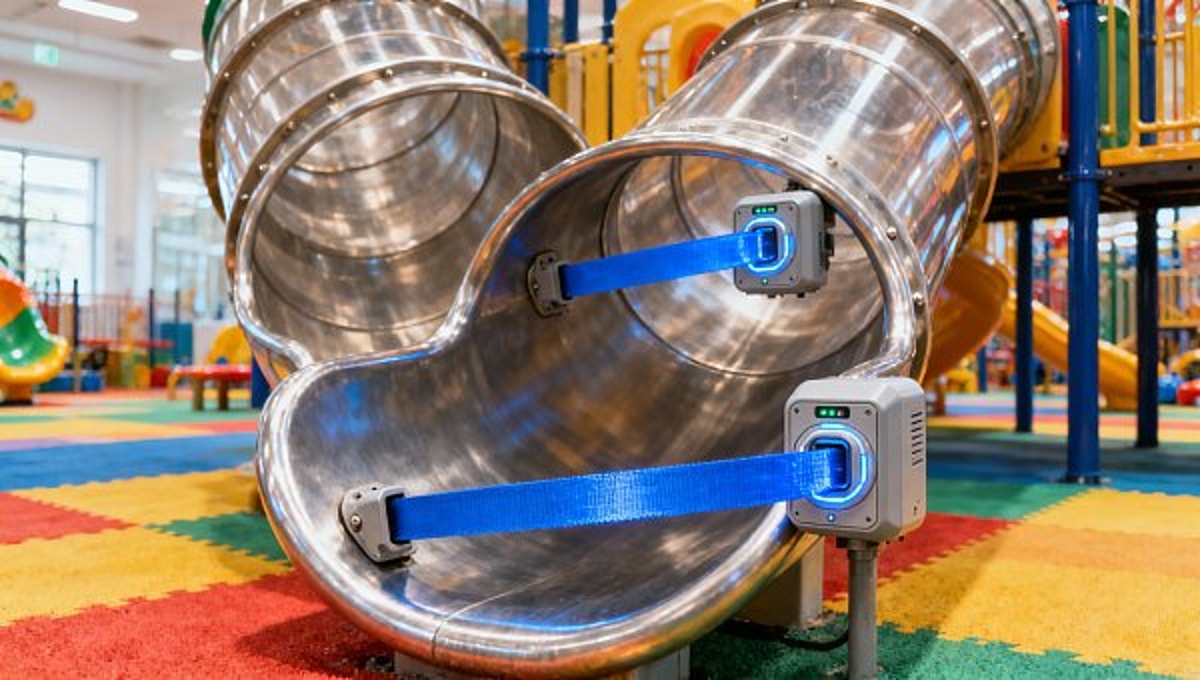
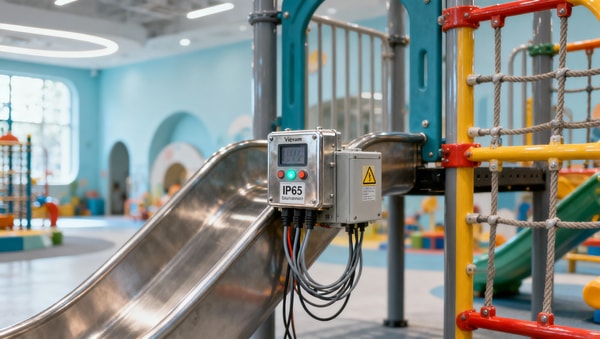
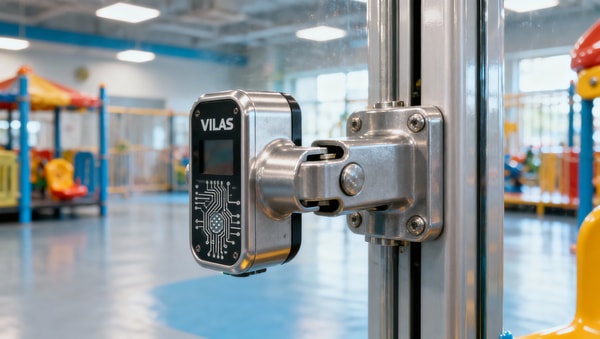
On April 28, 2026, STAMEQ officially published Circular No. 17/2026/TT-BKHCN, which mandates that all commercial indoor playground equipment placed on the Vietnamese market must pass a newly introduced ‘dynamic pinch-point safety test’ starting July 1, 2026. The test verifies response time of anti-pinch hand sensors at high-risk locations — including slide exits, rotating doors, and climbing net joints — with a strict threshold of ≤0.3 seconds. The standard aligns with EN 1176-1:2022+A1:2025. Equipment failing to obtain third-party type certification from accredited bodies such as SGS or Bureau Veritas will be denied customs clearance in Vietnam.
Industries Affected
Direct Exporters and Trading Companies
Companies exporting indoor playground equipment from China (and other countries) to Vietnam are directly affected because compliance is a mandatory customs entry requirement. Non-compliant shipments face rejection at Vietnamese ports after July 1, 2026 — leading to delays, rework costs, or forced returns.
Manufacturers and OEM/ODM Producers
Manufacturers supplying finished equipment or sub-assemblies must redesign or retrofit critical pinch-point zones to integrate certified sensors meeting the ≤0.3-second response threshold. This affects product development timelines, BOM revisions, and factory-level quality control protocols.
Supply Chain and Certification Service Providers
Third-party testing and certification providers (e.g., SGS, BV) will see increased demand for EN 1176-aligned type testing and documentation support. Meanwhile, logistics and customs brokers must verify certification validity before shipment release — adding a pre-clearance verification step.
What Enterprises Should Monitor and Do Now
Confirm certification scope and validity with accredited labs
Verify whether existing SGS or BV certificates cover the updated EN 1176-1:2022+A1:2025 requirements — especially dynamic pinch-point response testing. Retesting may be required even for previously certified models.
Prioritize high-volume or high-risk product categories
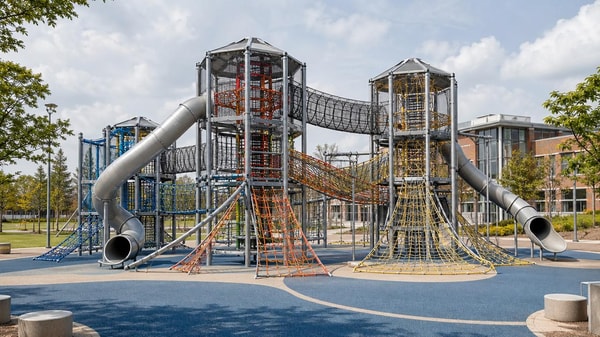
Focus initial compliance efforts on best-selling items with moving parts (e.g., spiral slides, rotating towers, rope-climbing interfaces), as these are most likely to fail the new sensor-response test.
Review labeling, technical documentation, and declaration language
Ensure user manuals, CE/EN conformity declarations, and Vietnamese-language technical files explicitly reference compliance with Circular No. 17/2026/TT-BKHCN and EN 1176-1:2022+A1:2025 — not just legacy EN 1176 versions.
Align internal QC checkpoints with the 0.3-second threshold
Integrate sensor-response time validation into final assembly QA checks, using calibrated test rigs where feasible — rather than relying solely on lab reports post-production.
Editorial Perspective / Industry Observation
Observably, this circular signals Vietnam’s accelerating alignment with EU safety benchmarks for children’s products — not merely as aspirational guidance but as an enforceable market access condition. Analysis shows it functions less as a standalone technical update and more as a de facto trade barrier for non-compliant suppliers. From an industry perspective, the short three-month implementation window (April 28 to July 1, 2026) suggests urgency is warranted — yet official guidance on sensor certification pathways remains limited. Current enforcement clarity hinges on STAMEQ’s forthcoming administrative notices and customs inspection protocols, which are still pending public release.
Current interpretation favors treating this as both a regulatory signal and an operational deadline: while full enforcement mechanics are still unfolding, the legal basis is now active, and customs rejection risk is no longer hypothetical.
Conclusion
This regulation marks a material tightening of market access conditions for indoor playground equipment in Vietnam — shifting from voluntary safety alignment to mandatory, sensor-level technical compliance. It reflects broader regional trends toward harmonizing children’s product standards with EU frameworks. For stakeholders, the directive is best understood not as a one-time certification event, but as an inflection point requiring sustained attention to technical documentation, sensor integration, and cross-border regulatory coordination.
Source Attribution
Main source: Vietnam General Department of Standards, Metrology and Quality (STAMEQ), Circular No. 17/2026/TT-BKHCN, effective April 28, 2026.
Areas under observation: Implementation guidelines from STAMEQ and Vietnam Customs regarding sensor certification acceptance criteria and transitional arrangements — not yet publicly issued.
Search News
Hot Articles
Popular Tags
Need ExpertConsultation?
Connect with our specialized leisureengineering team for procurementstrategies.
Recommended News
 Apr 30, 2026CBA Game Sparks Southeast Asia Demand for Chinese Interactive Playground WallsCBA game sparks urgent demand for Chinese basketball-themed interactive playground walls across Southeast Asia—AR, pressure-sensor tech, SNI/IEC-certified.● Theme Park Strategist
 Apr 30, 2026Vietnam Mandates Anti-Pinch Sensors for Indoor Playground EquipmentAnti-pinch sensors now mandatory for indoor playground equipment in Vietnam — comply by July 1, 2026 to avoid customs rejection and market access delays.● Theme Park Strategist
 Apr 30, 2026When a playground consultant saves more than an in-house planPlayground consultant advice can prevent costly design errors, compliance gaps, and vendor mistakes. See when expert support beats an in-house plan and protects budget.● Theme Park Strategist
 Apr 30, 2026A smarter playground layout starts with traffic flowPlayground layout starts with traffic flow. Discover how smarter circulation improves safety, accessibility, capacity, and long-term commercial performance.● Theme Park Strategist
 Apr 30, 2026Playground certification steps that delay launch datesPlayground certification delays can add weeks to launch dates. Learn the key bottlenecks, hidden compliance risks, and practical steps to keep projects on schedule.● Theme Park Strategist
 Apr 30, 2026Playground climbers that keep kids challenged without bottlenecksPlayground climbers that reduce bottlenecks keep more kids engaged, improve flow, and suit schools, resorts, parks, and leisure venues. Learn what to specify before you buy.● Theme Park Strategist
 Apr 30, 2026What playground inspection reports often reveal too latePlayground inspection reports often reveal hidden risks too late. Learn how to catch design, installation, and safety issues earlier to avoid delays, rework, and costly project setbacks.● Theme Park Strategist
 Apr 30, 2026Playground accessibility details that change real usabilityPlayground accessibility details shape real usability beyond ramps. Explore transfer points, sensory zones, sightlines, and circulation tips that help buyers choose truly inclusive play spaces.● Theme Park Strategist
 Apr 30, 2026Playground shade structures that improve comfort in hot seasonsPlayground shade structures improve comfort, safety, and usability in hot seasons. Explore smart, durable solutions for schools, parks, and commercial projects.● Theme Park Strategist
 Apr 30, 2026Commercial slides and the maintenance issues often overlookedCommercial slides often fail on maintenance, not design. Learn the overlooked wear, cleaning, access, and compliance issues that affect safety, uptime, and long-term cost.● Theme Park Strategist
 Apr 30, 2026Why playground theme matters more than many layouts suggestPlayground theme shapes engagement, brand value, and repeat visits more than many layouts suggest. Learn how to choose the right concept for hotels, malls, and family venues.● Theme Park Strategist
 Apr 30, 2026Outdoor play structures that stay engaging across age groupsOutdoor play structures that engage ages 2–12: discover how schools, parks, and resorts can choose safer, durable, multi-age designs that boost replay value and buyer confidence.● Theme Park Strategist
 Apr 30, 2026Choosing a playground contractor without missing red flagsPlayground contractor selection made smarter: learn how to spot red flags early, reduce safety and cost risks, and choose a reliable partner with confidence.● Theme Park Strategist
 Apr 30, 2026Playground planning errors that create costly redesigns laterPlayground planning mistakes can trigger costly redesigns, delays, and compliance issues. Learn how to avoid common risks and deliver safer, smarter projects on budget.● Theme Park Strategist
 Apr 30, 2026How playground fencing affects safety without feeling restrictivePlayground fencing shapes safety, visibility, and comfort. Discover how to choose secure, open-feel fencing that protects children without making play spaces feel closed in.● Theme Park Strategist
 Apr 29, 2026Adventure Playground Safety Mistakes to Avoid Before InstallationAdventure playground safety mistakes can delay opening and raise liability. Learn the key pre-installation checks for materials, site planning, surfacing, and compliance.● Theme Park Strategist
 Apr 29, 2026Chinese Tennis Robot Demand Rises in Europe After Zheng Qinwen's Madrid RunChinese tennis robot demand surges in Europe after Zheng Qinwen's Madrid Open run—CE-certified AI training systems now sought by German & Spanish academies.● Theme Park Strategist
 Apr 29, 2026Vietnam Mandates Child Finger-Trap Sensors for Indoor Play EquipmentVietnam mandates child finger-trap sensors for indoor play equipment—key compliance update for exporters, suppliers & certifiers. Act now before Oct 1, 2026.● Theme Park Strategist
 Apr 29, 2026CBA Guangdong’s Loss Spurs Export Inquiries for Indoor Playground EquipmentCBA Guangdong’s playoff loss sparks urgent export inquiries for EN1176-compliant indoor playground equipment — basketball-themed, rapid-assembly modules for ASEAN family entertainment centers.● Theme Park Strategist
 Apr 28, 2026Vietnam Mandates Child Hand-Trap Sensors for Indoor Play EquipmentVietnam mandates VILAS-certified hand-trap sensors for indoor play equipment—key for exporters, manufacturers & certifiers. Act before Oct 2026!● Theme Park Strategist
 Apr 29, 2026What to Review Before Buying a Trampoline ParkCompare trampoline park price, trampoline park cost, and trampoline park equipment before choosing a trampoline park supplier. Get expert tips on safety, layout, and sourcing.● Theme Park Strategist
 Apr 29, 2026How Much Does a Trampoline Park CostTrampoline park cost explained: compare trampoline park price, equipment quality, and supplier value. Learn what drives ROI before choosing a trampoline park for sale.● Theme Park Strategist
 Apr 29, 2026Safe Trampoline Park Equipment BasicsSafe trampoline park equipment basics: compare trampoline park supplier options, indoor playground design, durability, compliance, and total trampoline park cost before you buy.● Theme Park Strategist
 Apr 29, 2026How to Audit an Indoor Playground FactoryIndoor playground manufacturer audit guide: learn how to assess an indoor playground supplier, indoor playground design strength, safety, capacity, and trampoline park equipment quality before you buy.● Theme Park Strategist