What Makes a Sensory Playground Feel Inclusive in Real Use
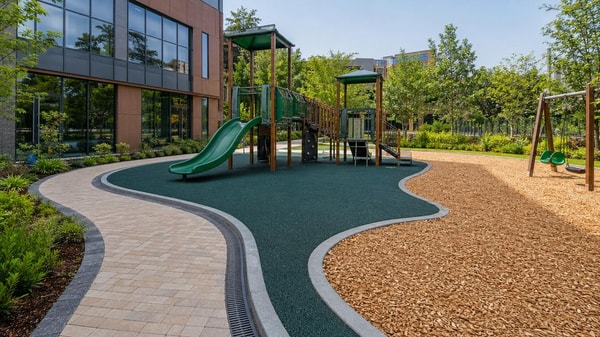
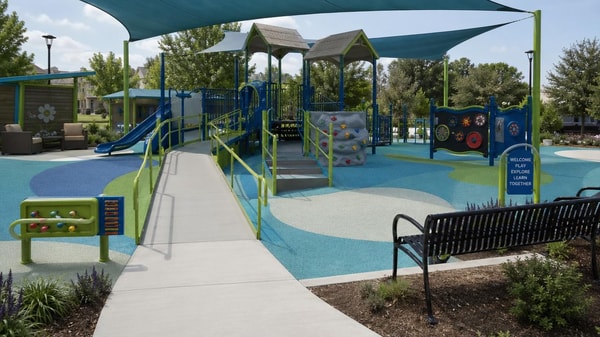
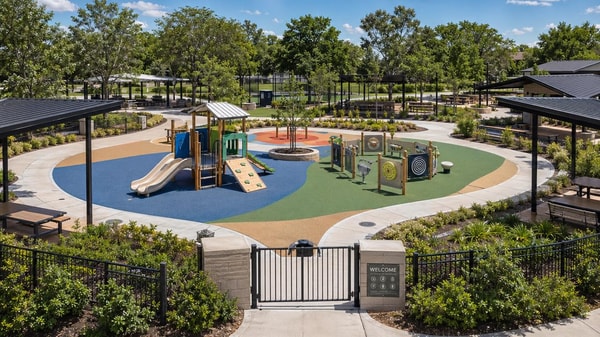
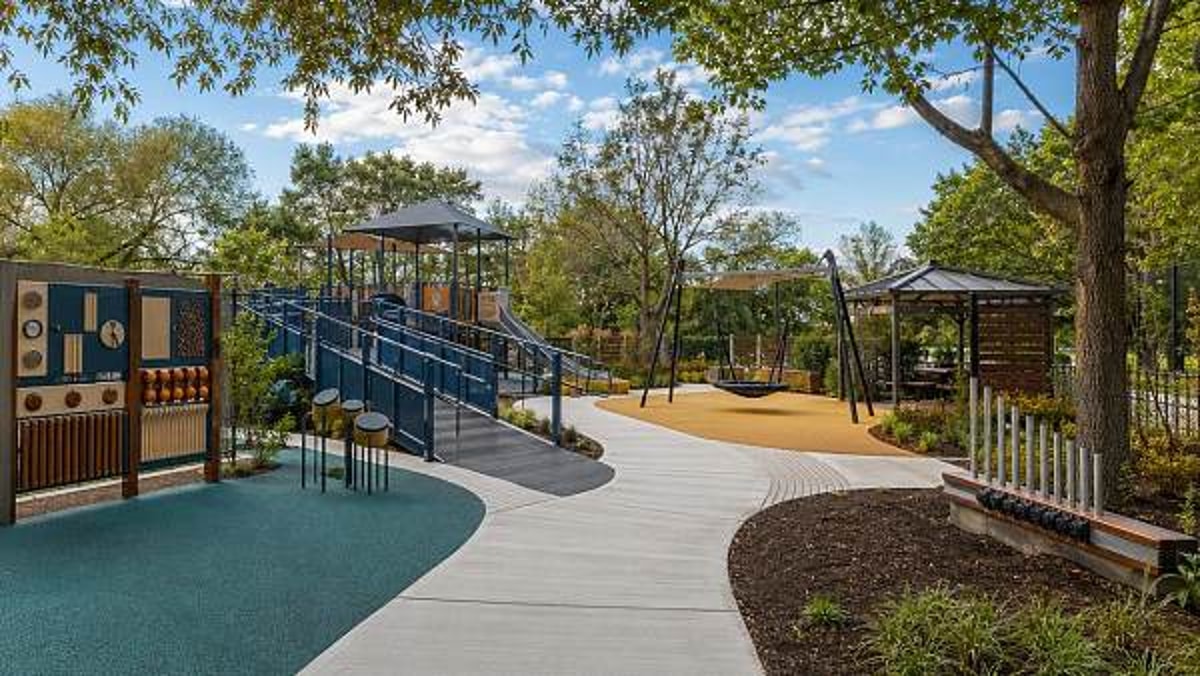
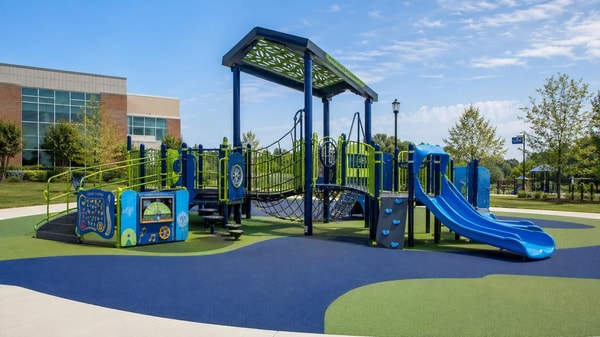
A sensory playground may look inclusive on paper, but real inclusion is measured by how children, caregivers, and educators actually experience the space. From accessible layouts and calming zones to multi-sensory play features that support different needs, the best designs remove barriers without limiting fun. This article explores what makes a sensory playground feel genuinely welcoming in everyday use.
What does an inclusive sensory playground mean in real-life use?
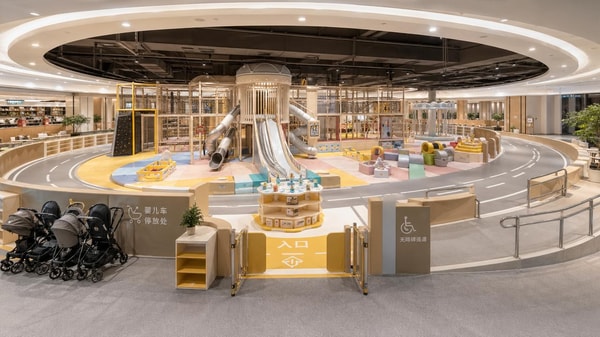
In practice, an inclusive sensory playground is not simply a play area with bright colors, a few textured panels, or a wheelchair-accessible entry point. It is a space where children with different physical, cognitive, sensory, emotional, and social needs can participate with dignity, safety, and choice. Real inclusion happens when families do not need special workarounds just to use the site, and when children can move from observing to engaging without feeling separated from others.
That distinction matters because many projects meet technical accessibility requirements yet still feel difficult to use. A child may be able to enter the space but not reach the main play value. A caregiver may find one accessible path but no clear sightlines to supervise multiple children. An autistic child may be attracted to the equipment but overwhelmed by noise, visual clutter, or chaotic circulation. In those situations, the sensory playground exists, but inclusion is incomplete.
A truly inclusive sensory playground supports different ways of playing. Some children seek movement, spinning, climbing, and strong tactile input. Others need predictability, gradual transitions, or quiet retreat areas. Some communicate verbally, while others rely on gestures, symbols, or supported interaction. The best environments do not force one “correct” way to play. Instead, they provide layered experiences that let users regulate, explore, and connect at their own pace.
Why do some sensory playgrounds feel welcoming while others feel performative?
The difference usually comes down to user experience rather than visual intent. A performative design may photograph well and check planning boxes, yet ignore how a child actually approaches, interprets, and uses the equipment. A welcoming sensory playground considers transitions, social comfort, wayfinding, and sensory load from the first moment of arrival.
For example, arrival matters more than many decision-makers expect. If parking, pathways, gates, and entrances are confusing, crowded, or uneven, stress begins before play starts. If there is no shaded waiting zone, no obvious orientation point, or no easy route for mobility devices, the site can feel exclusive even before the child reaches the equipment. Inclusive use begins beyond the play structure itself.
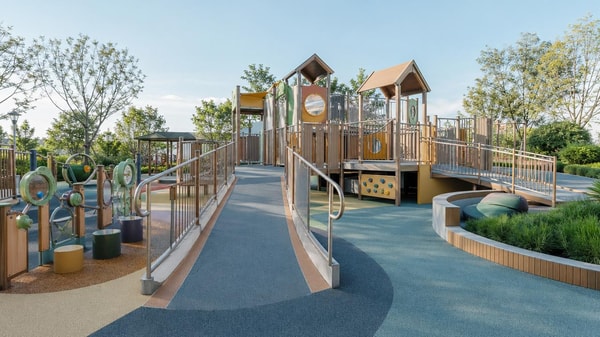
Another major factor is whether the playground offers choice without fragmentation. Some projects isolate sensory elements in a separate corner, unintentionally labeling them as “special needs features.” In a better layout, sensory experiences are integrated throughout the site, so all children can explore musical play, tactile surfaces, motion play, and quiet spaces naturally. Inclusion feels real when support features are part of the shared experience rather than an afterthought.
Operational details also influence perception. A sensory playground may be well designed, but poor maintenance, broken moving parts, hot surfaces, fading visual cues, or blocked accessible routes quickly reduce usability. Inclusion is sustained through upkeep, staff awareness in managed environments, and periodic evaluation with actual users.
Which design features matter most when evaluating a sensory playground?
Buyers, planners, schools, hospitality venues, and leisure operators often ask which features deserve the closest attention. The answer is not a single item but a combination of spatial, sensory, and behavioral design decisions. The following table summarizes the most important evaluation points for a sensory playground in everyday use.
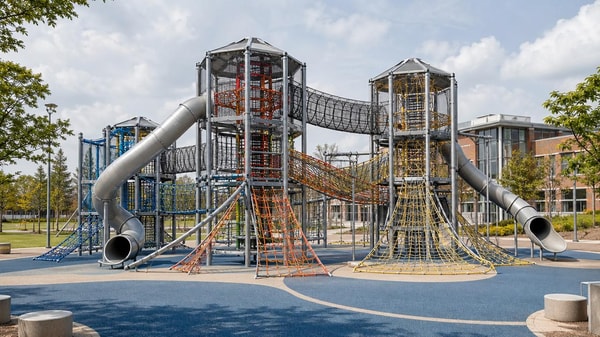
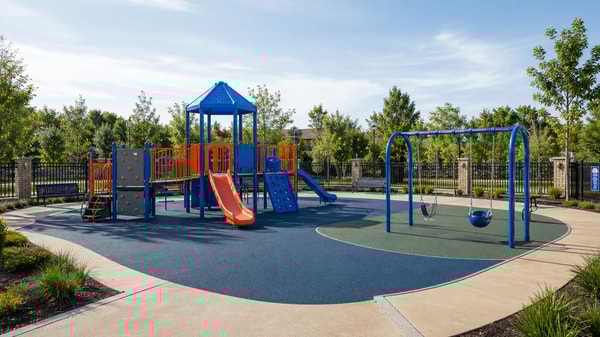
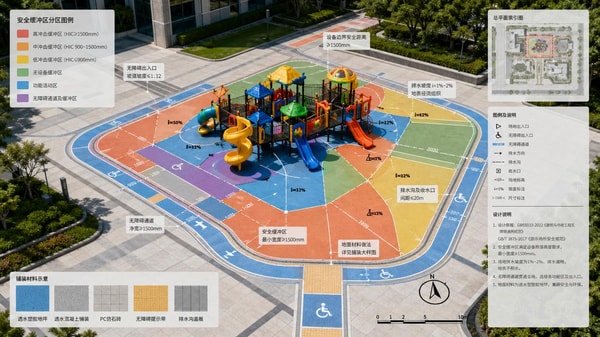
Within these areas, one of the most important concepts is play value. Accessible equipment is not enough if the most exciting experiences remain out of reach. A sensory playground should allow meaningful participation at multiple heights, speeds, and complexity levels. Ground-level features, accessible ramps, supportive swings, musical panels, interactive play walls, and sensory gardens can all contribute, but only when they are arranged as part of a coherent experience.
Who benefits from a sensory playground, and in which settings does it work best?
A sensory playground benefits far more users than the label may suggest. It can support children with autism spectrum disorder, ADHD, sensory processing differences, developmental delays, limited mobility, communication challenges, or anxiety. At the same time, it also improves play quality for neurotypical children, siblings, grandparents, educators, and visiting families. Inclusive design usually broadens use instead of narrowing it.
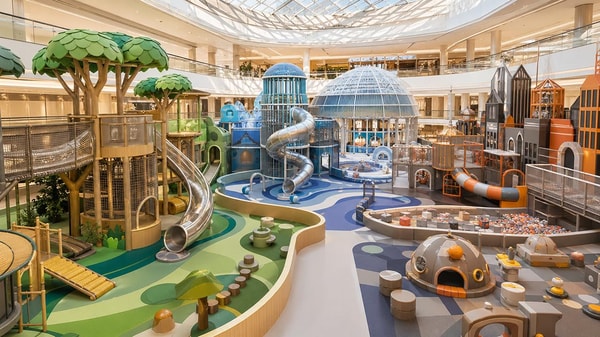
That is why sensory playground concepts now appear across the broader commercial and institutional landscape. Schools value them for developmental play and social learning. Parks departments use them to serve diverse communities. Family-oriented hospitality venues see them as a way to improve guest experience. Healthcare, therapy, and rehabilitation settings may use them for structured or semi-structured play. Mixed-use commercial projects increasingly view inclusive play as part of placemaking and brand trust.
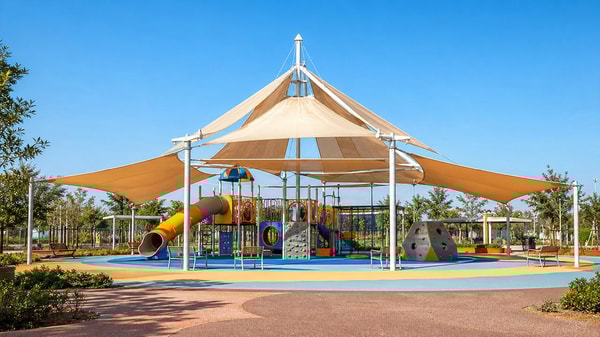
For buyers and specifiers in a global sourcing environment, the key question is not whether inclusive play is relevant, but how the intended setting shapes design priorities. A school campus may prioritize supervision, age segmentation, and educational outcomes. A resort may focus on family dwell time, all-weather durability, and visual integration with landscape design. A municipal park may need robust materials, universal access, and vandal-resistant construction. The sensory playground should be matched to real operating conditions, not only to inspirational concept imagery.
What are the most common mistakes when planning or sourcing a sensory playground?
One frequent mistake is assuming that “more sensory” automatically means “more inclusive.” In reality, overstimulation is a serious design risk. Excessive noise, flashing colors, crowded equipment clusters, and constant motion can quickly overwhelm some users. A high-quality sensory playground offers range and modulation, not nonstop intensity.
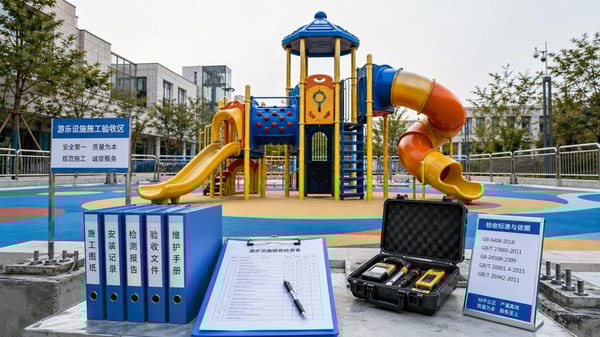
A second mistake is treating compliance as the finish line. Safety and accessibility standards are essential, but inclusive success depends on lived usability. Decision-makers should ask whether children can access social play, whether transitions are manageable, whether calm spaces are easy to find, and whether caregivers can support participation without physical strain.
A third issue is poor material and climate planning. Surface temperature, glare, acoustics, drainage, texture durability, and maintenance cycles all affect sensory comfort. Stainless steel may be durable but can become too hot in exposed climates. Loose-fill surfacing may interfere with mobility access. Echo-heavy structures may amplify sound in ways that reduce comfort. Early supplier discussions should cover environmental performance, not only appearance and unit cost.
Another common error is failing to involve users early enough. Parents, therapists, special education professionals, facility operators, and inclusive design consultants often identify problems that are invisible in a standard procurement checklist. Even a short consultation phase can improve equipment selection, route planning, and sensory zoning.
How can buyers tell whether a sensory playground will work after installation?
The best predictor is whether the project has been evaluated beyond product specifications. A buyer should ask for use-case evidence: project references, post-installation feedback, maintenance records, design rationale, and examples of how the equipment supports different user profiles. In B2B sourcing, this is where experience and trust matter. A credible supplier or design partner should explain not only what each feature is, but why it is placed where it is and how it performs in actual environments.
It is also helpful to assess the sensory playground as a journey rather than a collection of components. Start with arrival, then move through entry, orientation, first-touch interaction, active play, retreat, re-entry, and exit. If stress points appear at several stages, the design may struggle in daily use. If users can flow naturally between stimulation and regulation, the project is more likely to succeed.
The checklist below can guide practical assessment before final approval or procurement.
What should be confirmed before moving into design, procurement, or supplier discussions?
Before selecting a sensory playground supplier, design studio, or OEM/ODM partner, it is worth clarifying a few strategic points. First, define the primary user mix. Ages, support needs, expected dwell time, group size, and supervision model all influence the right solution. Second, identify the operational setting: public park, school, resort, therapy environment, or mixed commercial development. Third, review climate exposure, maintenance capacity, and safety compliance requirements for the target market.
Next, ask potential partners how they validate inclusive performance. Do they have case studies with measurable outcomes? Can they adapt layouts for local site constraints? Are they able to combine aesthetics, durability, and inclusive play logic without sacrificing one for another? For international buyers, manufacturing consistency, documentation quality, materials traceability, and certification readiness are just as important as design appeal.
In the end, what makes a sensory playground feel inclusive is not a label, a trend, or a decorative collection of sensory parts. It is the user’s lived experience: easy arrival, understandable layout, meaningful access, flexible play, regulation support, and social belonging. If you need to confirm a specific direction, budget range, sourcing model, lead time, or customization path, start by discussing the user profile, site conditions, compliance targets, maintenance expectations, and the exact play outcomes the project is meant to deliver.
Search News
Hot Articles
- Musical InstrumentsChina Table Tennis Team Departs for London; BS EN 14904:2021 Takes EffectMay 01, 2026
- Outdoor RidesSanya Asian Beach Games Closure Triggers Halal Certification Demand for Sand Sports EquipmentMay 01, 2026
- Outdoor RidesAI Football Training Robots Export Surge After Man Utd MatchMay 01, 2026
Popular Tags
Need ExpertConsultation?
Connect with our specialized leisureengineering team for procurementstrategies.
Recommended News
 May 01, 2026Playground Borders That Reduce Mess and Keep Zones ClearPlayground borders reduce mess, define activity zones, and improve maintenance control. Discover durable, site-smart solutions for safer, cleaner, more organized play areas.● Theme Park Strategist
 May 01, 2026Inclusive Playground Features Families Notice Right AwayInclusive playground features families notice first: step-free access, stable surfacing, sensory balance, and shared play. Use this practical guide to evaluate safer, truly welcoming spaces.● Theme Park Strategist
 May 01, 2026Toddler Playground Layout Mistakes That Limit Safe PlayToddler playground layout mistakes can quietly increase risk. Learn how better zoning, circulation, and visibility create safer, compliant play spaces for every project.● Theme Park Strategist
 May 01, 2026What Makes a Sensory Playground Feel Inclusive in Real UseSensory playground design feels truly inclusive when access, calm zones, shared play, and caregiver comfort work in real use. Discover what makes spaces more welcoming.● Theme Park Strategist
 May 01, 2026How Playground Swings Affect Safety Zones and Site PlanningPlayground swings shape safety zones, circulation, and site efficiency. Learn how to plan compliant, high-performing layouts that reduce redesign risk and improve project value.● Theme Park Strategist
 Apr 30, 2026CBA Game Sparks Southeast Asia Demand for Chinese Interactive Playground WallsCBA game sparks urgent demand for Chinese basketball-themed interactive playground walls across Southeast Asia—AR, pressure-sensor tech, SNI/IEC-certified.● Theme Park Strategist
 Apr 30, 2026Vietnam Mandates Anti-Pinch Sensors for Indoor Playground EquipmentAnti-pinch sensors now mandatory for indoor playground equipment in Vietnam — comply by July 1, 2026 to avoid customs rejection and market access delays.● Theme Park Strategist
 Apr 30, 2026When a playground consultant saves more than an in-house planPlayground consultant advice can prevent costly design errors, compliance gaps, and vendor mistakes. See when expert support beats an in-house plan and protects budget.● Theme Park Strategist
 Apr 30, 2026A smarter playground layout starts with traffic flowPlayground layout starts with traffic flow. Discover how smarter circulation improves safety, accessibility, capacity, and long-term commercial performance.● Theme Park Strategist
 Apr 30, 2026Playground certification steps that delay launch datesPlayground certification delays can add weeks to launch dates. Learn the key bottlenecks, hidden compliance risks, and practical steps to keep projects on schedule.● Theme Park Strategist
 Apr 30, 2026Playground climbers that keep kids challenged without bottlenecksPlayground climbers that reduce bottlenecks keep more kids engaged, improve flow, and suit schools, resorts, parks, and leisure venues. Learn what to specify before you buy.● Theme Park Strategist
 Apr 30, 2026What playground inspection reports often reveal too latePlayground inspection reports often reveal hidden risks too late. Learn how to catch design, installation, and safety issues earlier to avoid delays, rework, and costly project setbacks.● Theme Park Strategist
 Apr 30, 2026Playground accessibility details that change real usabilityPlayground accessibility details shape real usability beyond ramps. Explore transfer points, sensory zones, sightlines, and circulation tips that help buyers choose truly inclusive play spaces.● Theme Park Strategist
 Apr 30, 2026Playground shade structures that improve comfort in hot seasonsPlayground shade structures improve comfort, safety, and usability in hot seasons. Explore smart, durable solutions for schools, parks, and commercial projects.● Theme Park Strategist
 Apr 30, 2026Commercial slides and the maintenance issues often overlookedCommercial slides often fail on maintenance, not design. Learn the overlooked wear, cleaning, access, and compliance issues that affect safety, uptime, and long-term cost.● Theme Park Strategist
 Apr 30, 2026Why playground theme matters more than many layouts suggestPlayground theme shapes engagement, brand value, and repeat visits more than many layouts suggest. Learn how to choose the right concept for hotels, malls, and family venues.● Theme Park Strategist
 Apr 30, 2026Outdoor play structures that stay engaging across age groupsOutdoor play structures that engage ages 2–12: discover how schools, parks, and resorts can choose safer, durable, multi-age designs that boost replay value and buyer confidence.● Theme Park Strategist
 Apr 30, 2026Choosing a playground contractor without missing red flagsPlayground contractor selection made smarter: learn how to spot red flags early, reduce safety and cost risks, and choose a reliable partner with confidence.● Theme Park Strategist
 Apr 30, 2026Playground planning errors that create costly redesigns laterPlayground planning mistakes can trigger costly redesigns, delays, and compliance issues. Learn how to avoid common risks and deliver safer, smarter projects on budget.● Theme Park Strategist
 Apr 30, 2026How playground fencing affects safety without feeling restrictivePlayground fencing shapes safety, visibility, and comfort. Discover how to choose secure, open-feel fencing that protects children without making play spaces feel closed in.● Theme Park Strategist
 Apr 29, 2026Adventure Playground Safety Mistakes to Avoid Before InstallationAdventure playground safety mistakes can delay opening and raise liability. Learn the key pre-installation checks for materials, site planning, surfacing, and compliance.● Theme Park Strategist
 Apr 29, 2026Chinese Tennis Robot Demand Rises in Europe After Zheng Qinwen's Madrid RunChinese tennis robot demand surges in Europe after Zheng Qinwen's Madrid Open run—CE-certified AI training systems now sought by German & Spanish academies.● Theme Park Strategist
 Apr 29, 2026Vietnam Mandates Child Finger-Trap Sensors for Indoor Play EquipmentVietnam mandates child finger-trap sensors for indoor play equipment—key compliance update for exporters, suppliers & certifiers. Act now before Oct 1, 2026.● Theme Park Strategist
 Apr 29, 2026CBA Guangdong’s Loss Spurs Export Inquiries for Indoor Playground EquipmentCBA Guangdong’s playoff loss sparks urgent export inquiries for EN1176-compliant indoor playground equipment — basketball-themed, rapid-assembly modules for ASEAN family entertainment centers.● Theme Park Strategist