Commercial Deep Fryers: Gas or Electric for Busy Kitchens?
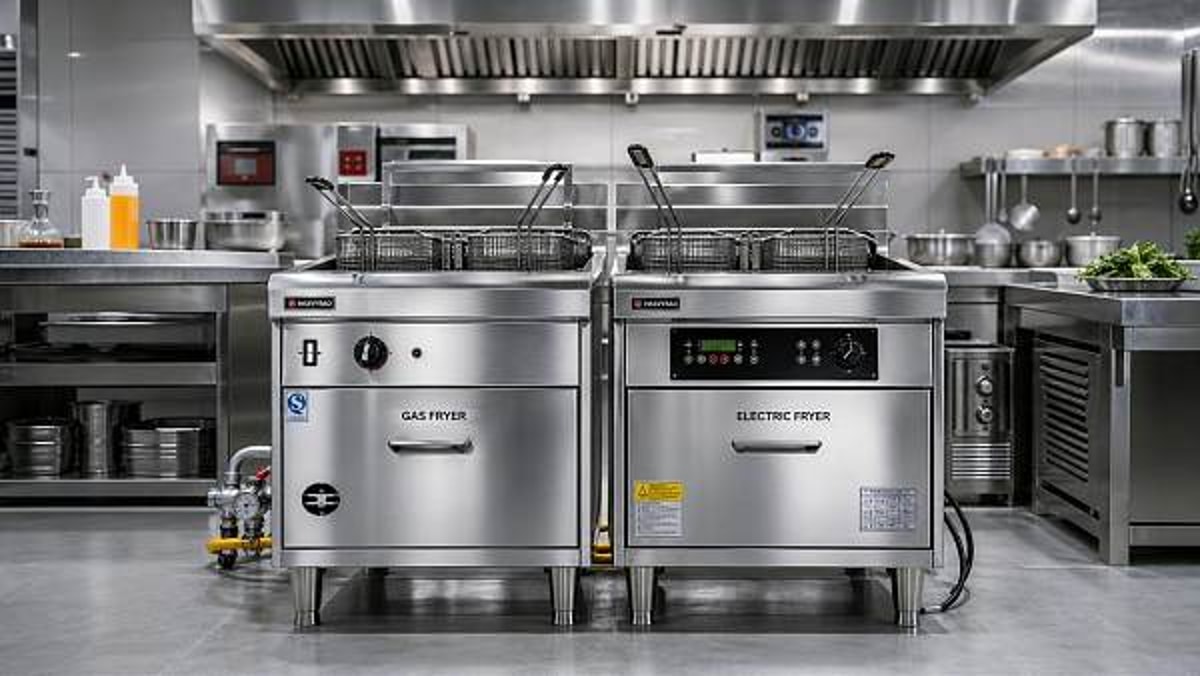
Choosing between gas and electric commercial deep fryers can significantly impact kitchen speed, energy efficiency, food consistency, and long-term operating costs. For technical evaluators in high-demand foodservice environments, understanding the real performance differences is essential. This guide outlines the key factors that matter most when selecting the right fryer for busy commercial kitchens.
Why a checklist approach works better than brand-first comparison
When evaluating commercial deep fryers for a busy kitchen, the most common mistake is starting with a preferred fuel type or supplier instead of a measurable operating profile. Technical teams are usually asked a simple question: gas or electric? In practice, the correct answer depends on throughput targets, utility infrastructure, menu mix, recovery speed, safety controls, cleaning workflow, and total cost over the equipment life cycle.
A checklist method helps evaluators avoid subjective decisions. It also creates a clear basis for comparing multiple commercial deep fryers across different sites, whether the project involves a hotel banquet kitchen, quick-service operation, institutional canteen, or multi-unit catering group. For procurement and engineering teams, this structure reduces the risk of choosing a fryer that looks efficient on paper but performs poorly during peak hours.
Start with these priority checks before comparing gas and electric models
Before reviewing product catalogs, confirm the operating conditions the fryer must support. These checks should come first because they determine whether gas or electric commercial deep fryers are technically suitable.
- Peak batch volume: Define the highest hourly demand, not the average day. Heavy rush periods expose recovery limitations quickly.
- Menu profile: Frozen breaded products, fresh-cut potatoes, seafood, and mixed-use frying all place different stress on oil temperature stability.
- Available utilities: Confirm gas pressure, electrical phase, voltage, breaker capacity, and any site restrictions before shortlisting models.
- Ventilation and heat load: Gas units typically add more ambient heat, which may affect HVAC demand and staff comfort.
- Cleaning and maintenance resources: If the site lacks strong preventive maintenance discipline, a simpler service structure may be preferable.
- Oil management strategy: Filtration frequency, oil life expectations, and waste disposal costs can influence the real operating economics more than fuel source alone.
- Compliance requirements: Verify local safety, fire suppression, hygiene, and electrical or gas certification rules for the specific market.
Use this decision framework to compare performance where it matters
1. Recovery speed under continuous demand
Recovery speed is one of the most important selection criteria for commercial deep fryers in busy kitchens. Gas fryers often perform strongly in high-volume applications because they can deliver aggressive heat input and fast temperature rebound after cold product is dropped. This is especially useful for operations with repeated back-to-back baskets during lunch or banquet service.
Electric fryers, however, can offer excellent recovery in well-designed high-wattage systems, particularly where immersed elements provide direct heat transfer. The evaluator should not assume all electric units are slower. Instead, request tested recovery data, batch capacity information, and performance under realistic load conditions.
2. Temperature precision and food consistency
Electric commercial deep fryers are often favored when precise temperature control and product consistency are top priorities. Many electric systems maintain a tighter temperature band, which helps with delicate items and standardized multi-site menus. Better control can reduce undercooking, excessive browning, and oil degradation caused by overshoot.
Gas units can still deliver excellent results, but the evaluator should examine thermostat accuracy, sensor placement, and control logic. If a kitchen depends on highly repeatable outputs across shifts, consistency should be validated through field testing rather than brochure claims.
3. Energy use and utility economics
Energy efficiency must be assessed using local utility pricing and operational patterns. In some markets, gas commercial deep fryers remain more economical for long daily operating hours because fuel costs are lower. In other locations, electric rates, time-of-use tariffs, or sustainability targets may shift the advantage toward electric units.
Technical evaluators should ask for the following data: input rating, idle consumption, cooking efficiency, daily warm-up cost, and estimated annual energy use. A fryer that appears cheaper to purchase may become expensive if it spends long hours idling inefficiently.
4. Installation complexity and site readiness
Gas commercial deep fryers require proper gas line sizing, pressure regulation, combustion considerations, and sometimes more involved inspection procedures. Electric units may be easier to place in certain facilities, but they can also require major electrical upgrades if the site lacks suitable power capacity.
This is why infrastructure fit should be scored early. A technically superior fryer is not the right solution if installation delays, utility upgrades, or permitting obstacles disrupt the project schedule or inflate capital cost.
5. Maintenance burden and serviceability
Commercial deep fryers operate in harsh conditions, so long-term serviceability matters. Gas systems may involve burners, ignition components, flue areas, and combustion-related inspections. Electric systems may simplify some mechanical maintenance but can introduce issues related to heating elements, relays, and electronic controls.
The key check is not whether one technology is universally easier, but whether the operator has access to qualified service technicians, replacement parts, and a realistic maintenance routine. Ask suppliers for preventive maintenance schedules, failure-point history, and average service response times in the target region.
Quick comparison table for technical evaluation
The table below can help teams compare gas and electric commercial deep fryers using practical purchasing criteria rather than assumptions.
Match fryer type to kitchen scenario before final approval
Busy quick-service and high-turnover frying stations
If the kitchen runs sustained peak loads with repeated basket drops, gas commercial deep fryers often deserve priority review. Their perceived advantage is strongest when speed and recovery directly affect queue times, output per labor hour, and customer service consistency. Still, compare this with actual site energy pricing and ventilation cost.
Hotels, premium catering, and quality-sensitive menus
For kitchens where product uniformity, controlled finish, and multi-menu precision matter, electric commercial deep fryers may offer a stronger fit. This is especially relevant in premium hospitality environments where consistency across shifts is more important than maximum raw heat input.
Institutional kitchens and retrofit projects
In schools, healthcare, campuses, or office catering environments, the best choice often depends on existing infrastructure and compliance constraints. Retrofit projects should prioritize utility readiness and installation risk. If gas access is limited or approval is difficult, electric commercial deep fryers may reduce project friction even if equipment pricing differs.
Commonly overlooked risks that distort fryer selection
- Ignoring idle hours: A fryer that is efficient under load may waste energy if it remains hot for long periods with low output.
- Using nominal capacity instead of tested production data: Basket size alone does not indicate real throughput.
- Underestimating oil cost: Poor heat management and low-quality filtration can erase any fuel savings.
- Neglecting operator workflow: Basket lift design, control visibility, drain access, and cleaning convenience affect productivity every day.
- Failing to review parts support: Commercial deep fryers should be evaluated with local service coverage, not just technical specifications.
- Skipping ventilation impact: Added heat in the cooking line can increase HVAC burden and degrade staff comfort.
Execution checklist for procurement and technical teams
To move from preference to evidence, use the following execution steps when sourcing commercial deep fryers:
- Document hourly production demand, menu items, and expected batch size.
- Confirm site utilities, ventilation constraints, and compliance requirements.
- Request recovery time, energy use, control accuracy, and filtration details from each supplier.
- Compare purchase cost together with installation, maintenance, and oil management costs.
- Validate service support, spare parts lead times, and warranty terms in the target market.
- If possible, conduct a live demonstration or pilot using your real menu products.
FAQ for evaluating commercial deep fryers
Are gas commercial deep fryers always faster?
Not always. Many gas units perform very well under heavy demand, but some electric models also deliver strong recovery. The right comparison is tested performance under your expected production load.
Do electric commercial deep fryers cost less to operate?
That depends on local electricity and gas pricing, hours of use, idle patterns, and fryer efficiency. Operating cost must be calculated at site level, not assumed by technology type.
Which fryer type is better for food consistency?
Electric models often have an advantage in precise temperature control, but quality outcomes also depend on basket loading, oil condition, filtration, and operator discipline.
Final decision guidance for busy kitchens
For technical evaluators, the best choice between gas and electric commercial deep fryers should come from a structured review of production demand, utility fit, control performance, serviceability, and life-cycle cost. Gas may be the stronger option for intense, continuous frying in sites with suitable infrastructure. Electric may be the smarter choice where precision, cleaner heat conditions, or installation simplicity align better with the project.
If your organization is moving toward supplier comparison or project approval, prepare these items first: target throughput, utility specifications, preferred tank capacity, menu mix, operating hours, oil management expectations, cleaning workflow, budget range, and required certifications. With those details clarified early, it becomes much easier to identify commercial deep fryers that match both technical performance and commercial realities.
Search News
Hot Articles
- Musical InstrumentsChina Table Tennis Team Departs for London; BS EN 14904:2021 Takes EffectMay 01, 2026
- Outdoor RidesSanya Asian Beach Games Closure Triggers Halal Certification Demand for Sand Sports EquipmentMay 01, 2026
- Outdoor RidesAI Football Training Robots Export Surge After Man Utd MatchMay 01, 2026
Popular Tags
Need ExpertConsultation?
Connect with our specialized leisureengineering team for procurementstrategies.
Recommended News
 May 01, 2026Hotel and Catering Equipment Trends Shaping 2026 RenovationsHotel & Catering Equipment trends for 2026 renovations reveal smarter, cleaner, and more flexible solutions that cut risk, improve efficiency, and elevate guest experience.● Hospitality Sourcing Dir
 May 01, 2026Outdoor Patio Heaters: What Changes in Windy Dining AreasOutdoor patio heaters in windy dining areas need more than high output. Learn how wind changes comfort, efficiency, safety, and placement to choose smarter commercial heating solutions.● Hospitality Sourcing Dir
 May 01, 2026Food Warmers Commercial Models That Keep Texture, Not Just HeatFood warmers commercial buyers trust do more than hold heat—they preserve crispness, moisture, and presentation. Discover how to reduce waste and improve service quality.● Hospitality Sourcing Dir
 May 01, 2026Bakery Dough Mixers Sized Right for Batch ConsistencyBakery dough mixers sized right improve batch consistency, dough quality, and efficiency. Learn how to match capacity, torque, and dough type for reliable bakery performance.● Hospitality Sourcing Dir
 May 01, 2026Buffet Chafing Dishes in Bulk: Which Materials Age BetterBuffet chafing dishes bulk guide: compare 304 stainless steel, 201 stainless, aluminum, and coated finishes to see which materials age better, cut replacement costs, and protect buffet presentation.● Hospitality Sourcing Dir
 May 01, 2026Commercial Range Hoods and the Ventilation Problems They Actually SolveCommercial range hoods solve smoke, grease, heat, and air balance problems in commercial kitchens. Learn how they improve safety, compliance, and operating efficiency.● Hospitality Sourcing Dir
 May 01, 2026Commercial Deep Fryers: Gas or Electric for Busy Kitchens?Commercial deep fryers compared: gas or electric? Discover which option delivers faster recovery, better consistency, lower operating costs, and the right fit for busy kitchens.● Hospitality Sourcing Dir
 May 01, 2026Stainless Steel Kitchen Prep Tables and the Hygiene Details Often MissedStainless steel kitchen prep tables demand more than the right material. Discover the hidden hygiene details that impact sanitation, durability, compliance, and smarter buying.● Hospitality Sourcing Dir
 May 01, 2026Commercial Refrigerators Wholesale: Common Spec Mistakes to AvoidCommercial refrigerators wholesale buyers can avoid costly spec mistakes by checking usable capacity, temperature stability, materials, and cooling performance before bulk orders.● Hospitality Sourcing Dir
 May 01, 2026Commercial Ice Makers: When Higher Capacity Stops Saving MoneyCommercial ice makers can cut costs—but only to a point. Learn when higher capacity starts wasting energy, water, space, and budget, and how to size smarter for better ROI.● Hospitality Sourcing Dir
 May 01, 2026Bakery Ovens Commercial Models Compared by Output and FootprintBakery ovens commercial models compared by output and footprint. See which oven fits your bakery, kitchen, or production line for better efficiency, space use, and buying decisions.● Hospitality Sourcing Dir
 May 01, 2026Commercial Espresso Coffee Machines Worth Upgrading in 2026Espresso coffee machines commercial buyers planning 2026 upgrades can compare features, energy efficiency, workflow fit, and sourcing priorities to choose smarter, higher-value solutions.● Hospitality Sourcing Dir
 May 01, 2026Walk In Coolers Wholesale: What Impacts Lead Time the MostWalk in coolers wholesale lead times depend on customization, component supply, factory capacity, and shipping. Learn the biggest delay risks and how to keep projects on schedule.● Hospitality Sourcing Dir
 May 01, 2026Industrial Meat Grinders and the Hidden Cost of UndersizingIndustrial meat grinders that are too small can drive up labor, maintenance, and quality risks. Learn the hidden cost of undersizing and choose equipment that protects efficiency.● Hospitality Sourcing Dir
 May 01, 2026Soft Serve Ice Cream Machines That Fit Small Shop DemandSoft serve ice cream machines for small shops: compare compact capacity, footprint, cleaning, and long-term cost to find the right fit for cafés, kiosks, and dessert counters.● Hospitality Sourcing Dir
 May 01, 2026Why Glassware Sets Wholesale Prices Vary More Than ExpectedGlassware sets wholesale prices vary due to material, production, packaging, compliance, and freight. Learn what drives cost and source smarter with less risk.● Hospitality Sourcing Dir
 May 01, 2026What Separates Reliable Commercial Dishwashers from Costly OnesCommercial dishwashers differ by fit, hygiene, uptime, and lifecycle cost. Learn how to identify reliable models, avoid hidden expenses, and choose smarter for long-term value.● Hospitality Sourcing Dir
 May 01, 2026Ceramic Dinnerware for Restaurants That Lasts Through Daily ServiceCeramic dinnerware restaurant buyers trust should combine durability, style, and efficiency. Discover how to choose long-lasting pieces that reduce replacement costs and elevate guest experience.● Hospitality Sourcing Dir
 Apr 28, 2026What Hidden Costs Appear After New Hotel Equipment Is Installed?Hotel equipment hidden costs explained: hotel beds, hotel chairs, hotel tables, hotel furniture, custom furniture, and luxury furniture. Learn risks, TCO, and smarter sourcing.● Hospitality Sourcing Dir
 Apr 28, 2026Hotel Equipment Lists Often Miss the Items That Drive Daily OperationsHotel equipment gaps hurt daily operations. Discover how hotel furniture, hotel beds, hotel chairs, hotel tables, custom furniture and luxury furniture improve efficiency.● Hospitality Sourcing Dir
 Apr 21, 2026How hospitality procurement plans reduce replacement costsHospitality procurement cuts replacement costs by sourcing durable hotel furniture, hotel beds, hotel chairs, and hotel tables with long-term planning. Explore smarter commercial furniture strategies.● Hospitality Sourcing Dir
 Apr 21, 2026Hospitality procurement delays often start with approvalsHospitality procurement delays often begin with approvals. Learn how hotel furniture, luxury furniture, hotel beds, hotel chairs, and hotel tables sourcing can stay on schedule.● Hospitality Sourcing Dir
 Apr 21, 2026When catering equipment saves labor but slows serviceExplore how catering equipment can save labor yet slow service in hotel furniture environments. Learn smarter hospitality procurement for luxury furniture, hotel equipment, and smoother guest flow.● Hospitality Sourcing Dir
 Apr 21, 2026Catering equipment costs that often get missed at launchCatering equipment costs often missed at launch: uncover hidden expenses in hotel furniture, hotel beds, hotel chairs, soundproofing materials, and hospitality procurement to avoid delays and overspending.● Hospitality Sourcing Dir