Commercial Range Hoods and the Ventilation Problems They Actually Solve
Commercial range hoods do far more than remove smoke—they solve critical ventilation problems that impact safety, compliance, kitchen workflow, and long-term operating costs. For project managers and engineering leads, understanding what these systems actually address is essential when specifying equipment for commercial kitchens, hotels, and foodservice facilities. This article explores the real performance issues commercial range hoods are designed to fix.
What commercial range hoods are really designed to do
At a basic level, commercial range hoods capture and remove heat, grease-laden vapors, combustion byproducts, steam, and airborne contaminants produced during cooking. But for project stakeholders, that definition is not enough. In real projects, commercial range hoods are part of a larger air-management strategy that affects code compliance, kitchen productivity, maintenance planning, occupant comfort, and brand standards.
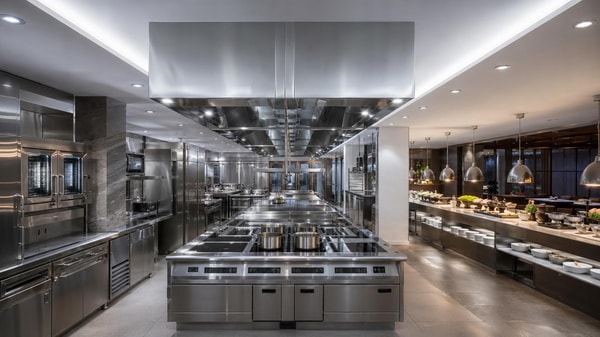
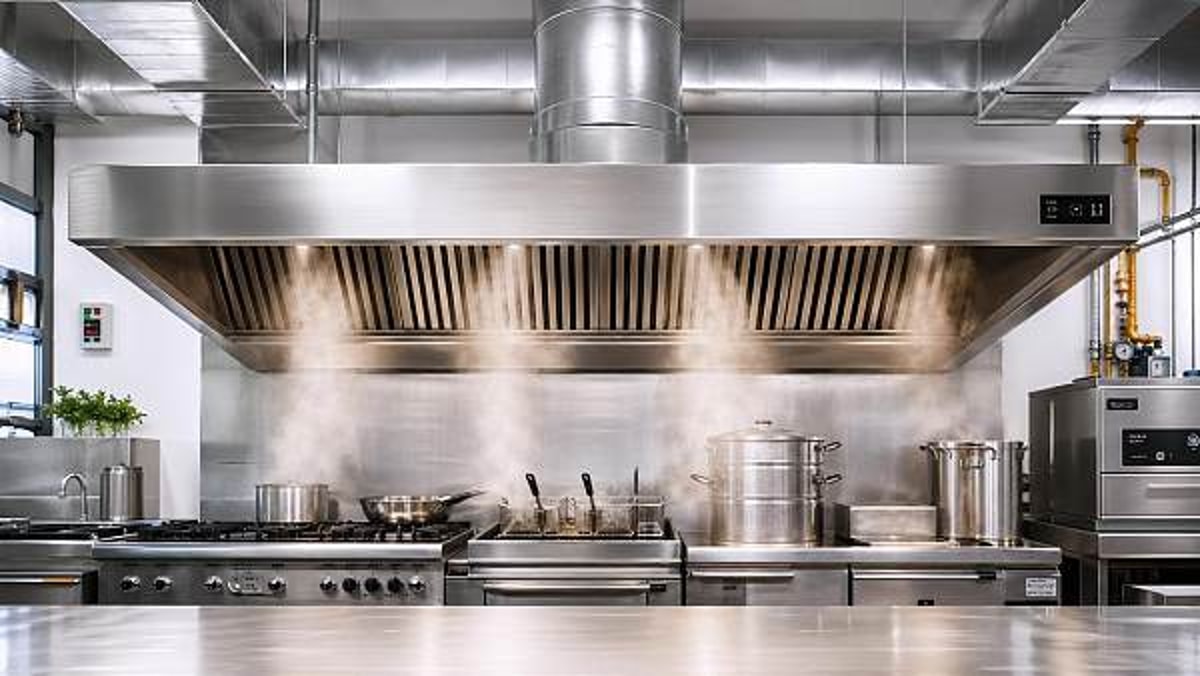
In hotels, institutional kitchens, restaurant clusters, mixed-use developments, and catering facilities, cooking appliances generate complex pollutant loads. Fryers create grease aerosols, charbroilers release smoke and combustion particles, dishwashing lines add humidity, and high-BTU equipment increases thermal stress. Commercial range hoods are specified to control these emissions at the source before they spread through the kitchen or into adjacent public spaces.
That source-capture function is why the hood should never be treated as an isolated metal canopy. Its effectiveness depends on exhaust volume, hood geometry, capture and containment performance, make-up air balance, duct routing, filtration stages, fire suppression integration, and local code requirements. For engineering leads, the hood is not just equipment; it is a performance system.
Why the industry pays close attention to kitchen ventilation
Across hospitality and commercial foodservice, ventilation has become a bigger boardroom issue than many teams expect. Open kitchens, premium guest experiences, tighter energy targets, indoor air quality expectations, and more demanding authority reviews have all raised the standard. A poorly planned exhaust design now creates operational, regulatory, and reputational risks.
For project managers, the challenge is that ventilation problems often appear late—during commissioning, final inspection, soft opening, or the first period of peak production. At that point, retrofitting ductwork, resizing fans, or correcting make-up air can be expensive and disruptive. Early understanding of what commercial range hoods actually solve helps prevent downstream redesign and change orders.
This matters especially in internationally sourced projects, where equipment selection may involve OEM or ODM manufacturers, multi-country compliance considerations, and coordination between architects, MEP engineers, kitchen consultants, and procurement teams. In that environment, performance clarity is more valuable than a generic specification sheet.
The ventilation problems commercial range hoods actually solve
1. Smoke migration and poor capture
The most visible problem is smoke escaping the cooking line. When capture is weak, smoke spills into prep zones, service corridors, and in some cases dining areas. This reduces visibility, affects guest perception, and can trigger alarms or complaints. Well-designed commercial range hoods create the capture velocity and containment profile needed to hold the plume close to the source.
2. Grease accumulation and hygiene risk
Grease is not just a cleaning problem. Airborne grease deposits build up on filters, ducts, ceilings, equipment surfaces, and nearby finishes. Over time, this raises fire risk, increases labor demands, and shortens equipment life. Commercial range hoods with proper filtration and extraction efficiency reduce how much grease escapes into the system and surrounding environment.
3. Excess heat and staff discomfort
High kitchen temperatures lower productivity and worsen fatigue. In peak service periods, accumulated radiant and convective heat can make workstations uncomfortable or even unsafe. Commercial range hoods help remove that heat load, especially when matched with correctly distributed make-up air. This supports labor efficiency and stabilizes kitchen workflow during intense service windows.
4. Combustion byproducts and indoor air quality issues
Gas-fired cooking equipment can release carbon monoxide, nitrogen dioxide, and fine particulates. Inadequate extraction allows these pollutants to remain in the occupied zone. For facilities with long operating hours—such as hotels, campuses, hospitals, and central kitchens—this becomes a serious indoor air quality concern. Commercial range hoods help manage exposure by removing contaminants before they disperse.
5. Pressure imbalance and unstable HVAC performance
One of the least understood problems is air pressure imbalance. If exhaust rates are high and replacement air is insufficient or badly introduced, doors become hard to open, conditioned air is pulled from dining or lobby spaces, and hood performance can become unstable. Commercial range hoods only work as intended when the whole ventilation system is balanced. This is why engineers must coordinate hood exhaust with supply air, transfer air, and building pressure strategy.
6. Fire safety exposure
Cooking vapors and grease deposits increase the likelihood and severity of fire events. Commercial range hoods contribute to fire risk control by supporting grease removal, providing a structured capture zone, and integrating with suppression systems and code-driven clearance requirements. They do not replace broader fire protection measures, but they are a core part of the risk-control chain.
Industry overview: where ventilation performance matters most
The operational value of commercial range hoods varies by facility type, but the underlying ventilation problems remain consistent. The table below shows how priorities typically shift across common commercial environments.
Common hood categories and the problems they are best suited to address
Not all commercial range hoods solve the same intensity of problem. Matching hood type to appliance duty level is essential for both performance and compliance.
Business value beyond ventilation alone
For commercial decision-makers, the value of commercial range hoods extends beyond technical exhaust performance. First, they help protect project outcomes. A kitchen that passes inspection smoothly and performs consistently after handover is less likely to generate costly remedial work. Second, they support operational continuity by reducing emergency cleaning, grease-related shutdowns, and comfort complaints.
Third, effective hood systems can contribute to energy strategy when they are integrated with demand-control ventilation, variable-speed fans, and properly engineered make-up air. While exhaust systems consume energy, poor capture often costs even more by pulling conditioned air from adjacent spaces and forcing HVAC systems to compensate. The right specification helps manage total building performance rather than just local extraction.
Finally, for upscale hospitality and branded foodservice environments, kitchen ventilation influences perception. Noise, odor leakage, visible haze, and overheated service areas all affect the quality of the commercial experience. In that sense, commercial range hoods support both infrastructure and brand delivery.
What project managers and engineering leads should evaluate early
The most effective time to solve ventilation problems is before procurement is finalized. Early-stage evaluation should begin with the cooking line itself: appliance type, energy source, duty cycle, menu profile, and peak simultaneous load. A hood sized only by nominal equipment width may underperform if thermal and grease loads are not fully understood.
Next, review spatial and architectural constraints. Ceiling height, structural coordination, shaft access, duct length, clean-out provisions, and adjacency to guest or office areas all influence the correct commercial range hoods solution. In compact urban projects or retrofits, these constraints can be more decisive than the hood model alone.
It is also important to verify the regulatory path. Local fire codes, mechanical codes, health requirements, and international certifications may differ by jurisdiction. For globally sourced equipment, submittal quality matters: filter design, stainless steel grade, weld quality, airflow data, fire system compatibility, and documentation completeness should all be reviewed carefully.
- Confirm the duty classification of each appliance under the hood.
- Coordinate exhaust and make-up air as one system, not separate packages.
- Check how hood performance is affected by cross-drafts, doors, and diffuser placement.
- Review maintenance access for filters, ducts, and fire suppression interfaces.
- Plan for commissioning tests under realistic cooking conditions.
Practical specification guidance for better project outcomes
A practical specification does more than call for stainless steel construction and a fan connection. It should define expected performance. That includes capture intent, filtration method, noise considerations, integration with building controls, and serviceability. If the kitchen is part of a premium hospitality or institutional project, the specification should also reflect operational profile and user expectations, not just minimum code thresholds.
For projects sourcing globally, supplier evaluation should include manufacturing consistency, documentation discipline, and ability to customize around local standards. This is where a B2B intelligence-led approach is valuable. Buyers and project teams benefit when equipment decisions are supported by verified technical insight, real project references, and a clear view of long-term maintainability. In complex commercial environments, the cheapest hood is rarely the lowest-cost solution over its service life.
Conclusion: specify commercial range hoods by problem solved, not by appearance alone
Commercial range hoods are often treated as a standard kitchen line item, but their real value lies in the ventilation problems they prevent: smoke spread, grease buildup, overheating, pollutant exposure, pressure instability, and compliance risk. For project managers and engineering leads, that perspective changes how the system should be reviewed, coordinated, and specified.
When commercial range hoods are selected based on actual cooking loads, facility conditions, and operational goals, they support safer kitchens, smoother approvals, better staff performance, and more resilient commercial operations. If your team is developing a hospitality, institutional, or foodservice project, begin with the performance problem to be solved. The right ventilation strategy will follow from there.
Search News
Hot Articles
- Musical InstrumentsChina Table Tennis Team Departs for London; BS EN 14904:2021 Takes EffectMay 01, 2026
- Outdoor RidesSanya Asian Beach Games Closure Triggers Halal Certification Demand for Sand Sports EquipmentMay 01, 2026
- Outdoor RidesAI Football Training Robots Export Surge After Man Utd MatchMay 01, 2026
Popular Tags
Need ExpertConsultation?
Connect with our specialized leisureengineering team for procurementstrategies.
Recommended News
 May 01, 2026Hotel and Catering Equipment Trends Shaping 2026 RenovationsHotel & Catering Equipment trends for 2026 renovations reveal smarter, cleaner, and more flexible solutions that cut risk, improve efficiency, and elevate guest experience.● Hospitality Sourcing Dir
 May 01, 2026Outdoor Patio Heaters: What Changes in Windy Dining AreasOutdoor patio heaters in windy dining areas need more than high output. Learn how wind changes comfort, efficiency, safety, and placement to choose smarter commercial heating solutions.● Hospitality Sourcing Dir
 May 01, 2026Food Warmers Commercial Models That Keep Texture, Not Just HeatFood warmers commercial buyers trust do more than hold heat—they preserve crispness, moisture, and presentation. Discover how to reduce waste and improve service quality.● Hospitality Sourcing Dir
 May 01, 2026Bakery Dough Mixers Sized Right for Batch ConsistencyBakery dough mixers sized right improve batch consistency, dough quality, and efficiency. Learn how to match capacity, torque, and dough type for reliable bakery performance.● Hospitality Sourcing Dir
 May 01, 2026Buffet Chafing Dishes in Bulk: Which Materials Age BetterBuffet chafing dishes bulk guide: compare 304 stainless steel, 201 stainless, aluminum, and coated finishes to see which materials age better, cut replacement costs, and protect buffet presentation.● Hospitality Sourcing Dir
 May 01, 2026Commercial Range Hoods and the Ventilation Problems They Actually SolveCommercial range hoods solve smoke, grease, heat, and air balance problems in commercial kitchens. Learn how they improve safety, compliance, and operating efficiency.● Hospitality Sourcing Dir
 May 01, 2026Commercial Deep Fryers: Gas or Electric for Busy Kitchens?Commercial deep fryers compared: gas or electric? Discover which option delivers faster recovery, better consistency, lower operating costs, and the right fit for busy kitchens.● Hospitality Sourcing Dir
 May 01, 2026Stainless Steel Kitchen Prep Tables and the Hygiene Details Often MissedStainless steel kitchen prep tables demand more than the right material. Discover the hidden hygiene details that impact sanitation, durability, compliance, and smarter buying.● Hospitality Sourcing Dir
 May 01, 2026Commercial Refrigerators Wholesale: Common Spec Mistakes to AvoidCommercial refrigerators wholesale buyers can avoid costly spec mistakes by checking usable capacity, temperature stability, materials, and cooling performance before bulk orders.● Hospitality Sourcing Dir
 May 01, 2026Commercial Ice Makers: When Higher Capacity Stops Saving MoneyCommercial ice makers can cut costs—but only to a point. Learn when higher capacity starts wasting energy, water, space, and budget, and how to size smarter for better ROI.● Hospitality Sourcing Dir
 May 01, 2026Bakery Ovens Commercial Models Compared by Output and FootprintBakery ovens commercial models compared by output and footprint. See which oven fits your bakery, kitchen, or production line for better efficiency, space use, and buying decisions.● Hospitality Sourcing Dir
 May 01, 2026Commercial Espresso Coffee Machines Worth Upgrading in 2026Espresso coffee machines commercial buyers planning 2026 upgrades can compare features, energy efficiency, workflow fit, and sourcing priorities to choose smarter, higher-value solutions.● Hospitality Sourcing Dir
 May 01, 2026Walk In Coolers Wholesale: What Impacts Lead Time the MostWalk in coolers wholesale lead times depend on customization, component supply, factory capacity, and shipping. Learn the biggest delay risks and how to keep projects on schedule.● Hospitality Sourcing Dir
 May 01, 2026Industrial Meat Grinders and the Hidden Cost of UndersizingIndustrial meat grinders that are too small can drive up labor, maintenance, and quality risks. Learn the hidden cost of undersizing and choose equipment that protects efficiency.● Hospitality Sourcing Dir
 May 01, 2026Soft Serve Ice Cream Machines That Fit Small Shop DemandSoft serve ice cream machines for small shops: compare compact capacity, footprint, cleaning, and long-term cost to find the right fit for cafés, kiosks, and dessert counters.● Hospitality Sourcing Dir
 May 01, 2026Why Glassware Sets Wholesale Prices Vary More Than ExpectedGlassware sets wholesale prices vary due to material, production, packaging, compliance, and freight. Learn what drives cost and source smarter with less risk.● Hospitality Sourcing Dir
 May 01, 2026What Separates Reliable Commercial Dishwashers from Costly OnesCommercial dishwashers differ by fit, hygiene, uptime, and lifecycle cost. Learn how to identify reliable models, avoid hidden expenses, and choose smarter for long-term value.● Hospitality Sourcing Dir
 May 01, 2026Ceramic Dinnerware for Restaurants That Lasts Through Daily ServiceCeramic dinnerware restaurant buyers trust should combine durability, style, and efficiency. Discover how to choose long-lasting pieces that reduce replacement costs and elevate guest experience.● Hospitality Sourcing Dir
 Apr 28, 2026What Hidden Costs Appear After New Hotel Equipment Is Installed?Hotel equipment hidden costs explained: hotel beds, hotel chairs, hotel tables, hotel furniture, custom furniture, and luxury furniture. Learn risks, TCO, and smarter sourcing.● Hospitality Sourcing Dir
 Apr 28, 2026Hotel Equipment Lists Often Miss the Items That Drive Daily OperationsHotel equipment gaps hurt daily operations. Discover how hotel furniture, hotel beds, hotel chairs, hotel tables, custom furniture and luxury furniture improve efficiency.● Hospitality Sourcing Dir
 Apr 21, 2026How hospitality procurement plans reduce replacement costsHospitality procurement cuts replacement costs by sourcing durable hotel furniture, hotel beds, hotel chairs, and hotel tables with long-term planning. Explore smarter commercial furniture strategies.● Hospitality Sourcing Dir
 Apr 21, 2026Hospitality procurement delays often start with approvalsHospitality procurement delays often begin with approvals. Learn how hotel furniture, luxury furniture, hotel beds, hotel chairs, and hotel tables sourcing can stay on schedule.● Hospitality Sourcing Dir
 Apr 21, 2026When catering equipment saves labor but slows serviceExplore how catering equipment can save labor yet slow service in hotel furniture environments. Learn smarter hospitality procurement for luxury furniture, hotel equipment, and smoother guest flow.● Hospitality Sourcing Dir
 Apr 21, 2026Catering equipment costs that often get missed at launchCatering equipment costs often missed at launch: uncover hidden expenses in hotel furniture, hotel beds, hotel chairs, soundproofing materials, and hospitality procurement to avoid delays and overspending.● Hospitality Sourcing Dir