Hotel and Catering Equipment Trends Shaping 2026 Renovations
As renovation cycles accelerate toward 2026, Hotel & Catering Equipment is becoming a strategic priority for project managers balancing design, efficiency, compliance, and long-term operating costs. From smart kitchen systems to modular service solutions, the latest trends are reshaping how hospitality spaces are planned, specified, and delivered. Understanding these shifts early can help teams reduce risk, improve guest experience, and make smarter sourcing decisions.
Why 2026 renovations are moving faster than traditional upgrade cycles
The strongest signal in Hotel & Catering Equipment is not simply that properties are buying new assets. It is that renovation planning is becoming more compressed, more technical, and more closely tied to business repositioning. Hotels, resorts, serviced apartments, mixed-use developments, and foodservice venues are no longer treating back-of-house upgrades as isolated maintenance projects. They are integrating kitchen, buffet, bar, laundry-adjacent service support, and guest-facing catering systems into wider renovation strategies that aim to improve operational agility.
For project managers, this means equipment decisions now influence layout, energy planning, MEP coordination, workforce workflows, hygiene protocols, and brand experience at the same time. A new combi oven, induction suite, dishwashing line, or modular banquet station can affect ventilation loads, service timing, labor allocation, and future menu flexibility. In 2026-focused renovations, Hotel & Catering Equipment is no longer a late-stage procurement package. It is an early-stage design and risk decision.
The clearest trend signals shaping Hotel & Catering Equipment decisions
Several trend signals are appearing consistently across hospitality projects. First, electrification is gaining momentum where local infrastructure and operating models allow it. Second, space efficiency is becoming critical as operators try to do more with smaller service footprints. Third, connected equipment is moving from a premium feature to a practical management tool. Fourth, specification teams are prioritizing solutions that simplify compliance, sanitation, and maintenance. Finally, flexible service formats are influencing what gets installed, especially in properties that combine dine-in, room service, grab-and-go, event catering, and hybrid banquet use.
What is driving these changes behind the scenes
The first driver is labor pressure. Many hospitality operators need Hotel & Catering Equipment that reduces manual steps, shortens training time, and allows smaller teams to maintain consistent output. Automated cooking programs, simplified holding systems, and digitally guided washing or chilling workflows are attractive because they support quality with fewer dependencies on highly specialized labor.
The second driver is energy and utility management. Even where power costs differ by region, owners are increasingly alert to total operating expense and carbon-related reporting expectations. Equipment that improves heat efficiency, controls idle consumption, or integrates with building monitoring systems is receiving more attention during specification reviews.
The third driver is service diversification. Hospitality venues are serving more use cases from the same footprint: breakfast, coworking refreshment, premium minibar support, event catering, wellness nutrition, delivery integration, and branded retail food offers. This creates demand for flexible Hotel & Catering Equipment that can switch formats without forcing major redesign every time the business model evolves.
A fourth driver is compliance complexity. Fire safety, sanitation, ventilation, food safety process control, and regional certification requirements are all affecting procurement conversations earlier in the project timeline. Equipment choices that once seemed interchangeable now carry meaningful implications for approvals, installation sequencing, and long-term inspection readiness.
How the trend affects different project stakeholders
These shifts do not affect every stakeholder in the same way. The operational value of Hotel & Catering Equipment may be obvious to chefs and F&B directors, but the project risk sits across a broader team. For engineering leads, equipment changes affect utilities and technical coordination. For procurement teams, supplier reliability and aftermarket support become critical. For owners, the issue is return on renovation capital. For brand and design teams, equipment must now support visible guest experience, not just hidden production.
The biggest specification shift: from product selection to system thinking
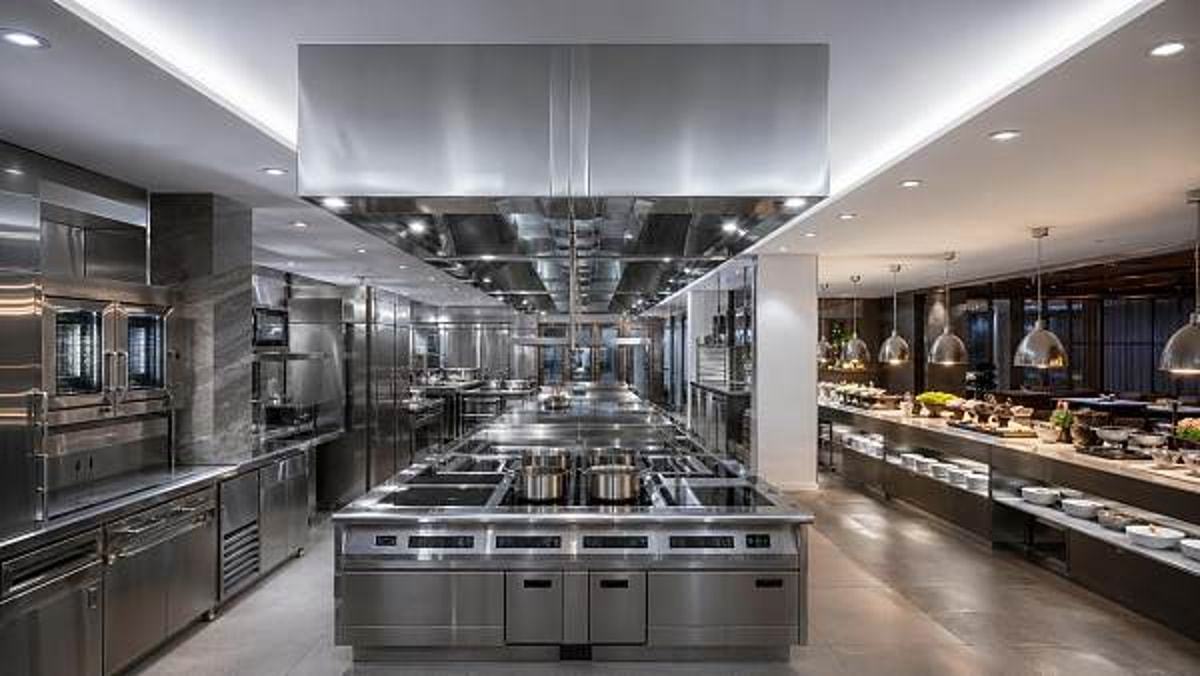
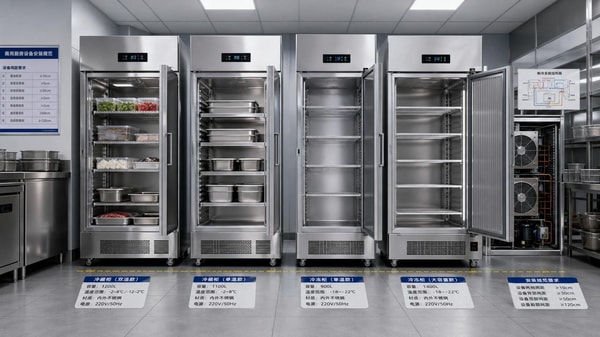
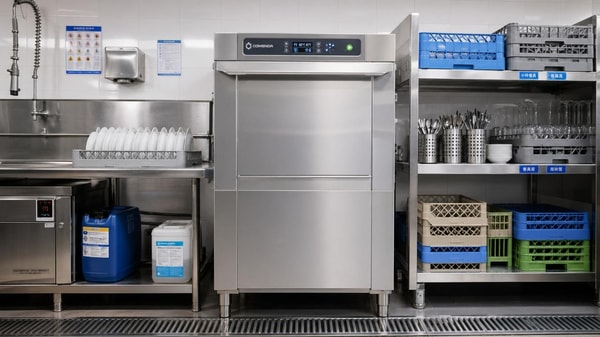
A major 2026 renovation trend is the move away from line-by-line equipment replacement toward system-level planning. In practice, this means Hotel & Catering Equipment is assessed as a connected operational environment rather than a simple list of appliances. Cold chain equipment, cooking lines, pass counters, holding systems, cleaning zones, and service stations are being reviewed together to improve flow, reduce bottlenecks, and minimize wasted movement.
For project managers, this is important because fragmented purchasing can create hidden inefficiencies. A property may invest in advanced cooking equipment but fail to redesign staging or warewashing capacity, resulting in service delays despite the capex spend. The more complex the property type, such as convention hotels, luxury resorts, airport hospitality, or mixed-use lifestyle hotels, the more important integrated planning becomes.
What sourcing teams should watch as renovation timelines tighten
As lead times, freight volatility, and regional approval requirements continue to affect delivery schedules, sourcing strategy matters as much as specification quality. Hotel & Catering Equipment packages now need stronger milestone management. Teams should verify not only factory capability, but also documentation quality, installation support, compatibility with local codes, and spare-parts planning. In many projects, the greatest delay risk comes from incomplete technical alignment rather than manufacturing itself.
Another trend is selective standardization. Large groups increasingly standardize core equipment categories across properties where training, service support, and replacement simplicity create value. At the same time, they preserve customization in guest-visible or concept-defining zones. This balanced approach can help project leaders control cost and complexity without diluting brand identity.
Practical judgment criteria for 2026 Hotel & Catering Equipment investment
When evaluating 2026 renovation priorities, project teams should focus on a few high-value judgment criteria. First, identify which equipment categories directly influence labor efficiency and service reliability. Second, measure whether the chosen solution supports multiple operating scenarios instead of a single current use. Third, confirm that compliance, sanitation, and service access have been designed in from the start. Fourth, test whether supplier support remains dependable after handover, especially for international projects or multi-site rollouts.
It is also wise to distinguish between visible innovation and useful innovation. Not every connected feature creates practical value. Some digital tools genuinely help with maintenance alerts, HACCP records, recipe consistency, and utility monitoring. Others add complexity without improving operational control. The right Hotel & Catering Equipment strategy favors measurable outcomes over novelty.
Signals worth monitoring over the next planning cycle
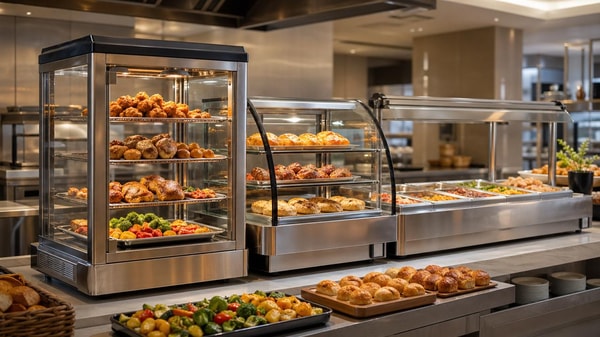
Looking ahead, several signals deserve close attention. Watch how local regulations evolve around emissions, ventilation, sanitation, and building performance. Track whether guests continue to reward visible freshness, open-kitchen theater, premium buffet presentation, and healthier foodservice formats. Observe whether labor availability improves or remains unstable. And monitor whether suppliers can provide not only product range, but coordinated documentation, customization capability, and dependable global support.
For organizations managing renovations across regions, market maturity will vary. Some projects will prioritize energy transition. Others will focus on throughput, resilience, or concept reinvention. The direction may differ, but the common pattern is clear: Hotel & Catering Equipment decisions are moving closer to core business planning.
Conclusion: how project leaders can respond with less risk and better long-term value
The renovation cycle heading into 2026 is defined by faster decision windows, more operational pressure, and higher expectations for flexibility. In that environment, Hotel & Catering Equipment should be treated as a strategic infrastructure category, not a late procurement detail. The strongest projects will connect equipment choices to workflow design, compliance readiness, energy strategy, maintenance planning, and guest experience from the earliest stages.
If your team wants to judge how these trends affect a specific property or portfolio, start by confirming five questions: which operational bottlenecks matter most, which equipment categories drive lifecycle cost, where compliance risk is highest, which service formats may expand over the next three years, and whether current suppliers can support the required pace and complexity. Those answers will do more than shape a purchase list. They will define whether a 2026 renovation delivers short-term disruption or long-term competitive advantage.
Search News
Hot Articles
- Musical InstrumentsChina Table Tennis Team Departs for London; BS EN 14904:2021 Takes EffectMay 01, 2026
- Outdoor RidesSanya Asian Beach Games Closure Triggers Halal Certification Demand for Sand Sports EquipmentMay 01, 2026
- Outdoor RidesAI Football Training Robots Export Surge After Man Utd MatchMay 01, 2026
Popular Tags
Need ExpertConsultation?
Connect with our specialized leisureengineering team for procurementstrategies.
Recommended News
 May 01, 2026Hotel and Catering Equipment Trends Shaping 2026 RenovationsHotel & Catering Equipment trends for 2026 renovations reveal smarter, cleaner, and more flexible solutions that cut risk, improve efficiency, and elevate guest experience.● Hospitality Sourcing Dir
 May 01, 2026Outdoor Patio Heaters: What Changes in Windy Dining AreasOutdoor patio heaters in windy dining areas need more than high output. Learn how wind changes comfort, efficiency, safety, and placement to choose smarter commercial heating solutions.● Hospitality Sourcing Dir
 May 01, 2026Food Warmers Commercial Models That Keep Texture, Not Just HeatFood warmers commercial buyers trust do more than hold heat—they preserve crispness, moisture, and presentation. Discover how to reduce waste and improve service quality.● Hospitality Sourcing Dir
 May 01, 2026Bakery Dough Mixers Sized Right for Batch ConsistencyBakery dough mixers sized right improve batch consistency, dough quality, and efficiency. Learn how to match capacity, torque, and dough type for reliable bakery performance.● Hospitality Sourcing Dir
 May 01, 2026Buffet Chafing Dishes in Bulk: Which Materials Age BetterBuffet chafing dishes bulk guide: compare 304 stainless steel, 201 stainless, aluminum, and coated finishes to see which materials age better, cut replacement costs, and protect buffet presentation.● Hospitality Sourcing Dir
 May 01, 2026Commercial Range Hoods and the Ventilation Problems They Actually SolveCommercial range hoods solve smoke, grease, heat, and air balance problems in commercial kitchens. Learn how they improve safety, compliance, and operating efficiency.● Hospitality Sourcing Dir
 May 01, 2026Commercial Deep Fryers: Gas or Electric for Busy Kitchens?Commercial deep fryers compared: gas or electric? Discover which option delivers faster recovery, better consistency, lower operating costs, and the right fit for busy kitchens.● Hospitality Sourcing Dir
 May 01, 2026Stainless Steel Kitchen Prep Tables and the Hygiene Details Often MissedStainless steel kitchen prep tables demand more than the right material. Discover the hidden hygiene details that impact sanitation, durability, compliance, and smarter buying.● Hospitality Sourcing Dir
 May 01, 2026Commercial Refrigerators Wholesale: Common Spec Mistakes to AvoidCommercial refrigerators wholesale buyers can avoid costly spec mistakes by checking usable capacity, temperature stability, materials, and cooling performance before bulk orders.● Hospitality Sourcing Dir
 May 01, 2026Commercial Ice Makers: When Higher Capacity Stops Saving MoneyCommercial ice makers can cut costs—but only to a point. Learn when higher capacity starts wasting energy, water, space, and budget, and how to size smarter for better ROI.● Hospitality Sourcing Dir
 May 01, 2026Bakery Ovens Commercial Models Compared by Output and FootprintBakery ovens commercial models compared by output and footprint. See which oven fits your bakery, kitchen, or production line for better efficiency, space use, and buying decisions.● Hospitality Sourcing Dir
 May 01, 2026Commercial Espresso Coffee Machines Worth Upgrading in 2026Espresso coffee machines commercial buyers planning 2026 upgrades can compare features, energy efficiency, workflow fit, and sourcing priorities to choose smarter, higher-value solutions.● Hospitality Sourcing Dir
 May 01, 2026Walk In Coolers Wholesale: What Impacts Lead Time the MostWalk in coolers wholesale lead times depend on customization, component supply, factory capacity, and shipping. Learn the biggest delay risks and how to keep projects on schedule.● Hospitality Sourcing Dir
 May 01, 2026Industrial Meat Grinders and the Hidden Cost of UndersizingIndustrial meat grinders that are too small can drive up labor, maintenance, and quality risks. Learn the hidden cost of undersizing and choose equipment that protects efficiency.● Hospitality Sourcing Dir
 May 01, 2026Soft Serve Ice Cream Machines That Fit Small Shop DemandSoft serve ice cream machines for small shops: compare compact capacity, footprint, cleaning, and long-term cost to find the right fit for cafés, kiosks, and dessert counters.● Hospitality Sourcing Dir
 May 01, 2026Why Glassware Sets Wholesale Prices Vary More Than ExpectedGlassware sets wholesale prices vary due to material, production, packaging, compliance, and freight. Learn what drives cost and source smarter with less risk.● Hospitality Sourcing Dir
 May 01, 2026What Separates Reliable Commercial Dishwashers from Costly OnesCommercial dishwashers differ by fit, hygiene, uptime, and lifecycle cost. Learn how to identify reliable models, avoid hidden expenses, and choose smarter for long-term value.● Hospitality Sourcing Dir
 May 01, 2026Ceramic Dinnerware for Restaurants That Lasts Through Daily ServiceCeramic dinnerware restaurant buyers trust should combine durability, style, and efficiency. Discover how to choose long-lasting pieces that reduce replacement costs and elevate guest experience.● Hospitality Sourcing Dir
 Apr 28, 2026What Hidden Costs Appear After New Hotel Equipment Is Installed?Hotel equipment hidden costs explained: hotel beds, hotel chairs, hotel tables, hotel furniture, custom furniture, and luxury furniture. Learn risks, TCO, and smarter sourcing.● Hospitality Sourcing Dir
 Apr 28, 2026Hotel Equipment Lists Often Miss the Items That Drive Daily OperationsHotel equipment gaps hurt daily operations. Discover how hotel furniture, hotel beds, hotel chairs, hotel tables, custom furniture and luxury furniture improve efficiency.● Hospitality Sourcing Dir
 Apr 21, 2026How hospitality procurement plans reduce replacement costsHospitality procurement cuts replacement costs by sourcing durable hotel furniture, hotel beds, hotel chairs, and hotel tables with long-term planning. Explore smarter commercial furniture strategies.● Hospitality Sourcing Dir
 Apr 21, 2026Hospitality procurement delays often start with approvalsHospitality procurement delays often begin with approvals. Learn how hotel furniture, luxury furniture, hotel beds, hotel chairs, and hotel tables sourcing can stay on schedule.● Hospitality Sourcing Dir
 Apr 21, 2026When catering equipment saves labor but slows serviceExplore how catering equipment can save labor yet slow service in hotel furniture environments. Learn smarter hospitality procurement for luxury furniture, hotel equipment, and smoother guest flow.● Hospitality Sourcing Dir
 Apr 21, 2026Catering equipment costs that often get missed at launchCatering equipment costs often missed at launch: uncover hidden expenses in hotel furniture, hotel beds, hotel chairs, soundproofing materials, and hospitality procurement to avoid delays and overspending.● Hospitality Sourcing Dir