Soft Serve Ice Cream Machines That Fit Small Shop Demand
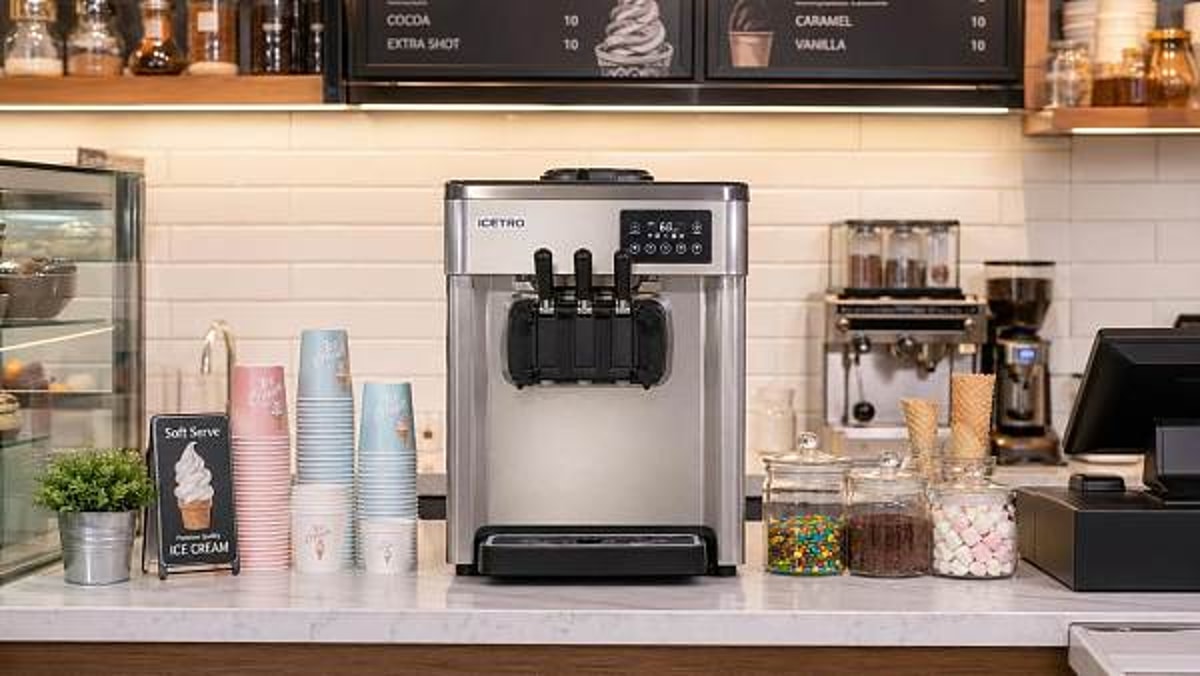
For small cafés, kiosks, and dessert counters, choosing the right soft serve ice cream machines can directly affect output, consistency, and daily operating costs. This guide explores what truly matters when matching compact equipment to small shop demand, helping buyers compare capacity, footprint, maintenance needs, and long-term value before making a smart sourcing decision.
For information-stage buyers in hospitality equipment sourcing, the challenge is rarely about finding a machine that can dispense frozen dessert. The real question is whether a unit can support 40, 80, or 150 servings per day without overinvesting in capacity, consuming excessive counter space, or creating avoidable service interruptions. In small-format foodservice environments, the wrong machine size can quickly erode margins through product waste, labor inefficiency, and downtime.
Within commercial trade, soft serve ice cream machines are part of a broader equipment decision that touches menu design, power planning, customer flow, food safety, and after-sales support. Buyers comparing compact models should focus less on headline output claims alone and more on the operating profile of the shop: peak-hour demand, mix variety, cleaning intervals, staff skill level, and available utilities. That is where a practical sourcing framework becomes valuable.
Why small shops need a different soft serve machine strategy
Small stores do not operate like high-volume dessert chains. A 12-seat café, a lobby concession counter, or a mall kiosk often works within a footprint of 5 to 20 square meters for the back counter area. In that environment, every equipment choice must balance output, storage, ventilation clearance, and staff reach. Soft serve ice cream machines that fit small shop demand are therefore selected around usable capacity, not maximum theoretical production.
A common mistake is to buy for occasional rushes rather than average daily trade. If a shop typically sells 60 to 100 servings per day, a larger machine designed for 200+ servings may increase electricity use, require more mix on hand, and complicate sanitation routines. On the other hand, undersizing a unit can produce texture inconsistency during a 30- to 60-minute peak period, especially when ambient temperature rises above 28°C.
Core demand patterns in small-format foodservice
Most small operators fit into 3 broad demand profiles: low and steady traffic, short intense peaks, or seasonal bursts. A campus kiosk may see 70% of sales in 2 windows per day. A boutique café may serve only 30 to 50 portions on weekdays but jump to 120 portions on weekends. A family entertainment venue may experience strong demand over 4 to 5 months and much lower off-season movement. Each pattern influences hopper size, recovery speed, and standby efficiency.
- Low-volume café: often 30–80 servings per day, with priority on quiet operation and easy cleaning
- Retail kiosk: often 60–150 servings per day, with priority on compact footprint and fast recovery
- Multi-use dessert counter: often 80–180 servings per day, with priority on menu flexibility and dual-flavor options
The cost of mismatch
When soft serve ice cream machines are poorly matched to demand, the hidden costs usually appear in 4 areas: labor, product loss, utility load, and customer experience. A machine that is too large may hold mix longer than ideal during slower days. A machine that is too small may need more operator intervention or longer recovery between servings. In a B2B sourcing context, both scenarios reduce return on equipment investment over a 24- to 36-month operating horizon.
The table below outlines a practical way to align shop size and traffic level with a more suitable machine category, rather than buying based on headline specifications alone.
The key takeaway is that “small shop demand” is not just about square footage. It combines sales rhythm, product turnover, staffing model, and menu ambition. Buyers that define demand in those 4 dimensions usually make more stable sourcing decisions and avoid unnecessary capacity premiums.
How to evaluate soft serve ice cream machines for compact commercial use
When comparing soft serve ice cream machines, small operators should build an evaluation grid around 6 practical criteria: output range, machine footprint, power requirement, hopper configuration, cleaning workload, and supplier support. This framework is more useful than relying on one specification sheet number because real-world performance depends on installation conditions and service discipline.
1. Output and recovery speed
For small stores, nominal output should be read alongside recovery time. A compact unit may be adequate if it handles 8 to 12 servings in a short rush without texture breakdown. If the business regularly serves groups, event bursts, or family traffic clusters, a machine with stronger freezing recovery is often more important than a larger hopper. Buyers should ask how the unit performs after 10, 20, and 30 consecutive servings, not only the hourly maximum claim.
What to check
- Practical serving range per hour under continuous use
- Recovery behavior after a 15-minute rush
- Texture consistency at the last 20% of a hopper cycle
2. Footprint and ventilation clearance
Counter space is often more expensive than the machine itself in dense retail formats. A unit may fit physically but still fail in daily use if side or rear clearance is insufficient. Many compact foodservice installations require at least 10 to 20 cm of breathing room for airflow and service access. Ignoring that detail can increase compressor strain and make routine cleaning harder.
This is especially relevant for hotel kiosks, campus outlets, and pop-up dessert counters where equipment is integrated with sinks, topping stations, and undercounter refrigeration. Before ordering, buyers should map machine depth, front operating radius, and service opening requirements in a simple 3-point layout plan.
3. Power and utility compatibility
Small-format venues do not always have generous electrical reserves. Some sites share lines with blenders, refrigerators, induction equipment, or coffee systems. That means machine power draw and startup load matter. For many compact commercial applications, buyers should confirm voltage compatibility, circuit capacity, and whether the location supports stable operation during 8 to 12 hours of service.
To simplify comparison, the following matrix helps buyers assess which specifications matter most during early-stage sourcing discussions.
This comparison shows that compact sourcing is as much about infrastructure fit as dessert output. In practical terms, a machine that installs cleanly and operates within existing site constraints may deliver better lifetime value than a nominally stronger model that requires electrical rework or workflow compromises.
4. Hopper configuration and menu flexibility
Single-flavor units often suit simple café menus and lower-volume sites. Dual-flavor or twist configurations create more merchandising opportunities but add complexity in cleaning, stocking, and operator training. For small shops, the decision should depend on menu conversion potential. If a second flavor can support premium combos, seasonal rotation, or family appeal, the added operational load may be justified. If not, a simpler format is usually more efficient.
Maintenance, hygiene, and total cost over time
For many buyers, the purchase price is only the first filter. The long-term value of soft serve ice cream machines depends on labor hours, replacement parts, downtime frequency, and sanitation discipline. A lower-priced machine can become expensive if disassembly is awkward, seals wear quickly, or local service support is limited. In small operations with 1 or 2 staff per shift, maintenance simplicity becomes a major business factor.
Daily and weekly maintenance realities
Operators should estimate not only cleaning frequency but also actual labor minutes. If a full strip-down, wash, sanitization, and reassembly cycle takes 35 to 60 minutes, that can materially affect staffing plans across 6 or 7 operating days per week. Small stores need predictable routines, easy-to-handle parts, and clear access to consumables such as seals, lubricants, and gaskets.
- Confirm the recommended cleaning schedule for the intended usage intensity.
- Ask which parts wear most often within the first 12 months.
- Check whether routine maintenance can be handled by in-house staff after training.
- Verify response time for technical support and spare parts supply.
Service support and sourcing risk
In global commercial sourcing, support structure matters as much as equipment design. Buyers should understand whether service is local, regional, or remote; whether training materials are included; and whether key wear parts can be supplied within 7 to 15 days. Even a reliable machine may become a business problem if a simple seal set or valve component takes 4 weeks to arrive during peak season.
For procurement teams, this is where working with a sourcing platform that understands hospitality equipment standards becomes useful. Product comparison should extend beyond dimensions and output into documentation quality, technical communication, packing suitability for export, and the supplier’s ability to support repeat orders or OEM adjustments when needed.
Cost categories buyers often overlook
A realistic total-cost review should include at least 5 categories: equipment purchase, installation readiness, energy use, cleaning labor, and wear-part replacement. If one machine saves 15 minutes of cleaning time per day, that improvement can become significant over 300 operating days. Likewise, if a unit reduces product inconsistency during rush periods, it can support better customer retention even at a higher initial price point.
A practical sourcing checklist for information-stage buyers
Before requesting quotations, buyers should define their operating brief. This avoids comparing soft serve ice cream machines that serve very different business models. A structured brief also helps suppliers recommend a more accurate configuration and reduces the risk of costly back-and-forth after technical review.
The 6-point pre-RFQ checklist
- Expected servings per day and peak servings per 30 minutes
- Required flavors: single, dual, or twist
- Available installation footprint and ventilation clearance
- Site voltage, circuit limitations, and operating hours
- Staff skill level and acceptable cleaning time per cycle
- Preferred spare-parts lead time and after-sales support expectations
Questions worth asking suppliers
Good supplier conversations usually move beyond brochure claims. Ask for practical operating guidance: what shop type the machine is best suited for, what demand range it handles comfortably, how often wear parts are typically replaced, and what documentation comes with shipment. If the supplier can explain these points clearly, the sourcing process becomes much more reliable.
For buyers in hospitality, leisure, and specialty retail projects, the best decision is not always the smallest machine or the most powerful machine. It is the model that aligns with the revenue pattern, service style, and technical limits of the site while leaving room for stable growth.
Choosing soft serve ice cream machines for small shop demand requires disciplined comparison across capacity, footprint, serviceability, and support readiness. When those factors are evaluated together, buyers can avoid overspecifying equipment, reduce operating friction, and protect long-term profitability in compact foodservice environments. If you are reviewing sourcing options for cafés, kiosks, hotel dessert counters, or multi-site hospitality projects, contact us to discuss product details, compare commercial configurations, and get a tailored solution for your operating profile.
Search News
Hot Articles
- Musical InstrumentsChina Table Tennis Team Departs for London; BS EN 14904:2021 Takes EffectMay 01, 2026
- Outdoor RidesSanya Asian Beach Games Closure Triggers Halal Certification Demand for Sand Sports EquipmentMay 01, 2026
- Outdoor RidesAI Football Training Robots Export Surge After Man Utd MatchMay 01, 2026
Popular Tags
Need ExpertConsultation?
Connect with our specialized leisureengineering team for procurementstrategies.
Recommended News
 May 01, 2026Hotel and Catering Equipment Trends Shaping 2026 RenovationsHotel & Catering Equipment trends for 2026 renovations reveal smarter, cleaner, and more flexible solutions that cut risk, improve efficiency, and elevate guest experience.● Hospitality Sourcing Dir
 May 01, 2026Outdoor Patio Heaters: What Changes in Windy Dining AreasOutdoor patio heaters in windy dining areas need more than high output. Learn how wind changes comfort, efficiency, safety, and placement to choose smarter commercial heating solutions.● Hospitality Sourcing Dir
 May 01, 2026Food Warmers Commercial Models That Keep Texture, Not Just HeatFood warmers commercial buyers trust do more than hold heat—they preserve crispness, moisture, and presentation. Discover how to reduce waste and improve service quality.● Hospitality Sourcing Dir
 May 01, 2026Bakery Dough Mixers Sized Right for Batch ConsistencyBakery dough mixers sized right improve batch consistency, dough quality, and efficiency. Learn how to match capacity, torque, and dough type for reliable bakery performance.● Hospitality Sourcing Dir
 May 01, 2026Buffet Chafing Dishes in Bulk: Which Materials Age BetterBuffet chafing dishes bulk guide: compare 304 stainless steel, 201 stainless, aluminum, and coated finishes to see which materials age better, cut replacement costs, and protect buffet presentation.● Hospitality Sourcing Dir
 May 01, 2026Commercial Range Hoods and the Ventilation Problems They Actually SolveCommercial range hoods solve smoke, grease, heat, and air balance problems in commercial kitchens. Learn how they improve safety, compliance, and operating efficiency.● Hospitality Sourcing Dir
 May 01, 2026Commercial Deep Fryers: Gas or Electric for Busy Kitchens?Commercial deep fryers compared: gas or electric? Discover which option delivers faster recovery, better consistency, lower operating costs, and the right fit for busy kitchens.● Hospitality Sourcing Dir
 May 01, 2026Stainless Steel Kitchen Prep Tables and the Hygiene Details Often MissedStainless steel kitchen prep tables demand more than the right material. Discover the hidden hygiene details that impact sanitation, durability, compliance, and smarter buying.● Hospitality Sourcing Dir
 May 01, 2026Commercial Refrigerators Wholesale: Common Spec Mistakes to AvoidCommercial refrigerators wholesale buyers can avoid costly spec mistakes by checking usable capacity, temperature stability, materials, and cooling performance before bulk orders.● Hospitality Sourcing Dir
 May 01, 2026Commercial Ice Makers: When Higher Capacity Stops Saving MoneyCommercial ice makers can cut costs—but only to a point. Learn when higher capacity starts wasting energy, water, space, and budget, and how to size smarter for better ROI.● Hospitality Sourcing Dir
 May 01, 2026Bakery Ovens Commercial Models Compared by Output and FootprintBakery ovens commercial models compared by output and footprint. See which oven fits your bakery, kitchen, or production line for better efficiency, space use, and buying decisions.● Hospitality Sourcing Dir
 May 01, 2026Commercial Espresso Coffee Machines Worth Upgrading in 2026Espresso coffee machines commercial buyers planning 2026 upgrades can compare features, energy efficiency, workflow fit, and sourcing priorities to choose smarter, higher-value solutions.● Hospitality Sourcing Dir
 May 01, 2026Walk In Coolers Wholesale: What Impacts Lead Time the MostWalk in coolers wholesale lead times depend on customization, component supply, factory capacity, and shipping. Learn the biggest delay risks and how to keep projects on schedule.● Hospitality Sourcing Dir
 May 01, 2026Industrial Meat Grinders and the Hidden Cost of UndersizingIndustrial meat grinders that are too small can drive up labor, maintenance, and quality risks. Learn the hidden cost of undersizing and choose equipment that protects efficiency.● Hospitality Sourcing Dir
 May 01, 2026Soft Serve Ice Cream Machines That Fit Small Shop DemandSoft serve ice cream machines for small shops: compare compact capacity, footprint, cleaning, and long-term cost to find the right fit for cafés, kiosks, and dessert counters.● Hospitality Sourcing Dir
 May 01, 2026Why Glassware Sets Wholesale Prices Vary More Than ExpectedGlassware sets wholesale prices vary due to material, production, packaging, compliance, and freight. Learn what drives cost and source smarter with less risk.● Hospitality Sourcing Dir
 May 01, 2026What Separates Reliable Commercial Dishwashers from Costly OnesCommercial dishwashers differ by fit, hygiene, uptime, and lifecycle cost. Learn how to identify reliable models, avoid hidden expenses, and choose smarter for long-term value.● Hospitality Sourcing Dir
 May 01, 2026Ceramic Dinnerware for Restaurants That Lasts Through Daily ServiceCeramic dinnerware restaurant buyers trust should combine durability, style, and efficiency. Discover how to choose long-lasting pieces that reduce replacement costs and elevate guest experience.● Hospitality Sourcing Dir
 Apr 28, 2026What Hidden Costs Appear After New Hotel Equipment Is Installed?Hotel equipment hidden costs explained: hotel beds, hotel chairs, hotel tables, hotel furniture, custom furniture, and luxury furniture. Learn risks, TCO, and smarter sourcing.● Hospitality Sourcing Dir
 Apr 28, 2026Hotel Equipment Lists Often Miss the Items That Drive Daily OperationsHotel equipment gaps hurt daily operations. Discover how hotel furniture, hotel beds, hotel chairs, hotel tables, custom furniture and luxury furniture improve efficiency.● Hospitality Sourcing Dir
 Apr 21, 2026How hospitality procurement plans reduce replacement costsHospitality procurement cuts replacement costs by sourcing durable hotel furniture, hotel beds, hotel chairs, and hotel tables with long-term planning. Explore smarter commercial furniture strategies.● Hospitality Sourcing Dir
 Apr 21, 2026Hospitality procurement delays often start with approvalsHospitality procurement delays often begin with approvals. Learn how hotel furniture, luxury furniture, hotel beds, hotel chairs, and hotel tables sourcing can stay on schedule.● Hospitality Sourcing Dir
 Apr 21, 2026When catering equipment saves labor but slows serviceExplore how catering equipment can save labor yet slow service in hotel furniture environments. Learn smarter hospitality procurement for luxury furniture, hotel equipment, and smoother guest flow.● Hospitality Sourcing Dir
 Apr 21, 2026Catering equipment costs that often get missed at launchCatering equipment costs often missed at launch: uncover hidden expenses in hotel furniture, hotel beds, hotel chairs, soundproofing materials, and hospitality procurement to avoid delays and overspending.● Hospitality Sourcing Dir