Walk In Coolers Wholesale: What Impacts Lead Time the Most
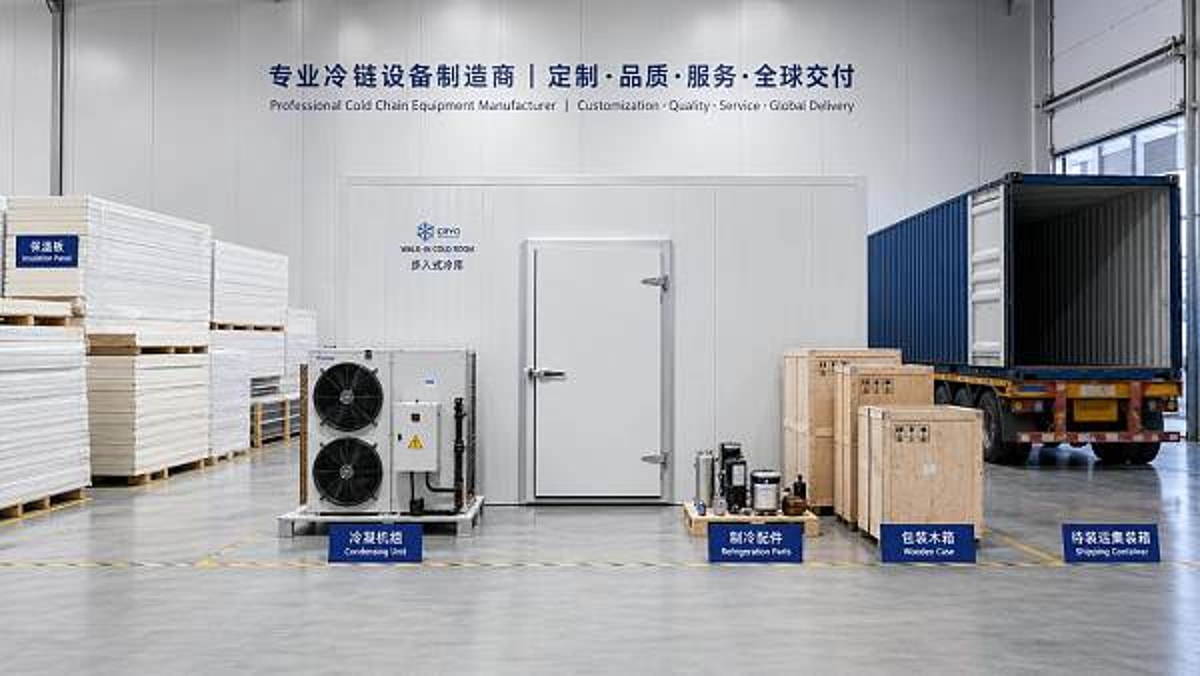
For project managers handling cold storage procurement, walk in coolers wholesale lead times can directly affect installation schedules, compliance milestones, and opening dates. From custom sizing and refrigeration system selection to factory capacity, material availability, and international shipping, several variables can delay delivery. Understanding what impacts lead time the most helps teams plan smarter, reduce risks, and keep commercial projects on track.
Why do walk in coolers wholesale lead times vary so much?
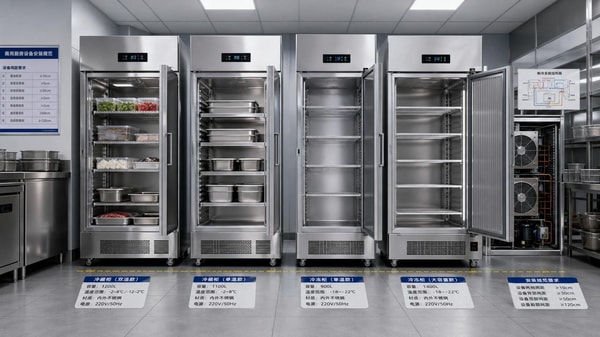
In commercial projects, lead time is rarely a single factory issue. For walk in coolers wholesale orders, the delivery window is shaped by design approval speed, engineering complexity, refrigeration component sourcing, production scheduling, packaging, shipping mode, customs processing, and site readiness. A standard cold room for a back-of-house foodservice area may move quickly, while a custom installation for a hotel, campus, leisure venue, or premium retail environment often requires more coordination.
Project managers usually face pressure from two directions at once. Internally, construction teams need fixed dates for MEP coordination, flooring, drainage, and commissioning. Externally, suppliers need confirmed specifications before locking materials and production slots. That gap between project urgency and manufacturing discipline is where delays often begin.
For buyers in hospitality, institutional, and specialty commercial sectors, the challenge is not only how to buy a walk-in cooler, but how to secure one that arrives on time, matches the installation plan, and aligns with local compliance expectations. This is where a sourcing partner with sector-specific intelligence becomes valuable. GCT helps procurement teams evaluate more than unit price by connecting technical requirements, supplier capability, and schedule risk into one sourcing view.
- Standard units generally have shorter lead times because panel sizes, door sets, and condensing unit options are already defined.
- Custom rooms take longer when layouts require non-standard dimensions, heavy traffic door systems, glass display sections, or unusual operating temperatures.
- Imported projects add shipping, port handling, and customs variability, especially when documentation is incomplete or installation accessories are split across suppliers.
What impacts walk in coolers wholesale lead time the most?
The biggest schedule drivers are usually not hidden. They are visible early, but often underestimated during procurement planning. The table below summarizes the main factors that affect walk in coolers wholesale lead time and how strongly each one can influence the final delivery date.
For most projects, the top three schedule risks are customization, refrigeration parts, and logistics. Panels can be manufactured quickly in many markets, but a cold room is not complete without matched cooling equipment, controls, and verified electrical compatibility. That is why early technical alignment matters more than rushing a purchase order.
1. Custom engineering extends approval cycles
A walk-in cooler that fits neatly into an existing drawing package is faster to release than one designed around a partially fixed site. Late changes to clear height, corner type, door handing, floor load, shelf support, or penetration openings can trigger a full drawing revision. If refrigeration load calculations also change, lead time expands again.
2. Component sourcing often moves slower than panel production
Project managers sometimes assume the entire walk in coolers wholesale package follows the same production pace. In reality, insulated panels, cam locks, and standard doors may be available sooner than condensing units, digital controllers, expansion valves, or low-ambient accessories. If one critical component is delayed, the entire shipment may wait.
3. Site coordination can create hidden delays after shipment
Even if the goods leave the factory on time, the project can still lose days or weeks if the installation area is not ready. Unfinished drainage, incorrect power provision, insufficient ceiling clearance, or delayed floor curing can stop installation crews. In practice, procurement lead time should include site interface readiness, not only ex-factory timing.
How standard and custom walk-in coolers compare on schedule risk
When evaluating walk in coolers wholesale options, project managers should separate schedule discussions into standard versus custom supply. This distinction affects approval complexity, pricing flexibility, and risk exposure. The comparison below helps teams decide which route better fits a live project timeline.
The key takeaway is simple: standard solutions usually protect schedule, while custom solutions protect operational fit. The right choice depends on whether your project is constrained more by opening date or by performance, workflow, and spatial integration requirements.
Which technical decisions slow procurement the most?
Room size, panel thickness, and operating temperature
Larger rooms require more engineering review for panel strength, floor loading, and refrigeration capacity. Panel thickness depends on temperature targets and ambient conditions. A medium-temperature cooler for produce or beverages is different from a low-temperature freezer. If the application shifts midstream, both insulation and cooling specifications may need revision.
Door configuration and traffic pattern
A simple hinged door is usually faster to source than a heavy-duty sliding door, pass-through arrangement, or view panel configuration. High-frequency access, trolley movement, or pallet traffic can also require reinforced thresholds, protective hardware, or strip curtains. These are small items in appearance, but they influence the final bill of materials and delivery promise.
Electrical standards and refrigerant choices
Voltage, phase, frequency, and control requirements must be confirmed early for international projects. The same applies to refrigerant selection, especially where local regulations or client sustainability policies shape acceptable options. Delays often happen when the supplier prices one electrical standard while the site requires another, forcing redesign or component substitution.
- Confirm internal dimensions and external footprint separately to avoid space conflicts.
- Lock operating temperature range before finalizing panel thickness and refrigeration load.
- Verify power supply, controller language needs, and installation conditions at the destination site.
How project managers can reduce walk in coolers wholesale delays before ordering
Lead time control starts before the purchase order. Many delays come from incomplete procurement packages, not poor manufacturing alone. A disciplined pre-order process helps suppliers commit to more realistic production dates and reduces the chance of post-confirmation changes.
- Issue a complete requirement brief including room dimensions, target temperature, ambient conditions, door type, power supply, and intended product load.
- Request a clear split between panel lead time, refrigeration lead time, and shipping lead time instead of one combined estimate.
- Ask whether key components are stocked, made to order, or sourced from third-party vendors with separate schedules.
- Review shop drawings with construction, MEP, and operations teams together so revisions happen once, not repeatedly.
- Build a schedule buffer for customs, inland delivery, and installation sequencing, especially in multi-trade fit-out environments.
For complex sourcing across hospitality, education, leisure, and specialty retail projects, GCT supports buyers by translating technical procurement needs into comparable sourcing decisions. That means fewer blind spots between specification, manufacturing capability, and final site delivery.
What should be checked for compliance and installation readiness?
Compliance is not only a legal topic. It is also a schedule topic. When documents, electrical details, or safety expectations are unresolved, shipment approvals and installation handover can stall. For walk in coolers wholesale projects serving commercial kitchens, institutional foodservice, or regulated storage environments, several checkpoints should be reviewed early.
A well-run project treats these checkpoints as procurement gates, not afterthoughts. This is especially important when cold rooms are part of larger commercial environments where food safety, brand presentation, and operating continuity all matter.
Common mistakes that make walk in coolers wholesale take longer
- Approving a quote before confirming the final site dimensions, then requesting size changes after production planning has started.
- Focusing only on insulated panel lead time and overlooking the separate schedule for refrigeration systems and controls.
- Assuming international freight is predictable during peak seasons or holiday periods without checking container and port conditions.
- Leaving compliance details, operating temperature assumptions, or electrical standards undefined until after supplier confirmation.
- Scheduling installation before the floor, power, drainage, and access route are truly ready for cold room assembly.
These are avoidable issues. The stronger the coordination between procurement, design, and site execution, the more stable the delivery plan becomes. For project managers, the goal is not merely buying faster. It is buying with fewer disruptions downstream.
FAQ: practical questions project teams ask most
How long does walk in coolers wholesale usually take?
It depends on whether the unit is standard or custom, whether refrigeration equipment is in stock, and whether shipping is domestic or international. In practice, project teams should ask for a segmented timeline covering engineering approval, production, outbound logistics, customs, and site delivery instead of relying on one headline number.
What is the fastest way to shorten lead time?
The fastest route is to reduce uncertainty. Finalize dimensions early, select standard options where acceptable, confirm electrical and temperature requirements, and request supply chain visibility for major components. A supplier can only move quickly when the specification is stable.
Is a custom cold room always worth the extra wait?
Not always. If the project is a simple replacement or a fast-track opening, a standard configuration may be the better commercial decision. Customization becomes more valuable when space constraints, workflow demands, aesthetic integration, or operational temperature needs cannot be solved by a standard unit.
What should be included in an RFQ for walk in coolers wholesale?
Include internal and external dimensions, target storage temperature, ambient installation conditions, floor requirement, panel thickness preference if known, door type, access pattern, voltage and phase, destination country, required documents, and expected installation date. The more complete the RFQ, the more reliable the lead time commitment.
Why work with GCT when planning walk in coolers wholesale procurement?
Commercial cold storage sourcing is not just a product search. It is a coordination task across design intent, supplier capability, logistics reality, and project deadlines. GCT supports buyers in hospitality, education, leisure, and specialty commercial sectors with sourcing intelligence built around real procurement decisions, not generic catalog descriptions.
If you are planning walk in coolers wholesale for a new build, renovation, or multi-site rollout, you can consult GCT on key points such as parameter confirmation, standard versus custom selection, delivery cycle assessment, destination-market requirements, packaging and shipping planning, and supplier comparison for complex commercial applications.
- Need help verifying dimensions, temperature range, or refrigeration configuration before RFQ release.
- Need a clearer view of realistic lead time by product type, factory capacity, and logistics route.
- Need support comparing custom and standard options for schedule, cost, and installation complexity.
- Need guidance on documentation, compliance expectations, or quotation communication for international sourcing.
For project managers, the smartest move is to address lead time risk before it becomes a construction delay. Contact GCT to discuss your application scenario, technical requirements, target delivery window, certification concerns, sample or drawing support needs, and quotation planning for walk in coolers wholesale procurement.
Search News
Hot Articles
- Musical InstrumentsChina Table Tennis Team Departs for London; BS EN 14904:2021 Takes EffectMay 01, 2026
- Outdoor RidesSanya Asian Beach Games Closure Triggers Halal Certification Demand for Sand Sports EquipmentMay 01, 2026
- Outdoor RidesAI Football Training Robots Export Surge After Man Utd MatchMay 01, 2026
Popular Tags
Need ExpertConsultation?
Connect with our specialized leisureengineering team for procurementstrategies.
Recommended News
 May 01, 2026Hotel and Catering Equipment Trends Shaping 2026 RenovationsHotel & Catering Equipment trends for 2026 renovations reveal smarter, cleaner, and more flexible solutions that cut risk, improve efficiency, and elevate guest experience.● Hospitality Sourcing Dir
 May 01, 2026Outdoor Patio Heaters: What Changes in Windy Dining AreasOutdoor patio heaters in windy dining areas need more than high output. Learn how wind changes comfort, efficiency, safety, and placement to choose smarter commercial heating solutions.● Hospitality Sourcing Dir
 May 01, 2026Food Warmers Commercial Models That Keep Texture, Not Just HeatFood warmers commercial buyers trust do more than hold heat—they preserve crispness, moisture, and presentation. Discover how to reduce waste and improve service quality.● Hospitality Sourcing Dir
 May 01, 2026Bakery Dough Mixers Sized Right for Batch ConsistencyBakery dough mixers sized right improve batch consistency, dough quality, and efficiency. Learn how to match capacity, torque, and dough type for reliable bakery performance.● Hospitality Sourcing Dir
 May 01, 2026Buffet Chafing Dishes in Bulk: Which Materials Age BetterBuffet chafing dishes bulk guide: compare 304 stainless steel, 201 stainless, aluminum, and coated finishes to see which materials age better, cut replacement costs, and protect buffet presentation.● Hospitality Sourcing Dir
 May 01, 2026Commercial Range Hoods and the Ventilation Problems They Actually SolveCommercial range hoods solve smoke, grease, heat, and air balance problems in commercial kitchens. Learn how they improve safety, compliance, and operating efficiency.● Hospitality Sourcing Dir
 May 01, 2026Commercial Deep Fryers: Gas or Electric for Busy Kitchens?Commercial deep fryers compared: gas or electric? Discover which option delivers faster recovery, better consistency, lower operating costs, and the right fit for busy kitchens.● Hospitality Sourcing Dir
 May 01, 2026Stainless Steel Kitchen Prep Tables and the Hygiene Details Often MissedStainless steel kitchen prep tables demand more than the right material. Discover the hidden hygiene details that impact sanitation, durability, compliance, and smarter buying.● Hospitality Sourcing Dir
 May 01, 2026Commercial Refrigerators Wholesale: Common Spec Mistakes to AvoidCommercial refrigerators wholesale buyers can avoid costly spec mistakes by checking usable capacity, temperature stability, materials, and cooling performance before bulk orders.● Hospitality Sourcing Dir
 May 01, 2026Commercial Ice Makers: When Higher Capacity Stops Saving MoneyCommercial ice makers can cut costs—but only to a point. Learn when higher capacity starts wasting energy, water, space, and budget, and how to size smarter for better ROI.● Hospitality Sourcing Dir
 May 01, 2026Bakery Ovens Commercial Models Compared by Output and FootprintBakery ovens commercial models compared by output and footprint. See which oven fits your bakery, kitchen, or production line for better efficiency, space use, and buying decisions.● Hospitality Sourcing Dir
 May 01, 2026Commercial Espresso Coffee Machines Worth Upgrading in 2026Espresso coffee machines commercial buyers planning 2026 upgrades can compare features, energy efficiency, workflow fit, and sourcing priorities to choose smarter, higher-value solutions.● Hospitality Sourcing Dir
 May 01, 2026Walk In Coolers Wholesale: What Impacts Lead Time the MostWalk in coolers wholesale lead times depend on customization, component supply, factory capacity, and shipping. Learn the biggest delay risks and how to keep projects on schedule.● Hospitality Sourcing Dir
 May 01, 2026Industrial Meat Grinders and the Hidden Cost of UndersizingIndustrial meat grinders that are too small can drive up labor, maintenance, and quality risks. Learn the hidden cost of undersizing and choose equipment that protects efficiency.● Hospitality Sourcing Dir
 May 01, 2026Soft Serve Ice Cream Machines That Fit Small Shop DemandSoft serve ice cream machines for small shops: compare compact capacity, footprint, cleaning, and long-term cost to find the right fit for cafés, kiosks, and dessert counters.● Hospitality Sourcing Dir
 May 01, 2026Why Glassware Sets Wholesale Prices Vary More Than ExpectedGlassware sets wholesale prices vary due to material, production, packaging, compliance, and freight. Learn what drives cost and source smarter with less risk.● Hospitality Sourcing Dir
 May 01, 2026What Separates Reliable Commercial Dishwashers from Costly OnesCommercial dishwashers differ by fit, hygiene, uptime, and lifecycle cost. Learn how to identify reliable models, avoid hidden expenses, and choose smarter for long-term value.● Hospitality Sourcing Dir
 May 01, 2026Ceramic Dinnerware for Restaurants That Lasts Through Daily ServiceCeramic dinnerware restaurant buyers trust should combine durability, style, and efficiency. Discover how to choose long-lasting pieces that reduce replacement costs and elevate guest experience.● Hospitality Sourcing Dir
 Apr 28, 2026What Hidden Costs Appear After New Hotel Equipment Is Installed?Hotel equipment hidden costs explained: hotel beds, hotel chairs, hotel tables, hotel furniture, custom furniture, and luxury furniture. Learn risks, TCO, and smarter sourcing.● Hospitality Sourcing Dir
 Apr 28, 2026Hotel Equipment Lists Often Miss the Items That Drive Daily OperationsHotel equipment gaps hurt daily operations. Discover how hotel furniture, hotel beds, hotel chairs, hotel tables, custom furniture and luxury furniture improve efficiency.● Hospitality Sourcing Dir
 Apr 21, 2026How hospitality procurement plans reduce replacement costsHospitality procurement cuts replacement costs by sourcing durable hotel furniture, hotel beds, hotel chairs, and hotel tables with long-term planning. Explore smarter commercial furniture strategies.● Hospitality Sourcing Dir
 Apr 21, 2026Hospitality procurement delays often start with approvalsHospitality procurement delays often begin with approvals. Learn how hotel furniture, luxury furniture, hotel beds, hotel chairs, and hotel tables sourcing can stay on schedule.● Hospitality Sourcing Dir
 Apr 21, 2026When catering equipment saves labor but slows serviceExplore how catering equipment can save labor yet slow service in hotel furniture environments. Learn smarter hospitality procurement for luxury furniture, hotel equipment, and smoother guest flow.● Hospitality Sourcing Dir
 Apr 21, 2026Catering equipment costs that often get missed at launchCatering equipment costs often missed at launch: uncover hidden expenses in hotel furniture, hotel beds, hotel chairs, soundproofing materials, and hospitality procurement to avoid delays and overspending.● Hospitality Sourcing Dir