Industrial Meat Grinders and the Hidden Cost of Undersizing
Choosing industrial meat grinders that are too small for actual production demand can quietly erode efficiency, product consistency, and long-term profitability. For technical evaluators, undersizing is not just a capacity issue—it affects motor load, grinding quality, maintenance frequency, and workflow stability. Understanding these hidden costs is essential for making sourcing decisions that support reliable commercial performance.
Why undersized industrial meat grinders create bigger operational problems than expected
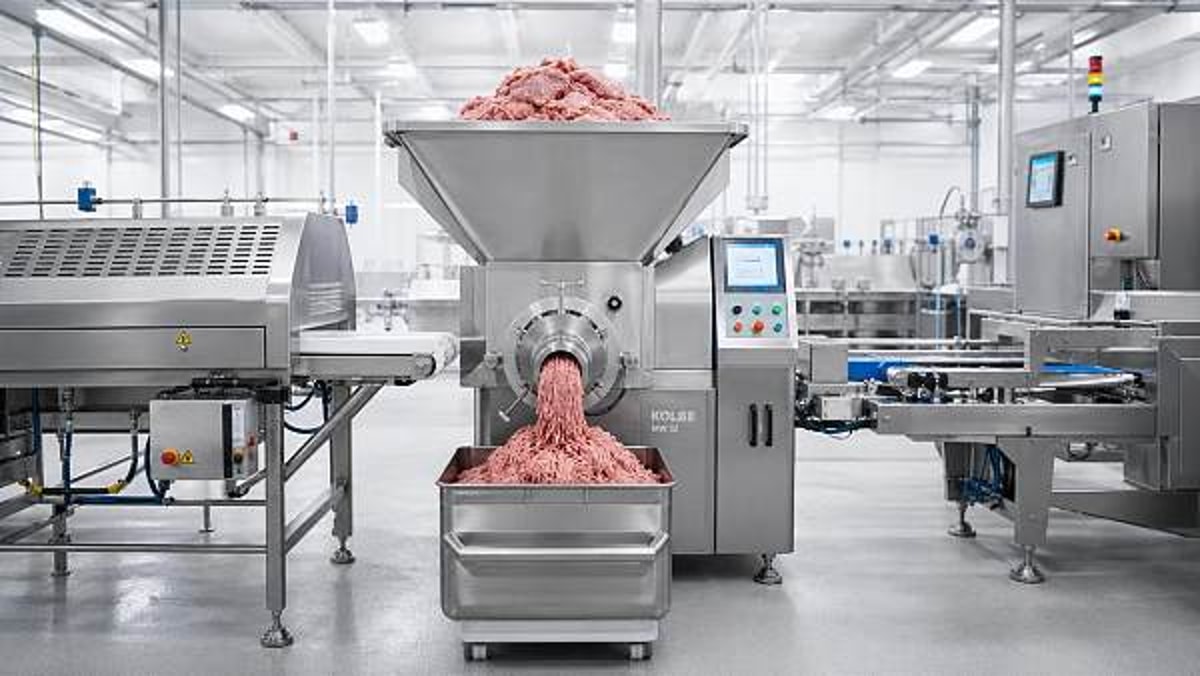
In commercial food preparation, an industrial meat grinder is rarely a standalone machine. It sits inside a wider production chain that may include trimming, mixing, forming, stuffing, chilling, packaging, and sanitation. When the grinder is undersized, the bottleneck does not stay at the grinding stage alone. It pushes stress upstream and downstream, causing labor congestion, uneven batch timing, and avoidable downtime across the whole line.
For technical evaluation teams in hotels, central kitchens, catering groups, institutional foodservice, and processing workshops, the mistake often begins with a narrow focus on nameplate throughput. A supplier may list kilograms per hour, but actual output depends on raw material temperature, fat ratio, sinew content, plate size, feeding consistency, and duty cycle. A grinder that looks sufficient on paper can become overloaded in real production.
This matters in the broader commercial equipment market served by Global Commercial Trade, where buyers need sourcing intelligence that connects machine specification to operating reality. For buyers managing hospitality projects or multi-site foodservice environments, selecting industrial meat grinders should support not only today’s demand but also future menu changes, seasonal peaks, and compliance expectations.
- Higher motor strain during extended operation, which can shorten component life and increase heat buildup.
- Inconsistent particle size when operators push the unit beyond its stable working range.
- More frequent stoppages for clearing jams, trimming material differently, or resting the motor.
- Reduced sanitation efficiency because longer run times and more handling raise contamination risk points.
What hidden costs should technical evaluators measure before selecting industrial meat grinders?
The direct purchase price of industrial meat grinders is only one part of the cost picture. Technical evaluators should quantify the penalties created by undersizing in terms of labor, maintenance, waste, process interruption, and quality deviation. These costs are often fragmented across departments, which is why they are easy to miss during procurement approval.
The table below outlines common cost categories that become more visible when a grinder operates too close to its ceiling for long periods.
For many buyers, the key insight is simple: a lower-capacity unit may reduce capital expenditure at purchase, but total ownership cost can rise quickly when demand grows or peak-hour production becomes routine. That is why technical due diligence should include realistic load profiles, not just catalog output figures.
How to evaluate capacity beyond the headline throughput number
Capacity assessment for industrial meat grinders should start with actual use conditions. A grinder processing chilled boneless meat for hotel banquet preparation performs differently from one handling mixed cuts for sausages, patties, or institutional meal production. Technical evaluators should ask not only “How much per hour?” but also “Under what material conditions, with what plate size, and for how long?”
Key technical variables that change real output
- Raw material temperature: colder material usually cuts cleaner, but if partially frozen or inconsistent, it may require higher torque.
- Fat and connective tissue content: higher sinew loads can increase resistance and reduce stable throughput.
- Plate and knife configuration: finer plates reduce output while raising load, especially on smaller machines.
- Continuous duty expectations: some operations need uninterrupted production windows rather than short-burst usage.
- Operator behavior: aggressive feeding can create jams and quality instability if the grinder is undersized.
A practical rule for procurement is to size the machine to routine production plus a capacity buffer for growth, shift compression, or menu expansion. In many commercial settings, running an industrial meat grinder at a moderate proportion of its practical capacity is more economical than pushing a smaller unit close to overload every day.
Comparison analysis: right-sized vs undersized industrial meat grinders
Technical evaluators often need a side-by-side decision framework. The following comparison shows how a right-sized solution differs from an undersized one in commercial operating terms, not just in purchase price.
The procurement takeaway is not that bigger is always better. Oversizing without process need can also be inefficient. The goal is fit-for-purpose capacity, supported by realistic demand mapping and technical validation of material characteristics, duty cycle, and sanitation workflow.
Which commercial scenarios are most vulnerable to grinder undersizing?
Some environments feel the impact of undersized industrial meat grinders faster than others. This is especially true where service timing, batch uniformity, and food safety discipline are tightly linked to production flow.
High-risk use cases
- Hotel central kitchens preparing large banquet volumes in compressed production windows. Delays at grinding can affect stuffing, cooking, and dispatch schedules.
- Institutional catering operations serving schools, hospitals, or campuses, where repeatable texture and predictable batch timing matter every day.
- Butcher shops and specialty retail food counters expanding value-added products such as sausages, patties, or seasoned mince.
- Small processing workshops planning growth, where current demand appears manageable but promotional peaks or contract wins can quickly exceed equipment limits.
For project buyers working across commercial spaces, these scenarios show why equipment sourcing should be linked to business development plans. GCT’s value in this context is not simply product visibility. It is the ability to help buyers compare supplier capability, production logic, and sourcing fit across hospitality and specialty commercial applications.
Procurement guide: what technical evaluators should verify before approving industrial meat grinders
A disciplined sourcing process can prevent expensive misalignment. Before approving industrial meat grinders, technical evaluators should gather comparable information from suppliers and test it against actual production needs.
Essential verification checklist
- Rated throughput under defined test conditions, including product type, feed method, and plate size.
- Motor power, transmission design, and expected continuous duty capability rather than only short-run output.
- Availability of wear parts such as knives, plates, seals, and food-contact components.
- Disassembly, cleaning access, and sanitation time per shift, especially where hygiene labor is a major cost.
- Electrical compatibility, footprint, feeding height, and integration with upstream preparation tables or downstream filling systems.
- Documentation for food-contact materials and relevant market compliance expectations.
If possible, request a sample test using your own material profile. This is particularly useful when the production mix includes higher-fat recipes, chilled meat blocks, or more demanding texture targets. A realistic test gives better decision support than a generic brochure claim.
What standards and compliance points matter in commercial sourcing?
When sourcing industrial meat grinders for international or multi-site projects, compliance should be reviewed as a practical risk issue, not just a paperwork formality. Requirements vary by destination market, but technical evaluators commonly review electrical safety, food-contact material suitability, machine guarding, cleanability, and documentation quality.
The table below summarizes common areas to confirm during supplier screening and quotation comparison.
For international procurement teams, these checks also help reduce delays at project execution stage. Missing documentation or unclear material declarations can create avoidable friction after the purchase order is placed.
Common misconceptions about industrial meat grinders and capacity planning
“If it can process the daily volume, it is large enough”
Not necessarily. Daily volume alone ignores peak-hour compression, sanitation breaks, operator availability, and line coordination. A machine may cover nominal daily demand yet still disrupt operations because it cannot complete batches within the required production window.
“A smaller unit saves money with no real downside”
This assumption often fails once maintenance, labor drag, and product inconsistency are considered. In commercial environments, the cost of delay can exceed the price gap between machine sizes over a relatively short period.
“Throughput numbers from different suppliers are directly comparable”
They are only comparable if the testing basis is similar. Technical evaluators should normalize the comparison by asking about material temperature, hole plate size, product type, and run duration. Without that context, one supplier’s figure may not reflect another supplier’s operating assumptions.
FAQ for buyers assessing industrial meat grinders
How much capacity buffer should commercial buyers plan for?
There is no universal number, but buyers commonly plan for more than current average demand. The right buffer depends on batch schedule, menu variability, and expected growth. If your operation has seasonal peaks, compressed prep windows, or plans to add processed meat products, a buffer can prevent early replacement and operational strain.
Are industrial meat grinders for hospitality different from those for light processing workshops?
Yes, the operating context differs. Hospitality kitchens often prioritize flexibility, sanitation speed, and integration into varied menus. Light processing workshops may prioritize continuous duty, repeatable texture, and compatibility with forming or stuffing equipment. The same nominal capacity may not fit both use cases equally well.
What should be included in a supplier RFQ?
Include target hourly output, daily batch volume, product type, raw material condition, desired grind size, electrical requirements, cleaning expectations, destination market, and any documentation or spare-parts requirements. A detailed RFQ improves quote accuracy and reduces mismatched offers.
When does it make sense to consider alternatives?
Search News
Hot Articles
- Musical InstrumentsChina Table Tennis Team Departs for London; BS EN 14904:2021 Takes EffectMay 01, 2026
- Outdoor RidesSanya Asian Beach Games Closure Triggers Halal Certification Demand for Sand Sports EquipmentMay 01, 2026
- Outdoor RidesAI Football Training Robots Export Surge After Man Utd MatchMay 01, 2026
Popular Tags
Need ExpertConsultation?
Connect with our specialized leisureengineering team for procurementstrategies.
Recommended News
 May 01, 2026Hotel and Catering Equipment Trends Shaping 2026 RenovationsHotel & Catering Equipment trends for 2026 renovations reveal smarter, cleaner, and more flexible solutions that cut risk, improve efficiency, and elevate guest experience.● Hospitality Sourcing Dir
 May 01, 2026Outdoor Patio Heaters: What Changes in Windy Dining AreasOutdoor patio heaters in windy dining areas need more than high output. Learn how wind changes comfort, efficiency, safety, and placement to choose smarter commercial heating solutions.● Hospitality Sourcing Dir
 May 01, 2026Food Warmers Commercial Models That Keep Texture, Not Just HeatFood warmers commercial buyers trust do more than hold heat—they preserve crispness, moisture, and presentation. Discover how to reduce waste and improve service quality.● Hospitality Sourcing Dir
 May 01, 2026Bakery Dough Mixers Sized Right for Batch ConsistencyBakery dough mixers sized right improve batch consistency, dough quality, and efficiency. Learn how to match capacity, torque, and dough type for reliable bakery performance.● Hospitality Sourcing Dir
 May 01, 2026Buffet Chafing Dishes in Bulk: Which Materials Age BetterBuffet chafing dishes bulk guide: compare 304 stainless steel, 201 stainless, aluminum, and coated finishes to see which materials age better, cut replacement costs, and protect buffet presentation.● Hospitality Sourcing Dir
 May 01, 2026Commercial Range Hoods and the Ventilation Problems They Actually SolveCommercial range hoods solve smoke, grease, heat, and air balance problems in commercial kitchens. Learn how they improve safety, compliance, and operating efficiency.● Hospitality Sourcing Dir
 May 01, 2026Commercial Deep Fryers: Gas or Electric for Busy Kitchens?Commercial deep fryers compared: gas or electric? Discover which option delivers faster recovery, better consistency, lower operating costs, and the right fit for busy kitchens.● Hospitality Sourcing Dir
 May 01, 2026Stainless Steel Kitchen Prep Tables and the Hygiene Details Often MissedStainless steel kitchen prep tables demand more than the right material. Discover the hidden hygiene details that impact sanitation, durability, compliance, and smarter buying.● Hospitality Sourcing Dir
 May 01, 2026Commercial Refrigerators Wholesale: Common Spec Mistakes to AvoidCommercial refrigerators wholesale buyers can avoid costly spec mistakes by checking usable capacity, temperature stability, materials, and cooling performance before bulk orders.● Hospitality Sourcing Dir
 May 01, 2026Commercial Ice Makers: When Higher Capacity Stops Saving MoneyCommercial ice makers can cut costs—but only to a point. Learn when higher capacity starts wasting energy, water, space, and budget, and how to size smarter for better ROI.● Hospitality Sourcing Dir
 May 01, 2026Bakery Ovens Commercial Models Compared by Output and FootprintBakery ovens commercial models compared by output and footprint. See which oven fits your bakery, kitchen, or production line for better efficiency, space use, and buying decisions.● Hospitality Sourcing Dir
 May 01, 2026Commercial Espresso Coffee Machines Worth Upgrading in 2026Espresso coffee machines commercial buyers planning 2026 upgrades can compare features, energy efficiency, workflow fit, and sourcing priorities to choose smarter, higher-value solutions.● Hospitality Sourcing Dir
 May 01, 2026Walk In Coolers Wholesale: What Impacts Lead Time the MostWalk in coolers wholesale lead times depend on customization, component supply, factory capacity, and shipping. Learn the biggest delay risks and how to keep projects on schedule.● Hospitality Sourcing Dir
 May 01, 2026Industrial Meat Grinders and the Hidden Cost of UndersizingIndustrial meat grinders that are too small can drive up labor, maintenance, and quality risks. Learn the hidden cost of undersizing and choose equipment that protects efficiency.● Hospitality Sourcing Dir
 May 01, 2026Soft Serve Ice Cream Machines That Fit Small Shop DemandSoft serve ice cream machines for small shops: compare compact capacity, footprint, cleaning, and long-term cost to find the right fit for cafés, kiosks, and dessert counters.● Hospitality Sourcing Dir
 May 01, 2026Why Glassware Sets Wholesale Prices Vary More Than ExpectedGlassware sets wholesale prices vary due to material, production, packaging, compliance, and freight. Learn what drives cost and source smarter with less risk.● Hospitality Sourcing Dir
 May 01, 2026What Separates Reliable Commercial Dishwashers from Costly OnesCommercial dishwashers differ by fit, hygiene, uptime, and lifecycle cost. Learn how to identify reliable models, avoid hidden expenses, and choose smarter for long-term value.● Hospitality Sourcing Dir
 May 01, 2026Ceramic Dinnerware for Restaurants That Lasts Through Daily ServiceCeramic dinnerware restaurant buyers trust should combine durability, style, and efficiency. Discover how to choose long-lasting pieces that reduce replacement costs and elevate guest experience.● Hospitality Sourcing Dir
 Apr 28, 2026What Hidden Costs Appear After New Hotel Equipment Is Installed?Hotel equipment hidden costs explained: hotel beds, hotel chairs, hotel tables, hotel furniture, custom furniture, and luxury furniture. Learn risks, TCO, and smarter sourcing.● Hospitality Sourcing Dir
 Apr 28, 2026Hotel Equipment Lists Often Miss the Items That Drive Daily OperationsHotel equipment gaps hurt daily operations. Discover how hotel furniture, hotel beds, hotel chairs, hotel tables, custom furniture and luxury furniture improve efficiency.● Hospitality Sourcing Dir
 Apr 21, 2026How hospitality procurement plans reduce replacement costsHospitality procurement cuts replacement costs by sourcing durable hotel furniture, hotel beds, hotel chairs, and hotel tables with long-term planning. Explore smarter commercial furniture strategies.● Hospitality Sourcing Dir
 Apr 21, 2026Hospitality procurement delays often start with approvalsHospitality procurement delays often begin with approvals. Learn how hotel furniture, luxury furniture, hotel beds, hotel chairs, and hotel tables sourcing can stay on schedule.● Hospitality Sourcing Dir
 Apr 21, 2026When catering equipment saves labor but slows serviceExplore how catering equipment can save labor yet slow service in hotel furniture environments. Learn smarter hospitality procurement for luxury furniture, hotel equipment, and smoother guest flow.● Hospitality Sourcing Dir
 Apr 21, 2026Catering equipment costs that often get missed at launchCatering equipment costs often missed at launch: uncover hidden expenses in hotel furniture, hotel beds, hotel chairs, soundproofing materials, and hospitality procurement to avoid delays and overspending.● Hospitality Sourcing Dir