NBA 3-2-1 Lottery Reform Drives VR Viewing Hardware Demand
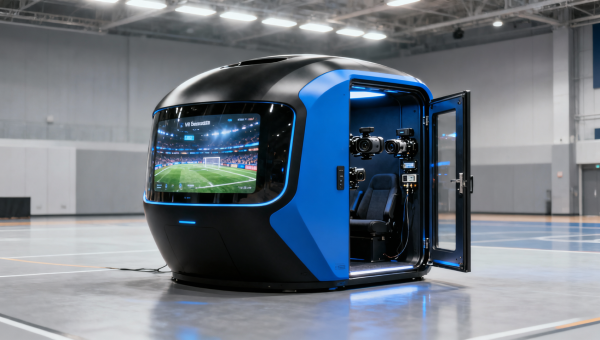
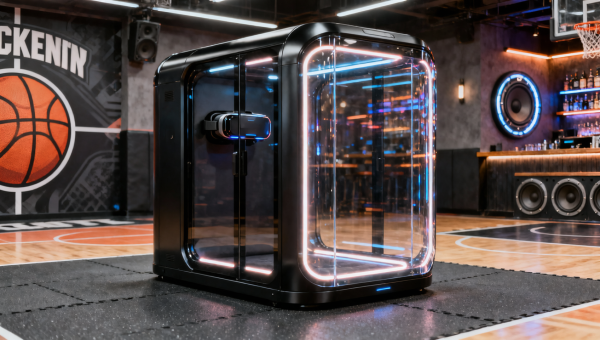
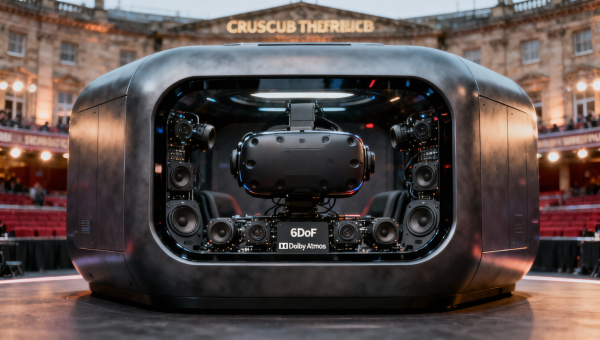
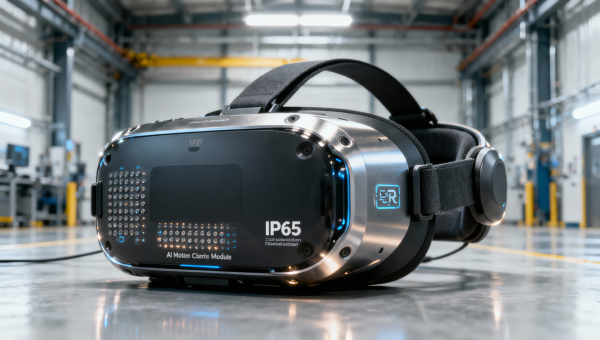
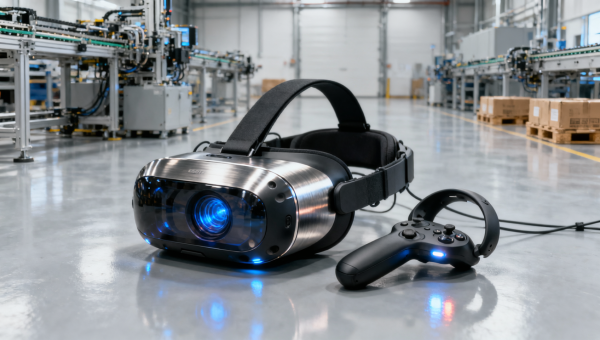
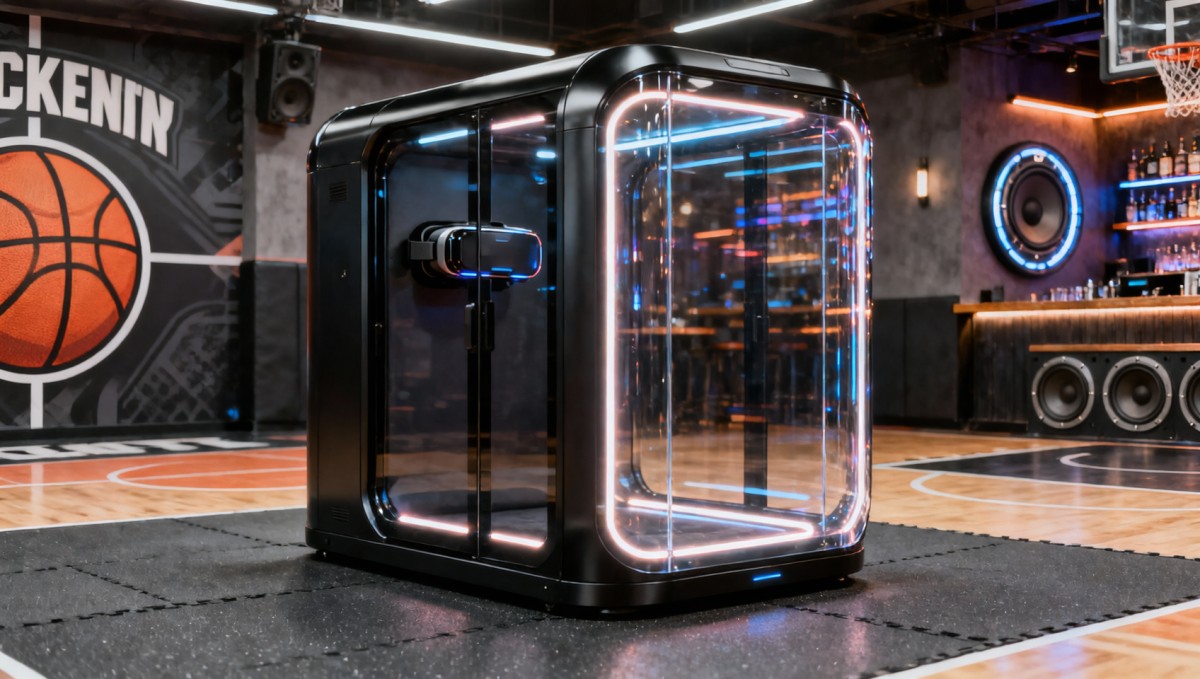
NBA’s April 29, 2026 announcement of the ‘3-2-1 Lottery’ reform—including the introduction of a ‘relegation zone’ for the three worst-performing teams—has triggered measurable demand shifts across immersive sports technology supply chains. Commercial VR viewing pods, remote commentary terminals, and venue-grade immersive systems are now facing accelerated procurement cycles in North America, the Middle East, and Southeast Asia—particularly within hotel entertainment spaces, bar chains, and sports-themed venues. This development warrants close attention from hardware manufacturers, system integrators, and regional distribution partners serving the live-sports experience infrastructure market.
Event Overview
On April 29, 2026, the National Basketball Association (NBA) officially unveiled its ‘3-2-1 Lottery’ reform plan. The initiative introduces a formal ‘relegation zone’ applying to the three teams with the worst regular-season records. This structural change is designed to extend playoff suspense and intensify viewer engagement during the final stretch of the regular season. No further implementation timelines, eligibility criteria, or governance details beyond this initial announcement have been publicly released.
Industries Affected
Commercial VR Hardware Manufacturers
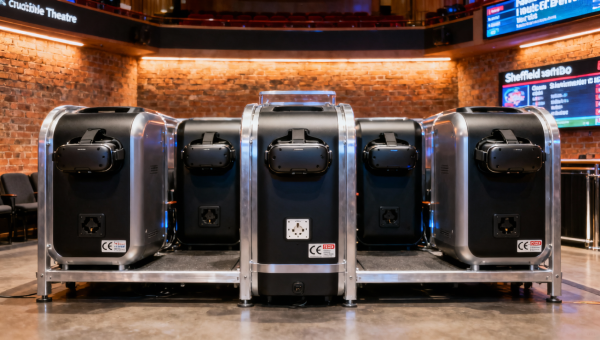
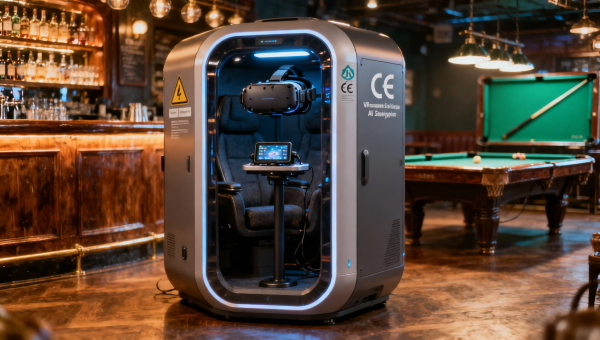
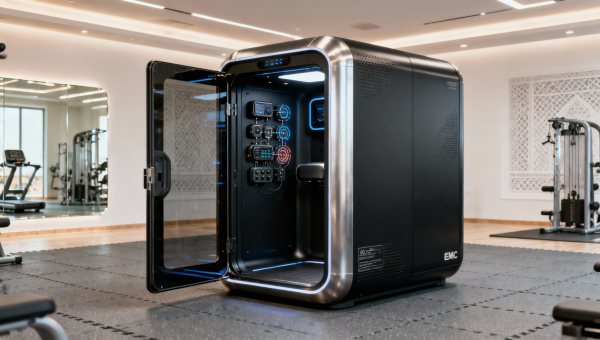
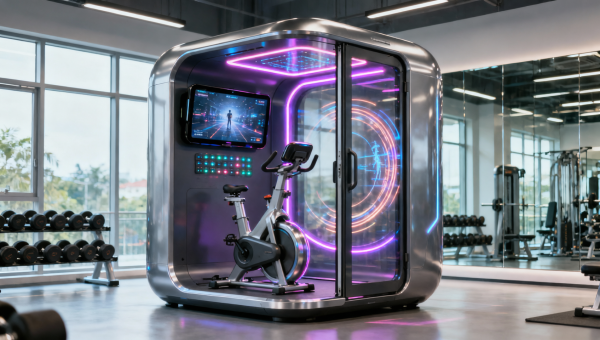
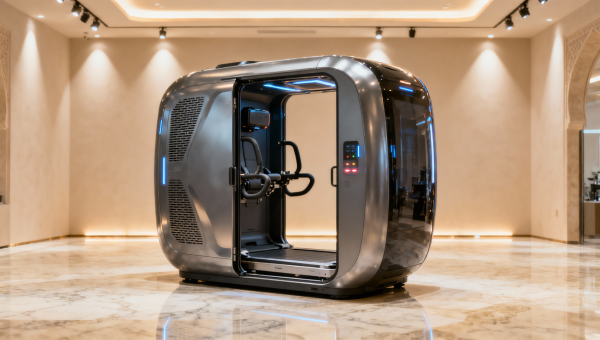
Manufacturers of standalone VR viewing pods—especially those certified for multi-user, public-space deployment—are directly impacted. The new lottery structure increases the number and frequency of high-stakes, late-season games that require real-time, low-latency broadcast switching and synchronized multi-perspective rendering. As a result, product specifications related to streaming protocol support (e.g., CMAF, WebRTC), GPU-accelerated viewpoint interpolation, and concurrent session scalability are becoming key evaluation criteria for B2B buyers.
System Integrators & Venue Technology Providers
Firms deploying end-to-end immersive viewing solutions in hospitality and F&B venues face revised integration requirements. With heightened demand for seamless transitions between live game feeds, pre-recorded analysis, and interactive overlays—especially during tightly clustered late-season matchups—the need for standardized API frameworks, edge-based rendering orchestration, and failover-ready network topologies has intensified. Integration projects initiated after Q2 2026 are increasingly scoped to accommodate variable-duration, high-frequency broadcast windows.
Regional Distributors & Channel Partners (North America, Middle East, Southeast Asia)
Distributors serving hotel groups, sports bar operators, and themed entertainment venues report accelerated RFQ timelines and expanded technical pre-qualification requests. Buyers now explicitly reference ‘3-2-1 scheduling resilience’ and ‘relegation-zone broadcast density’ as procurement filters—indicating a shift from static hardware evaluation to dynamic operational readiness assessment. Inventory planning must now account for potential Q4 2026–Q1 2027 deployment surges tied to preseason adoption cycles.
What Enterprises and Practitioners Should Monitor and Do
Track official NBA communications on implementation timing and scope
The current announcement outlines only structural intent—not rollout phases, team eligibility thresholds, or enforcement mechanisms. Analysis shows that actual hardware procurement decisions will depend heavily on whether the relegation zone triggers additional broadcast windows, extended replay review protocols, or new studio production formats—all of which would cascade into updated technical requirements.
Validate compatibility with high-frequency, multi-feed streaming workloads
Current more-than-15-minute gap between major broadcast events may shrink under the new format. Observation shows that devices certified for single-stream, long-form delivery may not meet latency or synchronization tolerances required for rapid-switching scenarios. Testing against simulated 3–5 minute feed rotation benchmarks is now advisable for product roadmaps.
Distinguish policy signal from near-term procurement impact
While the reform is confirmed, no NBA-issued technical specification documents or vendor qualification guidelines have yet been published. From an industry perspective, early RFPs referencing the reform reflect forward-looking buyer awareness—not finalized standards. Companies should treat such inquiries as signals for capability alignment, not immediate contract triggers.
Prepare for localized certification and deployment logistics
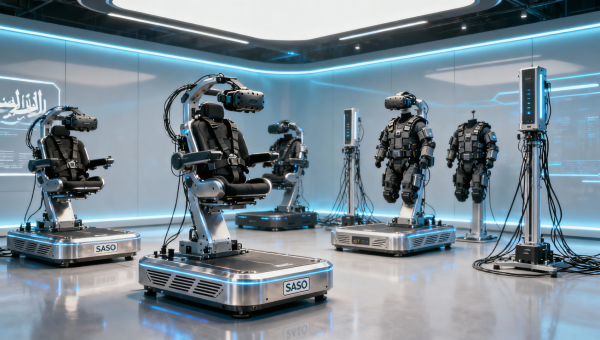
Regions like the Middle East and Southeast Asia impose distinct regulatory requirements for public-space VR hardware—including thermal safety, user duration limits, and local language UI compliance. Current more-active procurement interest in these markets means lead times for regional certifications (e.g., SASO, SIRIM) and multilingual firmware updates should be prioritized ahead of Q3 2026.
Editorial Perspective / Industry Observation
This reform is best understood not as a standalone rule change—but as a catalyst exposing latent capacity gaps in sports media infrastructure. Observably, it accelerates the convergence of broadcast scheduling logic and hardware performance requirements. Analysis shows that while the ‘relegation zone’ itself is a competitive mechanism, its primary industry effect lies in compressing temporal margins for live content delivery—thereby elevating the value of deterministic low-latency rendering, adaptive streaming resilience, and modular system architecture. It remains a policy signal rather than an operational reality; sustained monitoring of NBA’s technical working group outputs and early-adopter venue deployments will clarify whether this evolves into a structural inflection point or a transitional scheduling experiment.
In summary, the NBA’s 3-2-1 Lottery reform functions less as a sports governance update and more as a demand-shaping event for immersive viewing technology providers. Its significance lies not in immediate revenue generation, but in sharpening technical priorities across hardware design, integration workflows, and regional go-to-market planning. For stakeholders, the most constructive stance is one of calibrated readiness—not reactive scaling.
Source: NBA Official Press Release, April 29, 2026. Note: Implementation details, technical specifications, and league-wide broadcast protocol updates remain pending and are subject to ongoing observation.
Search News
Hot Articles
Popular Tags
Need ExpertConsultation?
Connect with our specialized leisureengineering team for procurementstrategies.
Recommended News
 Apr 29, 2026VR Sports Viewing Booth Demand Rises After Wu Yize vs. SelbyVR Sports Viewing Booth demand surges globally after Wu Yize’s win over Selby—key for exporters, OEMs & cert providers in ME, AU, CA.● Theme Park Strategist
 Apr 29, 2026NBA 3-2-1 Lottery Reform Drives VR Viewing Hardware DemandNBA 3-2-1 Lottery reform fuels VR viewing hardware demand—boosting sales of commercial VR pods, immersive systems & remote commentary terminals across North America, ME & SEA.● Theme Park Strategist
 Apr 28, 2026Global VR Fitness Device Export Prices Rise 12% — China Leads in Delivery ReliabilityVR fitness device export prices surge 12% globally — China leads in delivery reliability. Discover key compliance shifts, market impacts & strategic actions for exporters, OEMs & logistics providers.● Theme Park Strategist
 Apr 28, 2026Snooker World Championship 'China Derby' Drives VR Viewing DemandSnooker World Championship 'China Derby' drives surging VR viewing demand—boosting exports of VR pods, low-latency streaming & Dolby Atmos-certified AI audio solutions globally.● Theme Park Strategist
 Apr 28, 2026BWF 15-Point System to Launch in 2027: Impacts on Timing, Broadcast & Data SystemsBWF 15-point system launching in 2027 — impacts timing displays, broadcast encoders & data platforms. Discover compliance steps for OEMs, venues & AI video providers.● Theme Park Strategist
 Apr 27, 2026Snooker World Championship 'China Derby' Drives VR Viewing DemandVR viewing demand surges after Snooker World Championship 'China Derby' — key opportunity for VR hardware, localization & compliance firms in UK/EU markets.● Theme Park Strategist
 Apr 27, 2026Global VR Fitness Equipment Export Prices Rise 12.3% QoQVR fitness equipment export prices surge 12.3% QoQ — discover why IPX5, ISO 20685, and cloud readiness now drive premium pricing & market share.● Theme Park Strategist
 Apr 27, 2026SASO Updates EMC Rules for VR & Immersive Fitness Devices in Saudi ArabiaSASO EMC updates for VR & immersive fitness devices in Saudi Arabia—Class B compliance mandatory from 25 Apr 2026. Act now to avoid delays & ensure market access.● Theme Park Strategist
 Apr 26, 2026Global VR Fitness Equipment Export Prices Up 12% in Q1 2026VR fitness equipment export prices surge 12.3% in Q1 2026 — discover why reliability-driven pricing is reshaping global gym hardware procurement.● Theme Park Strategist
 Apr 26, 2026SASO Updates EMC Standard for VR Motion Devices in Saudi ArabiaSASO EMC standard update for VR motion devices in Saudi Arabia—Class B limits effective Oct 2026. Ensure compliance now to avoid customs delays & market access risks.● Theme Park Strategist
 Apr 26, 2026Snooker World Championship 'China Derby' Drives VR Viewing DemandSnooker World Championship 'China Derby' drives surging VR viewing demand—CE/UKCA-certified hardware, AI commentary & rapid logistics now critical for venues.● Theme Park Strategist
 Apr 25, 2026Global VR Fitness Equipment Export Prices Up 12% in Q1 2026VR fitness equipment export prices rose 12% in Q1 2026 — discover why $2,840/unit reflects rising value, not just cost, and how OTD leadership reshapes global sourcing.● Theme Park Strategist
 Apr 25, 2026SASO Updates EMC Standard for VR Haptic Devices in Saudi ArabiaSASO updates EMC standard SR 2305:2026 for VR haptic devices in Saudi Arabia—Class B compliance now mandatory for fitness pods & training stations. Act now to avoid port delays.● Theme Park Strategist
![]() Apr 25, 2026Vietnam Enforces Local Type Testing for Commercial VR Fitness CabinsVR fitness cabins for commercial use in Vietnam must now pass local type testing & TÜV SÜD-VN certification—key for exporters, distributors & OEMs. Act before April 24, 2026.● Theme Park Strategist
Apr 25, 2026Vietnam Enforces Local Type Testing for Commercial VR Fitness CabinsVR fitness cabins for commercial use in Vietnam must now pass local type testing & TÜV SÜD-VN certification—key for exporters, distributors & OEMs. Act before April 24, 2026.● Theme Park Strategist Apr 24, 2026Global VR Fitness Equipment Export Prices Up 12% QoQVR fitness equipment export prices surge 12% QoQ to $4,280 — driven by EU 2026/789 & UL 62368-1:Ed4 compliance. Key insight for exporters, suppliers & logistics teams.● Theme Park Strategist
 Apr 24, 2026Vietnam TUV SUD New Rule: VR Fitness Cabins Require Local Type TestVR fitness cabins entering Vietnam now require local type testing per new TUV SUD rule—impacting exporters, distributors & supply chains. Act now to avoid delays & added costs.● Theme Park Strategist
 Apr 24, 2026SASO Updates EMC Standard for VR Motion Devices in Saudi ArabiaSASO EMC update for VR motion devices in Saudi Arabia: Class B compliance now mandatory for fitness, entertainment & edutainment pods—avoid customs rejection!● Theme Park Strategist
 Apr 23, 2026Global VR Fitness Device Export Prices Rise 12% QoQVR fitness device export prices surge 12% QoQ to $3,820 — discover why IP65, AI calibration & 98.7% on-time delivery now define premium global supply.● Theme Park Strategist
 Apr 23, 2026Vietnam TUV SUD Enforces Local Type Testing for VR Fitness CabinsVR fitness cabins entering Vietnam must now undergo local TUV SUD type testing—mandatory from Apr 22, 2026. Learn costs, timelines & compliance steps.● Theme Park Strategist
 Apr 23, 2026SASO Updates EMC Standard for VR Motion Devices to Class BSASO Updates EMC Standard for VR Motion Devices to Class B: Critical compliance shift for VR fitness pods, AR/VR amusement systems & exporters targeting Saudi Arabia.● Theme Park Strategist
 Apr 22, 2026SASO Updates EMC Standard for VR Haptic Devices in Saudi ArabiaSASO EMC standard update for VR haptic devices in Saudi Arabia: Class B compliance required by July 1, 2026 — critical for VR treadmills, AR walls & training pods.● Theme Park Strategist
 Apr 22, 2026Global VR Fitness Device Export Price Up 12% in Q1 2026VR fitness device export prices surge 12% to $1,842/unit in Q1 2026 — discover why China’s 38-day lead times are reshaping global procurement strategies.● Theme Park Strategist
 Apr 22, 2026Vietnam TUV SUD New Rule: VR Fitness Pods Require Local Type TestVR fitness pods now require local type testing in Vietnam per TUV SUD’s new rule—impacting exporters, costs & lead times. Act now!● Theme Park Strategist
 Apr 22, 2026Why Some Arcade Games Perform Well at First Then Fade FastArcade games can shine early then fade fast. Learn how trampoline park, indoor playground, and adventure playground buyers can spot ROI risks and choose longer-lasting winners.● Theme Park Strategist