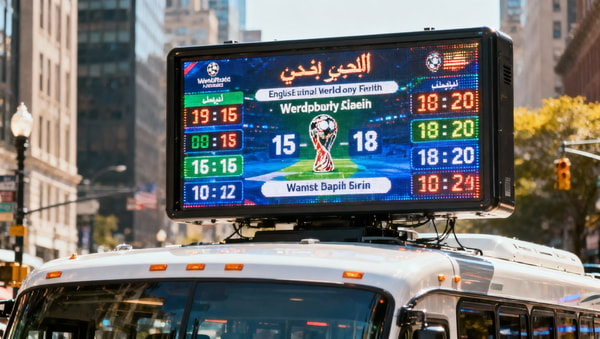
Premier League Fan Screen Export: FCC/ISED Dual Testing Delay
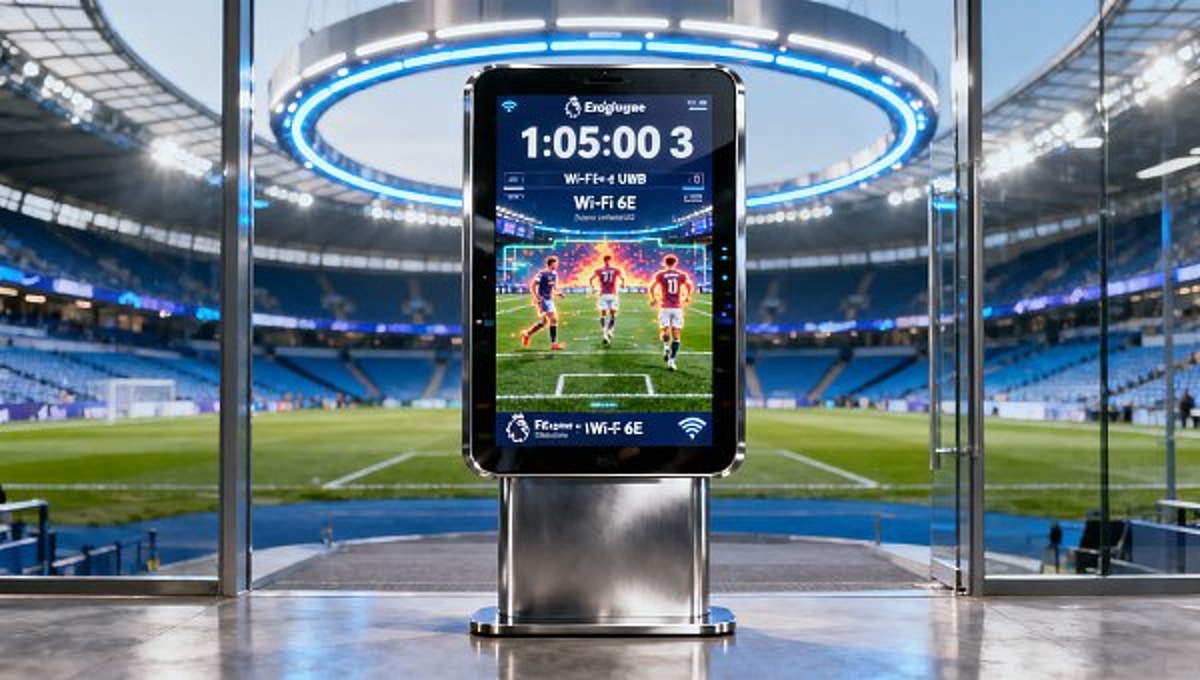
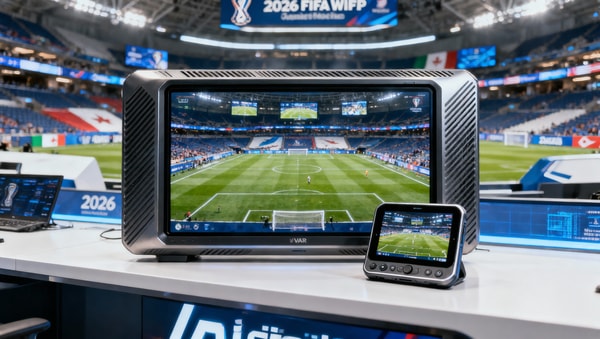
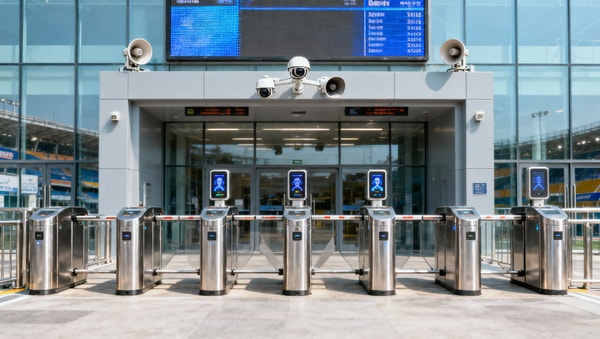
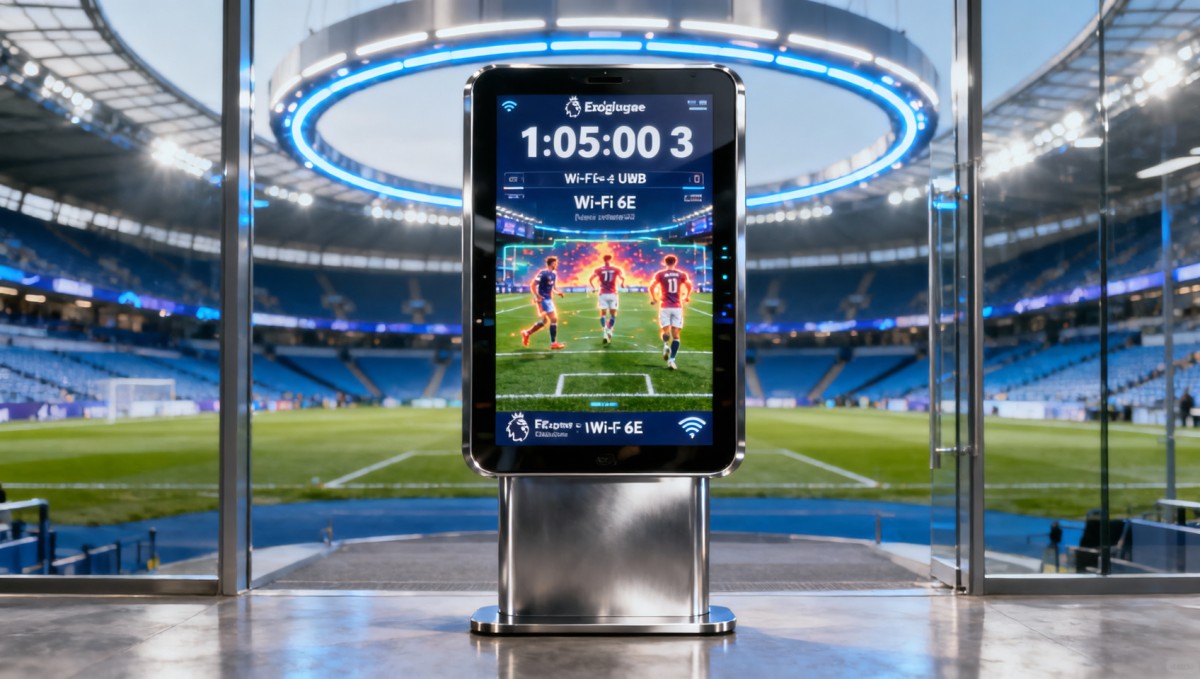
On May 3, 2026—just ahead of the Manchester United vs. Liverpool 'Red Match'—a wave of verification requests from North American buyers triggered a temporary hold on shipment clearance for Wi-Fi 6E + UWB-enabled fan interaction displays. The incident highlights urgent compliance challenges for electronics exporters targeting both U.S. and Canadian markets, particularly those in smart stadium tech, consumer IoT hardware, and cross-border B2B display systems.
Event Overview
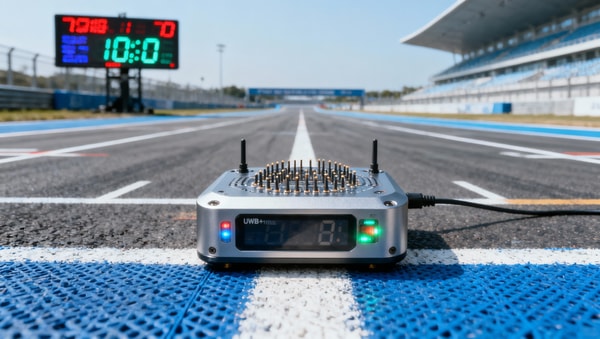
On May 3, 2026, multiple North American procurement clients notified Chinese suppliers that fan interaction displays—equipped with Wi-Fi 6E and Ultra-Wideband (UWB) positioning—must concurrently meet FCC Part 15B (radiated emission limits) and ISED RSS-102 (RF exposure evaluation) requirements. Due to inconsistencies between the two standards regarding antenna isolation distance and power density calculation methods, three customers paused final inspection pending cross-validated test reports from manufacturers.
Industries Affected
Direct Export Trading Firms
These firms face delayed revenue recognition and potential contract penalties when shipments stall at pre-shipment inspection. Impact manifests as extended lead times, increased third-party lab coordination costs, and heightened documentation burden for dual-market submissions.
Electronics Contract Manufacturers (ECMs)
Manufacturers integrating Wi-Fi 6E and UWB modules must re-evaluate RF layout, shielding design, and thermal management—not just for performance, but for divergent regulatory modeling assumptions. Re-testing under both FCC and ISED frameworks may require hardware revisions or firmware-level power control adjustments.
Supply Chain Compliance Service Providers
Testing labs, certification consultants, and regulatory documentation agencies are seeing rising demand for FCC/ISED parallel assessment packages. However, current capacity is constrained by limited availability of accredited labs capable of performing both evaluations using harmonized measurement setups.
Distribution & Channel Partners in North America
Importers and regional distributors risk inventory misalignment if certified units arrive late or fail post-import verification. Their ability to fulfill time-bound retail or venue deployment schedules—e.g., ahead of high-profile sporting events—is directly impacted by upstream compliance readiness.
Key Considerations and Recommended Actions
Monitor official guidance on harmonization efforts
Neither the FCC nor ISED has published joint interpretation documents for Wi-Fi 6E/UWB coexistence testing. Companies should track updates from both agencies’ engineering divisions—and specifically watch for any ISED advisory notices referencing FCC Part 15B alignment.
Prioritize product variants by market entry sequence
Given the added complexity, it is more practical to pursue FCC certification first for U.S.-bound units, then adapt the same test data for ISED submission where permissible—or prepare separate test plans where algorithmic differences (e.g., spatial averaging vs. peak SAR) necessitate distinct setups.
Distinguish between regulatory signal and operational reality
The current pause reflects buyer risk mitigation—not a new regulation. No formal amendment to FCC Part 15B or ISED RSS-102 was issued on May 3, 2026. Companies should avoid treating this as a policy shift until official updates are confirmed.
Prepare cross-lab coordination protocols now
Develop internal checklists for sharing antenna placement schematics, firmware power profiles, and test configuration logs between FCC-accredited and ISED-accredited labs. Early alignment reduces rework and accelerates report reconciliation.
Editorial Observation / Industry Insight
Observably, this episode functions less as a regulatory milestone and more as a supply chain stress test—exposing latent gaps in how dual-market electronics exporters model RF compliance across jurisdictions. Analysis shows that inconsistent computational approaches (e.g., RSS-102’s localized SAR evaluation versus Part 15B’s field strength limits) are increasingly material for devices combining high-bandwidth wireless protocols with precise proximity sensing. From an industry perspective, it signals growing pressure on integrators to embed regulatory logic—not just hardware—into early-stage design reviews. Current conditions suggest this is a procedural friction point, not yet a systemic barrier—but one requiring structured response rather than ad hoc remediation.
In summary, the May 3, 2026 coordination challenge underscores that RF compliance for next-generation interactive hardware is evolving from a checklist exercise into a multi-jurisdictional engineering discipline. It does not indicate a new rule, but rather reveals how existing standards interact unpredictably when applied to emerging wireless stacks. For stakeholders, the situation is best understood as an early indicator of tightening interoperability expectations—not a compliance endpoint, but a process inflection point.
Source: Verified procurement communications and supplier notifications dated May 3, 2026. Ongoing verification of lab report acceptance status by affected customers remains pending.
Search News
Hot Articles
- Pro Stage AudioPremier League Fan Screen Export: FCC/ISED Dual Testing DelayMay 03, 2026
- Indoor PlaygroundCBA Game Triggers SASO 5853 Acoustic Certification Demand for Smart Basketball FloorsMay 03, 2026
- Hotel Room AmenitiesAC Milan’s Smart Locker Room Procurement Triggers UNI 11743 Compliance ReviewMay 03, 2026
Popular Tags
Need ExpertConsultation?
Connect with our specialized leisureengineering team for procurementstrategies.
Recommended News
 May 03, 2026Premier League Fan Screen Export: FCC/ISED Dual Testing DelayPremier League Fan Screen Export: FCC/ISED dual testing delay hits Wi-Fi 6E + UWB stadium displays—learn how smart hardware exporters can navigate compliance friction before next big match.● Pro Audio Engineer
 May 03, 2026Zhongshan Smart Scoreboard Export: SASO Energy Testing UpdateZhongshan smart scoreboard export update: SASO energy testing now requires ≤0.5W standby power — critical for sports electronics exporters targeting Saudi Arabia & GCC markets.● Pro Audio Engineer
 May 03, 2026Yunnan Yukuin vs. Beijing Guoan: LED Stadium Systems Demand EU Re-TestingLED stadium systems demand EU re-testing after Yunnan Yukuin vs. Beijing Guoan match—urgent CE+UKCA & IP66 condensation data needed for export compliance.● Pro Audio Engineer
 May 02, 2026London Table Tennis World Championships: Smart Table Delivery Window Tightens to 10 Working DaysLondon Table Tennis World Championships: Smart table import window tightens to 10 working days—act now to meet UKCA & BS EN 14904:2021 deadlines.● Pro Audio Engineer
 May 01, 2026FIFA Clears Iran for 2026 World Cup: Demand Rises for Multilingual Fan Screens in US, Mexico, CanadaMultilingual fan screens surge as FIFA clears Iran for 2026 World Cup—URGENT demand for Persian-enabled, FCC/UL-certified LED displays in US, Mexico, Canada fan zones.● Pro Audio Engineer
 May 01, 2026China Men's Basketball Warm-ups in Hangzhou Drive LED Court System Export DemandChina Men's Basketball Hangzhou warm-ups fuel global demand for FIBA-certified LED court systems—urgent export opportunities for compliant suppliers in SEA & Eastern Europe.● Pro Audio Engineer
 Apr 30, 2026China's LED Scoreboard Passes BWF 2026 Standards at Thomas CupChina's LED scoreboard meets BWF 2026 standards — certified for Thomas Cup, multilingual display & anti-glare tech. Discover what it means for your venue.● Pro Audio Engineer
 Apr 30, 2026Soundproofing materials that work better than thicker wallsSoundproofing materials that outperform thicker walls: compare damping, absorption, and decoupling options to cut noise, save space, and improve commercial acoustic results.● Pro Audio Engineer
 Apr 30, 2026How to compare microphone systems for different room sizesMicrophone systems compared by room size: learn how to evaluate pickup, coverage, DSP, and RF stability for small, medium, and large spaces to choose smarter, lower-risk solutions.● Pro Audio Engineer
 Apr 30, 2026Live sound equipment failures that usually start at setupLive sound equipment failures often begin at setup. Learn the early warning signs, key risk points, and smart sourcing tips to prevent costly audio issues.● Pro Audio Engineer
 Apr 30, 2026Recording studio gear upgrades that matter more than price tagsRecording studio gear upgrades that matter most aren’t always expensive. Learn how acoustics, monitoring, interfaces, and workflow tools deliver better sound, efficiency, and ROI.● Pro Audio Engineer
 Apr 30, 2026Commercial sound systems and the hidden cost of poor coverageCommercial sound systems with poor coverage can raise hidden costs, hurt clarity, and damage customer experience. Learn how to evaluate smarter solutions before buying.● Pro Audio Engineer
 Apr 29, 2026Kenya Marathon Record Break Sparks Demand for Racing Sensor ChipsRacing sensor chips surge in demand after Kenya's marathon record—RFID+UWB fusion modules with IP68, –20°C–60°C & ISO/IEC 18000-63 compliance now sought globally.● Pro Audio Engineer
 Apr 28, 2026Kenyan Marathon WR Break Drives Demand for Timing Chips & Track SensorsTiming chips & track sensors surge after Kenyan marathon WR—discover how UWB+BLE timing tech, EN compliance, and −20°C sensor resilience drive global demand.● Pro Audio Engineer
 Apr 27, 2026BWF Adopts 15-Point Scoring System from Jan 2027BWF 15-point scoring system (2027) drives urgent firmware, UI & AI replay upgrades for LED displays, broadcast tech & venue integrators—act now.● Pro Audio Engineer
 Apr 26, 2026BYD Confirms F1 Entry Talks: China’s Racing Electronics & Carbon Fiber Export Window OpensBYD’s F1 entry talks open China’s racing electronics & carbon fiber export window—FIA-certified sensors, composites & data systems in demand.● Pro Audio Engineer
 Apr 25, 2026Fan Zhendong Promotes Chinese AI Ping-Pong Table in Silicon ValleyAI ping-pong table by Fan Zhendong & MLTT debuts in Silicon Valley—smart sports hardware meets edge AI, radar tracking & coaching analytics. Discover the future of table tennis tech.● Pro Audio Engineer
 Apr 24, 2026FIFA Adopts Chinese Mini-LED Displays for 2026 World Cup VAR SystemFIFA adopts Chinese Mini-LED displays for 2026 World Cup VAR—ultra-low latency (≤3ms), 1500+ nits, FIFA TMS 4.2 certified. Game-changing for sports tech suppliers.● Pro Audio Engineer
 Apr 24, 2026Fan Zhendong Visits Silicon Valley as MLTT Investor, AI Ping-Pong Tech Draws US InterestAI ping-pong tech: Fan Zhendong’s MLTT-backed smart table & coaching system draws US youth training interest—edge AI, radar sensing, pilot orders inbound.● Pro Audio Engineer
 Apr 24, 2026FIBA Women's World Cup 2026 Draw: China in 'Group of Death', Lighting & Timing Systems Export Window OpensFIBA Women's World Cup 2026 draw sparks global demand for FIBA Level 3–certified LED lighting & timing systems—act now to qualify.● Pro Audio Engineer
 Apr 23, 2026China Upgrades Security Compliance for International Sports EventsChina mandates ISO 22301 business continuity planning for venues hosting international sports events—key for stadium tech, ops, and compliance providers.● Pro Audio Engineer
 Apr 22, 2026China's UWB Timing System Gains ITU Certification at Haiwan EventChina's UWB timing system wins ITU-T Y.3506 certification—key for sports tech exporters targeting GCC & SADC stadium tenders.● Pro Audio Engineer
 Apr 24, 2026Music Production Tools That Save Setup TimeMusic production tools that save setup time help venues and studios deploy faster. Learn smart sourcing for hospitality procurement, hotel sofas, and playground planning.● Pro Audio Engineer
 Apr 24, 2026Best Music Production Tools for Small StudiosMusic production tools for small studios: compare scalable setups, sourcing tips, and smart procurement for hospitality procurement, hotel room furniture, and playground planning projects.● Pro Audio Engineer