Yunnan Yukuin vs. Beijing Guoan: LED Stadium Systems Demand EU Re-Testing
On May 2, 2026, a Chinese Super League match between Yunnan Yukuin and Beijing Guoan at the Yuxi Highland Sports Center triggered renewed demand from European buyers for updated CE+UKCA certification reports and IP66 anti-condensation test data for commercial LED sports lighting systems — highlighting implications for export-oriented lighting manufacturers, certification service providers, and supply chain stakeholders serving the EU market.
Event Overview
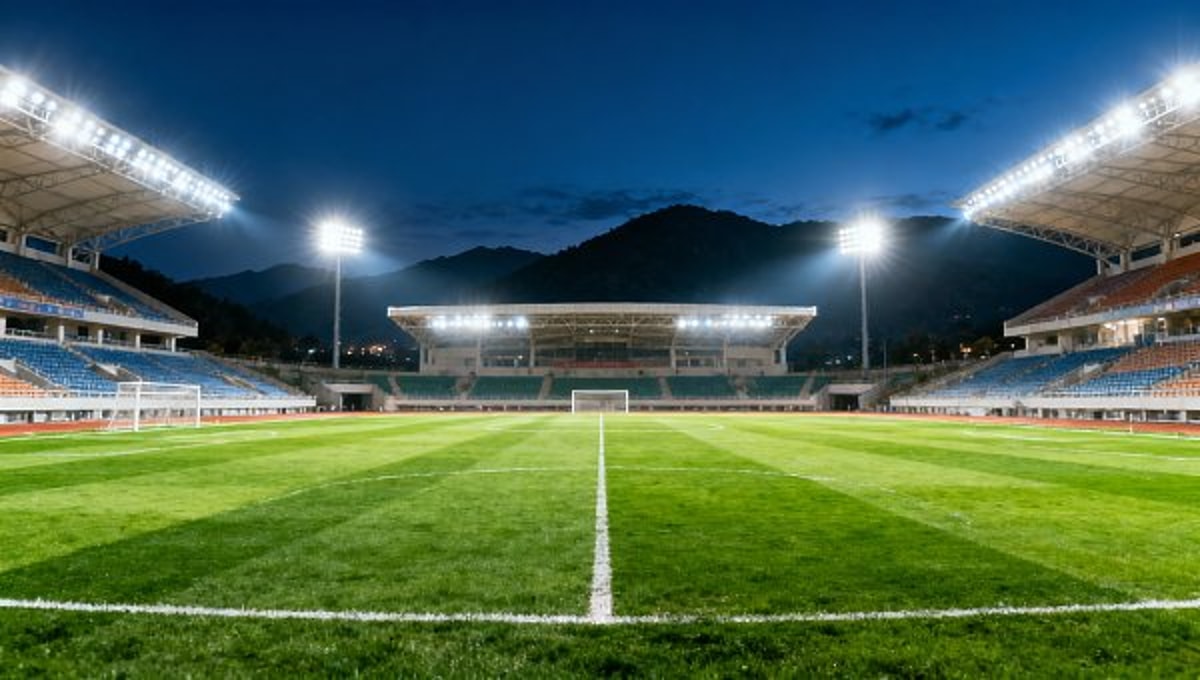
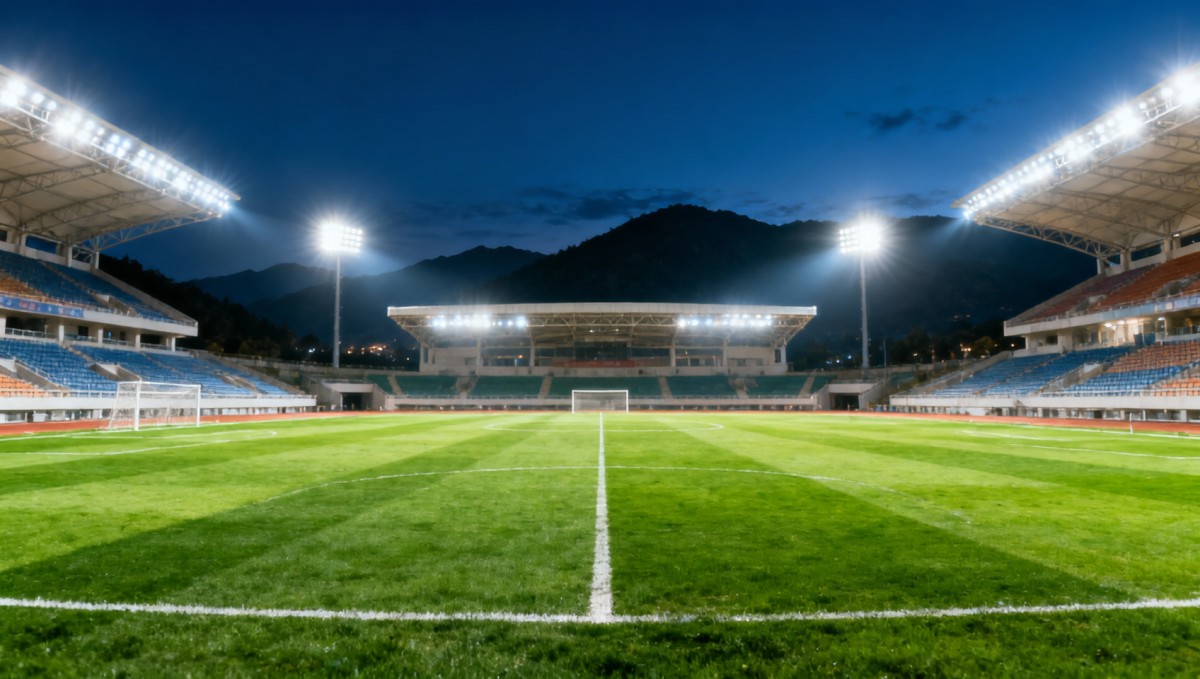
On May 2, 2026, the Yunnan Yukuin vs. Beijing Guoan match took place at the Yuxi Highland Sports Center Stadium in Yunnan Province. The venue is equipped with a commercial LED sports lighting system compliant with EN 12947-2 (dynamic response for sports lighting) and IEC 62471 (photobiological safety). Multiple European procurement representatives reported that high-altitude conditions — specifically intense UV exposure and high humidity — accelerated optical component aging, prompting urgent requests for updated CE+UKCA dual certification documentation and IP66-rated condensation resistance test results from Chinese suppliers.
Which Sub-Sectors Are Affected
Export-Oriented Lighting Manufacturers
Manufacturers exporting LED stadium lighting systems to the EU are directly affected because field performance under extreme environmental conditions (e.g., plateau UV/humidity) has become a de facto validation criterion beyond lab-based compliance. Impact manifests as increased post-certification verification requests, potential delays in order fulfillment, and higher technical documentation overhead.
Certification & Testing Service Providers
Third-party labs and conformity assessment bodies face rising demand for repeat testing — particularly IP66 condensation resilience tests under simulated high-humidity/high-UV cycling — as well as dual CE+UKCA reporting. This shifts workload toward real-world environmental stress validation, not just static compliance checks.
Supply Chain & Logistics Operators
Companies managing documentation handover, customs clearance, or technical file archiving for EU-bound shipments must now accommodate tighter requirements for version-controlled, batch-specific test reports. Older certifications may no longer suffice for new orders if environmental aging concerns have escalated buyer scrutiny.
International Trade Compliance Officers
Personnel responsible for regulatory alignment must track whether EU importers begin formally referencing high-altitude operational durability as a contractual condition — moving beyond baseline EN/IEC compliance into application-specific performance clauses.
What Enterprises and Practitioners Should Focus On Now
Monitor official updates from EU market surveillance authorities
While no new regulation has been issued, analysis shows growing informal alignment among EU procurers on environmental stress validation. Watch for emerging guidance from national market surveillance bodies (e.g., Germany’s ZLS or UK’s OPSS) that may formalize such expectations.
Prioritize batch-level documentation for current and upcoming exports
Current more appropriately understood as a shift toward traceable, production-batch-specific certification — not just model-level approvals. Suppliers should prepare to provide dated, lot-numbered IP66 condensation test reports alongside CE+UKCA declarations for each shipment.
Distinguish between procurement feedback and regulatory mandates
Observably, this is currently driven by buyer risk mitigation — not new legislation. Firms should avoid over-investing in broad environmental re-testing unless explicitly required per contract; instead, align documentation upgrades with active tender requirements or repeat orders from known EU purchasers.
Prepare technical file updates and cross-reference test protocols
Review existing EN 12947-2 and IEC 62471 test reports to confirm whether condensation resilience (per IP66) was assessed under cyclic humidity/UV conditions matching Yuxi’s plateau profile. Where gaps exist, initiate targeted supplemental testing — not full recertification — for relevant product lines.
Editorial Perspective / Industry Observation
This incident is best interpreted as an early signal of evolving buyer expectations in high-value infrastructure exports — where field reliability under non-standard environments increasingly shapes procurement due diligence. Analysis shows it reflects a broader trend: EU public-sector and institutional buyers are treating real-world environmental stress not as an afterthought, but as a core dimension of product conformity. It is not yet a regulatory outcome, but rather a market-led escalation in technical accountability. The sector should treat this as a leading indicator — not a one-off event — especially for products deployed in climatically extreme locations (e.g., high-altitude, tropical, or coastal stadiums).
Conclusion
This match-related feedback does not indicate a regulatory change, nor does it invalidate existing certifications. Rather, it signals a tightening of commercial due diligence in EU procurement for outdoor LED sports lighting. Current practice is better understood as a documentation and traceability refinement — focused on batch-specific environmental resilience evidence — rather than a fundamental redesign or recertification requirement.
Source Attribution
Main source: Publicly reported match details and supplier feedback statements (as of May 2026). Ongoing observation is recommended regarding whether EU procurement frameworks formally incorporate high-altitude environmental validation criteria in future tender specifications.
Search News
Hot Articles
- Pro Stage AudioPremier League Fan Screen Export: FCC/ISED Dual Testing DelayMay 03, 2026
- Indoor PlaygroundCBA Game Triggers SASO 5853 Acoustic Certification Demand for Smart Basketball FloorsMay 03, 2026
- Hotel Room AmenitiesAC Milan’s Smart Locker Room Procurement Triggers UNI 11743 Compliance ReviewMay 03, 2026
Popular Tags
Need ExpertConsultation?
Connect with our specialized leisureengineering team for procurementstrategies.
Recommended News
 May 03, 2026Premier League Fan Screen Export: FCC/ISED Dual Testing DelayPremier League Fan Screen Export: FCC/ISED dual testing delay hits Wi-Fi 6E + UWB stadium displays—learn how smart hardware exporters can navigate compliance friction before next big match.● Pro Audio Engineer
 May 03, 2026Zhongshan Smart Scoreboard Export: SASO Energy Testing UpdateZhongshan smart scoreboard export update: SASO energy testing now requires ≤0.5W standby power — critical for sports electronics exporters targeting Saudi Arabia & GCC markets.● Pro Audio Engineer
 May 03, 2026Yunnan Yukuin vs. Beijing Guoan: LED Stadium Systems Demand EU Re-TestingLED stadium systems demand EU re-testing after Yunnan Yukuin vs. Beijing Guoan match—urgent CE+UKCA & IP66 condensation data needed for export compliance.● Pro Audio Engineer
 May 02, 2026London Table Tennis World Championships: Smart Table Delivery Window Tightens to 10 Working DaysLondon Table Tennis World Championships: Smart table import window tightens to 10 working days—act now to meet UKCA & BS EN 14904:2021 deadlines.● Pro Audio Engineer
 May 01, 2026FIFA Clears Iran for 2026 World Cup: Demand Rises for Multilingual Fan Screens in US, Mexico, CanadaMultilingual fan screens surge as FIFA clears Iran for 2026 World Cup—URGENT demand for Persian-enabled, FCC/UL-certified LED displays in US, Mexico, Canada fan zones.● Pro Audio Engineer
 May 01, 2026China Men's Basketball Warm-ups in Hangzhou Drive LED Court System Export DemandChina Men's Basketball Hangzhou warm-ups fuel global demand for FIBA-certified LED court systems—urgent export opportunities for compliant suppliers in SEA & Eastern Europe.● Pro Audio Engineer
 Apr 30, 2026China's LED Scoreboard Passes BWF 2026 Standards at Thomas CupChina's LED scoreboard meets BWF 2026 standards — certified for Thomas Cup, multilingual display & anti-glare tech. Discover what it means for your venue.● Pro Audio Engineer
 Apr 30, 2026Soundproofing materials that work better than thicker wallsSoundproofing materials that outperform thicker walls: compare damping, absorption, and decoupling options to cut noise, save space, and improve commercial acoustic results.● Pro Audio Engineer
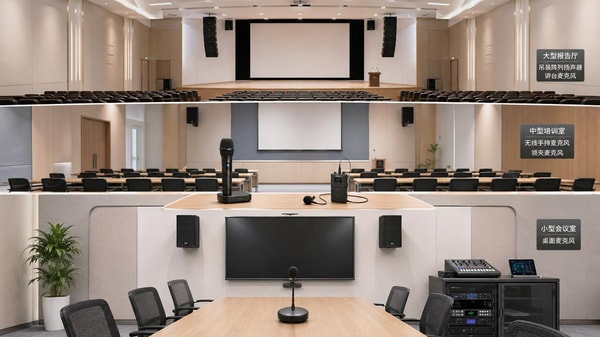
 Apr 30, 2026How to compare microphone systems for different room sizesMicrophone systems compared by room size: learn how to evaluate pickup, coverage, DSP, and RF stability for small, medium, and large spaces to choose smarter, lower-risk solutions.● Pro Audio Engineer
 Apr 30, 2026Live sound equipment failures that usually start at setupLive sound equipment failures often begin at setup. Learn the early warning signs, key risk points, and smart sourcing tips to prevent costly audio issues.● Pro Audio Engineer
 Apr 30, 2026Recording studio gear upgrades that matter more than price tagsRecording studio gear upgrades that matter most aren’t always expensive. Learn how acoustics, monitoring, interfaces, and workflow tools deliver better sound, efficiency, and ROI.● Pro Audio Engineer
 Apr 30, 2026Commercial sound systems and the hidden cost of poor coverageCommercial sound systems with poor coverage can raise hidden costs, hurt clarity, and damage customer experience. Learn how to evaluate smarter solutions before buying.● Pro Audio Engineer
 Apr 29, 2026Kenya Marathon Record Break Sparks Demand for Racing Sensor ChipsRacing sensor chips surge in demand after Kenya's marathon record—RFID+UWB fusion modules with IP68, –20°C–60°C & ISO/IEC 18000-63 compliance now sought globally.● Pro Audio Engineer
 Apr 28, 2026Kenyan Marathon WR Break Drives Demand for Timing Chips & Track SensorsTiming chips & track sensors surge after Kenyan marathon WR—discover how UWB+BLE timing tech, EN compliance, and −20°C sensor resilience drive global demand.● Pro Audio Engineer
 Apr 27, 2026BWF Adopts 15-Point Scoring System from Jan 2027BWF 15-point scoring system (2027) drives urgent firmware, UI & AI replay upgrades for LED displays, broadcast tech & venue integrators—act now.● Pro Audio Engineer
 Apr 26, 2026BYD Confirms F1 Entry Talks: China’s Racing Electronics & Carbon Fiber Export Window OpensBYD’s F1 entry talks open China’s racing electronics & carbon fiber export window—FIA-certified sensors, composites & data systems in demand.● Pro Audio Engineer
 Apr 25, 2026Fan Zhendong Promotes Chinese AI Ping-Pong Table in Silicon ValleyAI ping-pong table by Fan Zhendong & MLTT debuts in Silicon Valley—smart sports hardware meets edge AI, radar tracking & coaching analytics. Discover the future of table tennis tech.● Pro Audio Engineer
 Apr 24, 2026FIFA Adopts Chinese Mini-LED Displays for 2026 World Cup VAR SystemFIFA adopts Chinese Mini-LED displays for 2026 World Cup VAR—ultra-low latency (≤3ms), 1500+ nits, FIFA TMS 4.2 certified. Game-changing for sports tech suppliers.● Pro Audio Engineer
 Apr 24, 2026Fan Zhendong Visits Silicon Valley as MLTT Investor, AI Ping-Pong Tech Draws US InterestAI ping-pong tech: Fan Zhendong’s MLTT-backed smart table & coaching system draws US youth training interest—edge AI, radar sensing, pilot orders inbound.● Pro Audio Engineer
 Apr 24, 2026FIBA Women's World Cup 2026 Draw: China in 'Group of Death', Lighting & Timing Systems Export Window OpensFIBA Women's World Cup 2026 draw sparks global demand for FIBA Level 3–certified LED lighting & timing systems—act now to qualify.● Pro Audio Engineer
 Apr 23, 2026China Upgrades Security Compliance for International Sports EventsChina mandates ISO 22301 business continuity planning for venues hosting international sports events—key for stadium tech, ops, and compliance providers.● Pro Audio Engineer
 Apr 22, 2026China's UWB Timing System Gains ITU Certification at Haiwan EventChina's UWB timing system wins ITU-T Y.3506 certification—key for sports tech exporters targeting GCC & SADC stadium tenders.● Pro Audio Engineer
 Apr 24, 2026Music Production Tools That Save Setup TimeMusic production tools that save setup time help venues and studios deploy faster. Learn smart sourcing for hospitality procurement, hotel sofas, and playground planning.● Pro Audio Engineer
 Apr 24, 2026Best Music Production Tools for Small StudiosMusic production tools for small studios: compare scalable setups, sourcing tips, and smart procurement for hospitality procurement, hotel room furniture, and playground planning projects.● Pro Audio Engineer