FIBA Women's World Cup 2026 Draw: China in 'Group of Death', Lighting & Timing Systems Export Window Opens
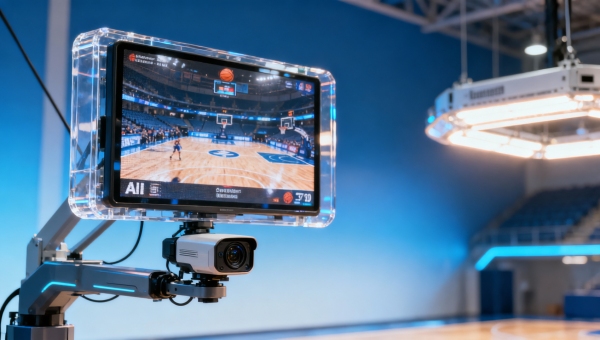
On April 22, 2026, FIBA announced the official group draw for the Women’s Basketball World Cup, placing China in Group D alongside the USA, Czech Republic, and Italy — a grouping widely noted for its competitive intensity. The tournament’s group stage, scheduled from September 27 across Berlin, Prague, and Milan, has triggered global procurement activity for FIBA Level 3–certified LED arena lighting systems and high-precision LED timing displays. This development signals near-term commercial opportunities — and operational considerations — for firms involved in sports infrastructure export, certification-compliant manufacturing, and venue technology integration.
Event Overview
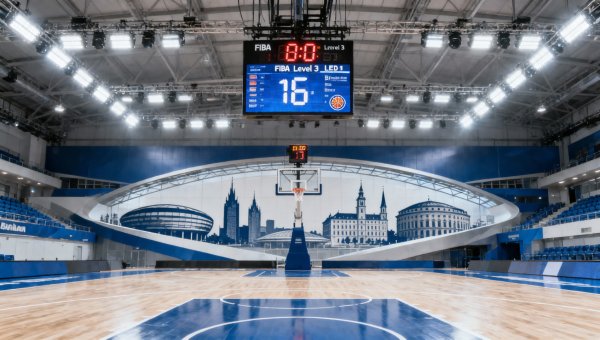
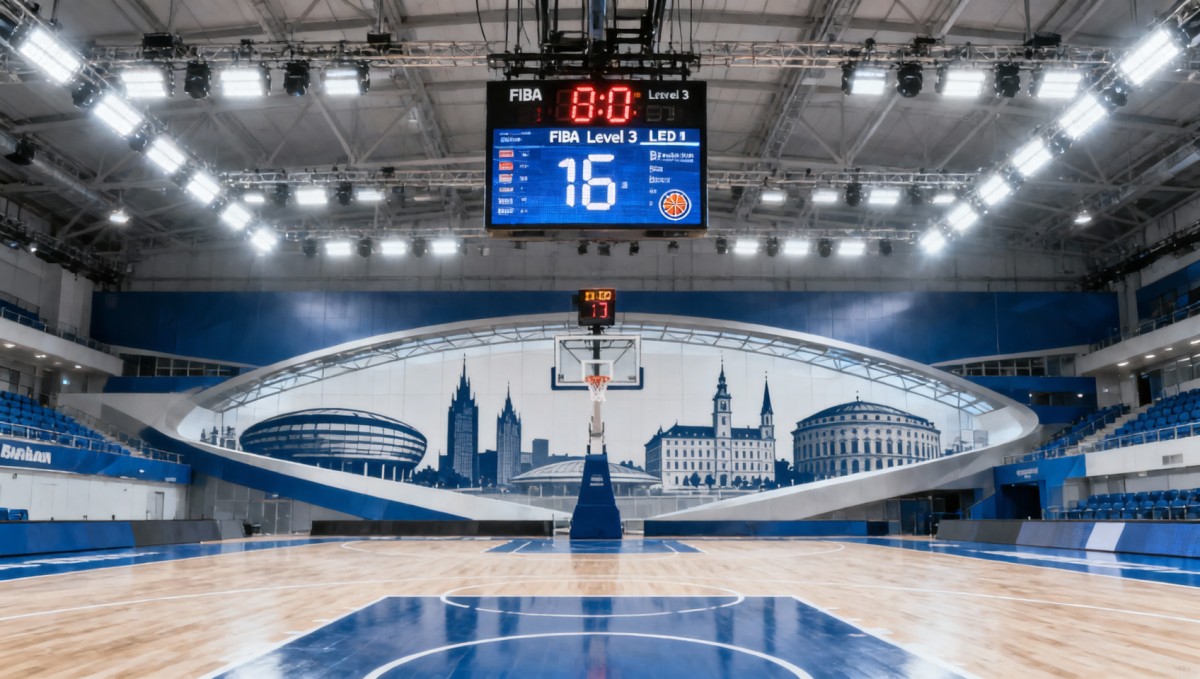
On April 22, 2026, FIBA publicly released the official draw for the 2026 FIBA Women’s Basketball World Cup. China was assigned to Group D with the United States, Czech Republic, and Italy. The group-stage matches will be held from September 27 in three host cities: Berlin (Germany), Prague (Czech Republic), and Milan (Italy). FIBA has initiated global tendering for venue infrastructure, including main LED lighting systems and LED timing displays meeting FIBA Level 3 certification requirements. Several Chinese manufacturers have received initial technical bid invitations.
Which Subsectors Are Affected
Direct Exporters of Sports Venue Lighting & Timing Equipment
These firms are directly impacted because FIBA’s tender process explicitly requires compliance with Level 3 certification — a benchmark covering illuminance uniformity, glare control, flicker performance, and real-time synchronization capability. Demand is now concentrated on products qualified for international elite competition venues, not general-purpose or domestic-standard installations.
Manufacturers Specializing in FIBA-Certified LED Systems
Impact arises from the timing and scope of technical qualification. FIBA Level 3 certification involves third-party testing, documentation review, and on-site verification. Manufacturers already holding or actively pursuing this certification are positioned to respond to RFPs; those without it face extended lead times before eligibility.
Supply Chain Service Providers (Certification Support, Logistics, Compliance Consulting)
These entities see rising demand for coordination between factory production, lab testing cycles, customs documentation for dual-voltage and EMC-compliant equipment, and alignment with host-country electrical standards (e.g., CE marking for EU venues). Delays in any step may disqualify bids ahead of tender deadlines.
International Venue Operators & Infrastructure Integrators
Operators managing arenas in Berlin, Prague, and Milan are initiating procurement inquiries. Their focus is on interoperability (e.g., integration with existing scoreboard and broadcast systems), maintenance accessibility, and warranty terms valid across multiple jurisdictions — not just product specs.
What Relevant Firms or Practitioners Should Focus On Now
Monitor Official Tender Documents and Certification Updates
FIBA’s official procurement portal and national federation announcements (e.g., German Basketball Federation, Italian Basketball Federation) are the sole authoritative sources for technical specifications, submission deadlines, and evaluation criteria. Unofficial summaries or vendor-led interpretations should not guide bidding strategy.
Verify Product-Level FIBA Level 3 Certification Status — Not Just Claims
Analysis来看, many suppliers reference ‘FIBA-compliant’ lighting generically. However, only systems tested and listed in FIBA’s official Level 3 database qualify. Firms must cross-check model numbers against the current FIBA Lighting Certification Register — not rely on internal test reports or marketing statements.
Distinguish Between Technical Bid Qualification and Commercial Award
Receiving a technical bid invitation — as reported for some Chinese manufacturers — reflects pre-qualification based on past project references and certification readiness. It does not indicate contract award. Commercial evaluation (price, delivery schedule, service terms) follows separately and remains subject to host-federation discretion.
Prepare Documentation for Multi-Market Deployment
Since venues span Germany, Czechia, and Italy, exporters must compile region-specific documentation: CE declarations of conformity, German-language operating manuals (per DIN EN 62471), and Czech Ministry of Transport import notifications for large-scale LED installations. Pre-assembling these reduces response time once RFPs are issued.
Editorial Perspective / Industry Observation
From industry angle, this draw is less a standalone event and more a catalyst revealing latent demand patterns: elite basketball events continue driving upgrades in venue-grade lighting and timing infrastructure — particularly where legacy systems require replacement ahead of major tournaments. Current procurement activity reflects planning cycles typical for international sports events (12–18 months pre-event), meaning decisions made now will shape supply chain flows through mid-2026. Observation来看, the emphasis on FIBA Level 3 — not lower-tier certifications — suggests host federations are prioritizing broadcast quality and athlete performance conditions over cost-only optimization. This draw, therefore, functions primarily as a signal: it confirms timing, validates market interest, and sharpens focus on certification rigor — but does not yet represent awarded contracts or volume commitments.
In summary, the 2026 FIBA Women’s World Cup group draw has activated early-stage procurement pathways for certified sports venue lighting and timing systems. Its industry significance lies not in immediate revenue generation, but in clarifying technical thresholds, geographic deployment scope, and timeline discipline required for participation. It is best understood as a procedural milestone — one that defines ‘who qualifies’ and ‘by when’, rather than ‘who wins’.
Source: FIBA official announcement (April 22, 2026); public tender notices from German Basketball Federation (DBB), Czech Basketball Federation (ČBF), and Italian Basketball Federation (FIP); FIBA Lighting Certification Register (v.2026.1).
Parts requiring ongoing observation: final tender award timelines, volume estimates per venue, and post-bid clarification on service-level agreements for maintenance and remote diagnostics.
Search News
Hot Articles
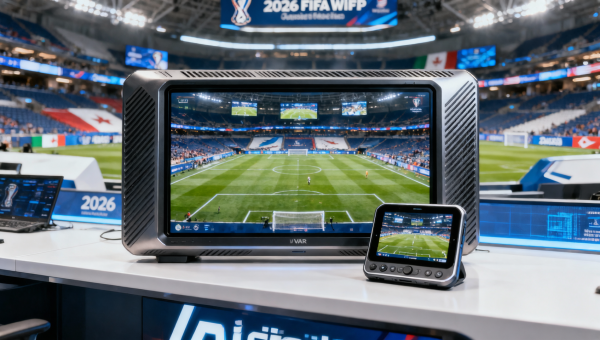
- Pro Stage AudioFIFA Adopts Chinese Mini-LED Displays for 2026 World Cup VAR SystemApr 24, 2026
- Outdoor RidesChina FA Warns Nanjing City Over Fan Conduct; ISO 20785 Compliance AcceleratesApr 24, 2026
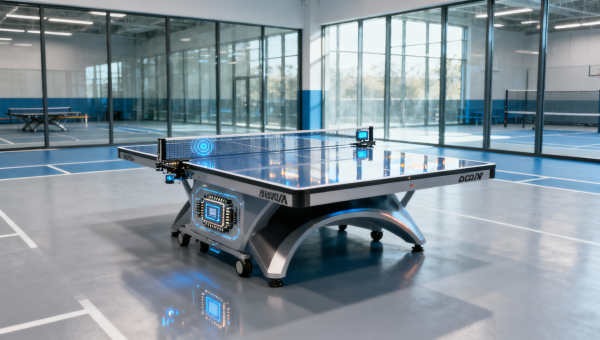
- Pro Stage AudioFan Zhendong Visits Silicon Valley as MLTT Investor, AI Ping-Pong Tech Draws US InterestApr 24, 2026
Popular Tags
Need ExpertConsultation?
Connect with our specialized leisureengineering team for procurementstrategies.
Recommended News
 Apr 24, 2026FIFA Adopts Chinese Mini-LED Displays for 2026 World Cup VAR SystemFIFA adopts Chinese Mini-LED displays for 2026 World Cup VAR—ultra-low latency (≤3ms), 1500+ nits, FIFA TMS 4.2 certified. Game-changing for sports tech suppliers.● Pro Audio Engineer
 Apr 24, 2026Fan Zhendong Visits Silicon Valley as MLTT Investor, AI Ping-Pong Tech Draws US InterestAI ping-pong tech: Fan Zhendong’s MLTT-backed smart table & coaching system draws US youth training interest—edge AI, radar sensing, pilot orders inbound.● Pro Audio Engineer
 Apr 24, 2026FIBA Women's World Cup 2026 Draw: China in 'Group of Death', Lighting & Timing Systems Export Window OpensFIBA Women's World Cup 2026 draw sparks global demand for FIBA Level 3–certified LED lighting & timing systems—act now to qualify.● Pro Audio Engineer
 Apr 23, 2026China Upgrades Security Compliance for International Sports EventsChina mandates ISO 22301 business continuity planning for venues hosting international sports events—key for stadium tech, ops, and compliance providers.● Pro Audio Engineer
 Apr 22, 2026China's UWB Timing System Gains ITU Certification at Haiwan EventChina's UWB timing system wins ITU-T Y.3506 certification—key for sports tech exporters targeting GCC & SADC stadium tenders.● Pro Audio Engineer
 Apr 20, 2026Snooker World Championship: Xiao Guodong Secures Third Chinese SpotSnooker World Championship: Xiao Guodong secures third Chinese spot amid AI officiating & 4K HDR broadcast — tech and talent converge in elite cue sports.● Pro Audio Engineer
 Apr 20, 2026FDA Proposes Chinese Label Translation Requirements for Sports SupplementsFDA proposes Chinese label translation requirements for sports supplements—key for importers, manufacturers & global brands. Act now to ensure compliance by Jan 2027.● Pro Audio Engineer
 Apr 17, 2026FDA Drafts New Labeling Rule for Chinese-Labeled Sports SupplementsFDA's new draft rule for Chinese-labeled sports supplements mandates certified English translations—key for brands, CMOs & importers navigating U.S. market entry.● Pro Audio Engineer
 Apr 16, 20262026 Yangtze River Delta Triathlon Uses Certified Chinese Timing System2026 Yangtze River Delta Triathlon uses certified Chinese timing system — ChronoLink Pro, ITU-approved RFID+GPS dual-mode solution for global race organizers.● Pro Audio Engineer
 Apr 13, 2026Asian University Basketball League Secures Funding, Launches Smart Venue ProgramThe Asian University Basketball League (AUBL) secures Series A funding and launches its Smart Venue Program, partnering with tech firms for sustainable sports infrastructure. A key opportunity for sports tech exporters with ISO 50001 certification.● Pro Audio Engineer
 Apr 24, 2026Best Music Production Tools for Small StudiosMusic production tools for small studios: compare scalable setups, sourcing tips, and smart procurement for hospitality procurement, hotel room furniture, and playground planning projects.● Pro Audio Engineer
 Apr 24, 2026How to Choose Music Production Tools in 2026Music production tools in 2026: learn how to compare workflow, scalability, and supplier reliability for venues, hospitality procurement, and entertainment projects with confidence.● Pro Audio Engineer
 Apr 23, 2026Best Soundproofing Materials for VenuesBest soundproofing materials for venues: compare solutions for hotel beds, custom furniture, catering equipment, instrument cables, playground structures, and theme park rides to improve comfort, compliance, and sourcing efficiency.● Pro Audio Engineer
 Apr 22, 2026Do Soundproofing Materials Really WorkSoundproofing materials really work when matched to hotels, leisure park venues, and pro audio needs. Explore practical solutions for hotel beds, custom furniture, catering equipment, theme park rides, and inclusive playground projects.● Pro Audio Engineer
 Apr 19, 20262026 Shanghai Sailing Open Adopts ITU-Certified Chinese Timing System2026 Shanghai Sailing Open adopts ITU-certified Chinese timing system — a breakthrough for precision sports tech exporters, certifiers & event organizers.● Pro Audio Engineer
 Apr 20, 2026What Causes Early Failure in Pro Audio Equipment?Pro audio equipment fails early due to heat, dust, unstable power, and weak components. Learn how musical instruments, instrument cables, music accessories, and sourcing choices affect reliability.● Pro Audio Engineer
 Apr 20, 2026Instrument Cables: Shielding, Durability, and the Price Gap ExplainedInstrument cables guide for buyers of pro audio equipment and music accessories across musical instruments, string instruments, keyboard instruments, percussion instruments, wind instruments, and orchestral instruments.● Pro Audio Engineer
 Apr 20, 2026Pro Audio Equipment Upgrades That Improve Sound Without OverspendingPro audio equipment upgrades for musical instruments: improve sound with instrument cables, music stands, and music accessories for keyboard, percussion, wind, string, and orchestral instruments—without overspending.● Pro Audio Engineer
 Apr 20, 2026Instrument Cables: Why Cheap Options Often Fail During Live UseInstrument cables for musical instruments often fail live when cheap builds meet pro audio equipment demands. Compare smarter options for string, wind, percussion, and keyboard instruments.● Pro Audio Engineer
 Apr 18, 2026Instrument cables with gold-plated connectors: Do they improve tone—or just resale value?Instrument cables with gold-plated connectors boost reliability & resale value in theme parks, leisure parks, and hotels—proven for soundproofing, playground structures, and catering equipment.● Pro Audio Engineer
 Apr 18, 2026Instrument cables that degrade mid-show—what causes sudden signal drop?Instrument cables failing mid-show? Discover why—bending fatigue, EMI, corrosion & thermal stress—in theme parks, hotels, playgrounds & leisure venues.● Pro Audio Engineer
 Apr 17, 2026Pro stage audio setups where music accessories become acoustic liabilitiesDiscover how commercial furniture, playground borders, sensory playground gear & music accessories impact acoustic safety—avoid liability in pro audio environments.● Pro Audio Engineer
 Apr 16, 2026Pro stage audio gear warranties: What ‘lifetime’ really covers when used in hospitality venuesPro audio equipment & designer eyewear warranties decoded for hotels. See what ‘lifetime’ really covers—OEM manufacturing, custom fabrication, supply chain solutions & more.● Pro Audio Engineer
 Apr 16, 2026Recording studio gear sourcing: Why local compliance often overrides ‘best-in-class’ specsRecording studio gear sourcing for luxury spaces: compliance-first pro audio equipment, designer eyewear integration, and OEM manufacturing solutions—avoid costly delays.● Pro Audio Engineer