Guangdong Super League VR Booth Drives SEA Inquiries
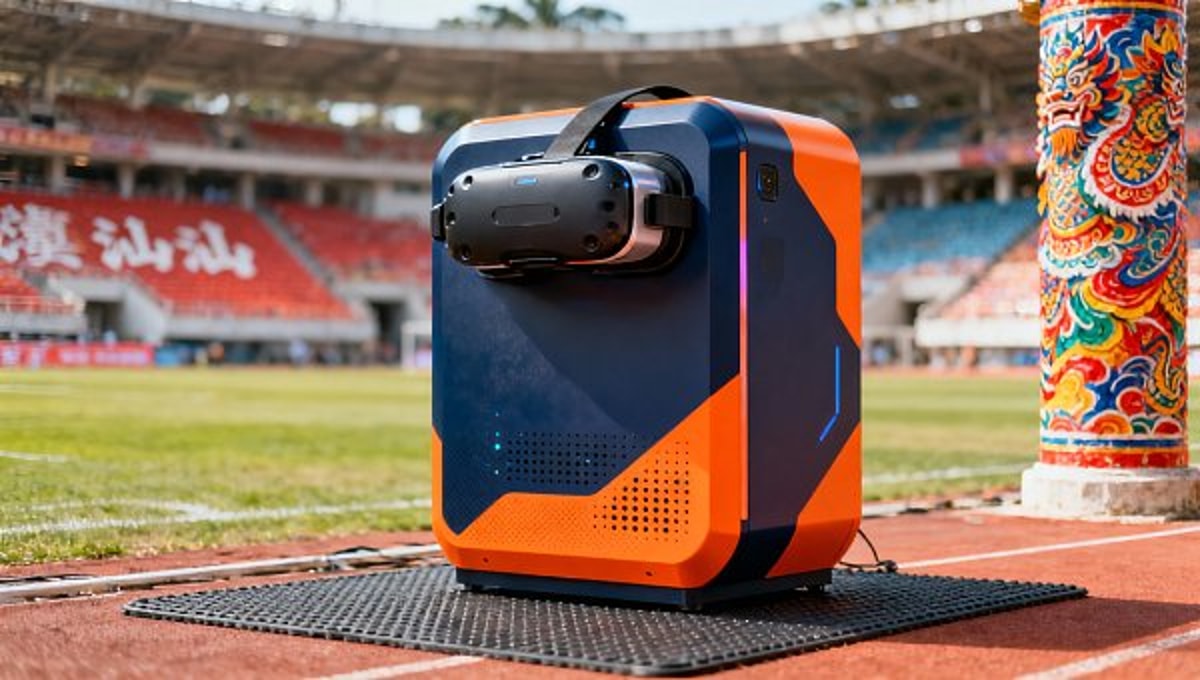
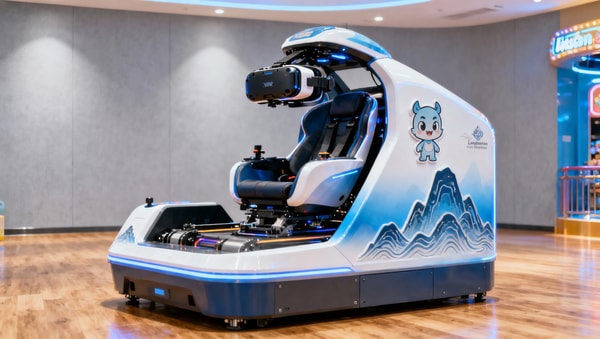
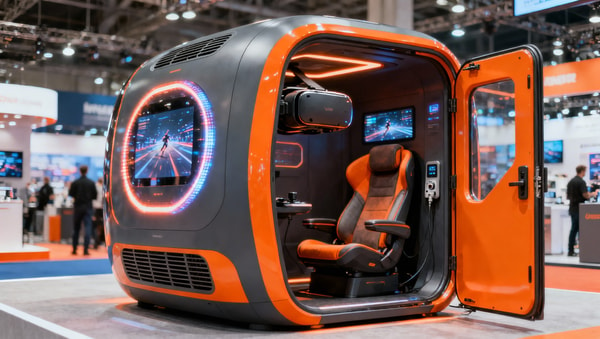
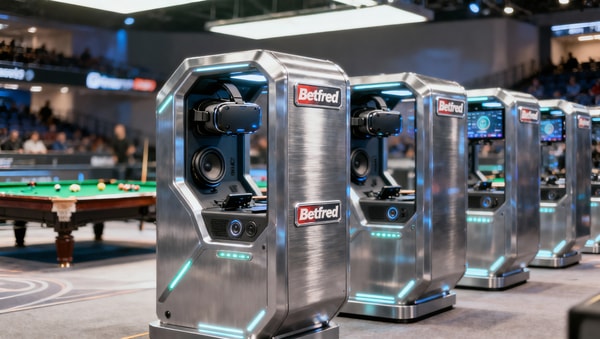
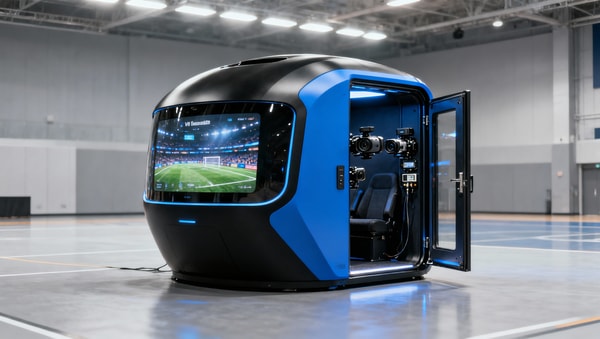
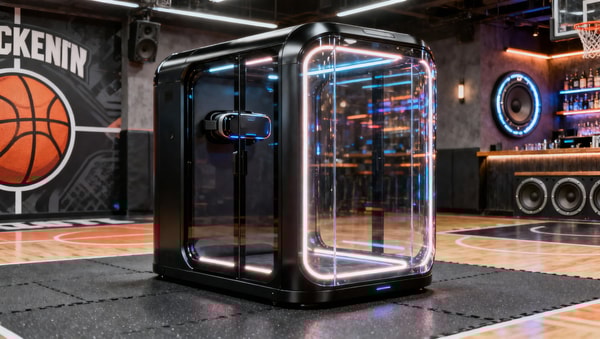
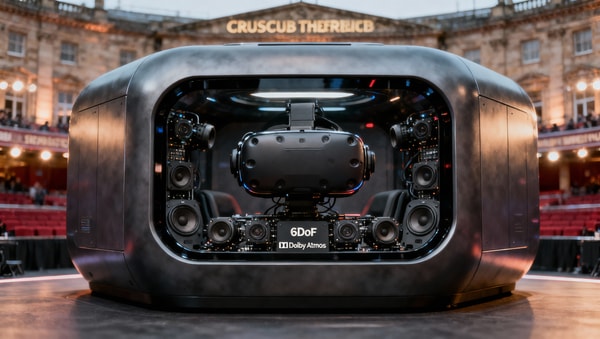
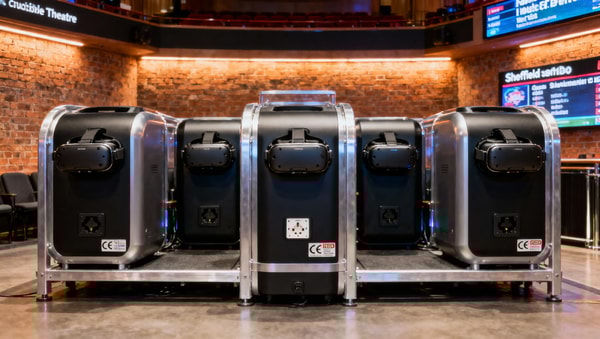
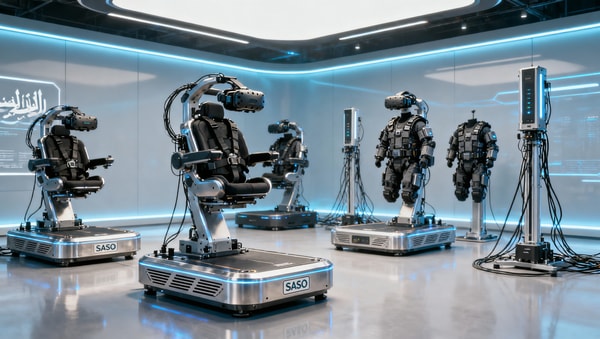
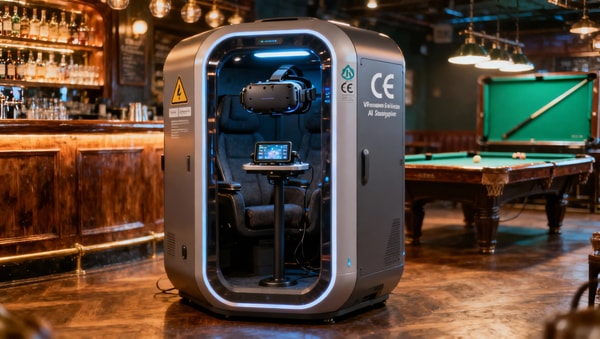
On May 2, 2026, a Guangdong Super League football match in Shantou—featuring a fusion of Chaozhou Yingge dance, traditional dragon dance, and street dance—deployed domestically developed VR motion-sensing interactive booths for real-time AR fan engagement. The event triggered 17 new commercial inquiries from Philippine and Vietnamese distributors, centering on localization readiness (Tagalog/Vietnamese voice guidance), offline-mode stability, and PSE/PSB certification support—highlighting implications for export-oriented hardware vendors, cross-border channel partners, and regional compliance service providers.
Event Overview
On May 2, 2026, the Guangdong Super League match between Shantou and Qingyuan took place at the Shantou home venue. Live performance elements included Chaozhou Yingge dance, traditional Chinese dragon dance, and contemporary street dance choreography. Simultaneously, domestically produced VR motion-sensing interactive booths were deployed for audience use, enabling real-time generation of AR-based cheering visuals. On the same day, 17 new distributor inquiries were recorded from the Philippines and Vietnam, specifically addressing three technical and regulatory aspects: support for Tagalog and Vietnamese voice-guided user interfaces, functional reliability in offline operation modes, and compatibility with Philippine PSE and Vietnamese PSB product safety certification requirements.
Industries Affected by This Development
Export-Oriented Hardware Manufacturers
These firms produce VR/AR interactive kiosks or similar experiential display hardware intended for overseas public venues. The inquiry volume reflects growing demand for culturally adapted, certifiable devices in Southeast Asia. Impact manifests as increased pressure to pre-validate regional language UI frameworks, test offline functionality under intermittent connectivity conditions, and align firmware and documentation with PSE/PSB technical annexes—not just CE or FCC standards.
Cross-Border Distribution Partners
Distributors in the Philippines and Vietnam are actively assessing feasibility of local deployment—particularly for entertainment, sports, and cultural tourism venues. The localized inquiries indicate a shift from generic hardware procurement toward solution-level evaluation: they require evidence of native-language usability, field-tested resilience in non-WiFi environments, and clear pathways to regulatory approval. Their evaluation timelines may now hinge less on price and more on certification readiness and localization depth.
Regional Regulatory Compliance & Certification Service Providers
Firms offering PSE (Philippines) and PSB (Vietnam) certification support face rising demand for integrated technical advisory services—not just document submission. Inquiries explicitly named certification capability as a decision factor, suggesting clients expect early-stage design consultation (e.g., power supply labeling, audio output limits, firmware update mechanisms) rather than post-development conformity checks.
What Relevant Enterprises or Practitioners Should Focus On Now
Monitor official updates on PSE/PSB implementation guidelines for interactive multimedia equipment
Neither the Philippine Department of Trade and Industry nor Vietnam’s Ministry of Science and Technology has published dedicated technical regulations for VR kiosks. Current inquiries reflect market anticipation—not formal mandates. Enterprises should track upcoming revisions to IEC 62368-1 adoption timelines and national annexes in both jurisdictions, as these will define mandatory test scopes.
Prioritize validation of offline-mode behavior across key ASEAN markets
The repeated emphasis on offline stability signals infrastructure constraints in target deployment venues (e.g., stadiums, cultural centers with limited bandwidth). Firms should conduct field-representative stress testing—not just lab-based simulations—using locally sourced network interruption patterns and ambient environmental variables (e.g., heat, dust).
Prepare bilingual technical documentation and voice assets for Tagalog and Vietnamese ahead of pilot deployments
Inquiries specify language support as a gating requirement—not an optional feature. Pre-translating core UI strings, error prompts, and voice-guided instructions into Tagalog and Vietnamese, and validating pronunciation and cultural appropriateness with native linguists, reduces time-to-response for future RFPs and certification audits.
Clarify internal ownership of certification pathway planning between engineering, compliance, and sales teams
The convergence of creative deployment (dance + VR), end-user interactivity (AR generation), and regulatory gateways (PSE/PSB) requires coordinated input. Assigning explicit accountability—for example, engineering owns firmware architecture for OTA-upgrade isolation, compliance owns test report mapping, sales owns market-specific use-case documentation—prevents misalignment during audit preparation.
Editorial Perspective / Industry Observation
This incident is not a market entry milestone but an early signal of operational maturation in the Southeast Asian experiential tech channel. Analysis shows that distributor inquiries now reference concrete, deployable capabilities—not abstract ‘innovation’ or ‘engagement potential’. Observably, the focus has shifted from hardware specs to contextual readiness: language, connectivity resilience, and jurisdiction-specific conformity. From an industry perspective, this suggests the market is moving beyond pilot-phase curiosity into pre-commercial validation. It is better understood as a leading indicator of near-term procurement intent—not yet evidence of scaled deployment—but one that warrants structured response given the specificity of technical asks.
Current more appropriate interpretation is that Southeast Asian channel partners are beginning systematic vendor qualification for public-facing immersive tech, with certification and localization no longer treated as post-sale add-ons but as baseline eligibility criteria.
Conclusion
The May 2, 2026 Shantou football match did not mark a commercial launch, but it revealed a measurable tightening of technical and regulatory expectations among Southeast Asian distribution partners for VR-enabled public engagement hardware. Its industry significance lies in the specificity and convergence of requirements—language, offline function, certification—pointing to a maturing, less speculative phase of regional market development. For stakeholders, this is best interpreted not as a sudden opportunity, but as confirmation that foundational readiness (localization infrastructure, certification fluency, field-tested reliability) is now a prerequisite for serious channel engagement.
Source Attribution
Main source: Publicly reported match-day operational details and distributor inquiry metrics issued by Guangdong Super League organizing committee and participating technology supplier (as confirmed in official post-event summary, May 2026).
Points requiring ongoing observation: Finalized PSE/PSB technical interpretations for VR kiosk-class devices; actual order conversion rate from the 17 inquiries; deployment timelines for first certified units in Philippine or Vietnamese venues.
Search News
Hot Articles
- Pro Stage AudioPremier League Fan Screen Export: FCC/ISED Dual Testing DelayMay 03, 2026
- Indoor PlaygroundCBA Game Triggers SASO 5853 Acoustic Certification Demand for Smart Basketball FloorsMay 03, 2026
- Hotel Room AmenitiesAC Milan’s Smart Locker Room Procurement Triggers UNI 11743 Compliance ReviewMay 03, 2026
Popular Tags
Need ExpertConsultation?
Connect with our specialized leisureengineering team for procurementstrategies.
Recommended News
 May 03, 2026NBA VR Viewing Pods Face NTSC Compatibility Demand in Latin AmericaNBA VR viewing pods face urgent NTSC compatibility demands in Latin America—learn how manufacturers, certifiers, and channel partners can respond fast.● Theme Park Strategist
 May 03, 2026Guangdong Super League VR Booth Drives SEA InquiriesGuangdong Super League VR booth sparks 17 SEA distributor inquiries—focus on Tagalog/Vietnamese UI, offline stability & PSE/PSB certification readiness.● Theme Park Strategist
 May 02, 2026Langlangshan VR Attractions Seek PEGI 12+ Certification After Annecy NominationLanglangshan VR Attractions seek PEGI 12+ certification after Annecy nomination—key for EU theme parks, VR hardware vendors & IP licensors targeting compliant immersive experiences.● Theme Park Strategist
 May 02, 2026Wu Yize’s World Snooker Championship Run Boosts VR Viewing Pod DemandVR viewing pod demand surges 210% amid Wu Yize’s World Snooker Championship semi-final run — key for hotels, bars & esports venues seeking certified immersive solutions.● Theme Park Strategist
 May 01, 2026Langlangshan VR Rides Gain IP Licensing Momentum After Annecy InclusionLanglangshan VR Rides: IP licensing surges after Annecy 2026 selection—unlock co-dev opportunities for VR arcade & motion-based systems in SEA/LATAM.● Theme Park Strategist
 May 01, 2026Volvo China Open Boosts Golf Simulator Exports to Middle EastVolvo China Open drives Middle East demand for certified golf simulators — USGA/EGF-compliant, Arabic UI, and rapid-delivery indoor simulation systems now in high inquiry.● Theme Park Strategist
 May 01, 2026Wu Yize vs. Selby Sparks VR Viewing Booth Export SurgeWu Yize vs. Selby Sparks VR Viewing Booth Export Surge: CE/UKCA-compliant VR cabins see 210% export inquiry surge amid snooker-driven global demand.● Theme Park Strategist
 Apr 30, 2026VR Sports Viewing Capsules Face New EU Latency Rules Post-PSG–Bayern MatchVR Sports Viewing Capsules face new EU latency rules after PSG–Bayern’s record 12-goal match — discover how ≤80ms RED compliance impacts exporters, OEMs & AI-driven live sports tech.● Theme Park Strategist
 Apr 30, 2026Snooker World Championship: VR Viewing Pods, Remote Commentary Systems See Export InquiriesSnooker World Championship sparks global export inquiries for VR viewing pods & AI remote commentary systems—UKCA-certified, Betfred-integrated, multilingual.● Theme Park Strategist
 Apr 30, 2026Zheng Qinwen’s Madrid Exit Spurs EU RFQs for Tennis Training RobotsZheng Qinwen’s Madrid exit sparks EU RFQs for tennis training robots — discover how Chinese robotics exporters can meet CE/MD compliance & seize new academy demand.● Theme Park Strategist
 Apr 30, 2026Kenya's Marathon Record Break Sparks Global Demand for TrackSense Pro ChipsTrackSense Pro chips fuel Kenya’s marathon record—now driving global demand. Certified for precision timing (±0.01s), IP68, CE-RED & FCC—discover why African and Gulf markets are fast-tracking procurement.● Theme Park Strategist
 Apr 29, 2026Are Premium Arcade Games Worth It? A Cost vs Revenue LookArcade games can deliver strong ROI when premium quality boosts uptime, pricing power, and repeat play. See how finance teams compare cost vs revenue before investing.● Theme Park Strategist
 Apr 29, 2026How to Choose Arcade Games That Keep Players Coming BackArcade games that keep players coming back can boost dwell time, revenue, and loyalty. Discover how to choose high-replay machines that fit your venue and drive long-term results.● Theme Park Strategist
 Apr 29, 2026VR Sports Viewing Booth Demand Rises After Wu Yize vs. SelbyVR Sports Viewing Booth demand surges globally after Wu Yize’s win over Selby—key for exporters, OEMs & cert providers in ME, AU, CA.● Theme Park Strategist
 Apr 29, 2026NBA 3-2-1 Lottery Reform Drives VR Viewing Hardware DemandNBA 3-2-1 Lottery reform fuels VR viewing hardware demand—boosting sales of commercial VR pods, immersive systems & remote commentary terminals across North America, ME & SEA.● Theme Park Strategist
 Apr 28, 2026Global VR Fitness Device Export Prices Rise 12% — China Leads in Delivery ReliabilityVR fitness device export prices surge 12% globally — China leads in delivery reliability. Discover key compliance shifts, market impacts & strategic actions for exporters, OEMs & logistics providers.● Theme Park Strategist
 Apr 28, 2026Snooker World Championship 'China Derby' Drives VR Viewing DemandSnooker World Championship 'China Derby' drives surging VR viewing demand—boosting exports of VR pods, low-latency streaming & Dolby Atmos-certified AI audio solutions globally.● Theme Park Strategist
 Apr 28, 2026BWF 15-Point System to Launch in 2027: Impacts on Timing, Broadcast & Data SystemsBWF 15-point system launching in 2027 — impacts timing displays, broadcast encoders & data platforms. Discover compliance steps for OEMs, venues & AI video providers.● Theme Park Strategist
 Apr 27, 2026Snooker World Championship 'China Derby' Drives VR Viewing DemandVR viewing demand surges after Snooker World Championship 'China Derby' — key opportunity for VR hardware, localization & compliance firms in UK/EU markets.● Theme Park Strategist
 Apr 27, 2026Global VR Fitness Equipment Export Prices Rise 12.3% QoQVR fitness equipment export prices surge 12.3% QoQ — discover why IPX5, ISO 20685, and cloud readiness now drive premium pricing & market share.● Theme Park Strategist
 Apr 27, 2026SASO Updates EMC Rules for VR & Immersive Fitness Devices in Saudi ArabiaSASO EMC updates for VR & immersive fitness devices in Saudi Arabia—Class B compliance mandatory from 25 Apr 2026. Act now to avoid delays & ensure market access.● Theme Park Strategist
 Apr 26, 2026Global VR Fitness Equipment Export Prices Up 12% in Q1 2026VR fitness equipment export prices surge 12.3% in Q1 2026 — discover why reliability-driven pricing is reshaping global gym hardware procurement.● Theme Park Strategist
 Apr 26, 2026SASO Updates EMC Standard for VR Motion Devices in Saudi ArabiaSASO EMC standard update for VR motion devices in Saudi Arabia—Class B limits effective Oct 2026. Ensure compliance now to avoid customs delays & market access risks.● Theme Park Strategist
 Apr 26, 2026Snooker World Championship 'China Derby' Drives VR Viewing DemandSnooker World Championship 'China Derby' drives surging VR viewing demand—CE/UKCA-certified hardware, AI commentary & rapid logistics now critical for venues.● Theme Park Strategist